Growing up in the ’90s meant a level of independence for kids that would raise eyebrows today. Without smartphones, constant supervision, or the strict rules we see now, children explored, played, and learned on their own terms. Many of these activities, once normal, would now alarm parents or even lead to intervention. Here are ten things kids did independently in the ’90s that would definitely be seen differently by today’s standards.
1. Playing Outside Without Adult Supervision
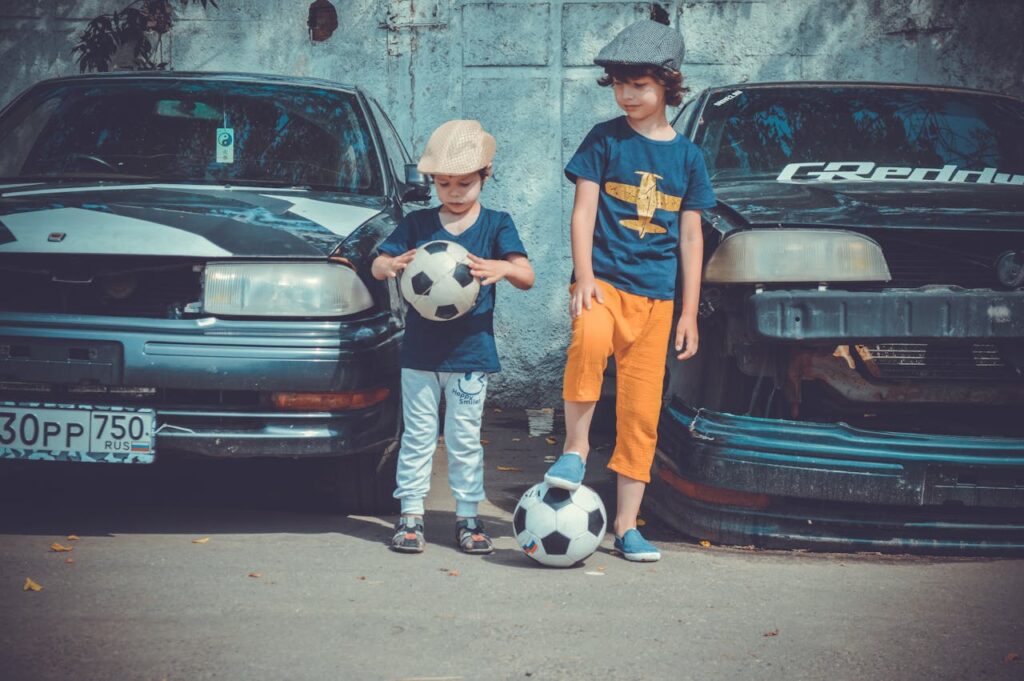
In the ’90s, kids often spent entire afternoons outside with friends, riding bikes, climbing trees, or playing tag—no adults around or checking in. Neighborhoods felt safe, and children were trusted to make their own decisions about when to come home. Today, such unsupervised outdoor play is rare, as parents are more cautious about potential dangers. This freedom taught kids valuable social and problem-solving skills that structured activities can’t always provide.
2. Walking or Biking to School Alone
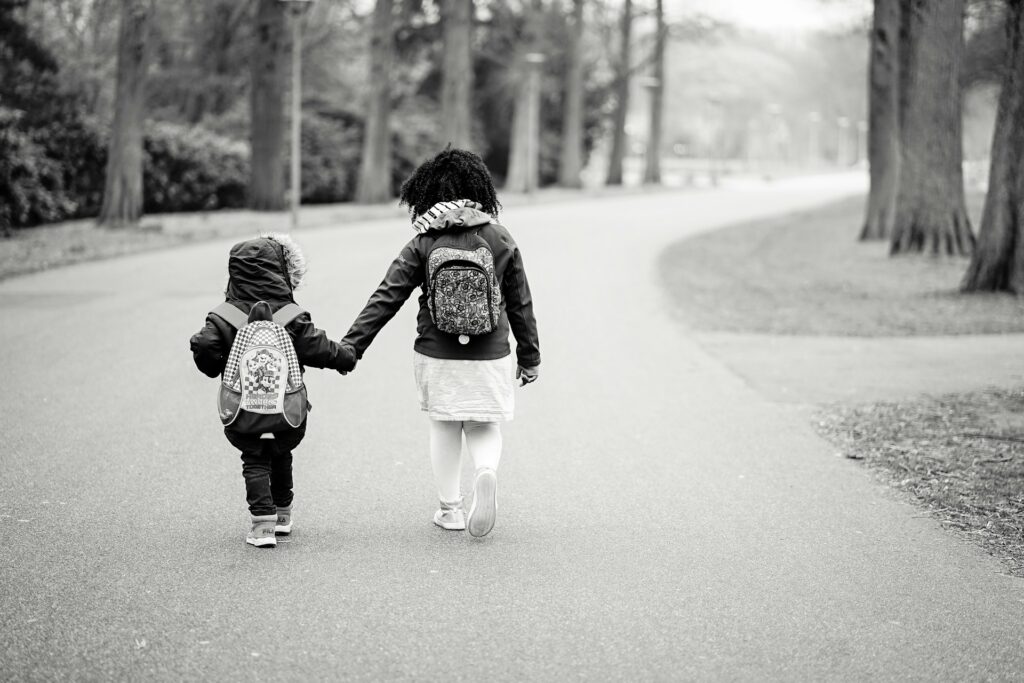
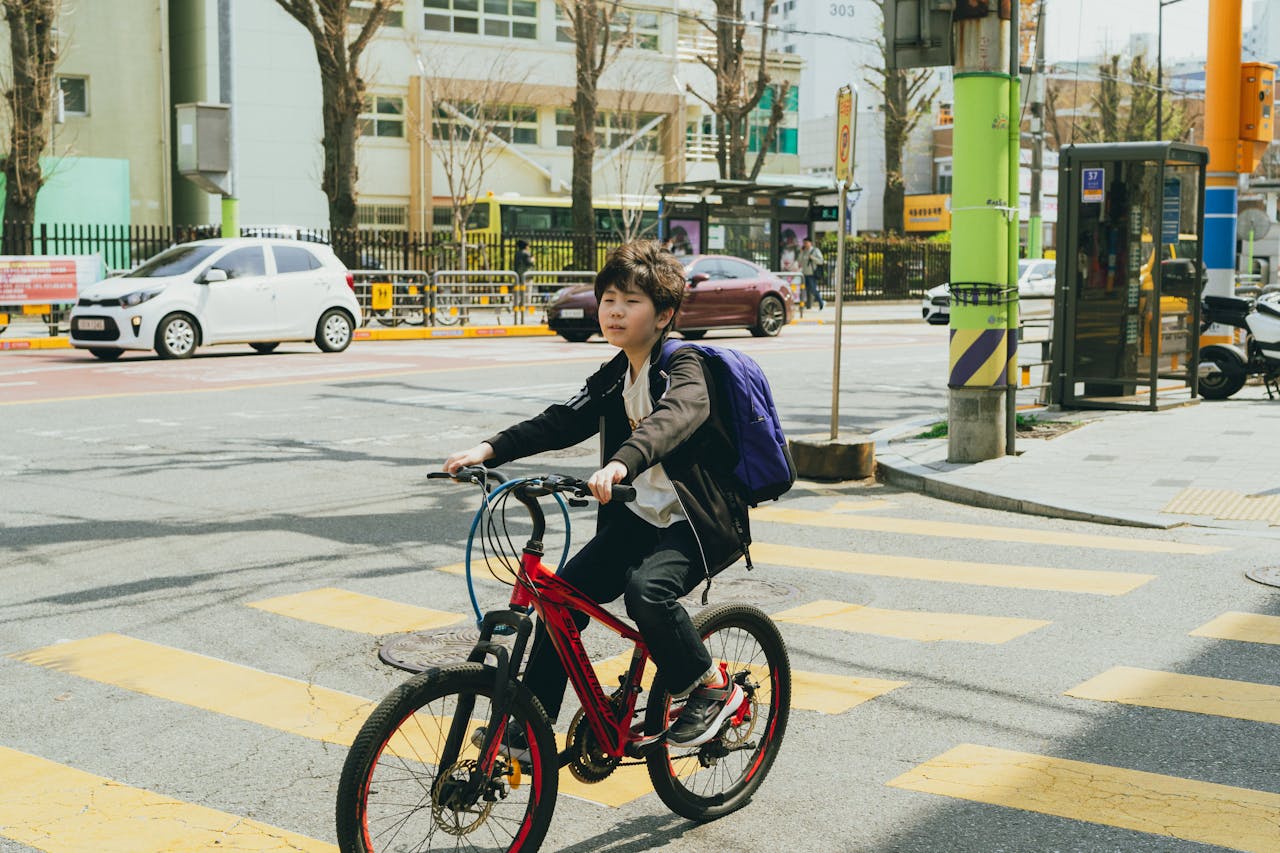
Many ’90s kids walked or biked to and from school by themselves, sometimes covering miles. Parents trusted that children could navigate routes safely and handled potential challenges like crossing streets or interacting with strangers. Today, “walking school buses” or rideshares are common, and many schools encourage adult accompaniment or bus transportation for safety reasons. This solo travel gave kids a sense of responsibility and confidence early on.
3. Playing with Stranger’s Kids Without Parental Approval
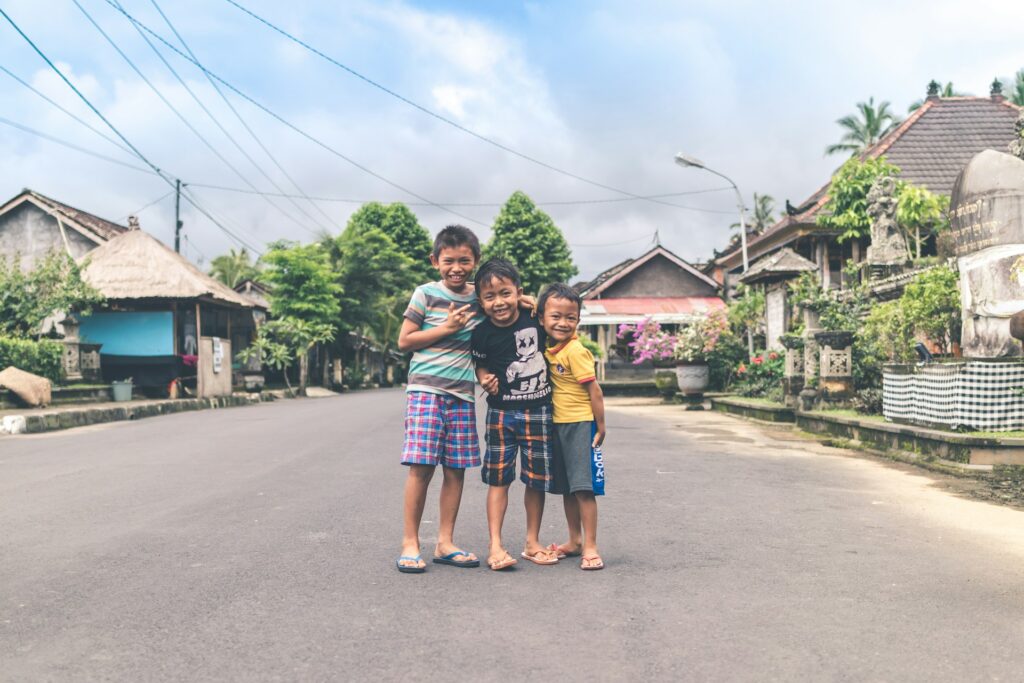
When kids in the ’90s met other children in the neighborhood, they’d often join their games or hang out without parents needing to meet or approve these new friends. Stranger danger awareness was less emphasized, and kids trusted their instincts about people. Nowadays, many parents require detailed background checks or supervised playdates before allowing their children to interact with unfamiliar peers, limiting spontaneous friendships.
4. Staying Home Alone for Hours
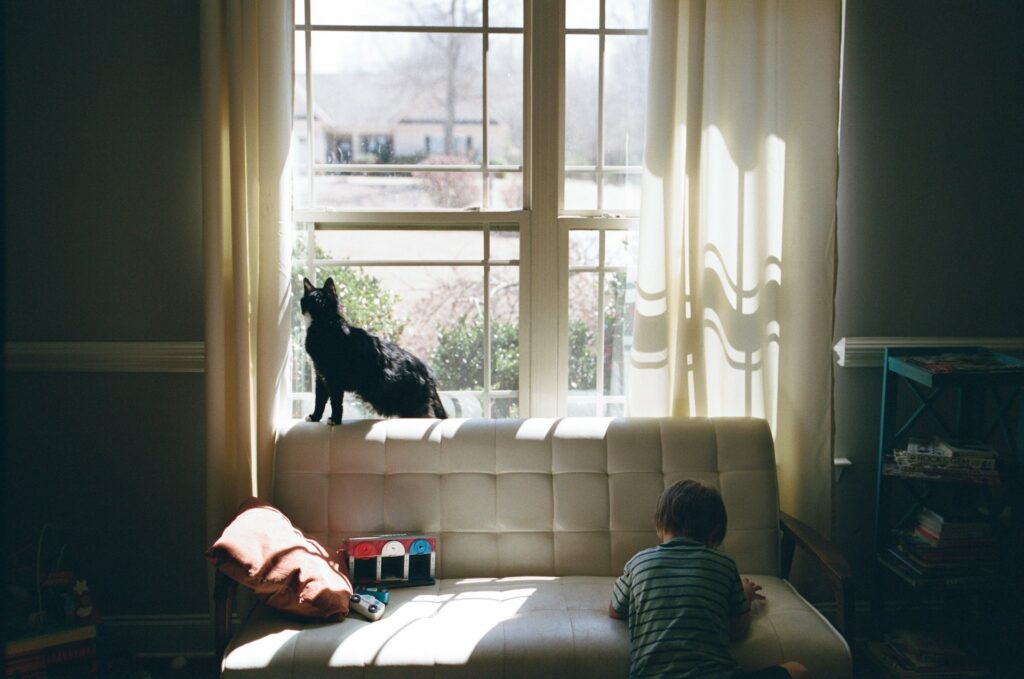
It wasn’t uncommon for ’90s kids, sometimes as young as 8 or 9, to stay home alone after school until parents returned from work. They would watch TV, do homework, or prepare simple snacks. This independence helped build self-reliance but today would be considered unsafe or neglectful by many, with stricter guidelines about how long children can be left unsupervised. It also taught kids problem-solving and time management skills early on.
5. Roaming Around Town Without Cell Phones
’90s kids often roamed parks, malls, or local hangouts with friends for hours, relying on agreed-upon meet-up times instead of constant texting or calling. Without cell phones, communication was planned ahead or left to chance, fostering independence and trust. Today’s parents often require constant contact through smartphones, GPS tracking, or check-ins, reducing opportunities for kids to learn self-regulation or handle unexpected situations alone.
6. Riding in Cars Without Car Seats or Seatbelts
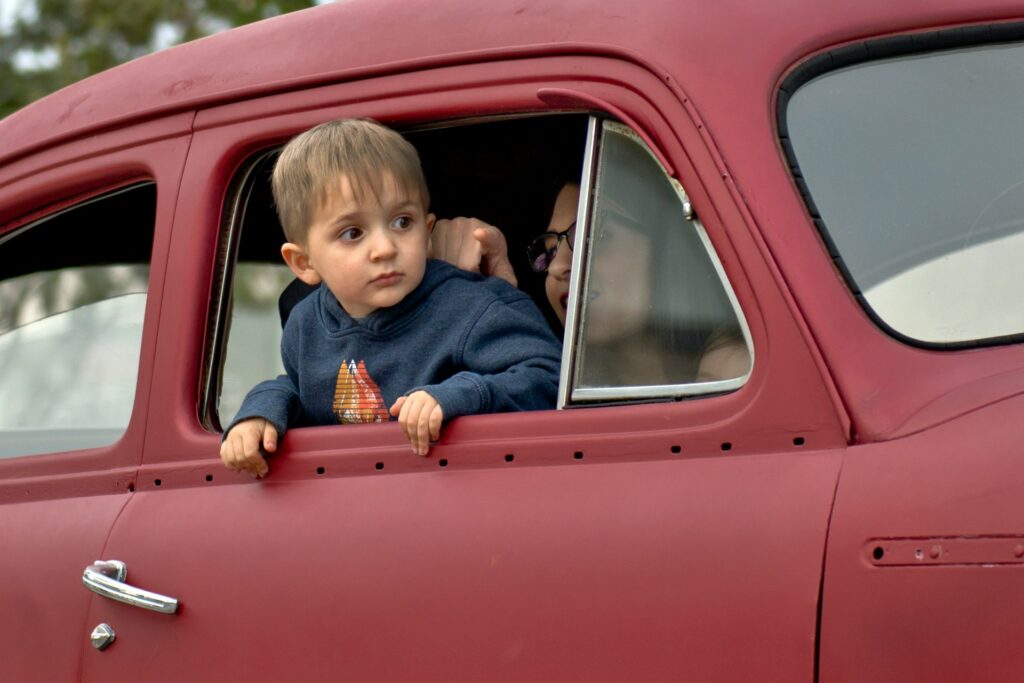
Many kids in the ’90s rode in cars without proper car seats or sometimes without seatbelts at all, especially in the back seat. Safety standards were looser, and parents didn’t always follow current guidelines. Today, strict laws mandate proper restraints for children, reflecting a deeper understanding of car safety. While the ’90s approach was risky by today’s standards, it was just part of normal life back then.
7. Playing Video Games for Hours Unmonitored
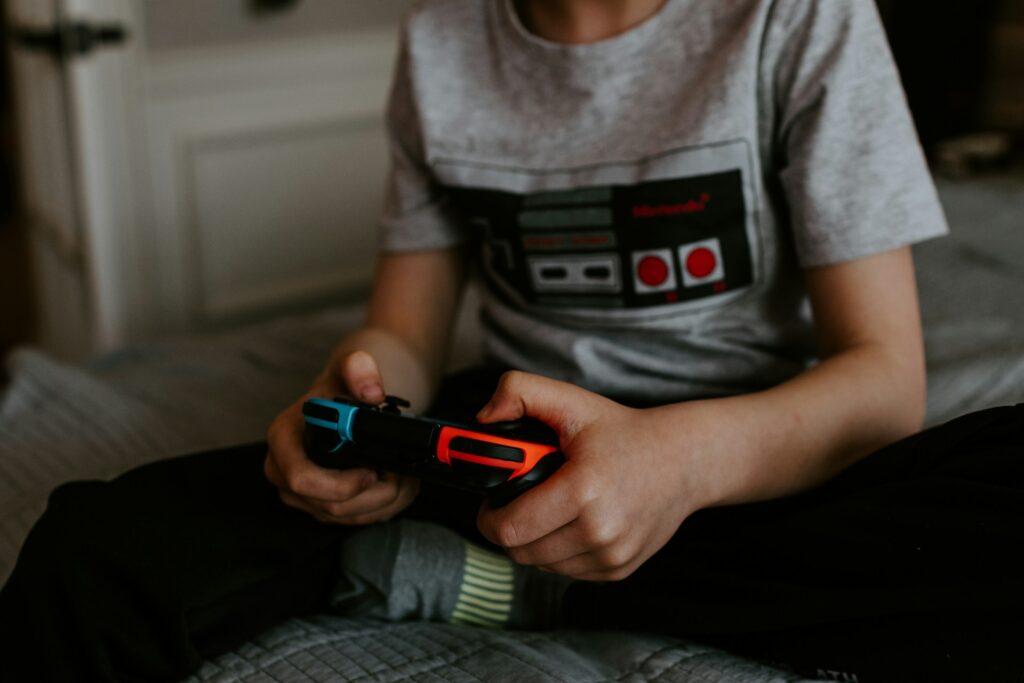
Kids could spend entire afternoons playing video games alone or with siblings without parents setting strict limits. There was less awareness about screen time or content appropriateness, and parental controls were rare. While some parents welcomed this as a harmless way to keep kids occupied, today’s concerns about gaming addiction and exposure to violent content have led to stricter monitoring and limits on playtime.
8. Experimenting with Makeup or Hairstyles at Home

’90s kids, especially preteens and teens, often experimented with makeup, hair dye, or funky styles at home without adult supervision. Mistakes or messy outcomes were common but accepted as part of growing up. Today, parents might be more involved or set limits on these experiments, sometimes fearing safety or social consequences. This freedom back then encouraged creativity and self-expression in a relaxed environment.
9. Riding Skateboards or Bikes Without Helmets
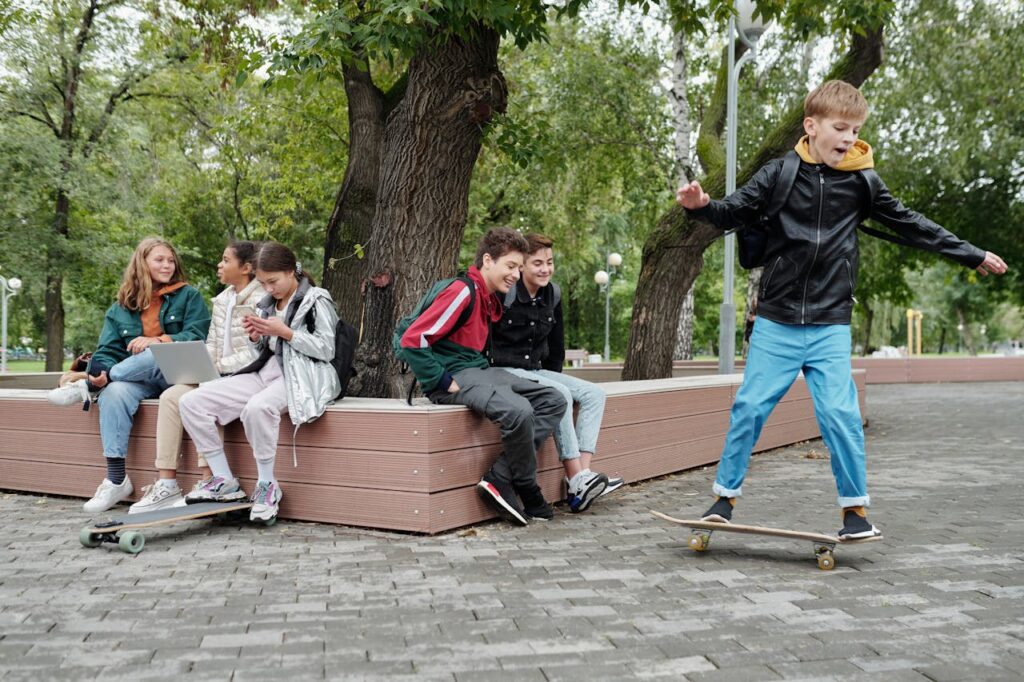
Helmet use was optional or often ignored for kids riding skateboards or bikes in the ’90s. Parents tolerated scrapes and bruises as part of childhood. Today, helmet laws and safety awareness campaigns mean parents insist on protective gear to prevent head injuries. While risk-taking is part of learning, the ’90s allowed for more freedom—and more bumps along the way.
10. Using Public Payphones to Check In
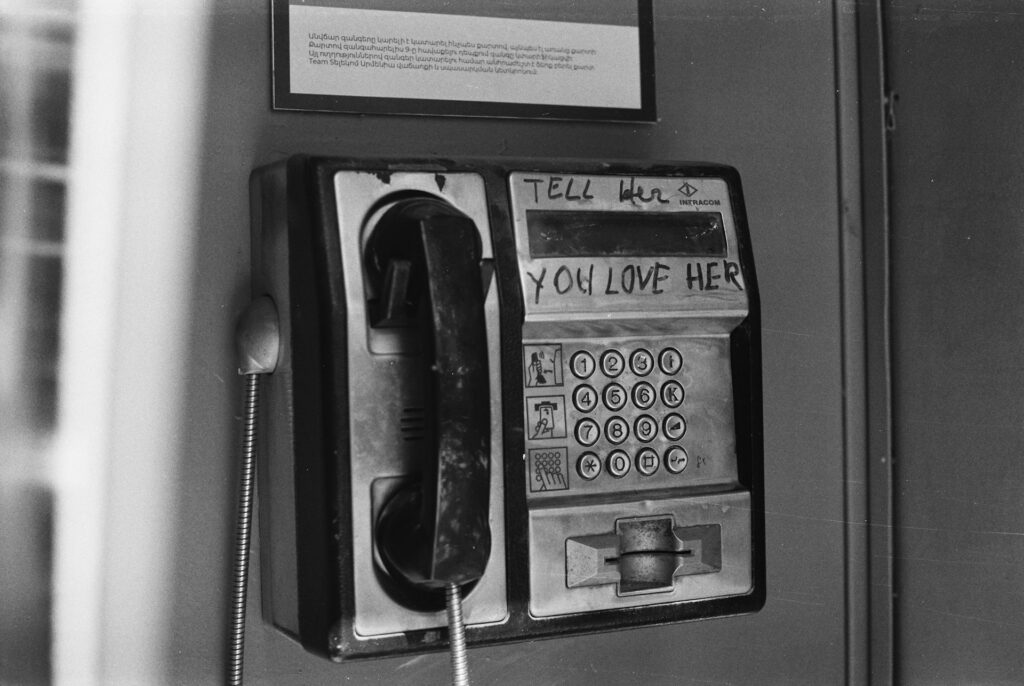
Before cell phones, kids relied on payphones to call parents or friends to check in or arrange pickups. Carrying quarters and knowing phone numbers was a critical life skill. While simple by today’s standards, this practice taught responsibility and self-sufficiency. Today, with cell phones ubiquitous, children rarely have to find a public phone or memorize numbers, reducing these everyday challenges and independence-building moments.
The ’90s childhood was marked by independence and freedom, giving kids room to grow, learn, and make mistakes on their own. While some of these activities might alarm today’s parents, they helped build resilience and self-reliance in a way that structured modern parenting sometimes struggles to replicate.