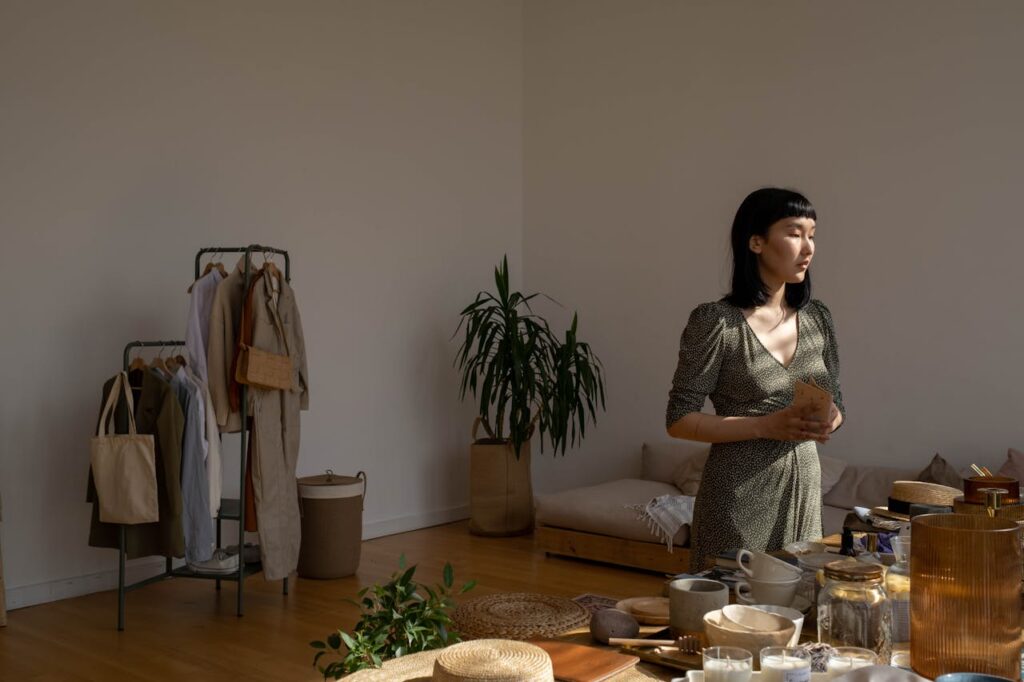

Parenting confidence doesn’t arrive with the birth certificate. It’s earned—one scraped knee, midnight meltdown, and overthought birthday party at a time. In the early years, I tried to be perfect. I read every article, second-guessed myself daily, and confused anxiety with effort. But with time, I’ve grown into my role. Confidence now shapes the way I show up as a parent: less frantic, more intuitive, and a lot more forgiving. These aren’t just tweaks in my parenting—they’re real shifts that changed everything.
I Trust My Gut More Than the Internet
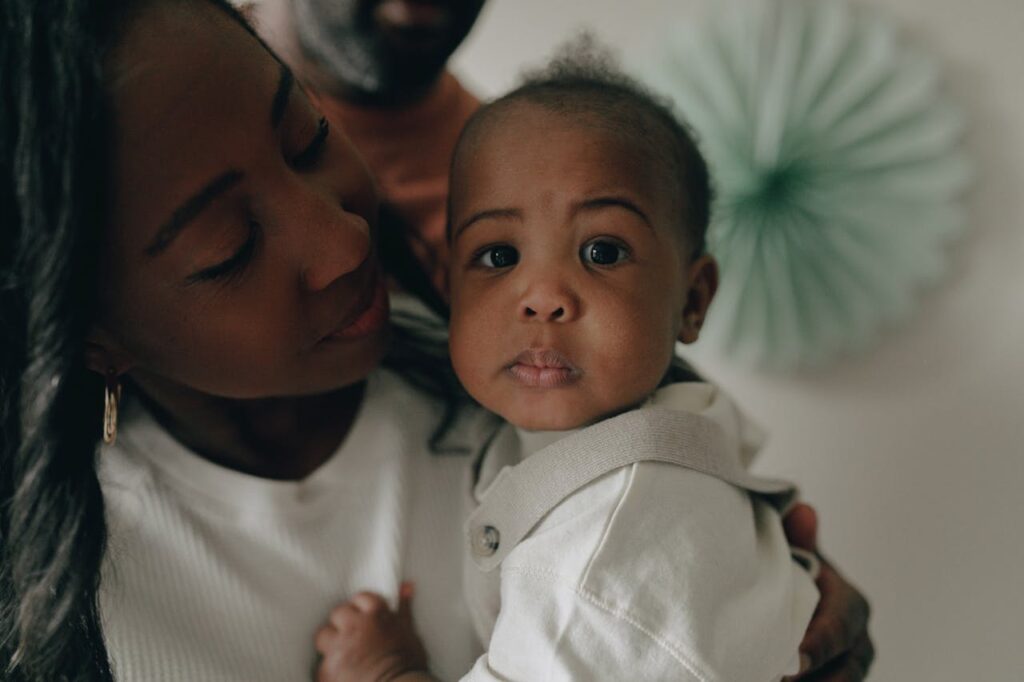
When I started out, I clung to parenting websites like a life raft. I’d spiral into rabbit holes comparing discipline styles, nap schedules, and feeding philosophies. But all that advice—often conflicting—left me more confused than empowered. Over time, I began tuning in to what felt right instead of what some expert claimed was “best.” Now, I use research as a tool, not a crutch. My child isn’t a case study—they’re a whole person, and I’ve learned that my instincts are worth listening to.
I Set Boundaries Without Guilt
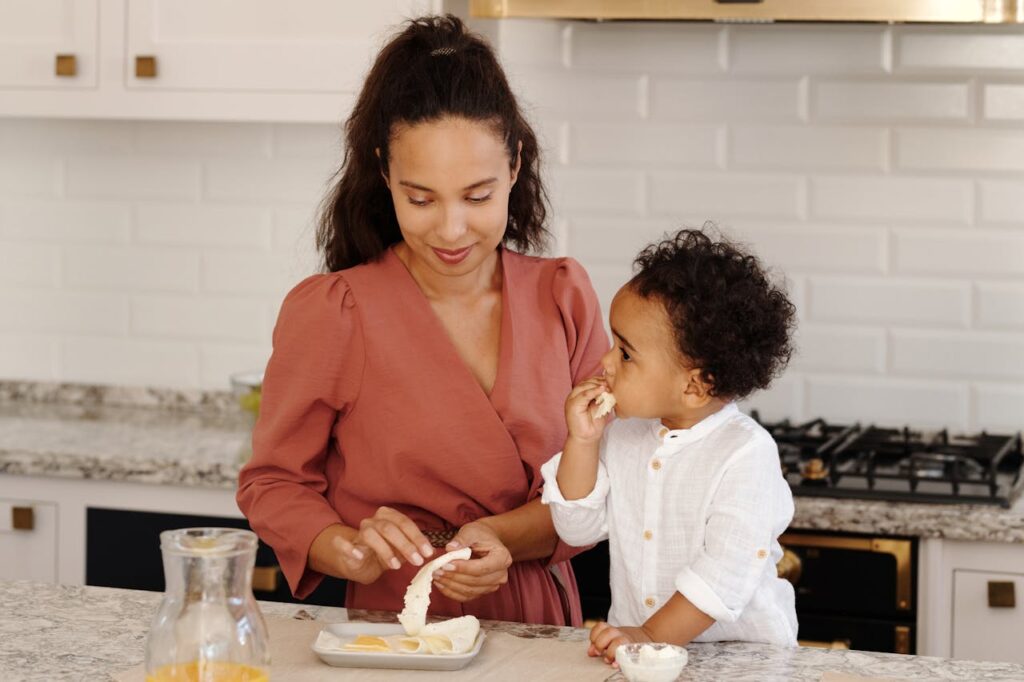
I used to feel terrible every time I had to say no. No to one more snack, one more episode, one more toy. I mistook being permissive for being kind. But as my confidence grew, I realized that boundaries are an essential form of love. They give my child structure, safety, and clear expectations. I still explain my reasoning, but I don’t over-apologize or fold under pressure. A confident “no” has become one of the most powerful tools in my parenting toolkit—and one of the most loving.
I Prioritize My Own Breaks—Without Justifying Them
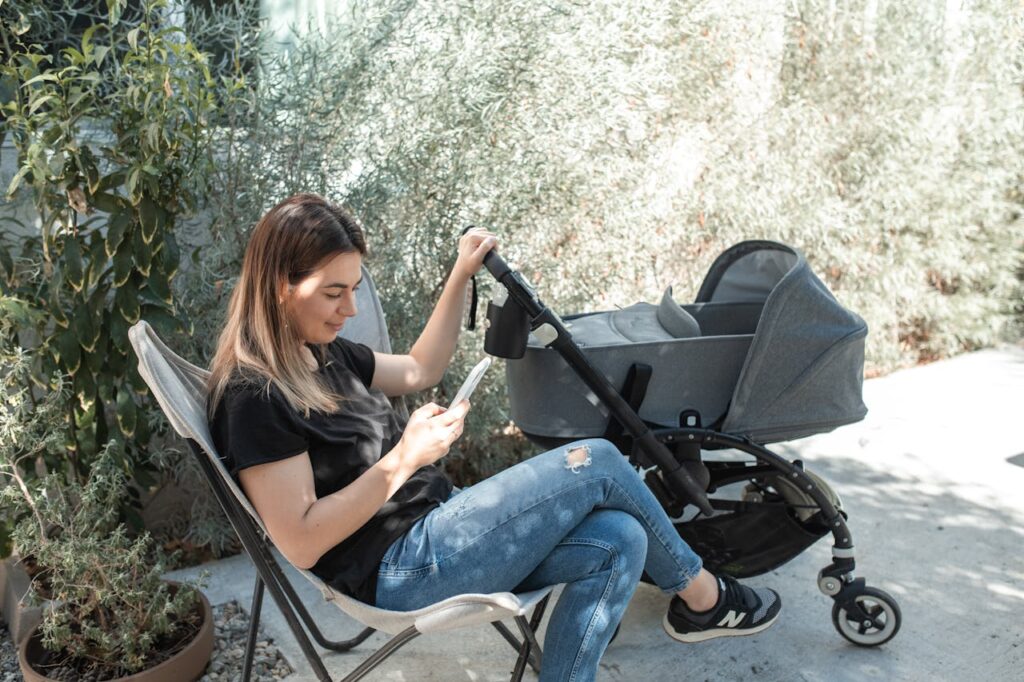
In the early days, I wore exhaustion like a badge of honor. Resting made me feel guilty, like I wasn’t trying hard enough. But now I see how flawed that thinking was. Parenting is an endurance race, not a sprint. Taking breaks—whether it’s a walk, a coffee alone, or an hour with a book—gives me the mental clarity and emotional space to show up as my best self. I don’t ask permission anymore, nor do I justify my actions to anyone. I make rest a requirement, not a reward.
I Sit With My Child’s Emotions Instead of Fixing Them

When my child cries or lashes out, my instinct used to be: fix it fast. I offered solutions, distractions, or reassurances—anything to stop the discomfort. But now, I’ve learned to pause. Instead of rushing to make it better, I just sit with them. I let them be sad, angry, or frustrated while I stay present and calm. It’s not easy, but it’s powerful. I want my child to know their feelings are valid, not something to be rushed through or silenced.
I’ve Stopped Stressing About “On-Time” Milestones
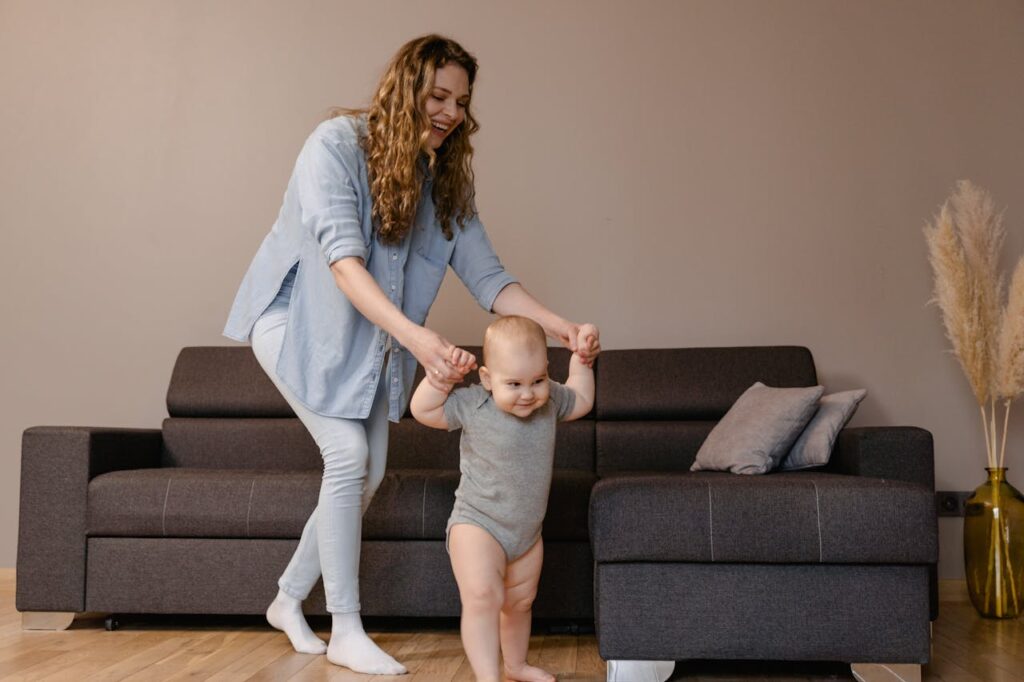
Every milestone used to feel like a measure of my parenting. If my child wasn’t walking, reading, or potty training “on time,” I’d panic. But with experience, I’ve learned that development isn’t linear—and it certainly isn’t a competition. My child has strengths that don’t fit on a chart, and delays aren’t failures; they’re just part of their story. Confidence means I can see the whole picture, not just the calendar. And that lets me enjoy who my child is, not just who they’re “supposed” to be.
I Embrace the Mess, the Noise, and the Chaos

I used to feel like a failure if my house looked lived-in. I’d clean during naps, tidy toys obsessively, and stress over dirty dishes. Now? I still value a clean space, but I no longer chase perfection. Messy play means learning is happening. Scattered toys mean joy just happened. I’ve learned to pick my battles—and sometimes, the better choice is to step over the pile of blocks and sit down to play with the children. There will always be time to clean, but childhood won’t wait.
I Include My Kids in the Process—Even When It’s Slower
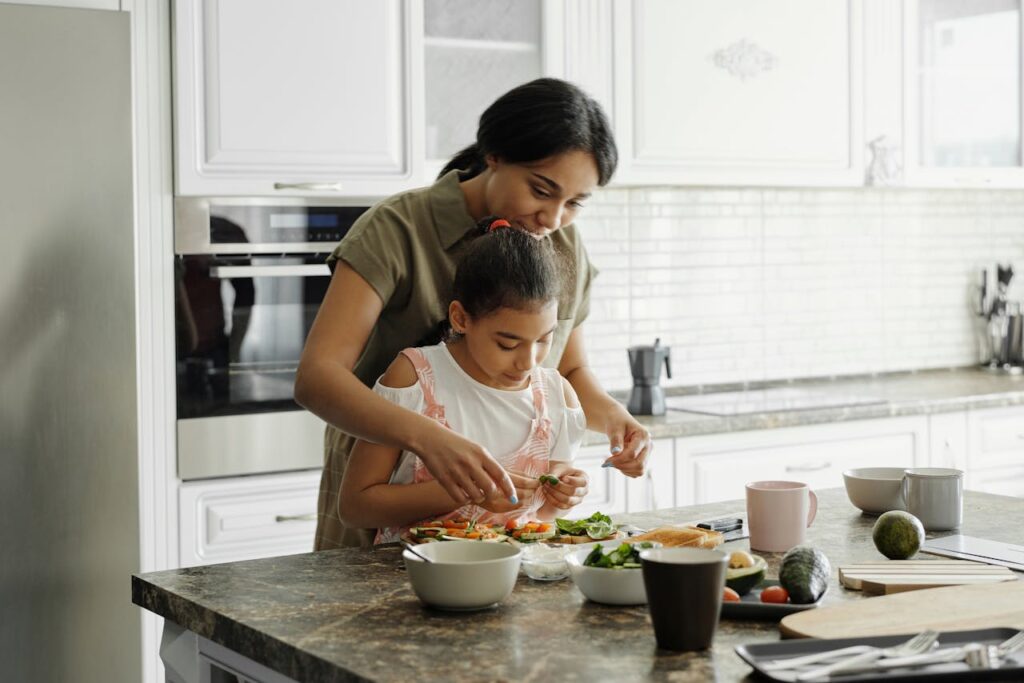
When I was insecure, I did everything myself. It was faster, neater, and more predictable. But now I see the value in letting my kids help me—even if it’s messier and takes twice as long. Letting them mix pancake batter, fold laundry, or plan meals gives them agency and pride. It also teaches patience, teamwork, and problem-solving. A confident parent knows the outcome matters less than the opportunity. The goal isn’t efficiency—it’s connection.
I Don’t Fear Being “The Bad Guy” Anymore
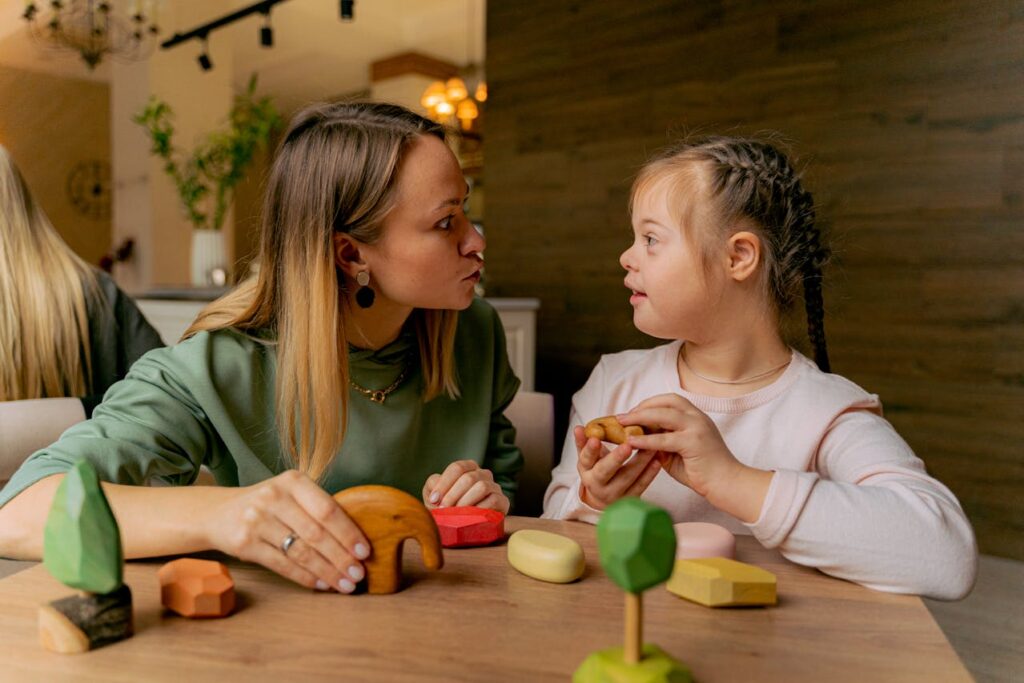
I used to avoid conflict at all costs. I wanted to be the fun and likeable mom, the easy-going mom—the one with zero drama. But trying to avoid every tantrum or disagreement made me timid and inconsistent. These days, I’m okay being the “mean mom”, if it means doing what’s right. I enforce limits, stick to consequences, and don’t take pushback personally. I know my child may not like me in the moment—but they’ll learn to trust me in the long run.
I Admit When I Don’t Know—and That’s Okay
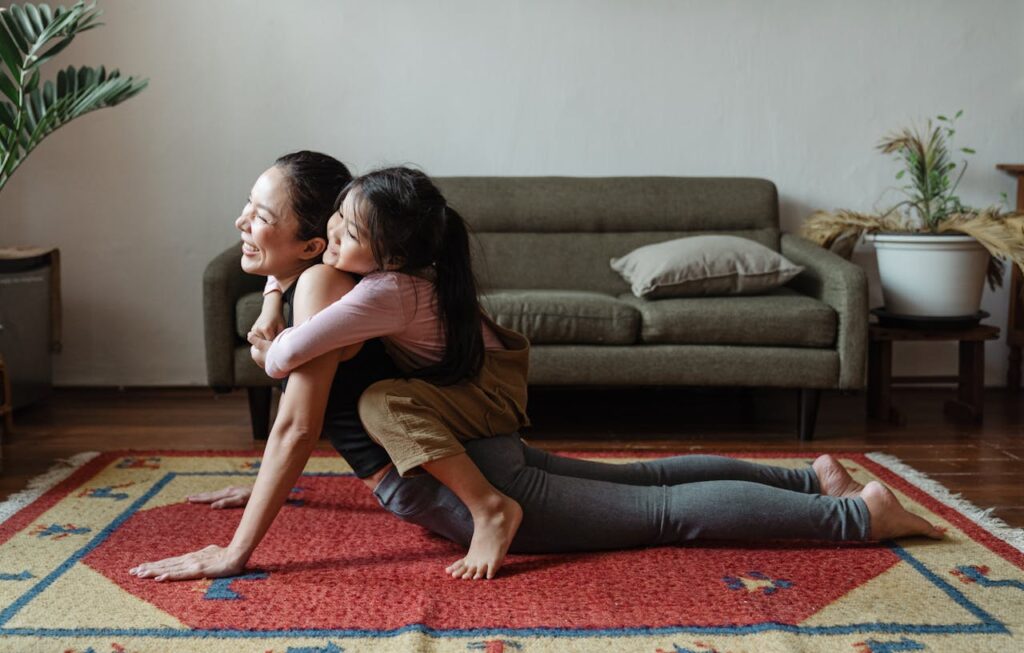
In my early parenting days, I felt like I had to have all the answers. I thought admitting “I don’t know” would undermine my authority. But now, I see that honesty builds credibility. When I say, “I’m not sure, but let’s figure it out,” I’m modeling curiosity, humility, and a willingness to grow. It also shows my kids that they don’t have to know everything either. Confidence doesn’t mean knowing it all—it means being secure enough to say when you don’t.
I Find Joy in the Small, Ordinary Moments
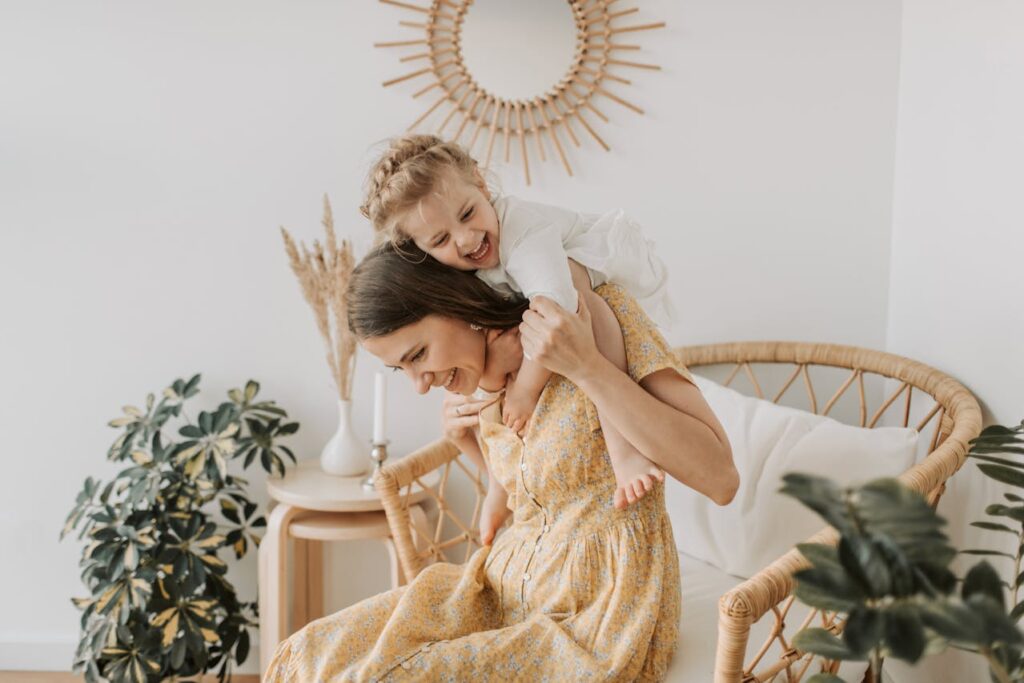
Before, I was always chasing the next milestone, the next big win, the Instagram-worthy memory. But confidence helped me slow down. I’ve started noticing the quiet moments—the early morning cuddles, the goofy jokes, the way my child looks for my face in a crowd. These aren’t side notes in the story; they are the story. And the more I celebrate these everyday wins, the richer parenting becomes. Confidence gave me the freedom to be present—and that’s where the magic lives.
Parenting will never be perfect, but it doesn’t need to be. What changed everything for me wasn’t the arrival of some magical parenting formula—it was learning to trust myself. Confidence doesn’t mean having all the answers. It means showing up with intention, owning your decisions, and learning as you go. Every parent grows at their own pace, just like every child. And once you start parenting from a place of confidence, the whole journey feels a lot less like survival—and a lot more like love.