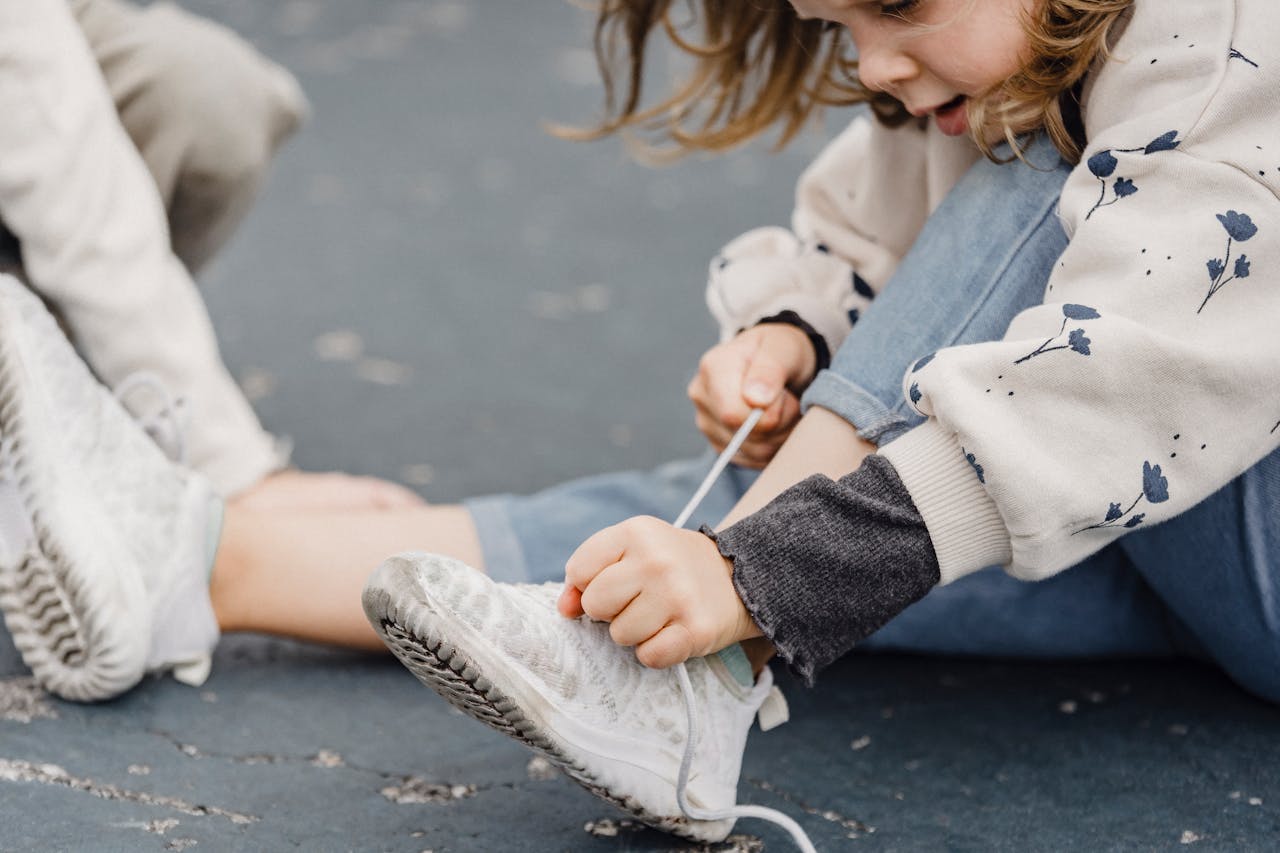
Failure is an inevitable part of life, yet many kids grow up fearing it instead of learning from it. As moms, we have a powerful role in shaping how our children view mistakes, setbacks, and challenges. Teaching kids about failure doesn’t mean expecting them to fail—it means preparing them to handle it with resilience, courage, and self-compassion. Here are 10 essential lessons every mom should share with her kids to help them navigate failure and grow stronger because of it.
Failure Is Not the End

Kids often feel like failing at something means everything is over. It’s crucial for moms to explain that failure is just one moment in a long journey, not a final verdict on their abilities. Let them know that even successful people stumble many times before reaching their goals. When kids understand that failure isn’t permanent, they’re more willing to try again and keep moving forward. This mindset helps them stay hopeful, even when things get tough.
Mistakes Help You Learn

Children should know that mistakes are not something to be ashamed of—they’re opportunities to grow. Moms can encourage kids to look at what went wrong and figure out what they might do differently next time. Learning from mistakes builds critical thinking skills and confidence. Instead of punishing failure, celebrate the lessons it brings. This teaches kids that every misstep can lead to valuable knowledge.
Your Worth Isn’t Defined by Success

Many kids tie their self-worth to their achievements, believing they’re only “good enough” when they succeed. Moms should remind them that their value comes from who they are, not just what they accomplish. Failing at a task doesn’t mean they’re a failure as a person. Kids need to hear that love and respect are unconditional, regardless of their results. This helps build a strong sense of self-esteem that isn’t shaken by setbacks.
Everyone Fails Sometimes
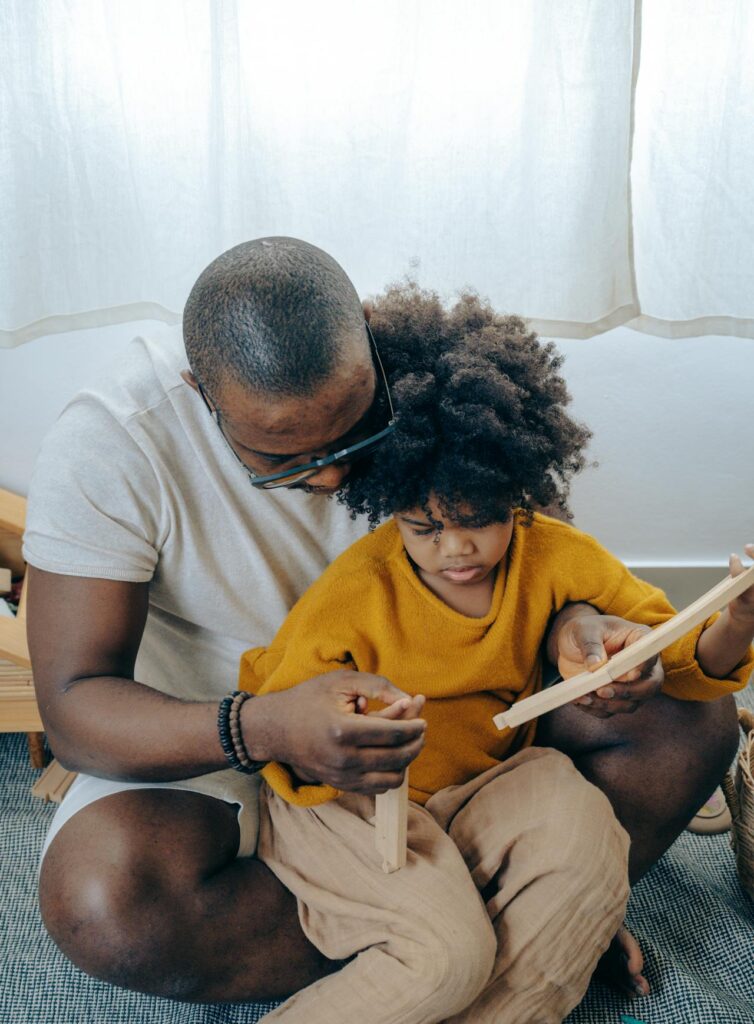
It’s easy for kids to think they’re the only ones who mess up. Moms should share stories—both personal and from others—about times they faced failure and overcame it. Knowing that even grown-ups and heroes struggle helps kids feel less alone. It normalizes failure as part of being human. When kids see that everyone fails, they’re less likely to feel ashamed when it happens to them.
It’s Okay to Feel Upset

Failure can bring sadness, frustration, or disappointment, and that’s normal. Moms should teach kids that it’s okay to feel their emotions instead of ignoring them. Let them cry, talk it out, or take time to regroup. Processing feelings is healthy and helps kids bounce back stronger. By validating their emotions, moms show kids that feelings are temporary and manageable.
Trying Again Builds Strength

Quitting after a failure might feel easier, but it doesn’t help kids grow. Moms can teach that perseverance is a muscle that gets stronger every time they try again. Encourage them to think about new strategies or approaches if the first attempt didn’t work. Celebrate their effort, not just the outcome. Learning to keep going despite setbacks builds resilience that serves them for life.
Focus on Effort, Not Just Results

Praising kids only for winning or getting top marks can make them afraid of trying anything where they might fail. Moms should highlight effort, improvement, and courage instead of just the end result. Tell kids you’re proud of how hard they worked or how bravely they faced a challenge. This helps them value the process rather than fearing the possibility of failure. Kids who focus on effort become more confident learners.
Failure Makes You Empathetic

Experiencing failure helps kids develop empathy because they understand what it feels like to struggle. Moms should help kids see how their own challenges can make them kinder and more supportive to others. When children learn to relate to people facing difficulties, they grow into compassionate adults. Discuss how setbacks can connect people and build stronger relationships. Turning failure into empathy is one of life’s most beautiful lessons.
Ask for Help When You Need It

Kids sometimes think failing means they have to handle everything alone. Moms should teach that it’s perfectly okay—and wise—to ask for help. Reaching out for support doesn’t make them weak; it makes them smart and proactive. Whether it’s a teacher, friend, or parent, seeking help is a healthy way to solve problems. Kids need to know they don’t have to face failure by themselves.
You Are More Than One Moment

One failure doesn’t define a child’s entire story. Moms should help their kids see themselves as a whole person with many talents, interests, and strengths. Remind them that they’re capable of growth and change. Every setback is just one small chapter in a much bigger book. Helping kids keep perspective prevents failure from crushing their confidence or dreams.