Canada and the United States share a border and many cultural traits, but everyday life inside Canadian households often reflects traditions and habits that Americans may find surprising. These differences highlight the unique blend of practicality, politeness, and cultural values deeply woven into Canadian identity. From footwear etiquette to unique food traditions, Canadian homes carry customs that reveal a distinct lifestyle.
Removal of Footwear Upon Entry
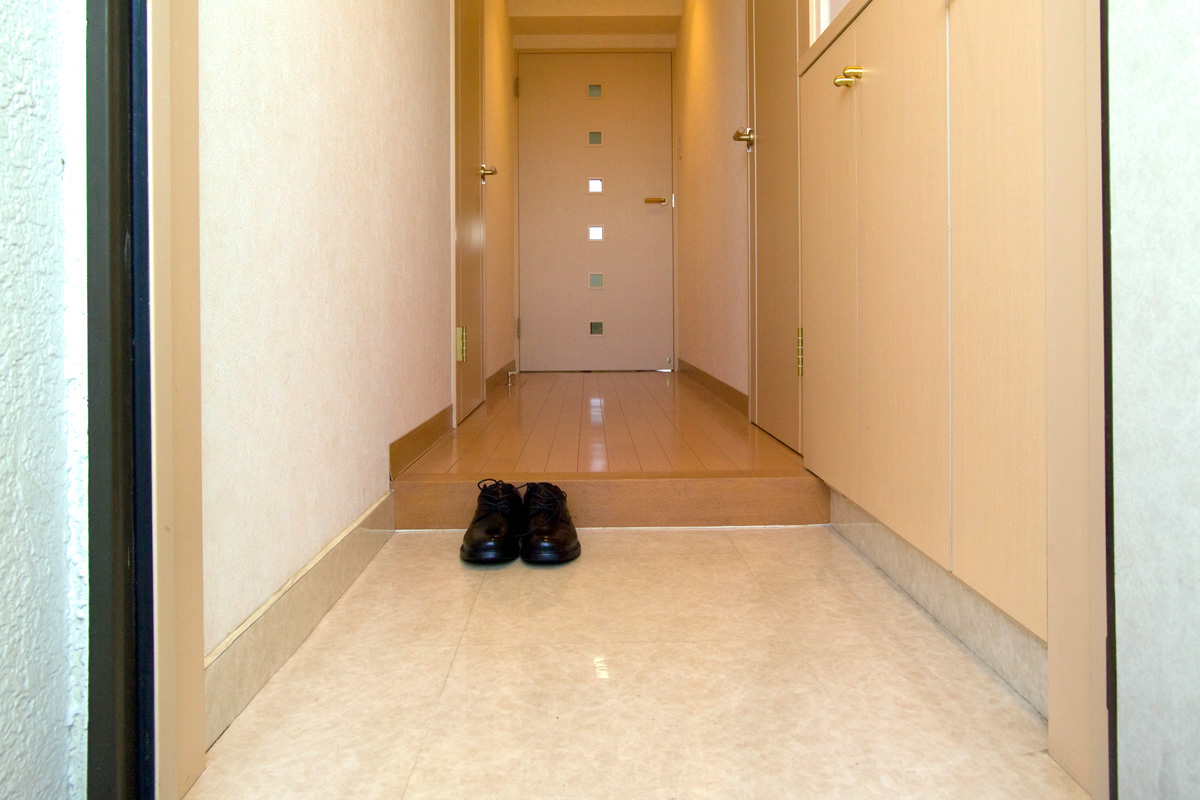
In Canadian households, taking off shoes when entering a home is a strict expectation. This is especially true during winter, when boots track in snow, salt, and slush. Many homes even keep baskets or shelves of slippers for guests. To Americans, who often wear outdoor shoes indoors, this can feel surprisingly formal.
Love of Maple Syrup Beyond Breakfast

Canadians hold maple syrup in almost sacred regard, with many homes keeping it stocked year-round. Quebec produces most of the world’s supply, and it is used in a wide range of recipes, from desserts to savory glazes. For Canadians, it is not just a topping but a cultural staple. This level of national pride in a food product may puzzle many Americans.
Bilingualism in Daily Life

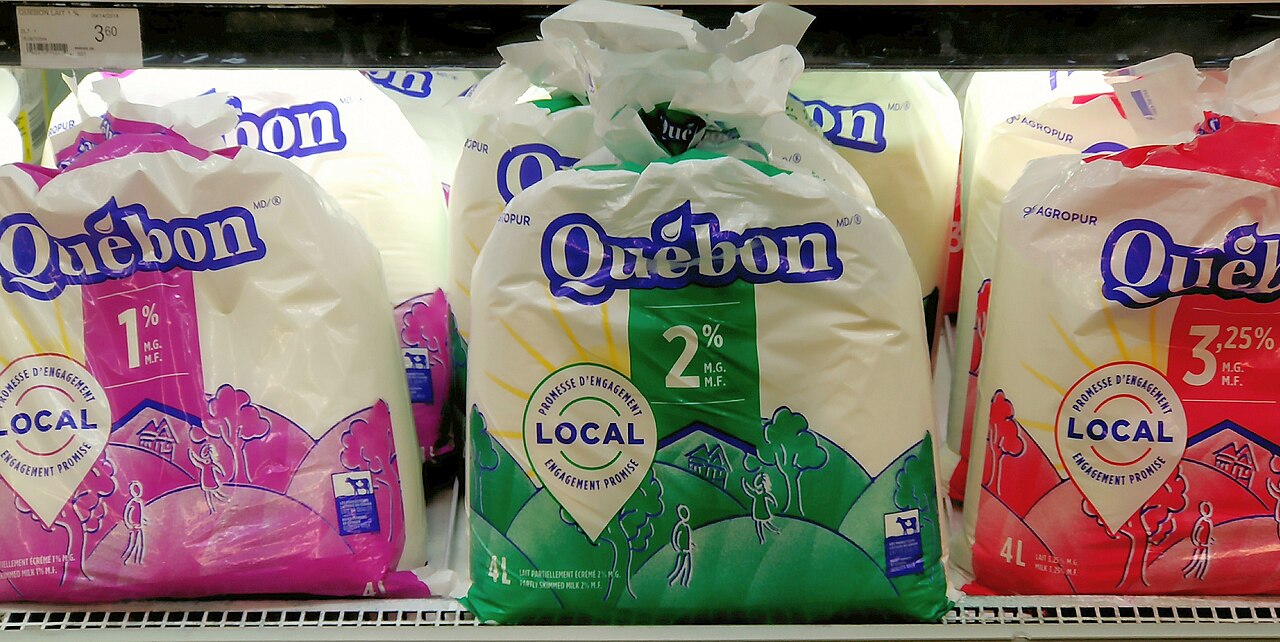
Canadian households are used to seeing packaging and signage in both English and French, even far outside Quebec. This bilingual reality shapes education, media, and consumer products across the country. Americans, less accustomed to bilingual norms, might find this unusual. For Canadians, however, it reinforces inclusivity and national identity.
Unique Household Vocabulary

Everyday Canadian terms such as “toque” for a winter hat or “bunnyhug” for a hoodie are common in conversation. Regional slang, including words for underwear or footwear, highlights linguistic diversity across the provinces. Many Americans would be confused by these words at first hearing. This vocabulary reflects a strong cultural identity tied to language.
Politeness and Social Fairness

Canadian homes often reflect the national emphasis on politeness and fairness. Guests are treated with extra consideration, and conversations lean toward courtesy and respect. These values influence household interactions, from sharing food to resolving disagreements. While Americans value friendliness, Canadians often elevate politeness as a defining cultural trait.
Canadian Content in Entertainment

Households in Canada experience broadcast quotas that require a portion of television and radio programming to feature Canadian artists. This means children grow up hearing local musicians alongside global stars. Many Americans, unfamiliar with such policies, might be surprised by the strong emphasis on national culture. The result is a distinct Canadian soundscape.
Bagged Milk in Some Regions

Although not universal, bagged milk is still found in many Canadian homes, especially in Ontario. The packaging is efficient and designed for practical storage. Americans accustomed to cartons or jugs often find this surprising. For Canadians, however, it has been a familiar staple for decades.
Cities on Screen

Canadian households often recognize their cities in Hollywood films and television shows. Toronto, Vancouver, and Montreal frequently stand in for American locations on screen. Families take pride in pointing out local landmarks when they appear in major productions. This subtle difference reflects Canada’s global presence in entertainment.
The End of the Penny

Since 2012, Canadian households have not used pennies in cash transactions. Purchases are rounded to the nearest five cents, a practice that felt radical when first introduced. Americans, who still use the penny daily, often react with disbelief. For Canadians, this change has become a normal part of everyday shopping.
Support for Social Programs

Many Canadian households embrace universal health care and public services as a source of pride. Conversations around taxes and policies often emphasize shared responsibility. Americans may find this collectivist outlook striking, given the more individualist approach in the United States. In Canada, the belief in social safety nets is deeply ingrained.