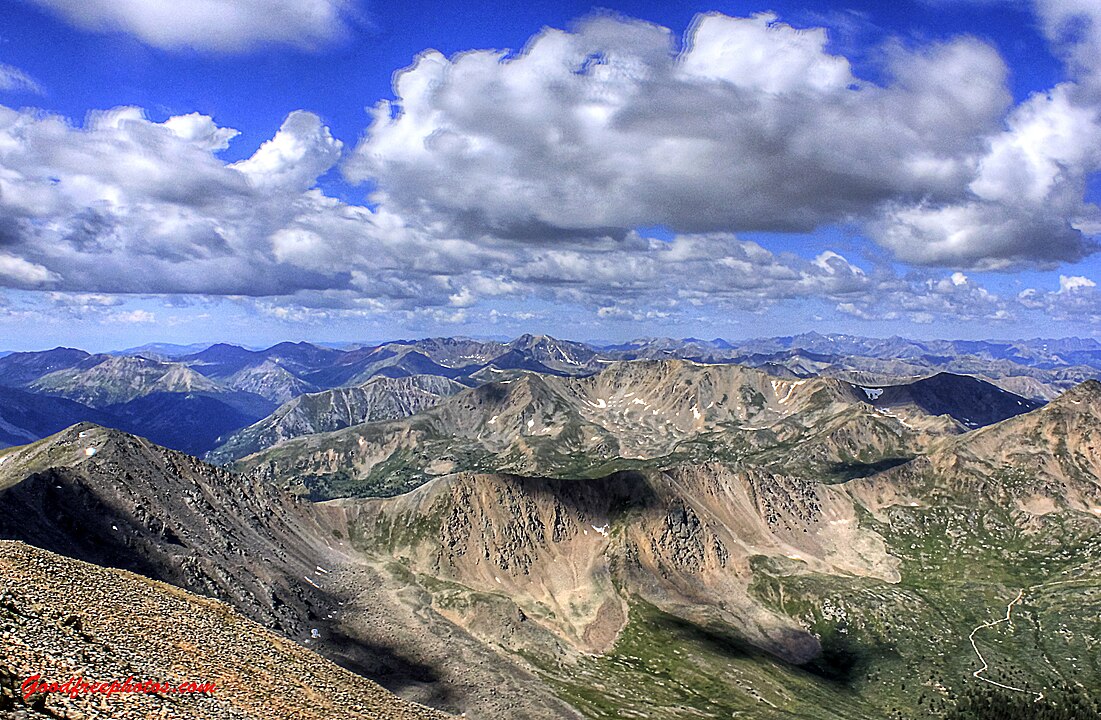
America’s tallest mountains are more than geographic landmarks, they are symbols of endurance, exploration, and cultural meaning. These peaks have shaped local histories, inspired legends, and challenged climbers for generations. Their towering heights hold stories of survival, reverence, and discovery. Each mountain reflects a unique relationship between humans and the natural world.
Denali’s Indigenous Legacy
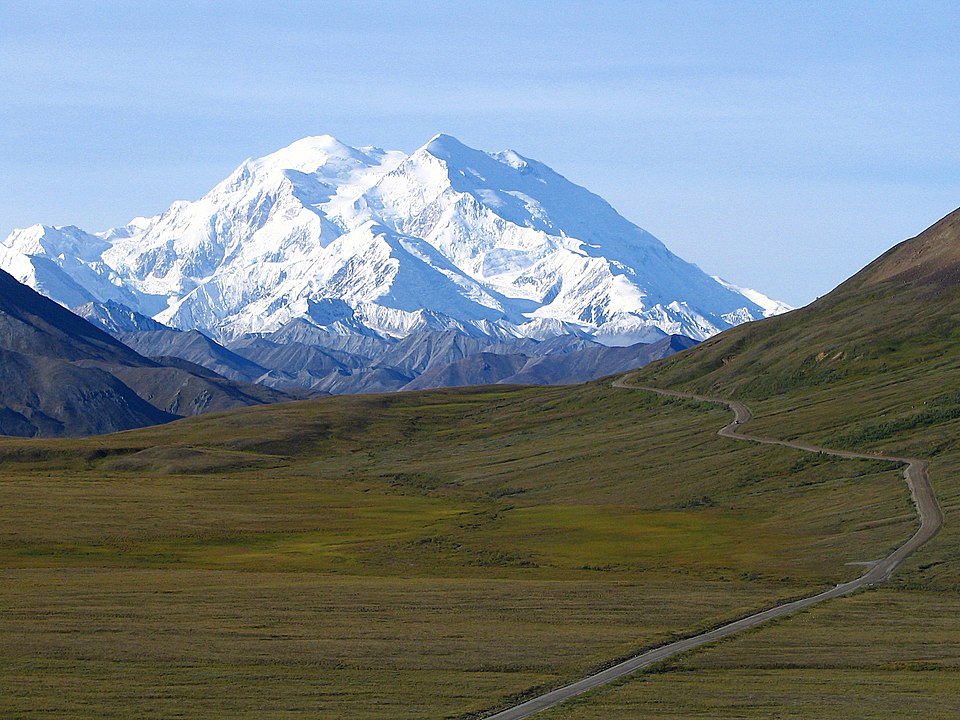
Denali stands as the highest peak in North America. Long before modern climbers arrived, Indigenous communities revered it as sacred. The mountain’s name reflects respect rather than conquest. Its harsh conditions demand humility from all who approach.
Mount Whitney’s Quiet Determination
Mount Whitney rises dramatically within the Sierra Nevada. Early explorers underestimated its difficulty. Climbers soon learned respect for its terrain and altitude. The mountain symbolizes perseverance through preparation.
Mount Elbert’s Subtle Dominance
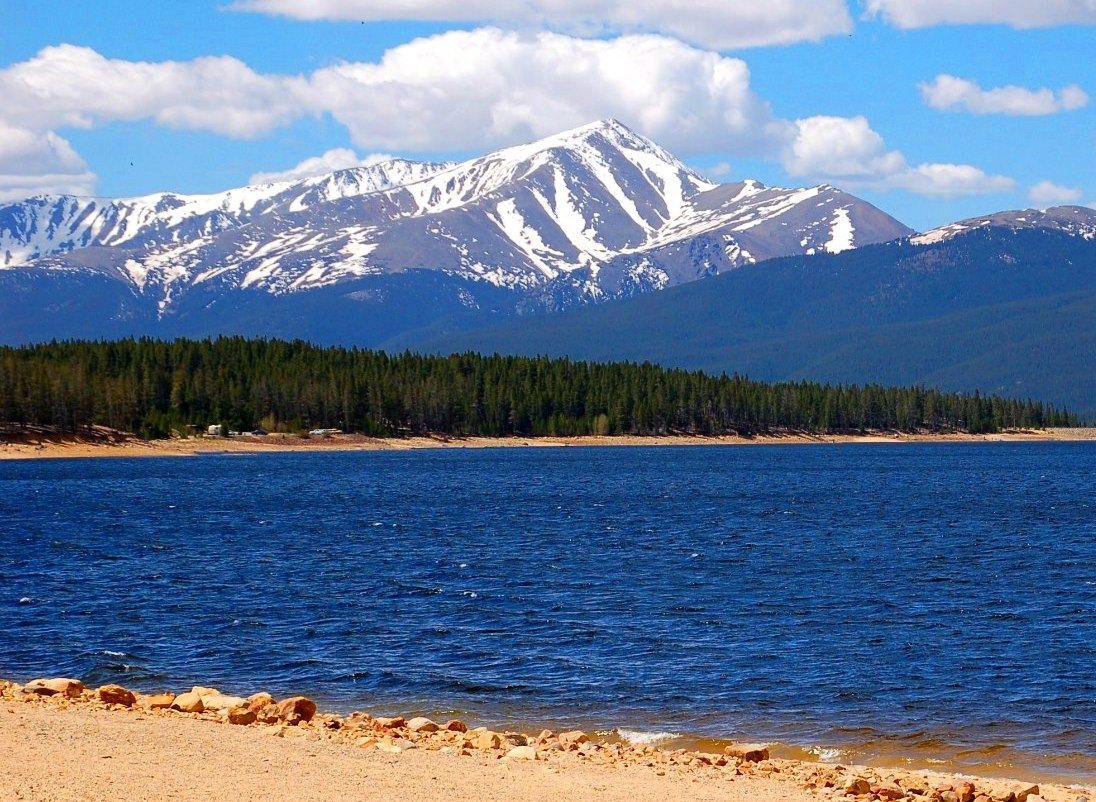
Mount Elbert is Colorado’s tallest peak, yetit remains understated. Its broad slopes mask the challenge it presents. Early surveys underestimated its height. The mountain teaches that scale can be deceptive.
Mount Rainier’s Volcanic Power
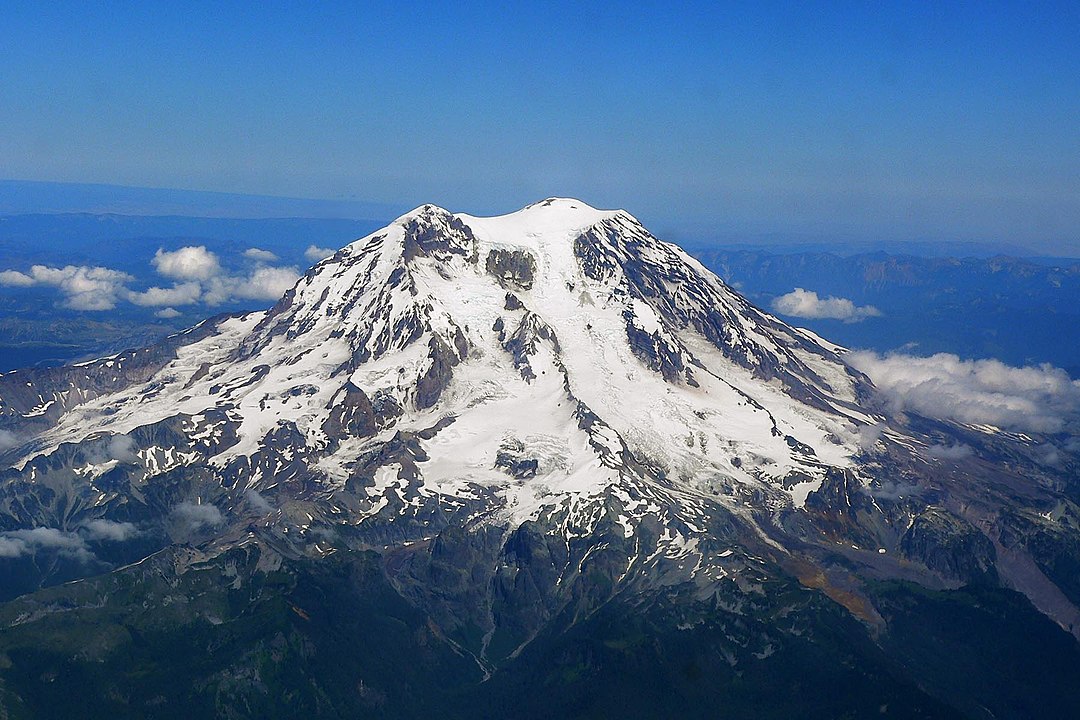
Rainier dominates the Washington skyline with beauty and danger. Its glaciers feed entire ecosystems. Indigenous legends warn of its unpredictable nature. The mountain commands both admiration and caution.
Mount Shasta’s Spiritual Pull
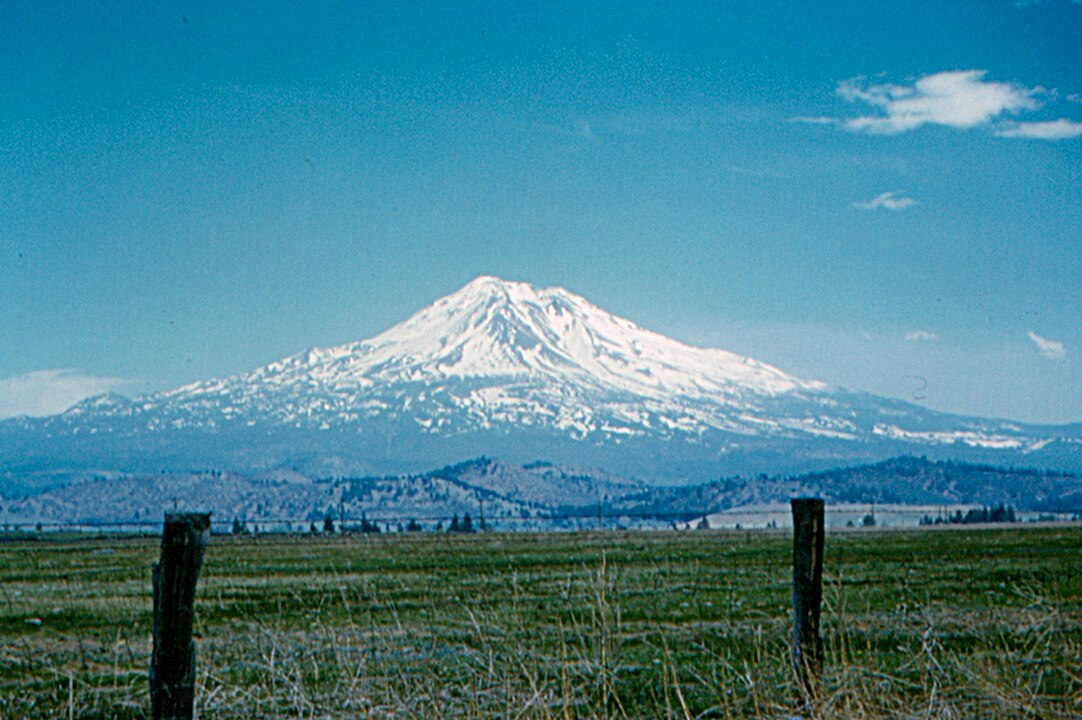
Mount Shasta has long attracted spiritual seekers. Legends describe it as a place of hidden wisdom. Climbers report a sense of isolation unlike any other. Its presence feels both grounding and mysterious.
Mount Massive’s Name Earned
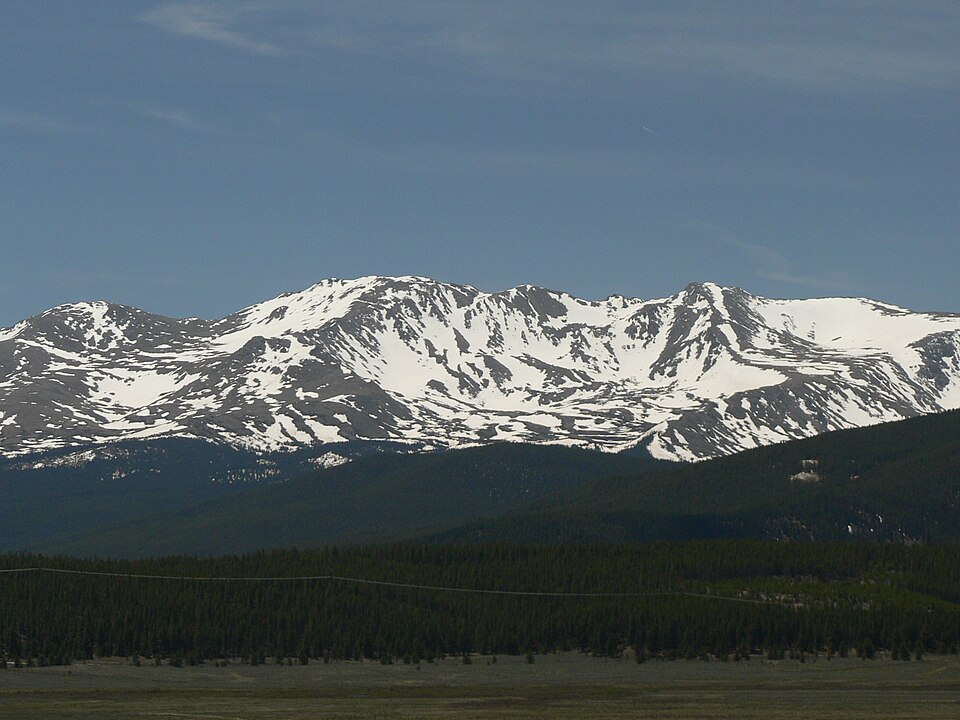
Mount Massive earned its name through sheer bulk. Rather than sharp peaks, it overwhelms through size. Early explorers struggled to map it accurately. Its scale challenges human perception.
Mount Harvard’s Academic Namesake
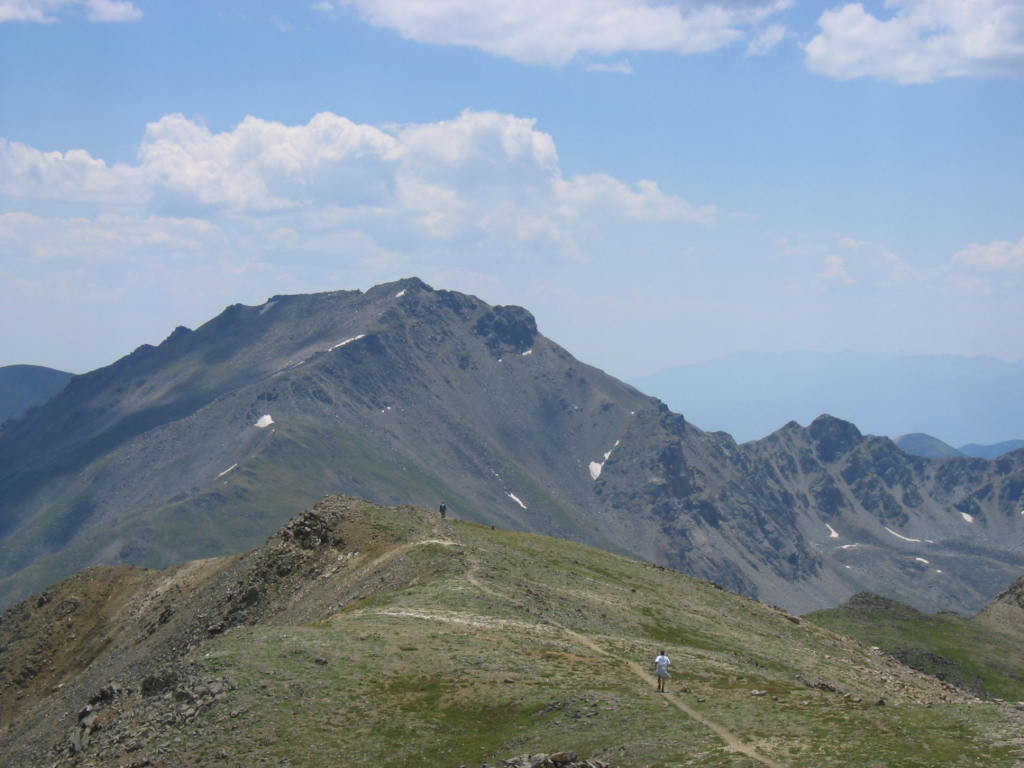
Named during a period of academic exploration, Mount Harvard reflects a time when discovery and education were intertwined. Its rugged beauty contrasts with its refined name. Climbers face technical terrain despite its gentle reputation. The mountain honors curiosity and endurance.
Mount Williamson’s Remote Challenge
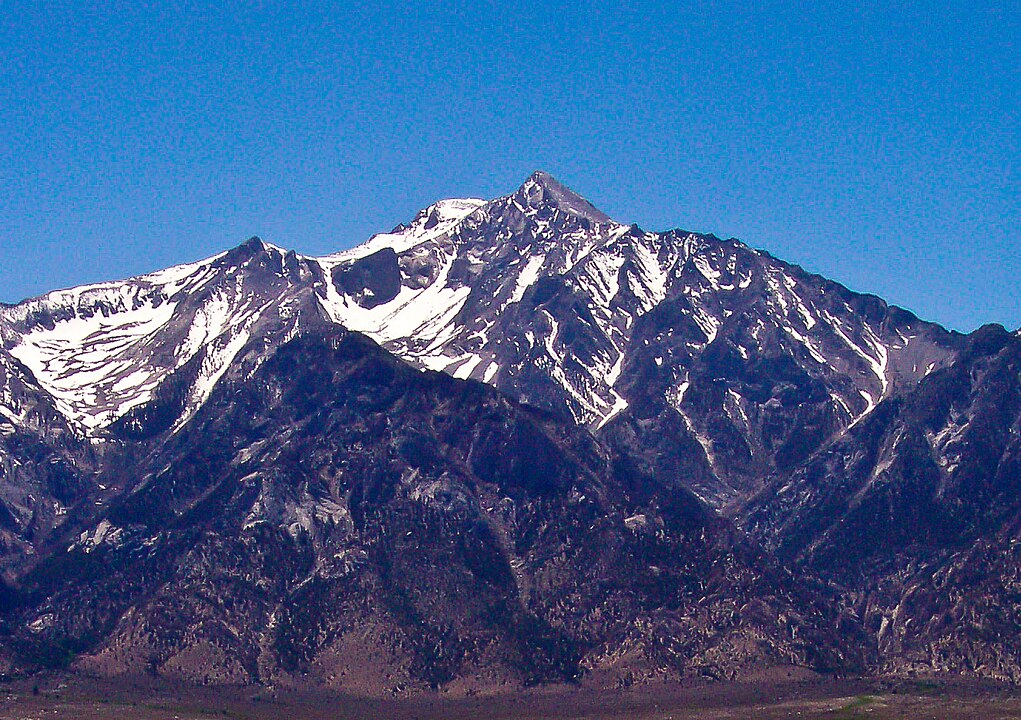
Williamson’s isolation adds to its difficulty. Early ascents required long approaches and careful planning. The mountain rewards patience over speed. Its remoteness preserves its wild character.
Mount St. Elias’s International Presence
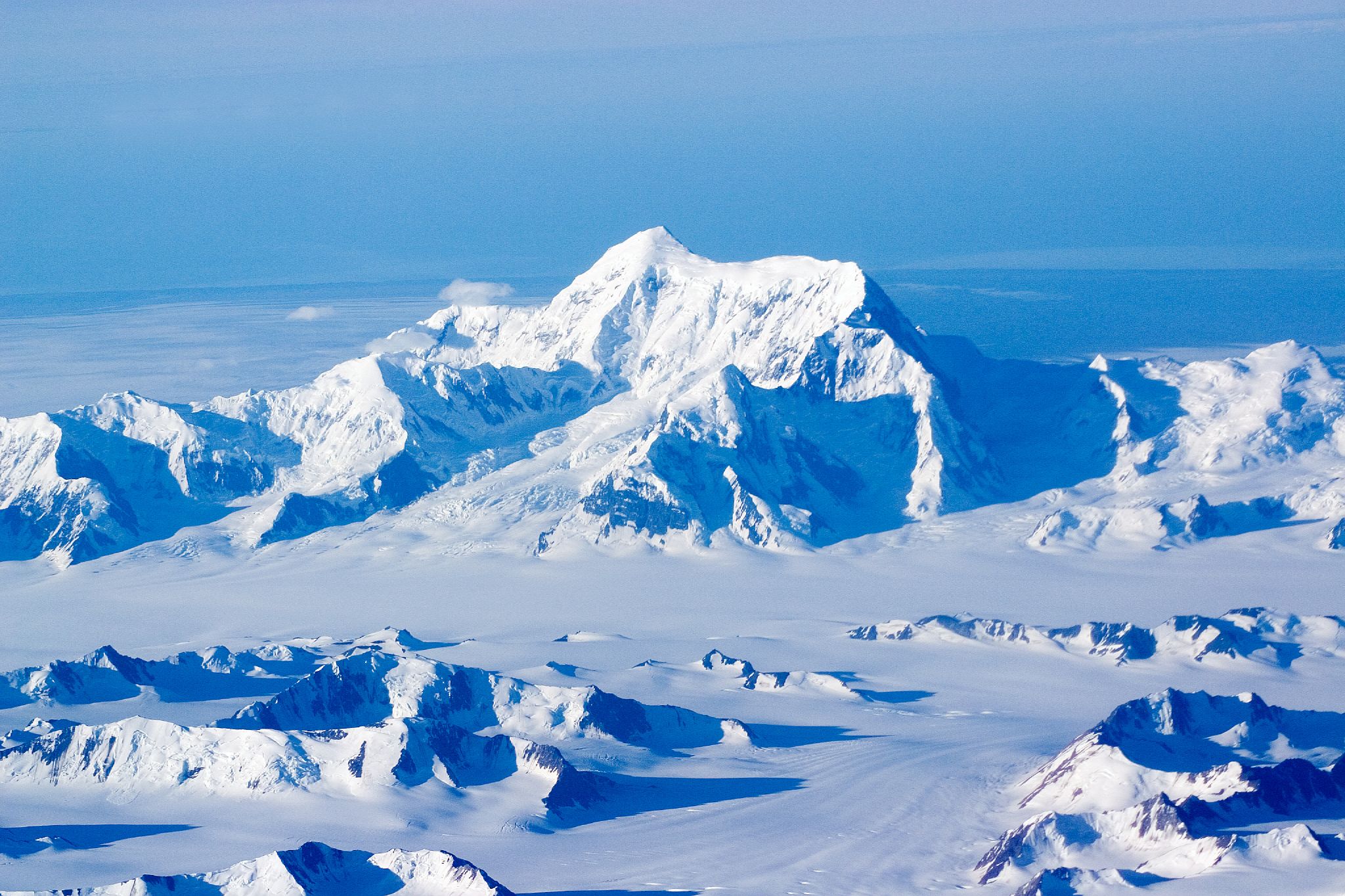
Straddling borders, St. Elias represents cooperation and challenge. Its coastal climate creates unpredictable conditions. Climbers must navigate both terrain and weather. The mountain defies simple categorization.
Mount Foraker’s Overshadowed Strength
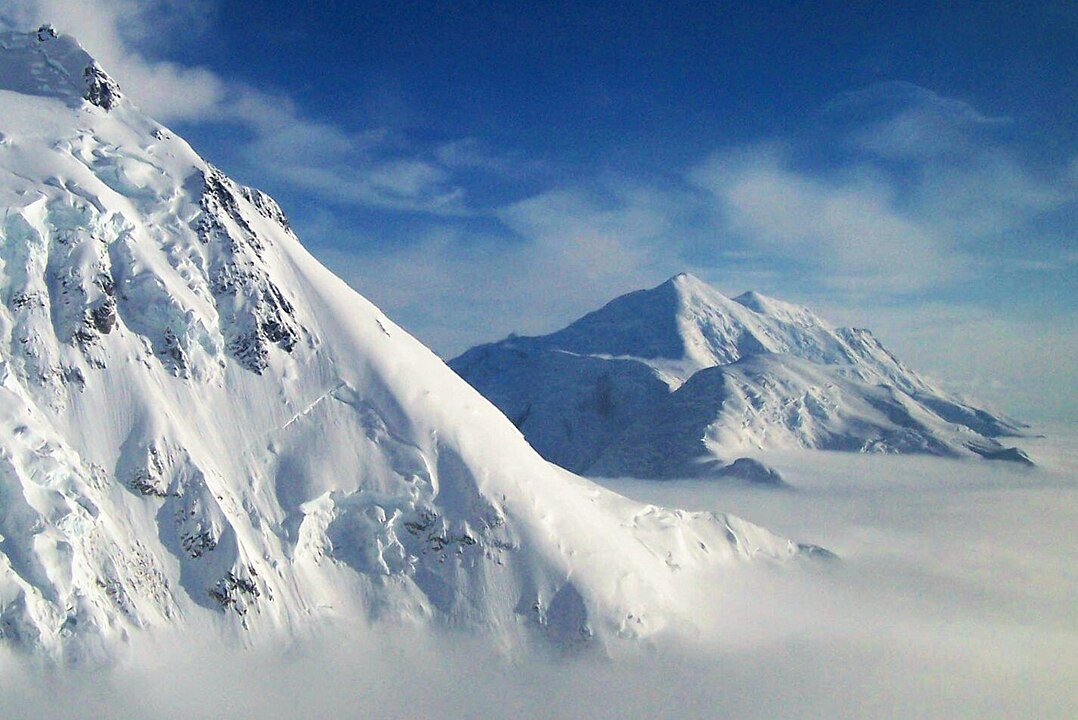
Often overshadowed by Denali, Foraker stands tall in its own right. Its ridges are steep and unforgiving. Climbers respect its quiet intensity. The mountain reminds us that greatness isn’t always the most visible.