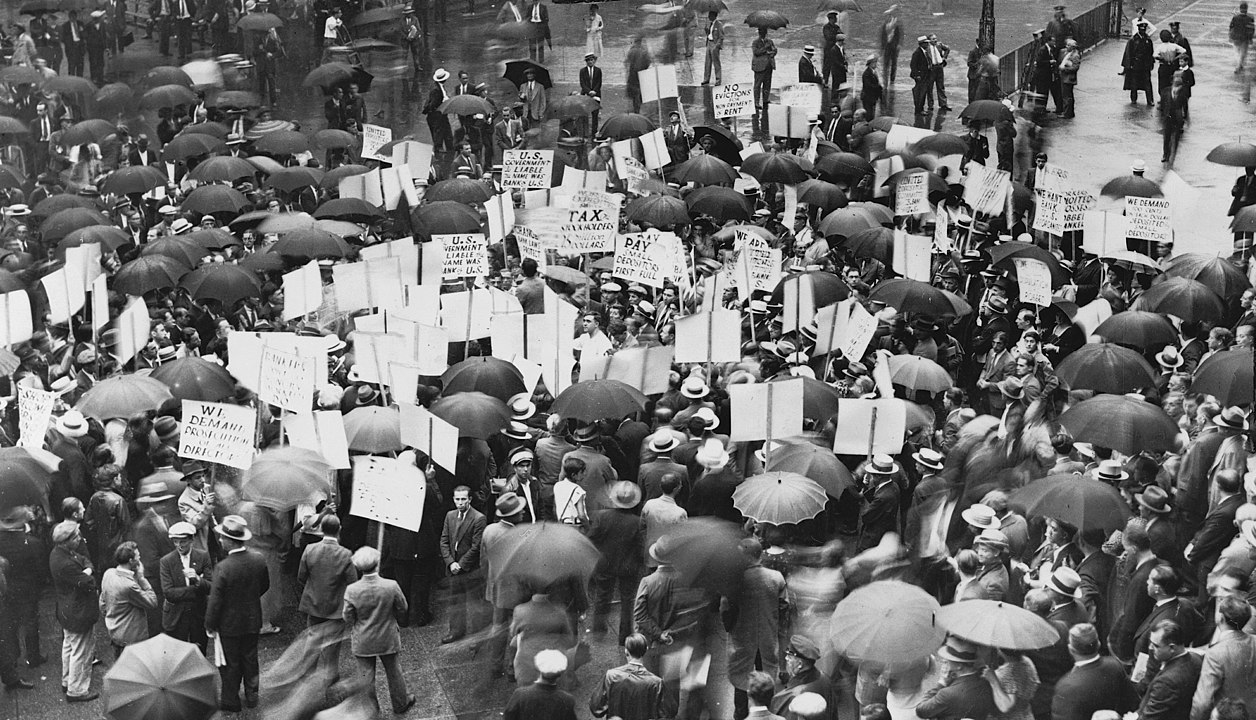
The Great Depression of the 1930s was a cataclysmic economic collapse that reshaped American society. Beyond stock market crashes and bank failures, it deeply altered how families lived, worked, and perceived the future. The following ten changes reveal how that era reframed family life in lasting and unexpected ways.
Smaller household sizes and delayed marriages
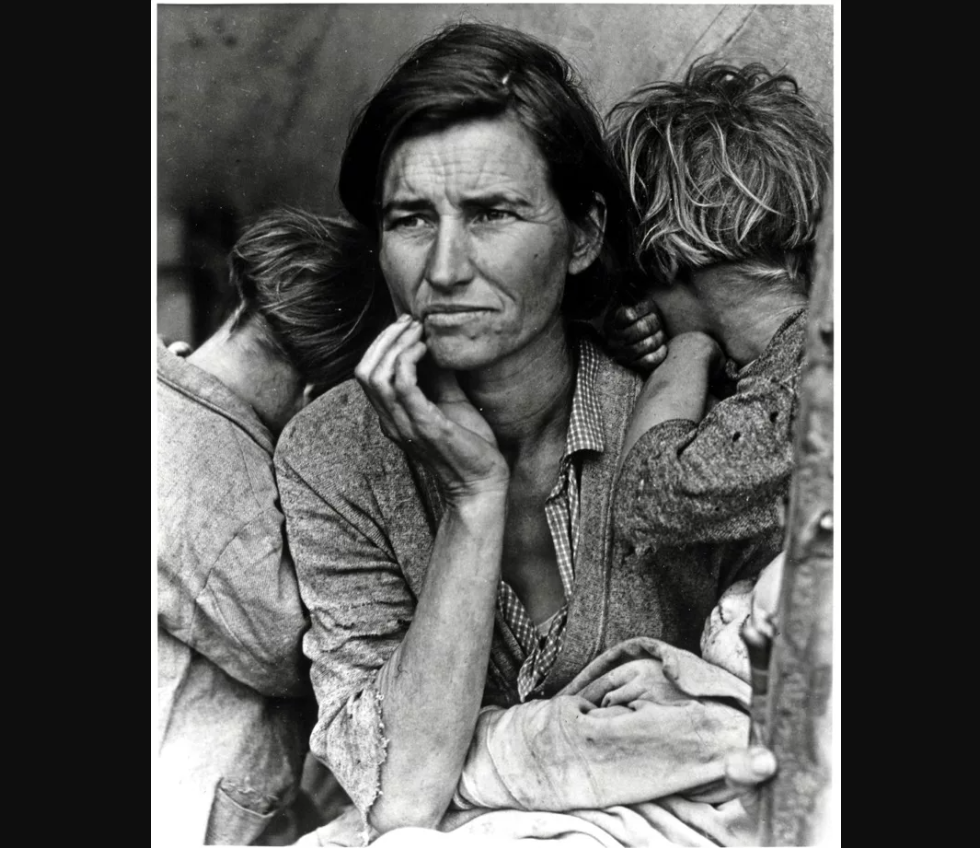
During the Depression, many couples postponed marriage or childbirth due to economic uncertainty. Household sizes shrank as people avoided adding dependents without stable income. This hesitation persisted for decades, changing generational patterns of childbearing and family formation.
Tightening intergenerational bonds
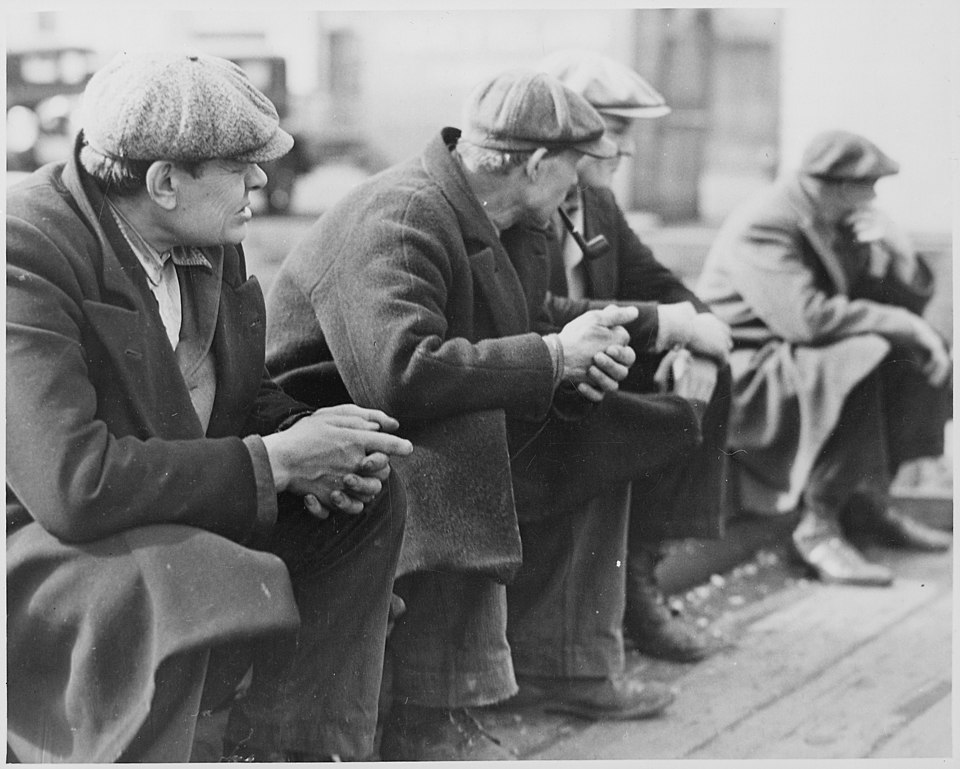
Extended families often consolidated households to share resources—grandparents, adult children, and other kin living under one roof. As adult children returned home due to unemployment, multigenerational living became common. Family networks grew tighter as households pooled labor, food, and shelter.
Shifting gender roles and labor
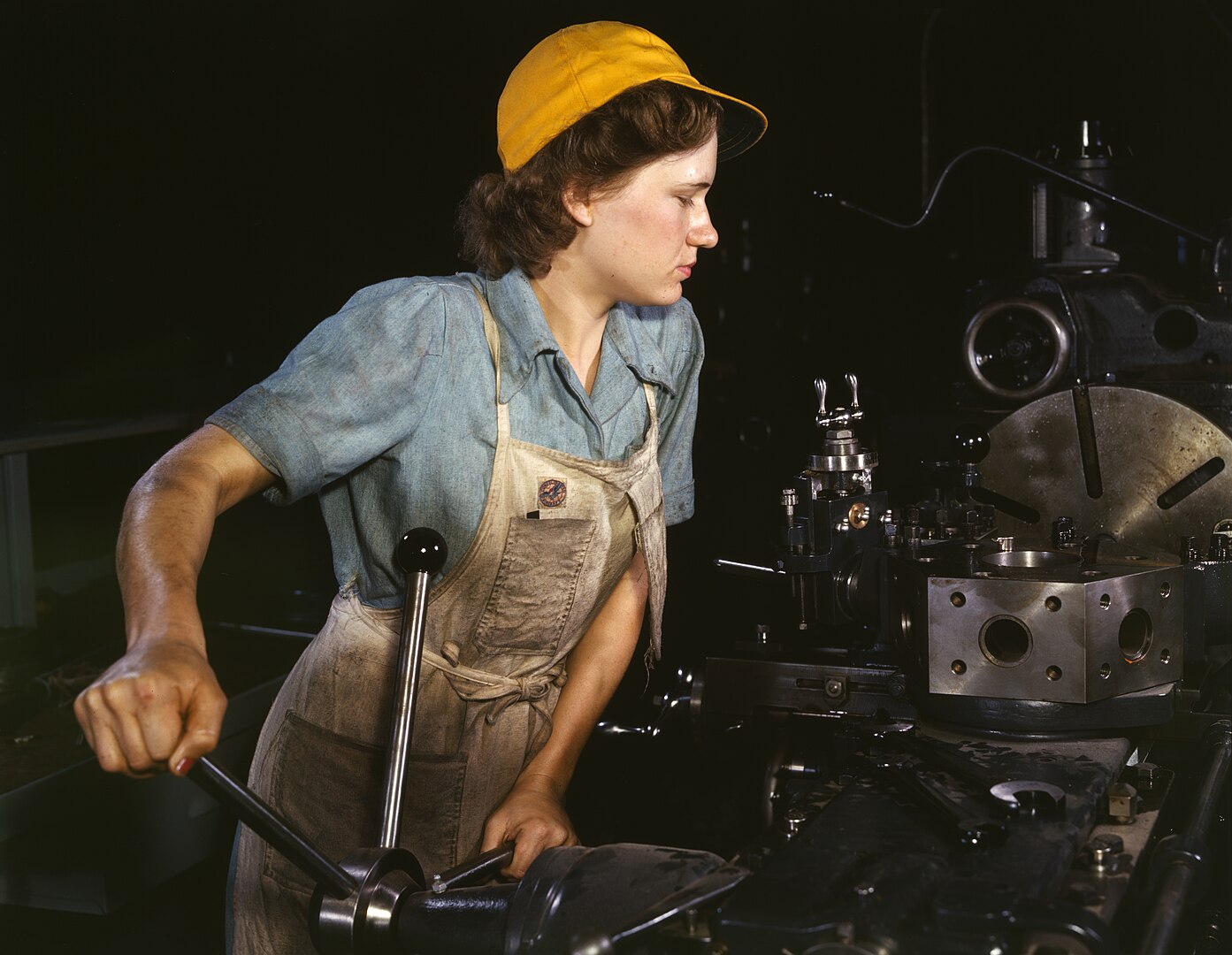
With breadwinners unemployed, some women entered the workforce or took informal paid work to sustain households. Others assumed roles as managers of scarce resources, stretching budgets and finding workarounds. Such shifts challenged traditional gender norms and altered domestic dynamics.
Reduced birth rates
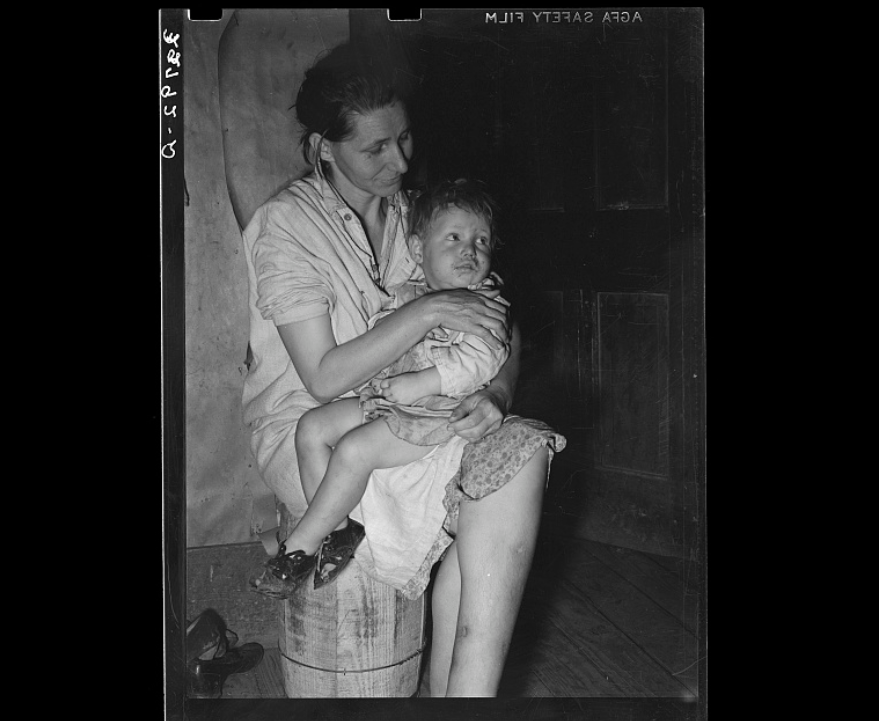
Fertility rates fell sharply during the 1930s as couples hesitated to have children when jobs and food were not assured. The so-called “Depression babies” were fewer in number. This demographic shock had ripple effects for schools, housing, and labor in later decades.
Diet and nutrition compromises
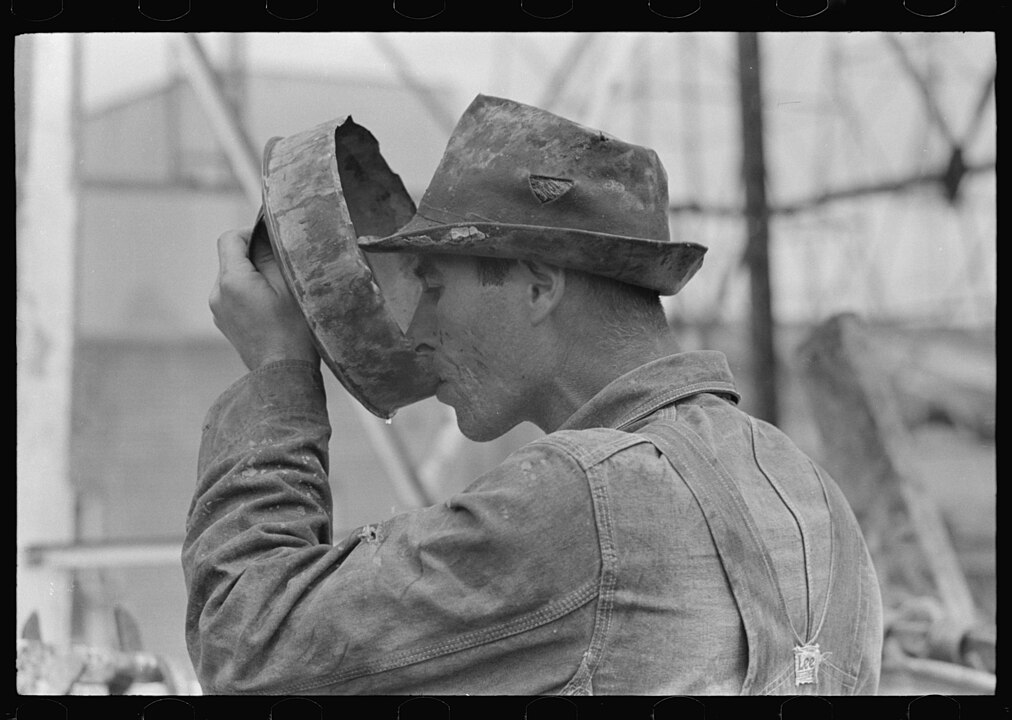
Families rationed food, focused on staples, and often ate less meat, dairy, and fresh produce. Malnutrition among children was more common, and parents prioritized the youngest or most vulnerable. Nutrition compromises during formative years affected long-term health and development.
Child labor, but more hidden
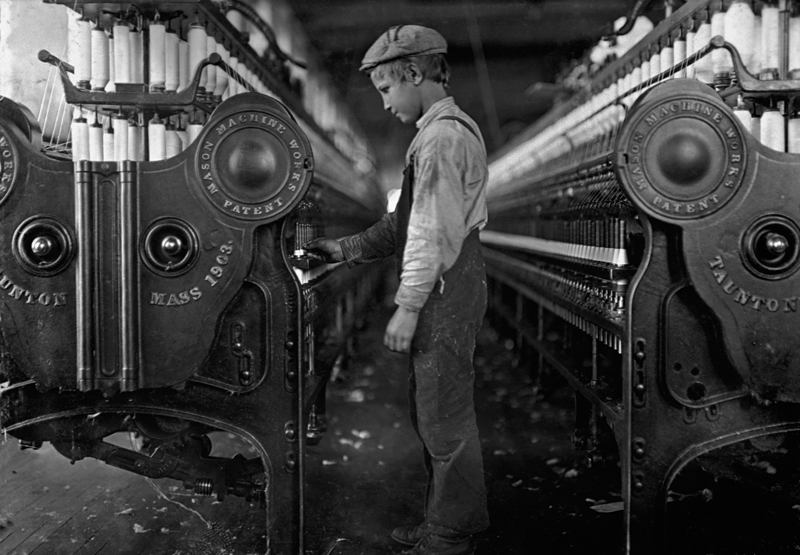
While public factory child labor declined somewhat, many children took informal jobs like newspaper delivery, farming help, or chores for pay to support family income. The schooling gap widened as children dropped out to earn money. These informal contributions became lifelines for struggling households.
Decline in mortality trends
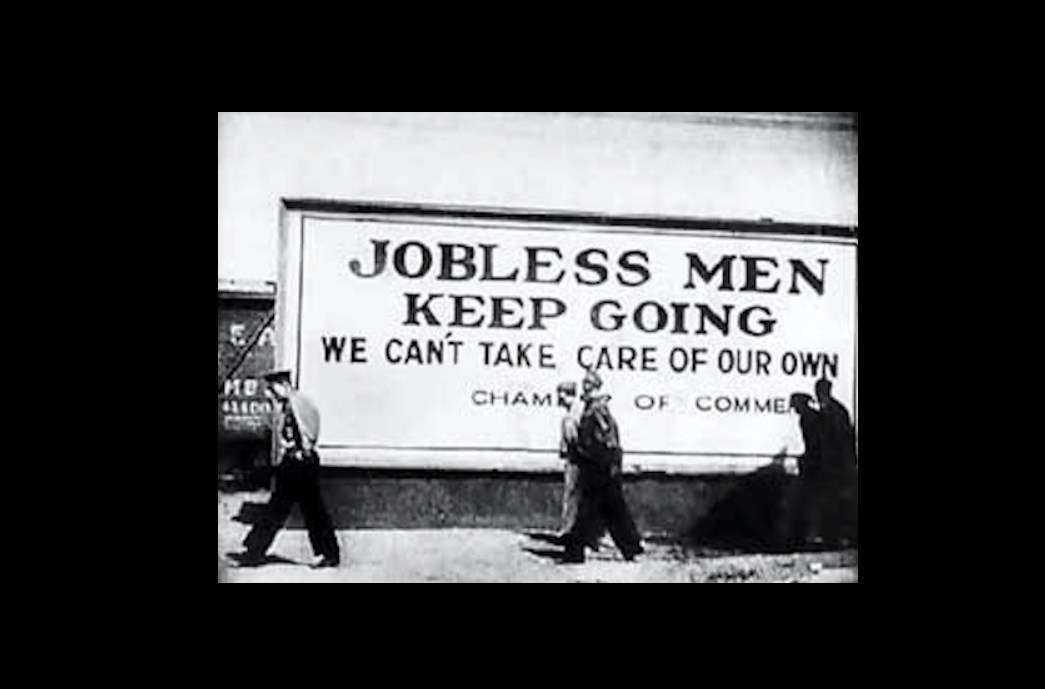
Although paradoxically overall mortality declined during 1930–33, many families faced higher disease risks due to poverty, overcrowding, poor nutrition, and lack of medical care. Long-term health deficits persisted in vulnerable cohorts.
Educational disruptions and long-term mobility effects
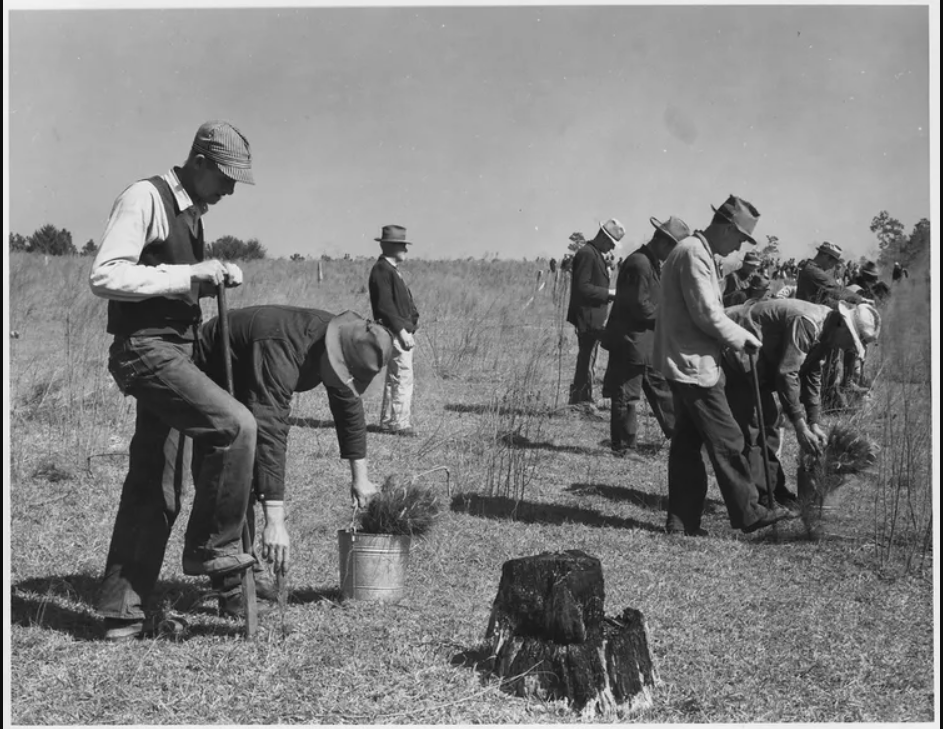
Many children missed school or dropped out altogether to help at home or work. That reduced their educational attainment and limited future job prospects. Some research suggests the Depression lowered intergenerational mobility, especially for daughters.
Psychological scarring and frugality culture
Surviving families internalized frugality, thrift, fear of debt, and saving attitudes. That mindset endured for generations: many Depression-era parents instilled caution in their children, shaping consumption and investment behavior long term. The trauma of scarcity shaped family psychology.
Changing expectations for welfare and government
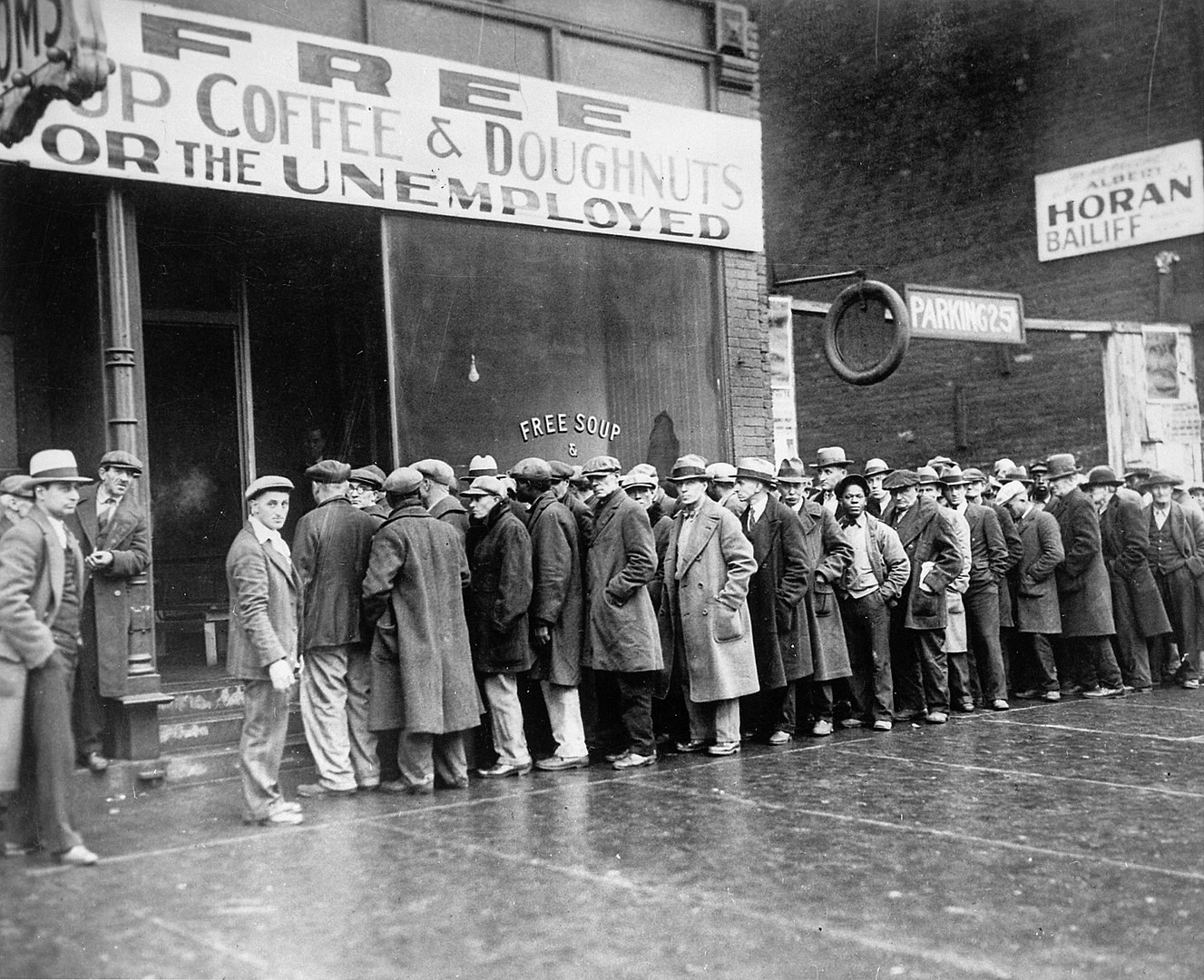
Before the Depression, families often relied solely on private charity or kin support. The crisis exposed gaps in social safety nets, prompting new expectations for public aid and social insurance programs. Families began to see the government as a partner in social stability, not just a distant authority. This shift forever changed how families perceived government involvement in daily life.