
Gen Alpha is the first generation born into a world where streaming, touchscreens, and voice assistants already existed. They do not remember dial up internet, offline weekends, or televisions that only showed a few channels. Their expectations about speed, choice, and control are quietly rewriting how American families talk, argue, learn, and make decisions together. Parents now negotiate with children who fact check in real time, question traditions without hesitation, and treat digital tools as basic utilities. These shifts can feel exhausting and inspiring at the same time. Gen Alpha is not just living in a new era. They are helping define what family life looks like inside it.
Kids Feel Comfortable Correcting Adults Using Online Facts

Gen Alpha grows up with search bars and smart speakers close by, so information feels instantly available rather than rare or intimidating. When a parent misremembers a date, a detail, or even a science fact, these kids are quick to pull up a source and say so. This changes family dynamics, because adults can no longer rely on authority alone. Conversations shift from lectures to debates, and parents must decide when to appreciate curiosity and when to set boundaries. Homes become mini fact checking centers where accuracy matters and pride gets tested. The dinner table can feel like a tiny panel show, with children acting as real time reference checks.
Kids Assume Every Hobby Needs An Online Audience

For Gen Alpha, drawing a picture, building with blocks, or learning a dance often feels incomplete until it is photographed, recorded, or shared. The idea of a private hobby that remains in a bedroom drawer is starting to feel old fashioned. They assume that if something is fun or impressive, it should have a place on a feed, a channel, or a story. This shifts how families handle creativity, because parents must decide which moments stay offline. Kids talk about subscribers and likes alongside homework and snacks. Family projects turn into content opportunities, and living rooms sometimes double as tiny stages. The boundary between real life and performance blurs in small, daily ways.
Kids Treat Privacy Like A Personal Right Not A Privilege

Gen Alpha grows up hearing about online safety, passwords, and data, so the language of privacy enters their vocabulary early. They may demand closed doors, control over their devices, and approval before photos are shared. This is not only teenage rebellion arriving early. It is a generational awareness that identity lives both offline and online. Parents find themselves negotiating access to chats, accounts, and screens much sooner than they expected. The old idea that parents can automatically see everything begins to feel outdated. Families must balance safety with respect, teaching that privacy comes with responsibility. Living under one roof no longer guarantees full visibility into a child’s inner world.
Kids Assume Technology Should Solve Every Inconvenience

For Gen Alpha, many problems already have digital answers. If a video buffers, they expect faster internet. If a toy breaks, they wonder why it cannot be replaced with one click. Waiting in long lines or dealing with slow processes feels confusing rather than normal. This mindset reaches into family life when kids ask why chores are not automated or why parents cannot track everything with apps. Adults who grew up adapting to limitations now raise children who assume that anything frustrating should be fixable with better tools. Parents spend more time explaining trade offs, budgets, and reality. Homes become negotiation spaces between what is technically possible and what is emotionally or financially practical.
Kids Treat Subscription Services As Normal Utilities

Streaming platforms, game passes, and digital libraries feel as ordinary to Gen Alpha as water and electricity once felt to older generations. They expect favorite shows, songs, and games to be available on demand, wherever they are. This expectation shifts how families budget and entertain themselves. Instead of buying single movies or physical albums, households manage logins, monthly plans, and shared profiles. Kids talk about content leaving platforms like it is a weather event. Parents suddenly find themselves explaining licensing and renewals at the breakfast table. The idea that something might simply not be available anymore often feels unfair to them. Subscription culture quietly teaches Gen Alpha that access, rather than ownership, defines entertainment.
Celebrations Get Themes Based On Fandoms Not Family Traditions

Birthday parties and holidays for Gen Alpha often reflect shows, games, and online worlds more than long standing family customs. Decorations, cakes, and costumes follow favorite fandoms rather than inherited rituals. A child may want a celebration built around a streaming character instead of a traditional menu or activity grandparents remember. This does not mean families have lost their roots, but it does mean that culture from screens competes with household history. Parents juggle expectations from older relatives with the strong pull of current trends. Living rooms become temporary recreations of fictional settings, and family albums fill with costumes tied to specific seasons of specific shows. Memory now includes screenshots and themed backdrops.
Parents Learn Digital Slang To Understand Conversations
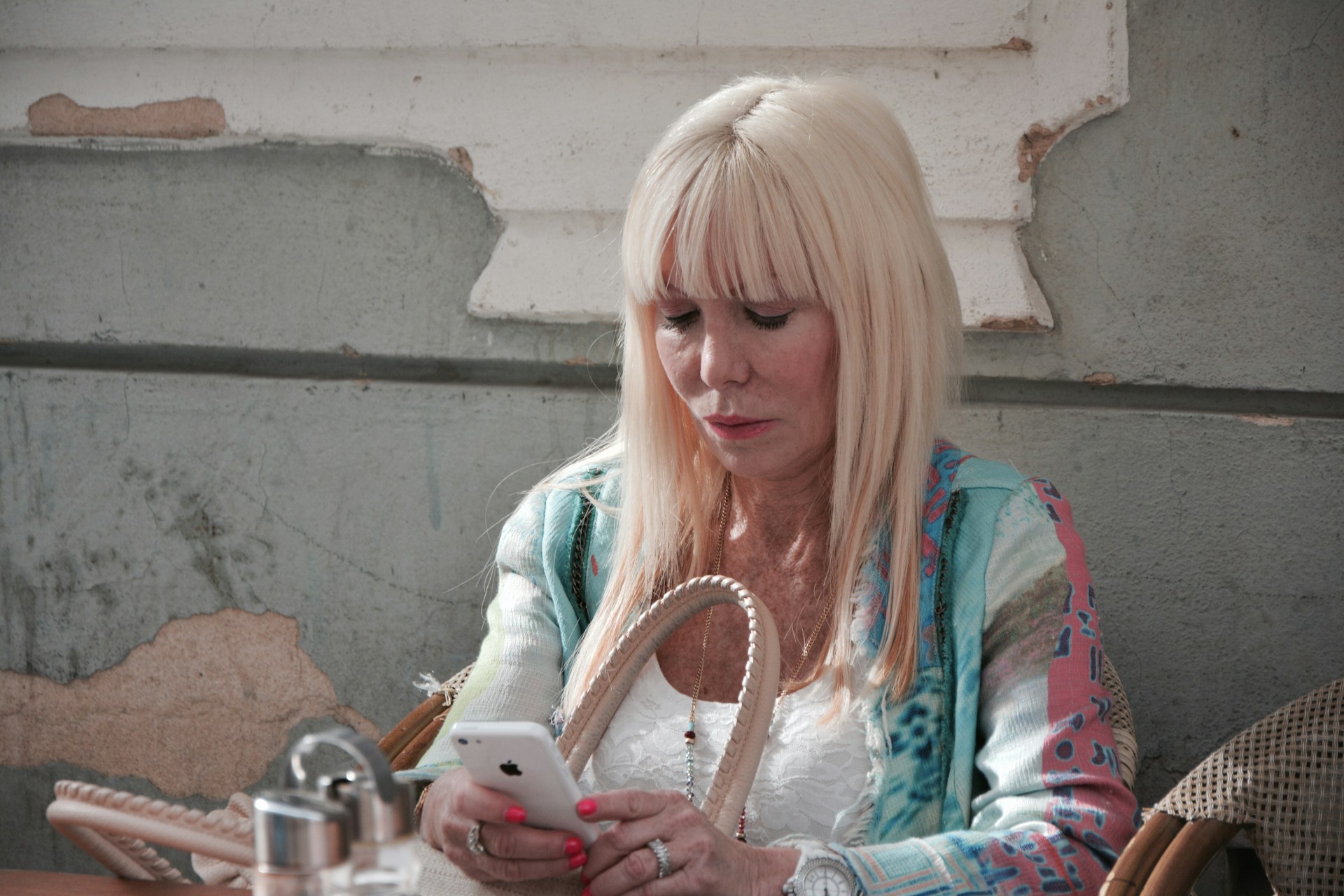
Many parents today find themselves quietly searching unfamiliar abbreviations and expressions just to keep up with what Gen Alpha is saying. Slang spreads faster through memes, chats, and short videos than it ever did through school halls. Family conversations sometimes contain phrases that sound half coded to adults. To avoid missing context or jokes, parents pay closer attention and occasionally ask for translation. This role reversal, where kids hold linguistic power, changes how authority sounds at home. Adults must decide when to adopt the language and when to set limits on tone. Homes turn into small language laboratories where new terms appear overnight, and staying connected means staying curious.
Kids Expect Parents To Explain The Why Not Just Give Orders

Gen Alpha grows up surrounded by tutorials, explainer videos, and how things work content. They are used to having reasons paired with rules. When a parent says no, they often respond with why or ask for more detail. Simple commands like because I said so land differently in a world where every concept can be researched. Families spend more time discussing the thinking behind schedules, bedtimes, and limits. This can deepen trust but also extend arguments. Parents must sharpen their own explanations or admit uncertainty. Home life shifts from one way instructions to two way negotiations, with children expecting logic alongside authority.
Kids Question Traditions Without Guilt Or Hesitation

From holiday routines to school expectations, Gen Alpha sees almost everything as open to change. They watch families around the world online and realize their own customs are not the only way to live. When they ask why do we do this, it often comes from curiosity rather than rebellion. Yet the effect feels disruptive to adults who grew up simply accepting certain patterns. Parents must choose which traditions to protect, which to adapt, and which to release. Living rooms become places where rituals are edited instead of simply repeated. This questioning can feel unsettling, but it also invites families to be more intentional about what really matters to them.
Kids Learn Values From Influencers More Than Textbooks
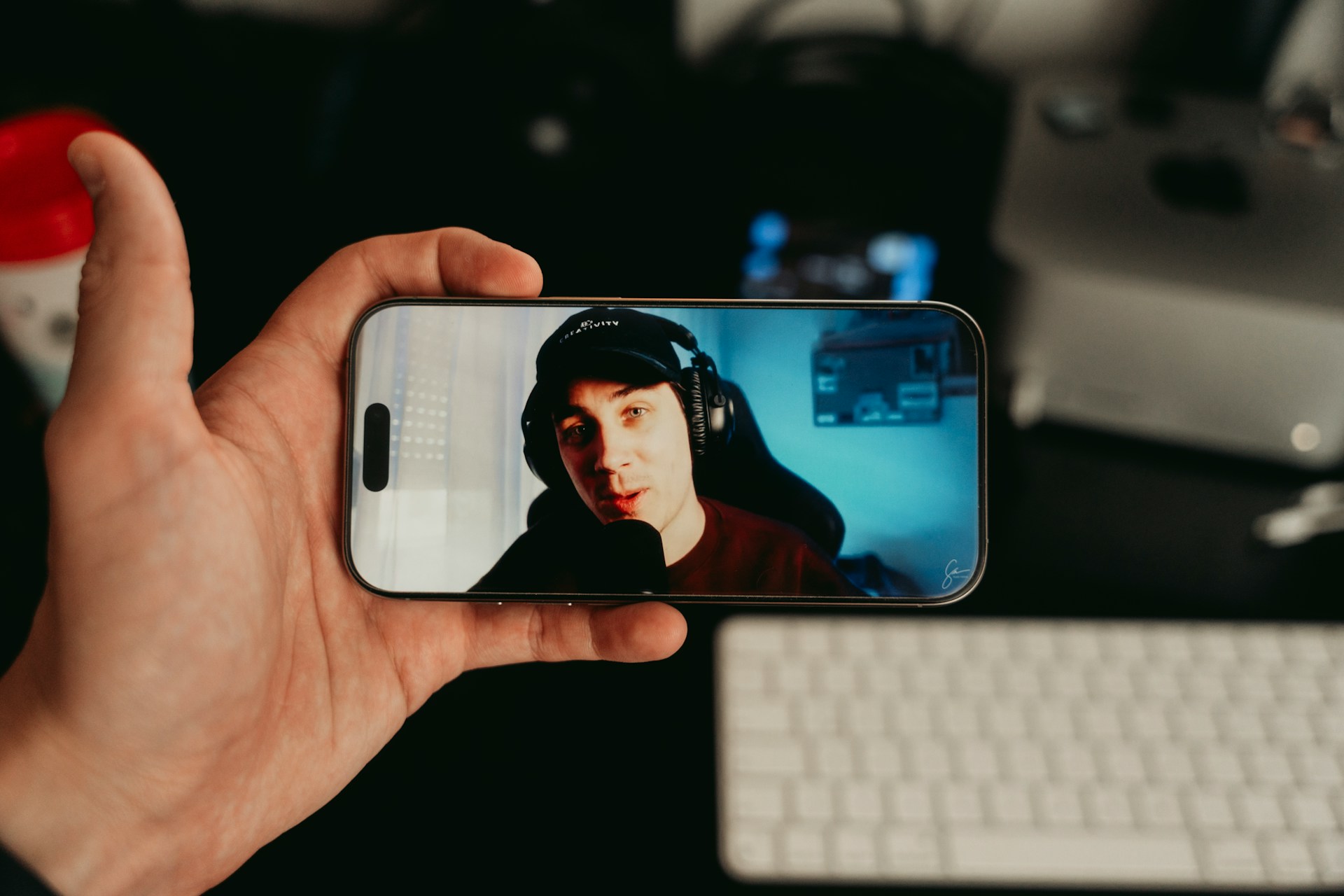
Short videos and online personalities often carry more emotional weight for Gen Alpha than printed lessons. They see creators talking about kindness, fairness, humor, or status in ways that feel personal and direct. This shapes how they think about friendship, success, and identity. Parents may notice children quoting influencers more readily than teachers or authors. Family conversations increasingly involve sorting through messages from different sources, asking which ones align with the household’s beliefs. Home life shifts from simply delivering values to interpreting them. Parents must compete with, and sometimes partner with, voices outside the house to guide character development.
Gen Alpha is not trying to rewrite family life on purpose. They are simply growing up in a landscape where information, entertainment, and connection flow nonstop. Their instincts, questions, and habits push parents to rethink how authority, privacy, celebration, and learning work at home. These changes can feel exhausting, yet they also open doors to more honest dialogue and shared growth. Families who adapt with curiosity instead of fear may find that this generation teaches as much as it learns. In many ways, Gen Alpha is helping families practice the very skills the future will demand from everyone.