Many of the conveniences we use every day have their roots in military innovation. Throughout history, wartime needs have pushed scientists and engineers to create groundbreaking technology that later found its way into civilian life. From your morning breakfast to the way you surf the web, the military’s influence is closer than you think. Here are 10 surprising inventions that began on the battlefield but changed the world far beyond it.
Duct Tape
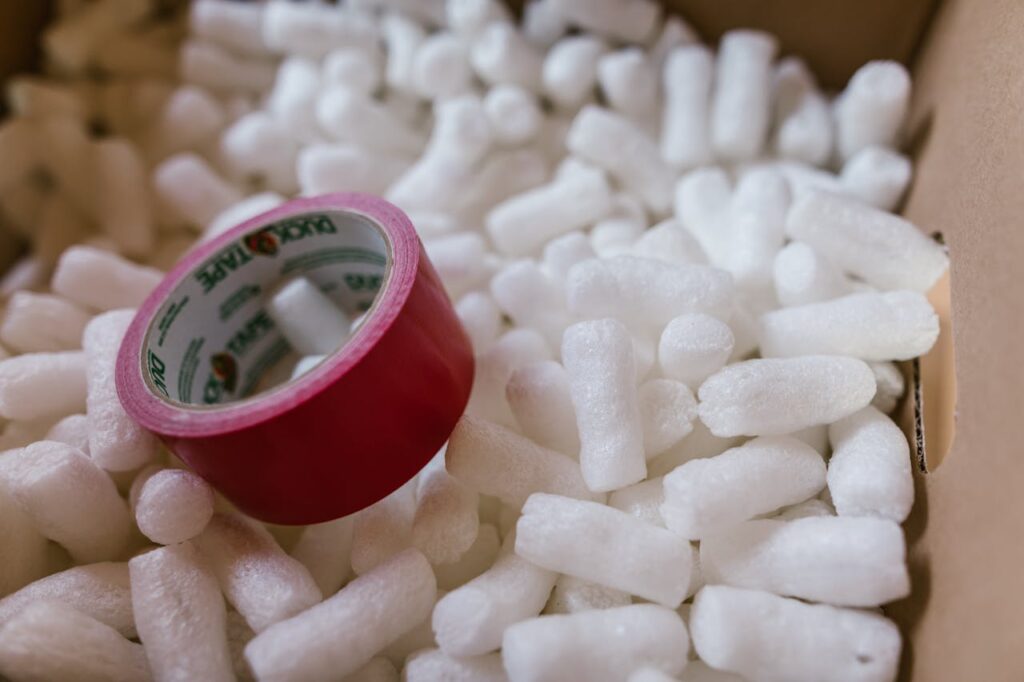
Originally developed during World War II, duct tape was designed to seal ammunition cases against moisture. Soldiers quickly discovered it was useful for repairing everything from boots to vehicles. Its waterproof and incredibly strong adhesive made it a versatile tool on the battlefield. After the war, duct tape entered civilian life and became the ultimate fix-it solution. Today, it’s used for crafts, home repairs, and even in space missions.
The Internet
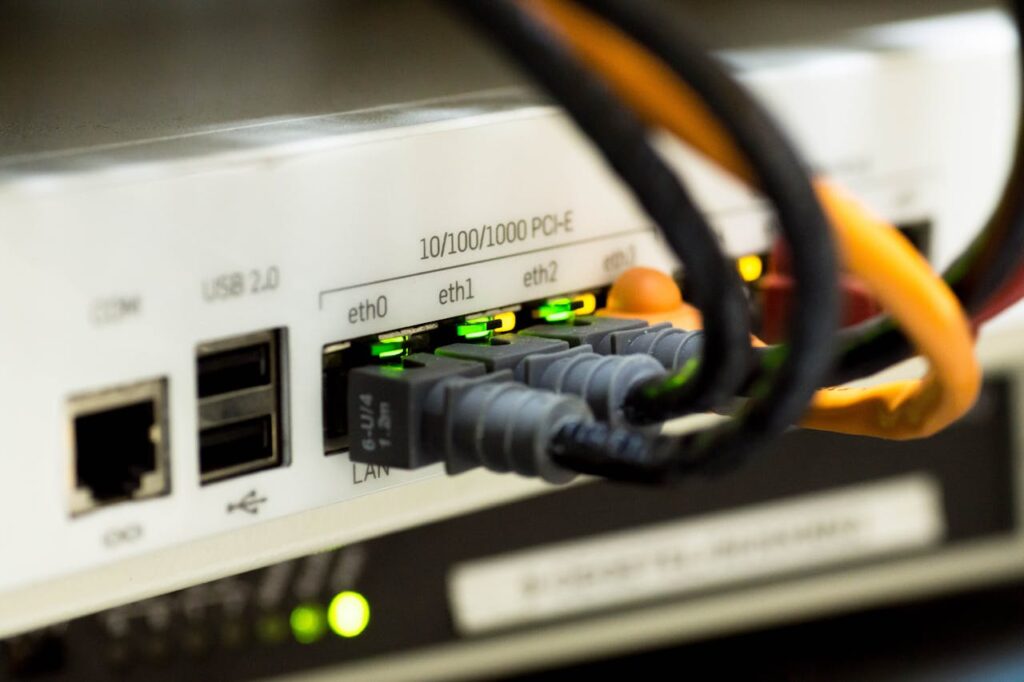
Few inventions have transformed the world as profoundly as the internet, which started as a military project called ARPANET in the 1960s. The U.S. Department of Defense wanted a communication system that could withstand nuclear attacks. Researchers developed network protocols that evolved into the modern internet. What began as a way for scientists and military personnel to share data is now the backbone of global communication. It’s hard to imagine modern life without it.
GPS
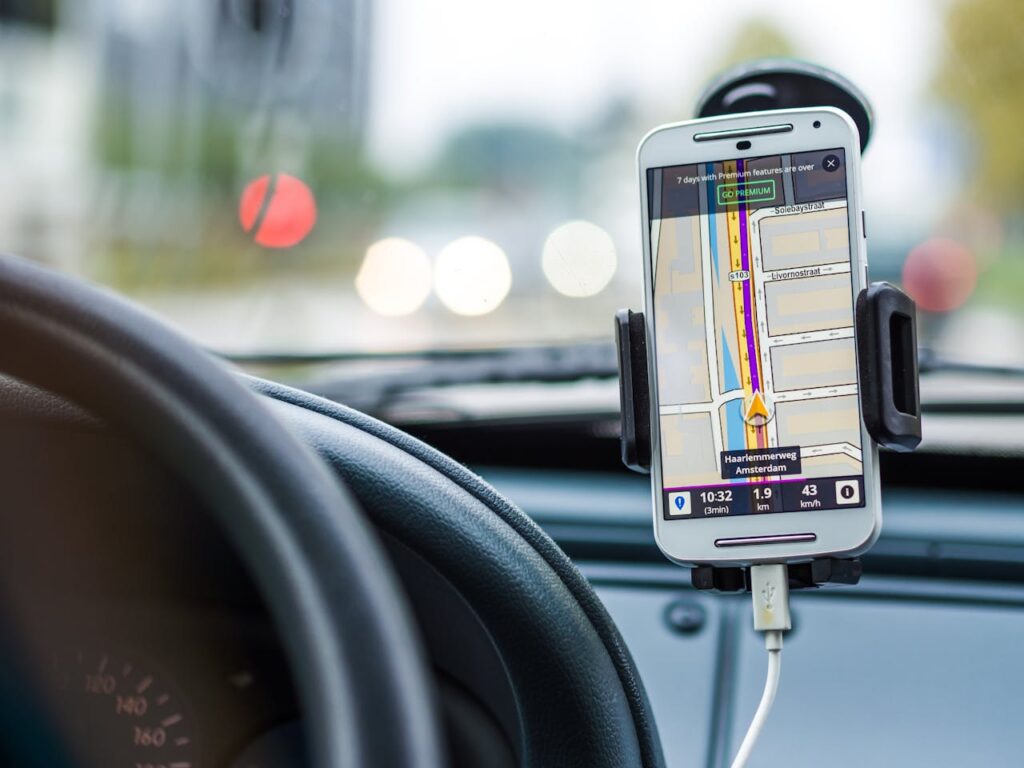
The Global Positioning System (GPS) was created by the U.S. military to provide precise navigation for troops and missiles. It was initially reserved for defense use during the Cold War. Over time, civilian access was granted, revolutionizing how people travel and navigate. Now, GPS guides everything from smartphones to shipping logistics. What started as a military advantage has become essential to everyday life.
Microwaves
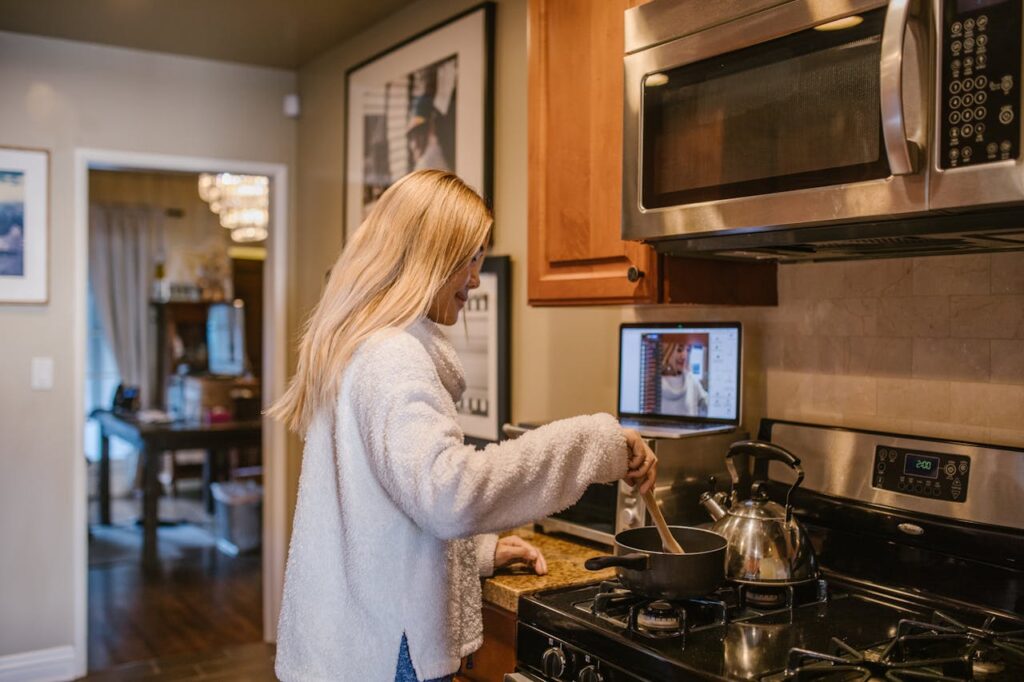
Microwave cooking owes its existence to radar research during World War II. Engineers discovered that radar equipment emitted heat capable of cooking food. Percy Spencer, an engineer working on radar systems, noticed a candy bar melted in his pocket while near active radar. This accidental discovery led to the development of the microwave oven. Today, it’s a kitchen staple that saves time and energy.
Canned Food

Napoleon’s army needed a way to preserve food for long campaigns, prompting the invention of canning in the early 1800s. Though it predates modern militaries, its use expanded significantly during both World Wars. Soldiers needed non-perishable meals that could travel long distances. Canned food kept troops nourished without refrigeration. Nowadays, it’s a pantry essential for families around the world.
Aviator Sunglasses
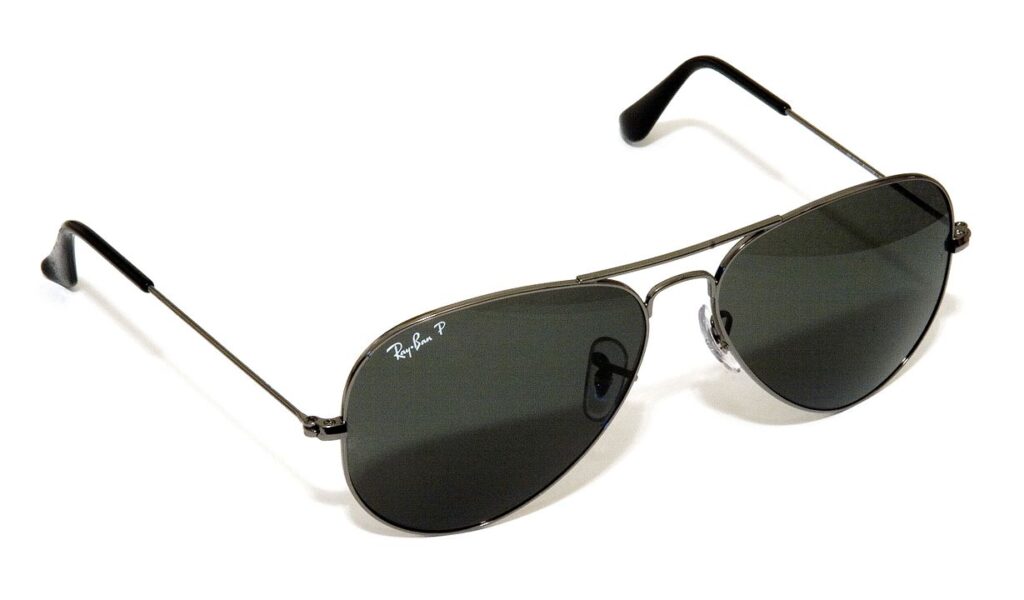
Aviator sunglasses were designed for U.S. Army Air Corps pilots in the 1930s. They were created to protect pilots’ eyes from harsh sunlight and glare at high altitudes. The teardrop shape offered maximum coverage and comfort under helmets. Eventually, aviators became a fashion icon, worn by celebrities and civilians alike. Their military origins still shine through in their classic style.
Synthetic Rubber

During World War II, access to natural rubber was cut off due to enemy occupation of rubber-producing regions. The military needed tires, boots, and equipment that depended on rubber. This urgency spurred the rapid development of synthetic rubber. It was a game-changer for the war effort and later for industries worldwide. Today, synthetic rubber is found in countless everyday products.
Freeze-Dried Food
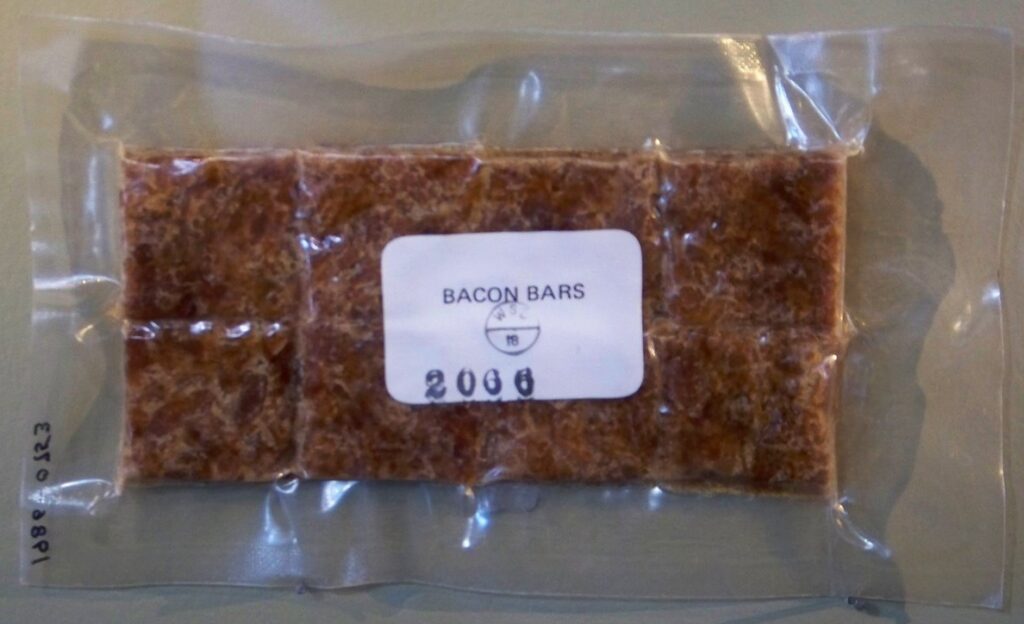
Freeze-drying was refined during World War II to preserve blood plasma for battlefield use. Scientists realized the technique could also preserve food while retaining flavor and nutrients. The military used freeze-dried meals for space missions and combat rations. This innovation soon spread to camping and emergency food markets. Now, hikers and astronauts alike rely on this lightweight, long-lasting food technology.
Digital Photography
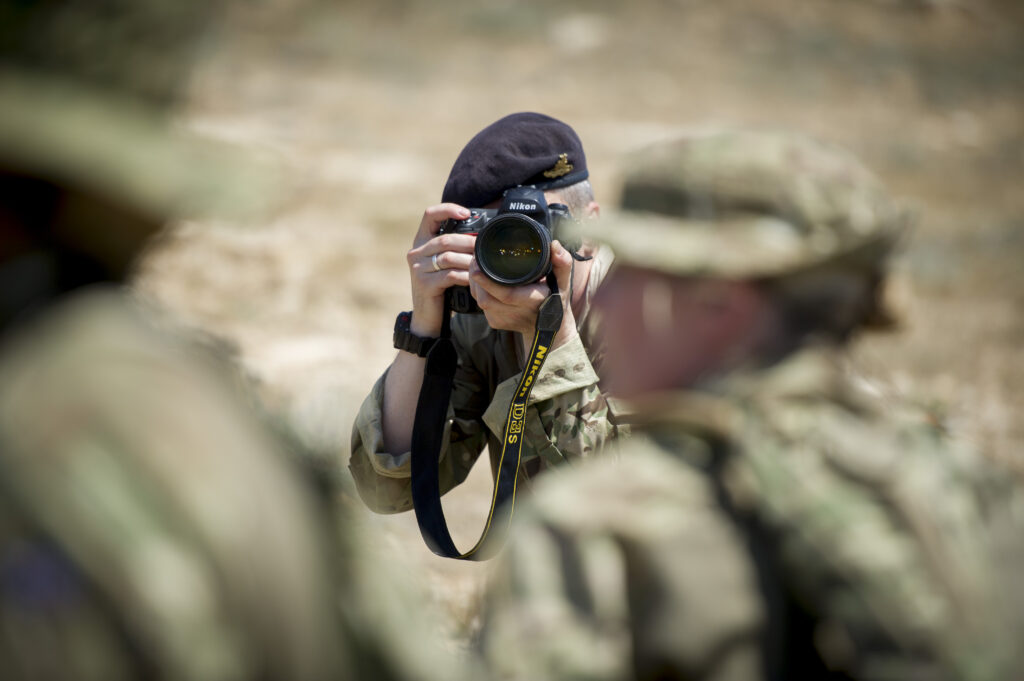
Digital imaging technology began as a military tool for reconnaissance satellites and aerial surveillance. Engineers developed digital sensors to capture images without film, improving speed and security. The technology eventually made its way into consumer cameras. Digital photography revolutionized how we capture and share memories. Its roots in military espionage are a fascinating part of its story.
EpiPen
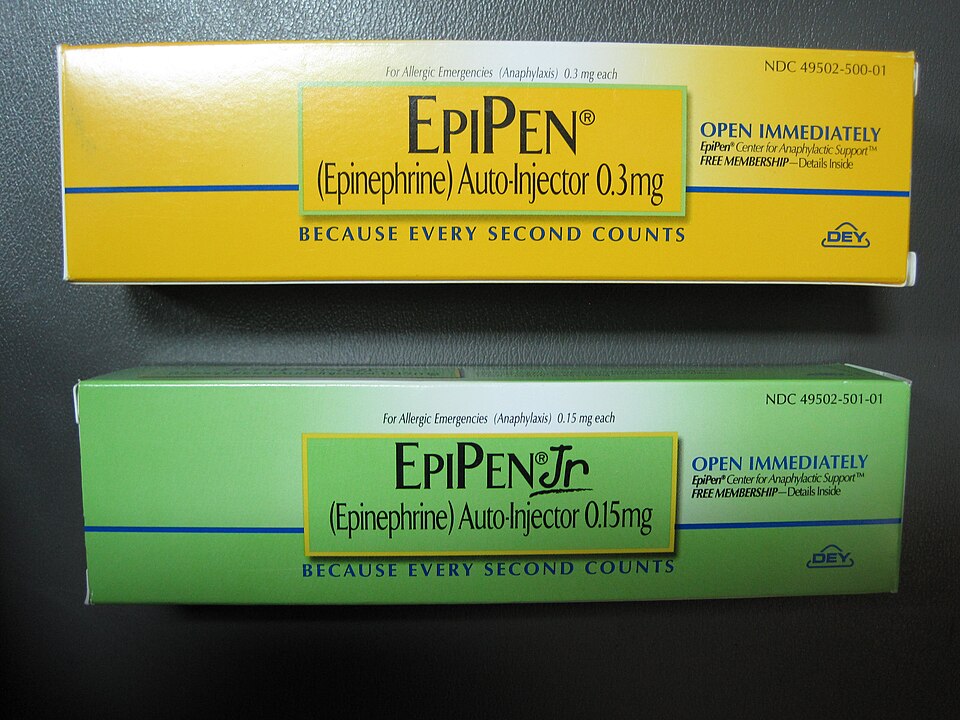
The autoinjector concept behind the EpiPen was initially designed for military use to quickly deliver antidotes against chemical warfare agents. Soldiers could self-administer life-saving drugs on the battlefield. This technology was adapted to deliver epinephrine for severe allergic reactions. The EpiPen has since saved countless civilian lives. It’s a vital tool for anyone with life-threatening allergies.