The United States has faced several unexpected supply disruptions in recent years, and experts warn that the coming year may bring new and surprising food shortages. A mix of climate pressures, global trade instability, disease outbreaks in crops and livestock, and rising production costs are creating vulnerabilities in several everyday foods. While these potential shortages don’t guarantee empty shelves everywhere, they highlight the growing fragility of the food system. Understanding which foods are at risk helps consumers prepare thoughtfully rather than panic. Here are the foods analysts say may face tight supplies next year.
Olive Oil
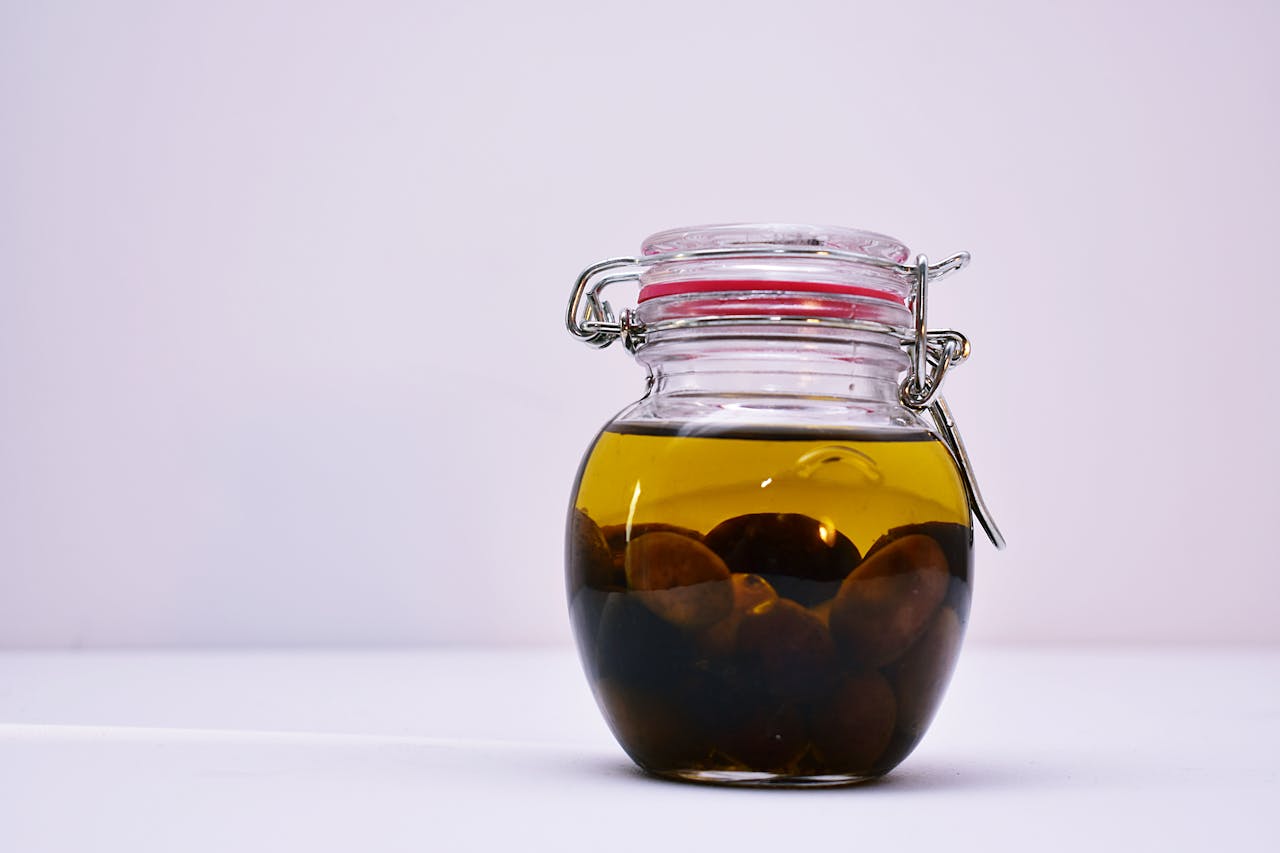
Olive oil production has been struggling globally due to extreme heat and drought in Mediterranean regions, where most U.S. imports originate. Spain, Italy, and Greece have all reported multi-year declines in yields as groves face scorching temperatures and reduced rainfall. These shortages ripple directly into U.S. markets, where domestic production cannot make up the gap. Prices have already surged, and next year may bring both higher costs and reduced availability. Experts predict stores may prioritize smaller bottle sizes to stretch limited supplies.
Coffee Beans
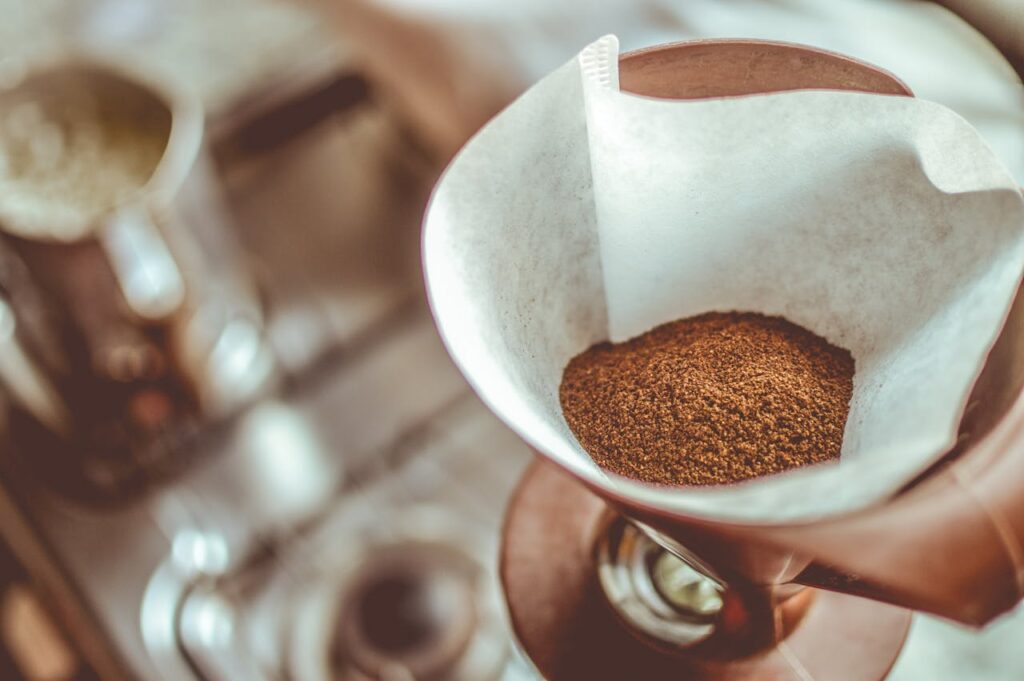
Coffee crops are increasingly threatened by climate-related impacts such as irregular rainfall, higher temperatures, and disease outbreaks like coffee leaf rust. Countries like Brazil, Colombia, and Ethiopia have seen unpredictable harvests, which affects global supply chains. U.S. coffee roasters rely heavily on imports, so any shift in yield or transport delays leads to tighter inventories. Specialty varieties may be hardest hit because they depend on specific growing conditions. Consumers could see higher prices for premium blends and reduced diversity on store shelves.
Cocoa Products

Cocoa has been facing one of its worst production crises in decades due to fungal disease and poor weather conditions in West African nations. Since these regions produce the majority of the world’s cocoa, the global market has little flexibility. Chocolate manufacturers in the U.S. are already navigating soaring raw material costs. Next year, experts warn of possible shortages in cocoa powder and chocolate products, especially seasonal or specialty items. This could result in smaller package sizes and limited-edition products being cut entirely.
Oranges
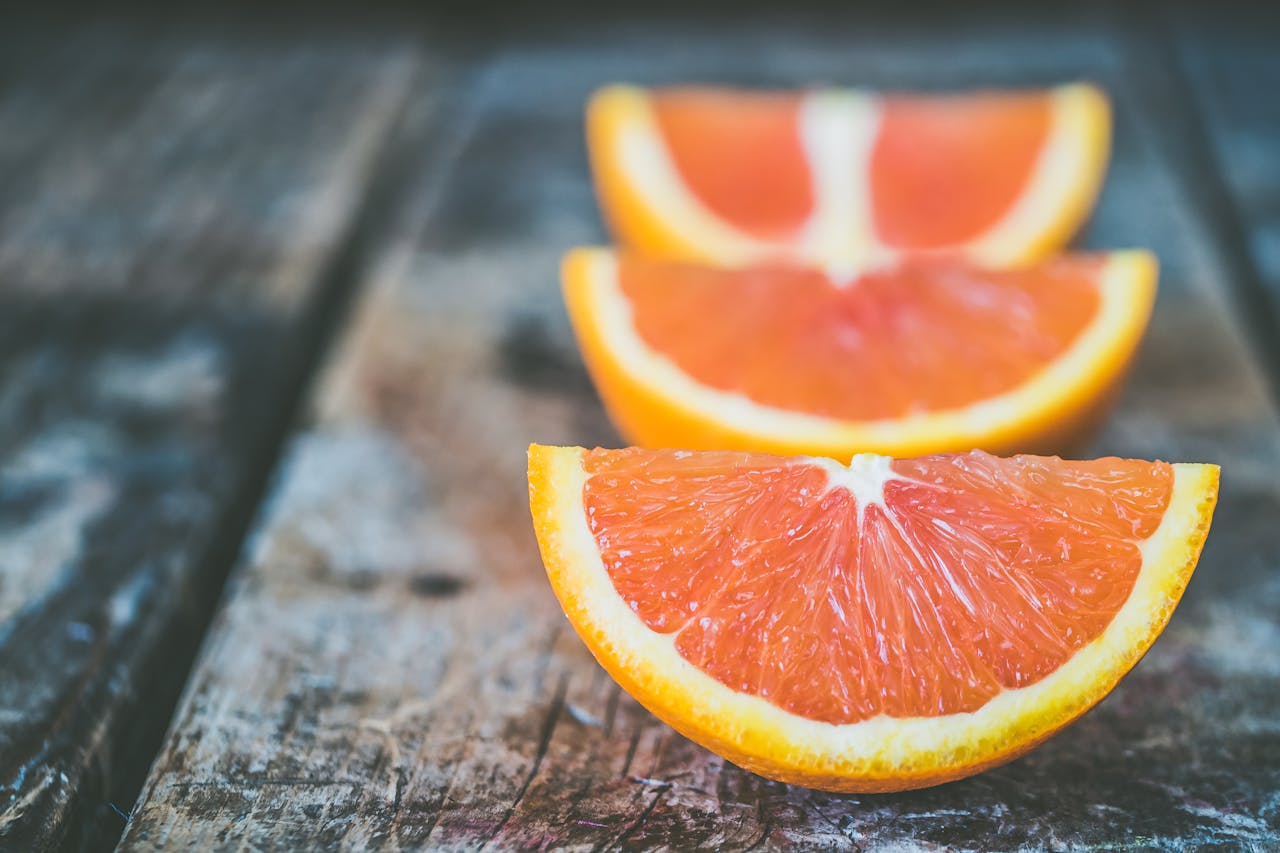
Citrus greening disease continues to devastate orange groves in Florida, drastically reducing domestic orange juice production. The disease has no cure and affects both yield and fruit quality. As a result, the U.S. increasingly depends on imported orange juice, which is also strained by weather-related impacts in major exporting countries. Analysts predict that orange juice could become one of the most expensive breakfast staples next year. Fresh oranges may also appear smaller and in lower supply.
Rice

Extreme weather—particularly flooding in Asia—has created uncertainty in global rice markets. Several countries have also restricted rice exports to stabilize their domestic food supplies. Since the U.S. imports significant amounts of specialty and aromatic rice, these restrictions directly affect American consumers. Some rice varieties may become noticeably harder to find while others rise sharply in price. Food producers who rely on rice as a major ingredient could also face formulation challenges.
Sugar

Global sugar production has been disrupted by drought in India and Brazil, two of the world’s largest producers. With yields down and demand rising, the supply of raw and refined sugar is tightening. The U.S., which relies heavily on imported sugar to meet annual needs, is expected to feel the pressure. This could influence everything from packaged snacks to bakery products. Some manufacturers may reformulate recipes or shrink packaging to manage cost increases.
Potatoes
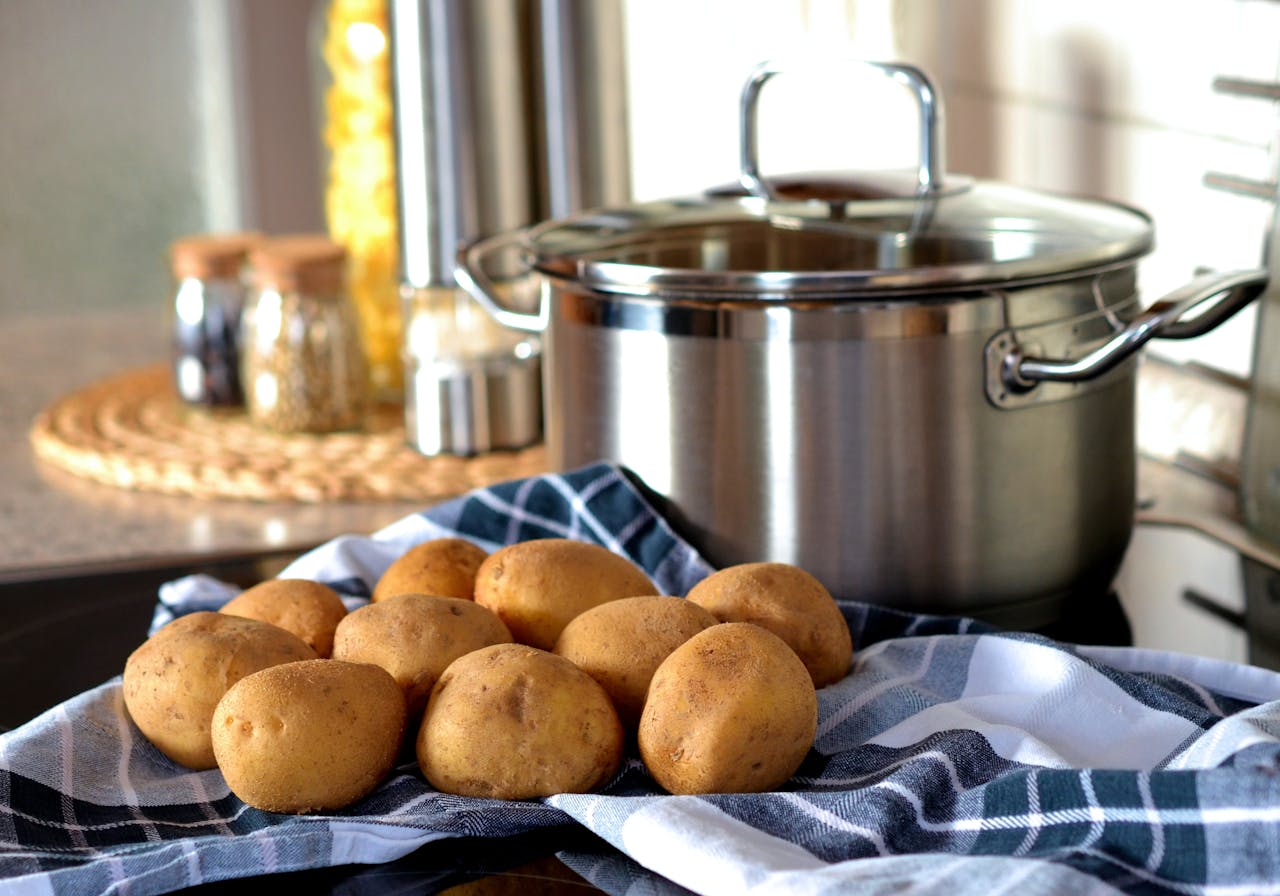
Potato crops in several states have faced difficulties due to extreme weather swings, including excessive heat and drought. These conditions affect both the size and quality of the harvest. As a result, processed potato products like frozen fries and hash browns may face tighter supplies than fresh potatoes. Foodservice industries, particularly restaurants and fast-food chains, are especially sensitive to potato shortages. Consumers may notice higher prices or more frequent out-of-stock issues in frozen food aisles.
Canned Tuna

Canned tuna supplies rely on stable international fishing conditions, but climate-driven ocean changes are disrupting migratory patterns. Warmer waters can shift where tuna populations travel, making it harder and more expensive for fishing fleets to maintain consistent catches. Regulatory changes and conservation efforts may also limit supply. With the U.S. depending on imports for nearly all its canned tuna, any shift has an immediate impact. Shoppers may encounter fewer sales and higher shelf prices.
Apples
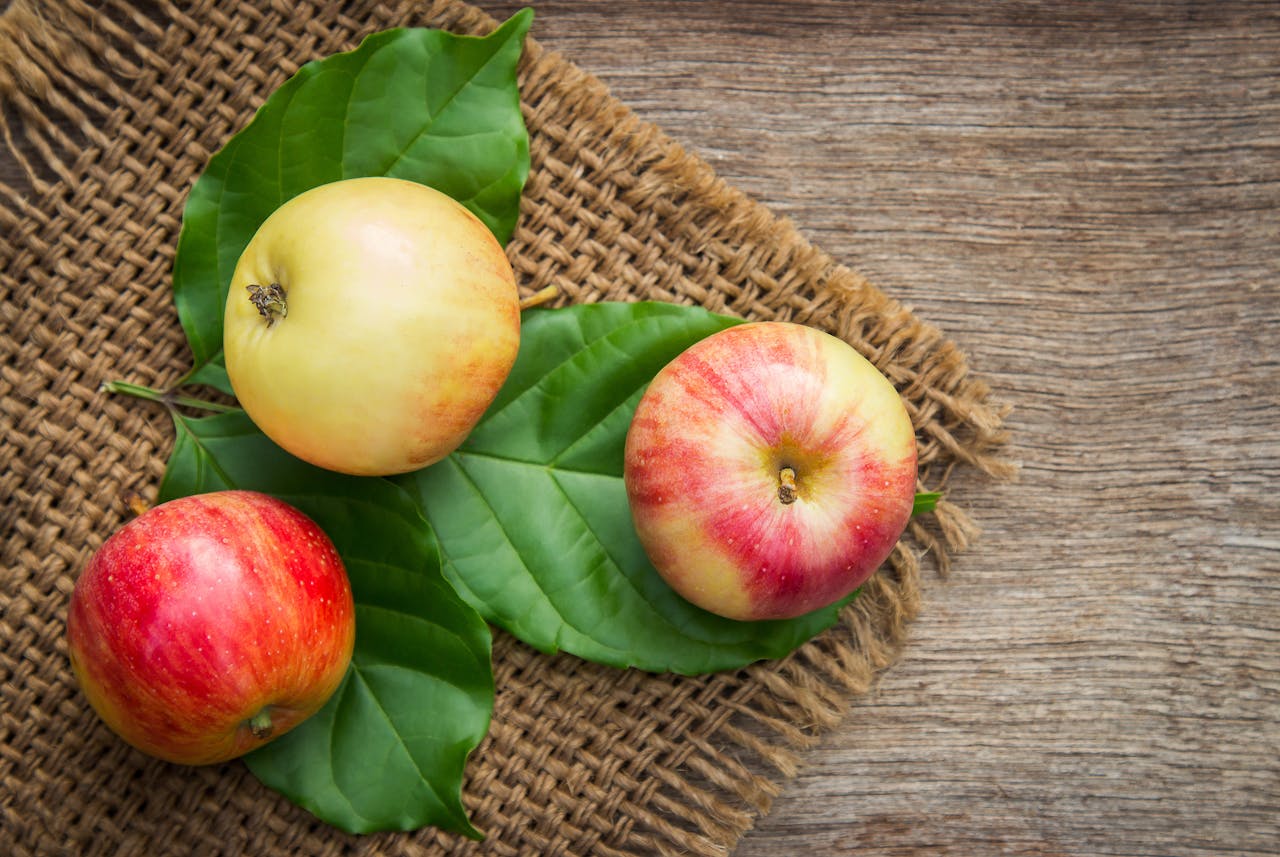
Late frosts, heat waves, and changing precipitation patterns have created challenges for U.S. apple orchards. Some of the largest apple-producing states are reporting lower yields than expected. Popular varieties such as Honeycrisp and Gala may see tighter supplies because they are more sensitive to unpredictable weather. Shortages could also impact apple-based products like cider and applesauce. Farmers have warned that the upcoming year may bring unusually volatile pricing.
Tomatoes
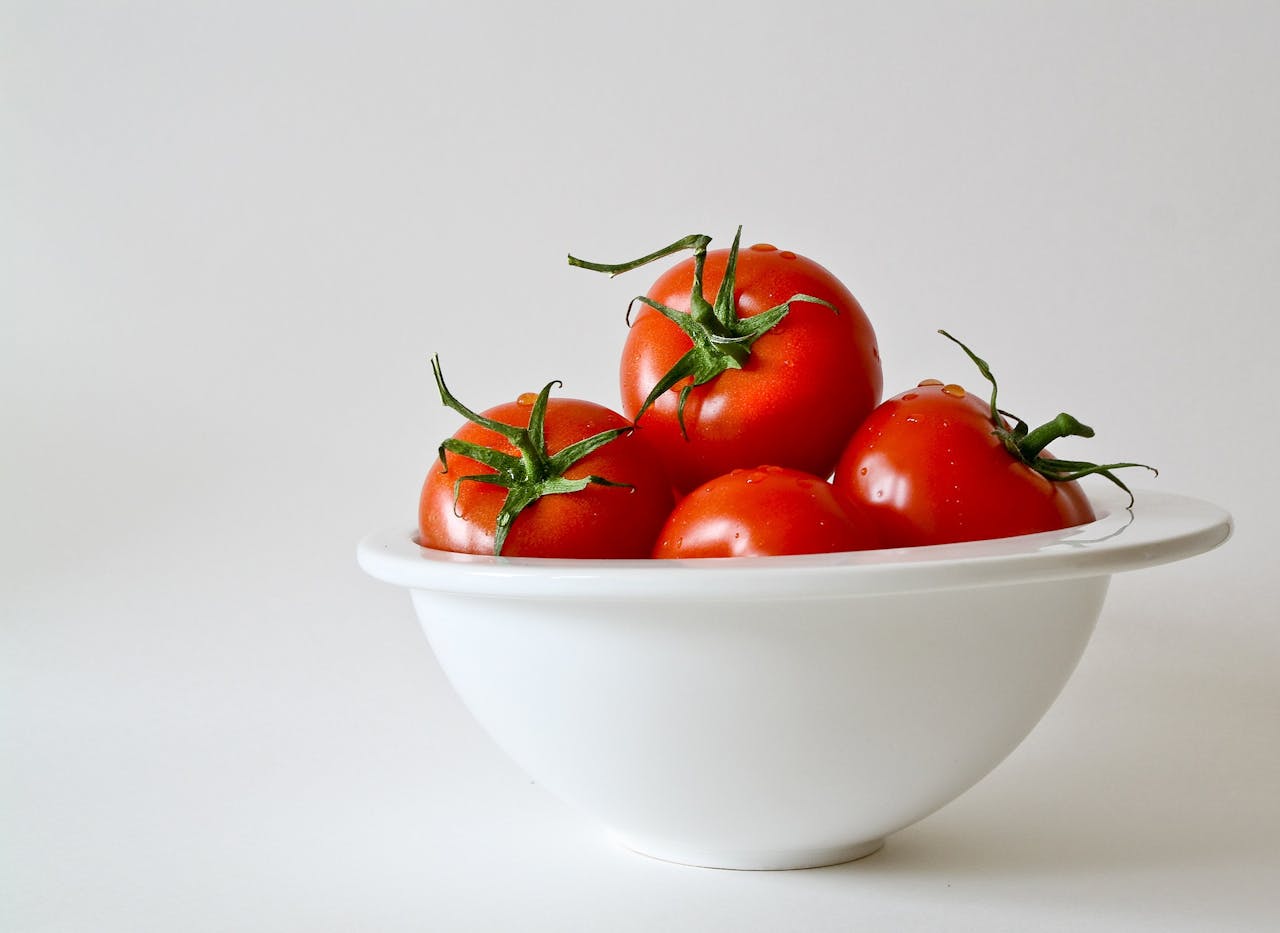
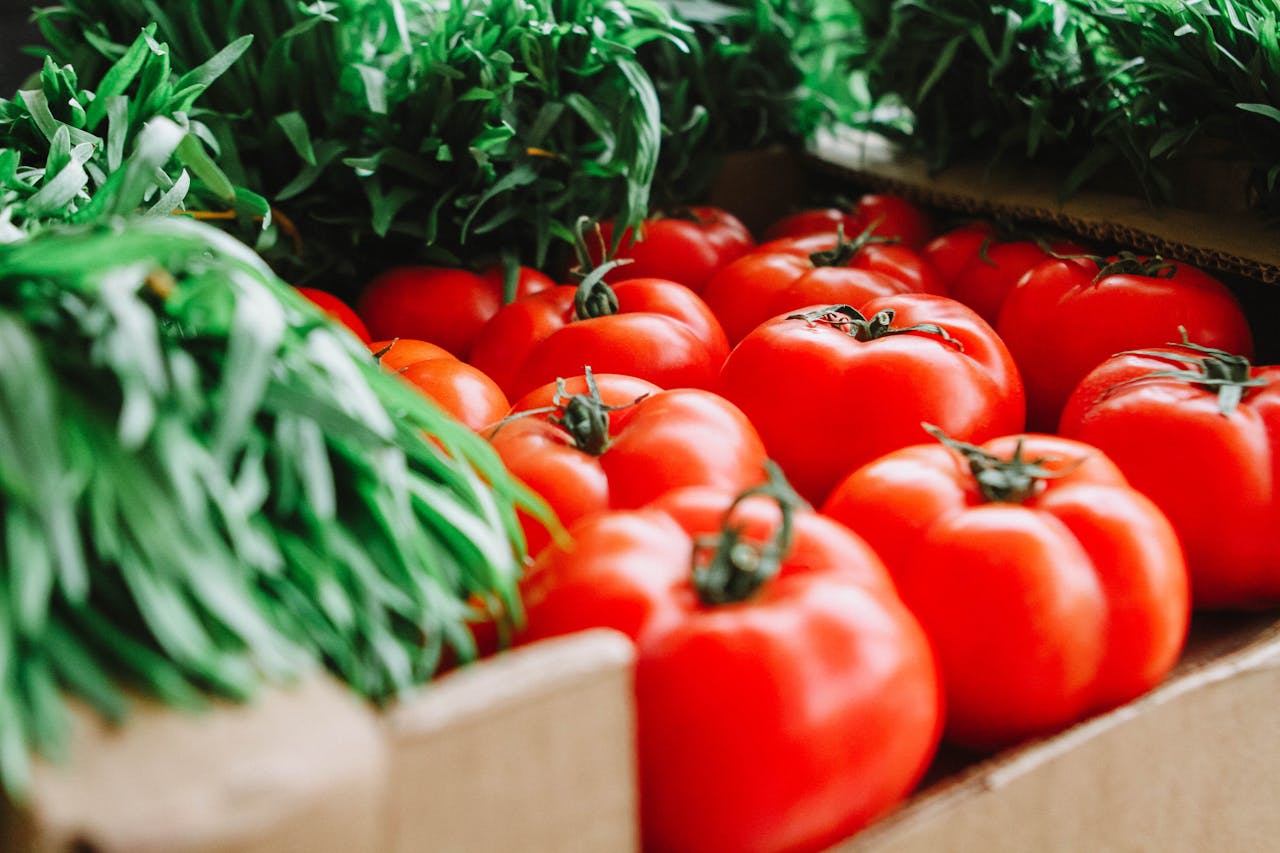
Tomatoes face persistent challenges from drought conditions in key growing regions like California. Water restrictions limit how many acres farmers can plant, reducing both fresh tomato availability and the supply needed for canned sauces and paste. Production costs have also increased significantly, putting additional strain on processors. As a result, consumers may notice fewer options for canned tomato products in particular. Restaurants that rely heavily on tomato-based sauces could also experience rising costs.