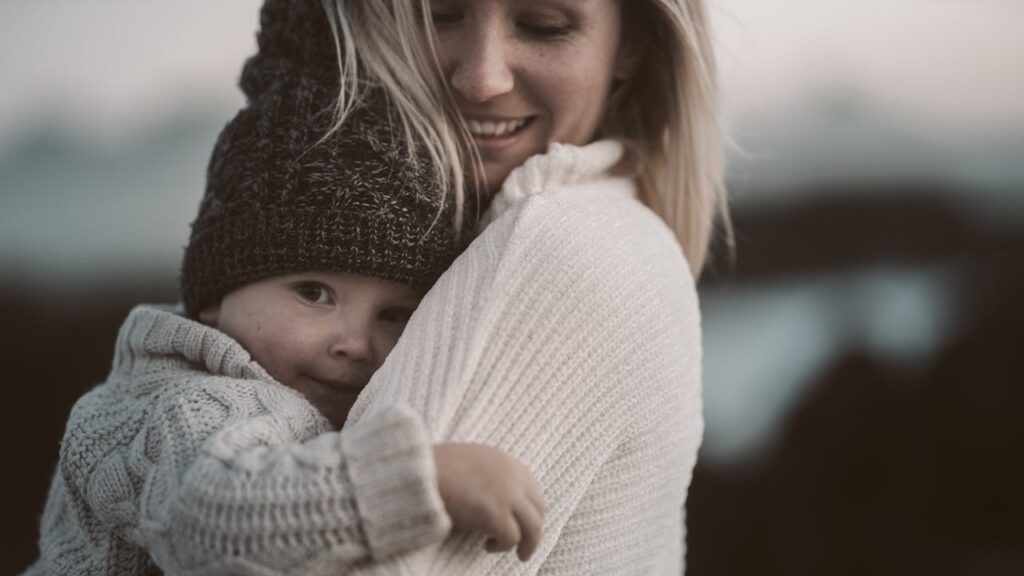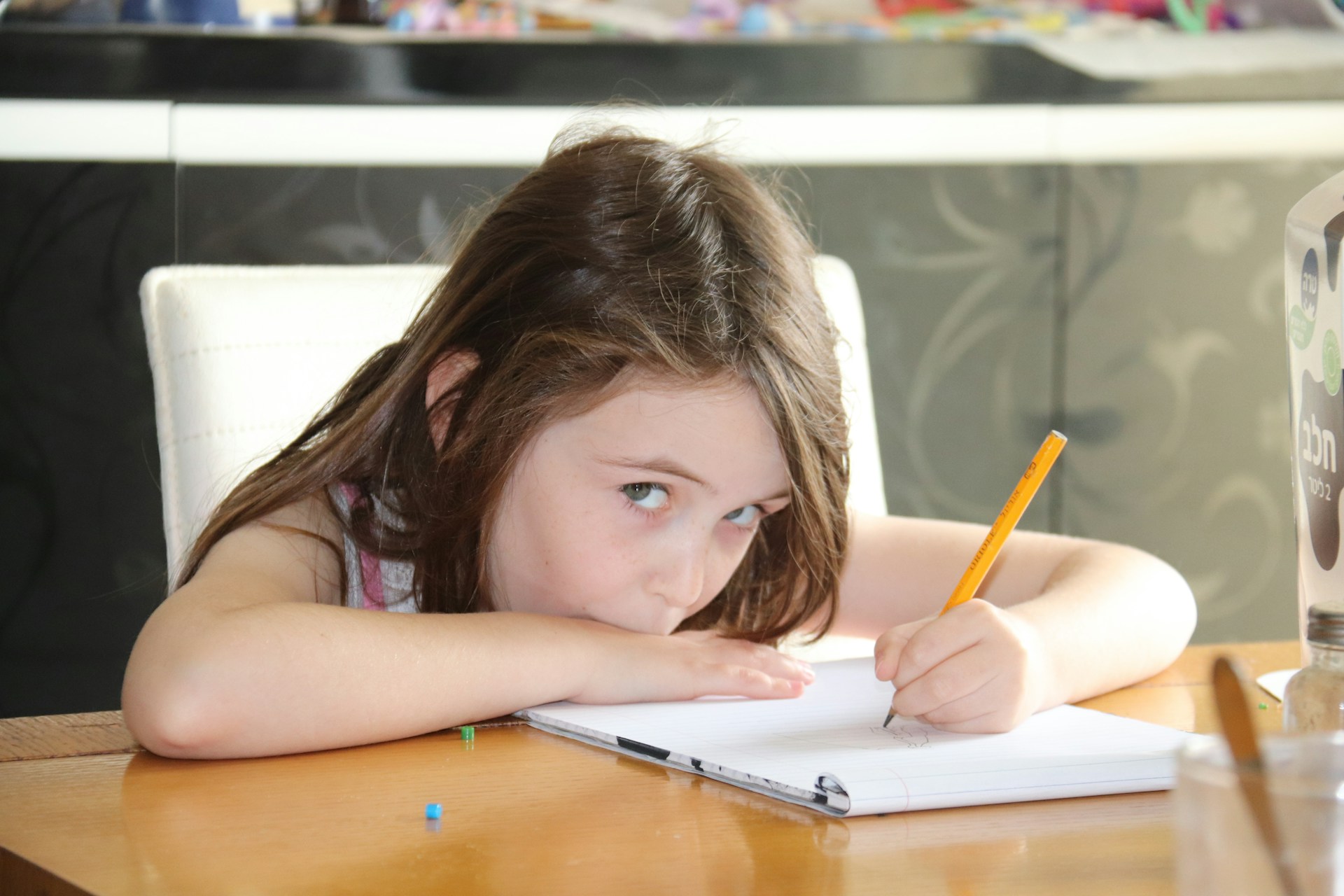
Kids do not learn confidence from grand speeches or special programs. They learn it at home from everyday interactions, tone, habits, and reactions. What seems small to adults feels huge to children because home becomes the blueprint for how they view themselves. These quiet lessons slip into their thinking before they realize it. They shape how kids handle setbacks, express emotions, and believe in their abilities. The messages absorbed at home become their internal voice. These subtle teachings influence confidence more than any classroom or textbook ever could.
Learning That Mistakes Define Their Worth
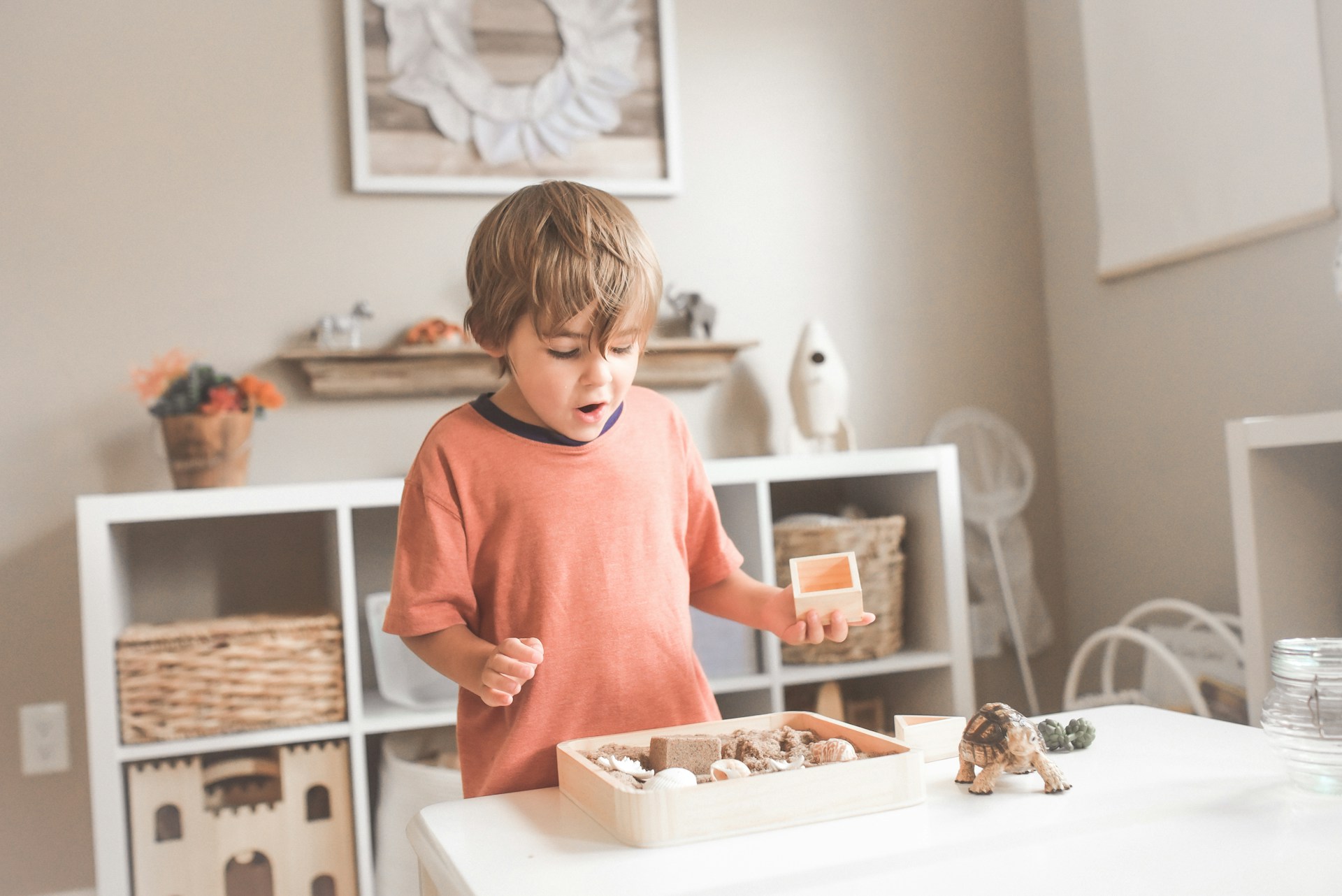
Kids who are taught that mistakes are disasters grow fearful, believing one wrong move ruins everything. If parents overreact, children think errors reflect who they are, not what they did. Homes where mistakes become lessons teach kids that failure is a moment, not an identity. Confidence grows when kids learn improvement matters more than perfection. The message they receive becomes their lifelong compass. A home that welcomes mistakes produces kids who experiment, explore, and take action without fearing judgment or shame.
Forming Beliefs About Their Body Image

Even casual comments about weight, looks, or appearance shape how kids see themselves. Compliments about beauty over character can teach them their value comes from their body. When parents model acceptance, kids learn confidence starts inside. If the home is filled with negative talk about looks, children internalize those ideas and doubt themselves. Kids do not need a mirror to judge their worth. They need examples that show bodies are tools for living, not standards to meet. A healthy self image builds confidence that lasts beyond trends.
Learning How Conflicts Should Be Handled

Kids watch how adults argue and assume those methods are normal. If conflicts end in yelling, ignoring, or blaming, kids believe disagreement is dangerous. When issues are discussed calmly, they learn conversations can solve problems. Their confidence rises when they know they will not be punished for speaking up. Homes often teach children whether their voice has power or risk. The way conflict works at home shows them if differences are opportunities or threats. This lesson follows them into friendships, school, and their future relationships.
Deciding If Effort Matters More Than Results
Praise that focuses only on winning or success teaches kids that their worth depends on outcomes. If effort is celebrated, kids learn growth matters. Homes that highlight trying, improving, and learning build confident children who enjoy challenges. When parents exaggerate achievements and ignore progress, kids fear failure and avoid anything difficult. The meaning of effort becomes a powerful belief. Kids raised to appreciate the journey stay curious, persistent, and resilient. Their confidence is rooted in what they do, not what others think they should become.
Understanding Whether Emotions Are Safe To Express
Kitchens, living rooms, and car rides often teach kids how emotions work. If adults shut down feelings or mock them, children learn emotions are problems. Homes that allow sadness, anger, and excitement without judgment show kids that feelings are tools, not threats. Confidence grows when children trust their inner world. Suppression creates confusion, while acceptance builds emotional strength. Kids need examples of healthy expression to understand that feelings do not make them weak. They make them human and capable of connection and empathy.
Learning If Taking Risks Is Encouraged
Kids decide whether risks are worth taking based on how their family reacts to new activities, challenges, or mistakes. If parents protect children from uncertainty, kids assume risk is dangerous. When families support exploration, kids learn that trying something new creates growth. Confidence develops when children know a stumble does not mean disaster. They become curious, independent learners who seek opportunities instead of running from them. Homes that encourage reasonable risks create adults who innovate, lead, and solve problems without fear of being wrong.
Observing How Stress Should Be Managed
Kids do not need direct lessons about stress to understand it. They watch how adults react when life gets difficult. Homes that yell, panic, or blame teach kids that pressure is overwhelming. Calm discussions and problem solving show stress can be handled. These early lessons shape confidence because children learn if challenges are manageable or terrifying. They copy what they observe. A steady environment helps them trust their ability to face hurdles. When stress becomes a puzzle rather than a monster, kids develop resilience that lasts.
Learning Whether Their Voice Matters
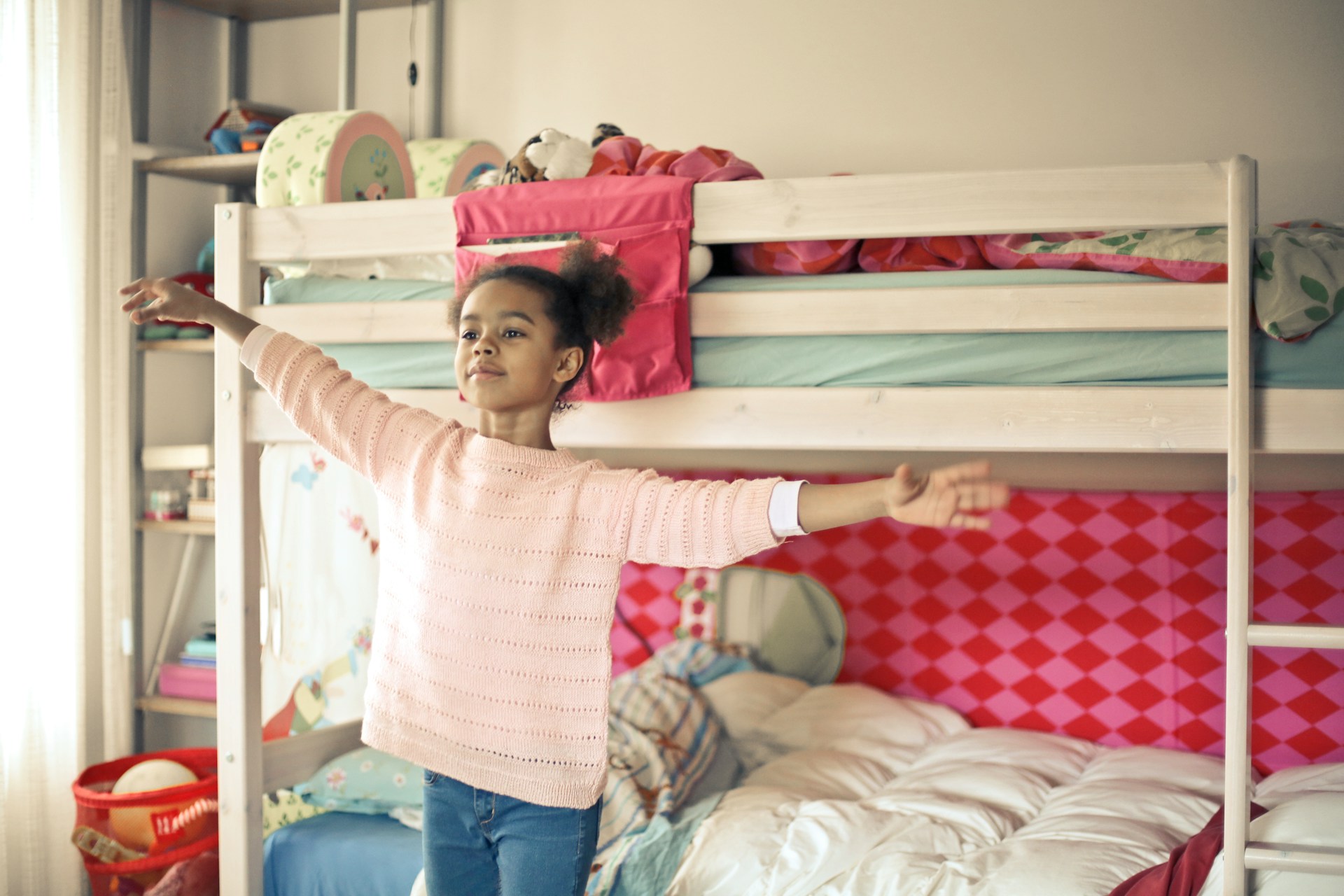
Kids pay attention to how adults respond when they speak. If they are interrupted, ignored, or dismissed, they learn silence is safer than participation. Homes that listen teach kids their ideas have value. Confidence grows when children see their words matter, even when they are wrong. This lesson influences how they speak up in class, at work, and in relationships. The permission to express thoughts without fear builds a strong internal identity. Kids who are heard learn they belong in conversations, not on the sidelines.
Understanding What Responsibility Looks Like At Home
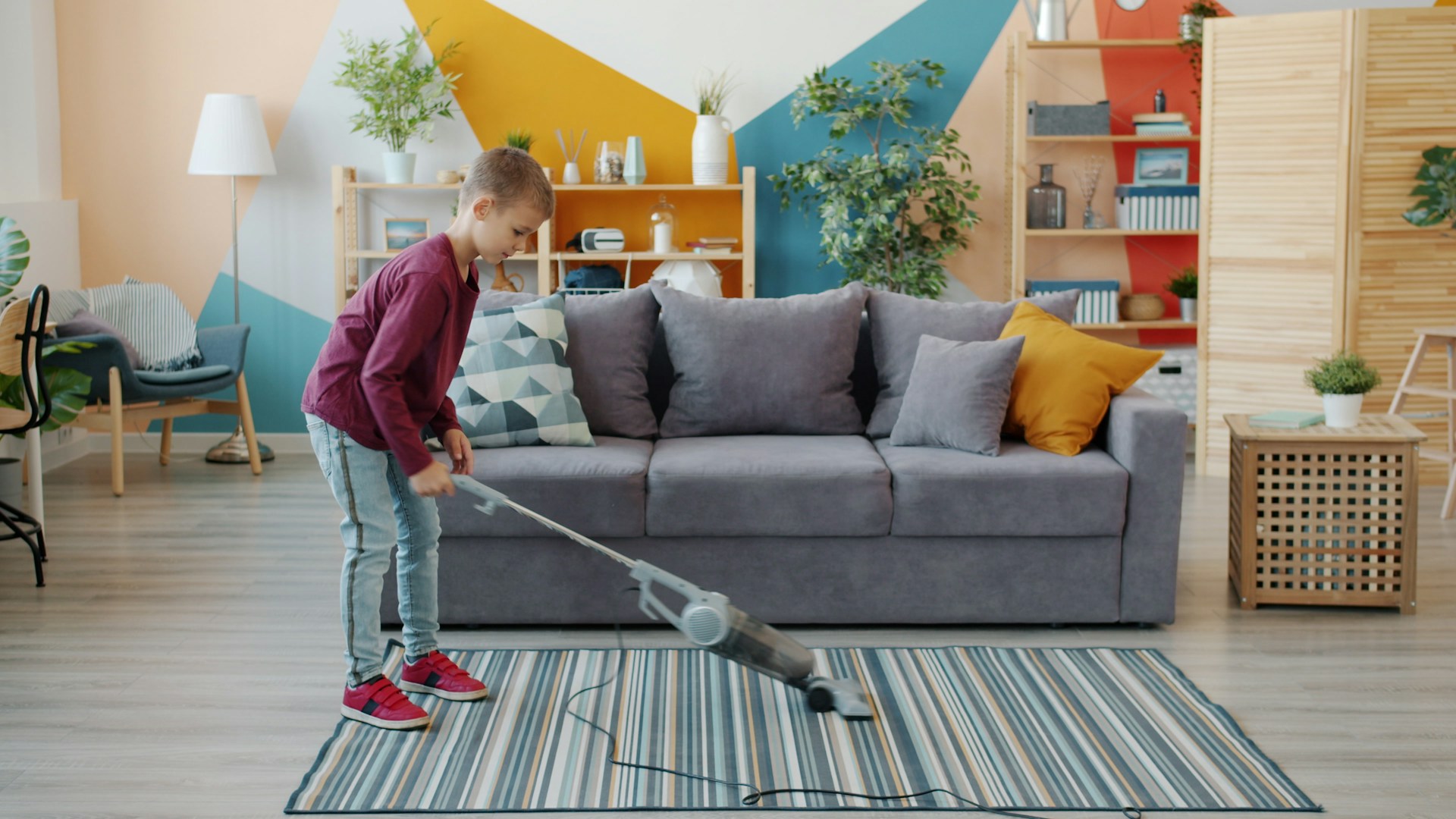
Kids learn responsibility not from lectures, but from observing who does what. If chores are shared, they see teamwork as normal. If everything falls to one person, they assume responsibility belongs elsewhere. Homes that give age appropriate tasks create confident kids who contribute rather than watch. Responsibility teaches competence, and competence strengthens identity. When children learn they have roles that matter, they feel capable. This simple lesson prepares them for adulthood far more than rules or speeches ever could.
Learning How Much Respect They Deserve
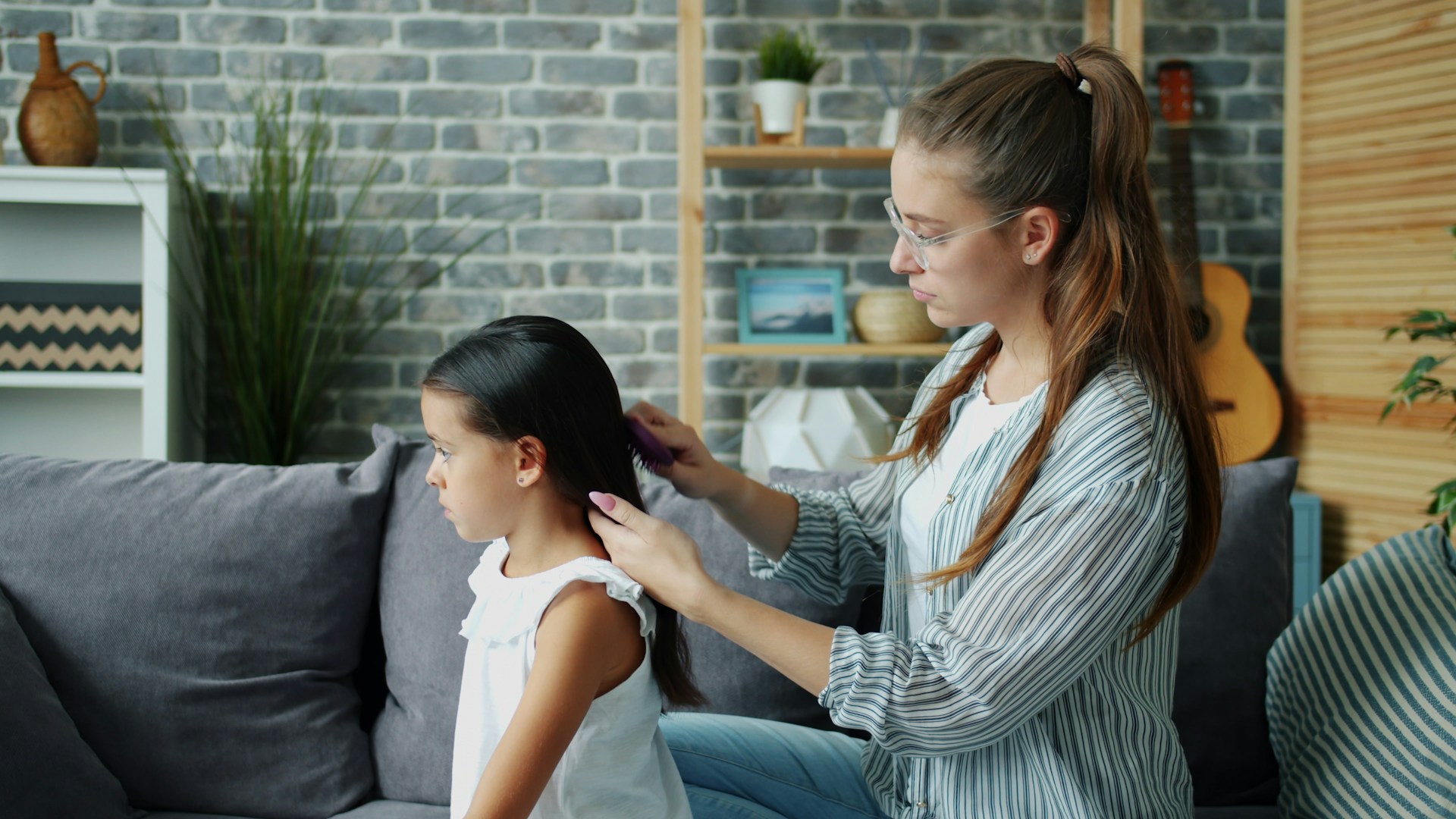
Respect is not taught with slogans. It is taught when children see whether their boundaries, time, or preferences matter. Homes that value respect generate confident kids who understand they deserve fair treatment. If adults dismiss feelings or mock interests, children assume respect is optional. The standard set at home becomes the standard they expect from the world. When kids feel respected, they learn to respect others. This mutual cycle creates confident young people who stand tall without stepping on anyone else.
Confidence grows from the quiet lessons kids absorb long before they understand them. These beliefs do not arrive in a single moment. They form slowly through tone, reactions, habits, and daily conversations. Homes are training grounds for identity, and every interaction teaches something. When families create an environment where effort matters, emotions are accepted, and voices are heard, kids leave the house not just prepared, but empowered. The greatest gift a home can give is the belief that kids are capable and worthy of taking up space in the world.