The United States is filled with unusual laws that often reflect the quirks of local history. Many of these statutes were created to solve once-pressing issues, but remain on the books long after their relevance faded. While rarely enforced today, these laws highlight how culture, politics, and even accidents shaped local legal codes. Here are ten strange laws that continue to exist in America’s legal landscape.
No Driving in a Housecoat
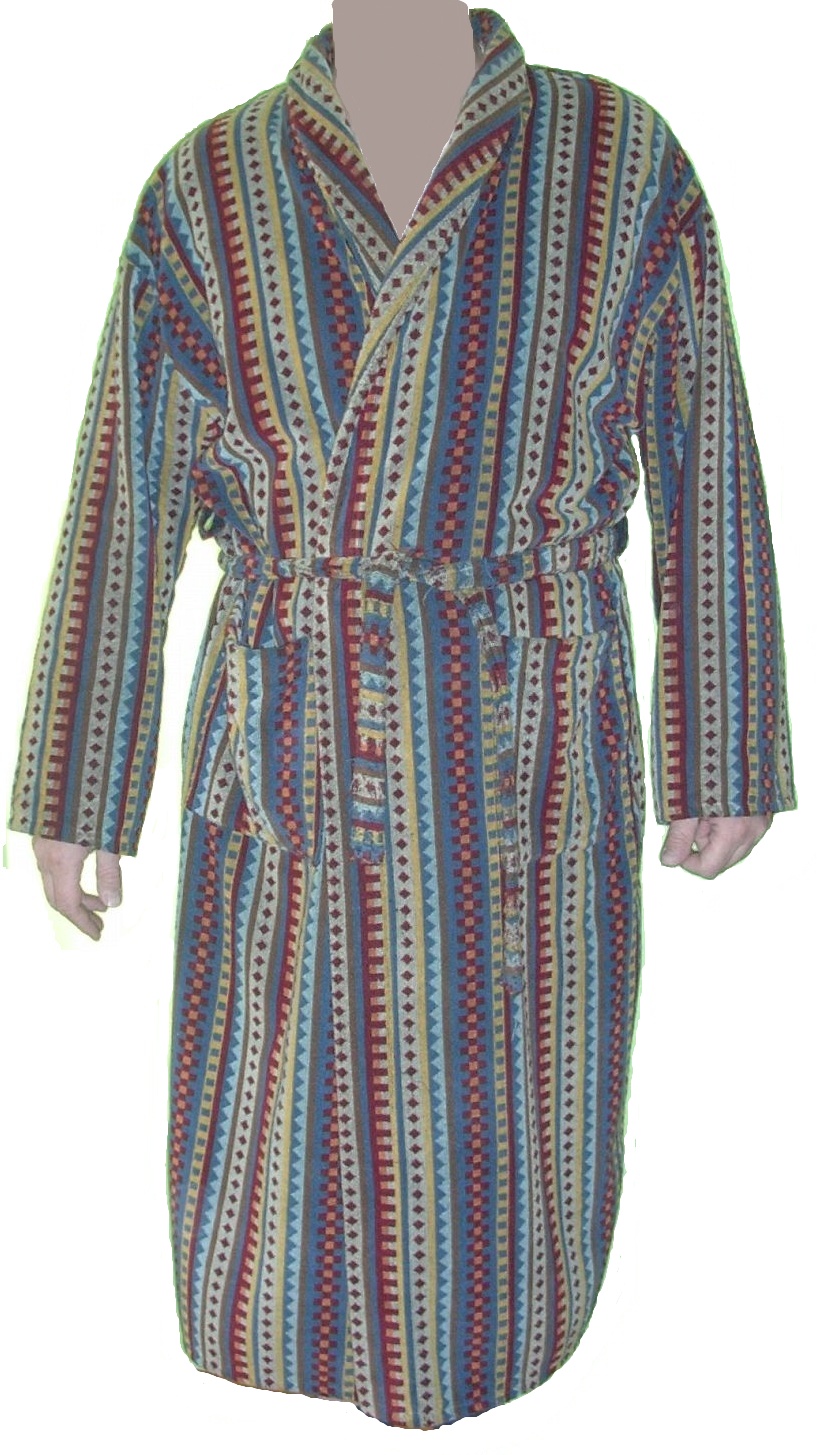
In California, an old law technically forbids women from driving while wearing a housecoat. It likely originated from outdated concerns about clothing interfering with vehicle operation. While it is unlikely to be enforced today, it remains part of the legal record. This law illustrates how gender roles and attire once intersected with public safety.
Fake Mustaches in Church

Alabama law prohibits wearing fake mustaches in church if they cause laughter. The rule seems designed to protect solemnity during services and prevent disruptions. Although it sounds humorous now, it reflects a time when church decorum was taken very seriously. Despite its absurdity, the statute has never been formally repealed.
Donkeys in Bathtubs
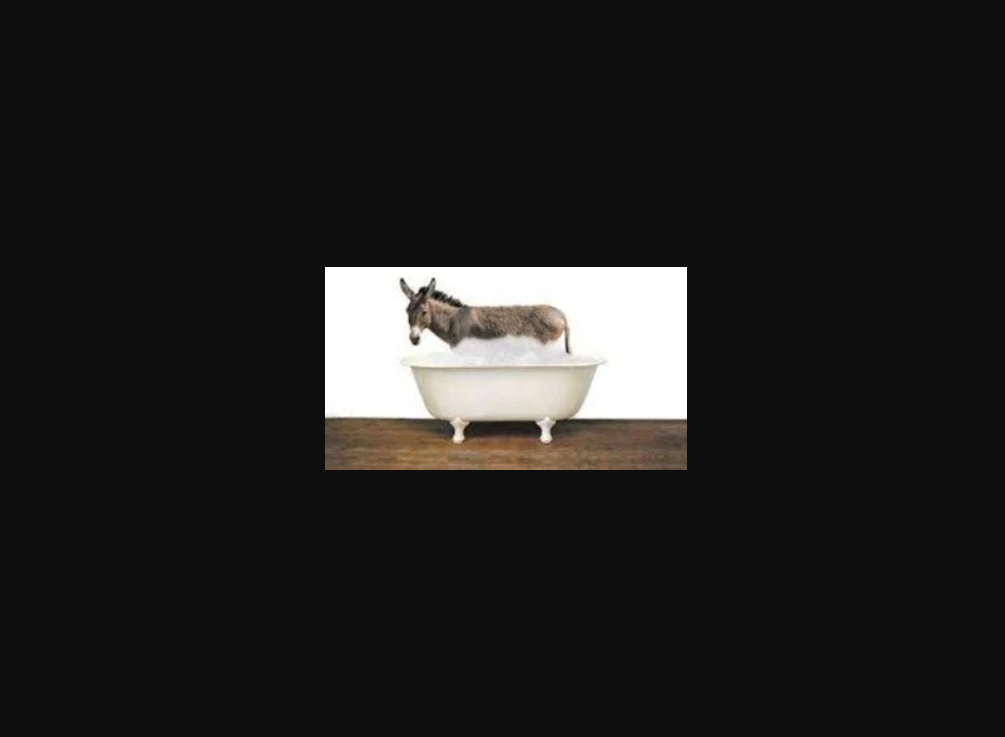
Arizona is known for a law that prevents donkeys from sleeping in bathtubs. The story goes that a donkey once slept in a tub, was washed away during a flood, and caused costly rescue efforts. Legislators passed the law to prevent such incidents in the future. Though unlikely to arise today, the statute still lingers.
Ban on Margarine in Institutions
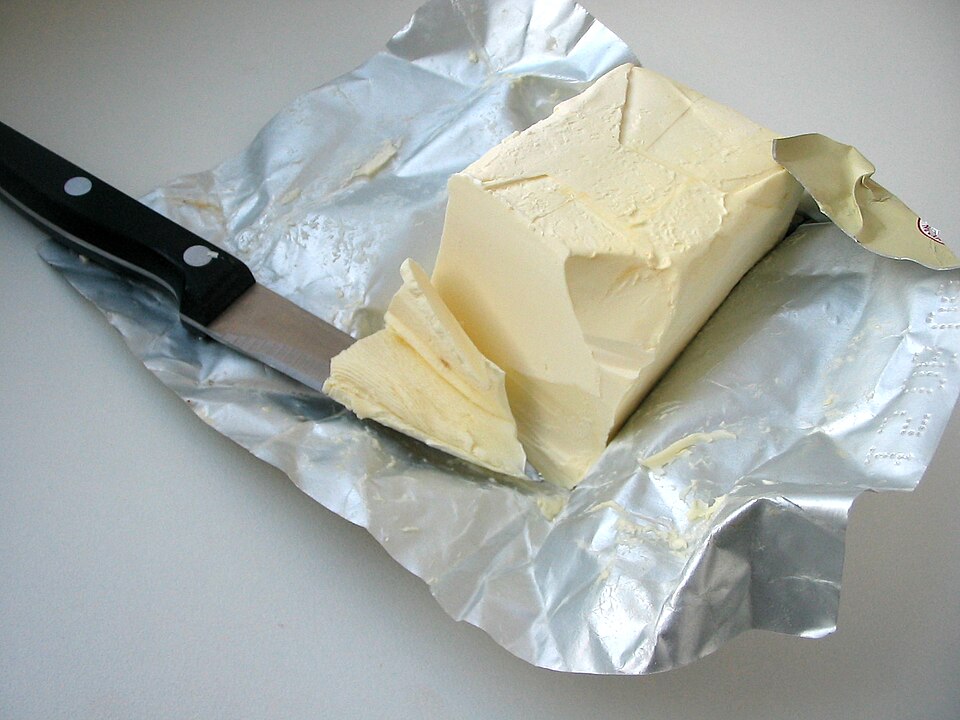
Wisconsin’s dairy industry influence led to a ban on serving margarine in state institutions unless requested. The law protected butter producers from competition during the height of margarine’s popularity. Schools, hospitals, and prisons were particularly restricted by this law. While rarely applied today, it remains technically valid.
Whistling Underwater
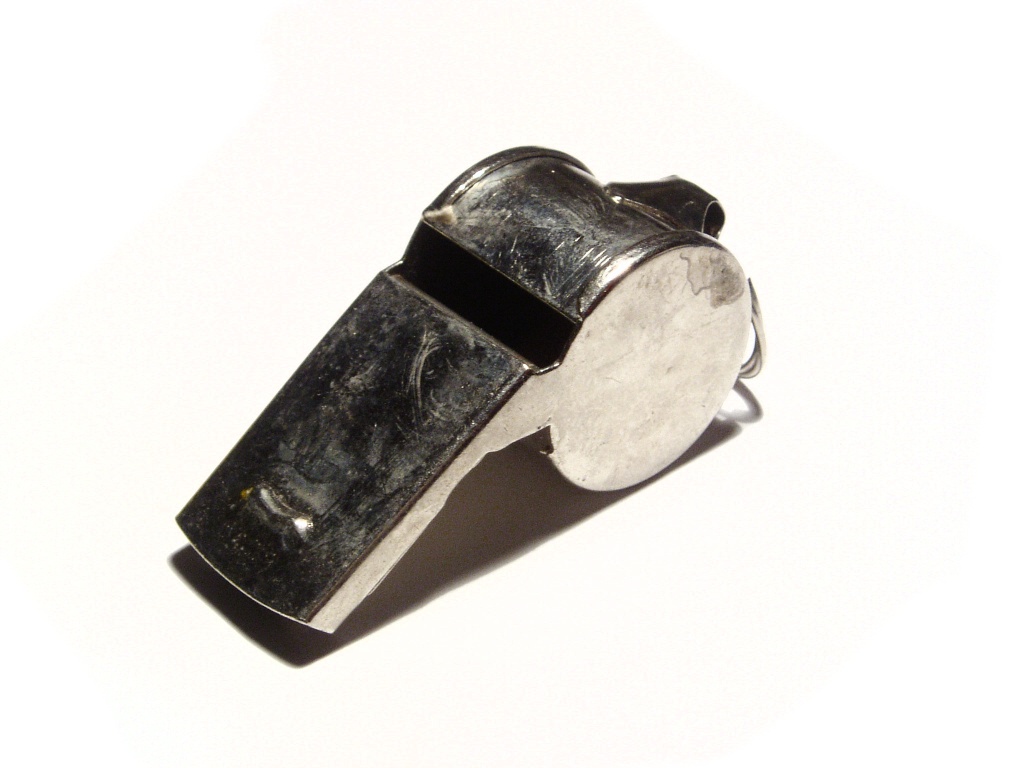
Vermont’s peculiar law prohibits whistling underwater. It is unclear how such an ordinance could ever be enforced, but it exists nonetheless. Likely created as a tongue-in-cheek addition, the statute remains part of Vermont’s code. It is often cited among the strangest laws still in place.
Selling Cat or Dog Hair
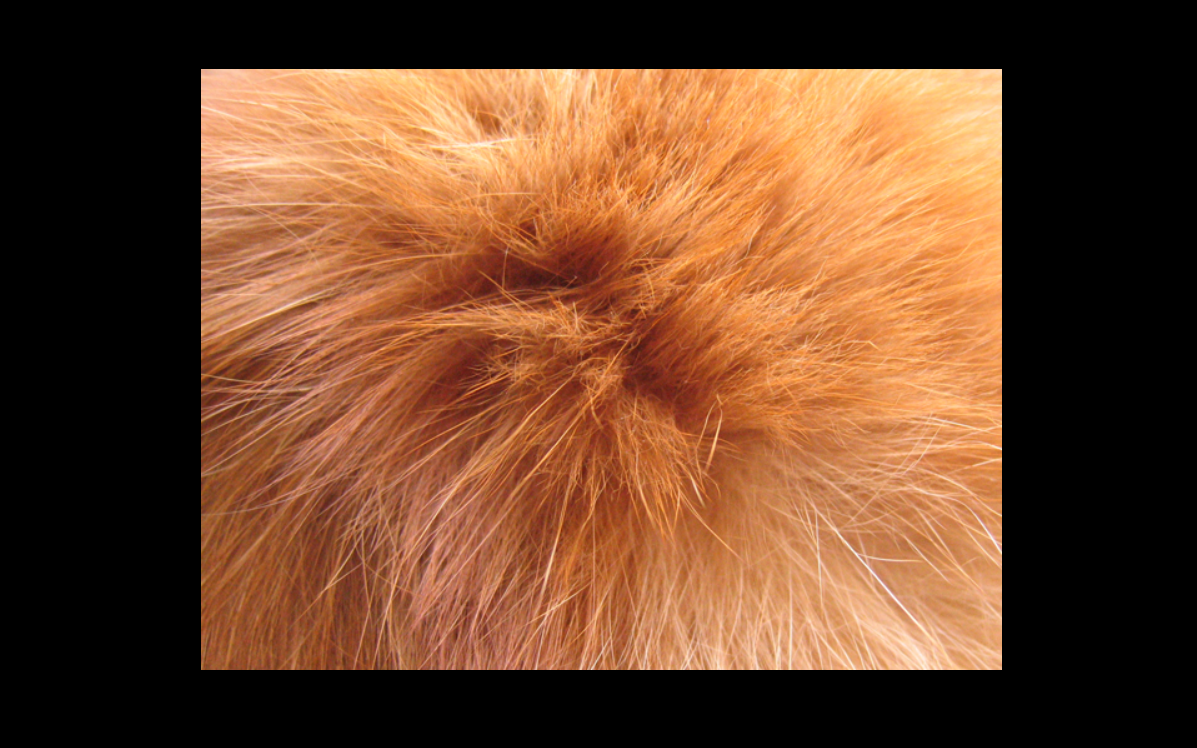
In Delaware, it is illegal to sell cat or dog hair. The origins of this statute likely relate to concerns about animal byproducts or fraudulent trade. Though rarely enforced, it technically criminalizes certain niche markets. The law reflects an older era of regulating unusual animal trades.
Scrubbing the Sink in Baltimore
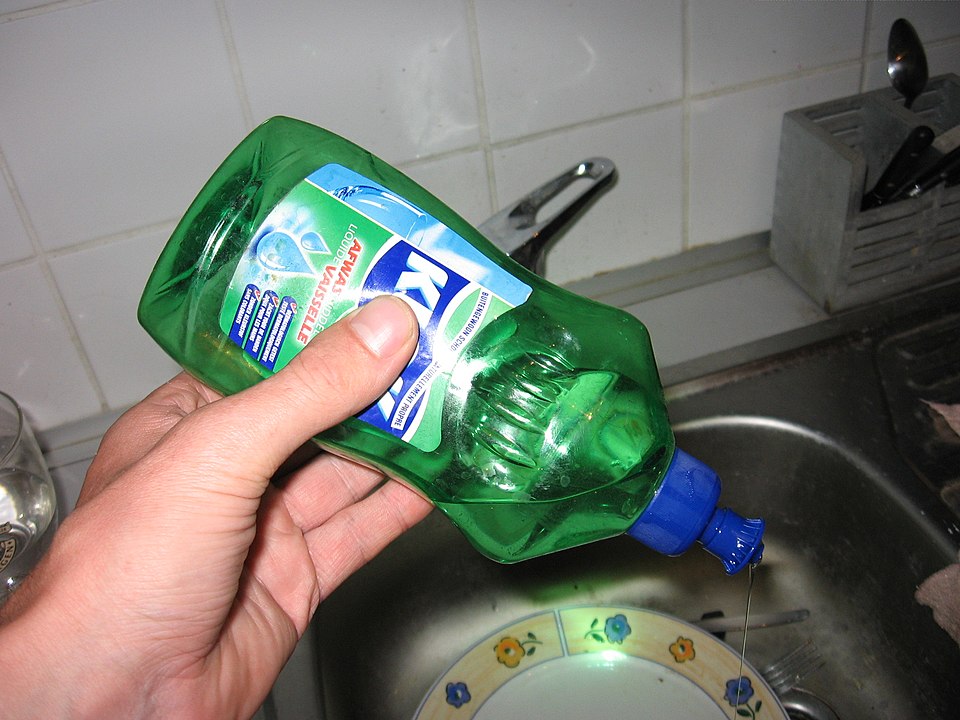
Baltimore, Maryland has an unusual ordinance that prohibits scrubbing your sink. It reportedly stemmed from concerns about pollutants entering the water system. Though modern plumbing has changed, the law was never repealed. It highlights how environmental awareness shaped municipal rules.
Driving Blindfolded
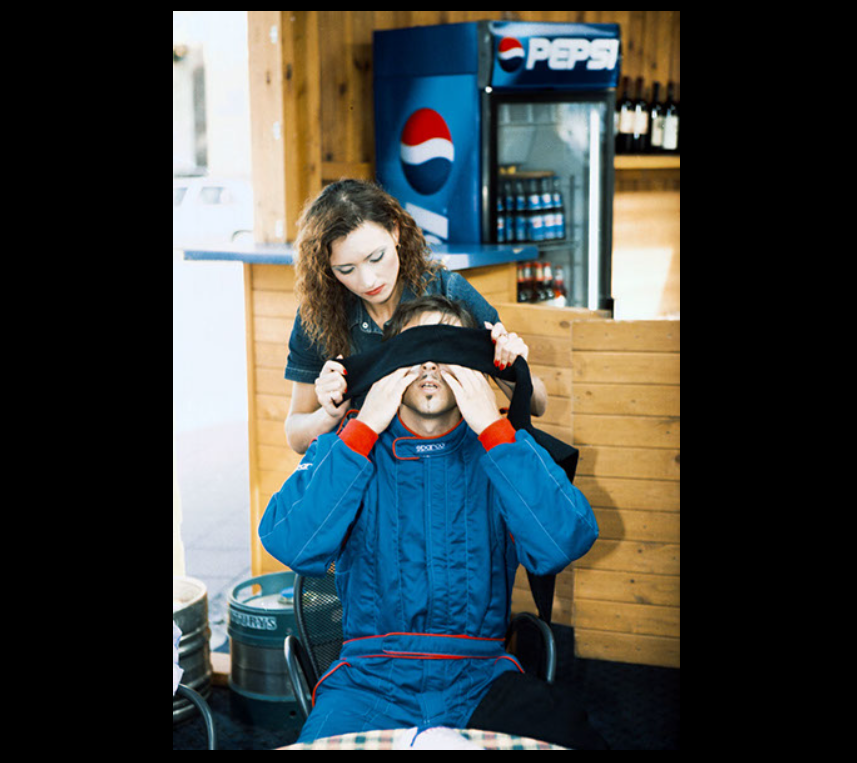
Alabama law explicitly bans driving while blindfolded. While common sense and other traffic laws would prevent this behavior, lawmakers codified it directly. Perhaps designed to discourage stunts, it continues to exist in the state’s legal code. It demonstrates how legislators sometimes addressed highly specific behaviors.
Sending Surprise Food

Louisiana once banned sending food to people without their consent. The statute was likely aimed at preventing disputes over food safety or unexpected deliveries. While harmless by today’s standards, such a law remains in the state’s books. It shows how legal codes sometimes addressed very narrow concerns.
Mispronouncing Arkansas
Arkansas state law declares that its name must be pronounced “Ark-an-saw.” Mispronouncing it with a hard “s” is technically a violation of the statute. Although not enforced, the law remains a matter of state pride and identity. It represents how culture and language sometimes enter the legal system.