History is full of surprises, and America’s past has some of the strangest true tales that still spark curiosity today. From unexpected inventions to bizarre events, these stories are the kinds of things kids love to hear. They bring history to life in a way that textbooks rarely can, mixing wonder, humor, and lessons about how people lived long ago. Families will find these stories entertaining and educational, showing that America’s past is anything but boring.
1. The Great Molasses Flood: Boston, 1919
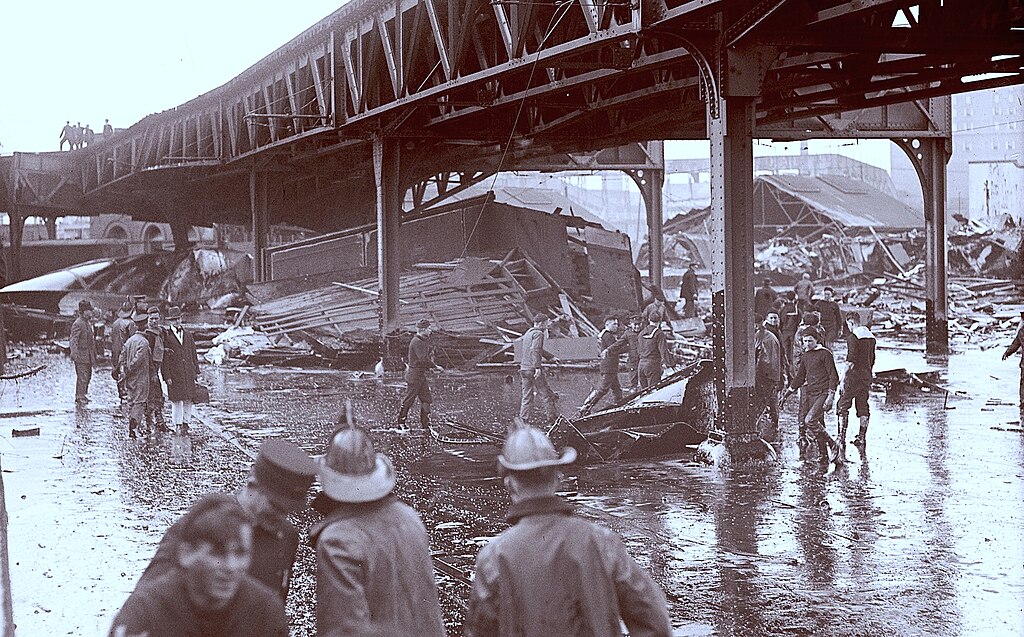
In January 1919, a giant storage tank of molasses burst in Boston, sending a sticky wave rushing through the streets. The gooey flood knocked down buildings and trapped horses, creating chaos. Kids are fascinated to imagine an entire neighborhood coated in syrup. Parents learn about how poor construction and safety standards contributed to the accident. The event may sound funny, but it left a serious mark on the city. Today, it remains one of the strangest disasters in American history.
2. Ben Franklin’s Kite Experiment: Philadelphia, 1752
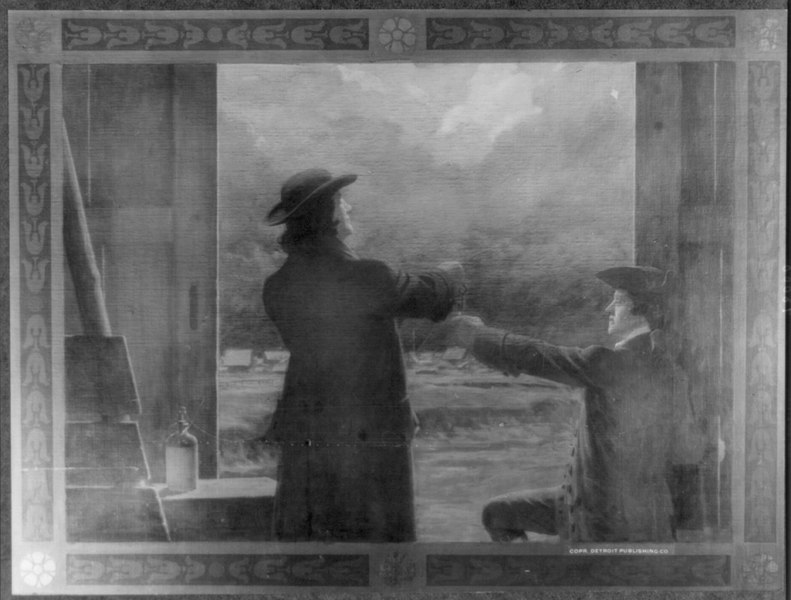
Benjamin Franklin flew a kite during a thunderstorm to prove that lightning was electricity. With a simple kite, string, and key, he demonstrated ideas that changed science forever. Kids love picturing Franklin braving a storm with such a daring experiment. Parents can appreciate the risks he took and the knowledge he gained. The story shows how curiosity and courage can lead to breakthroughs. It also reminds families that big discoveries sometimes come from the simplest tools and bold thinking.
3. The Gold Rush Potato Millionaire: California, 1840s
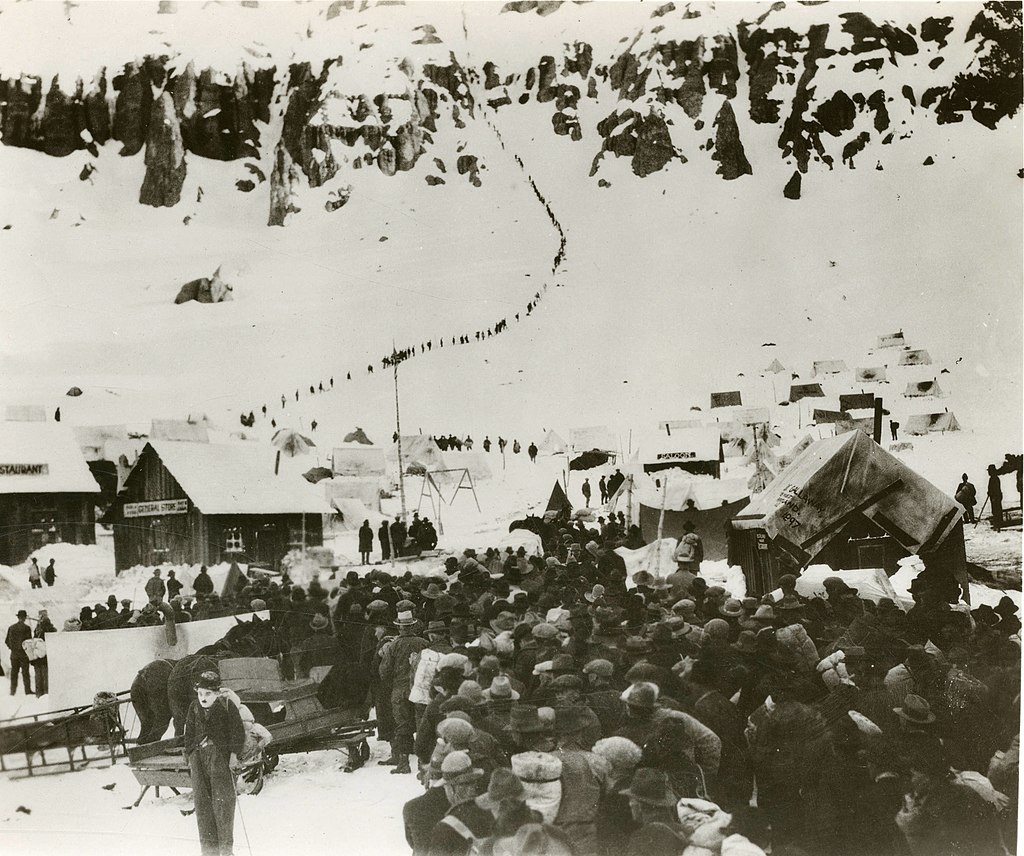
During the California Gold Rush, most people dug for treasure in the ground. But a clever man named Samuel Brannan made a fortune selling supplies like shovels and pans to miners. Even potatoes became so valuable that some farmers grew rich selling food. Kids are surprised to learn that the real winners were often shopkeepers and farmers, not miners. Parents see how supply and demand shaped history. The story proves that thinking differently can sometimes bring more success than following the crowd.
4. George Washington’s Wooden Teeth: Myth vs. Reality
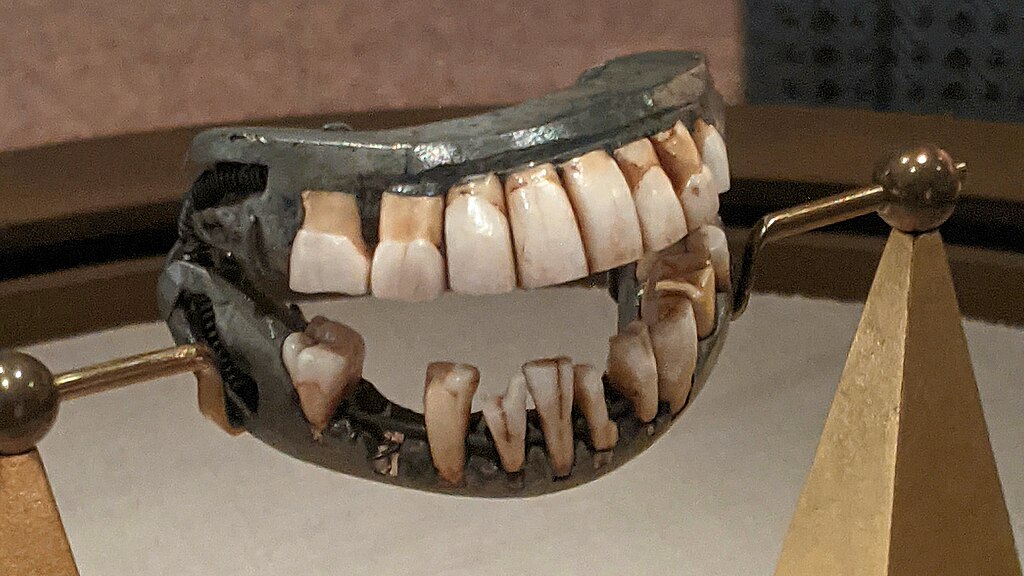
For years, people believed George Washington wore wooden teeth. In truth, his dentures were made from materials like ivory, human teeth, and even metal springs. Kids find it both gross and fascinating to picture the first president with such unusual dental work. Parents see how myths can form and last through generations. The story teaches families to question what they hear and look for facts. Washington’s dental troubles show that even great leaders had very human struggles.
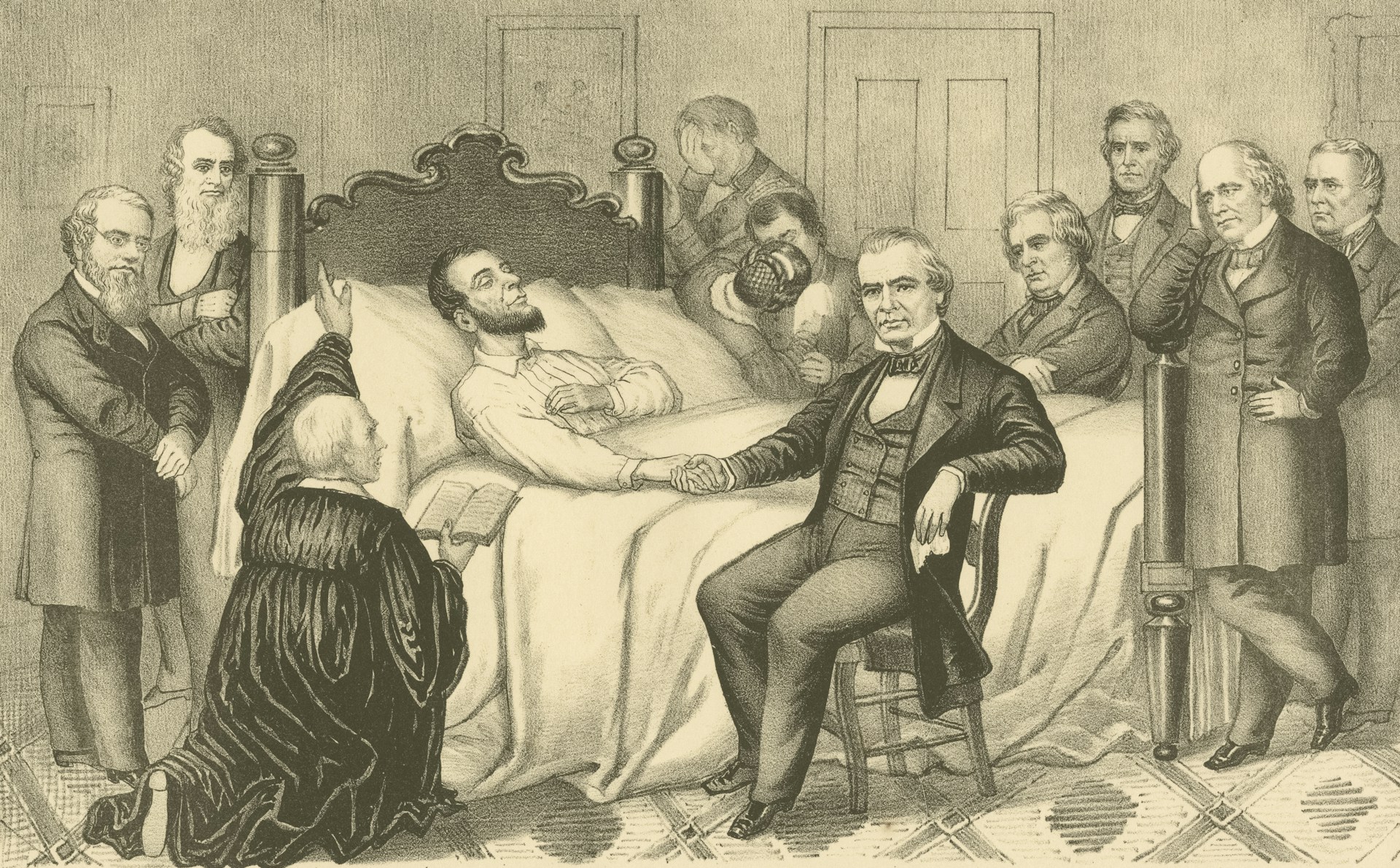
5. Abraham Lincoln’s Dream of His Own Death: 1865
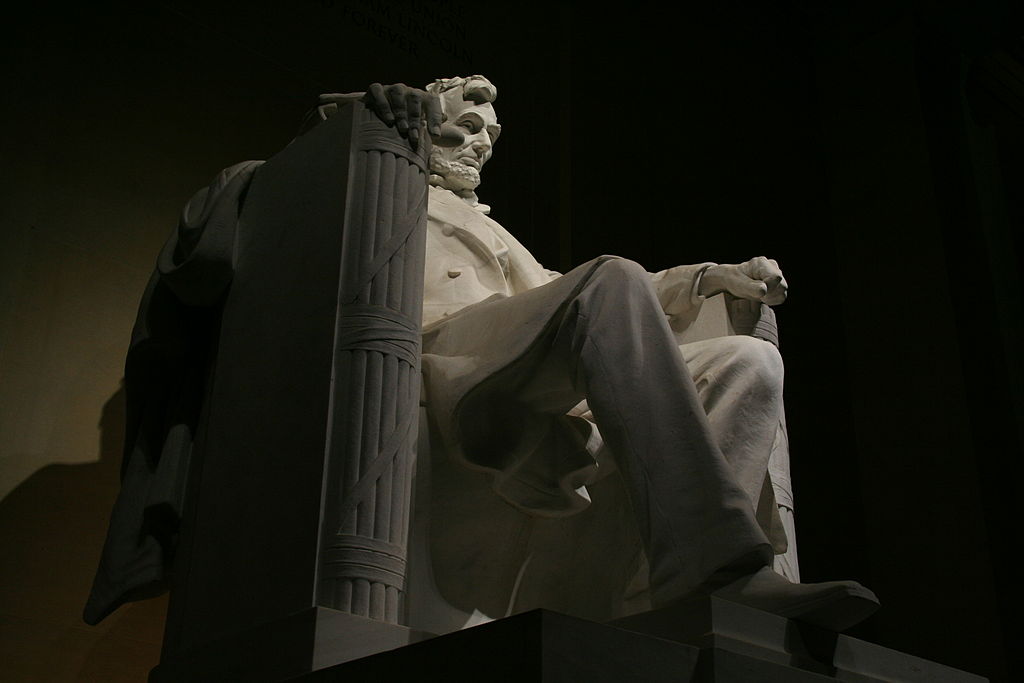
Abraham Lincoln was not only the president who led America through the Civil War, he also had an eerie story near the end of his life. Just days before his assassination, Lincoln told friends he had dreamed of walking through the White House and seeing people mourning. In the dream, he asked who had died and was told it was the president. Kids are fascinated by the mystery of dreams that seem to predict the future. Parents reflect on how even great leaders sometimes carry burdens they cannot explain.
6. The Dancing Plague of 1518’s American Echo: Kentucky, 1800s
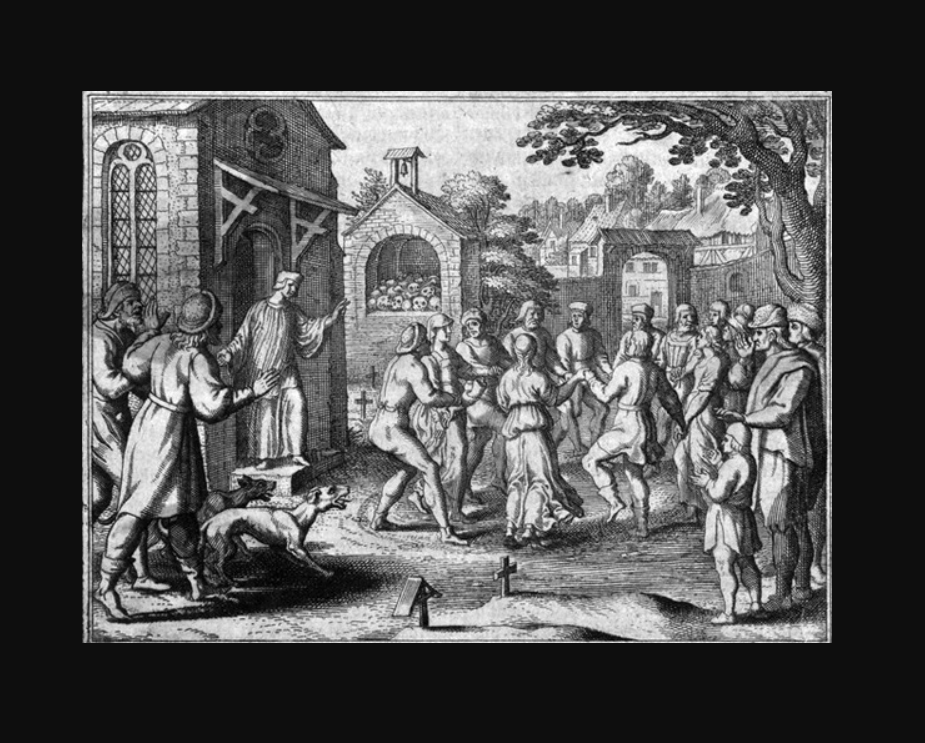
While the original dancing plague occurred in Europe, America had its own smaller outbreaks where people mysteriously danced uncontrollably. In Kentucky, reports told of groups that danced for hours without stopping, baffling neighbors. Kids find the idea funny yet strange, imagining entire groups moving until exhaustion. Parents see it as a reminder of how communities once struggled to explain unusual events. These strange episodes show how mystery and folklore blend in America’s past, leaving more questions than answers.
7. Harriet Tubman’s Spy Work: Civil War, 1860s
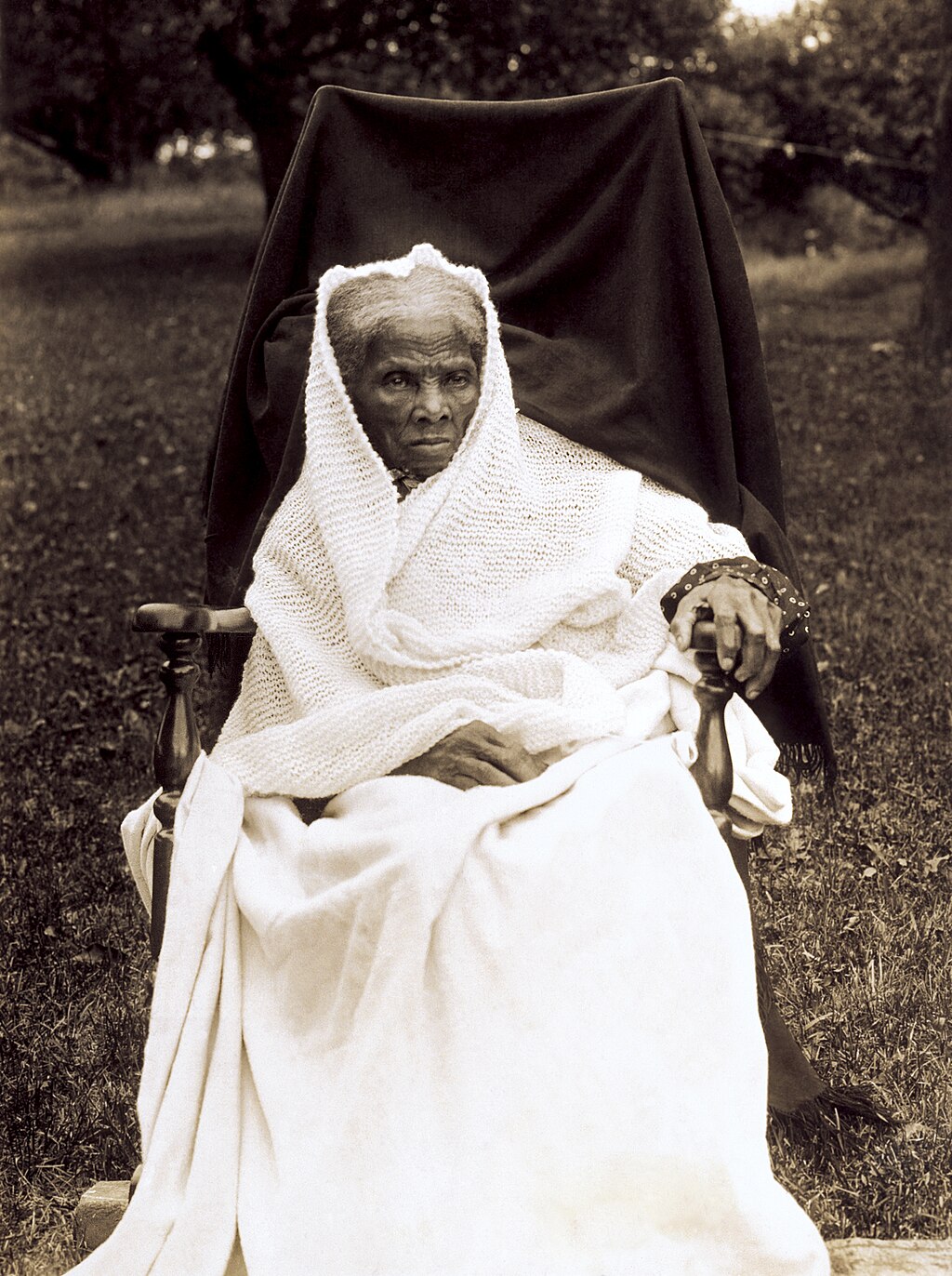
Many know Harriet Tubman as a leader on the Underground Railroad, but fewer realize she also served as a spy during the Civil War. She helped plan raids, gathered intelligence, and even guided Union troops. Kids admire her bravery and quick thinking, while parents respect her courage in facing constant danger. Her story shows that heroes often play many roles, not just the ones found in textbooks. Tubman’s legacy continues to inspire families to value courage and freedom.
8. The First American Circus: 1793
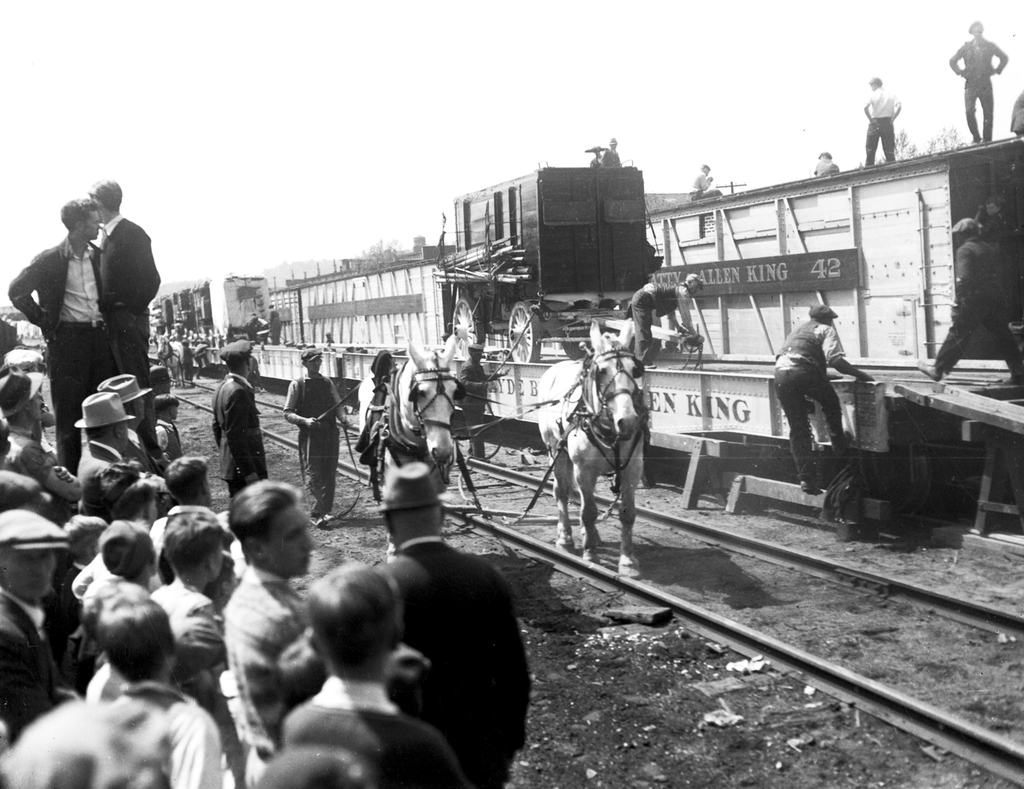
The United States saw its first real circus in Philadelphia, complete with acrobats, animals, and daring performers. Families in the 1790s were amazed by stunts and exotic sights that seemed impossible for the time. Kids today love imagining elephants and tightrope walkers dazzling early American audiences. Parents see how entertainment brought communities together and sparked imagination. The circus quickly grew into one of America’s favorite traditions. This strange but true beginning planted the seeds of modern family fun.
9. The Ghost Ship Mary Celeste: 1872
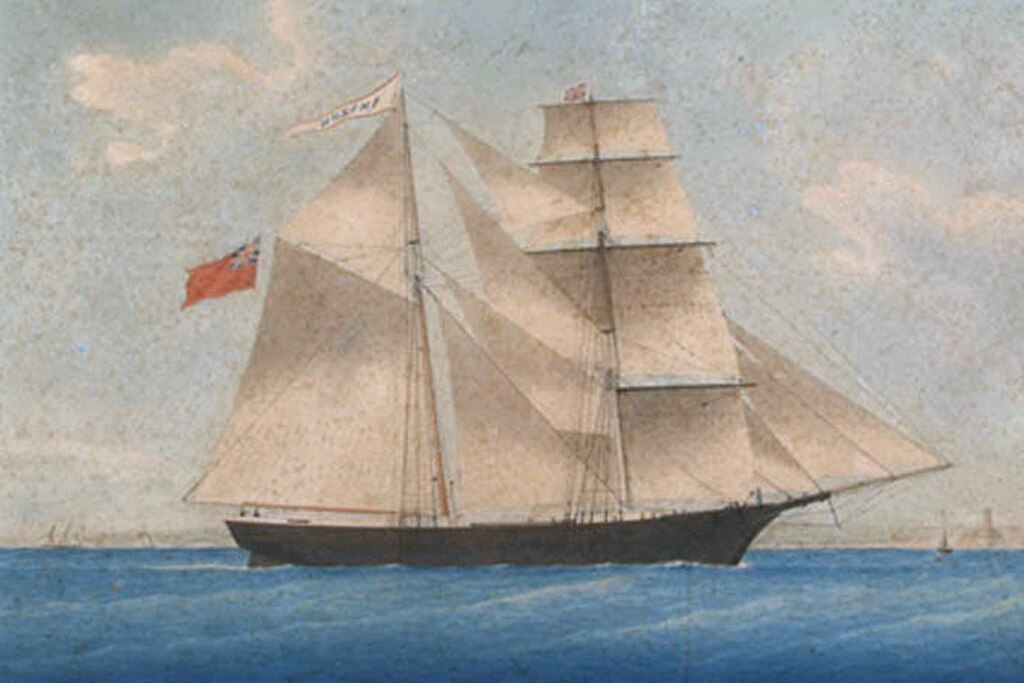
When the Mary Celeste was found drifting off the coast, its crew had vanished without explanation. The ship was fully stocked and undamaged, leaving one of the greatest mysteries in maritime history. Kids are intrigued by the idea of a ghost ship, imagining endless possibilities of what happened. Parents consider the realistic theories, from storms to mutiny. The story is strange because it remains unsolved even today. It captures the imagination of anyone who hears about its eerie fate.
10. The First American Moon Hoax: 1835
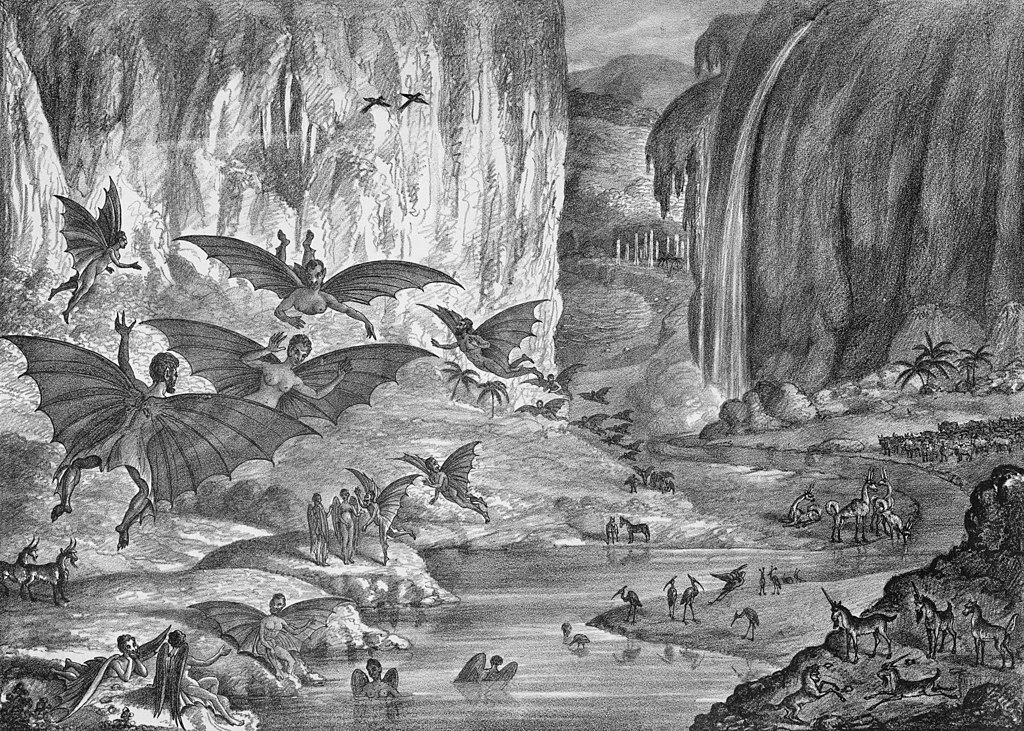
In the 1830s, a newspaper published articles claiming that the moon was covered with forests, lakes, and even bat-like creatures. Readers across America believed it, sparking huge excitement. Kids love the idea of moon people and wild adventures beyond Earth. Parents reflect on how media once spread tall tales just as fast as true news. The story reminds families to always question what they read. This strange event shows that curiosity and imagination sometimes run ahead of science.
These strange but true stories from America’s past prove that history is far from dull. From sticky disasters and daring experiments to mysterious ghost ships and wild myths, each tale captures imagination while teaching valuable lessons. Kids learn that the past is filled with surprises, while parents see the importance of curiosity, bravery, and critical thinking. Sharing these stories together makes history fun and memorable. They remind families that truth can sometimes be stranger than fiction.