Long before social media amplified global attention, certain space events profoundly influenced American society, technology, and culture. From scientific milestones to political pressures, these moments shaped education, policy, and public imagination. The ripple effects extended far beyond NASA and astronauts, quietly altering economic priorities, technological innovation, and national identity in ways still felt today.
Launch of Sputnik
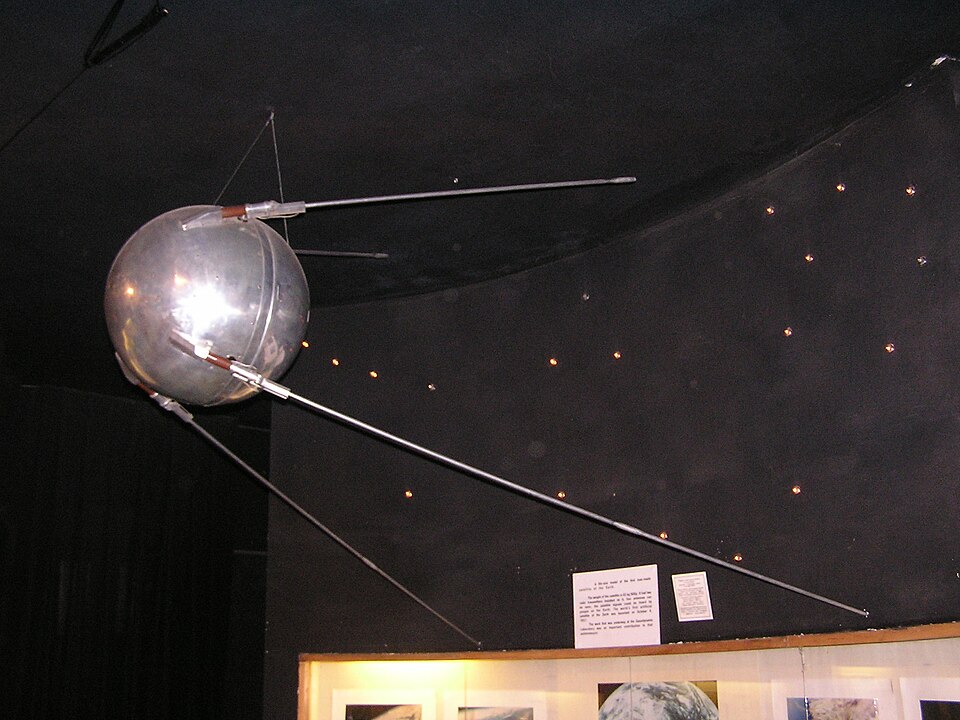
The 1957 launch of Sputnik by the Soviet Union startled the U.S., sparking the space race. This event prompted increased funding for science education, research, and aerospace initiatives. Families experienced the first wave of cultural anxiety over technology and defense. Sputnik’s orbit catalyzed policy changes and a national push toward scientific advancement.
Mercury Program
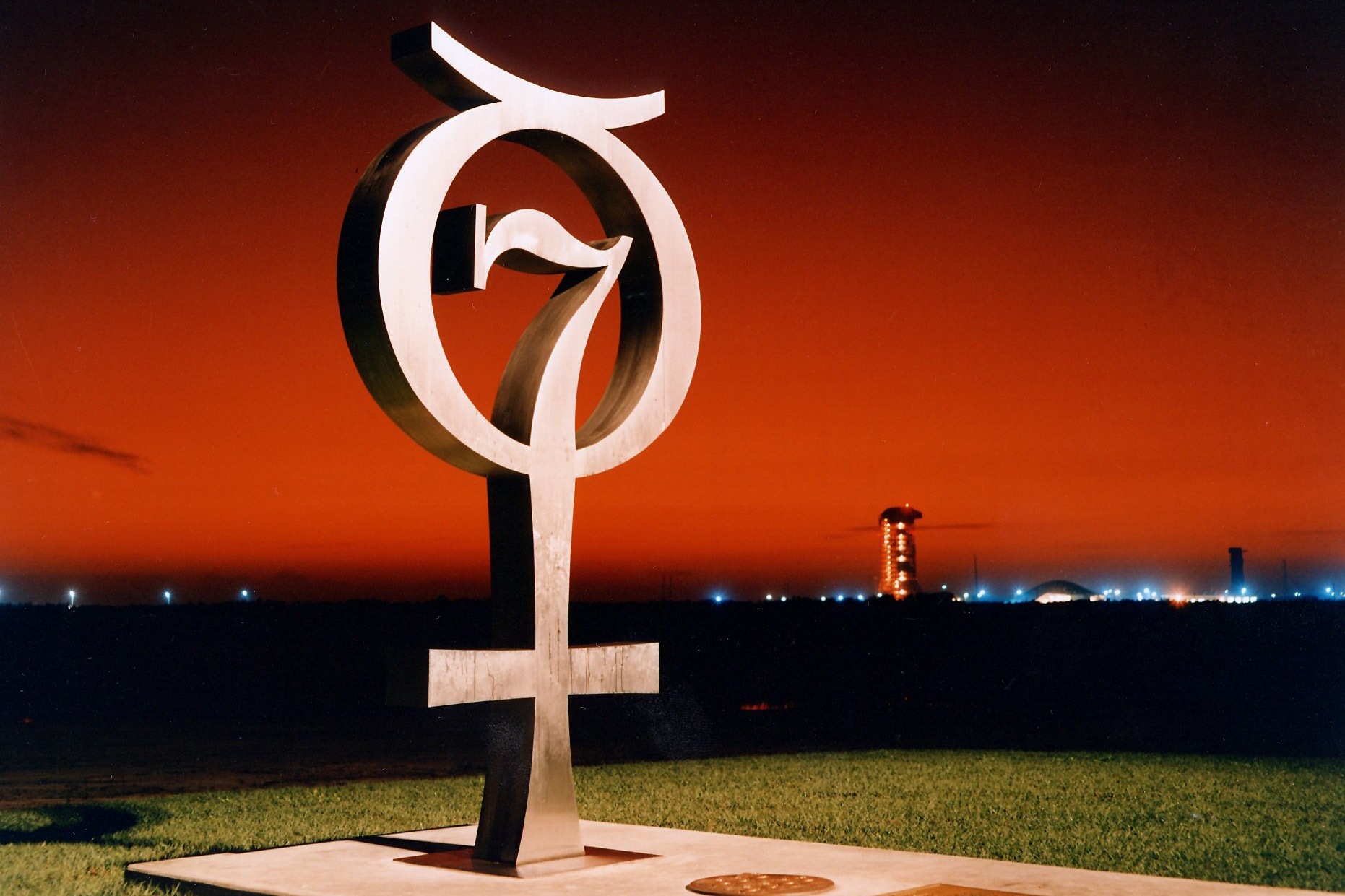
America’s first human spaceflight program marked a pivotal step in exploration. Achievements like Alan Shepard’s flight inspired national pride and confidence in technological capability. Families followed missions via television and print media, creating shared cultural moments. The program demonstrated the feasibility of manned space travel, setting the stage for future lunar missions.
First American in Orbit
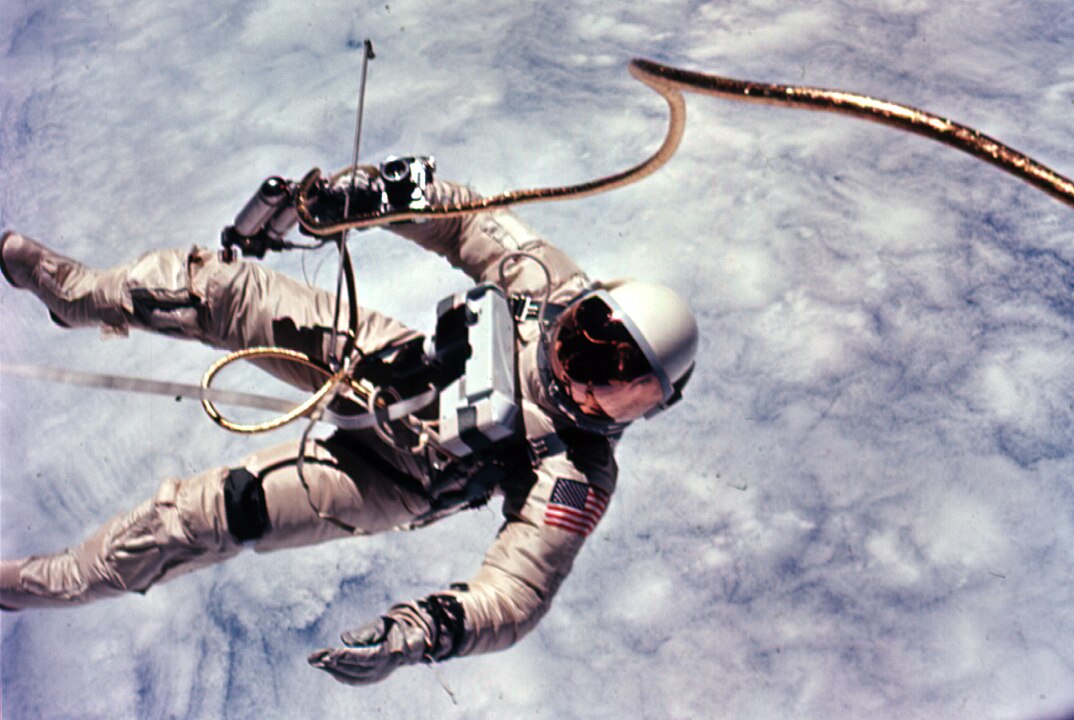
John Glenn’s orbit in 1962 was a milestone with broad societal impact. Media coverage fostered national unity and fascination with space. Educational programs emphasized science and math, influencing generations. Glenn’s flight also reinforced geopolitical positioning during the Cold War. The event shaped public perception of technology and American ambition.
Apollo 11 Moon Landing
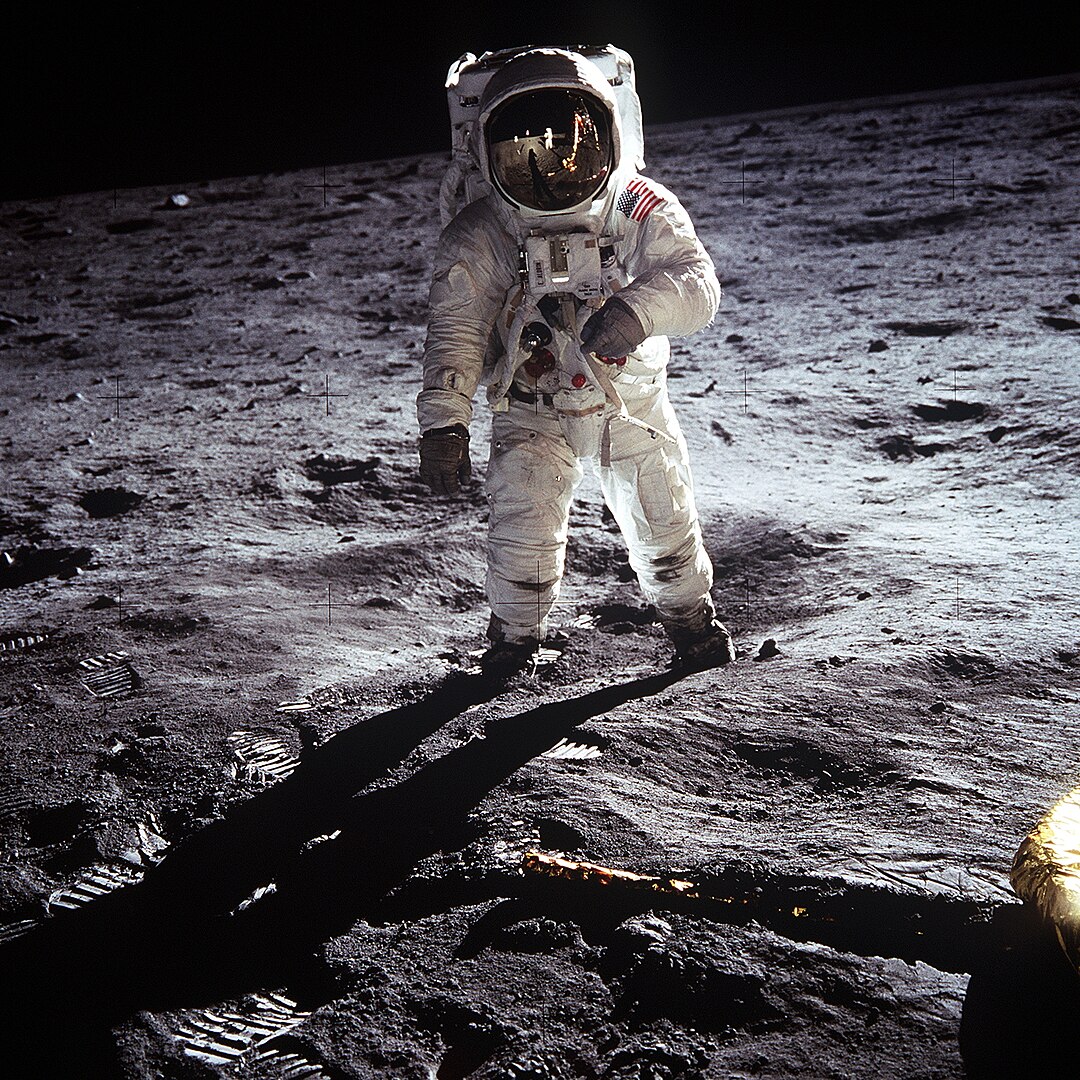
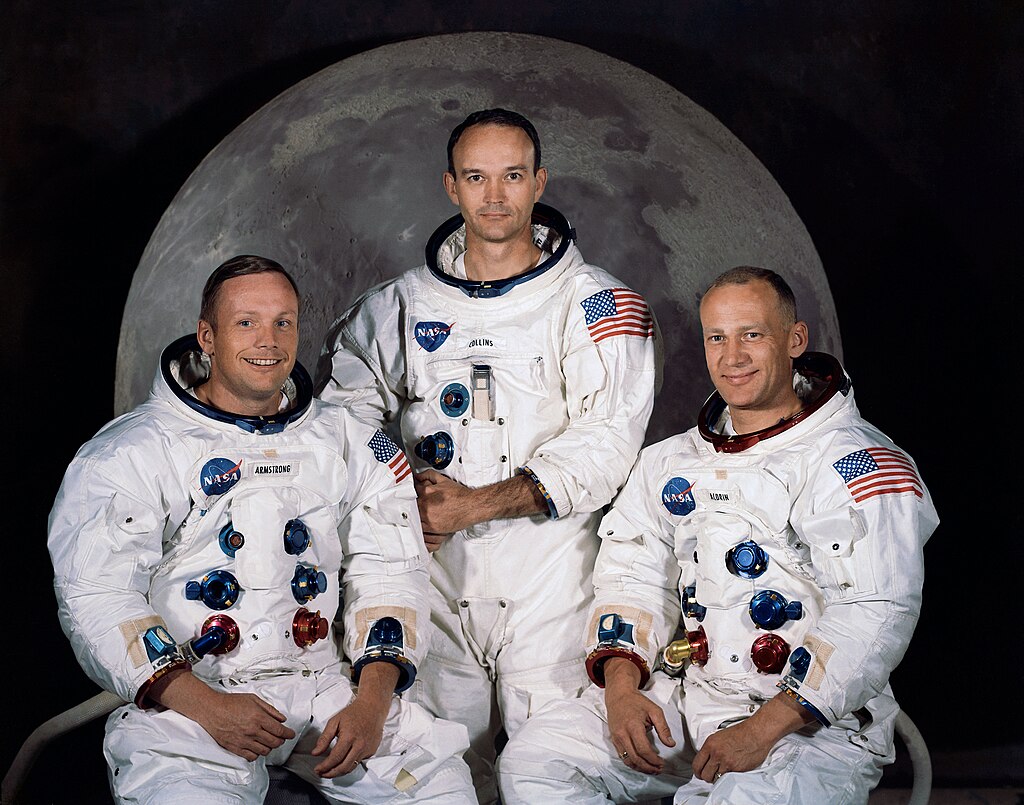
The 1969 moon landing captivated Americans with a tangible achievement in space exploration. Families across the nation watched live broadcasts, sharing in a historic moment. The mission influenced STEM education, technological innovation, and global prestige. Apollo 11 remains a reference point for ambition, teamwork, and national pride.
Skylab Missions
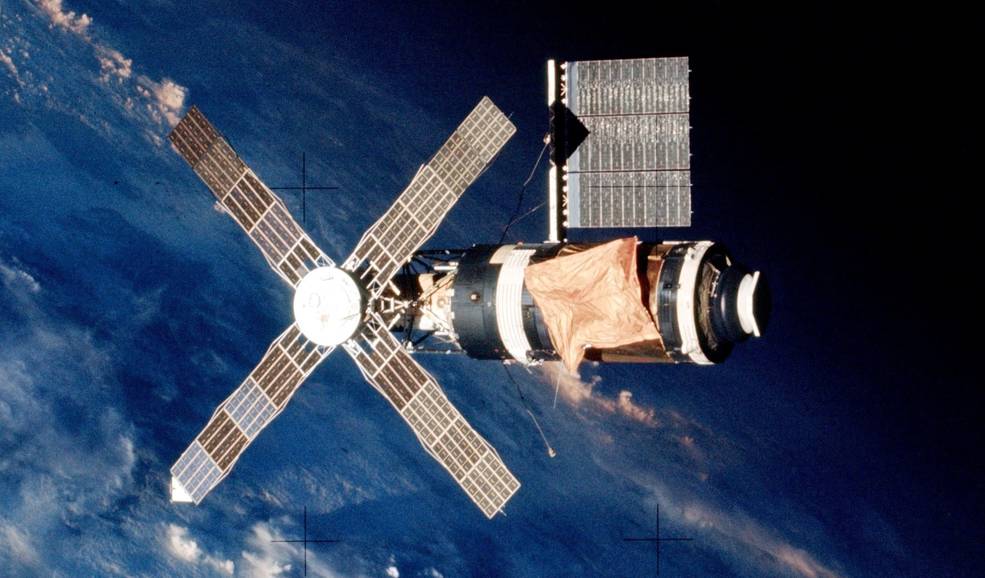
America’s first space station highlighted extended human space habitation. Research conducted aboard Skylab informed medical, engineering, and material sciences. Families learned about astronaut life and scientific progress. The missions fostered awareness of space’s practical applications and inspired careers in science and technology.
Challenger Disaster
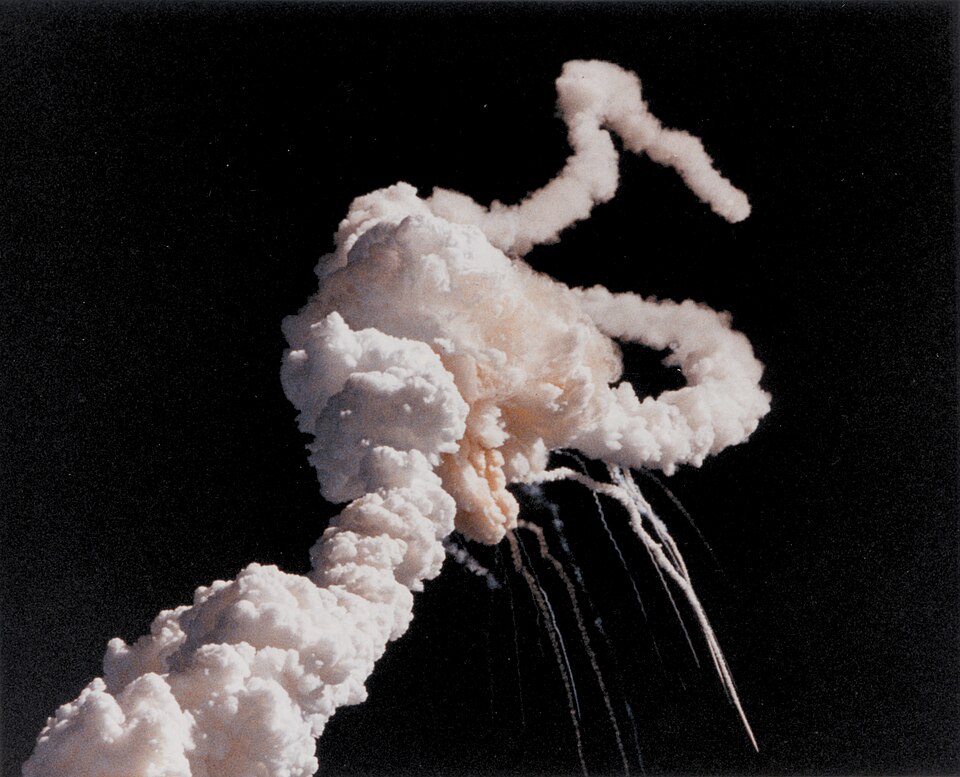
The 1986 Challenger tragedy profoundly affected public perception of space travel. National mourning emphasized risks inherent in exploration. Families followed media coverage, understanding the human cost of scientific pursuit. The disaster led to improved safety protocols and regulatory reforms, leaving a lasting impact on NASA and American engineering culture.
Hubble Space Telescope Launch
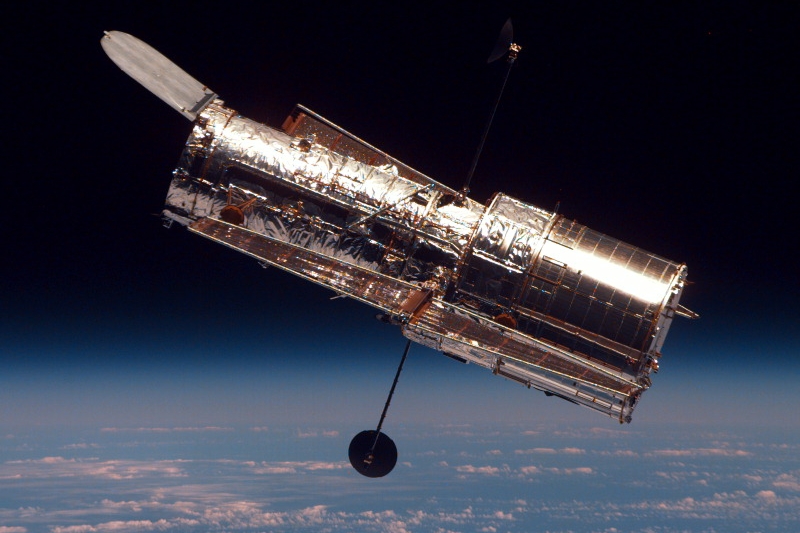
Launched in 1990, Hubble transformed astronomy and public interest in the universe. Stunning images captivated families and educators. Data from Hubble advanced knowledge in cosmology and planetary science. The telescope made space tangible, inspiring curiosity and reinforcing the role of scientific investment in American society.
Mars Pathfinder
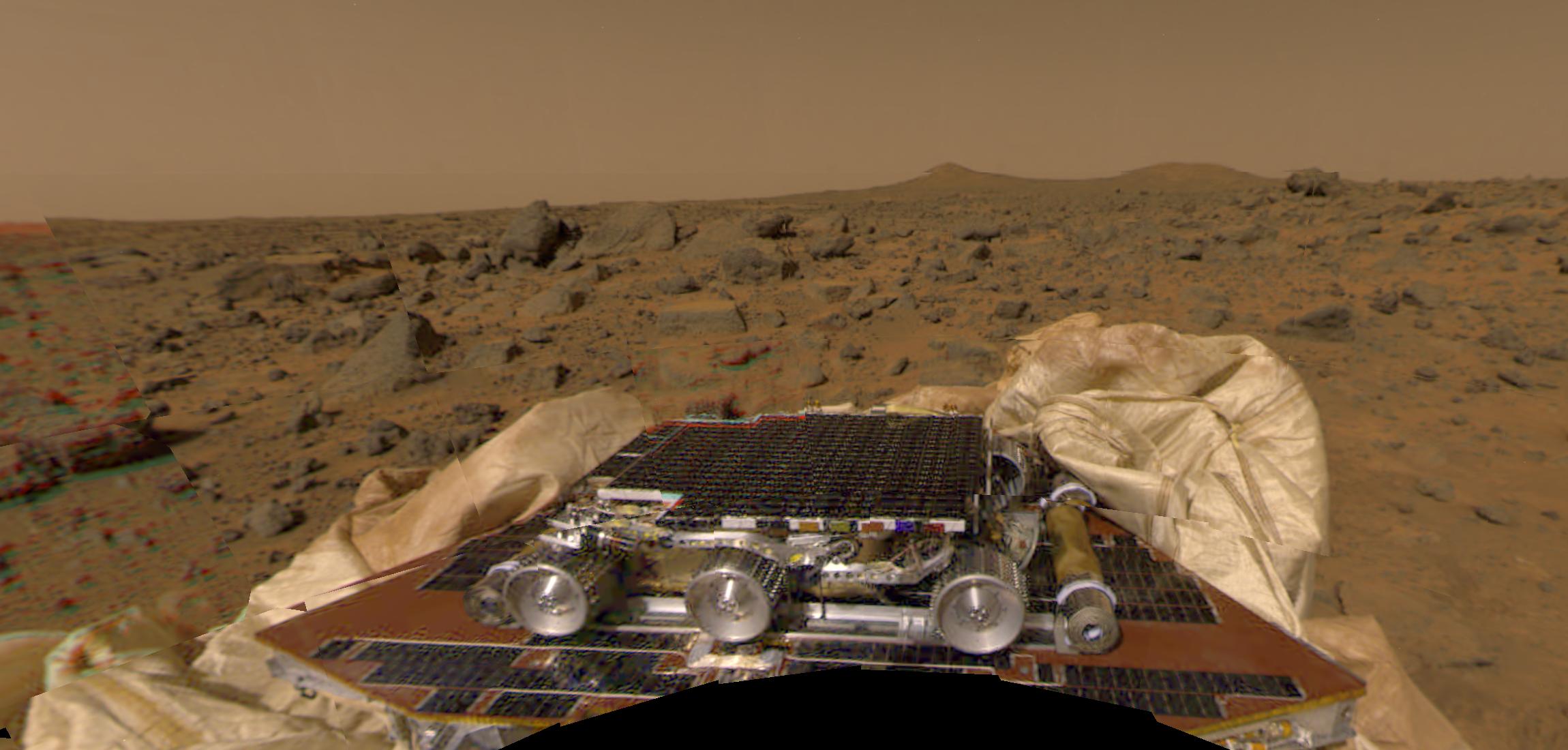
The 1997 Mars Pathfinder mission introduced robotic exploration to a broad audience. Families engaged with images and updates of Mars landings. The success demonstrated affordability and innovation in space missions. Pathfinder’s achievements encouraged investment in robotic and unmanned space technology, influencing future exploration strategies.
International Space Station
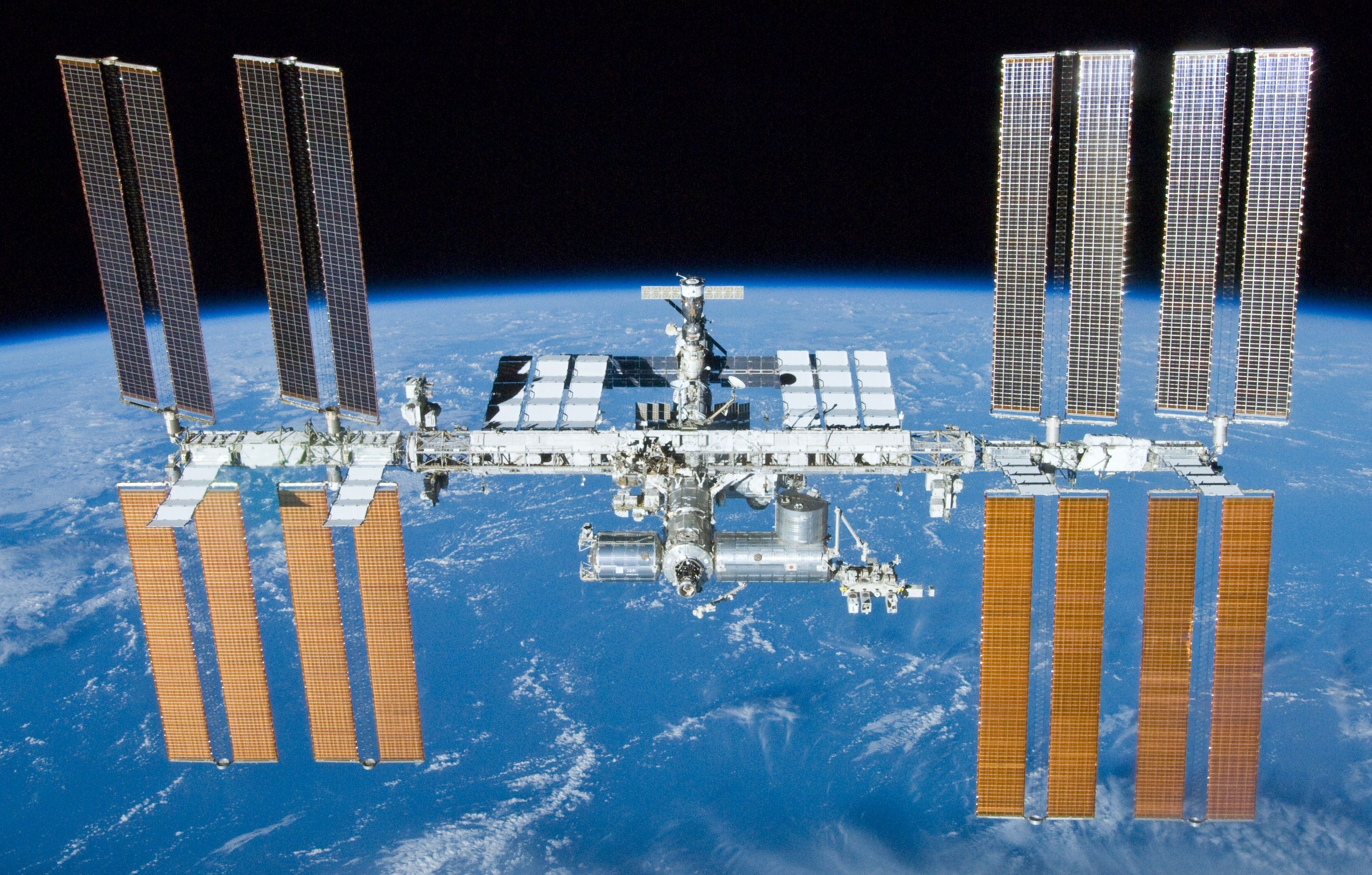
The ISS represents international collaboration and long-term research in orbit. American participation fosters scientific progress and diplomatic relations. Families follow educational programming inspired by ISS experiments. The station demonstrates the value of teamwork across nations and disciplines while expanding knowledge of human habitation in space.
New Horizons Pluto Flyby
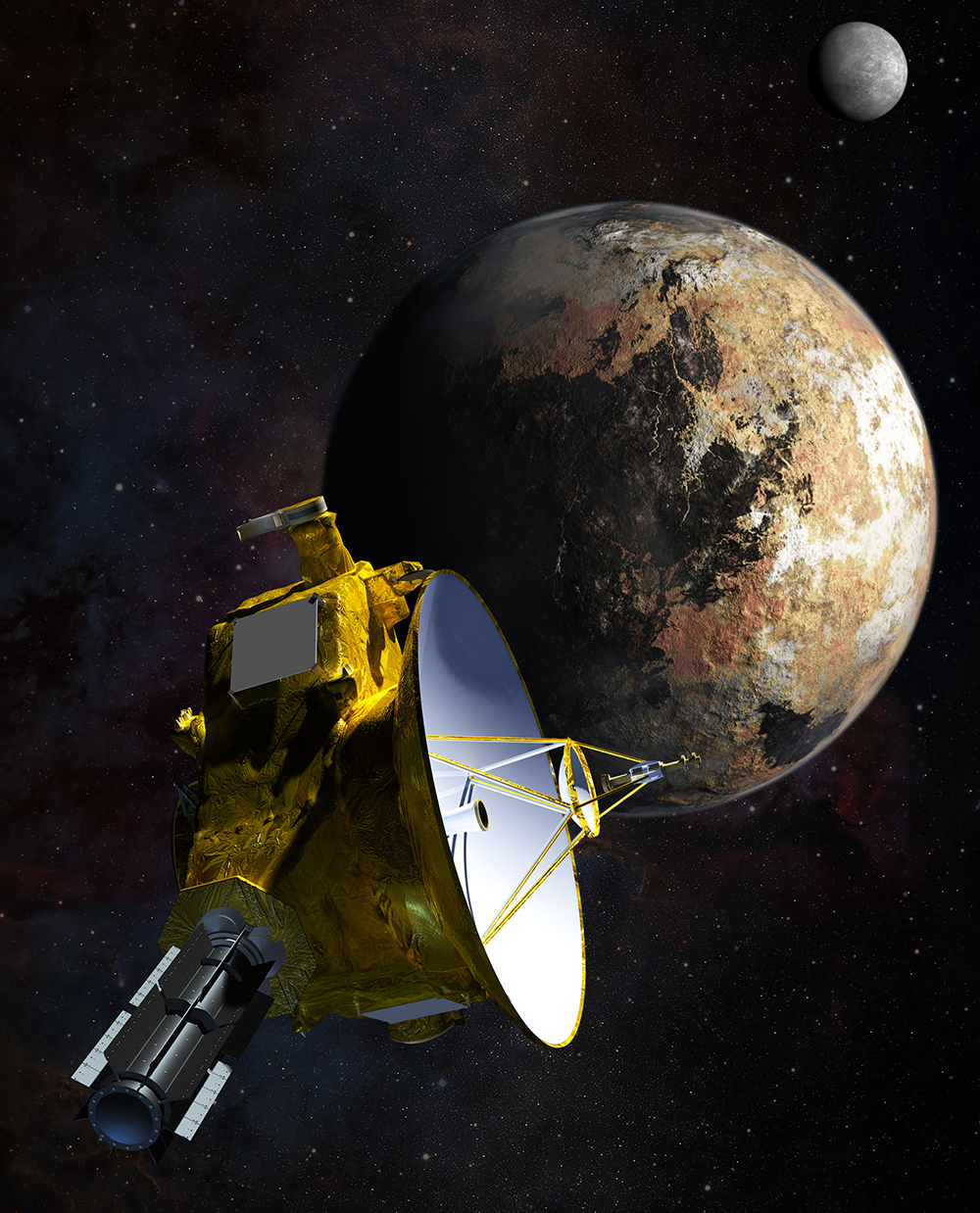
The 2015 flyby of Pluto provided unprecedented planetary data. Public fascination brought attention to planetary science and exploration. Families celebrated the achievement as a continuation of humanity’s curiosity. The mission advanced understanding of the solar system and inspired renewed interest in distant celestial bodies, emphasizing long-term scientific vision.