Every child has a creative spark within them, waiting to be nurtured and encouraged. In our busy lives, it’s easy to overlook simple opportunities to foster imagination and innovation at home. But creativity doesn’t require expensive tools or structured programs—it often flourishes through everyday experiences and simple, intentional acts. By creating the right environment and offering gentle guidance, you can help your child explore their unique ideas and develop confidence in their creative voice. Here are ten simple ways to spark that creativity in your kids right where it matters most—at home.
Create an Open-Ended Art Space
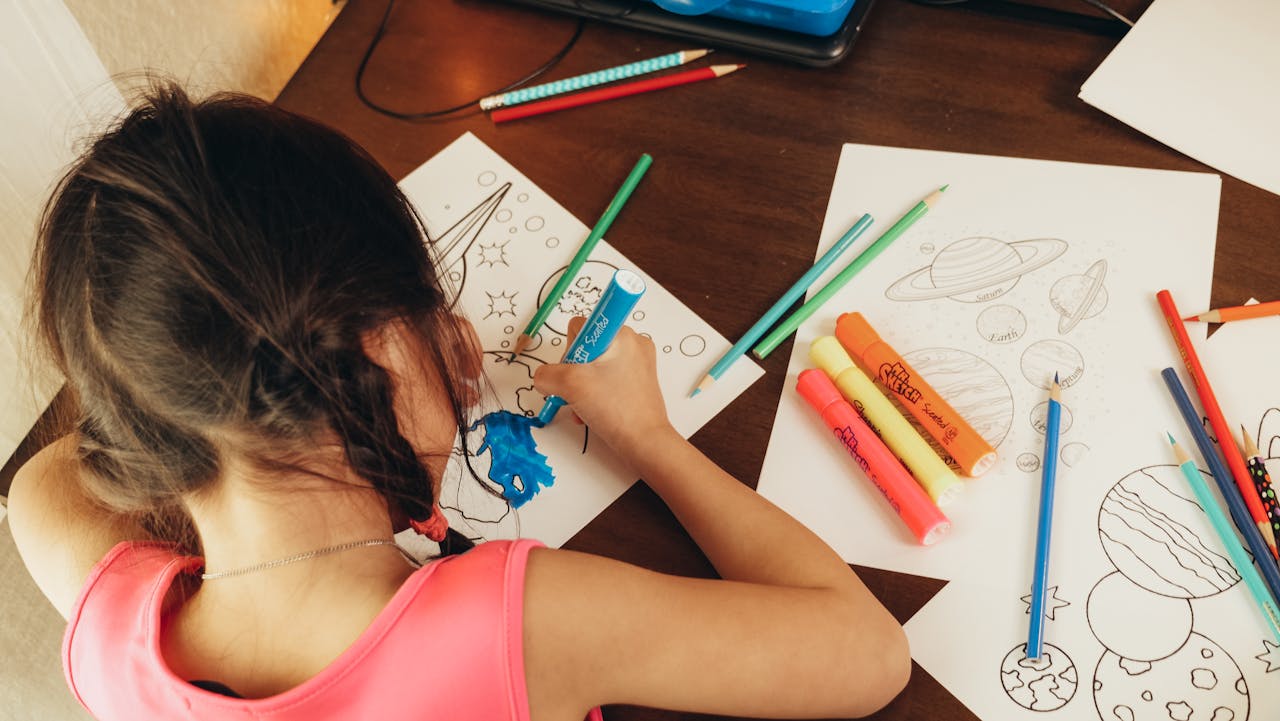
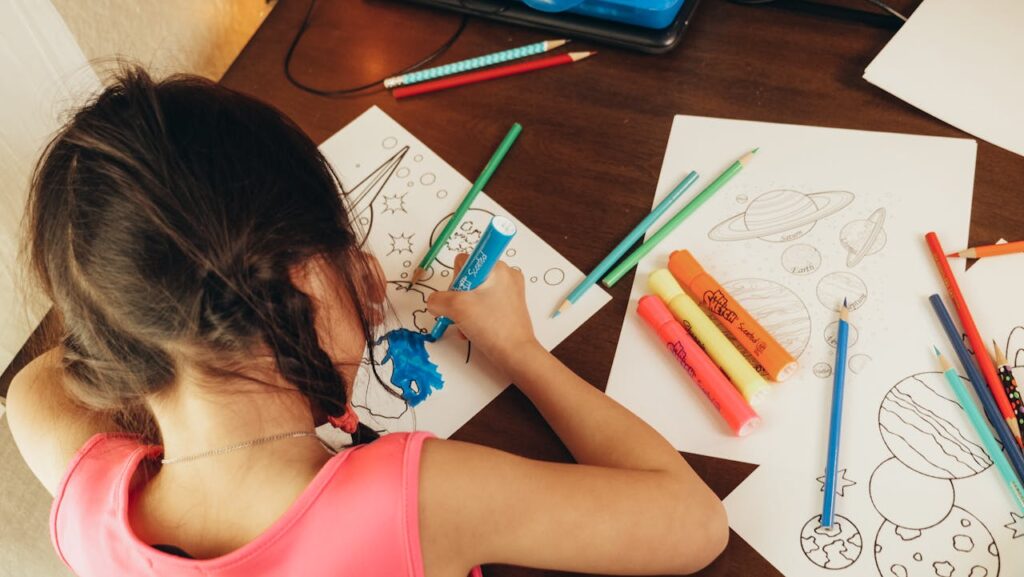
Set up a small area in your home where your child can freely create without rules or expectations. Stock it with basic supplies like paper, crayons, glue, and scissors, and let them explore materials on their own terms. Avoid correcting or directing their art—this space should be about process, not product. When kids feel unpressured, they’re more likely to take creative risks and enjoy the act of making. This freedom can help them express emotions and ideas in a deeply personal way.
Encourage Storytelling and Pretend Play
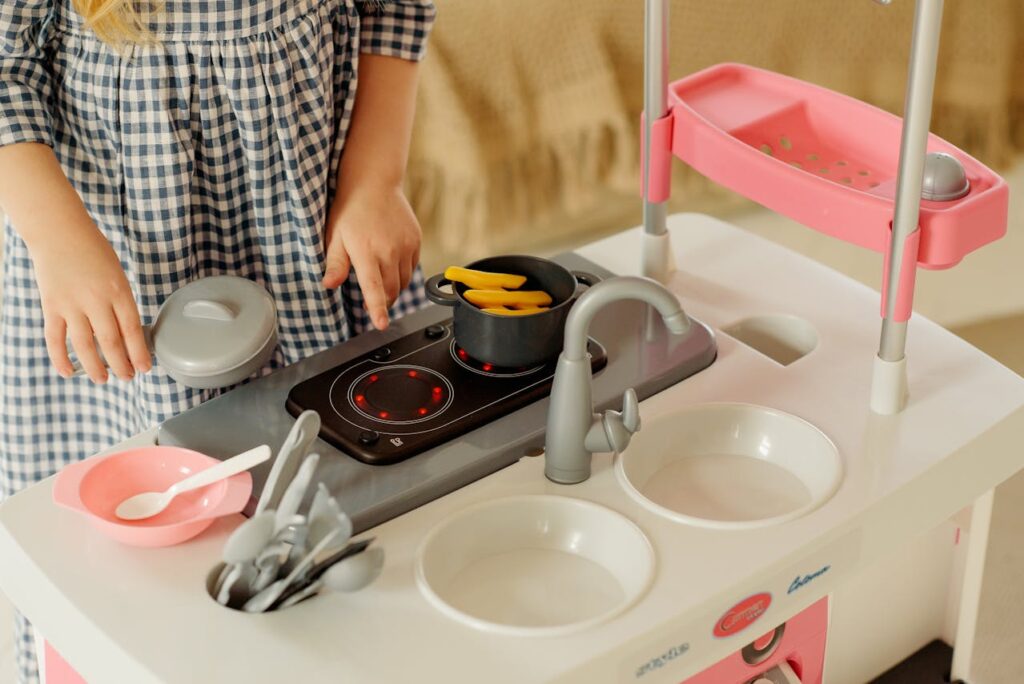
Give your child time and space to invent stories, whether through puppets, action figures, or dress-up costumes. Pretend play develops not just imagination but also empathy and problem-solving skills. Join them sometimes, letting their ideas lead the way rather than directing the play yourself. You’ll be amazed at the characters and worlds they can build from the simplest props. These moments also offer a window into how your child views the world around them.
Display Their Creations Proudly
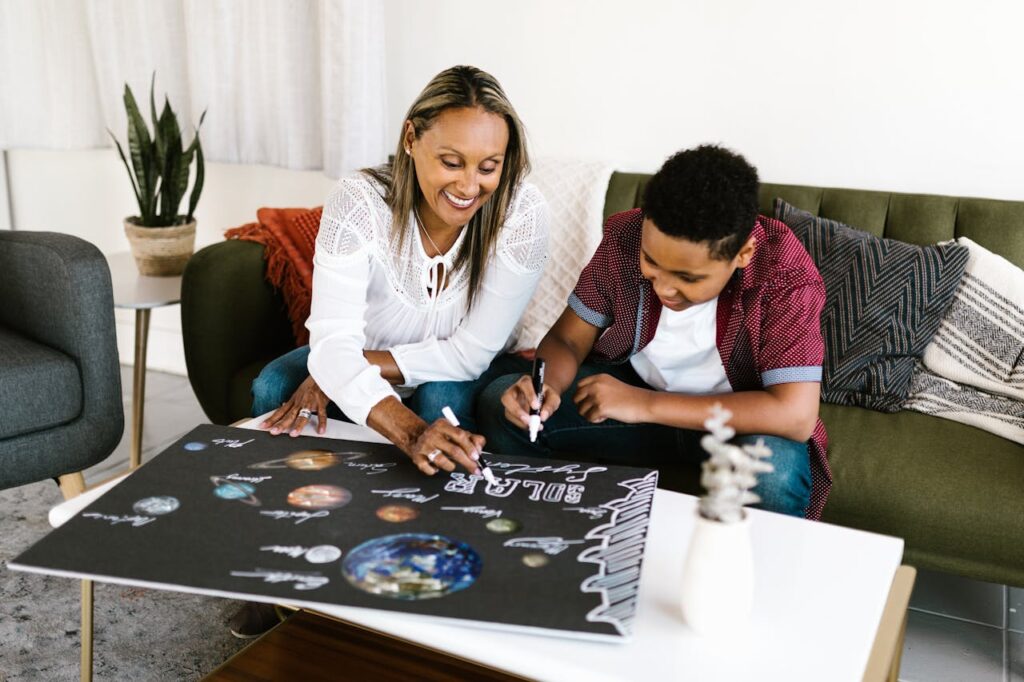
Hang their drawings on the fridge or set their crafts on a shelf where everyone can see them. When kids see their work valued, it encourages them to keep creating and take pride in their ideas. You don’t need to praise every detail—just showing appreciation by making space for their work is enough. This simple act reinforces the message that creativity is worth celebrating. It also builds their self-esteem and motivation to try new things.
Make Room for Boredom

It’s okay for your child to feel bored sometimes—it often leads to the most inventive ideas. Instead of rushing in with entertainment, offer quiet space and a few open-ended materials. Boredom invites the brain to wander, daydream, and generate fresh thoughts. Encourage them to come up with something new to do on their own. These moments help build independence and original thinking.
Limit Screen Time for Unstructured Play
While screens can be educational, too much structured content can crowd out a child’s own creative impulses. Make sure there’s time in their day when they aren’t watching or clicking through anything. Let them explore, build, draw, or simply imagine without digital stimulation. The absence of constant entertainment allows kids to develop their own ideas and follow their curiosity. Balance is key, and unplugged time often leads to the richest play.
Offer Challenges with Loose Parts
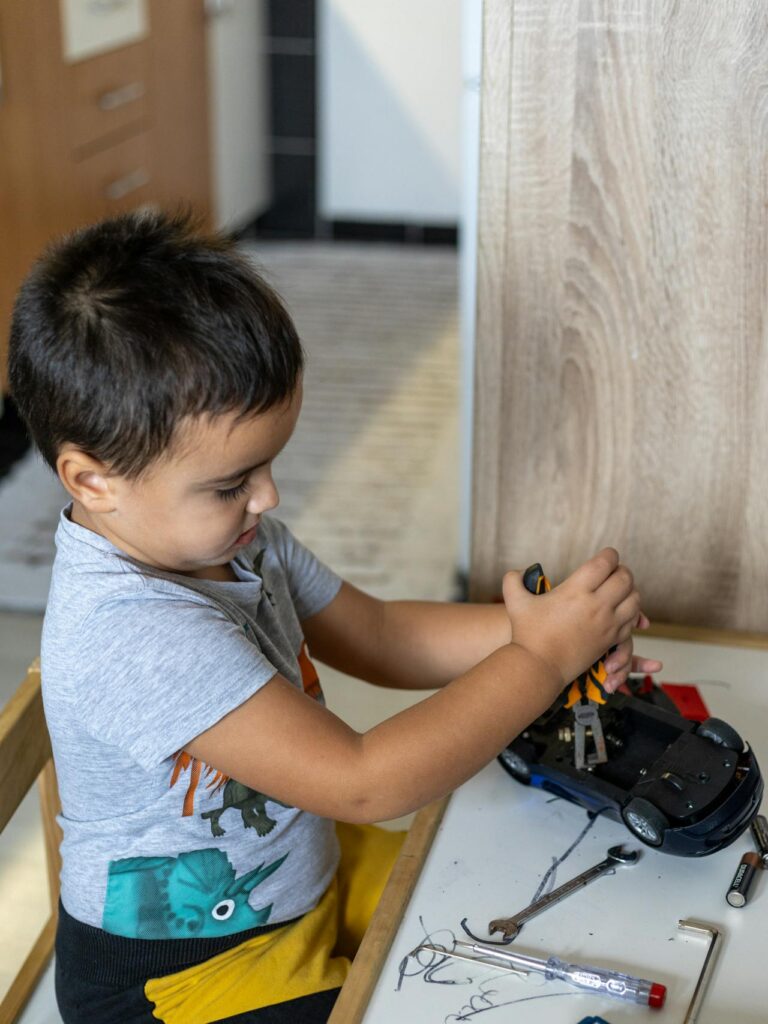
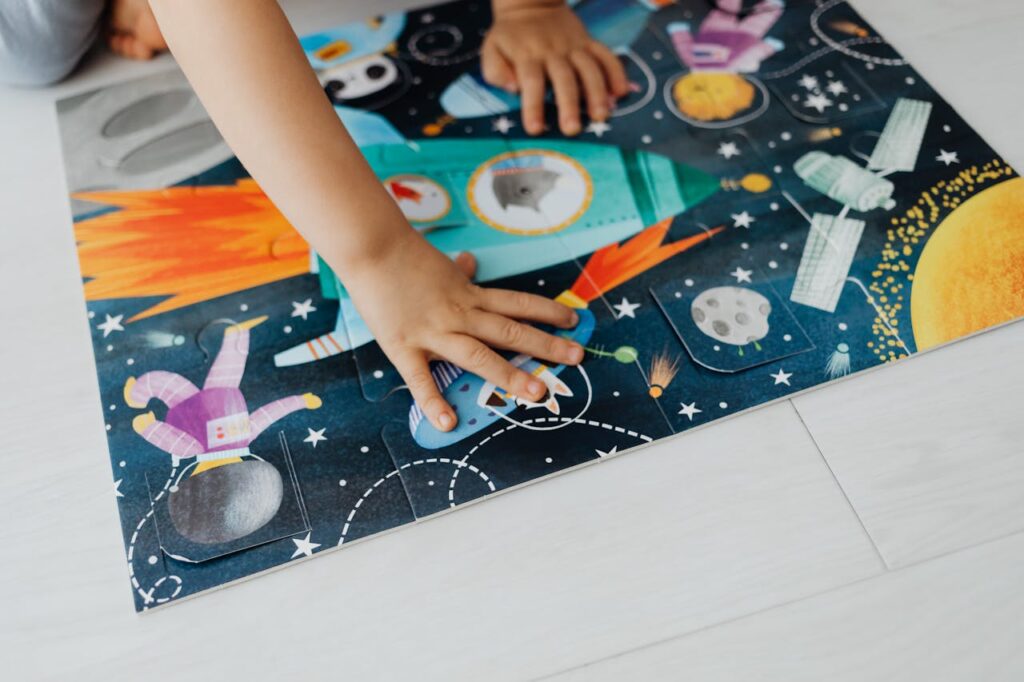
Provide loose parts like cardboard tubes, buttons, fabric scraps, or old containers and ask, “What can you make with this?” These open-ended materials stimulate problem-solving and inventiveness. Kids love the idea that there’s no single right answer—they can build a robot, a fairy house, or something totally new. This kind of play mirrors the creative thinking used in science, engineering, and art. It also gives them a sense of ownership and pride in what they’ve created.
Read Books That Inspire Imagination

Choose stories that spark wonder and invite kids to picture different worlds, characters, and ideas. After reading, ask them to imagine what might happen next or draw their favorite scene. Reading and creativity go hand in hand, as stories help children see possibilities beyond the ordinary. Let books be a springboard for discussion, art, or even pretend games. A well-told tale can plant seeds of imagination that grow into something beautiful.
Let Them Help in the Kitchen

Cooking is a wonderfully creative activity filled with textures, colors, and flavors. Invite your child to mix ingredients, decorate cookies, or invent their own snack creation. While it might get messy, the experience teaches them how to experiment and take pride in their results. They learn to follow instincts, adapt recipes, and work with their hands. The kitchen becomes more than just a place to eat—it becomes a studio for edible expression.
Listen to Their Ideas Without Judgment

When your child shares a wild idea or strange creation, resist the urge to correct or steer them. Instead, ask open questions and show genuine interest in what they’re thinking. Feeling heard helps children trust their instincts and believe in the value of their imagination. Your role isn’t to refine their thoughts but to support them as they unfold. This builds confidence and reinforces that every idea has potential.
Celebrate Effort, Not Just Outcome

Rather than focusing only on finished projects, praise the effort, creativity, and time your child put into the process. Say things like “I love how you tried something new” or “You really put your imagination to work.” When children feel safe to make mistakes and experiment, they’re more likely to grow creatively. Shifting focus from outcome to effort helps them stay curious and resilient. It encourages a lifelong love of learning and inventing.