
As the cost of living continues to rise in 2025, American families are seeking practical ways to stretch their budgets without sacrificing quality of life. Inflation, higher grocery prices, and growing utility costs have forced households to rethink spending habits. Instead of drastic measures, many are adopting small, simple swaps that cumulatively make a significant financial difference. These adjustments allow families to maintain comfort and convenience while prioritizing savings. By focusing on efficiency, creativity, and intentional spending, families are finding new ways to thrive despite rising expenses.
Switching to generic or store-brand products

One of the easiest ways to reduce household expenses is to choose store-brand or generic products over name brands. Grocery stores, pharmacies, and retail outlets offer comparable quality at a fraction of the cost. Families often find that staples like canned goods, cleaning products, and personal care items provide the same results at lower prices. Over time, these small savings add up significantly, helping households manage overall budgets without sacrificing daily needs. Generics are especially effective for families with children, where consumption rates are higher.
Meal planning and batch cooking

Planning meals in advance helps families avoid impulsive spending on takeout or convenience foods. By creating a weekly menu, shoppers can buy ingredients more efficiently and minimize food waste. Batch cooking and freezing meals allow families to prepare once and eat multiple times, saving both time and money. This approach also encourages healthier eating, as home-cooked meals are often more nutritious than restaurant alternatives. Many households report saving hundreds of dollars per month by integrating meal planning and bulk cooking into their routines.
Using energy-efficient appliances and lighting

Rising electricity costs have led families to seek energy-efficient solutions for their homes. Switching to LED lighting, upgrading older appliances, and monitoring usage with smart thermostats reduces utility bills over time. Families notice immediate savings on monthly bills, and the initial investment is often recouped within a few months to years. Energy efficiency is particularly important in regions with high electricity or heating costs, allowing households to cut overhead without changing their lifestyle. These upgrades also contribute to long-term environmental sustainability.
Cutting subscription services

Subscription fatigue has become a common concern as families accumulate streaming, entertainment, and service subscriptions. Evaluating which services are truly used and canceling or consolidating unnecessary subscriptions can free up significant funds. Families often find that rotating subscriptions, such as subscribing to one streaming service at a time, reduces overall spending without losing access to entertainment. This strategy helps manage discretionary expenses while maintaining enjoyment. The approach also promotes mindfulness in spending habits.
Buying in bulk and taking advantage of warehouse stores

Purchasing items in bulk or through warehouse stores can save families considerable money, especially for non-perishable items and household essentials. Staples like toilet paper, rice, pasta, and cleaning supplies often cost less per unit when bought in larger quantities. Bulk buying reduces frequent trips to the store, saving time, gas, and impulse purchases. Many families report that strategic bulk shopping helps buffer them against short-term price fluctuations. This approach is particularly effective for larger households with high consumption rates.
Embracing secondhand and thrift shopping

Thrift stores, consignment shops, and online resale platforms have become go-to sources for families looking to stretch their budgets. Clothing, furniture, toys, and household items can often be purchased at a fraction of the new cost without compromising quality. Families save money while also supporting sustainable consumption practices. The popularity of resale shopping has increased, making it easier than ever to find quality items. This frugal swap not only reduces costs but fosters creativity in finding value in previously owned goods.
Using public transportation or carpooling

Transportation costs, including gas and vehicle maintenance, are significant for many families. Swapping solo driving for public transit, biking, walking, or carpooling can dramatically cut expenses. In addition to saving money, these swaps reduce environmental impact and provide opportunities for shared commuting experiences. Families who live in transit-accessible areas benefit the most, but even partial adoption can lead to measurable savings. The move toward alternative commuting also encourages better time management and planning.
Shopping with lists and avoiding impulse purchases
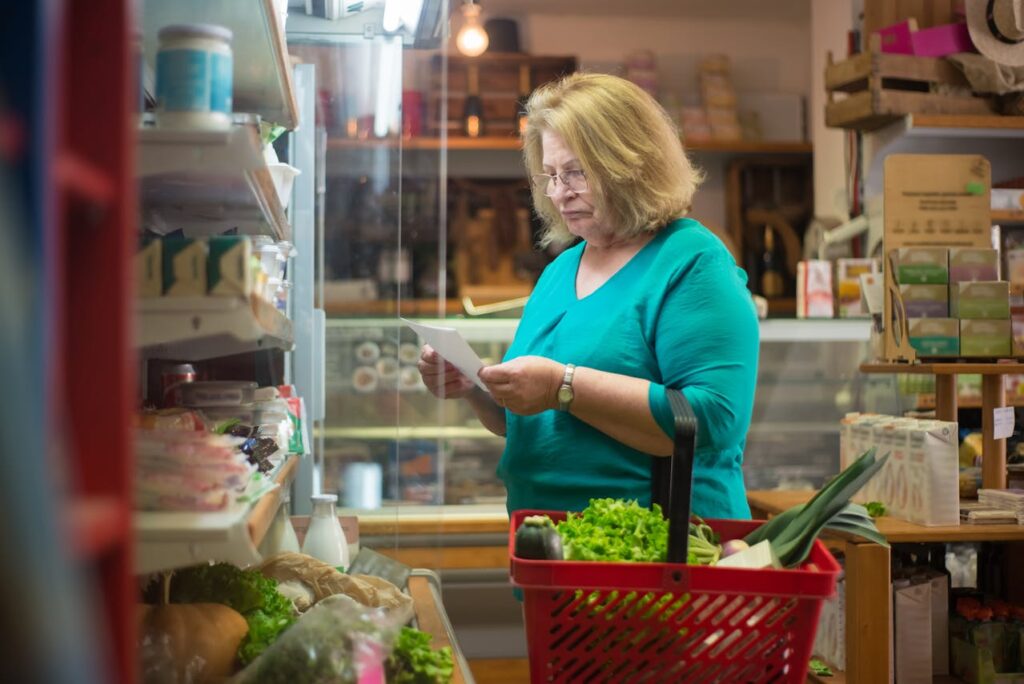
Mindful shopping has become essential in a high-cost environment. Creating lists before grocery or retail trips reduces the likelihood of unnecessary purchases. Families who adhere strictly to lists avoid distractions, promotions, or marketing tactics that encourage overspending. The habit of list-based shopping fosters intentional consumption, ensuring that money goes toward actual needs rather than wants. Over time, this small behavioral change yields substantial financial benefits.
Growing a small home garden

For families with space and time, growing vegetables, herbs, and even small fruits at home can reduce grocery bills. Even limited container gardens on balconies or patios can supply fresh produce, lowering reliance on expensive store-bought items. Gardening also offers educational opportunities for children and promotes healthier eating habits. Many households find satisfaction in producing part of their own meals, and it fosters a stronger sense of self-sufficiency. The upfront investment is minimal compared to the savings and lifestyle benefits.
Repairing and reusing items instead of replacing

Instead of immediately replacing broken or worn items, many families are learning to repair or creatively repurpose goods. From clothing and furniture to electronics and toys, taking time to maintain or adapt items reduces unnecessary expenditure. Skills like sewing, basic carpentry, and small appliance repair are increasingly valuable in households focused on frugality. This habit encourages sustainability while preserving household budgets. Repairing and reusing items also instills a mindset of resourcefulness and careful management of possessions.
By adopting these simple swaps, families across the U.S. are finding practical ways to counter rising prices in 2025. From meal planning and bulk buying to energy efficiency, mindful shopping, and creative repurposing, small actions compound into meaningful savings. These habits allow households to maintain comfort, stability, and quality of life without succumbing to financial strain. The focus on frugality, creativity, and efficiency ensures that families are better equipped to navigate economic challenges while preserving long-term goals.