
Most people think they are being smart with money until they take a closer look at their shopping habits. The truth is, little slip-ups add up faster than you realize. A few dollars wasted here and there might not feel like much in the moment, but by the end of the month you have lost nearly a hundred dollars without even noticing. The good news is these mistakes are easy to spot once you know what to look for, and with small changes you can keep that money in your pocket.
Impulse Buying at Checkout
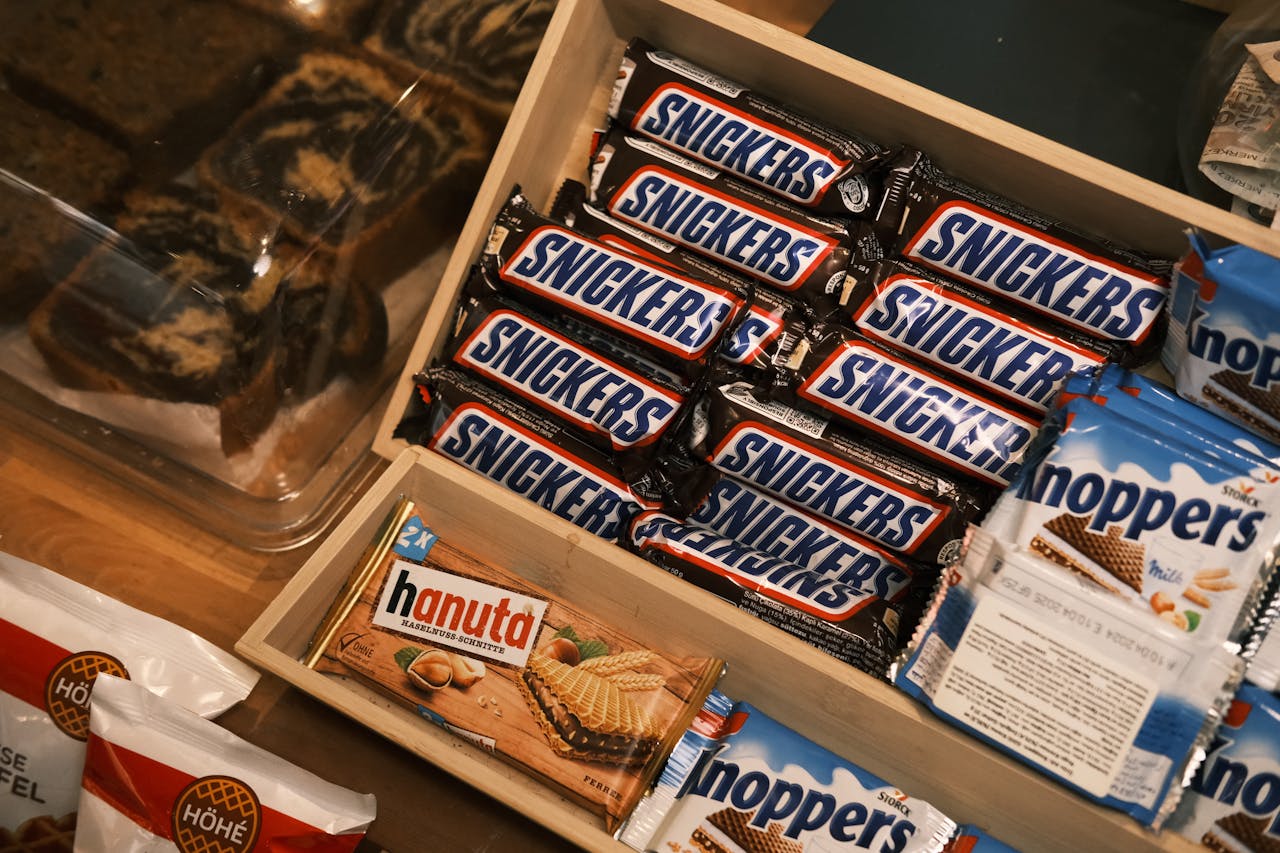
The checkout lane is designed to tempt you with small, flashy items that feel harmless to grab at the last second. Candy, drinks, or tiny gadgets look cheap, but if you grab even two or three each time you shop, it can add up to more than you realize by the end of the month. Stores know exactly how to make you believe it is no big deal, but it slowly chips away at your budget. Sticking strictly to your list and avoiding eye contact with those shelves can save you a surprising amount.
Forgetting Loyalty Rewards and Coupons

Stores practically hand out discounts in the form of loyalty cards, digital coupons, and cash-back apps, but many people ignore them out of habit or forget to use them. That is like walking away from free money each time you shop. Even five percent back on groceries or household supplies adds up quickly if you shop often. By not taking a couple of minutes to sign up or apply rewards, you are losing out on savings that could reach thirty or forty dollars a month without much effort.
Shopping When Hungry

Walking into a grocery store on an empty stomach is one of the easiest ways to overspend. When you are hungry, everything looks delicious and you end up tossing snacks, frozen meals, and random items into your cart that were never on your list. Those impulse cravings can add ten to fifteen dollars to every trip without you realizing. A simple fix is to eat something before shopping. With your hunger under control, you are less likely to waste money on food you did not really need.
Ignoring Generic Brands
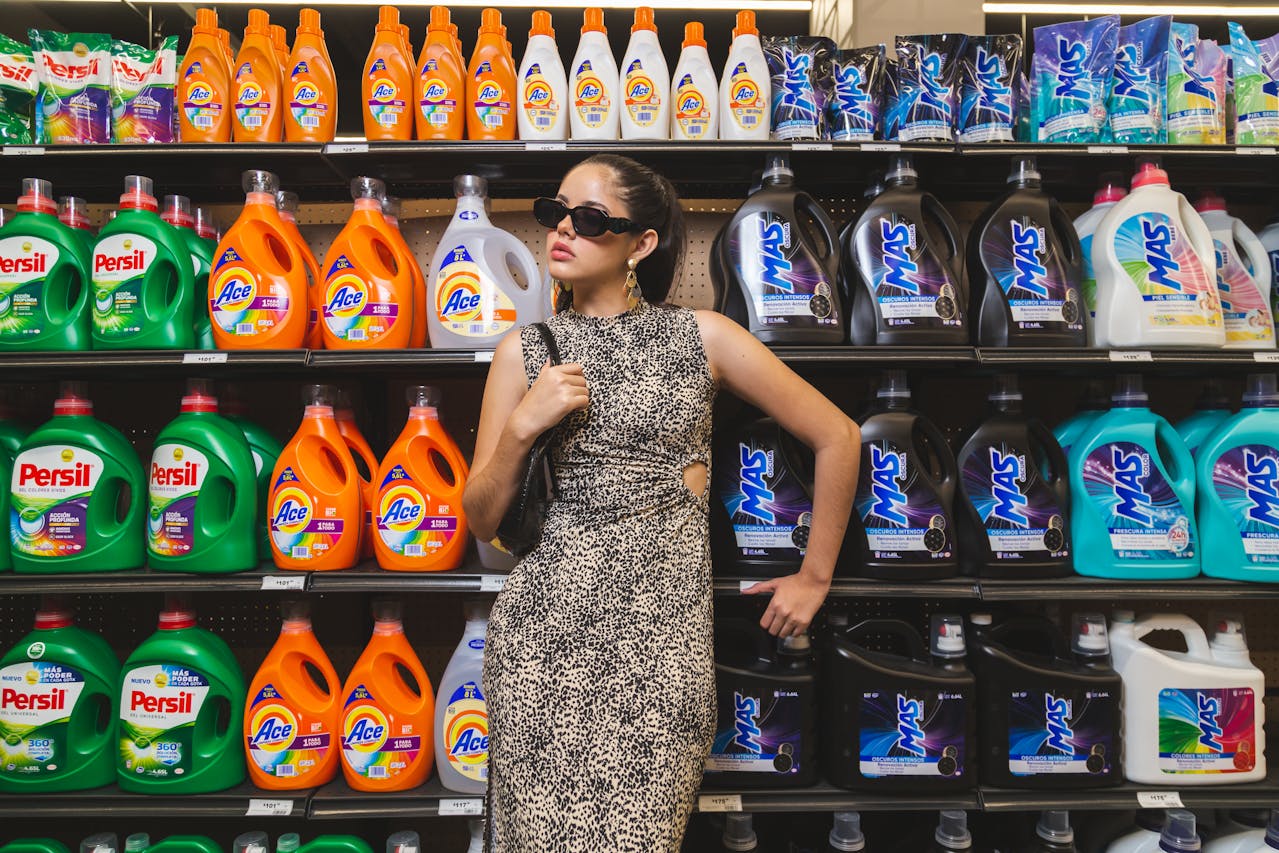
Many shoppers instinctively reach for the big brand names, believing they are always better, but in many cases the generic version is just as good. Items like pantry staples, cleaning products, and over-the-counter medicines often come from the same factories as name brands, only with less flashy packaging. By refusing to try generics, you are paying more for the same quality. Switching just a few items a week to store brands can save you twenty dollars or more each month with zero real sacrifice.
Not Comparing Prices

Grabbing the first item you see without checking nearby prices is a sneaky budget killer. Stores place higher priced items at eye level, hoping you will not look at the cheaper options above or below. Even small price differences of a dollar or two per product add up quickly across a cart of groceries or household items. Spending an extra minute to compare labels, check unit prices, or scan sales flyers helps you avoid these quiet overcharges that easily reach a hundred dollars a month.
Falling for Buy-One-Get-One Deals

Buy-one-get-one deals seem like a win, but they often trick you into buying things you do not actually need. If you grab an extra just to feel like you are saving, that extra item may end up wasted or unused. In reality, you are spending more than you planned. These promotions work because they tap into the fear of missing out. The smarter move is to only take advantage when it is something you buy regularly and can use before it expires, not just because it feels like a bargain.
Online Window Shopping

Scrolling through online shops when you are bored almost guarantees spending on things you were never planning to buy. Flash sales, limited-time offers, and easy one-click checkout make it all too simple to drop twenty or thirty dollars without blinking. The convenience of delivery makes it feel less painful, but by the end of the month you have lost more than you realized. If you want to avoid this trap, try leaving items in the cart for a day. Often, you will not even want them anymore.
Paying for Convenience Packaging

Pre-cut fruit, single-serve snacks, and small bottled drinks may seem like harmless splurges, but they carry steep markups. You are paying extra for packaging and convenience instead of actual product. A pack of chopped veggies might cost double compared to buying whole ones and slicing them at home. While it saves a few minutes, it costs far more in the long run. Making simple swaps to larger packages or preparing snacks yourself can cut ten or twenty dollars off your monthly spending.
Overbuying Perishables

It feels responsible to stock up on groceries, but buying too many fresh items often leads to waste. Fruits, vegetables, and dairy spoil quickly, and tossing out food is basically throwing money in the trash. Many people overestimate how much they will eat in a week and end up discarding a quarter of what they buy. Planning meals ahead, buying in smaller batches, and freezing what you can ensures you only purchase what you will actually use, keeping more cash in your wallet.
Not Tracking Small Purchases

Little expenses are sneaky because they never feel like a big deal. A coffee here, a snack there, or a tiny add-on at the store rarely registers in your mind, but by the end of the month those small purchases can add up to a shocking amount. Without tracking, you never realize how much you are losing. Simply jotting down purchases in a note app or reviewing receipts weekly creates awareness. Once you see the total, it becomes much easier to cut back on unnecessary extras.
Shopping should not feel like a financial trap, but it often does because of small habits that quietly drain your money. The mistakes themselves are simple, but they repeat often enough to create a big dent in your budget. By paying attention, slowing down, and being more intentional about your purchases, you can easily keep an extra hundred dollars in your pocket every month. That small shift in awareness makes a huge difference over the course of a year.