

The 1970s were a vibrant, memorable decade full of bell bottoms, disco music, and rotary phones. But while many look back fondly on the era, there’s no denying that safety standards were vastly different from what we know today. Everyday practices we now take for granted simply weren’t common—or sometimes didn’t exist at all. From car rides without seat belts to playgrounds that seemed like obstacle courses of danger, life in the ’70s was often a lot riskier. Here are 10 safety practices that surprisingly didn’t exist back then, reminding us just how far we’ve come.
Seat Belt Laws

In the 1970s, seat belts were often ignored, even if cars were equipped with them. There were no laws requiring drivers or passengers to buckle up, and many people considered belts uncomfortable or unnecessary. Kids rode in the front seat, and it wasn’t unusual for families to pile into cars without a second thought about restraints. It wasn’t until the mid-1980s that seat belt laws started being enforced in most states. Today, buckling up is automatic for most people—and rightly so.
Car Seats for Children

Modern parents wouldn’t dream of driving without properly installed car seats, but in the 1970s, car seats were more about keeping kids contained than keeping them safe. They lacked real safety testing and often had minimal padding or harnesses. Many children simply sat on laps or stood in the back seat while the car was moving. It wasn’t until the late ’70s and early ’80s that regulations and crash testing began shaping safer designs. Now, car seats are rigorously tested and required by law for good reason.
Bicycle Helmets
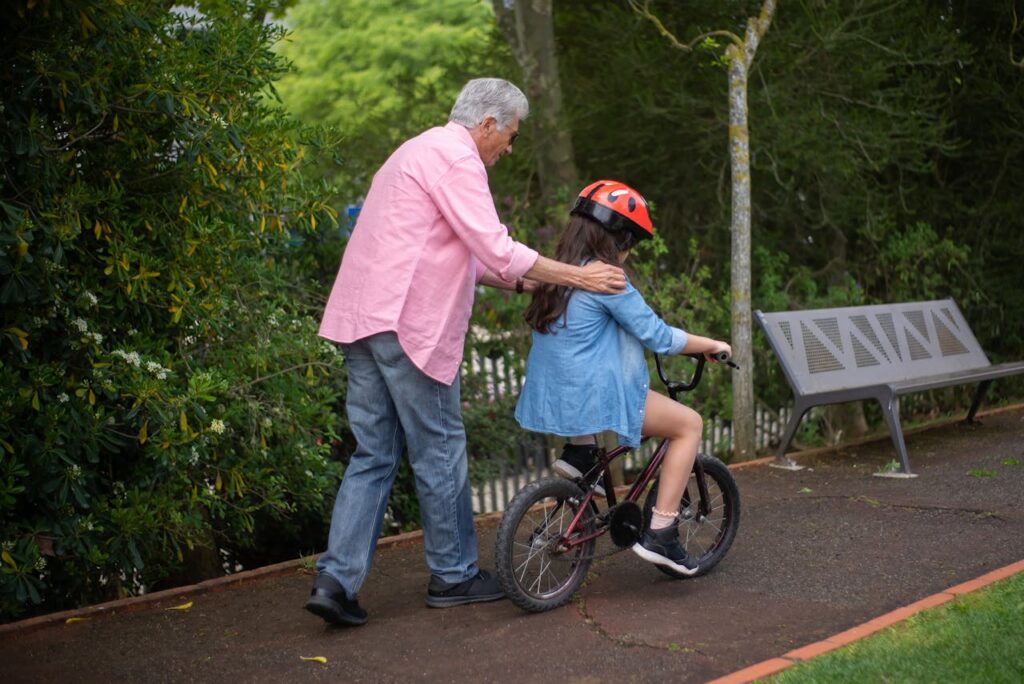
Biking in the ’70s was a carefree activity—and helmets were practically unheard of. Kids zipped around the neighborhood bareheaded, regardless of how fast they rode or how many jumps they attempted. The concept of head protection for casual riders simply wasn’t widespread. It wasn’t until the late ’80s and early ’90s that bike helmet campaigns took off. Today, helmets are considered essential for preventing serious injuries on two wheels.
Smoke Detectors in Every Home

Home smoke detectors weren’t standard in the 1970s. Many families lived without them, relying instead on their own senses to detect fires. This led to dangerous delays in responding to smoke or flames, resulting in higher fire-related fatalities. Building codes gradually began requiring smoke alarms, transforming home safety. Now, having working smoke detectors on every level of a home is a non-negotiable safety measure.
Playground Safety Standards

Playgrounds in the 1970s were made of hard metal and concrete, with tall slides, high monkey bars, and little cushioning beneath. Falls often meant scrapes, bruises, or worse injuries. There were no national safety standards governing playground equipment design or materials. Over time, research and regulations introduced softer surfaces like rubber mulch and safer, lower equipment heights. Playgrounds today are built with child safety top of mind, preventing many common injuries.
Childproof Medicine Bottles

Medicine cabinets in the 1970s held bottles that were easy for anyone—including small children—to open. Child-resistant packaging wasn’t required until the Poison Prevention Packaging Act of 1970, which began phasing in during the decade. Before that, accidental poisonings from medications were far more common. Kids could easily access pills, leading to emergencies and hospital visits. Thankfully, modern childproof caps save countless lives by making medications much harder for little hands to open.
Helmet Use in Contact Sports

In the ’70s, protective headgear wasn’t universally used in sports like football, hockey, or even baseball for batters. Equipment existed but often lacked modern safety technology, and enforcement of wearing it was inconsistent. Concussions and head injuries were frequent and not always taken seriously. It took years of research to highlight the risks of repeated brain injuries. Today, sports leagues require certified helmets, and awareness about concussion protocols has transformed athletic safety.
Pool Fencing Laws

Swimming pools in the 1970s often had no fencing or barriers around them, creating significant drowning hazards, especially for small children. Backyards with in-ground pools were accessible to anyone, leading to tragic accidents. It wasn’t until the ’80s and ’90s that local laws began requiring protective pool fences. Now, sturdy barriers and self-latching gates are standard to prevent unsupervised access. This simple measure has saved countless lives and remains a critical safety practice.
Sunscreen Awareness
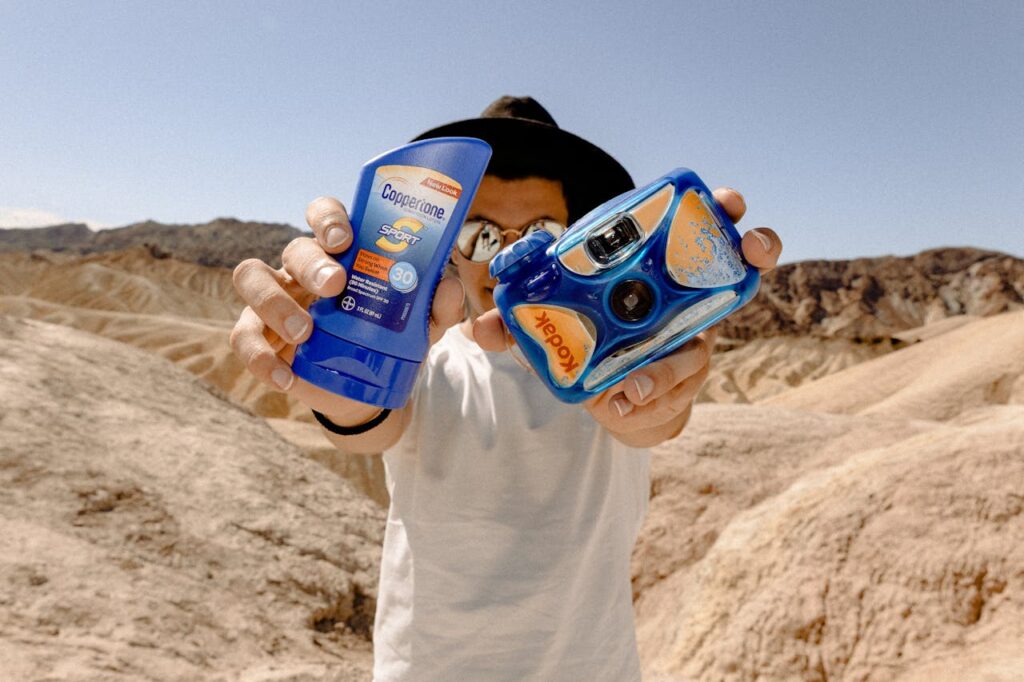
People in the 1970s loved soaking up the sun, often slathering on tanning oils rather than sunscreen. The dangers of UV rays were not widely discussed, and skin cancer risks were poorly understood by the general public. Kids and adults alike spent long hours outside without protection. It wasn’t until later decades that public health campaigns began emphasizing sunscreen use to prevent skin damage and cancer. Today, sunscreen is an everyday essential, especially for families with children.
Stranger Danger Education

In the 1970s, discussions about “stranger danger” and child abduction were far less common. Parents trusted kids to roam the neighborhood freely, assuming the community would look out for them. It wasn’t until high-profile cases in the late ’70s and early ’80s that awareness of child safety around strangers became widespread. Schools and parents began teaching children how to identify unsafe situations and seek help. Now, conversations about personal safety are part of growing up.