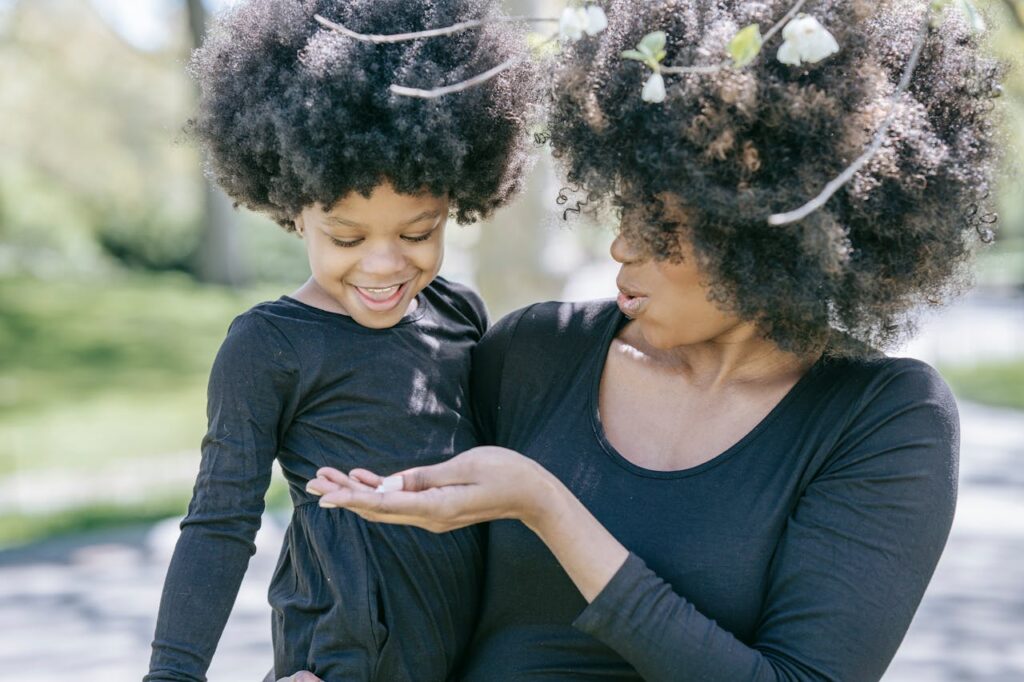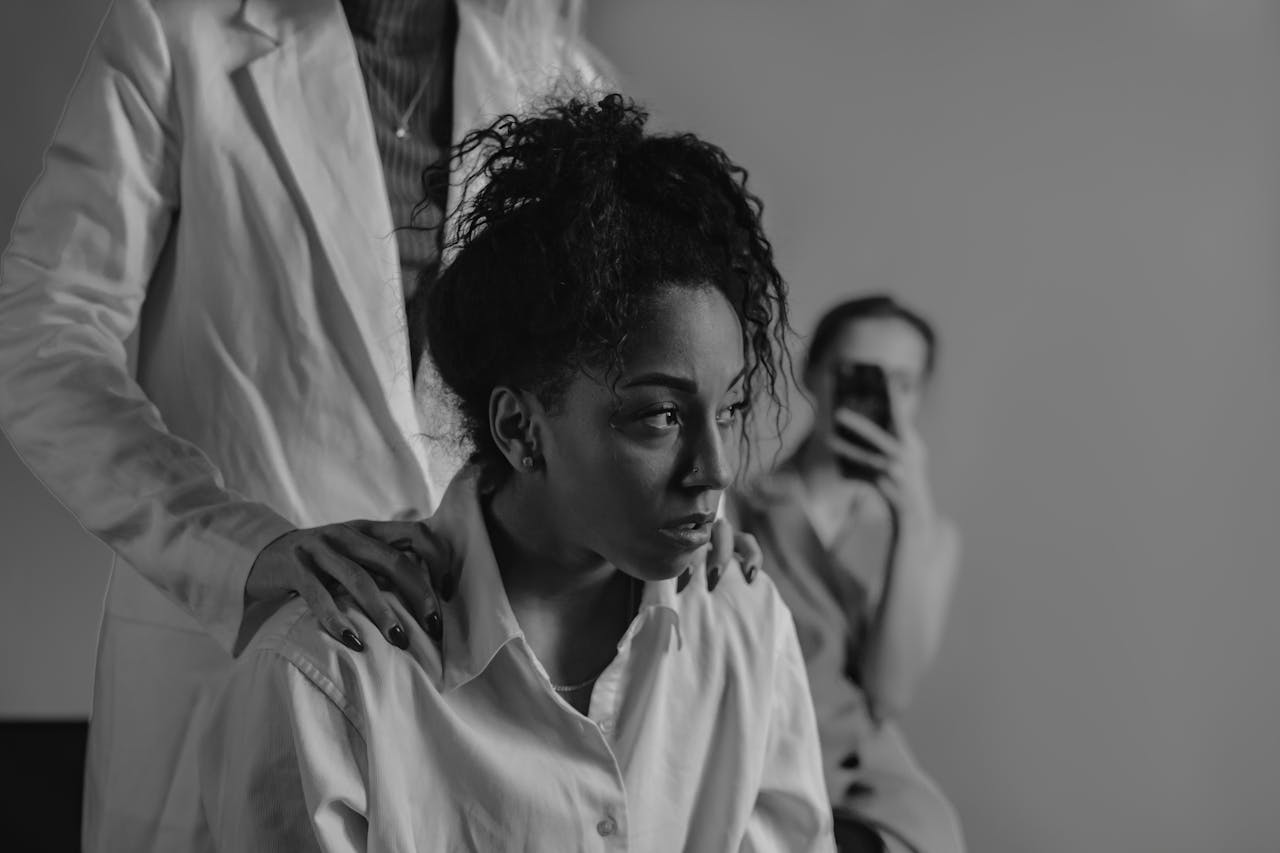
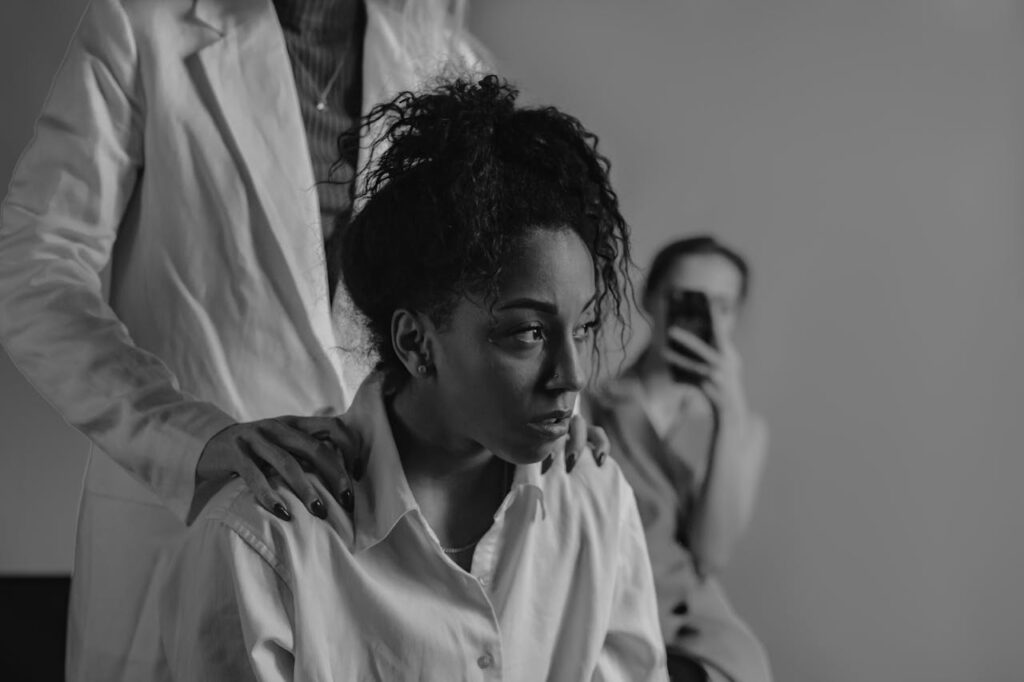
The 1980s were a decade of neon colors, big hair, and cultural shifts—but behind the pop culture glamour, women still faced many social, economic, and legal barriers. While progress had been made since the feminist movements of the 1960s and ’70s, many outdated rules and expectations continued to hold women back. From work and motherhood to fashion and financial freedom, certain unspoken “rules” defined what it meant to be a woman—and not always in empowering ways. Here are 10 rules that made life more challenging for women in the 1980s.
Women Were Expected to “Have It All”

The idea of “having it all”—career, family, perfect home—was sold as empowering, but it placed unrealistic expectations on women. Many were juggling full-time jobs while still carrying the bulk of household and childcare responsibilities. Instead of gaining freedom, they faced pressure to be superhuman. The emotional toll of trying to do it all without support was heavy, yet rarely acknowledged.
Career Choices Were Still Limited

Despite more women entering the workforce, many industries remained dominated by men. Careers in STEM, executive leadership, and finance were often closed off or hostile environments. Women were often funneled into secretarial or caregiving roles regardless of their talents or ambitions. Breaking the glass ceiling was possible—but incredibly rare and difficult.
Financial Independence Was Still New

While the Equal Credit Opportunity Act passed in 1974, many women in the ’80s still struggled for financial equality. It was common for women to be denied credit without a male co-signer, especially if they were unmarried or recently divorced. Access to loans, mortgages, and fair banking often came with gender-based skepticism. Managing money independently was possible, but not always simple.
Divorce Carried Deep Social Stigma

Though divorce rates climbed in the ’80s, women who left their marriages often faced harsh judgment. Divorced women were frequently labeled as selfish, unstable, or incapable of keeping a home together. Many struggled with legal disadvantages in custody or financial settlements. Social support was limited, making the path to independence even tougher.
“Good Girls” Didn’t Talk About Intimacy

Sexual double standards were alive and well, especially for young women. Talking openly about intimacy, birth control, or desires often led to judgment or shame. Intimate education in many schools was still abstinence-based, leaving many women underinformed. While the revolution had already begun, its benefits weren’t equally felt by all.
Being Single Past 30 Was “Tragic”

Unmarried women over 30 were often viewed with suspicion or pity. The term “old maid” still lingered, and media portrayed single women as desperate or flawed. Pressure to settle down, get married, and have children was intense. Personal fulfillment was often seen as incomplete without a husband or family.
Workplace Harassment Was Tolerated

Sexual harassment at work was rampant and rarely taken seriously. Many women endured inappropriate comments, touching, or discrimination with no real avenue for recourse. Speaking up could mean losing a job or being labeled a troublemaker. The laws existed, but enforcement was weak, and the culture often silenced victims.
Beauty Standards Were Brutal

The 1980s brought high-glam makeup, teased hair, and impossible body ideals. Thinness, youth, and perfection were heavily promoted in magazines, music videos, and advertising. Women were expected to maintain a polished, feminine appearance at all times. Aging naturally or dressing for comfort was often seen as “letting yourself go.”
Stay-at-Home Moms Were Undervalued
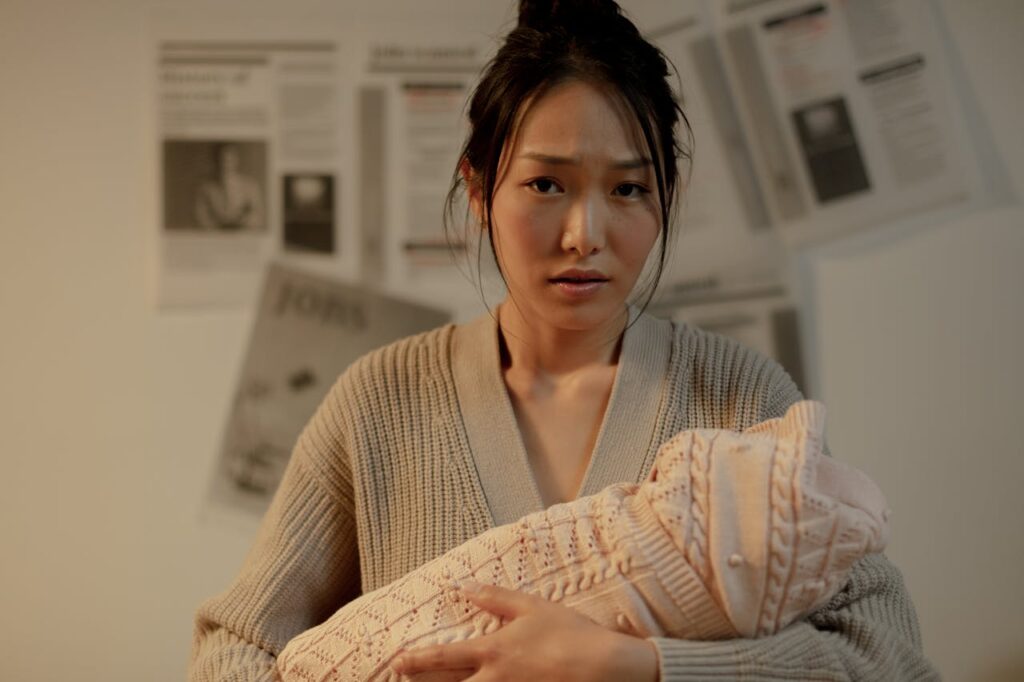
While working women were praised for breaking barriers, stay-at-home moms were often dismissed or overlooked. Their contributions were seen as less important or “easy,” despite the hard work of raising children. Social identity was tied to productivity, and unpaid domestic labor wasn’t respected. Many moms felt isolated or invisible in public conversations.
Mental Health Was Taboo

Women experiencing stress, anxiety, or postpartum depression were often told to “snap out of it.” Mental health was poorly understood and heavily stigmatized. Seeking therapy or medication was sometimes seen as weakness or instability. Many women suffered in silence, lacking resources or the language to ask for help.