Retro animated films hold a rare kind of staying power. For Boomers, these movies represent childhood wonder, early family rituals, and a time when animation felt handcrafted and intentional. For Gen Z, the appeal is different but just as strong. These films feel slower, more emotionally grounded, and visually distinct from modern animation. They offer sincerity without irony and stories that trust the viewer’s attention. As streaming removes generational barriers, these movies are being rediscovered not as nostalgia pieces, but as meaningful, surprisingly modern storytelling.
Snow White and the Seven Dwarfs (1937)
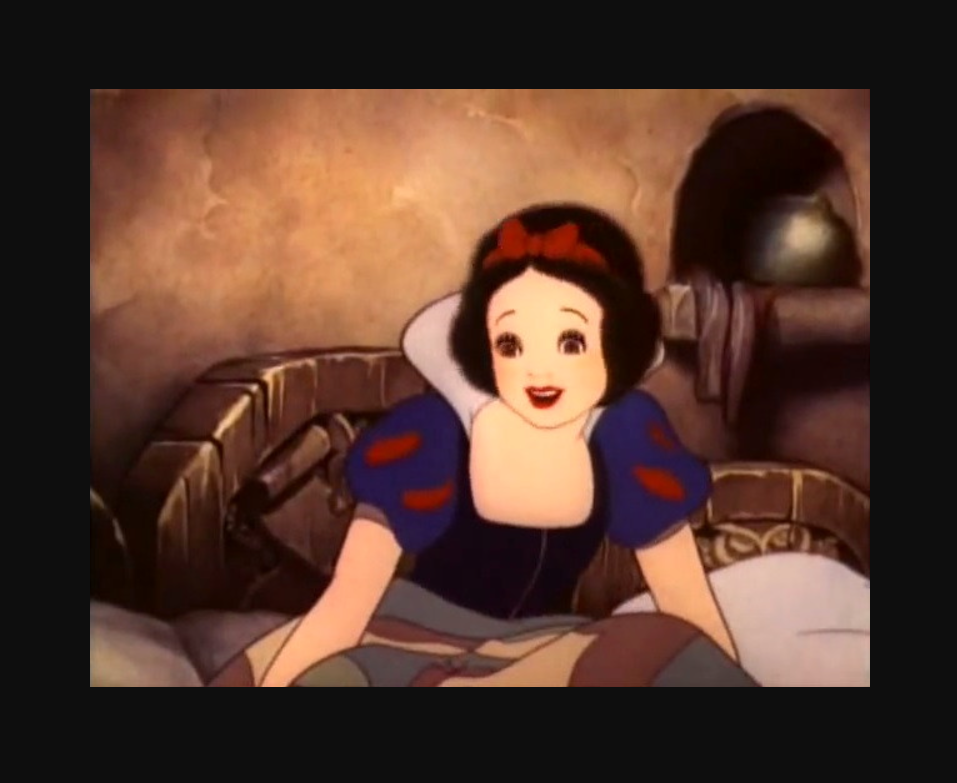
Boomers remember Snow White as a milestone, not just a movie. It was one of the first animated features to feel cinematic and emotionally complete. Gen Z viewers approach it differently, noticing its quiet pacing, hand painted backgrounds, and sincere tone. The absence of sarcasm feels refreshing. While the story is simple, its emotional clarity and visual softness stand out in a loud media landscape. The film’s restraint and earnestness make it feel calming rather than outdated.
Pinocchio (1940)
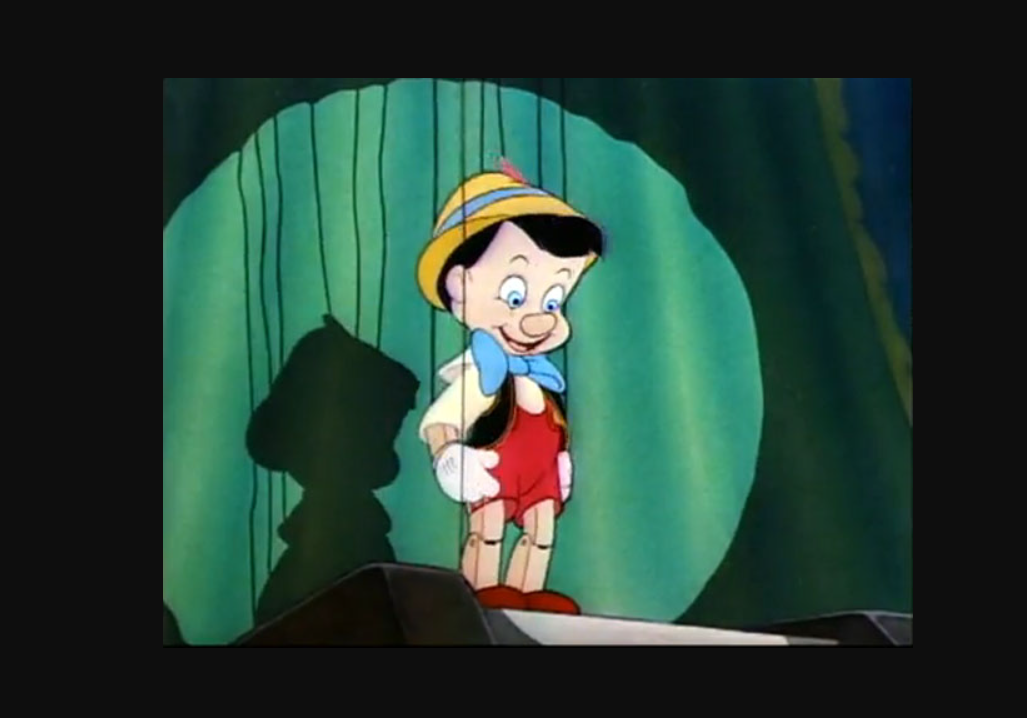
Pinocchio resonates across generations because it does not soften its lessons. Boomers remember its moral clarity and haunting imagery. Gen Z is drawn to its darker undertones and emotional honesty. The story treats fear, temptation, and consequence seriously, without rushing toward comfort. Visually, the craftsmanship feels intimate and tactile. In an era of overstimulation, the film’s patience and willingness to sit with discomfort feels unexpectedly mature and relevant.
Bambi (1942)
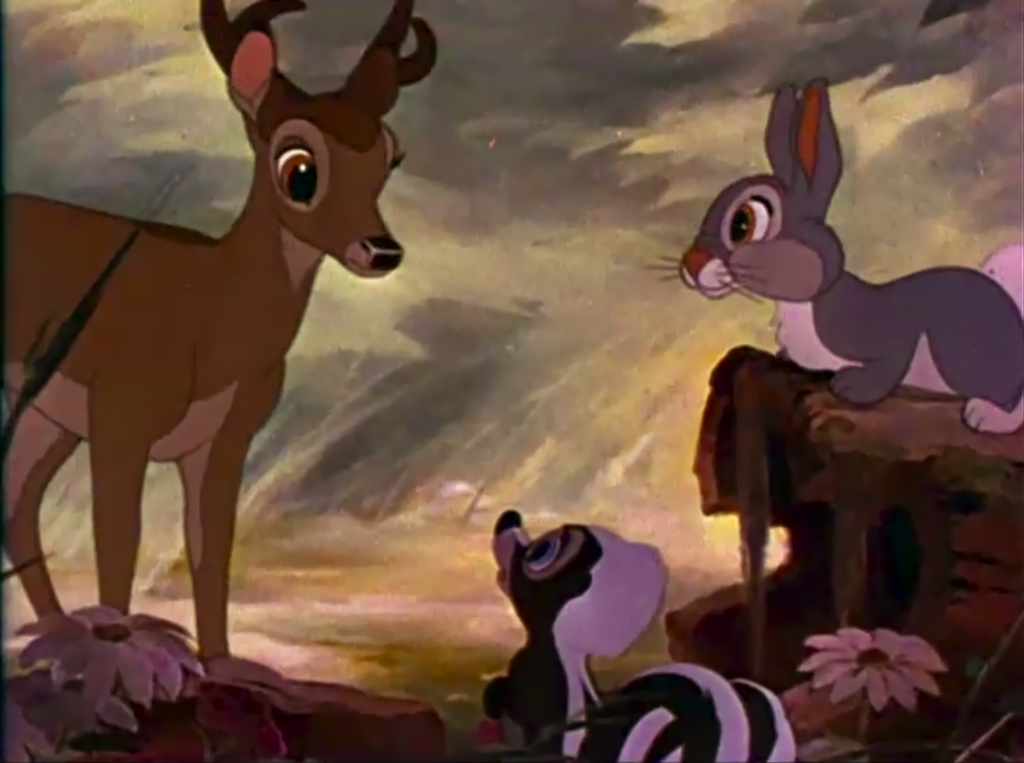
For Boomers, Bambi was often the first film that introduced real emotional loss. Gen Z viewers now revisit it with fresh eyes, recognizing its meditative pacing and environmental awareness. The film spends time observing nature rather than forcing plot. Silence, seasons, and stillness do much of the storytelling. In a digital world that rarely pauses, Bambi’s quiet emotional rhythm feels grounding. Its themes of growth, grief, and resilience remain universally legible.
Fantasia (1940)
Fantasia feels timeless because it refuses conventional storytelling. Boomers remember it as ambitious and unusual. Gen Z finds it almost experimental. The absence of dialogue allows viewers to interpret freely. Its blend of classical music and animation feels closer to modern visual art than traditional cartoons. In a generation comfortable with abstract media, Fantasia feels bold rather than strange. It rewards attention without explaining itself, which feels rare and appealing.
Sleeping Beauty (1959)
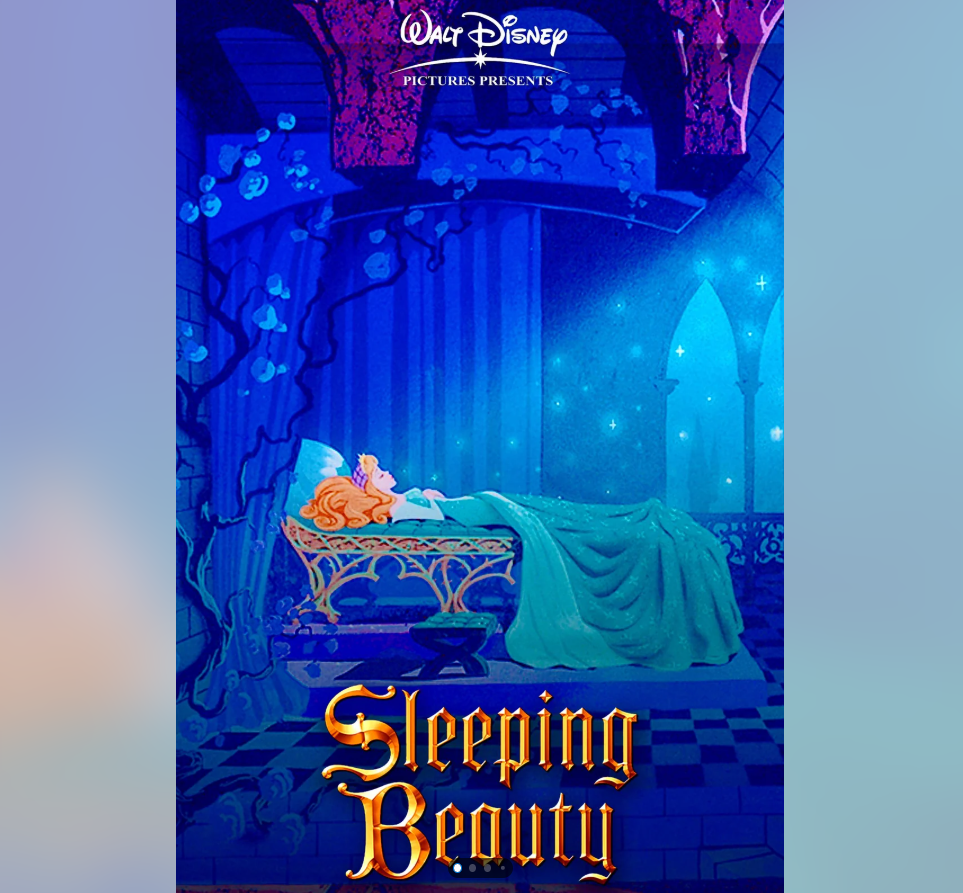
Sleeping Beauty stands out visually more than narratively, and that is part of its renewed appeal. Boomers recall it as elegant and romantic. Gen Z notices the stylized design, geometric backgrounds, and bold color palettes. The animation feels graphic and intentional, almost modern in composition. Maleficent’s presence also resonates more strongly today. The film’s visual confidence gives it a contemporary edge despite its age.
The Jungle Book (1967)
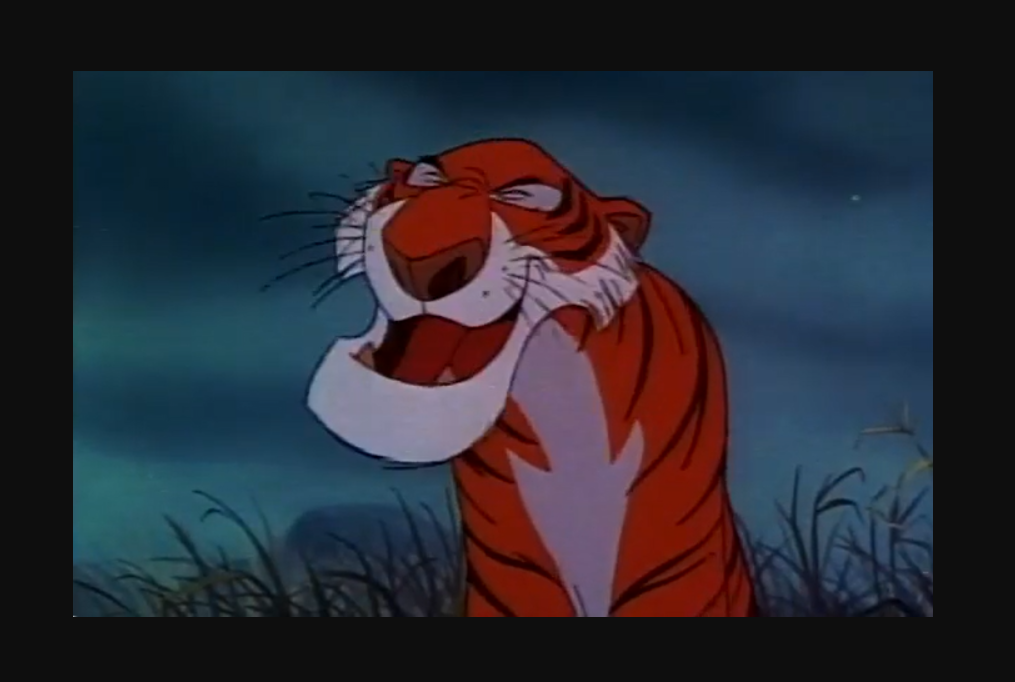
Boomers often associate The Jungle Book with warmth, humor, and music. Gen Z connects with its relaxed tone and character driven storytelling. The film does not rush toward a lesson. It lingers in conversation, song, and atmosphere. Baloo’s philosophy of ease feels oddly aligned with modern burnout culture. The animation feels expressive without being busy. Its charm lies in how little it tries to prove.
101 Dalmatians (1961)
The appeal of 101 Dalmatians spans generations because of its sharp visual identity and grounded humor. Boomers remember its wit and villains. Gen Z appreciates its sketchy animation style and urban realism. London feels lived in rather than magical. Cruella De Vil feels psychologically interesting rather than cartoonish. The film’s design language feels closer to modern illustration than classic fantasy, making it feel visually current.
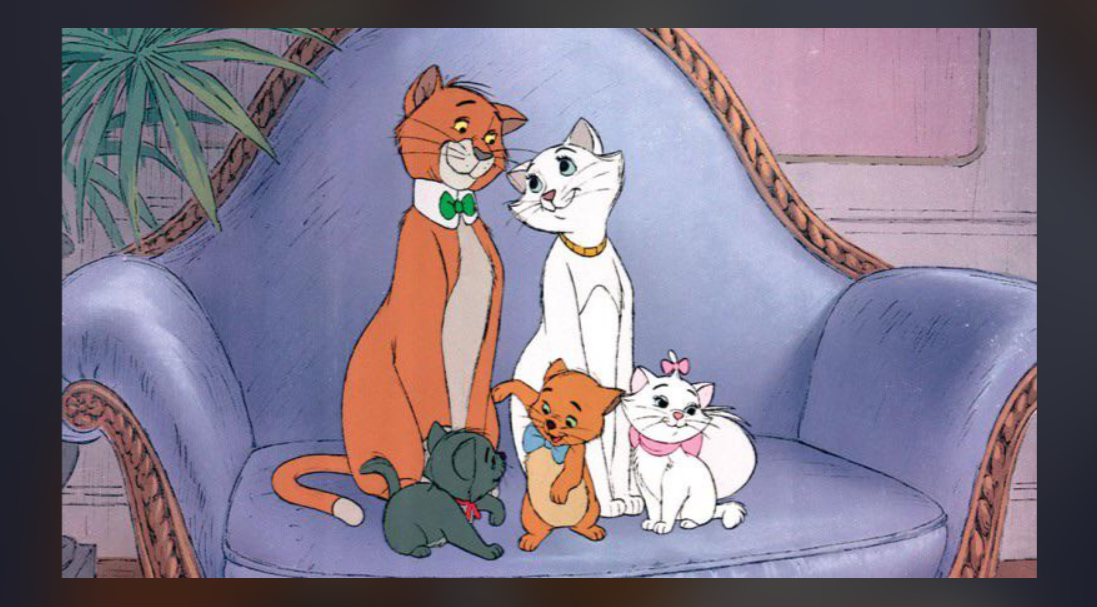
The Aristocats (1970)
The Aristocats carries a sense of lightness that appeals to both generations. Boomers remember it as playful and musical. Gen Z enjoys its relaxed storytelling and jazzy soundtrack. The film feels like spending time rather than following plot. Its characters exist comfortably without constant conflict. In contrast to high stakes narratives, this low pressure charm feels soothing. It invites viewers to simply enjoy atmosphere and personality.
The Fox and the Hound (1981)
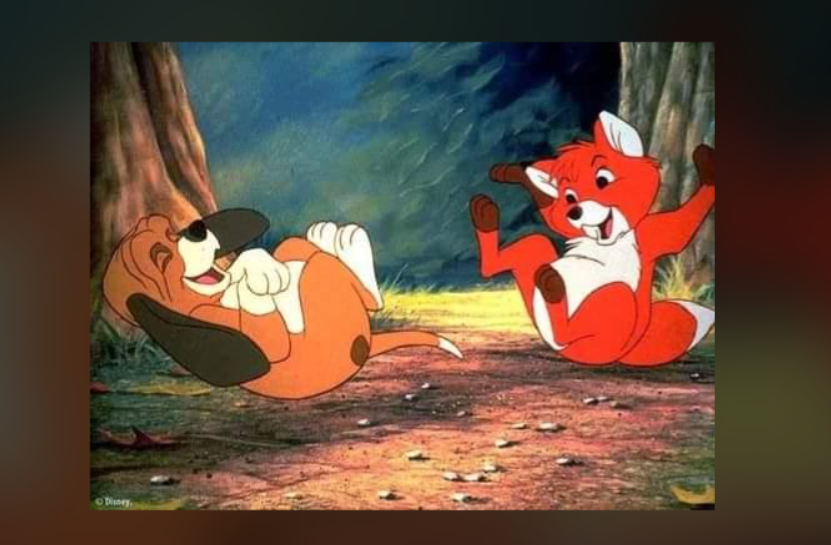
This film remains emotionally powerful because it does not resolve tension neatly. Boomers remember its sadness. Gen Z respects its emotional restraint. Friendship, separation, and inevitability are handled without melodrama. The story acknowledges that affection does not always defeat circumstance. That realism resonates strongly with younger viewers. The animation supports emotion rather than overpowering it, making the film feel honest rather than sentimental.
The Rescuers (1977)
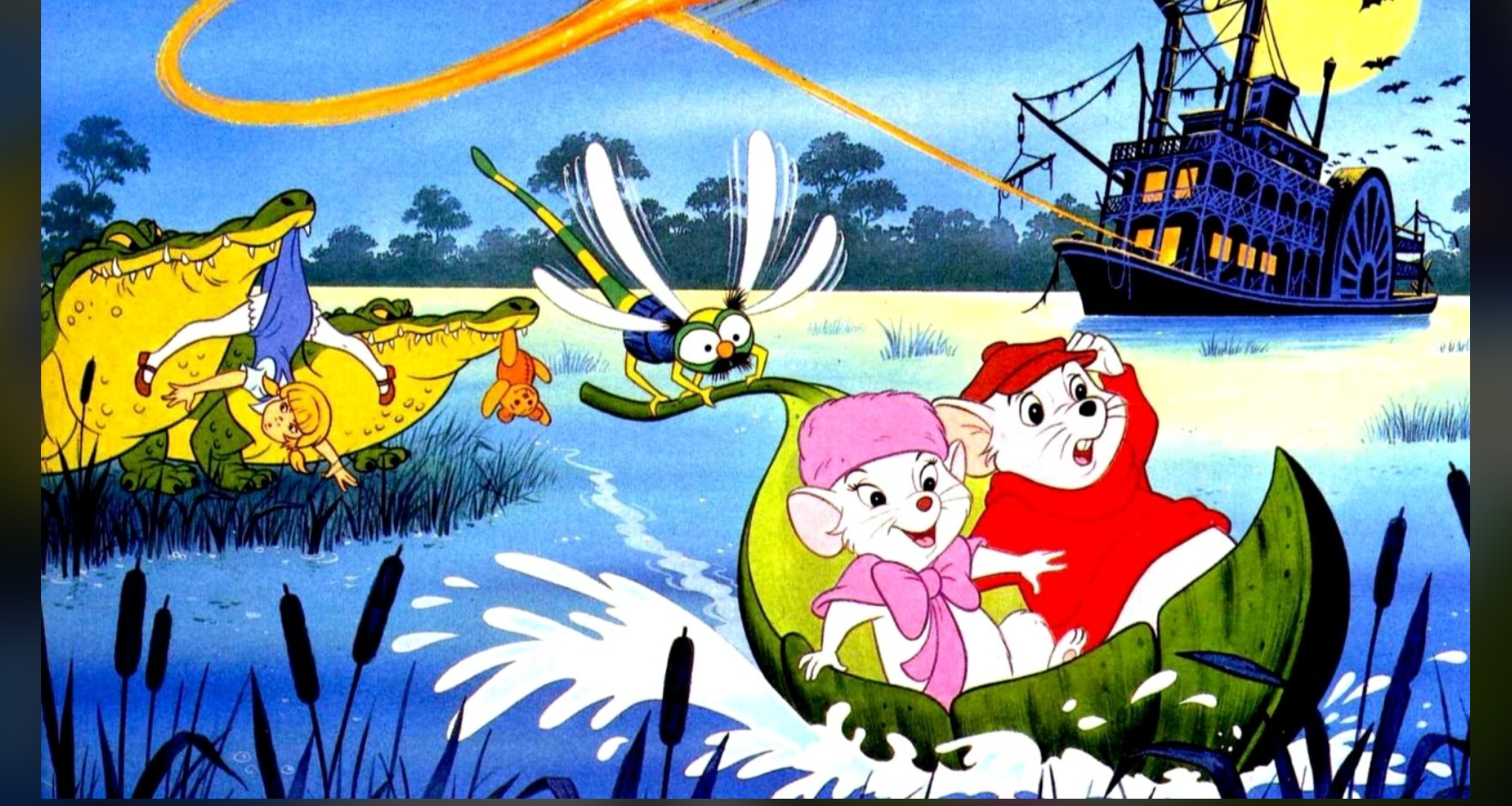
The Rescuers appeals across generations through its empathy driven narrative. Boomers recall its heart and adventure. Gen Z connects with its focus on overlooked characters and quiet courage. The pacing allows space for vulnerability. The film prioritizes kindness over spectacle. In a media environment obsessed with scale, its modest heroism feels refreshing. The story’s belief in small acts of bravery aligns naturally with modern values.
These retro animated films endure because they trust the audience. They allow silence, sincerity, and emotional ambiguity. Boomers return to them for familiarity and memory. Gen Z discovers them for their craftsmanship and emotional honesty. What connects both generations is not nostalgia alone, but a shared appreciation for stories that feel human rather than engineered. In a fast moving digital world, these films offer something steady, thoughtful, and quietly powerful.