Being a teenager has never been easy, but growing up in the 1980s came with its own unique set of challenges. Without today’s technology, instant access to information, or the comforts of digital communication, ’80s teens had to navigate awkwardness, boredom, and social minefields the hard way. While modern teens face pressures of their own, here are 10 reasons why life as a teen in the ’80s was a whole different—and arguably tougher—experience.
1. You couldn’t just Google anything

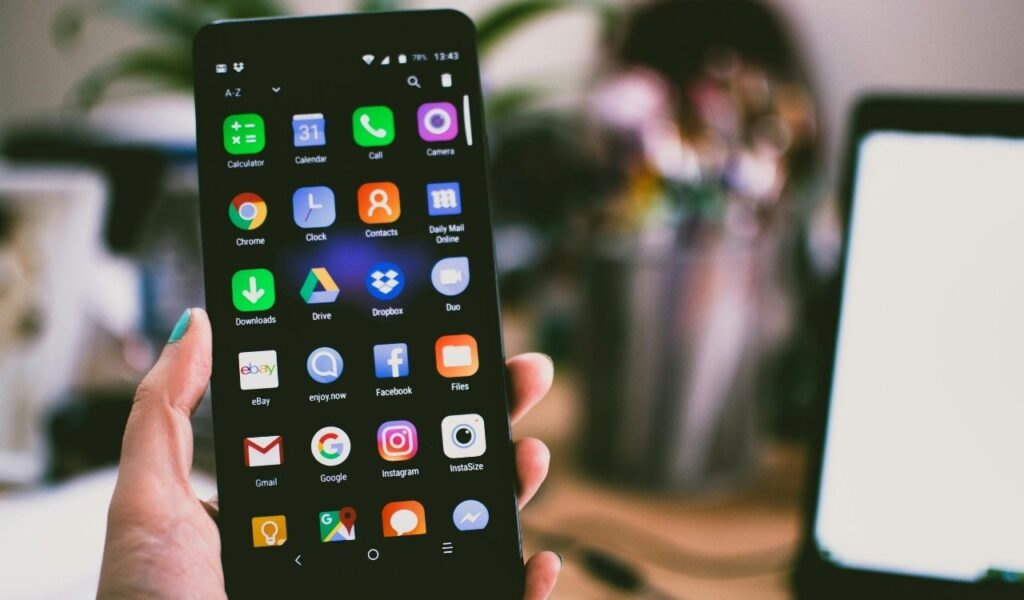
In the ’80s, if you didn’t know something, you had to ask someone, visit a library, or just stay confused. Encyclopedias were bulky, outdated, and often missing key information. There was no search engine to settle arguments or help with homework instantly. Research meant hours of flipping pages, writing by hand, and hoping you guessed right. Even trivia or lyrics could remain a mystery for weeks. Curiosity was a slow burn, not a quick tap away.
2. Getting lost was a real fear

Before GPS and smartphones, getting lost wasn’t just inconvenient—it was terrifying. Teens had to rely on paper maps, vague directions, or landmarks that only made sense to locals. If you made a wrong turn, there was no “rerouting” feature—just a lot of panic and maybe asking a stranger at a gas station. Being late meant getting grounded. One wrong bus or missed stop could derail your whole day, and calling home wasn’t always an option either.
3. Calling your crush was terrifying

There was no texting to test the waters. If you liked someone, you had to call their house—and risk their parents answering. That meant awkward greetings, panicked hang-ups, or worse, getting interrogated before being handed the phone. And no caller ID meant surprises were frequent. Your voice was all you had—no emojis, no read receipts, no graceful exits. Every call felt like a life-or-death moment, especially when the whole family was listening.
4. Embarrassment lasted forever

In the ’80s, your most awkward moments lived on in people’s memories—forever. There were no viral trends to distract from your slip-ups and no chance to delete or retake a bad moment. If you tripped in the hallway or flubbed a class presentation, you’d hear about it for months. Word spread fast and stuck around even longer. Unlike today, where feeds refresh and mistakes fade, back then, humiliation was social currency and it never really expired.
5. Fashion mistakes were permanent

There were no filters, no fast trends, and definitely no YouTube tutorials. If you rocked a mullet or neon leg warmers, it was immortalized in print photos—never to be untagged. You had to guess what was cool based on magazines or what your friends were wearing, and once you committed to a look, you were stuck with it for at least a semester. Getting a bad haircut meant waiting months to fix it, and fashion regrets often made it into your yearbook.
6. You had to wait for your song

If you wanted to hear your favorite song, you had to wait by the radio—sometimes for hours—just to press record at the right moment. There were no playlists, no skipping tracks, and no instant replay. DJs talked over intros, cassette tapes jammed, and if you missed your chance, you were out of luck. It took patience, perfect timing, and a lot of rewinding. Music wasn’t just entertainment—it was a hunt, and every great mix tape was a labor of love.
7. Socializing was face-to-face only

There were no DMs, no group chats, and no way to hide behind a screen. Socializing meant showing up—in person—and dealing with awkward silences, sweaty palms, and instant reactions. Gossip spread at lunch, not online, and missing a party meant missing everything. Making friends took real-time effort, and drama played out in real life. If you said the wrong thing, there was no delete button. Every interaction felt more intense because it was immediate and unfiltered.
8. Missing a show meant missing it

TV shows aired once—and that was it. If you missed an episode of your favorite series, there was no streaming service to catch up later. You’d have to hope for a rerun or wait for a VHS release, which might never come. Scheduling your life around TV airtimes was serious business, and commercials couldn’t be skipped. The frustration of missing a finale because of dinner or a phone call was real, and spoilers weren’t a risk—they were a reality the next day.
9. Schoolwork required actual work

There were no apps to solve math problems or generate citations. Every book report meant reading the book, and every project involved poster boards, glue, and actual creativity. Plagiarism wasn’t as tempting because there weren’t 1,000 websites to copy from. Research required time, library trips, and lots of handwritten notes. Even typing a paper meant using a typewriter, with no backspace key. Doing well in school took effort and endurance—not just a good Wi-Fi connection.
10. You had no way to go viral
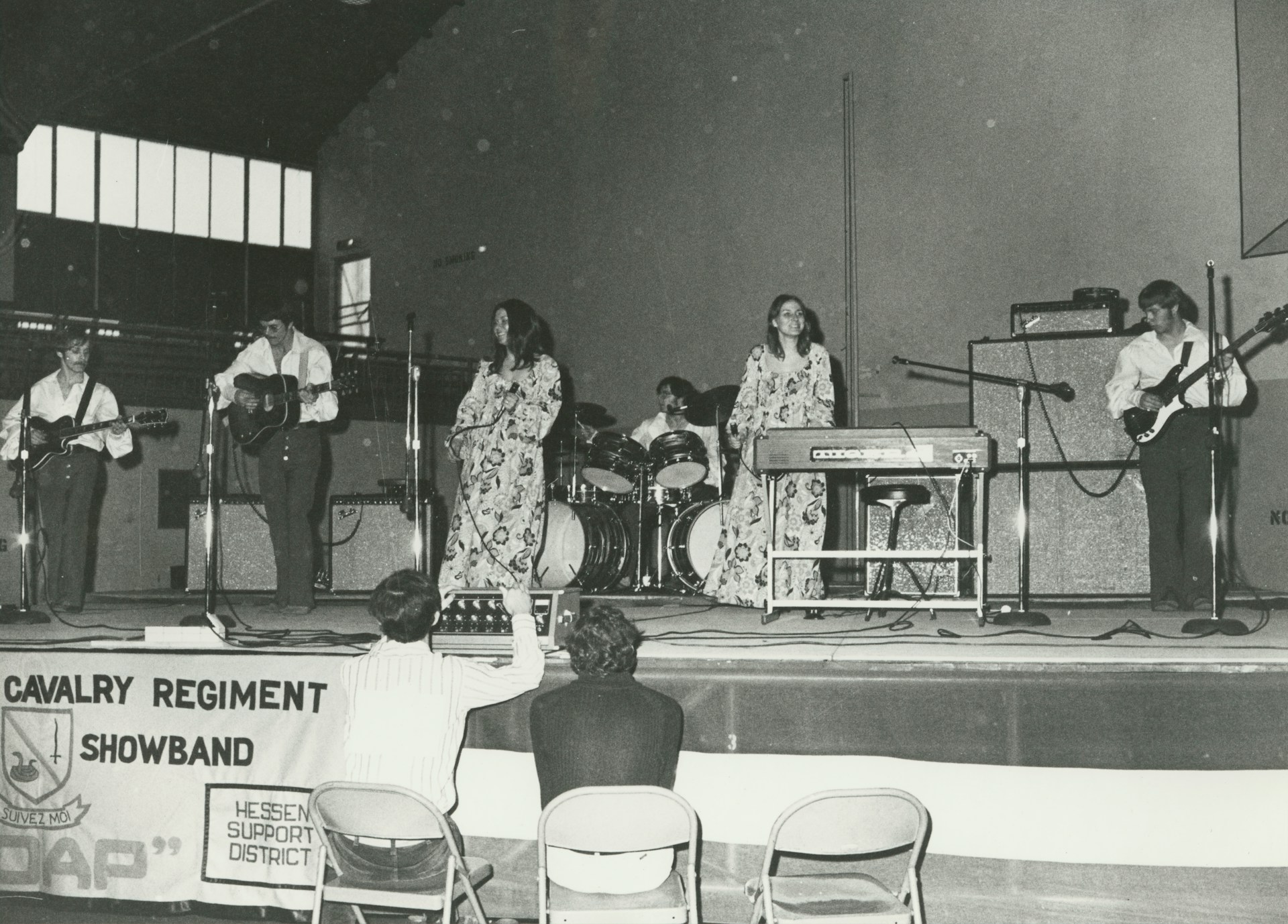
Today, one video can make a teen famous overnight—but in the ’80s, there was no platform for instant fame. Talents were shared locally, maybe at talent shows or on a home video that stayed in the family drawer. Recognition required real-world hustle, not likes or shares. For many, their greatest moments went unseen outside of their immediate circle. Going viral wasn’t even an idea—if you wanted attention, you had to earn it one person at a time, in person.
Being a teen in the ’80s meant navigating life without modern shortcuts. Everything took more time, more nerve, and more patience. There was no internet to fall back on, no social media to amplify your voice, and no smartphones to rescue you from boredom or awkwardness. But those challenges also built resilience, creativity, and unforgettable stories. While each generation faces its own struggles, there’s no denying: growing up in the ’80s was a whole different kind of tough.