Halloween is a night for costumes, candy, and community, yet across decades some celebrations turned into sorrow that communities still remember. These tragedies range from malicious acts to accidents, from stampedes to fires, and they altered safety rules, changed local traditions, and left families grieving. Remembering these events is not about sensationalism, it is about respect and learning. The stories below mix historical and recent incidents, each a somber reminder that even familiar rituals can carry risk when precautions fail or malevolence appears unexpectedly.
1. The Candy Poisoning Case That Sparked National Fear
In the late 1970s a single murderous act amplified a parent’s worst nightmare and crystallized the phrase tainted trick or treat. A man deliberately laced candy with poison, killing a child and sparking nationwide panic that made parents inspect every wrapper and change traditions. The resulting fear reshaped Halloween safety culture, prompted public warnings, and led neighborhoods to create supervised events. Even decades later the case remains a chilling example of how one cruel crime transformed a community’s sense of trust on a holiday once thought safe and benign.
2. Haunted Attraction Fires That Revealed Unsafe Practices
Temporary haunted attractions and carnival mazes can be high on atmosphere but low on safety when build quality and exits are neglected, as several fires have painfully shown. In one tragic year a wiring fault ignited decorations inside a seasonal maze, and inadequate exits and crowding prevented swift escape. Multiple young people lost their lives before crews could reach them. These incidents forced regulators to toughen fire codes for temporary structures, require clear egress, and inspect wiring and materials, a legal and cultural lesson learned through heartbreaking loss rather than gentle caution.
3. Pranks That Ended in Fatal Misunderstanding
Halloween pranks can be playful, but history records nights when frightful jokes ended in fatal misunderstandings. In one neighborhood a group of teenagers attempted a scare that startled a homeowner into believing his family was under threat. In panic the resident fired a weapon, killing one of the pranksters and ensuring that a laugh turned into tragedy. That case and others like it drove home the dangers of trespass and the need for restraint, turning once tolerated mischief into behavior that invites legal consequences and deep remorse among friends and families.
4. Vehicular Hit-and-Run on an Evening of Trick-or-Treating
On a recent Halloween night, a vehicle struck multiple pedestrians who were trick-or-treating, killing children and shattering a community’s sense of safety. The driver fled, amplifying trauma and spawning an intense search and an outpouring of grief. Such incidents underscore the intersection of roadway danger and holiday activity, and they prompted calls for slower neighborhoods, improved lighting, and stronger enforcement during peak hours. The loss resonated far beyond a single street, affecting policy makers, parents, and neighbors who had assumed the holiday was secure for children.
5. Crowd Crushes at Large Urban Celebrations
When massive gatherings occur without adequate crowd control, festive excitement can become deadly. In the last decade, highly attended urban Halloween events produced panic and crush injuries when barriers, bottlenecks, or sudden movement triggered domino effects in dense streets. People were trampled, many requiring urgent medical care, and some lost their lives. The tragedies forced cities to rethink permits, crowd flow, and emergency access, demonstrating that scale demands professional planning and that popular traditions require public investment to remain safe during celebration.
6. Deadly Costume Party Violence
Private Halloween parties sometimes escalate past revelry into violence when a guest brings a weapon or an argument turns fatal. One high profile incident at a rented event venue ended in multiple fatalities, leaving surviving guests and families to confront both grief and legal fallout. Beyond the immediate horror, these events raised questions about host responsibility, guest screening, and the need for sober supervision when large numbers gather. The law and event platforms responded by tightening rules and urging safer hosting practices for seasonal gatherings.
7. Tragedies from Improvised Scenery and Unsafe Props
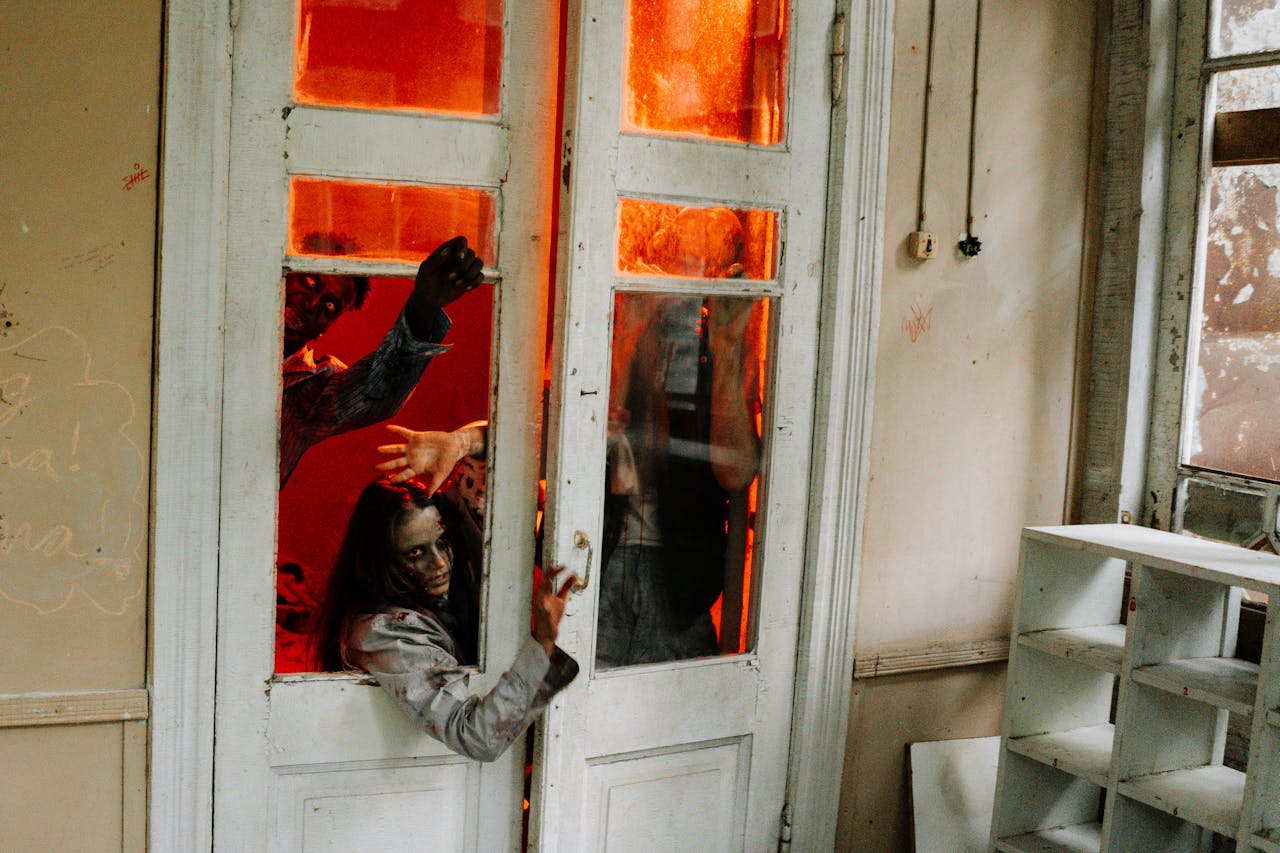
Homegrown haunted houses and elaborate yard displays can delight neighborhoods, but homemade electrical setups and unstable props have caused injury and death. In certain cases, heavy set pieces collapsed on visitors or exposed wiring sparked fires in dimly lit mazes. The imperfect construction combined with crowded pathways turned creative enthusiasm into safety hazards. As a result, community organizations published sturdier guidelines for amateur setups, promoting professional-grade fasteners, tested lights, and adult supervision whenever interactive elements invite public access after dark.
8. Alcohol and Driving Related Fatalities on Halloween Night
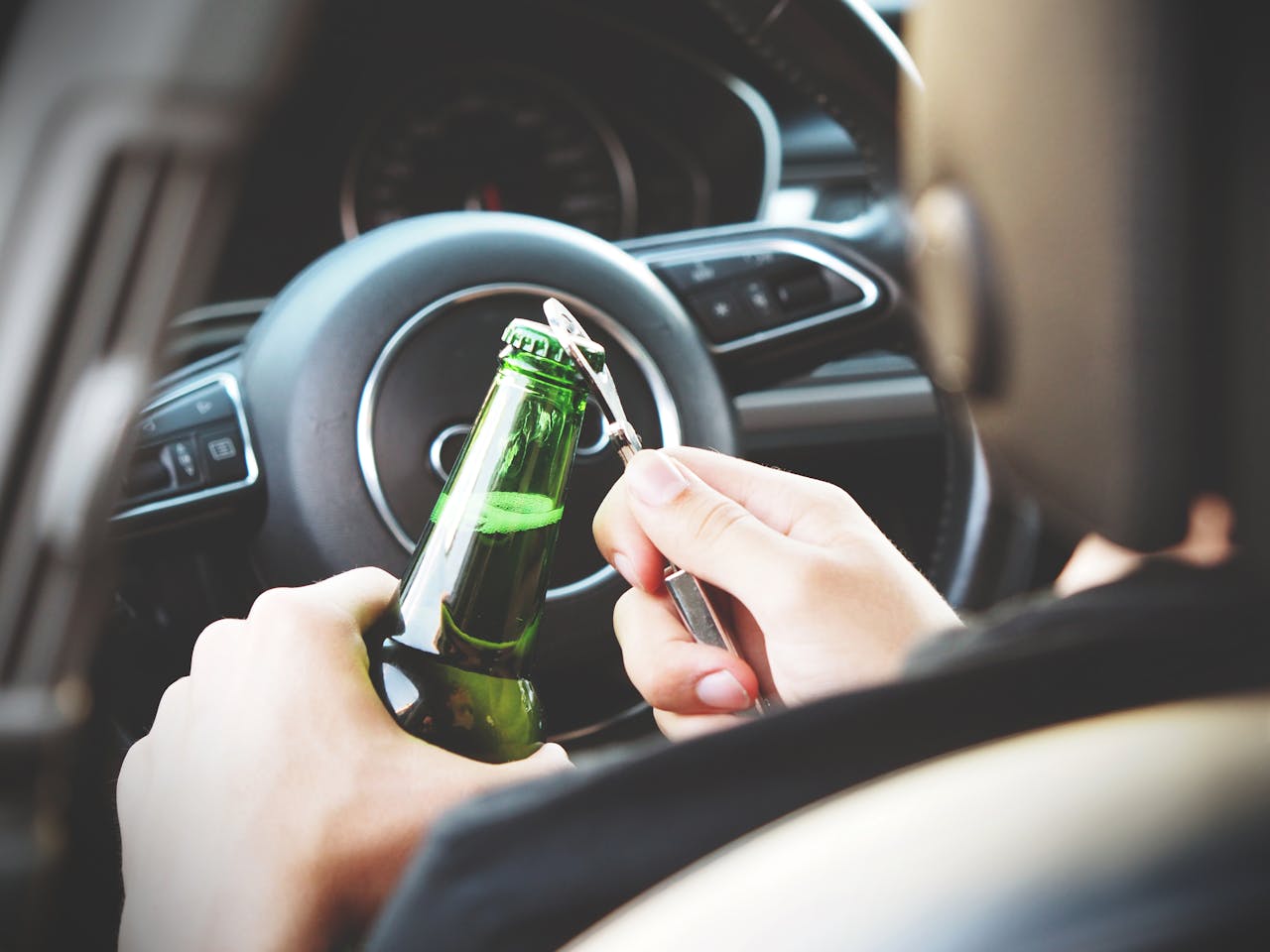
The combination of party culture and roads full of distracted drivers has produced fatal collisions on several Halloweens, killing partygoers and bystanders alike. Intoxicated driving, late night travel, and impaired judgment increase the risk for all road users, and on a night when families and children are out, the consequences are devastating. These incidents prompted renewed public safety campaigns, expanded sobriety checkpoints, and community messaging about hosting responsibly and arranging safe rides, in an effort to prevent future loss tied to celebration and poor choices.
9. Underserved Venues and Emergency Response Delays
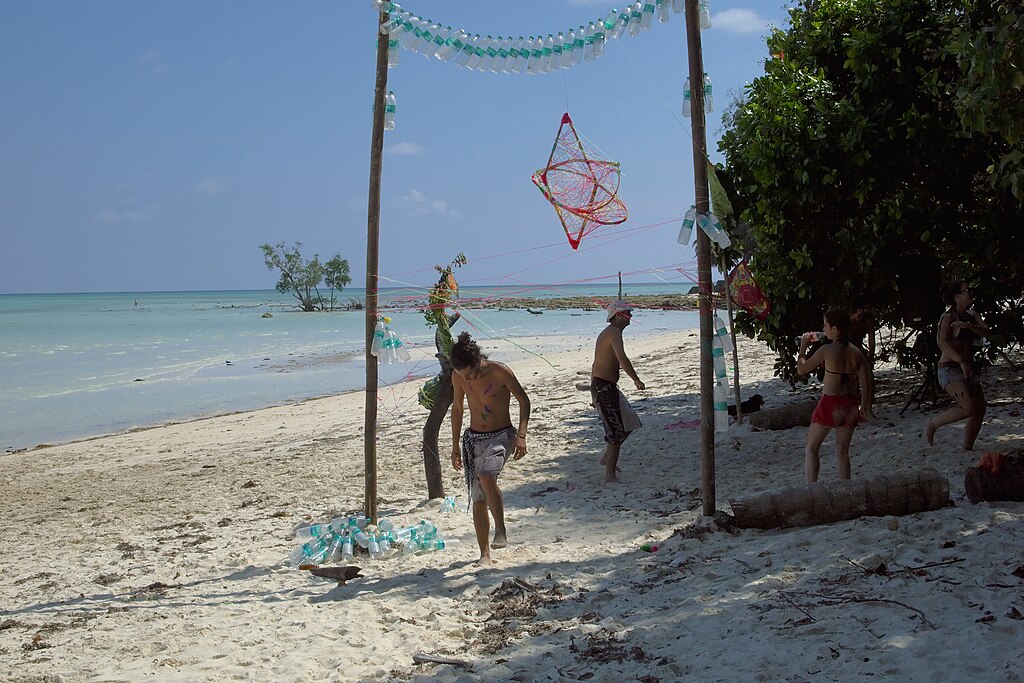
In some tragedies, the outcome worsened because emergency response was delayed by remote location, poor signage, or overwhelmed local services during large events. Runners who prepared elaborate outdoor scares sometimes found that medical help arrived too late when injuries occurred in dim, constrained settings. These cases highlighted the need for clear emergency plans, volunteer marshals, and local coordination with fire and ambulance services at seasonal attractions. The hard lesson taught event organizers to build contingency planning into even amateur Halloween offerings.
10. Targeted Violence Using the Cover of Festivity
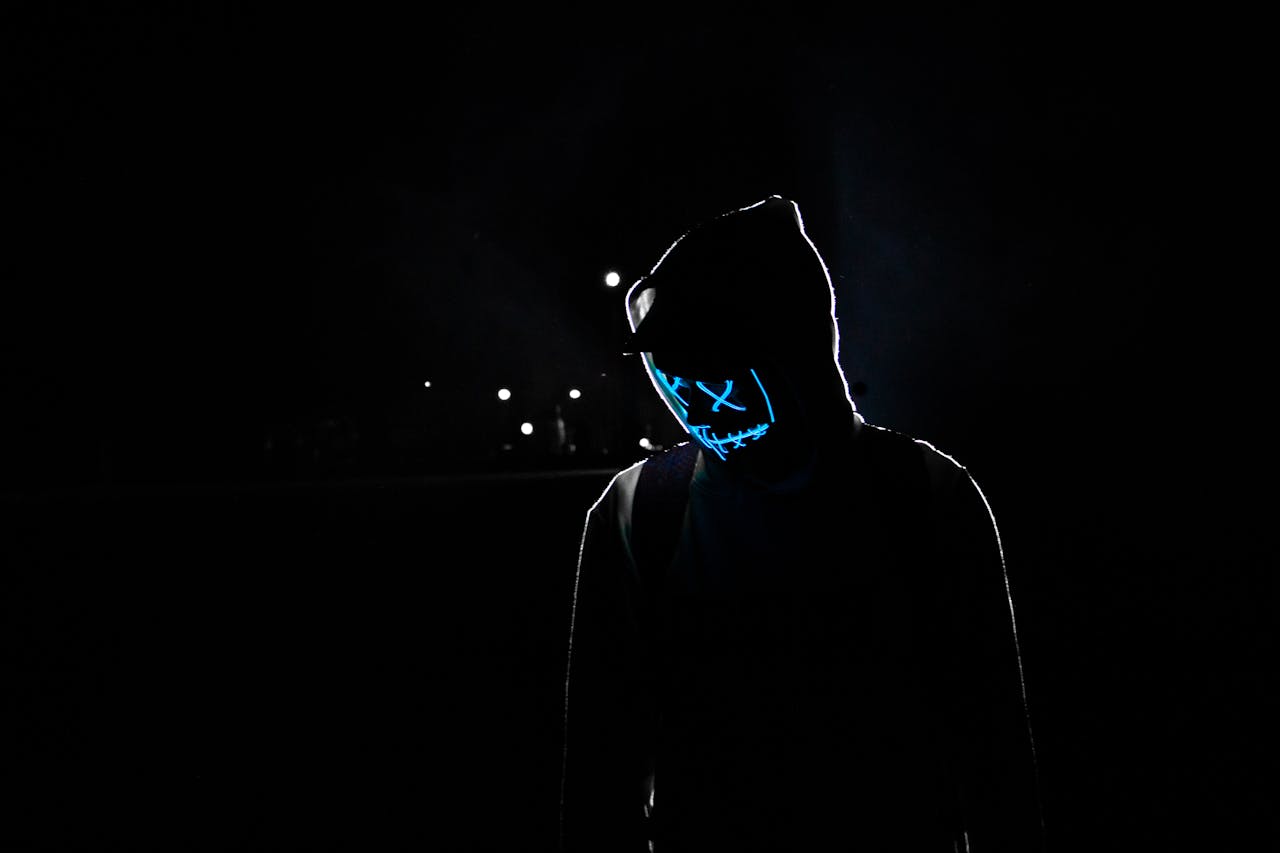
There have been dark episodes where perpetrators used Halloween as cover to commit targeted attacks, exploiting costumes and crowds to conceal intent. Masked assailants have moved through gatherings, confronting victims who assumed the chaos was part of the night’s fun. Such events shattered a sense of innocence and forced communities to add security measures at public celebrations. The resulting fear altered traditions and led to collaborative efforts between police and neighborhood groups to ensure accessible reporting, visible patrols, and safer event design in future seasons.
Each of these real tragedies changed how communities approach Halloween safety, from improved building codes to traffic enforcement, from crowd management to public awareness campaigns. Remembering victims and studying the failures that contributed to harm are essential if the holiday is to remain a time of joy rather than risk. These stories ask hosts, neighbors, and officials to balance festivity with foresight, so the smallest details of planning can protect lives and preserve the holiday for generations to come.