Every generation has its quirks, but some habits from the baby boomer era feel almost unbelievable when looked at through the lens of 2025. Many of these routines seemed completely normal decades ago, but to younger people today they range from funny and outdated to downright baffling. Whether it is the way boomers approached money, communication, or entertainment, these habits reveal how quickly everyday life has shifted in just a few decades. Here are ten boomer traditions that now feel like relics of a different time.
Writing Checks for Everyday Purchases
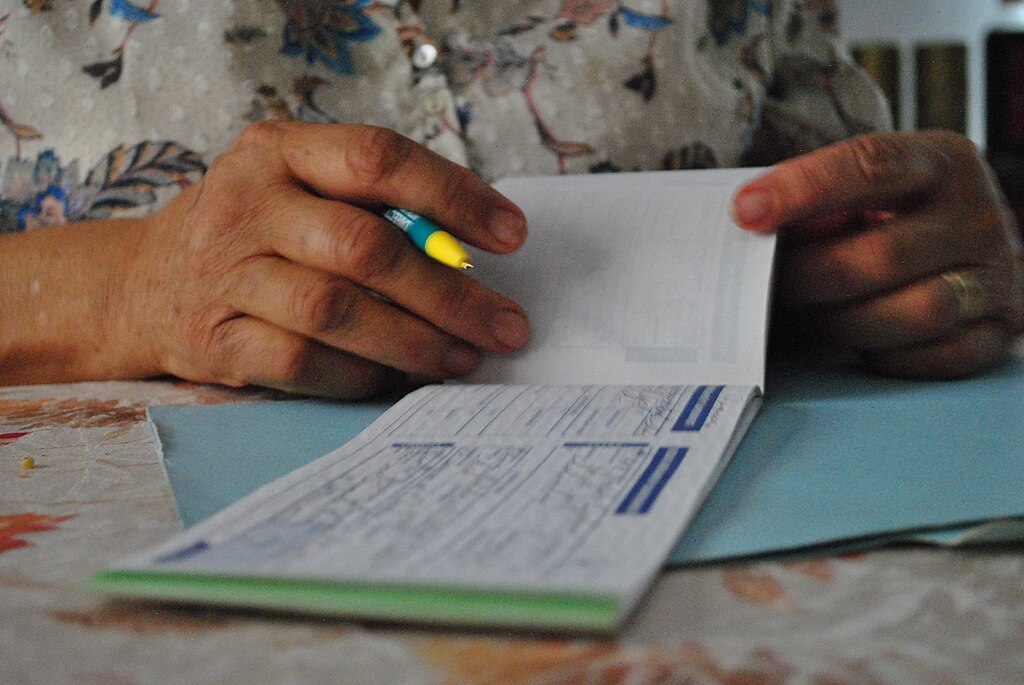
For boomers, pulling out a checkbook at the grocery store or the gas station was part of ordinary life. It was normal to wait in line while someone carefully wrote out their total, signed their name, and jotted the transaction in a check register. In 2025, the idea of slowing down a line this way feels unthinkable when most people tap a phone or card to pay instantly. Checks still exist for certain large transactions, but the ritual of using them for milk and bread is one that belongs to the past.
Using Phone Books
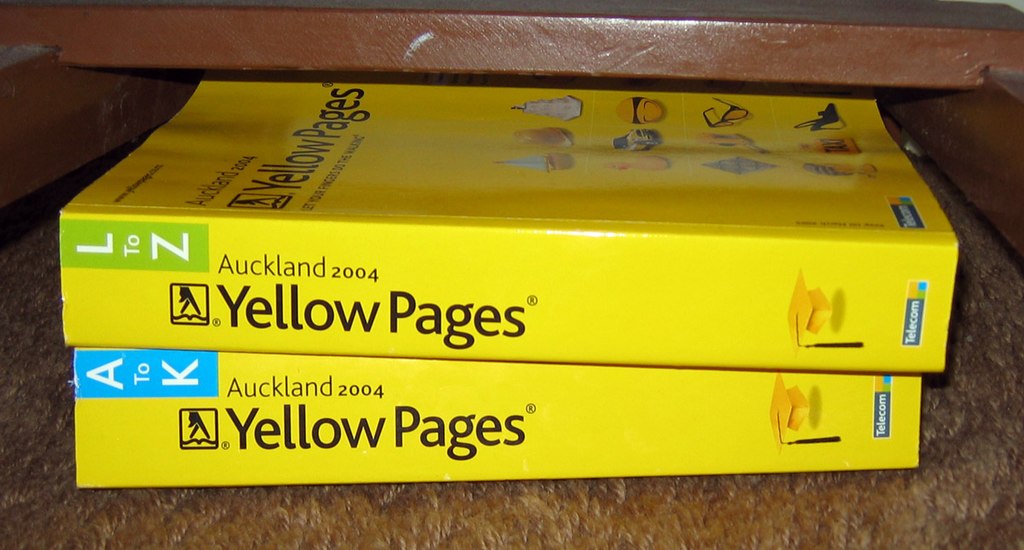
Yellow Pages and White Pages once occupied a dedicated spot in nearly every boomer household. If you wanted to order a pizza or find a local plumber, flipping through thick paper listings was the only way. Today, the thought of sifting through hundreds of pages for a number feels clunky and unnecessary when digital assistants and search engines can find answers in seconds. The phone book now seems more like a nostalgic artifact than a useful tool for daily life.
Saving Plastic Bags and Foil
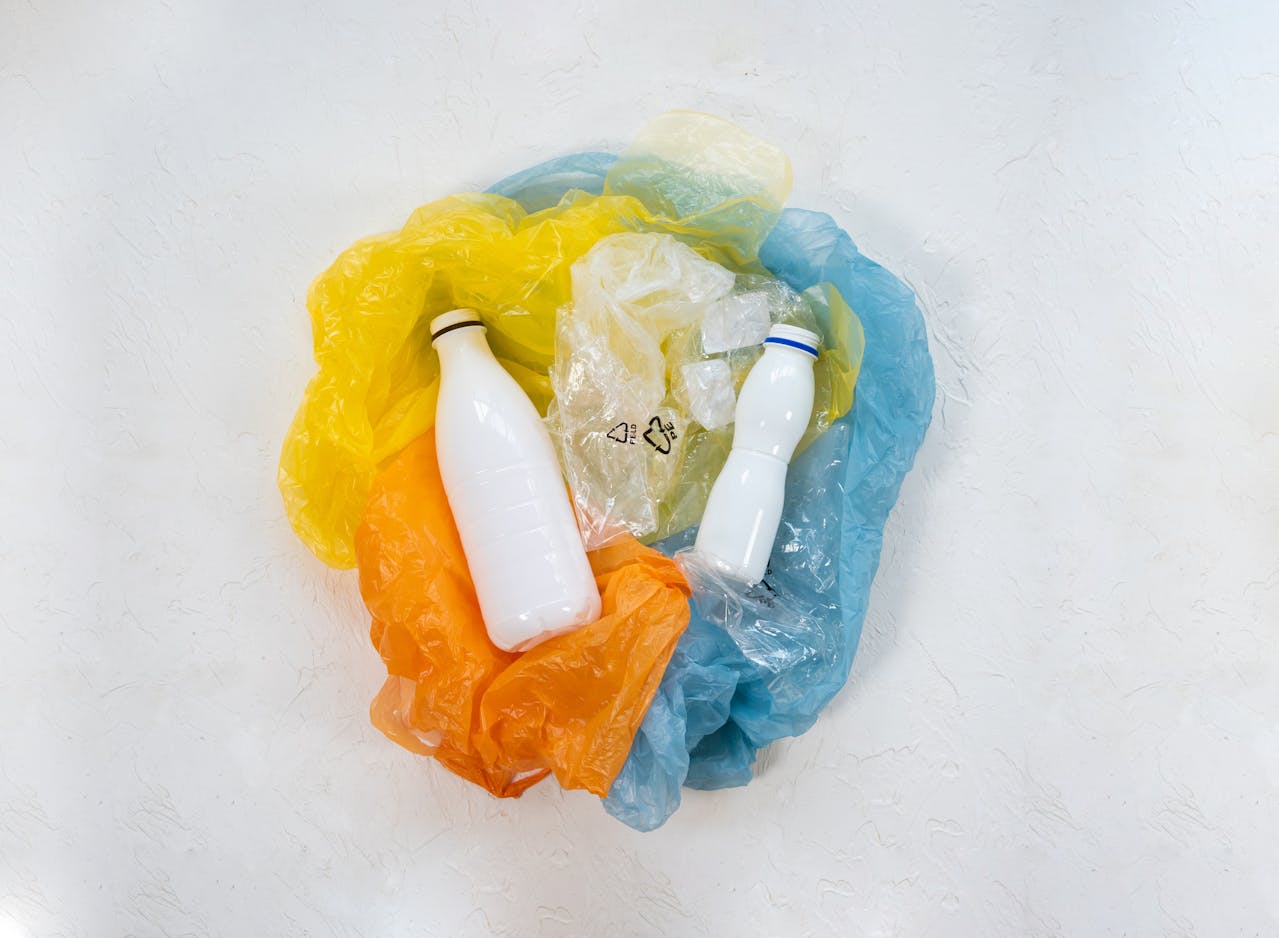
Many boomers grew up in households that valued thrift and avoided waste. This meant rinsing and reusing aluminum foil, storing plastic bread bags for later use, or keeping a drawer full of twist ties. While this practice came from a place of resourcefulness, it strikes younger generations as odd, especially in an era when sustainability focuses more on reducing overall consumption than saving every wrapper. These habits remind us how post-war frugality shaped boomer households in ways that lingered for decades.
Collecting Green Stamps
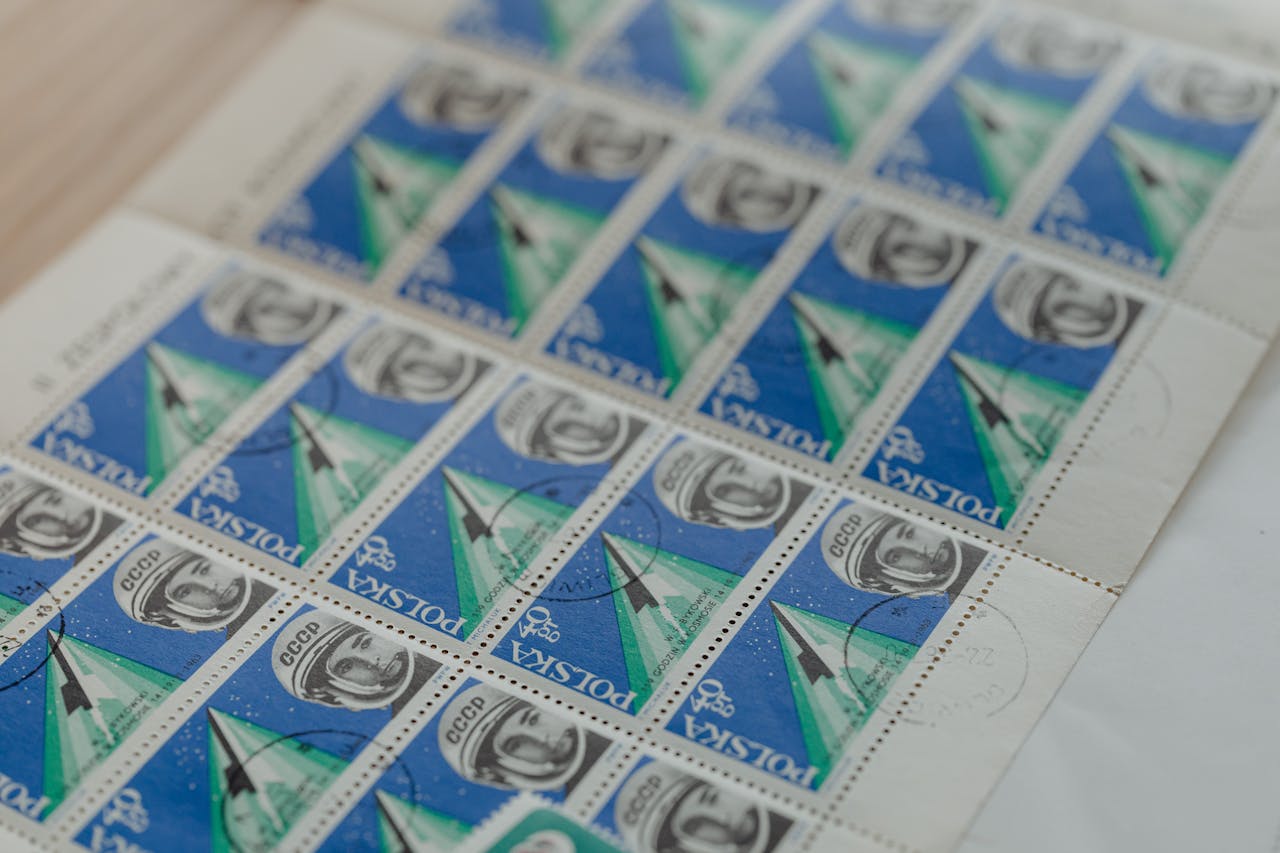
Trading stamps were once a beloved boomer pastime. Shoppers collected them at grocery stores and gas stations, carefully pasted them into booklets, and eventually redeemed them for housewares, toys, or even furniture. This system feels quaint compared to today’s digital reward apps and instant cashback programs. Younger generations might laugh at the idea of spending hours sticking little squares into a booklet, but for boomers it was a family ritual that made shopping a bit more exciting.
Watching TV on a Strict Schedule
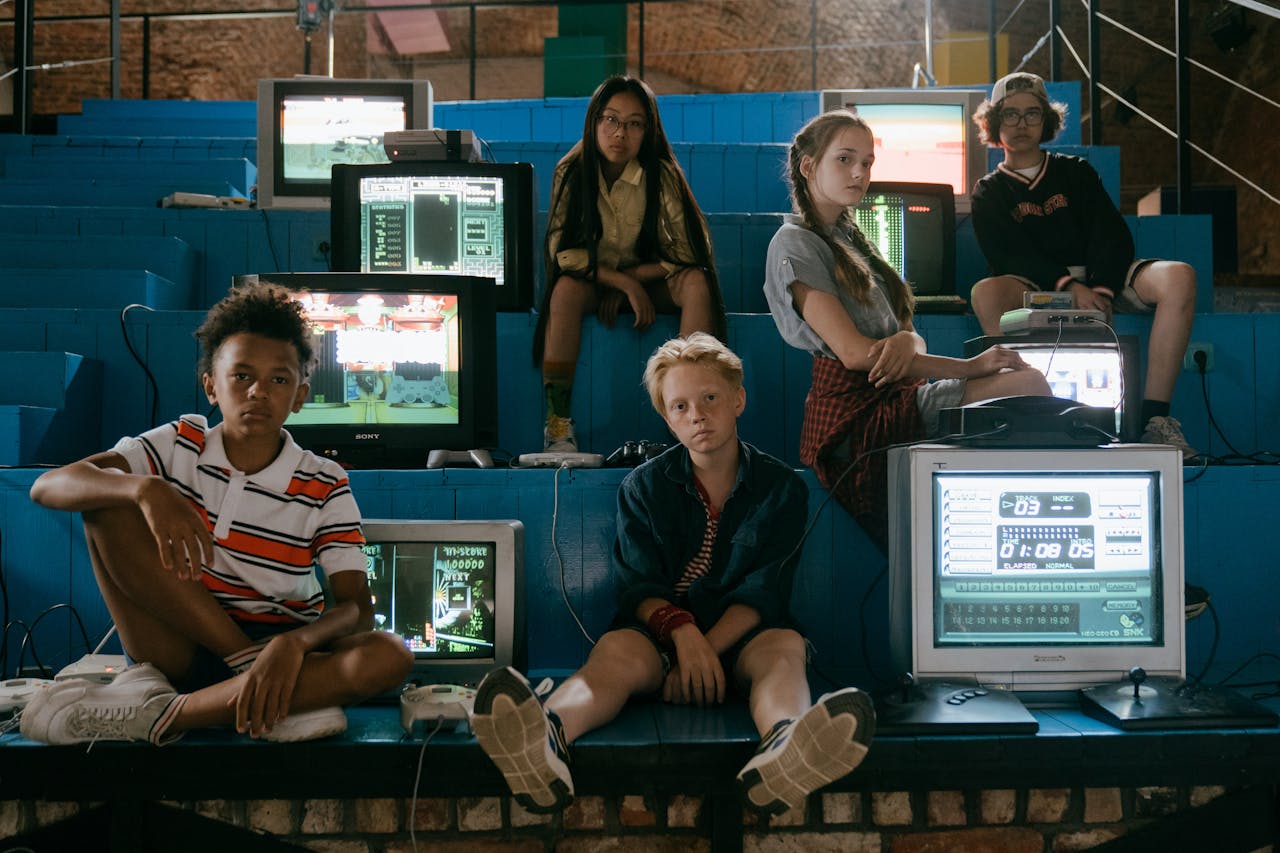
Before streaming or even DVRs, television meant gathering at a set time to catch your favorite program or risk missing it entirely. Boomers organized their evenings around weekly shows, and families often treated prime-time TV as a communal event. Today, the ability to watch almost anything on demand makes that rigid routine seem wild. The idea that people once rushed home from work or school just to avoid missing a single episode feels like a relic of a less flexible era.
Memorizing Phone Numbers
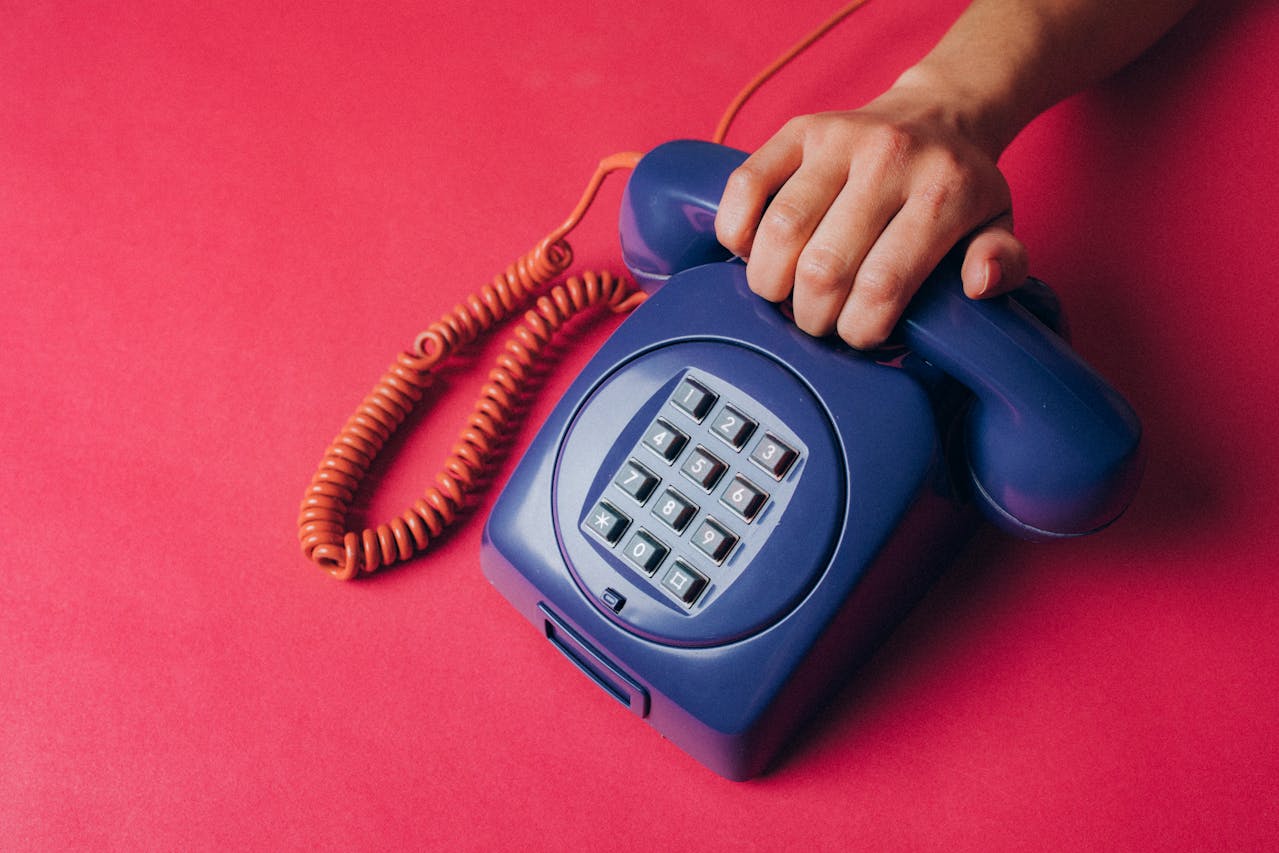
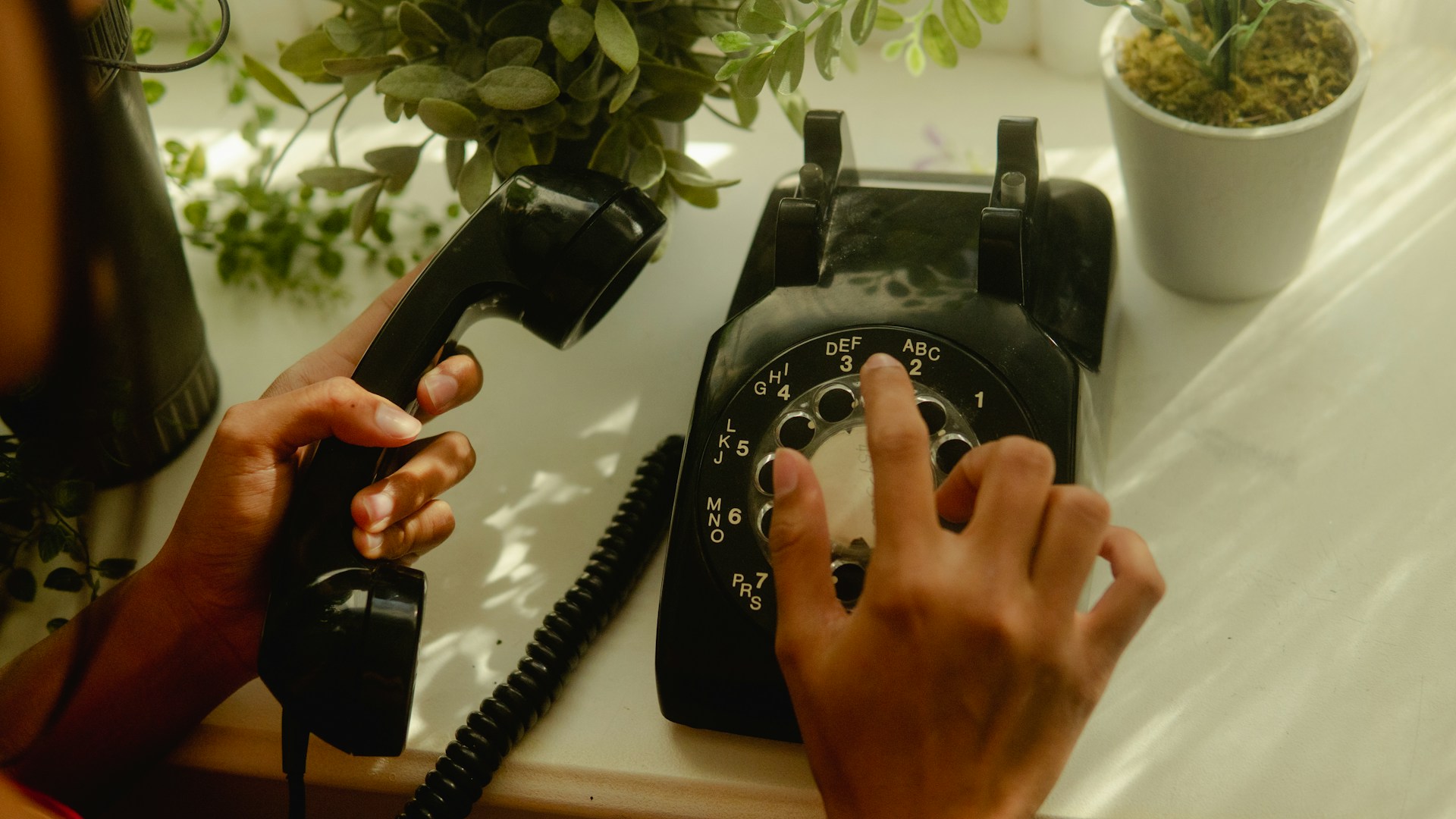
In the boomer era, memorizing the numbers of friends, relatives, and even local businesses was essential. Some could rattle off dozens of numbers without hesitation. Today, smartphones store every contact, and most people barely know their own spouse’s number. This reliance on memory feels almost superhuman to younger generations who have grown up with digital address books. It is a skill that rarely gets exercised anymore, but it highlights just how differently boomers interacted with technology.
Cash-Only Living
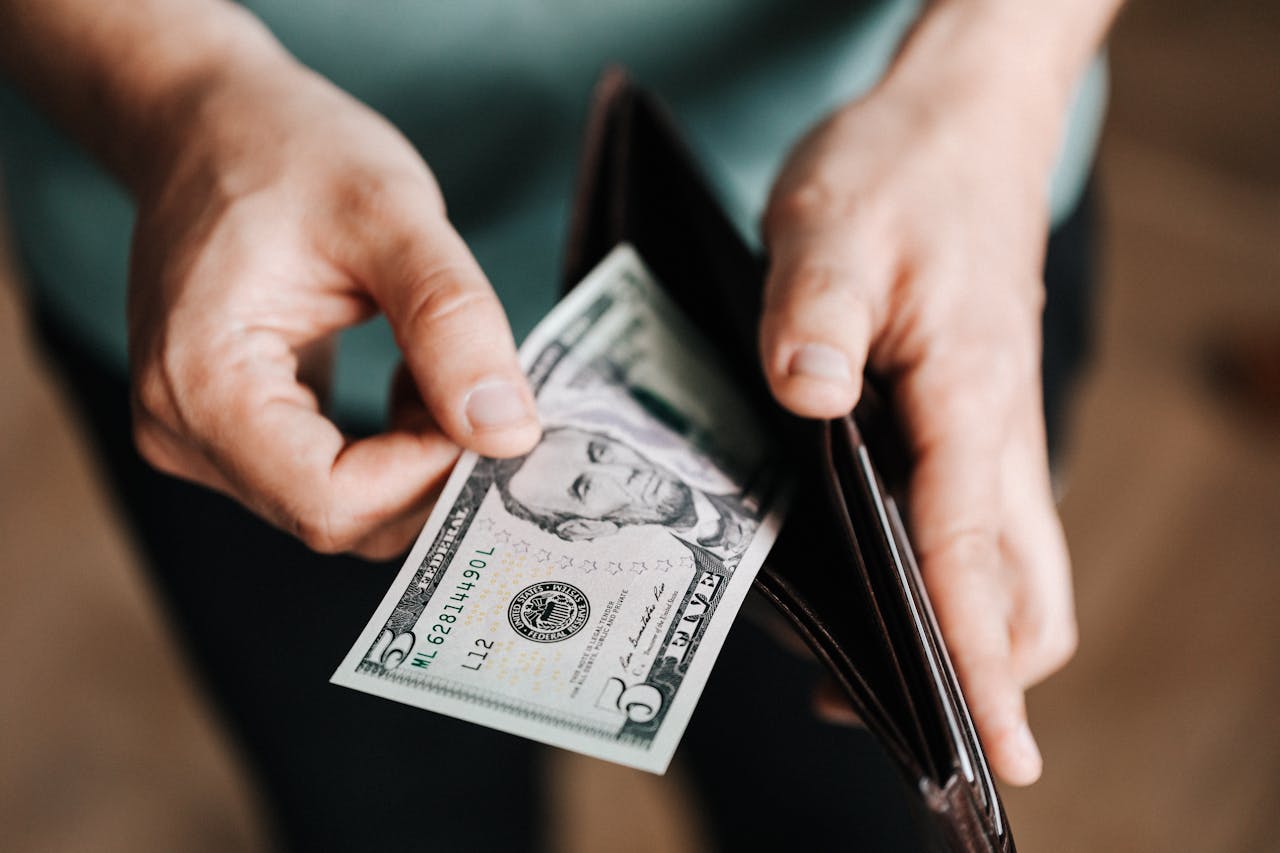
Many boomers operated in a world where cash was king. Credit cards were less common, and debit cards did not exist. Paying bills, shopping, and even big purchases often meant handling stacks of physical bills or writing checks. While some people today still prefer cash, the digital payment ecosystem makes it unnecessary for most. The thought of carrying hundreds of dollars in a wallet feels unsafe and impractical in 2025, but for boomers it was simply everyday life.
Ironing Everything
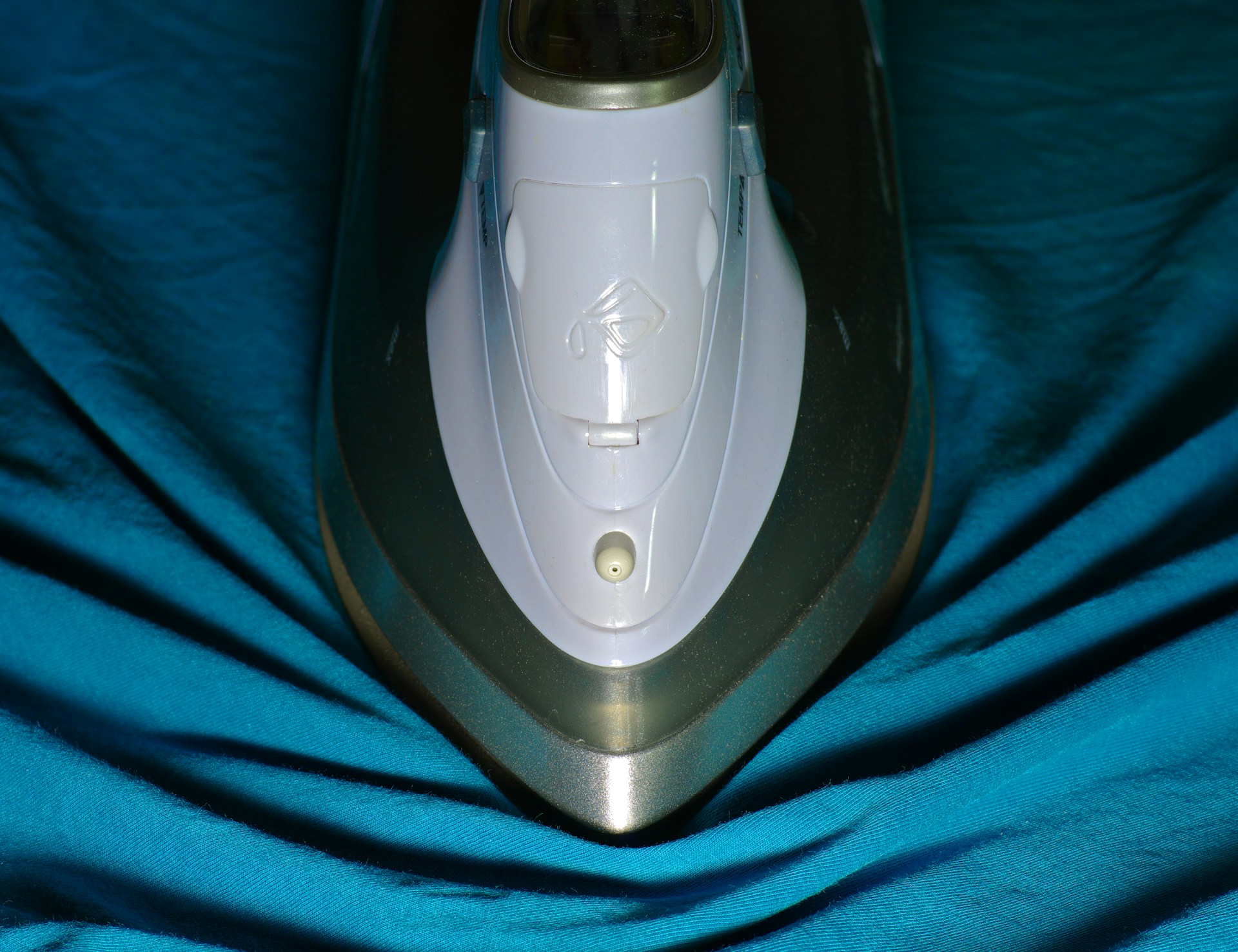
In boomer households, ironing was not reserved for formal shirts or uniforms. It was common to press pillowcases, sheets, and even jeans to keep everything looking neat. Younger generations find this habit puzzling, especially with wrinkle-resistant fabrics and dryers that reduce creases. While ironing still has a place for special occasions, the notion of spending hours each week smoothing out everyday clothes feels excessive. It reflects a time when appearances were tied strongly to discipline and household pride.
Carrying Rolodexes
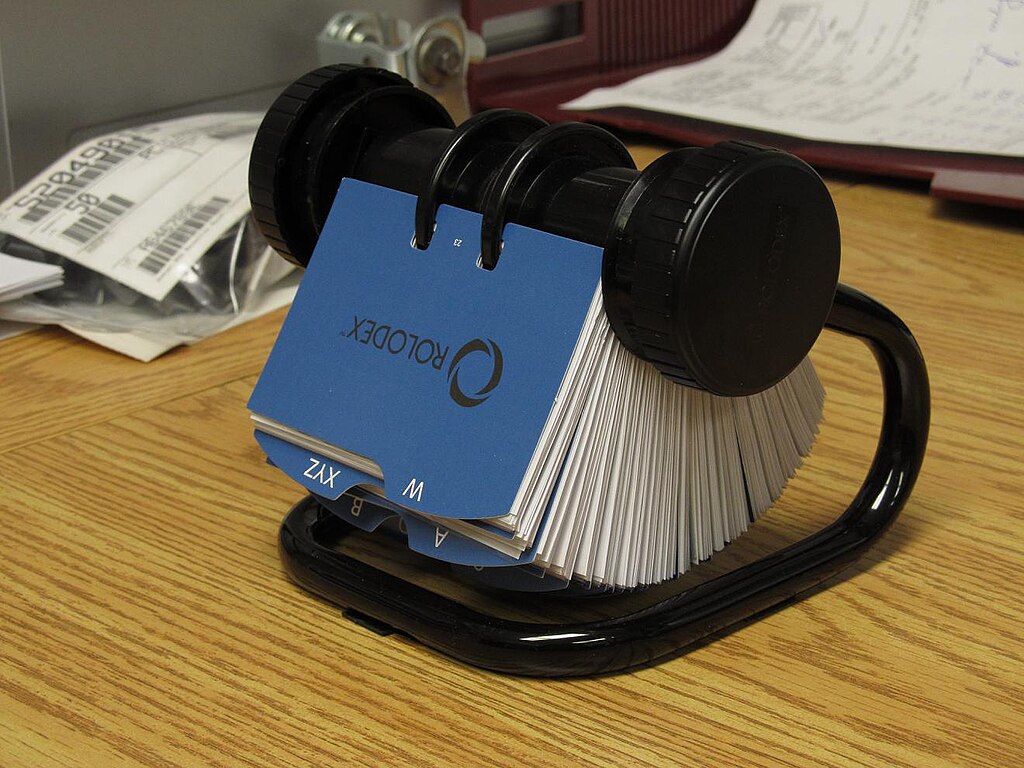
Professionals in the boomer era often kept a Rolodex on their desks, filled with handwritten cards listing contacts, addresses, and notes. This spinning wheel of names symbolized organization and networking. In today’s world, cloud-based apps manage thousands of contacts instantly, with search and tagging features that make finding someone effortless. The Rolodex is now a charming relic of office history, remembered fondly but no longer practical in the fast pace of modern business life.
Watching Only Three TV Channels
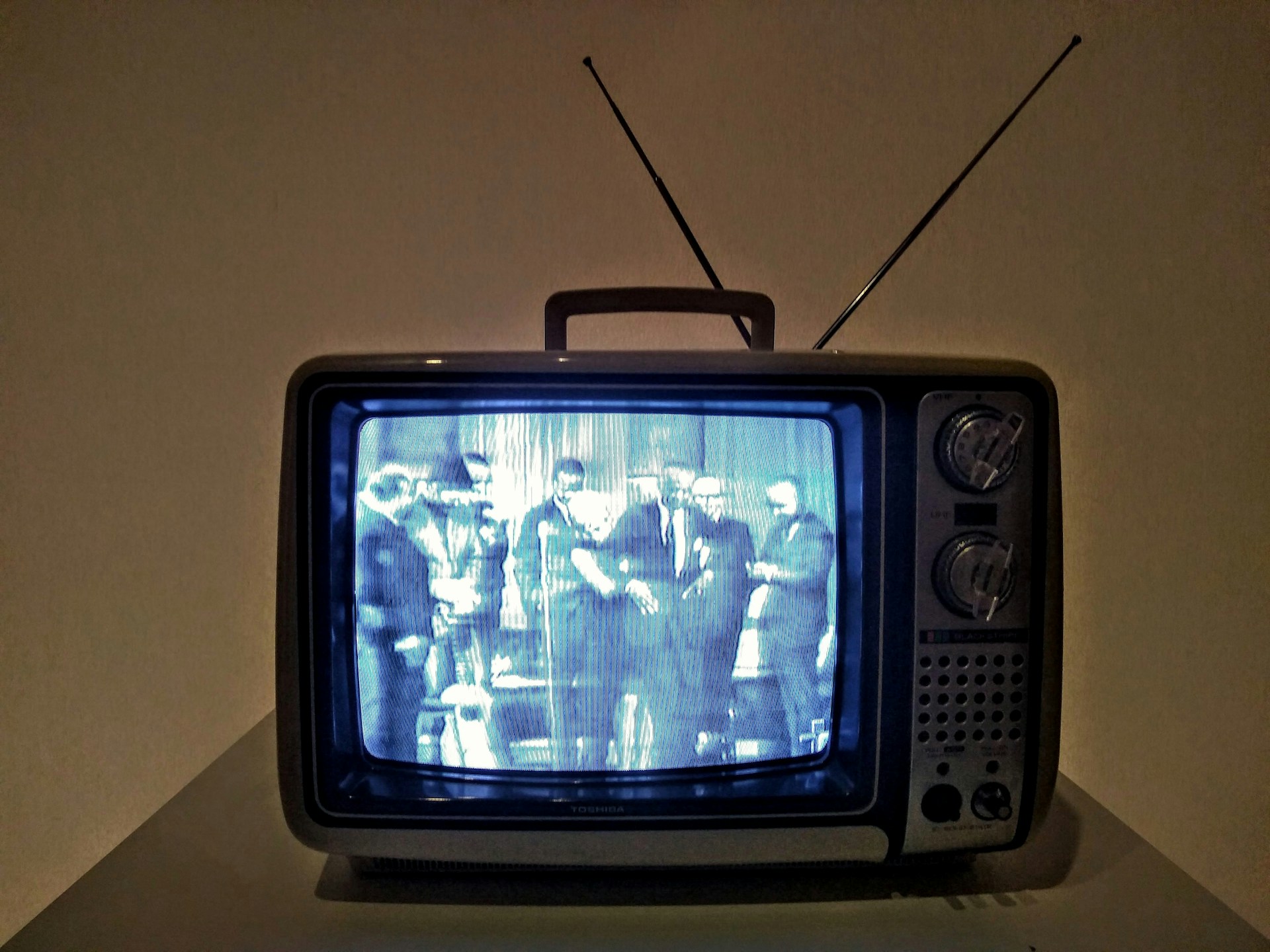
Boomers often remind younger generations that their childhood entertainment choices were limited to just a handful of channels. This scarcity made television a shared cultural experience, but it also meant reruns and limited variety. Today’s endless streaming libraries and international content make that small selection seem unimaginable. While boomers may remember it fondly, most people in 2025 would find it frustrating to be stuck with so few options in a world that offers nearly unlimited viewing.
Boomer habits may seem quirky now, but they also highlight how quickly technology and culture can change. What once felt practical or even cutting-edge now looks unusual when compared to the conveniences of modern life. These routines are fun to look back on, not to judge, but to recognize how innovation reshapes daily living. They remind us that our own current habits may look just as strange to future generations.