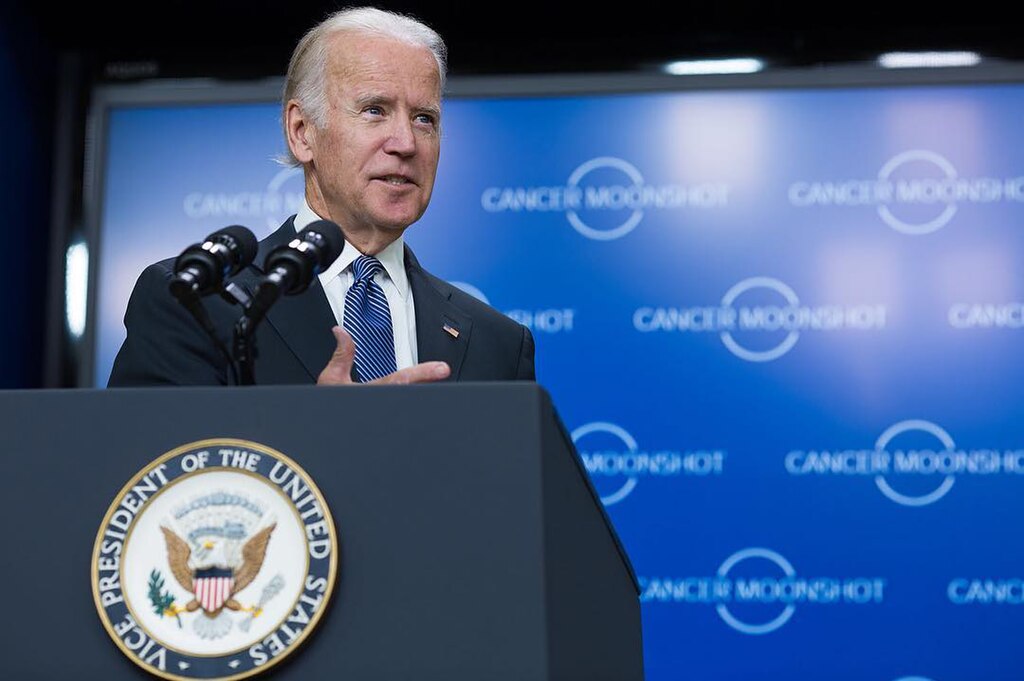
Not every historic decision makes headlines the way it should. Some presidential actions quietly reshape the lives of millions without fanfare or drama. From transportation systems to social programs, these decisions changed how Americans work, live, and move through the world. Here are ten pivotal choices by U.S. presidents that silently transformed everyday life – one signature at a time.
The Louisiana Purchase: Jefferson’s Risk That Redefined a Nation
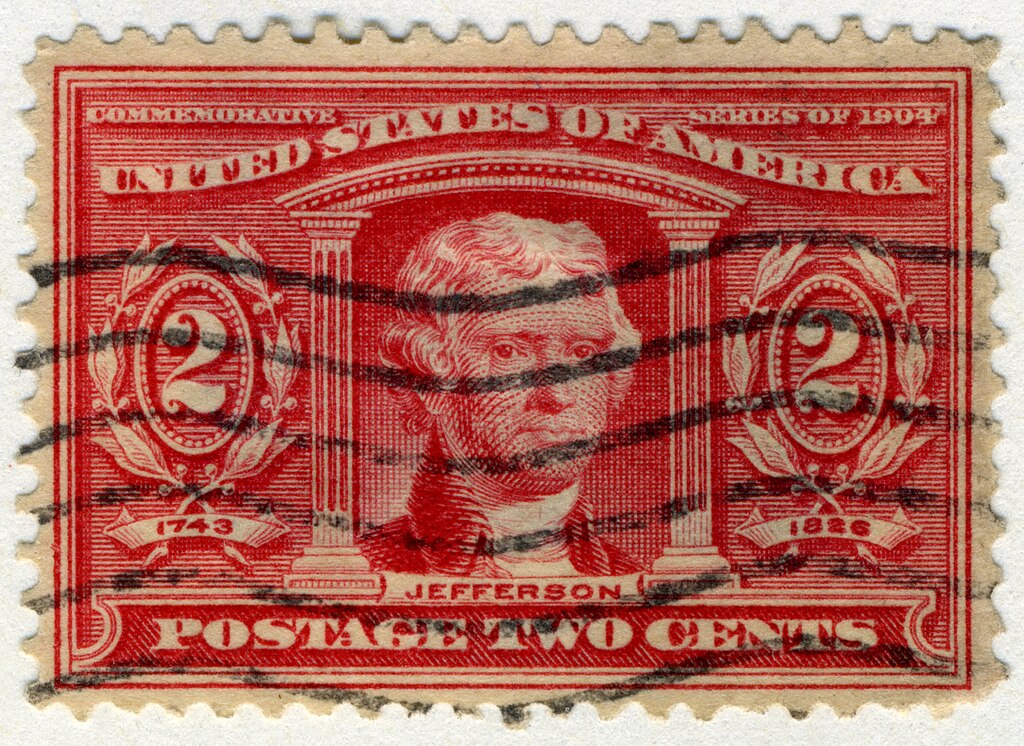
When Thomas Jefferson struck a deal with France in 1803 to acquire the Louisiana Territory, few realized it would change America forever. The purchase doubled the size of the nation, opened millions of acres for farming and exploration, and strengthened its economic power. This single act transformed trade routes, spurred migration, and laid the groundwork for the country’s rise as a global power, all from one quiet decision that reshaped daily American life.
Lincoln’s Emancipation Proclamation: Freedom Beyond the Battlefield
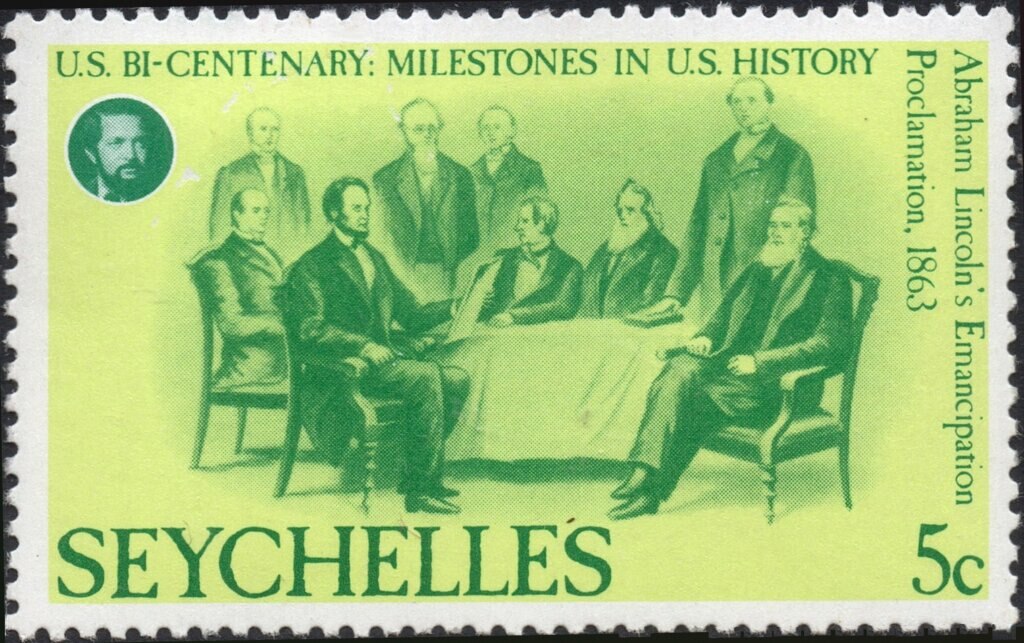
Abraham Lincoln’s Emancipation Proclamation in 1863 was more than a wartime decree. By freeing enslaved people in Confederate states, it transformed the nation’s moral compass and redefined the meaning of liberty. It also altered the workforce, inspired migration patterns, and planted the seeds for future civil rights movements. What began as a document of necessity evolved into a cornerstone of American identity and equality, changing how the country viewed justice forever.
FDR’s New Deal: A Lifeline in Hard Times
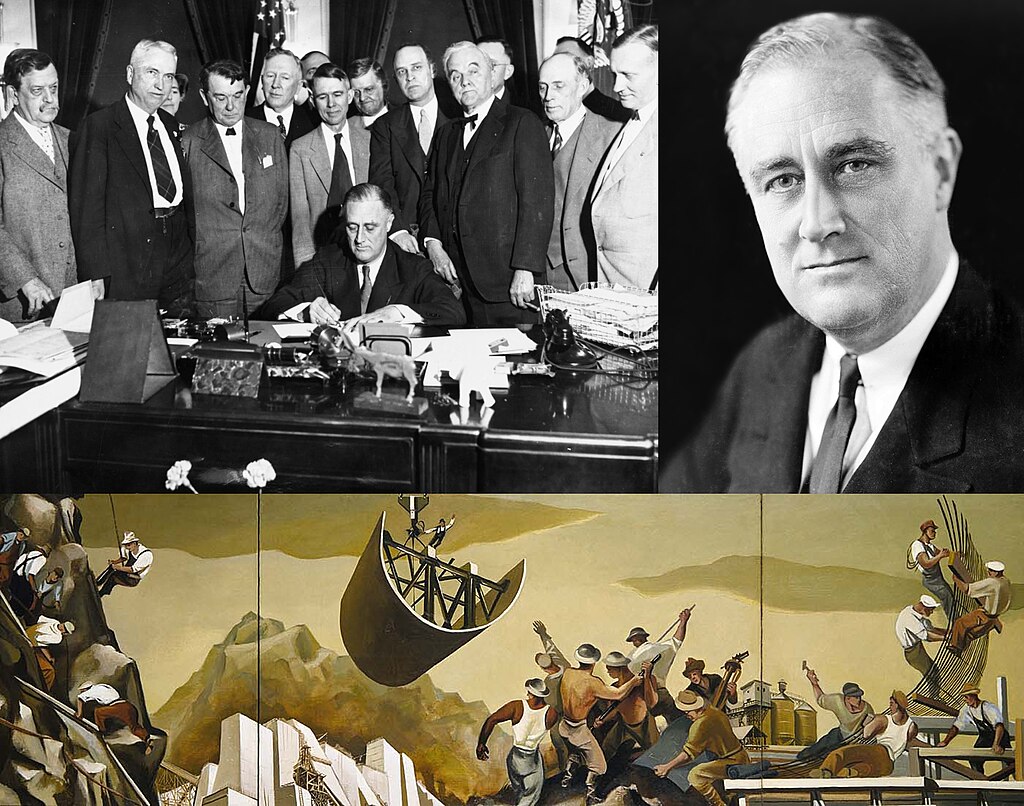
During the Great Depression, Franklin D. Roosevelt introduced the New Deal to rescue the struggling nation. Programs like Social Security, the FDIC, and the WPA gave millions of Americans jobs, safety, and hope. The reforms created a sense of trust in government that still influences policies today. Streetlights, schools, and bridges from that era became symbols of stability and resilience, proving that bold leadership could touch lives in quiet but lasting ways.
Eisenhower’s Highway Act: America on the Move
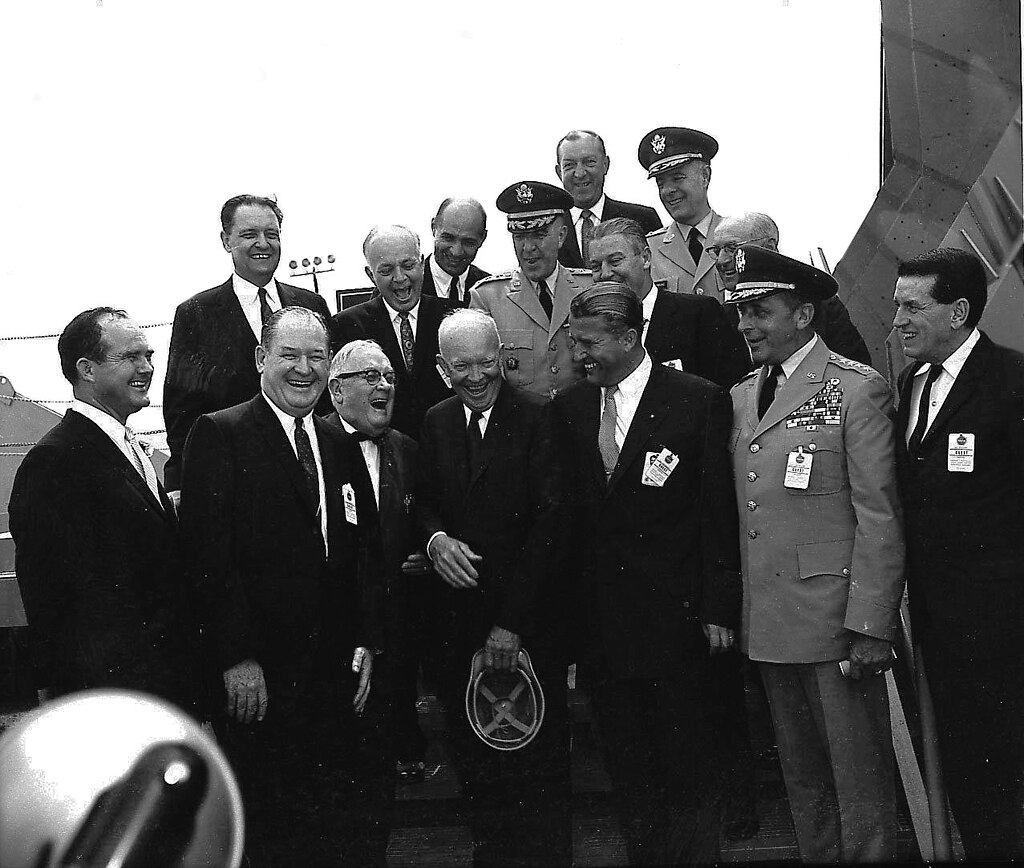
In 1956, Dwight D. Eisenhower signed the Federal-Aid Highway Act, creating the vast interstate system that connects the nation today. It made travel easier, encouraged suburban living, and boosted commerce by linking cities like never before. Families could vacation by car, and products could move across the country faster. What seemed like an infrastructure project became the backbone of modern American life, influencing everything from business to culture.
Truman’s Desegregation Order: Equality in Uniform
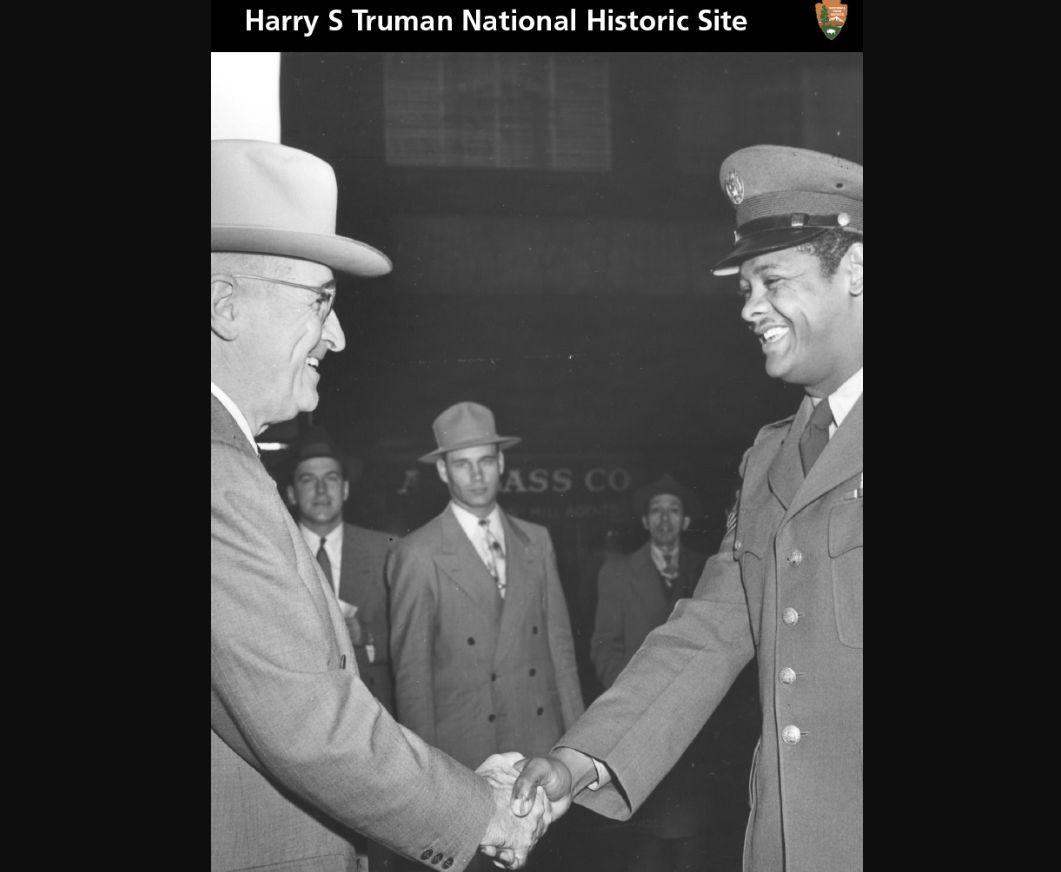
In 1948, Harry Truman quietly issued an executive order that desegregated the U.S. armed forces. It was a monumental step toward equality that predated the Civil Rights Movement by years. The move not only gave African American soldiers equal standing but also showed the nation that fairness could be policy, not just principle. This decision inspired other sectors to reconsider their own discriminatory practices, slowly changing the culture of equality in everyday life.
Johnson’s Great Society: Fighting Poverty and Ignorance
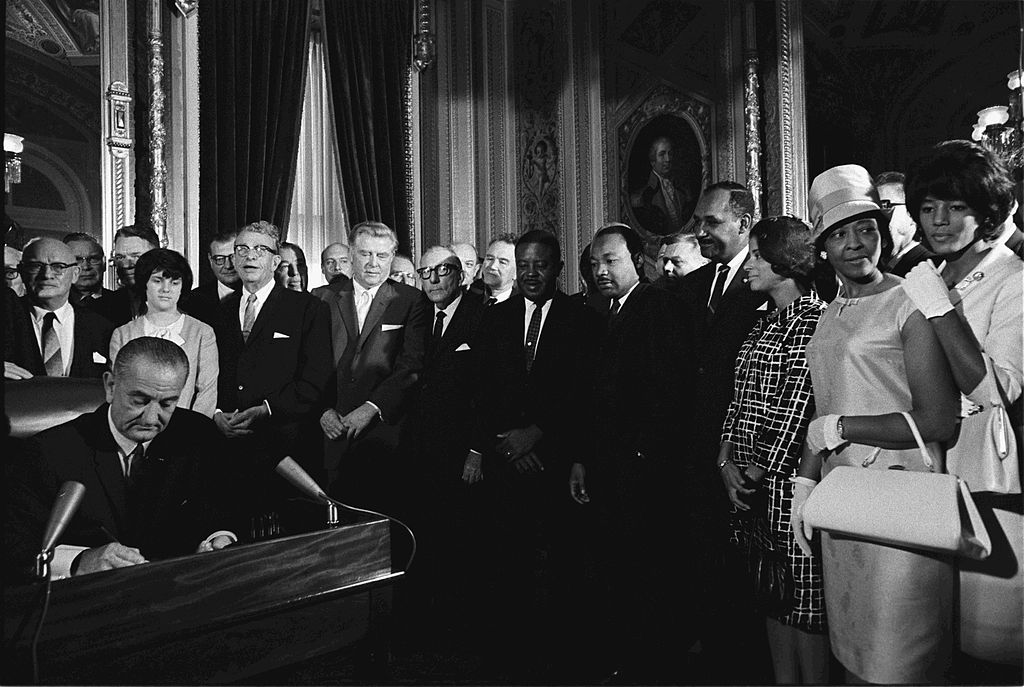
Lyndon B. Johnson’s Great Society programs in the 1960s aimed to eliminate poverty and racial injustice. Initiatives like Medicare, Medicaid, and Head Start didn’t just alter policy; they reshaped the social fabric of America. They improved healthcare access, expanded education opportunities, and supported families for generations. Even today, those programs quietly sustain millions, proving how social progress can grow from a single vision.
Nixon’s Environmental Protection Agency: Cleaner Air, Healthier Lives
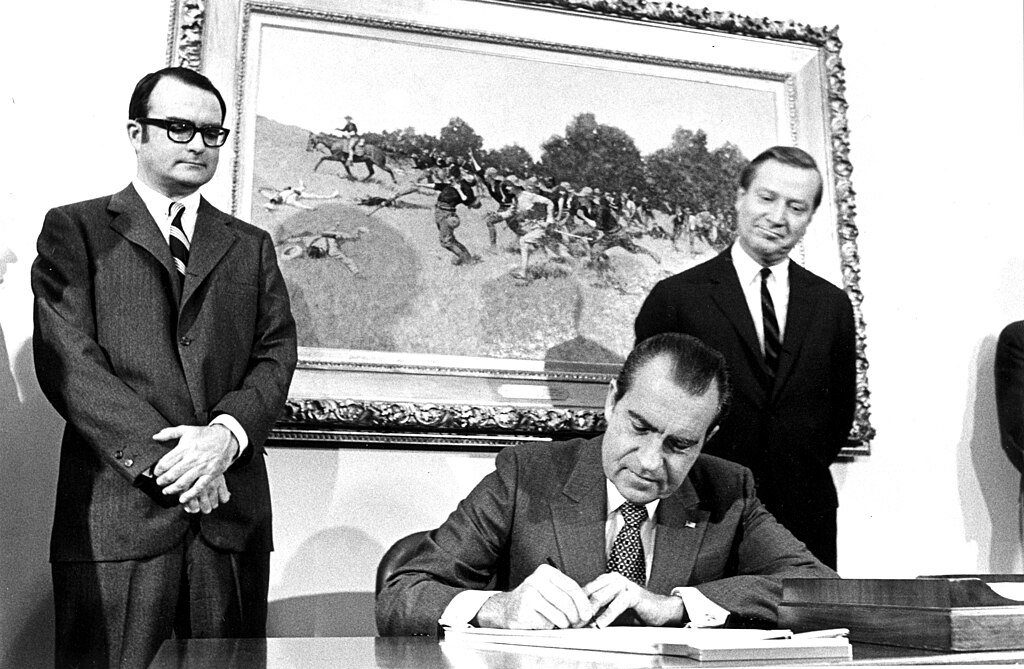
In 1970, Richard Nixon created the Environmental Protection Agency, a move that revolutionized how the nation treated its environment. It led to cleaner water, safer air, and awareness of how pollution affects everyday life. This decision encouraged industries to innovate and communities to protect their surroundings. What began as a political compromise became a powerful force for public health and sustainability.
Clinton’s Internet Boom: Connecting a Nation
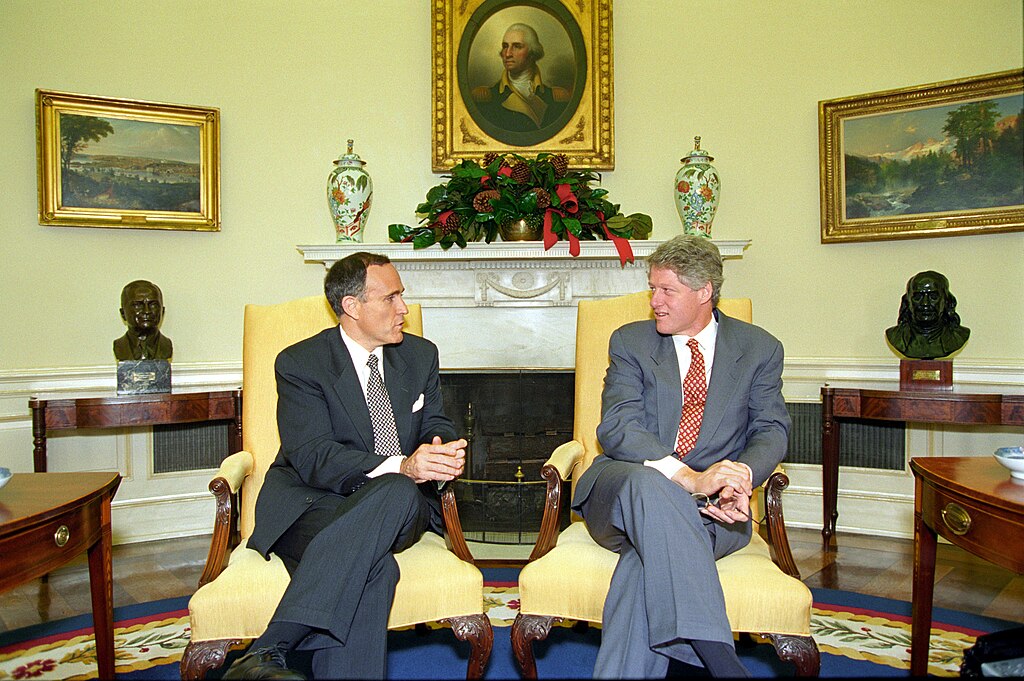
In the 1990s, Bill Clinton’s administration supported the growth of the internet, funding infrastructure and education that helped bring technology into American homes. These efforts laid the groundwork for online businesses, communication, and global connectivity. The decision reshaped how people shop, learn, and work, quietly transforming the rhythms of daily life in ways few could have predicted at the time.
Obama’s Affordable Care Act: Health Access for All
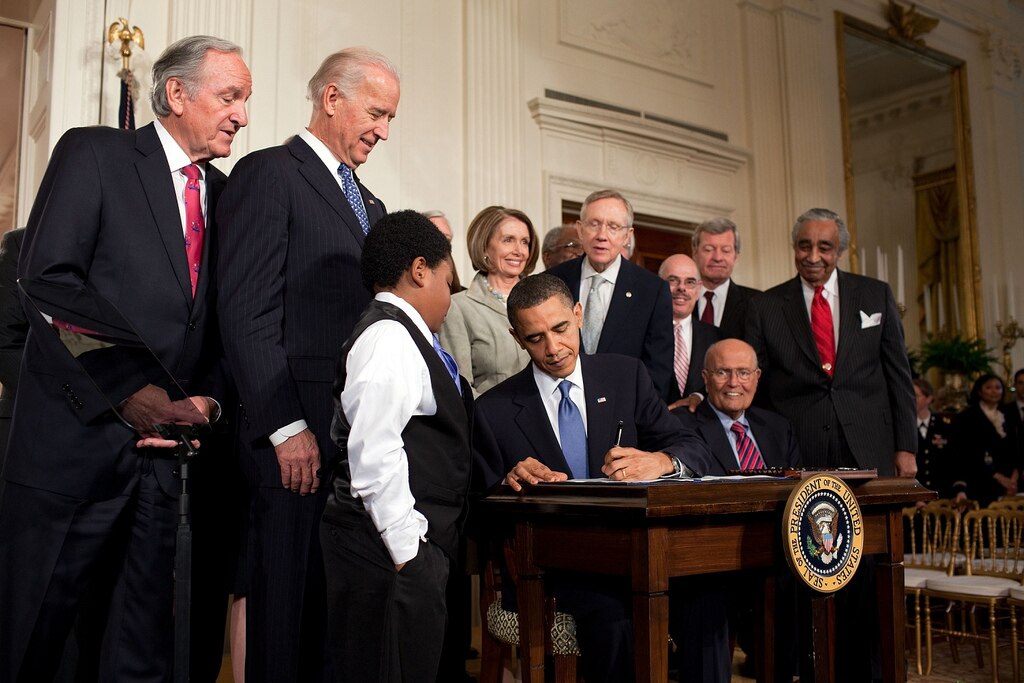
Barack Obama’s Affordable Care Act expanded healthcare access to millions of Americans, ensuring coverage for those with preexisting conditions and offering affordable insurance options. Beyond policy, it eased everyday worries about medical bills and emergencies. It redefined the idea of healthcare as a right, not a privilege, making well-being a central part of the modern American experience.
Biden’s Infrastructure Investment: Building for the Future

Joe Biden’s Infrastructure Investment and Jobs Act is designed to modernize America’s aging systems: roads, bridges, broadband, and energy grids. While its full effects are still unfolding, it aims to make daily life smoother and safer, from faster internet to reliable transport. Like Eisenhower’s highways decades earlier, it’s a reminder that infrastructure isn’t just about concrete and steel but about connection and opportunity.
Presidential decisions don’t always make noise, but their ripples last for generations. Each choice on this list quietly improved how Americans live, work, and connect with one another. They show that leadership isn’t always about bold words; it’s about steady hands shaping a better everyday life for millions.