We all know names like Eleanor Roosevelt and Rosa Parks, but countless other women shaped America’s progress while barely making it into history books. They were rebels, thinkers, inventors, and activists who challenged systems that weren’t ready for them. Their names may not appear in every classroom, but their courage carved out freedoms future generations now take for granted. Here are ten unsung women who deserve to be remembered.
1. Mary Ellen Pleasant
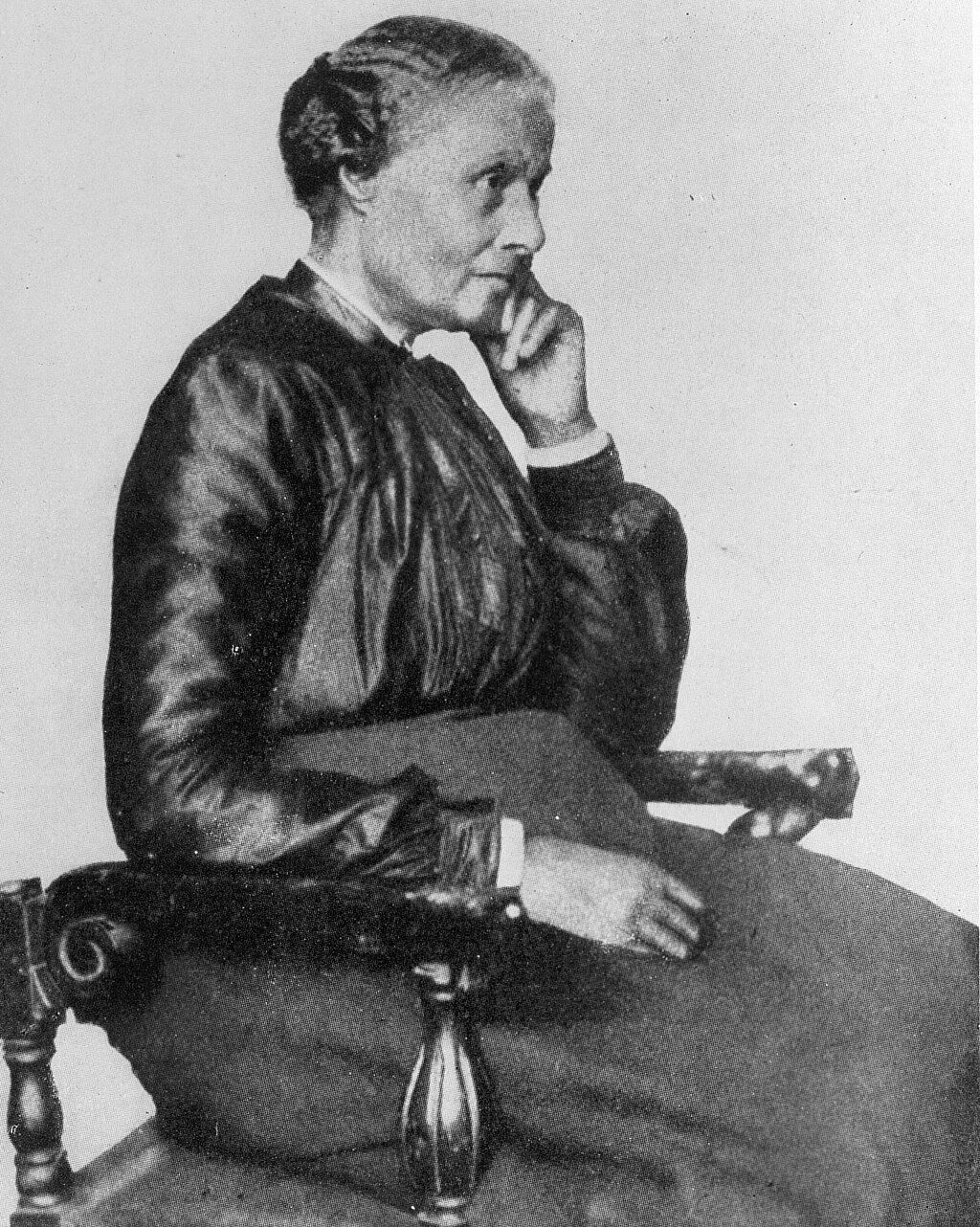
Known as the Mother of Civil Rights in California, Mary Ellen Pleasant rose from enslavement to become a wealthy entrepreneur and abolitionist. She secretly funded the Underground Railroad and invested in Black-owned businesses to build generational wealth. Pleasant also fought segregation through one of the earliest civil rights lawsuits in U.S. history. Her success and activism intimidated many powerful men, who tried to erase her legacy by labeling her mysterious or scandalous instead of fearless and visionary.
2. Zitkála-Šá (Gertrude Simmons Bonnin)
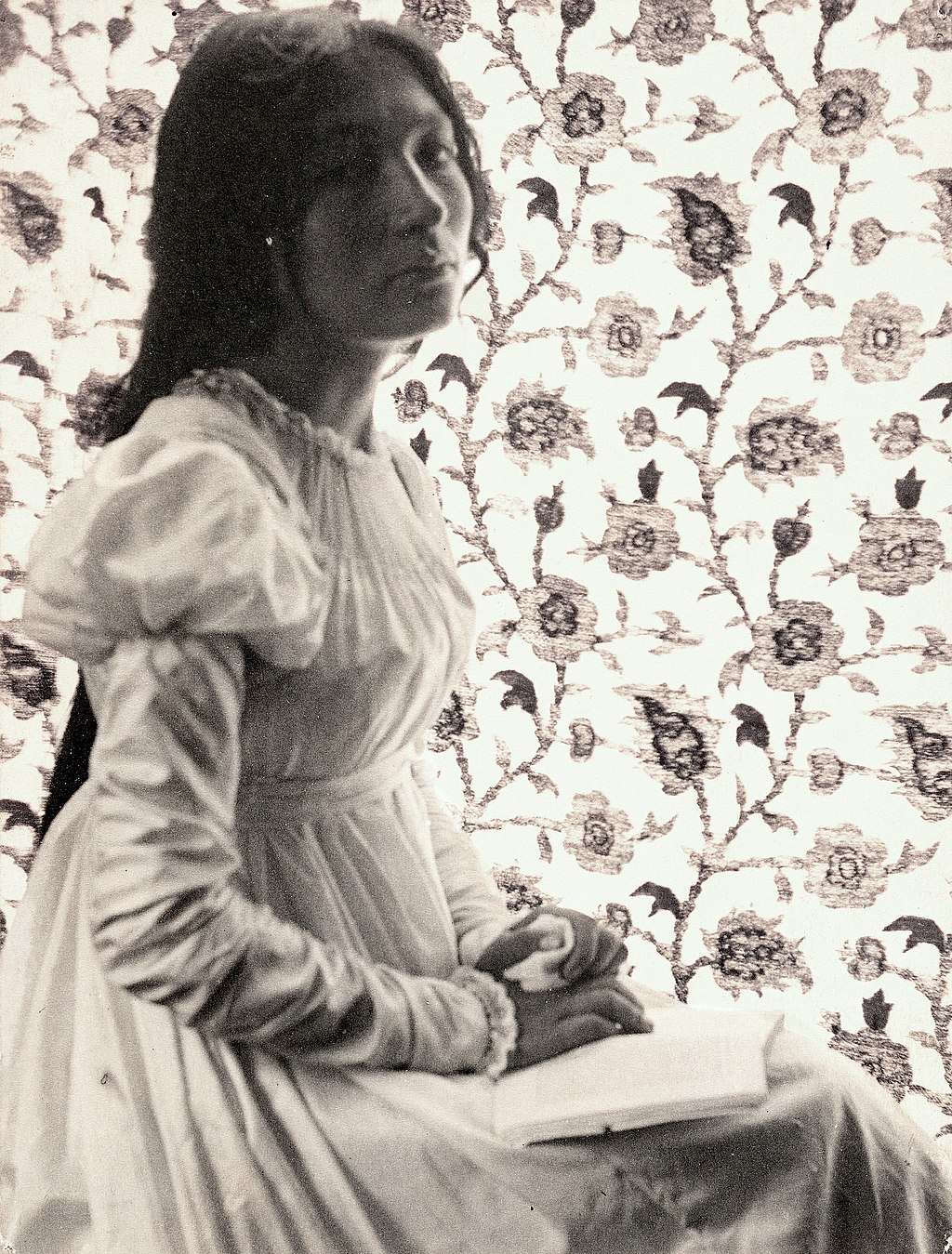
A Sioux writer, musician, and political activist, Zitkála-Šá used her pen and voice to protect Native American identity when assimilation was forced upon her people. She wrote haunting accounts of life in government boarding schools and co-founded the National Council of American Indians to advocate for rights decades before the civil rights era. Her stories and speeches challenged the idea that progress meant erasing Indigenous culture. Though largely absent from textbooks, her impact on Native representation in policy and literature was immense.
3. Bessie Coleman
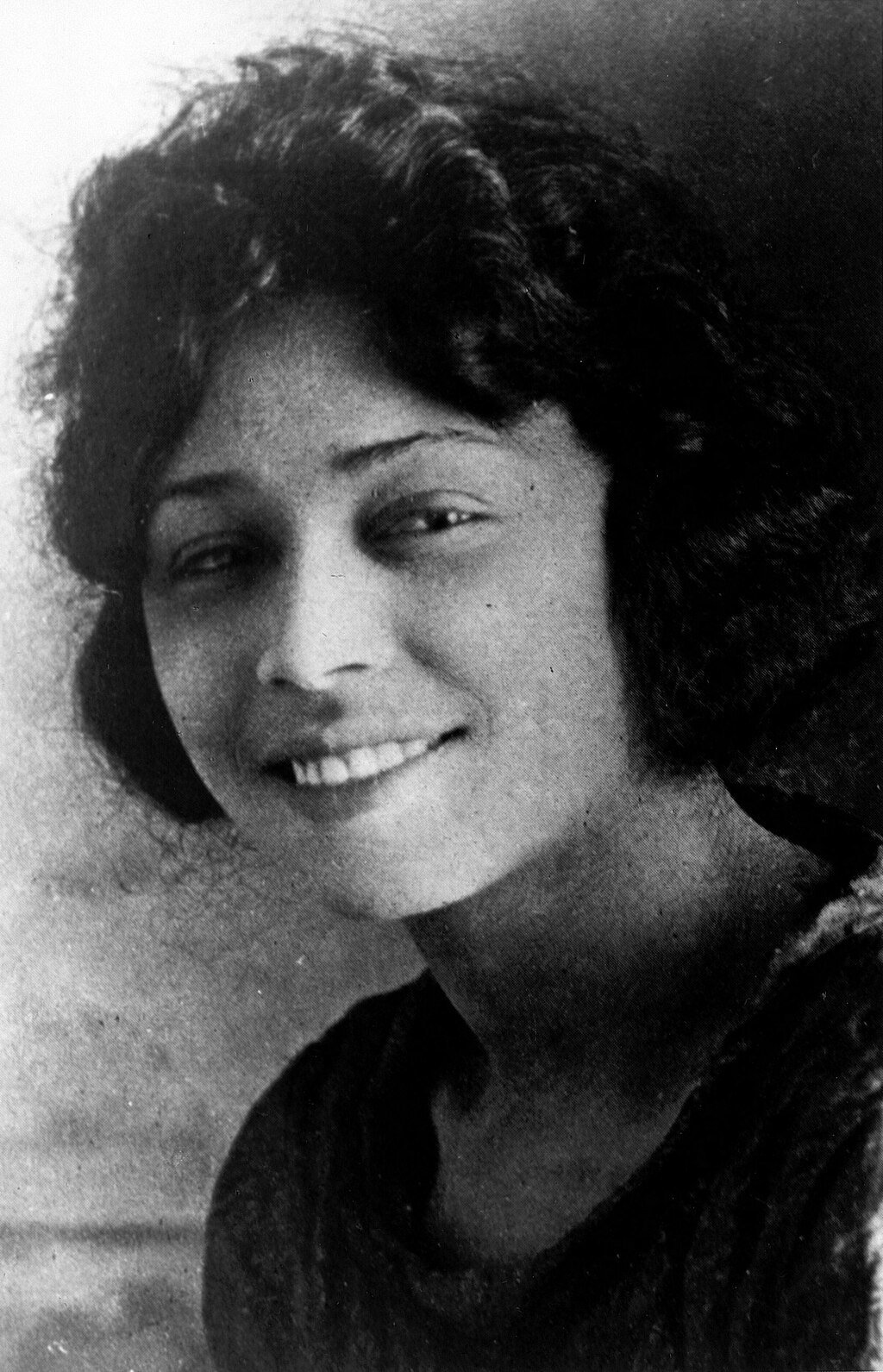
Bessie Coleman became the first Black and Native American woman to hold a pilot’s license when flying was still an elite white man’s world. Denied entry to aviation schools in the U.S., she trained in France, then returned to perform daring air shows that inspired African Americans to dream beyond segregation. She refused to perform at events that excluded Black people, using her fame to demand equality. Coleman’s courage didn’t just take her to the skies; it lifted up a generation of dreamers who followed her flight path.
4. Ida Lewis
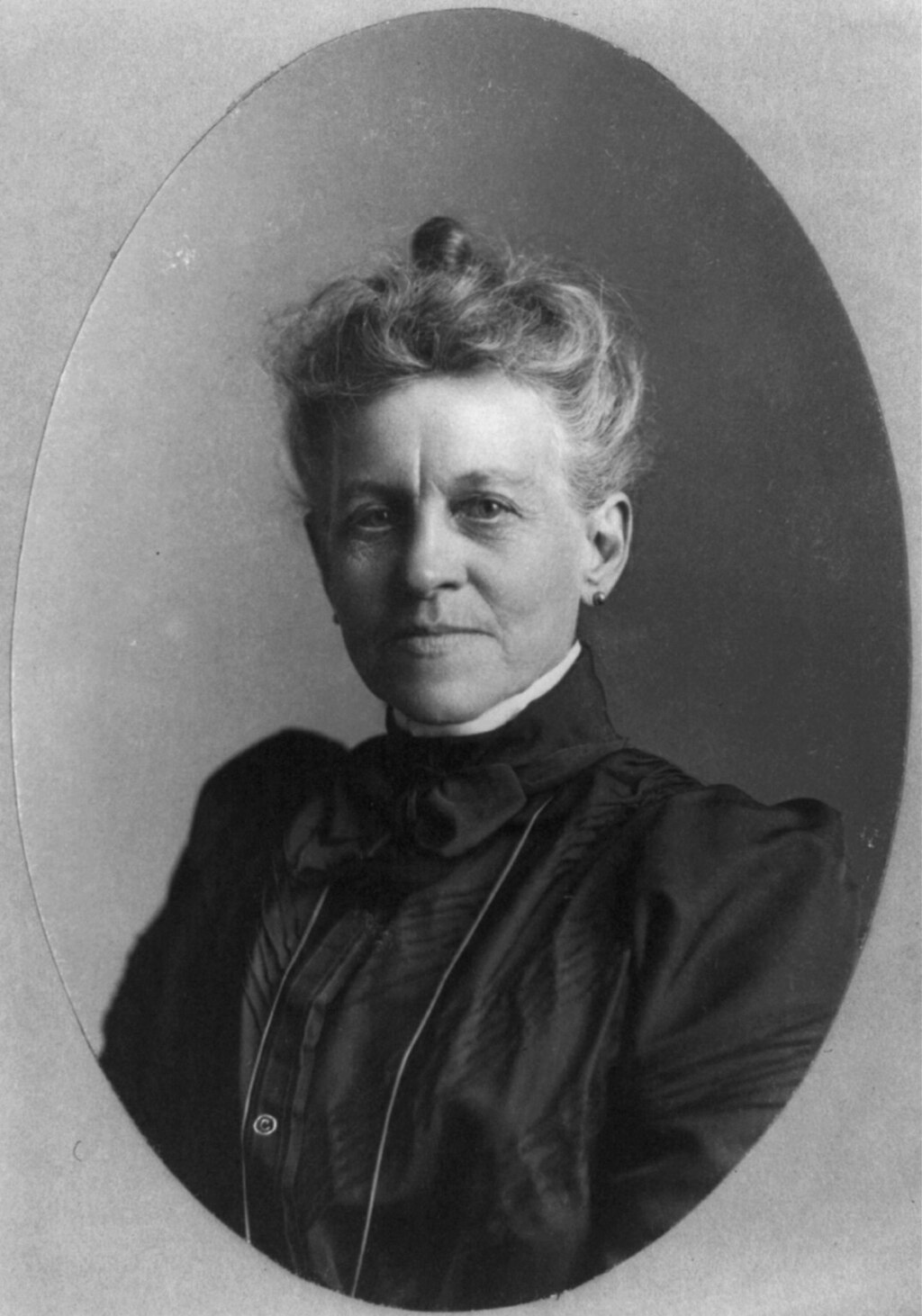
Ida Lewis kept Lime Rock Lighthouse in Rhode Island and became a legend for rescuing more than two dozen people from drowning during brutal storms. She performed daring rescues long before professional coast guards existed, often rowing through icy waters at night to save strangers. Presidents and newspapers praised her, but her fame dimmed over time. Lewis never saw herself as heroic; she simply believed no one should die if she could help. Her quiet bravery set a new standard for women’s strength in an age that didn’t expect it.
5. Claudette Colvin
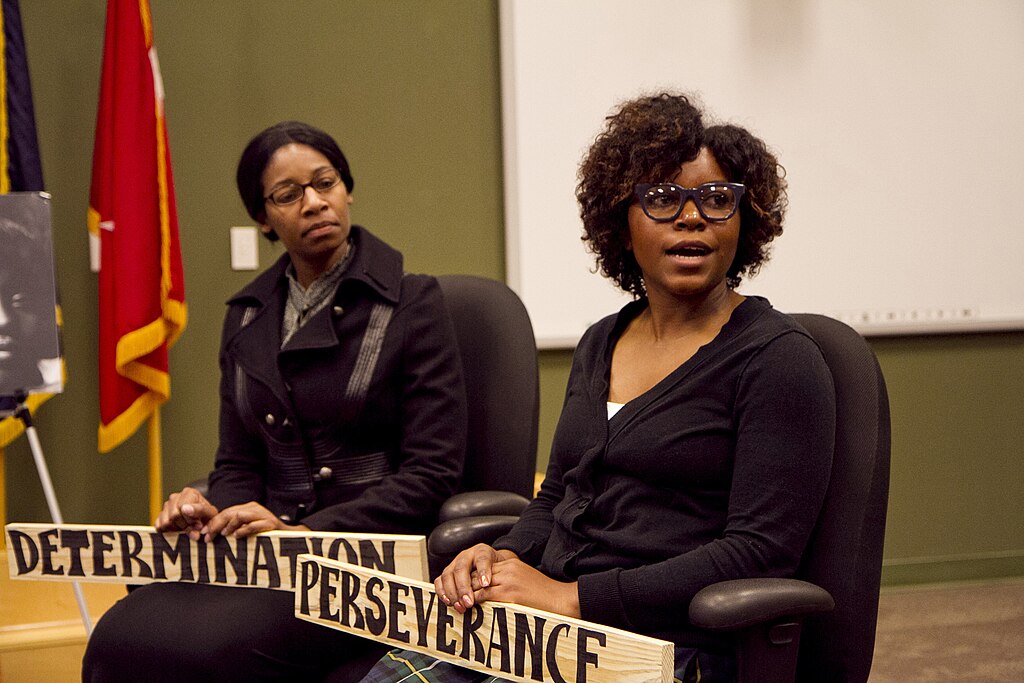
Before Rosa Parks, there was Claudette Colvin, a 15-year-old who refused to surrender her bus seat to a white passenger in 1955 Alabama. Arrested and humiliated, Colvin was later excluded from the civil rights spotlight because leaders feared her youth and background would hurt their cause. Yet she became a key plaintiff in the Supreme Court case that ended bus segregation. Colvin’s defiance showed that bravery isn’t polished or convenient; it’s raw and risky. Her courage lit the fuse that powered one of history’s greatest movements.
6. Sybil Ludington
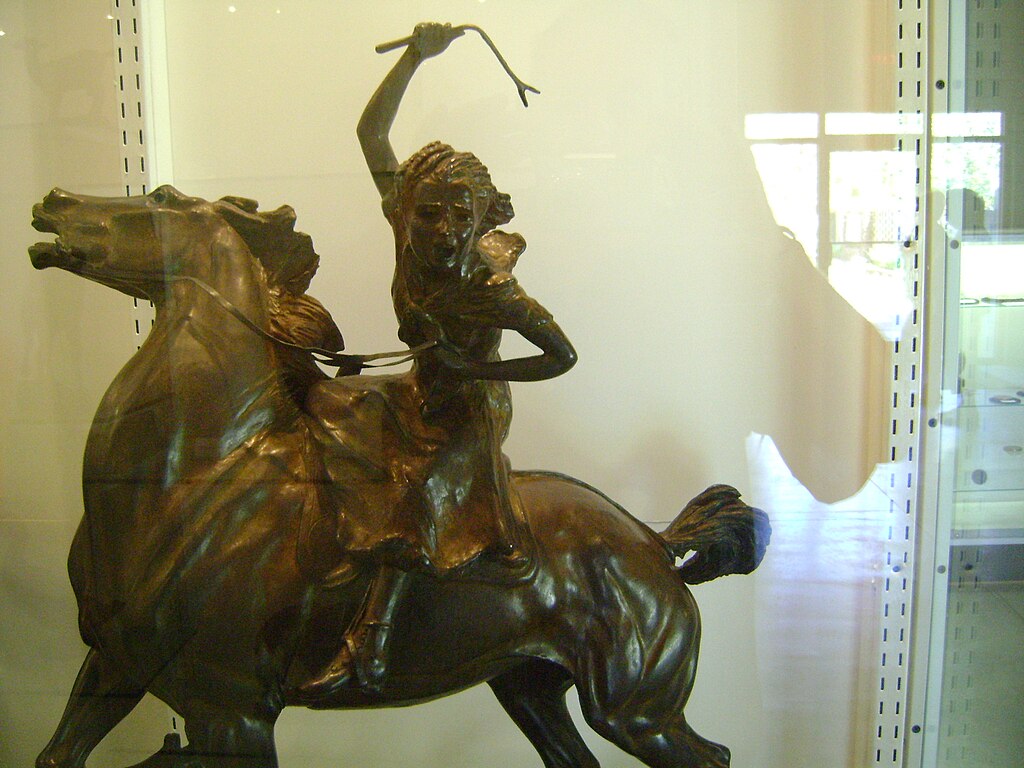
At just sixteen, Sybil Ludington rode through the night to alert colonial militias that British troops were advancing during the Revolutionary War. She covered twice the distance of Paul Revere, rallying hundreds of soldiers, yet her story rarely makes it into history lessons. Riding alone through dark, muddy roads, she risked capture or death to defend her colony. Her bravery earned personal thanks from George Washington. Sybil’s overlooked ride reminds us that revolutions aren’t built on fame but on the fearless persistence of the unknown.
7. Henrietta Lacks
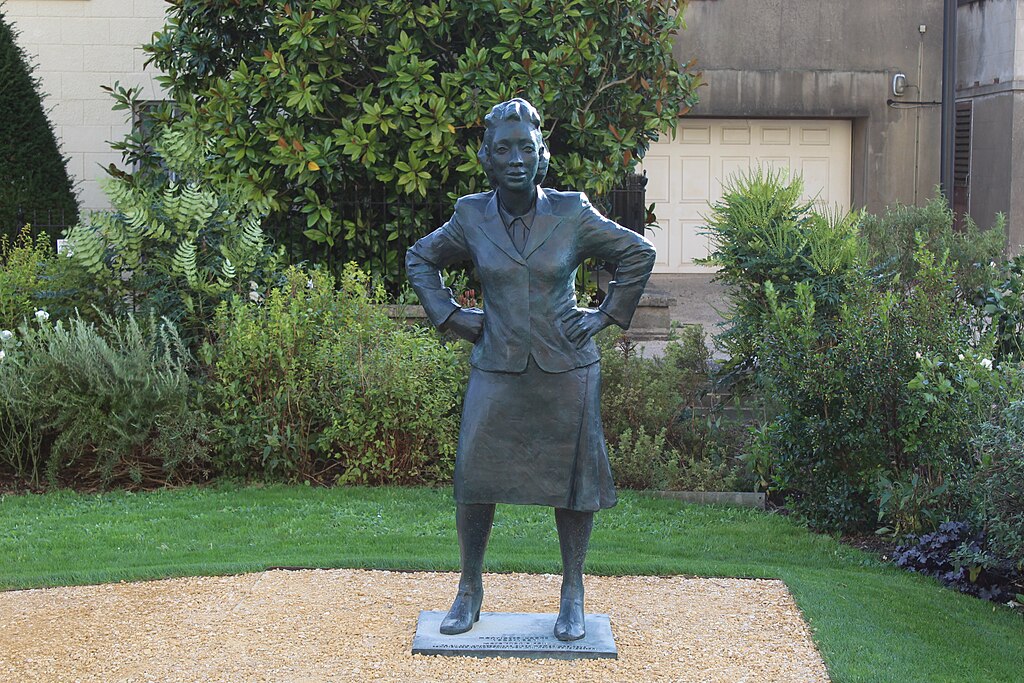
Henrietta Lacks unknowingly changed medical science when her cervical cells, taken without consent in 1951, became the first “immortal” human cell line. Known as HeLa cells, they fueled vaccines, cancer treatments, and genetic breakthroughs that saved millions of lives. Yet her family lived in poverty for decades, unaware of her global impact. Lacks’s story raises deep ethical questions about race, consent, and exploitation in science. Today, her name represents both an extraordinary contribution and a reminder of the humanity behind discovery.
8. Jovita Idár
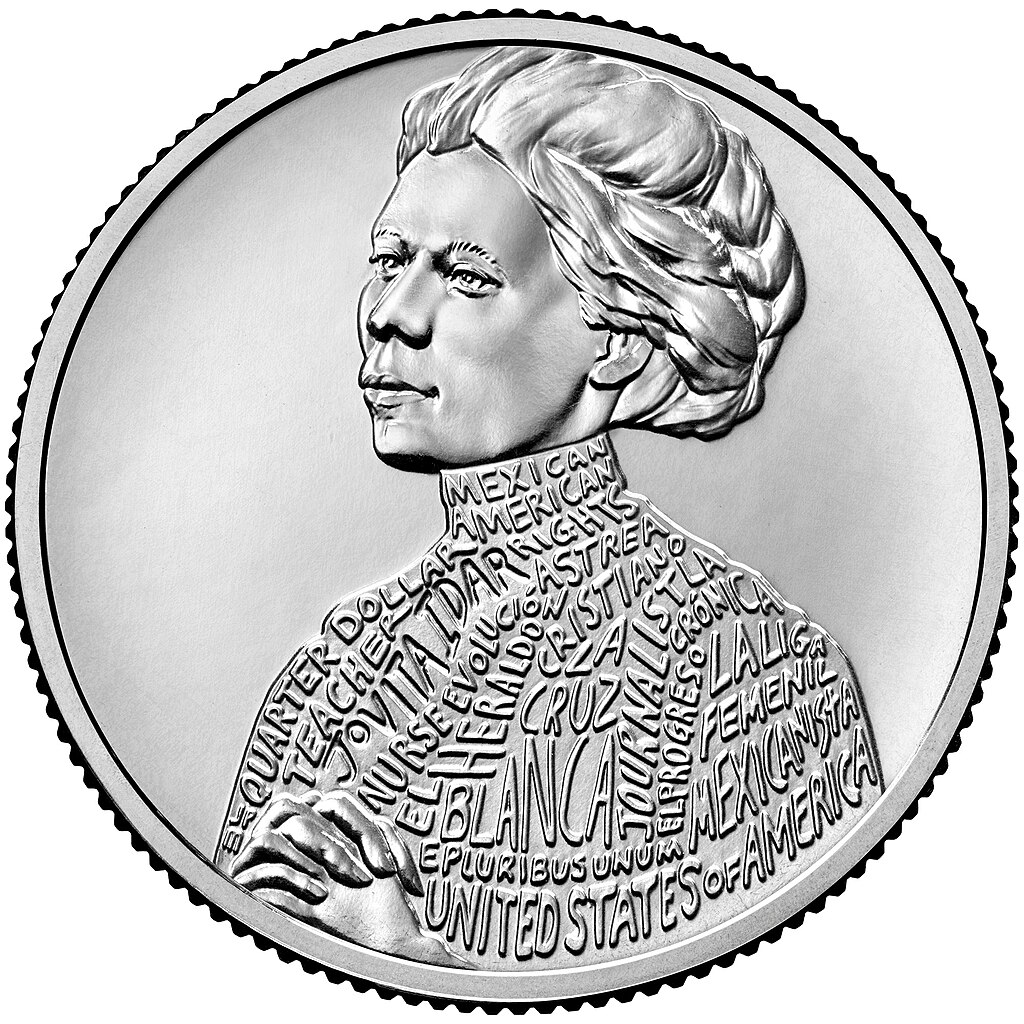
Jovita Idár was a fearless journalist, teacher, and civil rights activist who fought anti-Mexican discrimination in early 20th-century Texas. She founded the League of Mexican Women, one of the first feminist groups in the U.S., and used her newspaper to expose injustice even when Texas Rangers tried to shut it down. Idár refused to back down, defending her printing press against armed officers. Her words inspired unity and pride among Mexican Americans at a time of widespread hostility. Her courage made journalism a tool for justice.
9. Mary Bowser
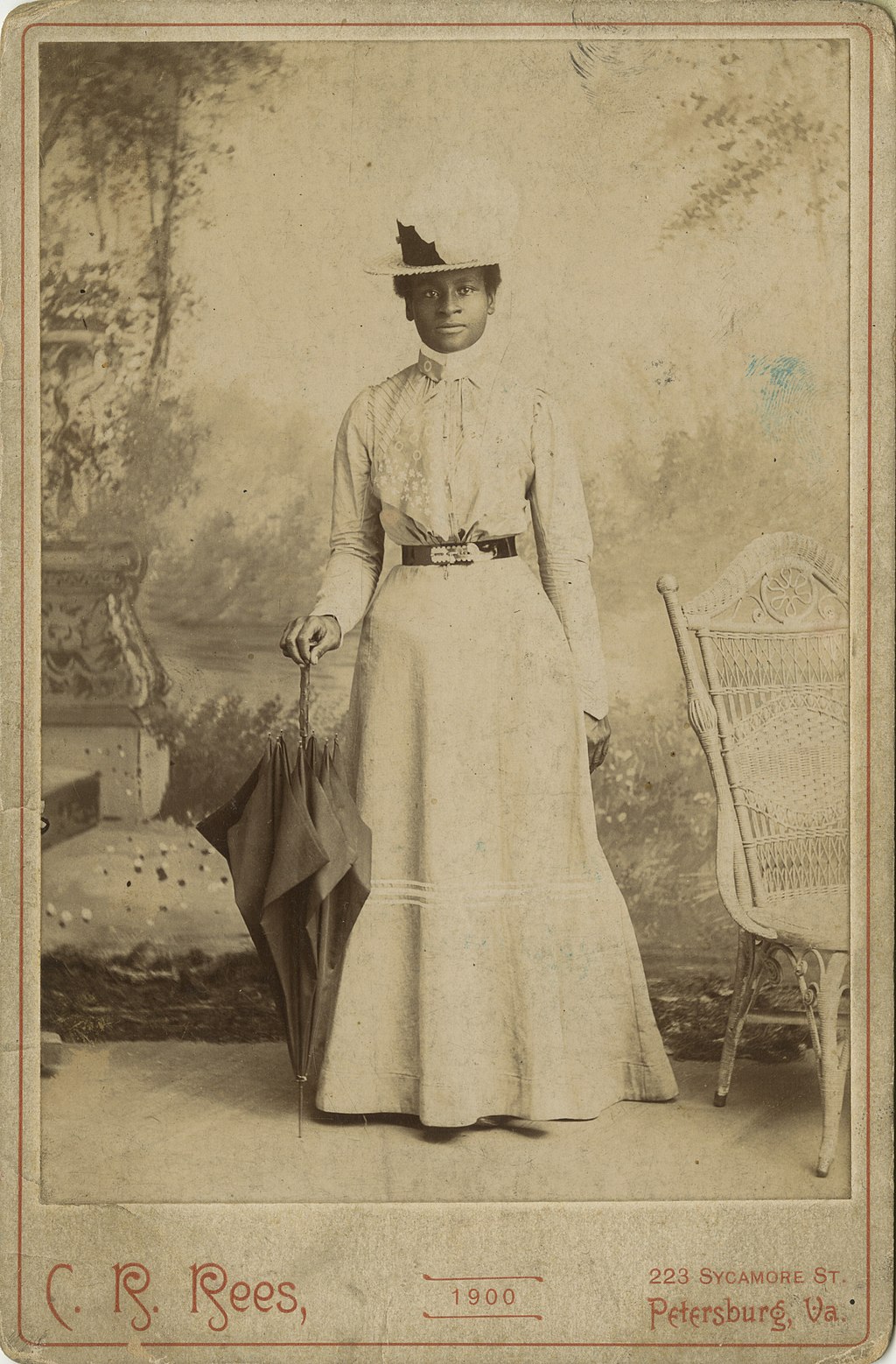
A formerly enslaved woman turned Union spy, Mary Bowser infiltrated the Confederate White House by posing as a servant. Gifted with an exceptional memory, she passed critical military intelligence to the North straight from Jefferson Davis’s office. Her espionage work was so dangerous it remained classified for decades, and her name nearly disappeared. Bowser’s brilliance and patriotism helped shorten the war, proving that true power often operates unseen, in whispered codes and courageous silence rather than public glory or recognition.
10. Mabel Ping-Hua Lee
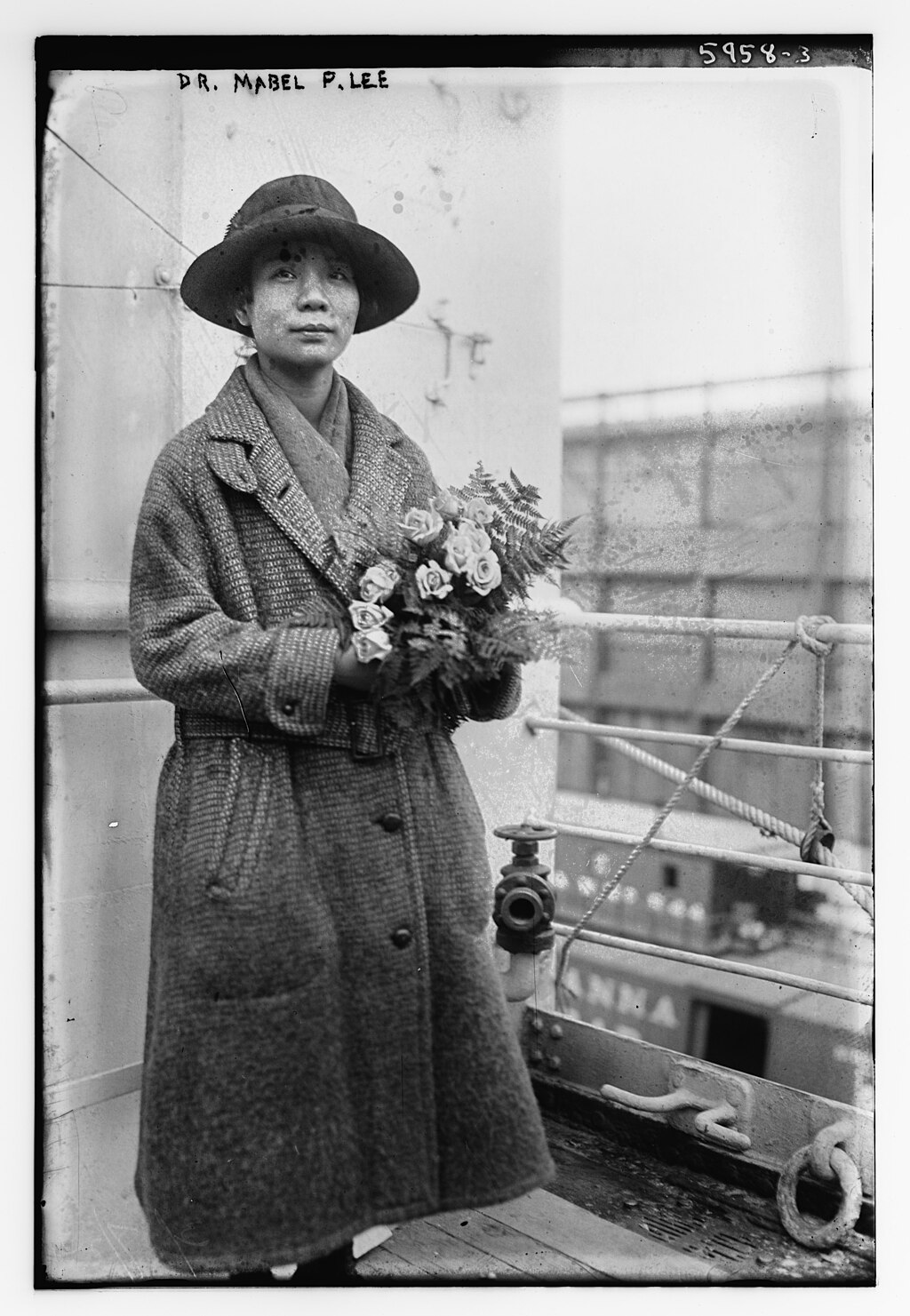
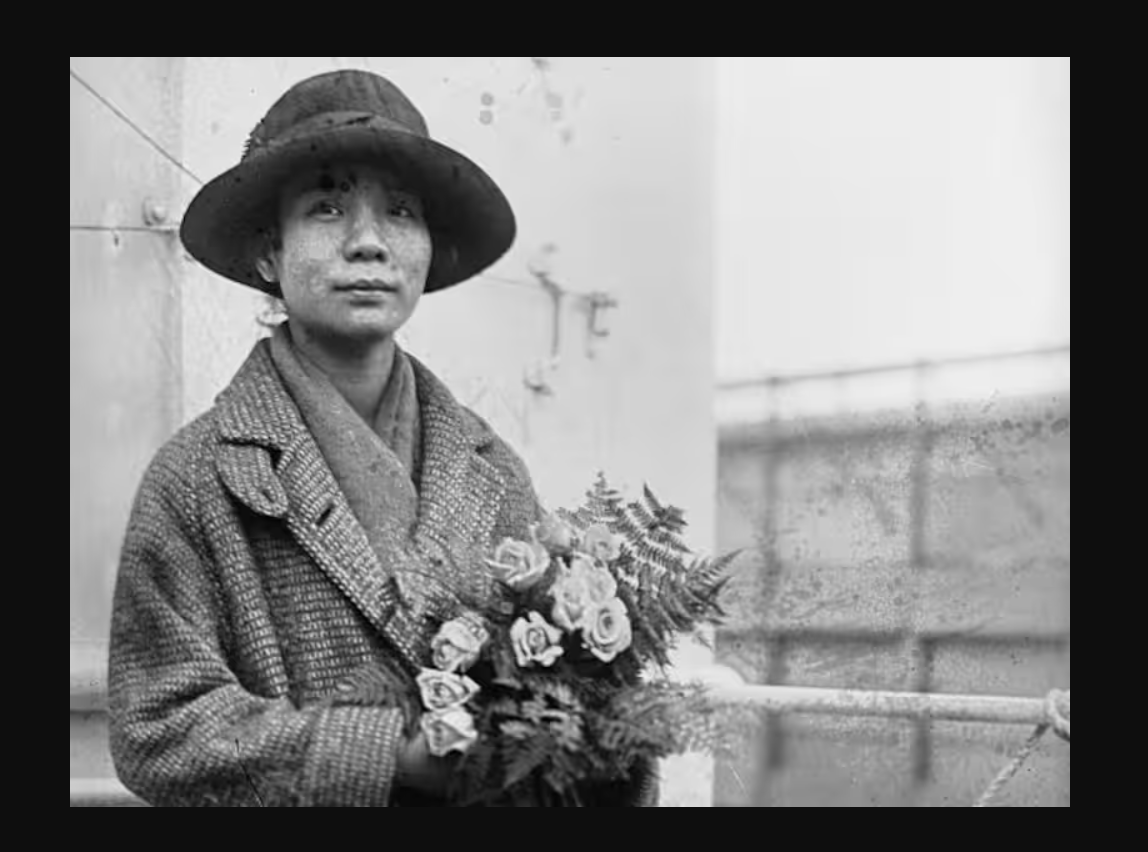
Mabel Ping-Hua Lee was a Chinese immigrant who led one of the largest women’s suffrage parades in New York City, at only sixteen. She spoke passionately about education, equality, and democracy, yet when the 19th Amendment passed, she still couldn’t vote due to racist immigration laws. Lee earned a Ph.D. from Columbia and dedicated her life to empowering Chinese communities. Her story highlights the contradictions of American equality, showing that progress often comes from those still denied its benefits.
These women may not headline history books, but they built the foundation of the freedoms we celebrate today. Their stories reveal the hidden strength that has always existed beneath the surface of America’s progress. Honoring them is more than recognition; it’s restoration.