Jewish communities have played a foundational role in shaping cities across the world for centuries. Even after facing displacement, persecution, or migration, many of these communities continue to influence modern urban culture, commerce, and identity. Their legacy remains visible through architecture, institutions, and traditions that still function today. These historic centers connect the past directly to present-day city life.
Jerusalem, Israel
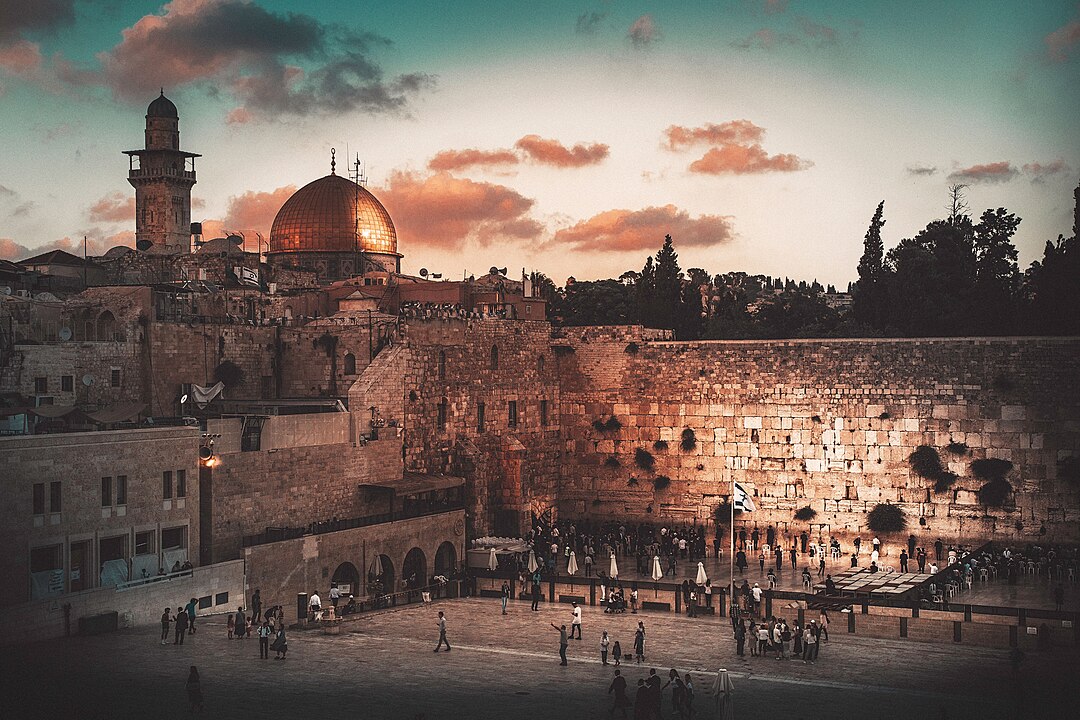
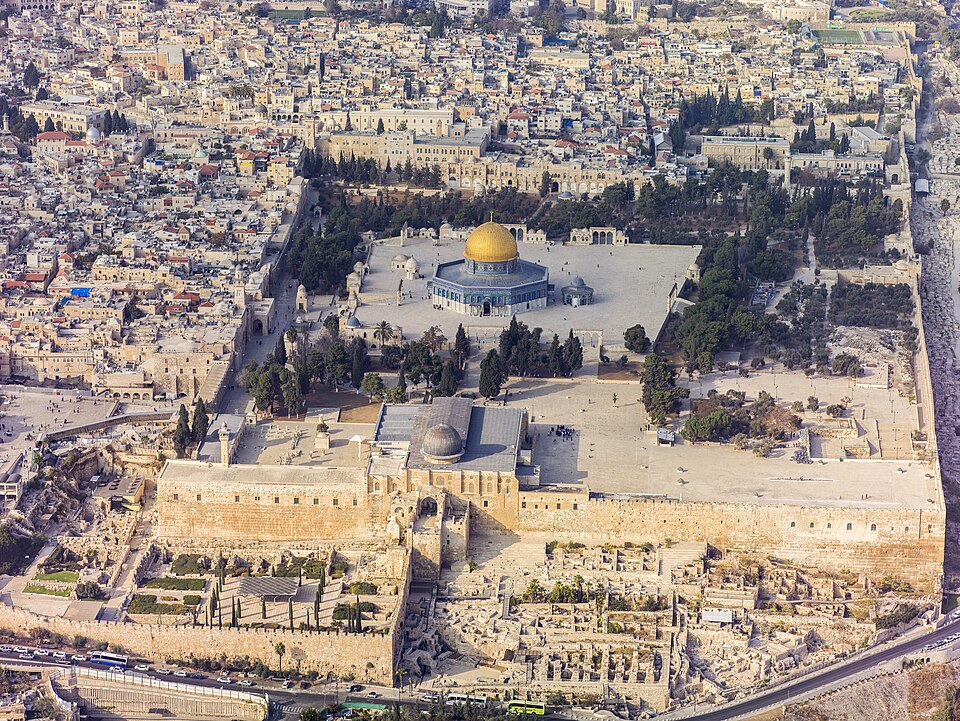
Jerusalem has been a center of Jewish life for thousands of years. Its neighborhoods reflect continuous religious, cultural, and educational traditions. Ancient streets coexist with modern institutions, reinforcing daily Jewish practice. The city’s influence extends globally through scholarship, faith, and historical continuity that remains deeply embedded in its identity.
New York City, United States
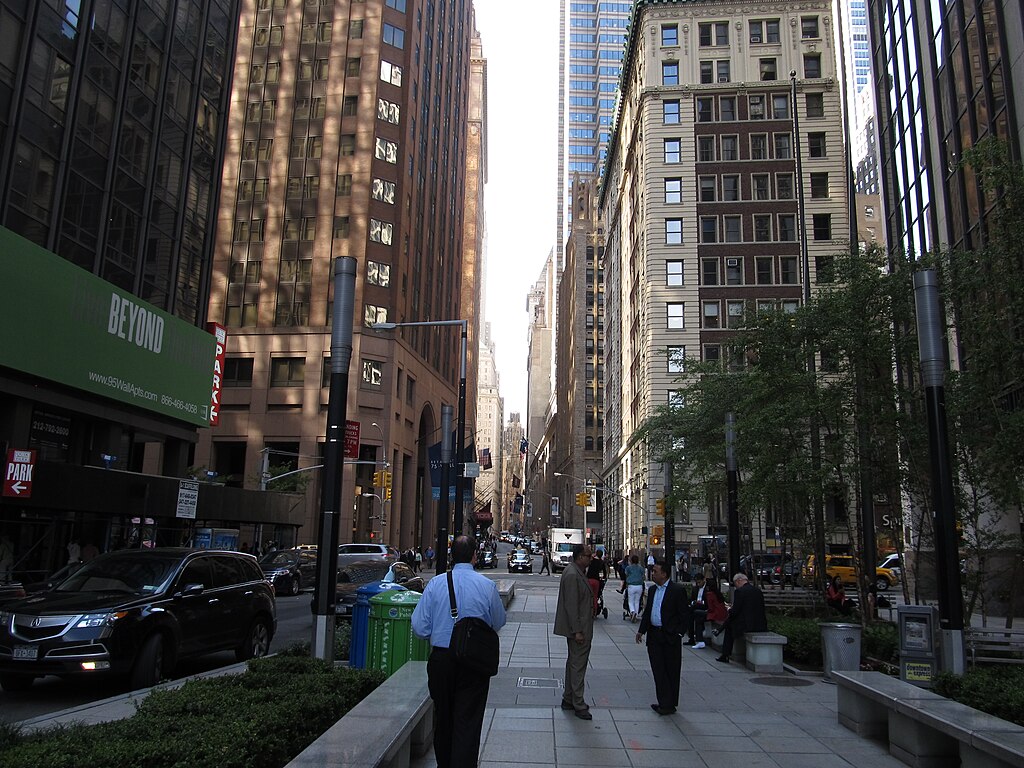
New York’s Jewish community helped shape its neighborhoods, labor movements, and cultural institutions. Generations of immigrants built synagogues, schools, and businesses that still operate today. Jewish influence remains strong in publishing, law, arts, and politics. The city continues evolving while preserving its historic Jewish roots.
Prague, Czech Republic
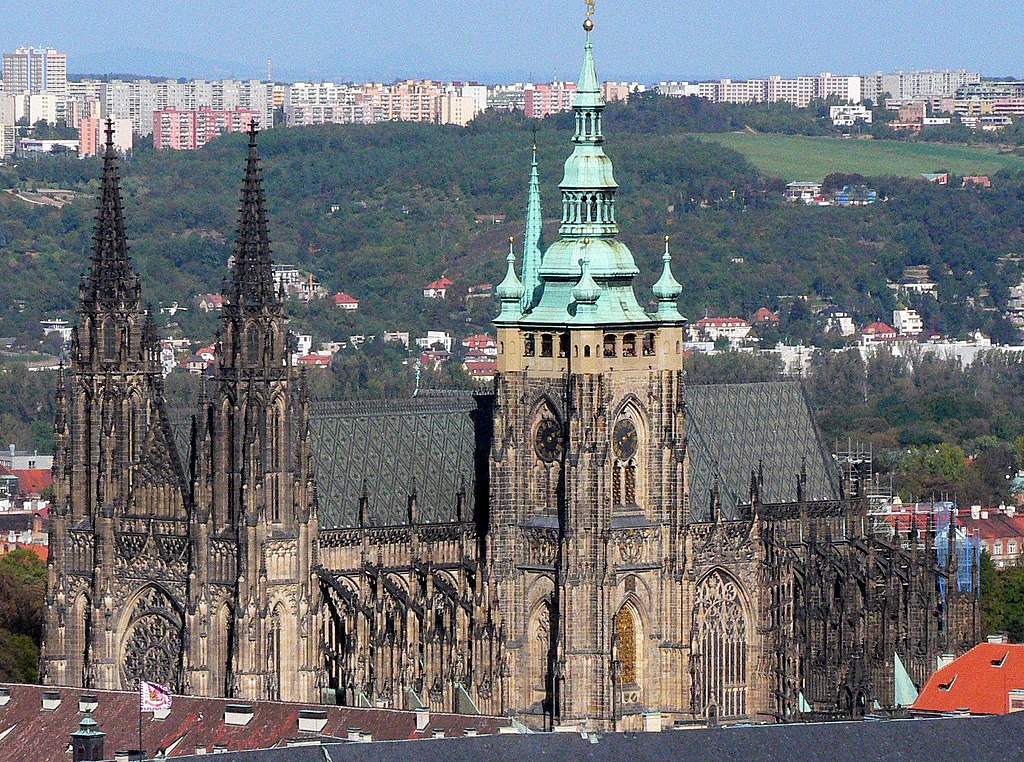
Prague’s Jewish Quarter reflects centuries of resilience and continuity. Historic synagogues and cemeteries remain preserved within the modern city. Jewish heritage continues through education, tourism, and restored community spaces. Despite historical devastation, Prague maintains a visible and respected Jewish presence.
Fez, Morocco
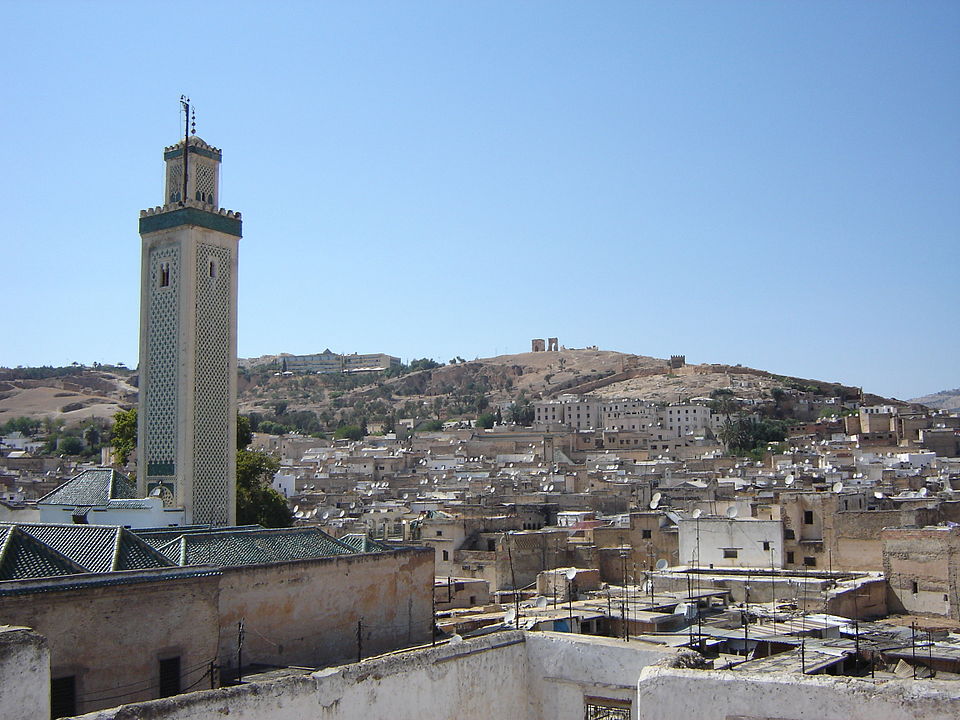
Fez once housed one of North Africa’s most important Jewish communities. The Mellah district still stands as a testament to shared urban history and coexistence. Jewish craftsmanship, trade networks, and religious scholarship influenced city life for generations. Synagogues, workshops, and markets formed a vital part of Fez’s economy and cultural exchange. Ongoing restoration and preservation efforts continue to keep this legacy visible within modern Fez.
Istanbul, Turkey
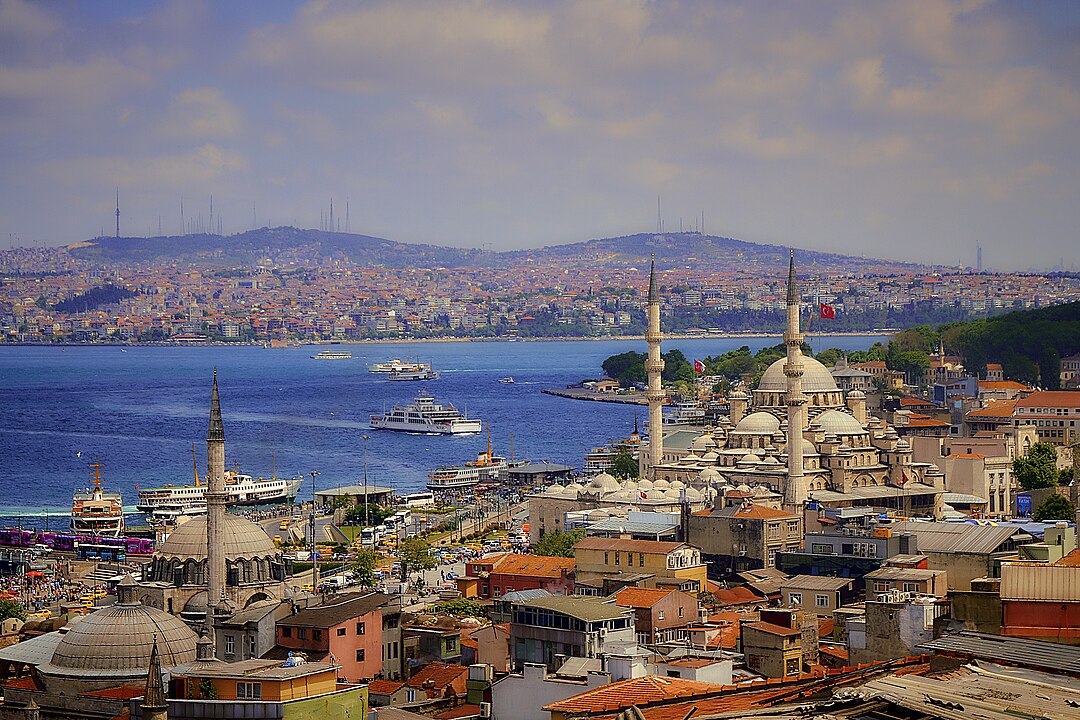
Istanbul became a refuge for Jews expelled from Europe centuries ago, particularly Sephardic communities. Their traditions shaped neighborhoods, cuisine, language, and commerce throughout the city. Synagogues, schools, and cultural institutions remain active today. Jewish life has remained continuous despite political and social change. The city reflects a layered Jewish history fully integrated into its broader multicultural identity.
Warsaw, Poland
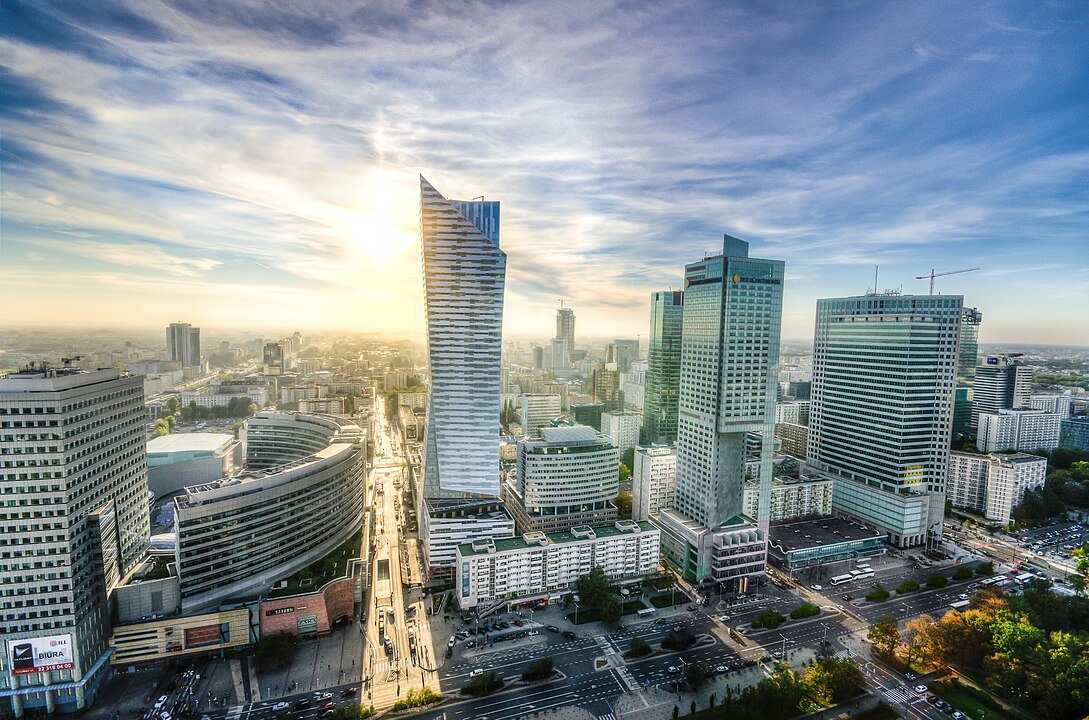
Before World War II, Warsaw was one of Europe’s most significant centers of Jewish intellectual and cultural life. Writers, educators, and political thinkers played major roles in shaping the city’s character. Although the community was devastated, renewed institutions now preserve memory and education. Museums, monuments, and restored neighborhoods acknowledge this influence. Jewish history continues shaping Warsaw’s cultural narrative and public consciousness.
Buenos Aires, Argentina
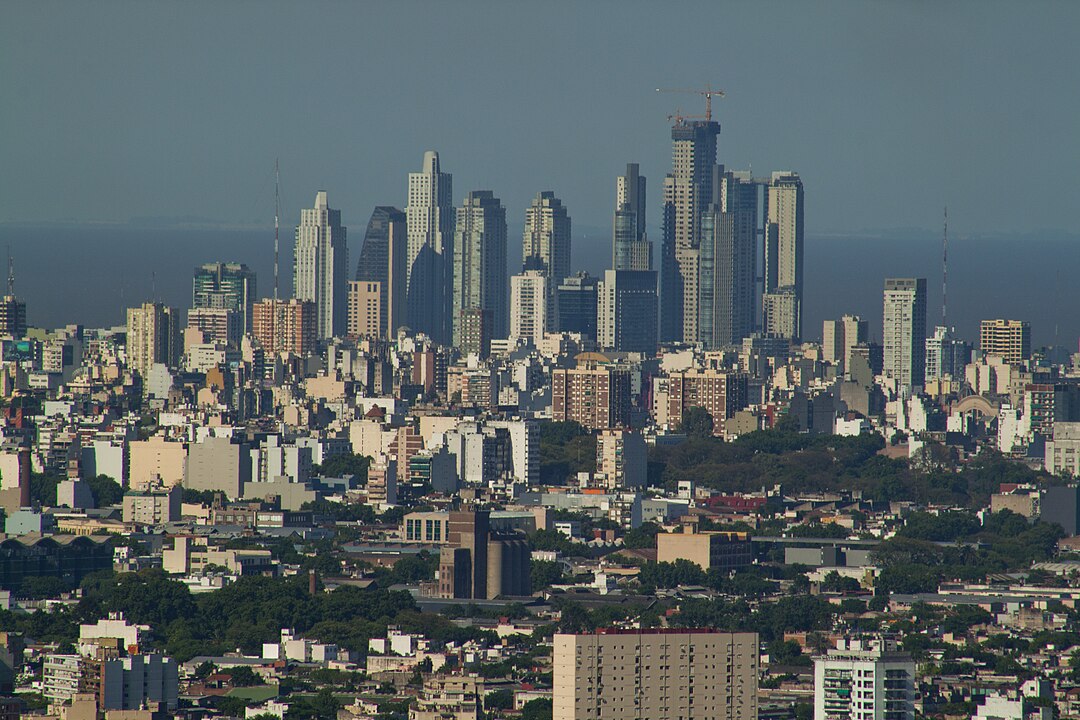
Buenos Aires developed one of the largest Jewish communities outside Europe and Israel. Immigrants established schools, synagogues, cultural centers, and social organizations that remain active today. Jewish influence extends into literature, journalism, business, and public service. Community institutions support identity across generations. The Jewish presence continues shaping the city’s modern social and cultural landscape.
Thessaloniki, Greece
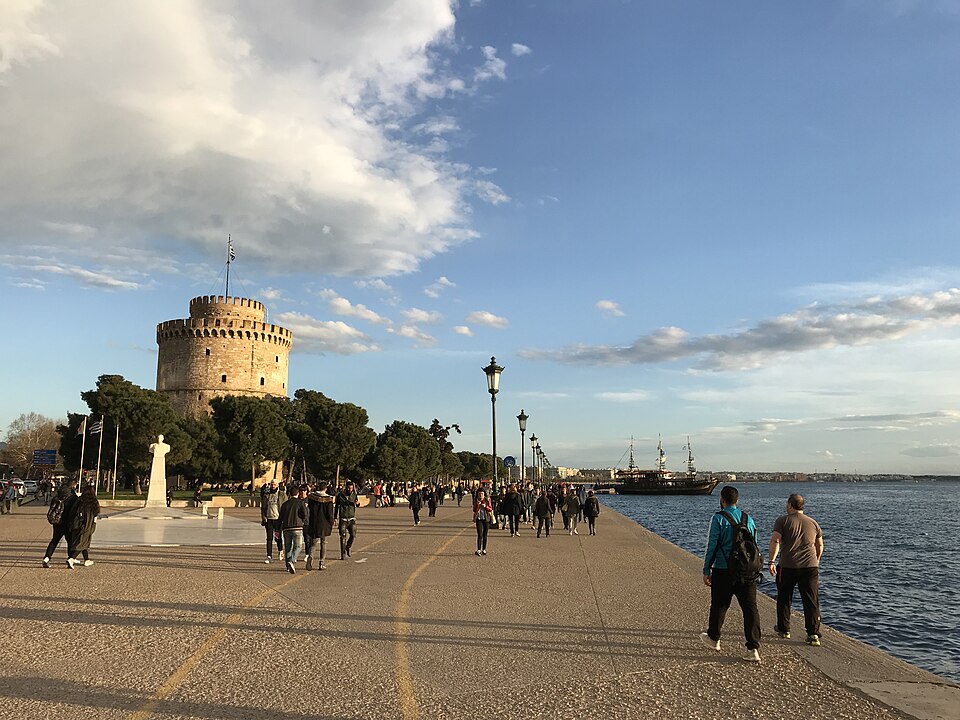
Once known as a Jewish-majority city, Thessaloniki’s history remains deeply connected to Sephardic culture. Jewish merchants, scholars, and artisans played a central role in its growth and prosperity. Religious traditions shaped daily rhythms and commercial life for centuries. Modern preservation efforts honor this legacy through education and restoration. Jewish history remains visible within the city’s evolving cultural identity.
Vilnius, Lithuania
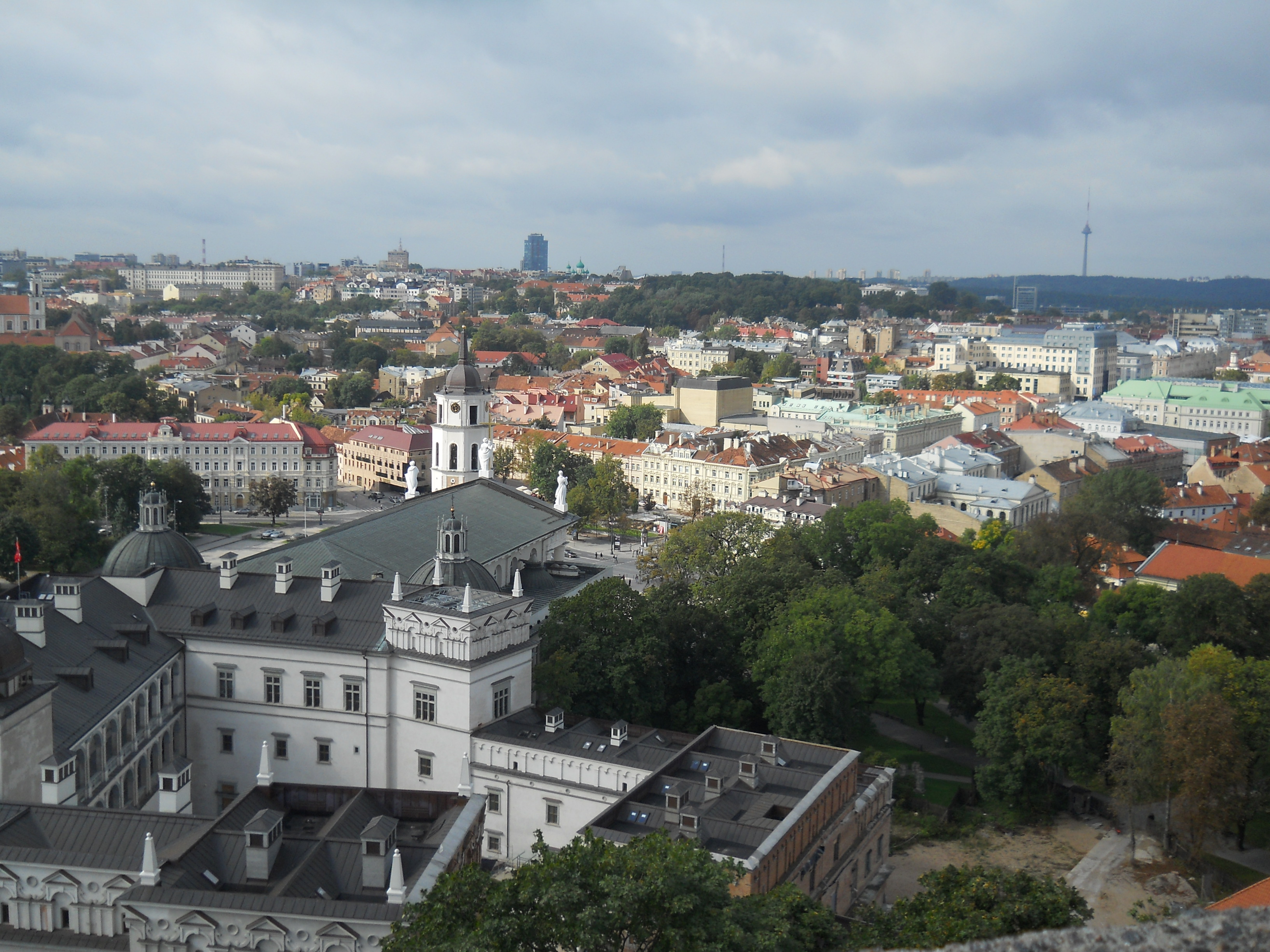
Vilnius earned recognition as a major center of Jewish learning and intellectual life. Its scholars influenced religious thought across Eastern Europe. Although the community suffered devastating losses, remembrance remains strong. Preservation initiatives, museums, and educational programs continue today. Jewish heritage remains central to Vilnius’s historical identity and cultural memory.
Amsterdam, Netherlands
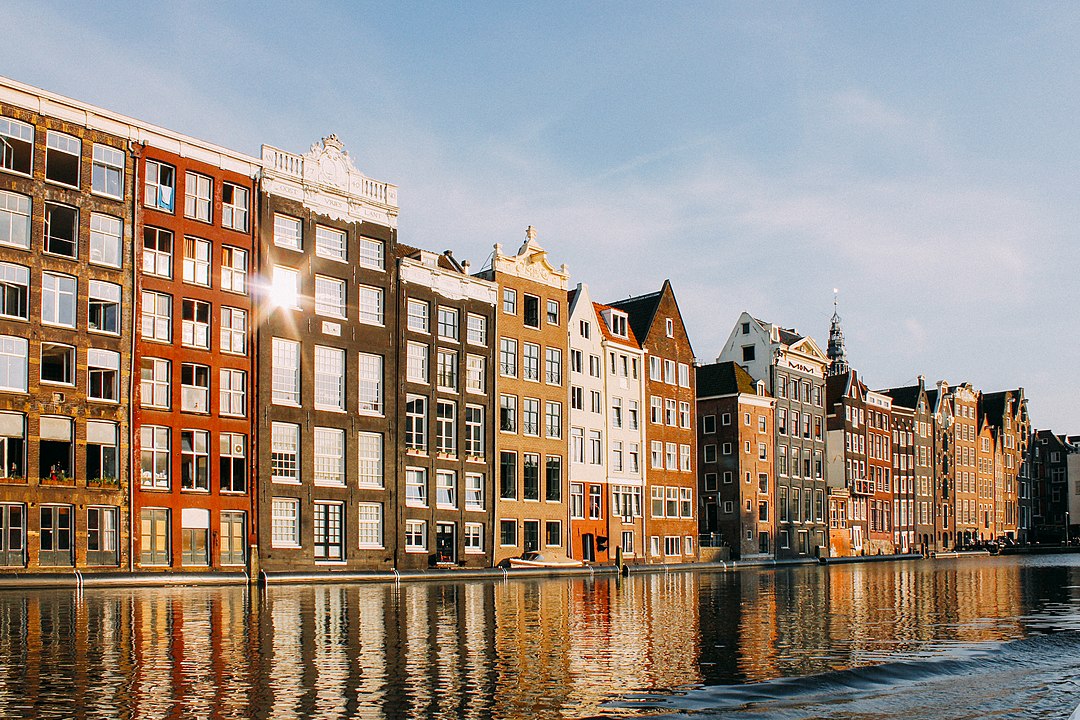
Amsterdam offered refuge and opportunity to Jewish communities for centuries. Jewish merchants, philosophers, and artists helped shape the city’s economic and cultural foundations. Religious tolerance allowed institutions to flourish. Historic synagogues remain active and respected today. The city continues honoring its Jewish heritage within modern civic and cultural life.