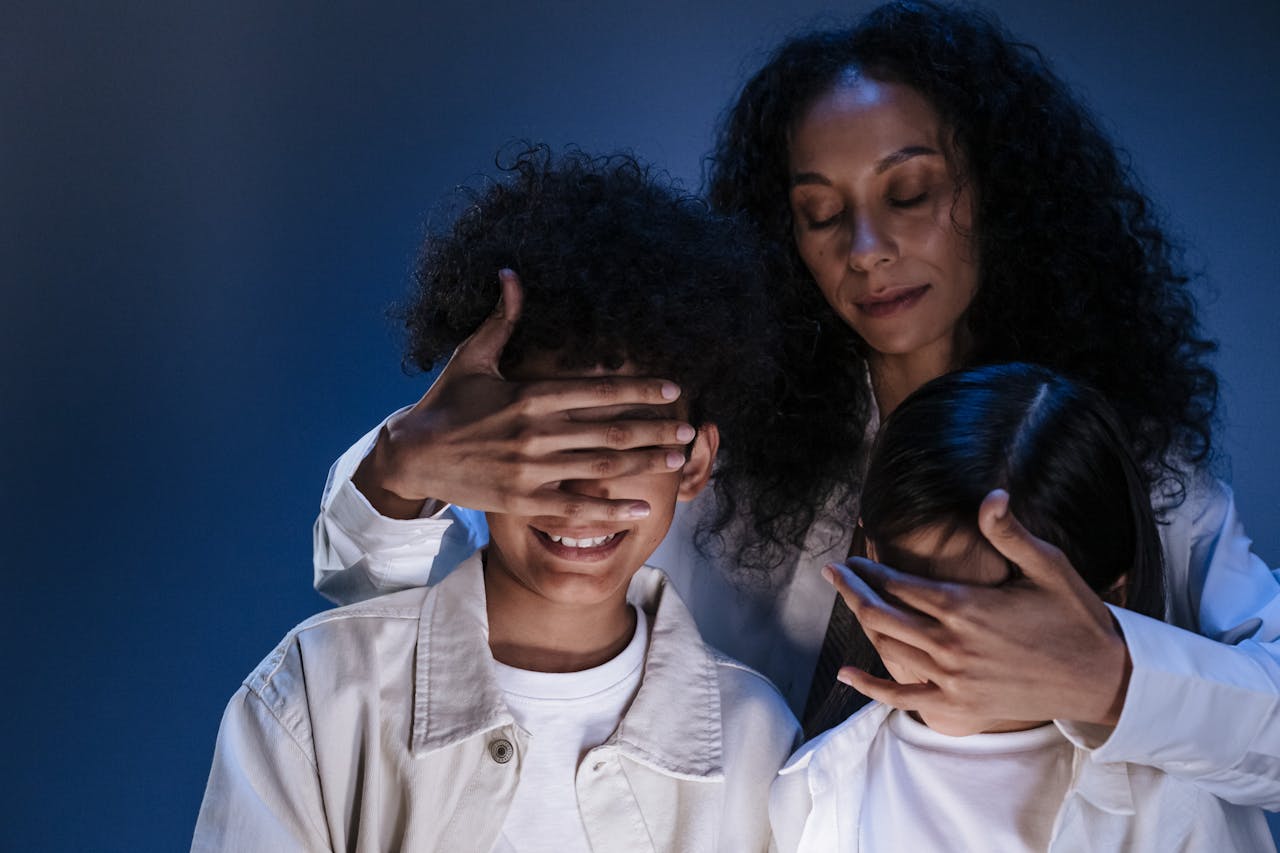
Parenting philosophies have shifted dramatically over the decades. What was once considered proper discipline, manners, or family order in the 1960s now often strikes us as strict, even harsh. Examining some of these rules offers perspective on how cultural norms, understandings of child development, and societal priorities evolve.
Children were to be seen and not heard
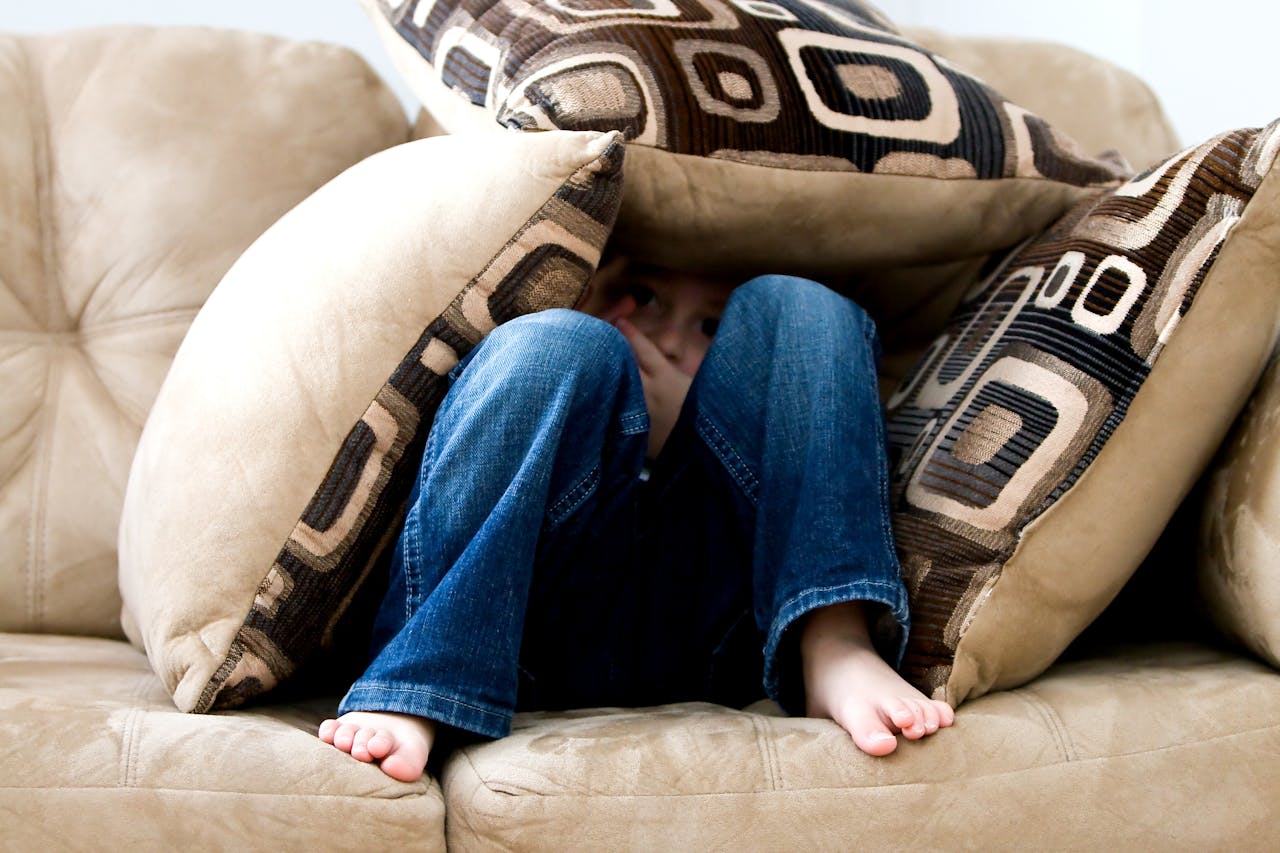
In the 1960s many households held to the belief that children should occupy a quiet role in adult settings. Interrupting adults, speaking out of turn, or voicing strong opinions in mixed company was often discouraged or shut down entirely. Respect and good manners were equated with silence, particularly in formal or family settings. Today that rule seems harsh, as modern parenting often encourages children to express themselves, ask questions, and be heard in their families. The old rule may have built discipline, but it also limited a child’s sense of agency or self-esteem.
You never questioned authority—ever

Parents, religious or community leaders, teachers, and elders held considerable unquestioned power in the 1960s. Questioning them was seen as rude or rebellious; obedience was prized. Children were expected to accept rules without much discussion and often without explanation. Now, many parenting styles emphasize critical thinking, reasoning, choice, and negotiating boundaries rather than blind acceptance. The old rule often led to suppression of curiosity or stifled dissent, which nowadays is considered important for learning and individual growth.
Discipline was swift—and often physical

Spanking, slapping, or using other corporal punishments were far more socially acceptable and common in the 1960s. A swift consequence for misbehavior was the norm, and often it was public within the family (for example dinner table reprimands). Parents believed this kind of discipline instilled character and respect. In contrast, modern parenting tends toward positive reinforcement, time-outs, and non-physical consequences with awareness of psychological effects. What seemed acceptable then is often viewed today as harmful or traumatic.
Emotions were kept under lock and key

Showing strong emotion—especially sadness, anger, crying —was often discouraged, especially for boys. Parents might say “stop that crying” or “there’s nothing to cry about.” The cultural ideal was stoicism, self-control, or at least restraint in expressing vulnerability. In contemporary understanding, emotional literacy is seen as vital: recognizing, naming, and safely expressing feelings is important for mental health and interpersonal relationships. The 60s rule often taught suppression, which can lead to shame, anxiety, or difficulty forming intimate relationships later.
Privacy was a luxury

In many 1960s homes, privacy was minimal. Children often shared bedrooms, doors were left open, diaries and letters were read by parents, and personal spaces or thoughts were not respected as belonging to the child alone. Boundaries blurred between what was family business and individual domain. Today, most parents acknowledge children have rights to personal space, privacy, and autonomy, and many rules and expectations protect those. The older rule seems harsh now because we’ve grown to recognize how essential privacy is for identity formation, trust, and psychological safety.
You ate what was on your plate—no exceptions

Wasting food was frowned upon, and what was served by parents was rarely questioned. If a child didn’t like the food, refusal or complaint was often met with insistence or even punishment. The idea was that good upbringing included obeying around meals, respecting food as a privilege. Today, families may accommodate dietary preferences, allergies, or emotional responses; forcing children to eat can backfire by creating food anxiety or unhealthy habits. The shift reflects greater knowledge about health, child development, and respecting individual needs.
Talking about sex, feelings, or taboo topics was off-limits
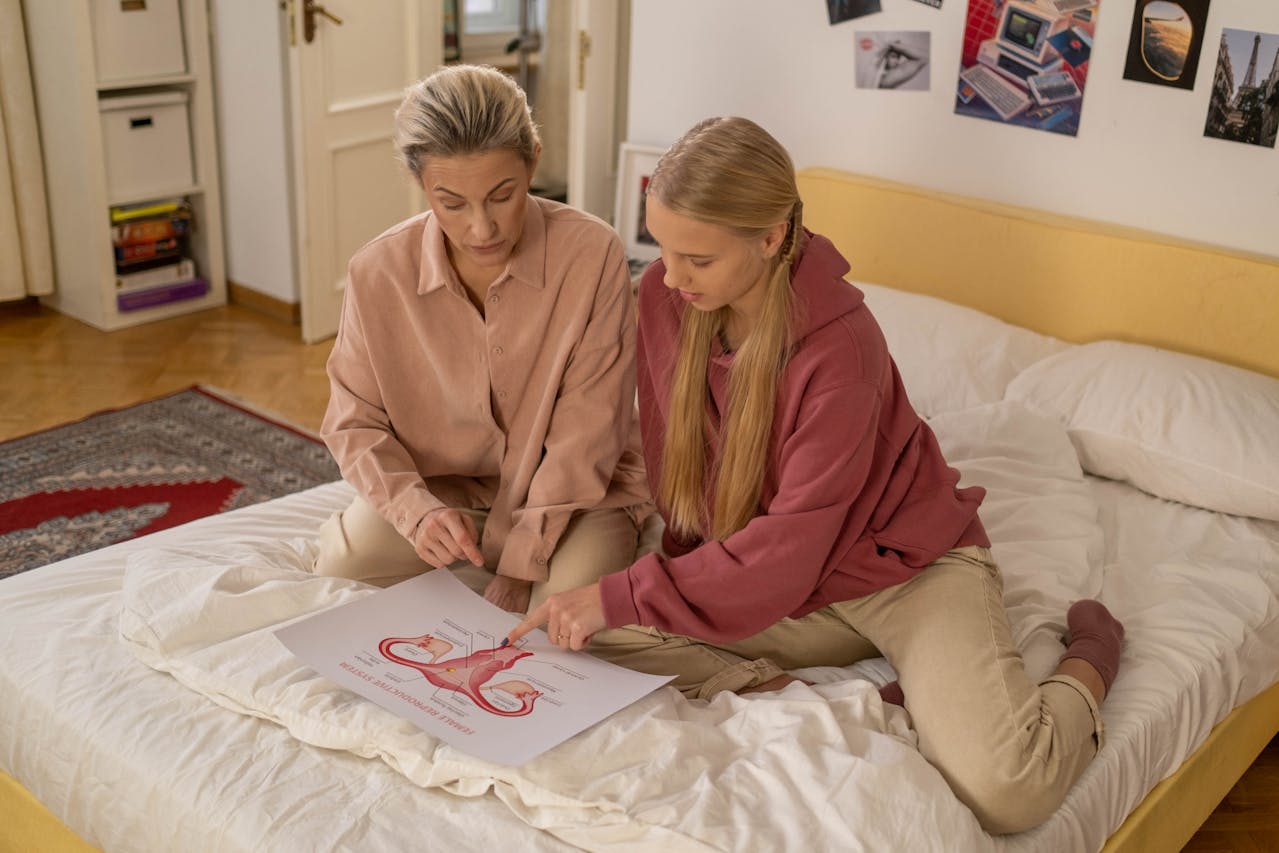
Many topics we now discuss more openly—puberty, mental health, sexual orientation, emotions beyond anger or fear—were rarely discussed at home in the 60s. These conversations were often delayed, shrouded in euphemism, or avoided altogether. The prevailing belief was that children either shouldn’t need to know or would learn from outside if they must. Today such avoidance is generally seen as harmful: children benefit from honest, age-appropriate conversations that build trust and awareness. The old rule seems harsh because suppression of knowledge may lead to shame or ignorance.
You had to earn love through good behavior

Love and approval were often conditioned explicitly or implicitly on behaving well—on obedience, grades, manners. Affection could be withheld or limited until the child met certain expectations. Praise was rare unless tied to achievements. Now parenting advice tends to emphasize unconditional love, recognizing that children benefit from knowing they are accepted even when imperfect. The old emphasis on performance sometimes undermined self-worth or fostered perfectionism.
Little or no supervision outdoors

Children in the 1960s were expected to be more independent physically: playing unsupervised, walking or biking around neighborhoods by themselves, climbing trees, exploring nearby woods. Parents generally spent less time monitoring every move or scheduling every activity. What seems harsh now is that many of those practices would be considered dangerous or irresponsible under today’s higher awareness of risk, traffic, stranger danger, etc. Still, that freedom often built resilience, social skills, and self-reliance.
Car travel had few safety constraints

In the 60s, seat belts were often optional or nonexistent, children might ride up front, infants on laps, there were no child safety seats, loose objects in the car, etc. The sense of risk was lower, and regulation was far less developed. Today, we understand much more about crash safety, head trauma, and structured protection; laws require child restraints, rear seating, and properly installed car seats; what was once normal now feels alarmingly unsafe.