The lockdown era changed family life in ways no one expected. Parents built new routines to manage long days at home, uncertainty outside, and the sudden blending of work, school, and family time. Some habits were born out of necessity, others out of creativity, and many became emotional anchors during a stressful period. But once the world opened up, these habits faded quietly. They served their purpose, shaped memories, and then dissolved into the pace of normal life. Looking back at them today reveals how different parenting felt during those unusual months.
Daily Neighborhood Family Walks
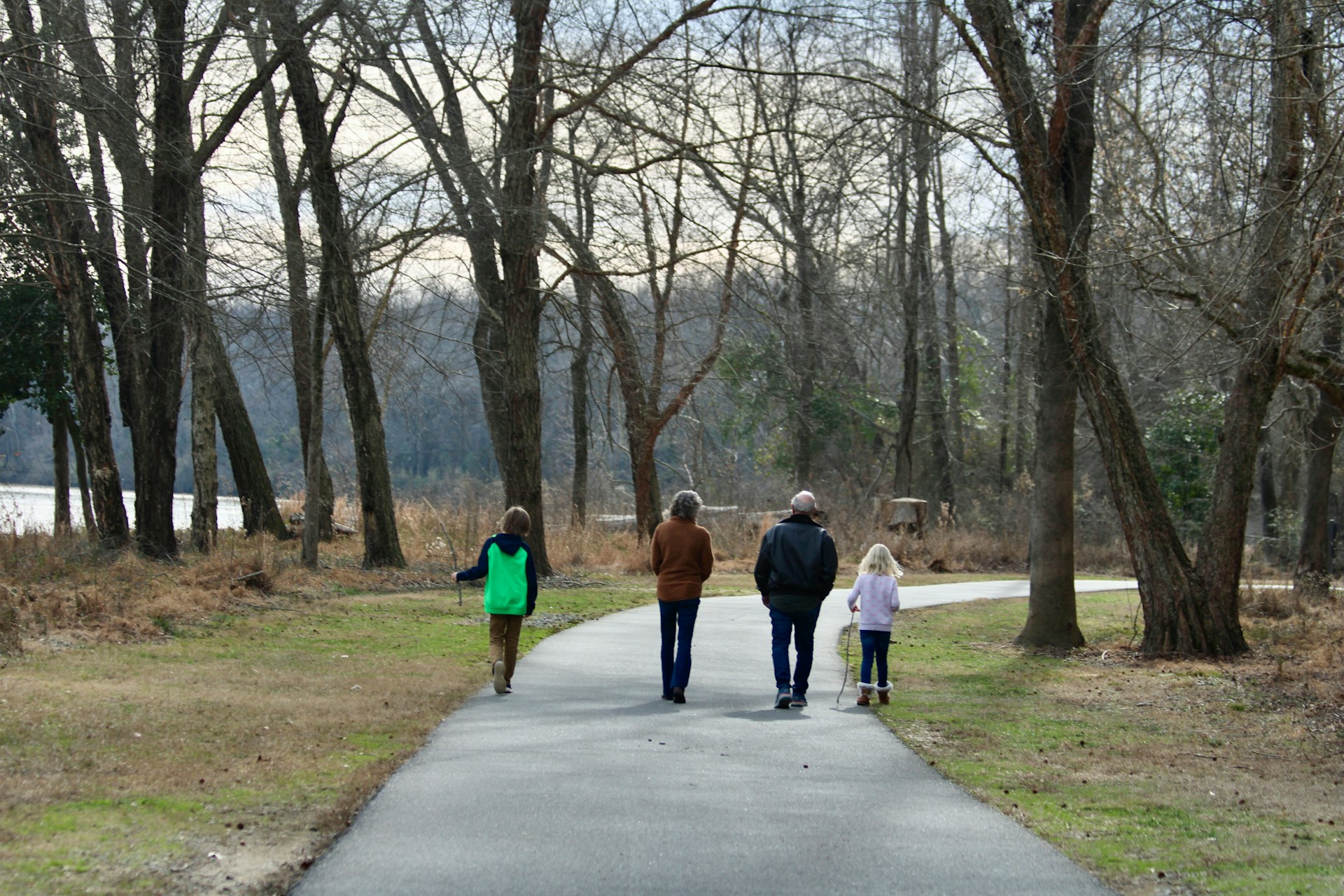
During lockdown, families took slow neighborhood walks to get fresh air and break the monotony of indoor life. Parents discovered simple joy in pointing out birds, flowers, and familiar houses. These strolls became opportunities for conversation and calm, offering a rare time without digital distractions. Once routines restarted, homework, traffic, and schedules replaced walks. The habit disappeared, but families remember how those quiet miles created connection without effort.
Backyard Camping Nights
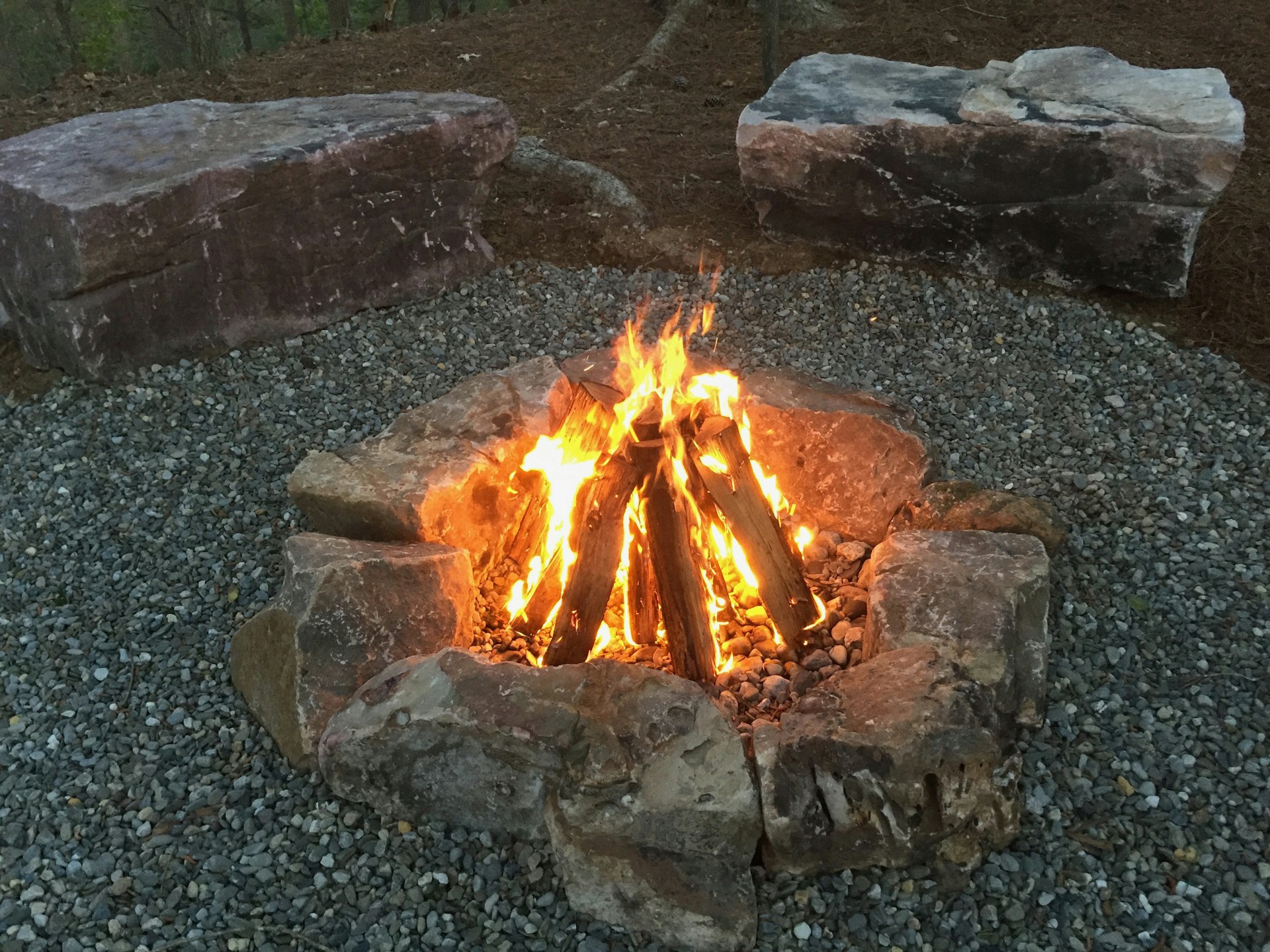
With vacations canceled and parks closed, backyards turned into tiny getaway spots. Parents pitched tents, strung fairy lights, and roasted marshmallows without leaving home. Kids treated it like a grand adventure even though the house was only steps away. When travel resumed, the novelty faded. Backyard camping disappeared, replaced by packed bags and real trips. Yet many parents miss those nights when imagination was enough to create excitement.
Kids Attending Hobby Classes On Zoom
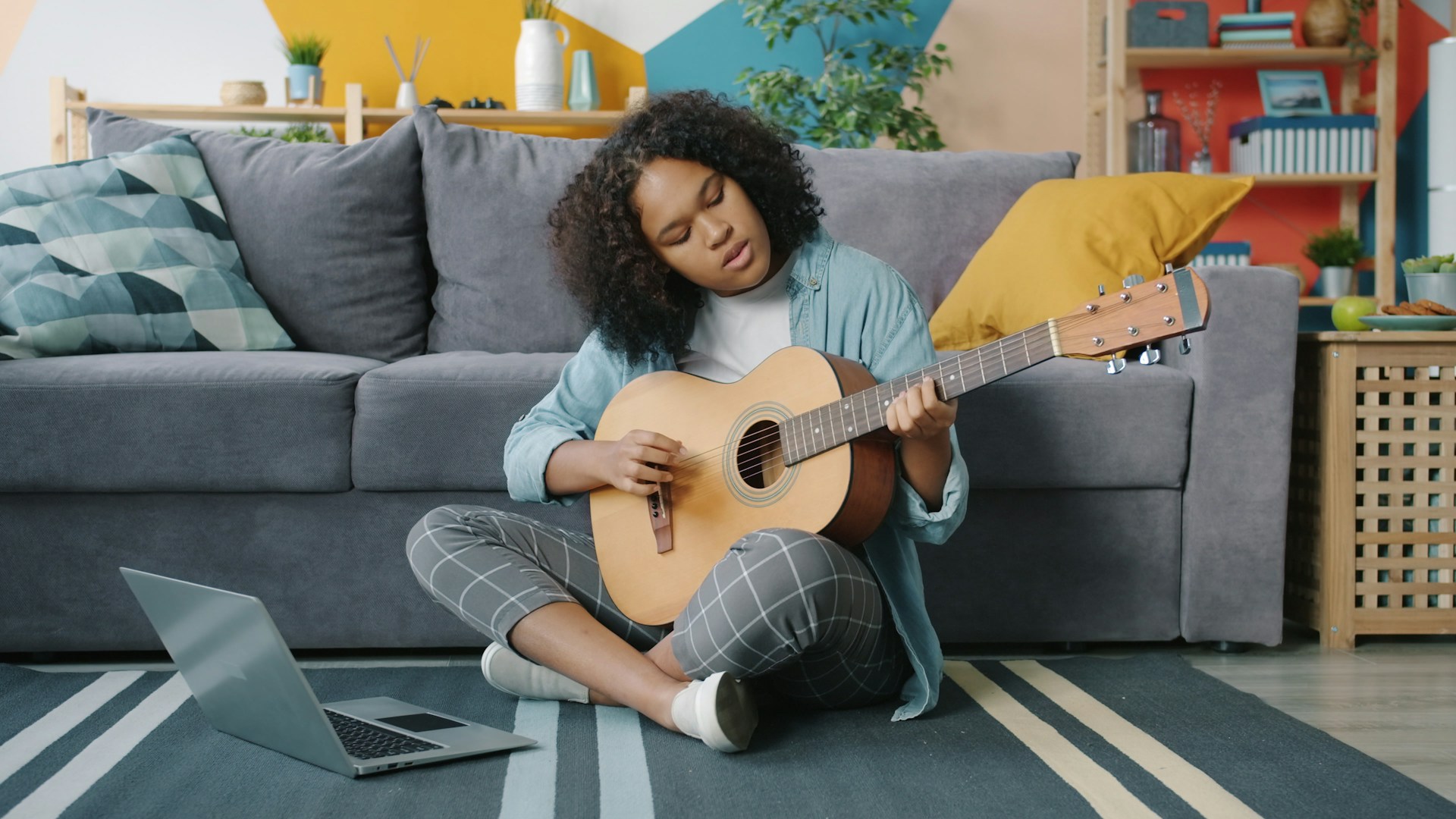
Lockdown made Zoom the gateway to everything from drawing lessons to music classes. Kids learned guitar chords, baking skills, and dance routines without leaving their bedrooms. Parents loved the convenience and the freedom from driving across town. Once in person activities reopened, screens lost their charm. Children returned to studios, gyms, and playgrounds. The digital hobby scene shrank, leaving behind memories of violin lessons between math worksheets.
Mask And Sanitizer Rituals Before Leaving Home
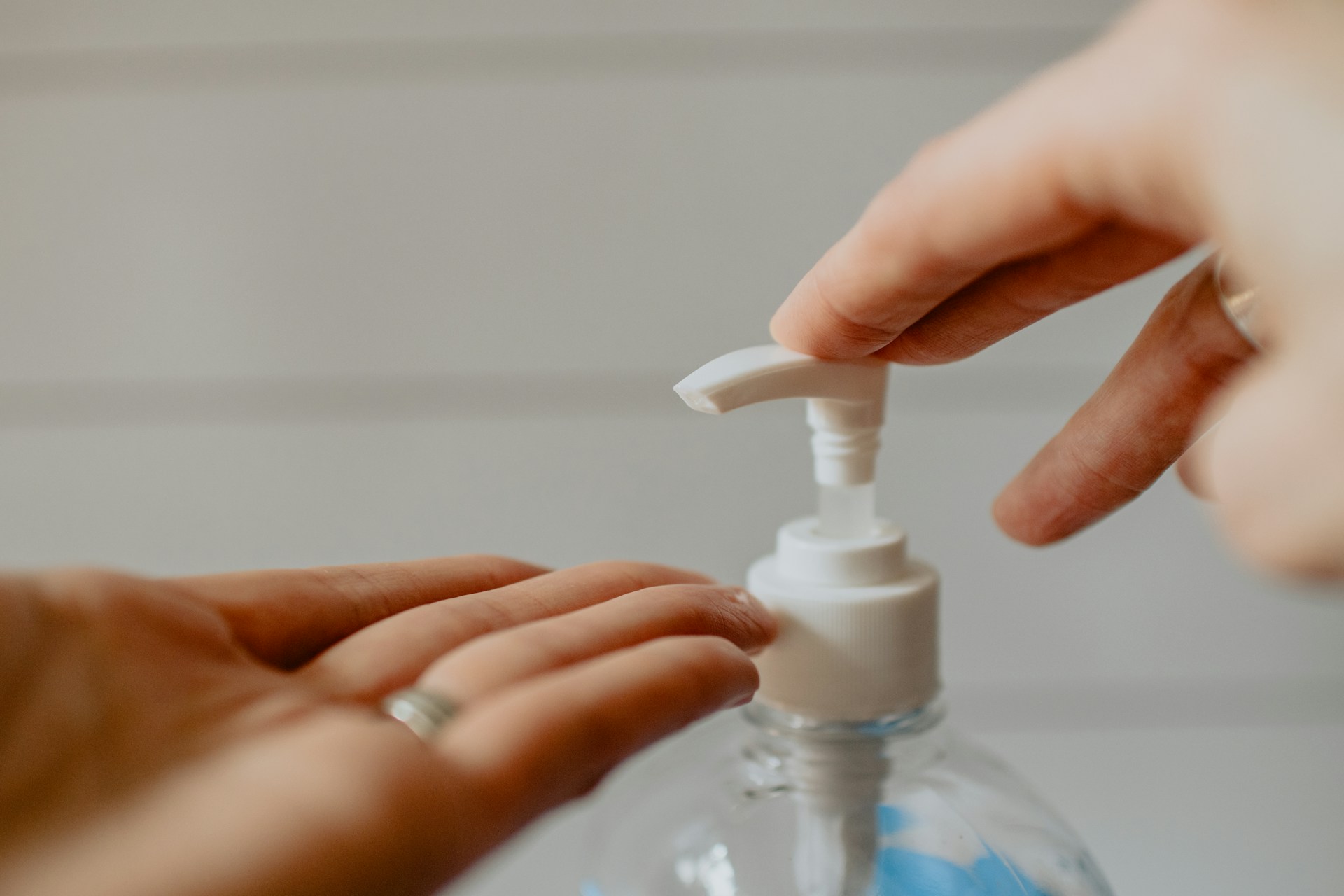
Families once checked for masks and hand sanitizer like keys and wallets. Parents made sure backpacks had wipes, and car cupholders stored sanitizer bottles. This routine felt urgent and protective. As policies relaxed, the ritual faded. Sanitizer bottles now live in forgotten drawers, and masks rarely leave closets. The intensity of preparation disappeared with the fear that created it, leaving behind a faint reminder of how different everyday errands once felt.
Daily Temperature Checks For Kids
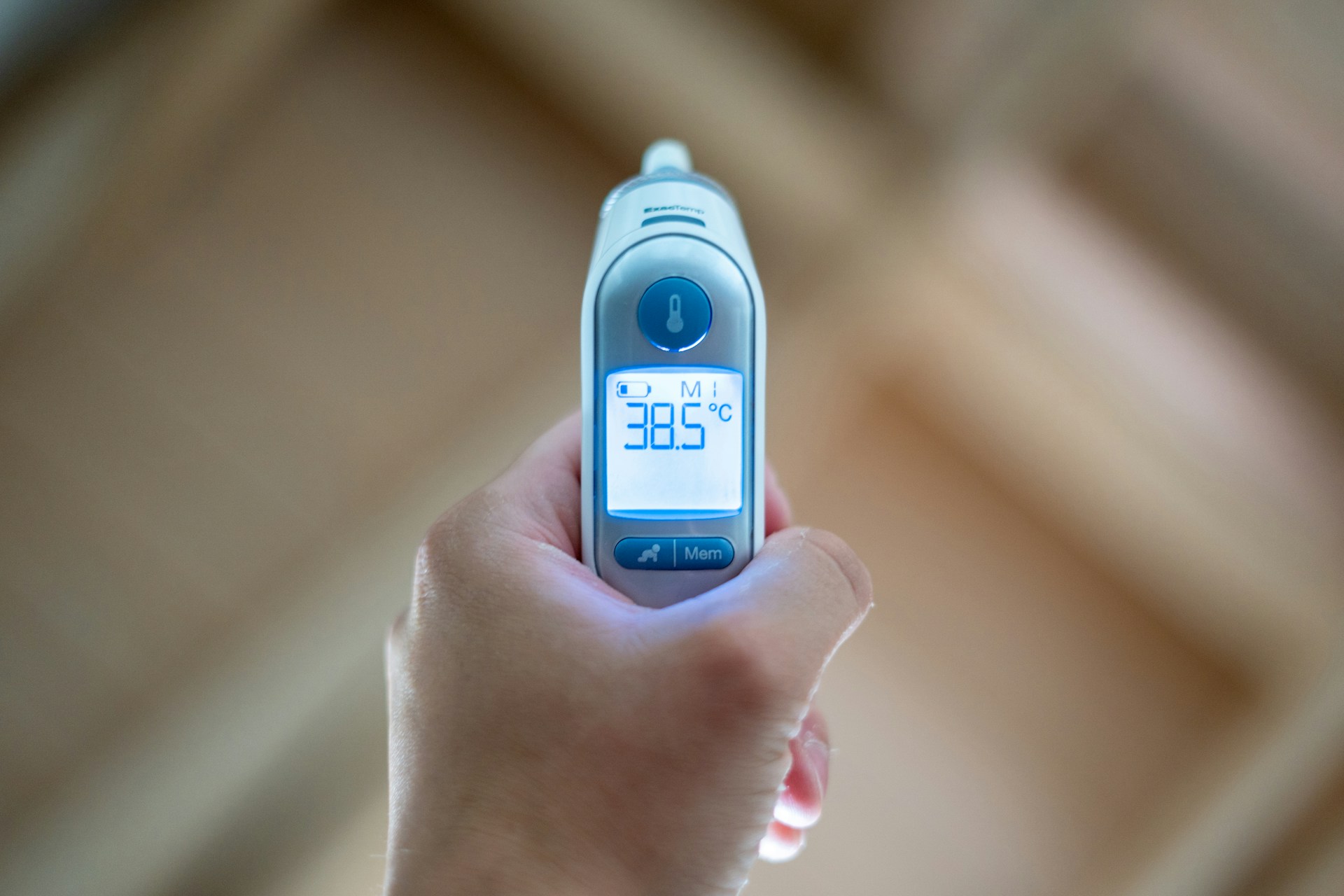
Parents once hovered over thermometers before school and outings. The smallest cough triggered concern. Lockdown turned temperature checks into daily tasks that felt as important as breakfast. Once schools and parks reopened without screening rules, the habit vanished. Thermometers returned to medicine cabinets, and morning routines shifted back to clothes and backpacks. Parents no longer measured safety in numbers, and the ritual became a relic of a tense chapter.
Strict No Outside Food Policies
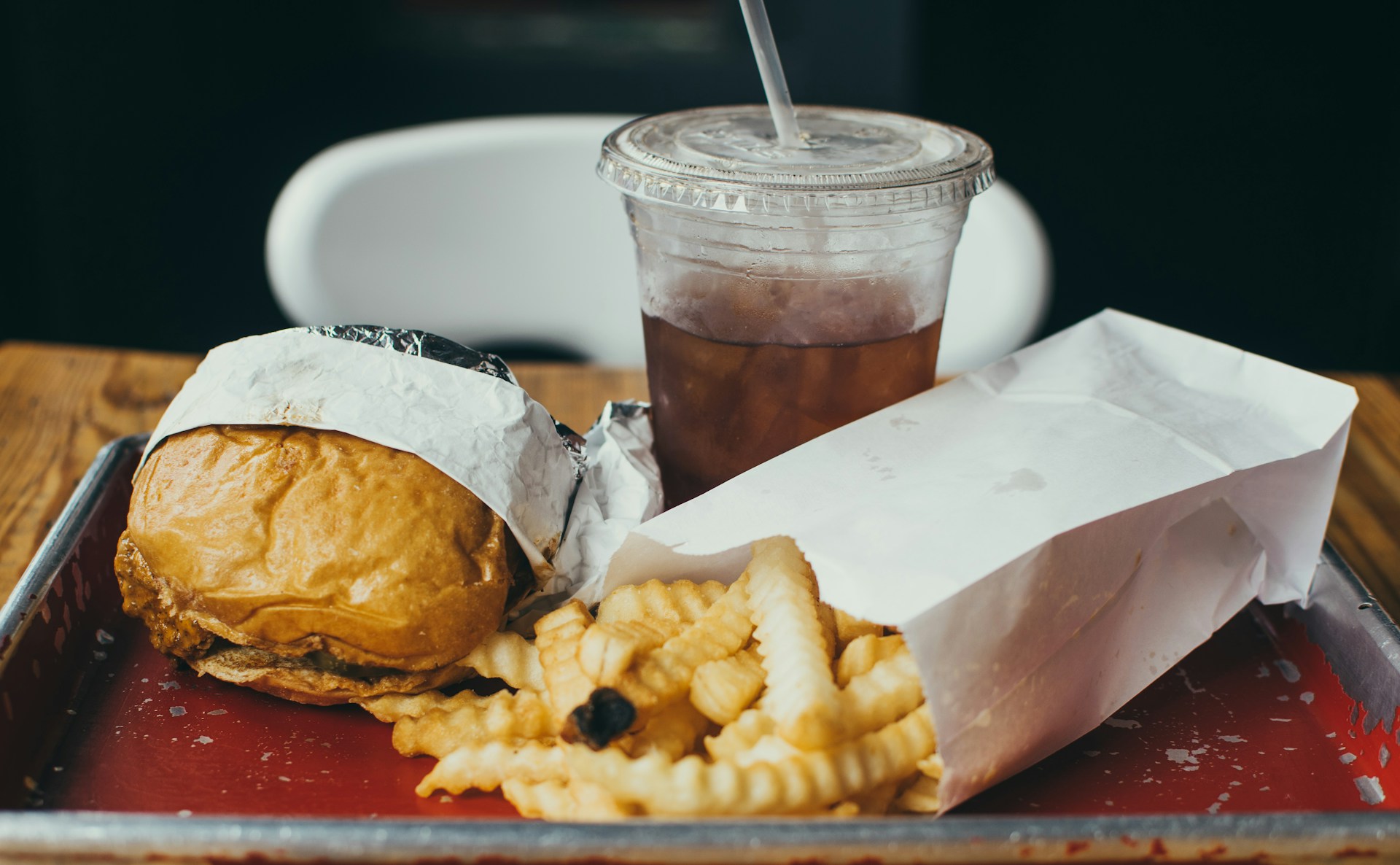
Parents avoided restaurant meals and takeout to reduce exposure risk. Homemade meals became mandatory, and kitchen counters never rested. When health concerns eased, families rushed back to drive thrus and favorite restaurants. The rigid rules faded fast. What once felt essential turned optional, showing how quickly routines born from fear can disappear when life feels safe again.
Neighbors Talking From Balconies And Driveways
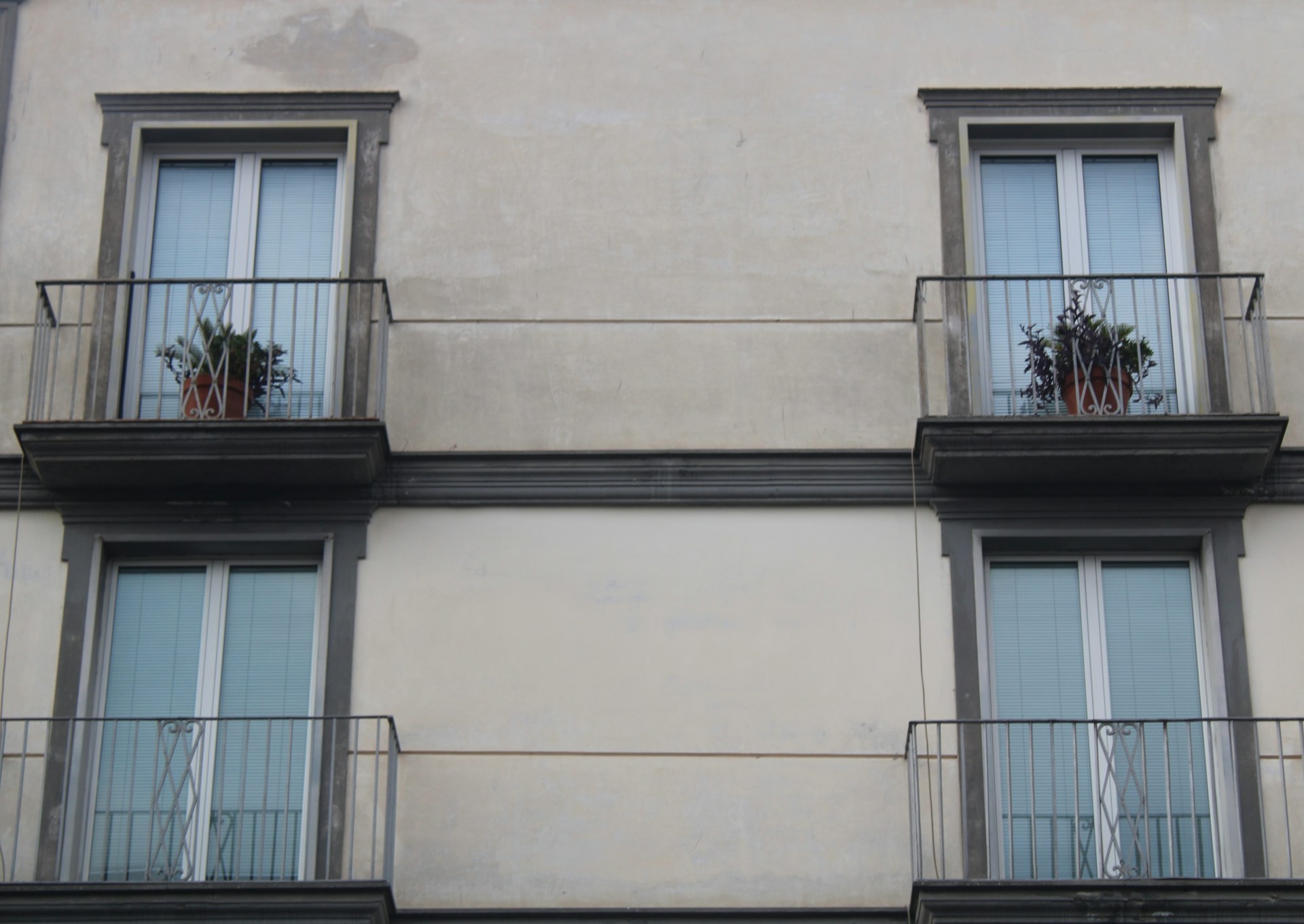
Distance turned balconies and driveways into social centers. Parents waved across yards, shared jokes, and checked in without stepping closer. Kids learned faces through fences instead of screens. When gatherings returned indoors, these distant conversations faded. Garages closed, sidewalks emptied, and neighbors slipped back into privacy. The friendliness lingered, but the ritual did not.
Sanitizing Groceries After Every Shopping Trip
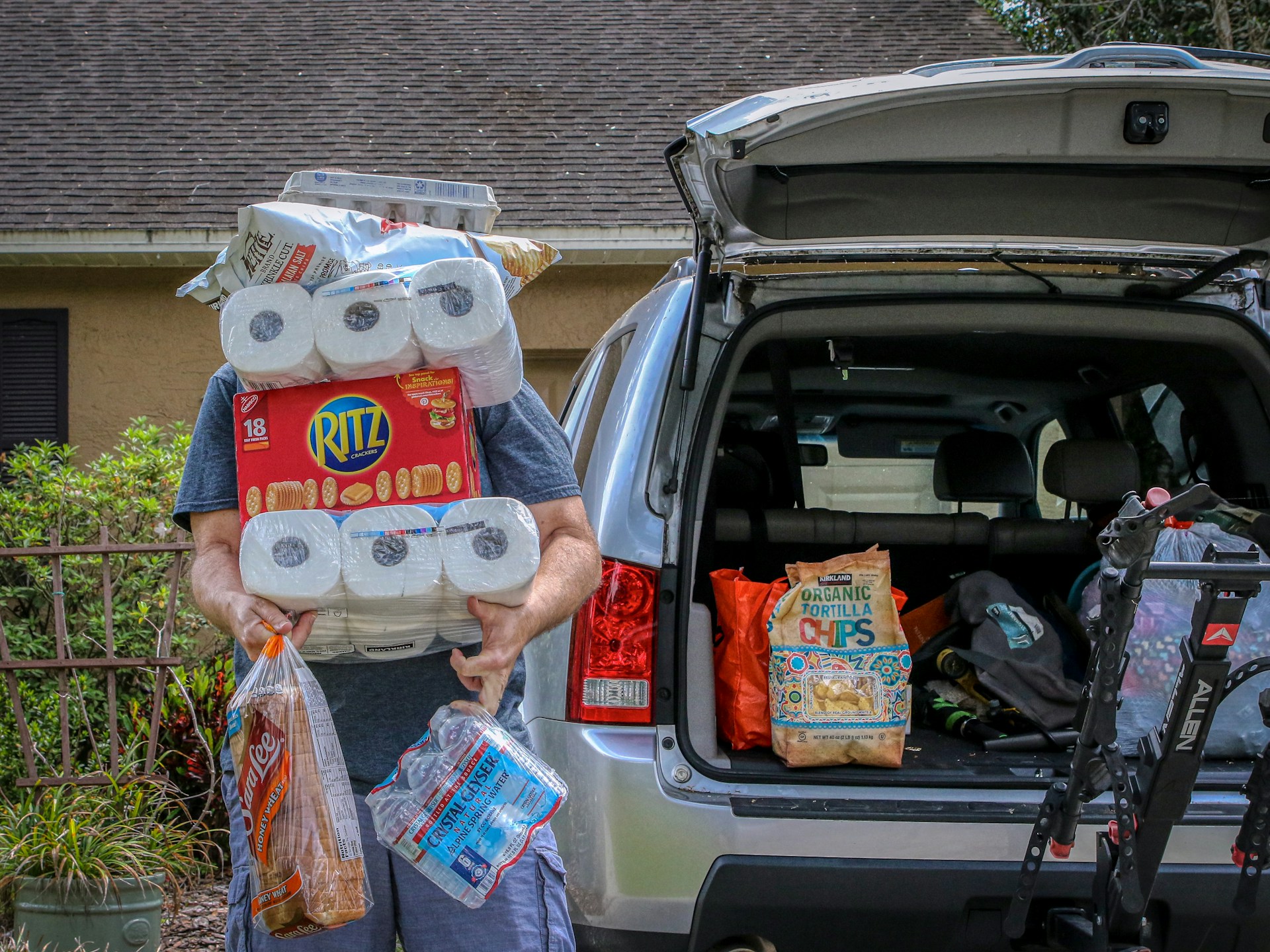
Kitchens once smelled like disinfectant as parents wiped down milk cartons, bananas, and cereal boxes. The task felt protective even when exhausting. Once science confirmed surfaces were not the main concern, the habit vanished almost overnight. Grocery bags now go from trunk to pantry without hesitation. Parents remember the routine with disbelief, wondering how ordinary life became so intense.
Screen Time Limits Temporarily Ignored
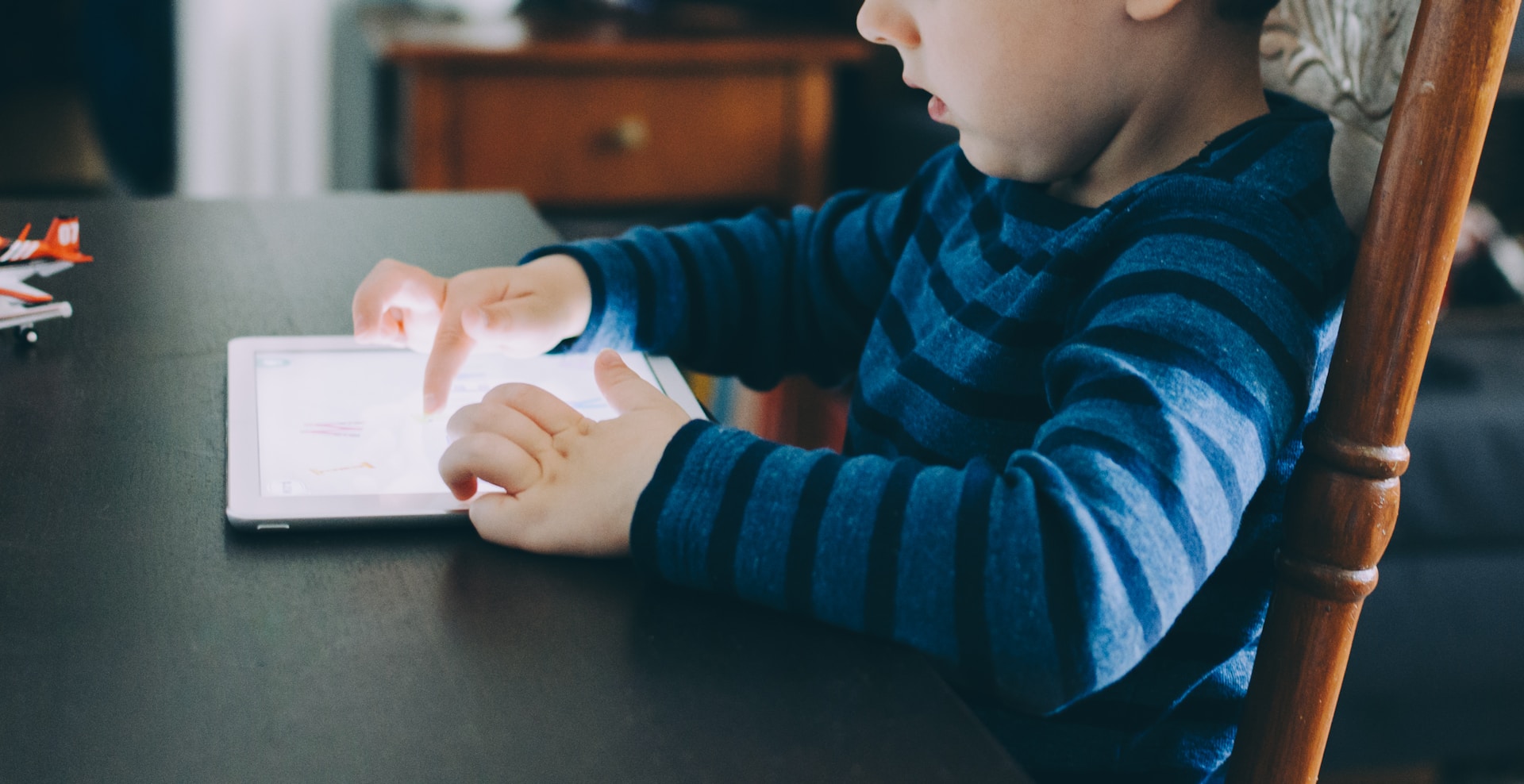
Parents who once fought over tablet time suddenly relaxed screen rules so kids could attend school, meet friends, and entertain themselves indoors. Families binged shows, played games, and forgot old limits. When schools reopened, routines tightened again. The screens stayed, but the guilt free hours disappeared. Parents now look back at a time when devices felt like lifelines rather than battles.
Parents Monitoring Every Online Class
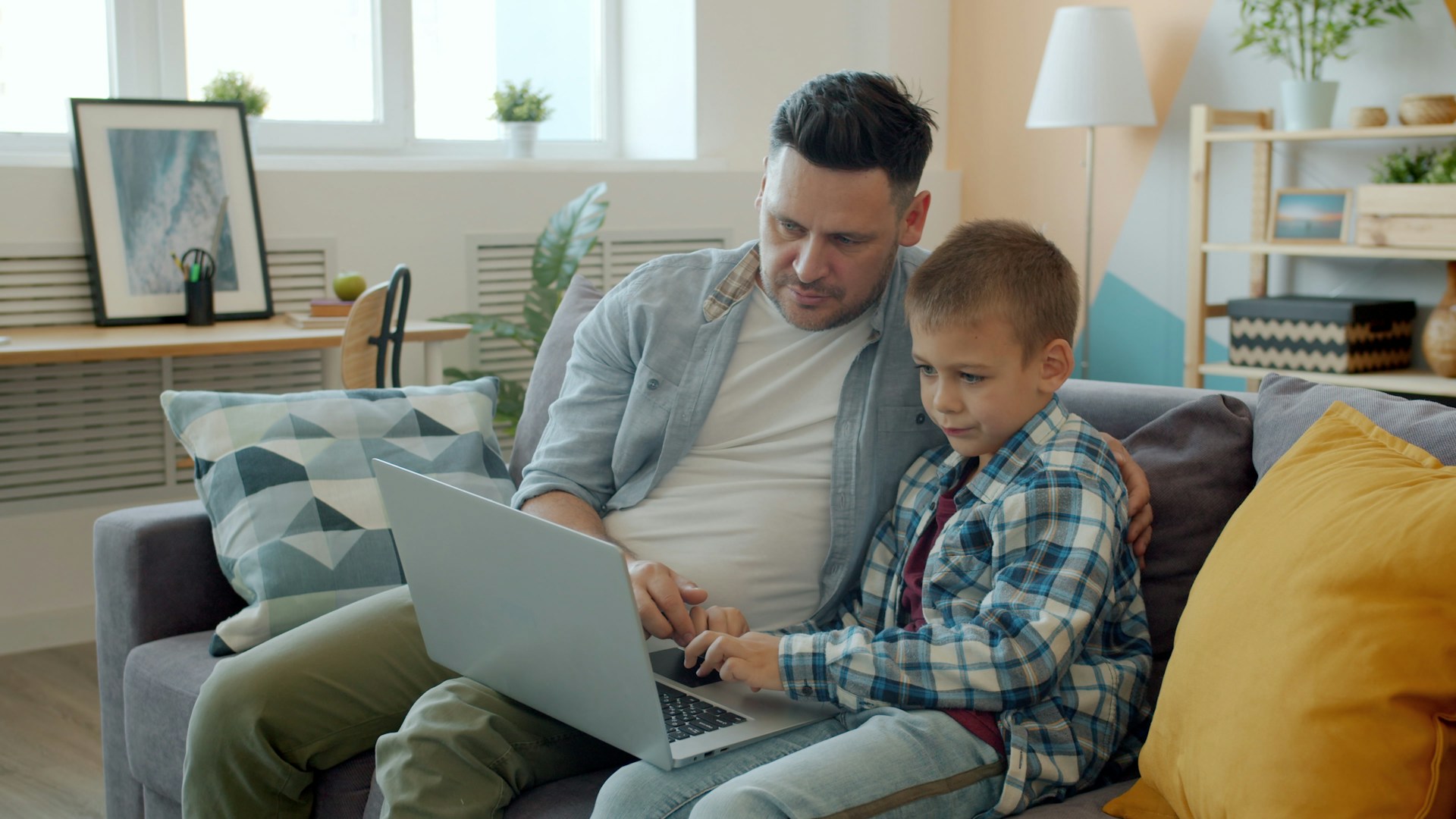
The house turned into a classroom, making parents accidental supervisors. They heard every instruction, answer, and complaint. Some learned math rules they had forgotten, others tried to stay invisible. When children returned to schools, the habit ended instantly. Parents handed learning back to teachers, grateful to reclaim their own tasks. The era of shadow schooling disappeared the moment desks returned to real buildings.
These habits did not last because they were built for a different world. Lockdown parenting required flexibility, creativity, and routines that felt intense in the moment. When life reopened, families stepped back into old rhythms. Yet each forgotten habit left a trace of its purpose: connection, safety, distraction, or calm. Parents may not miss wiping groceries or checking temperatures, but they often miss the closeness that came from simpler days. The world moved on, but these memories remain part of family history.