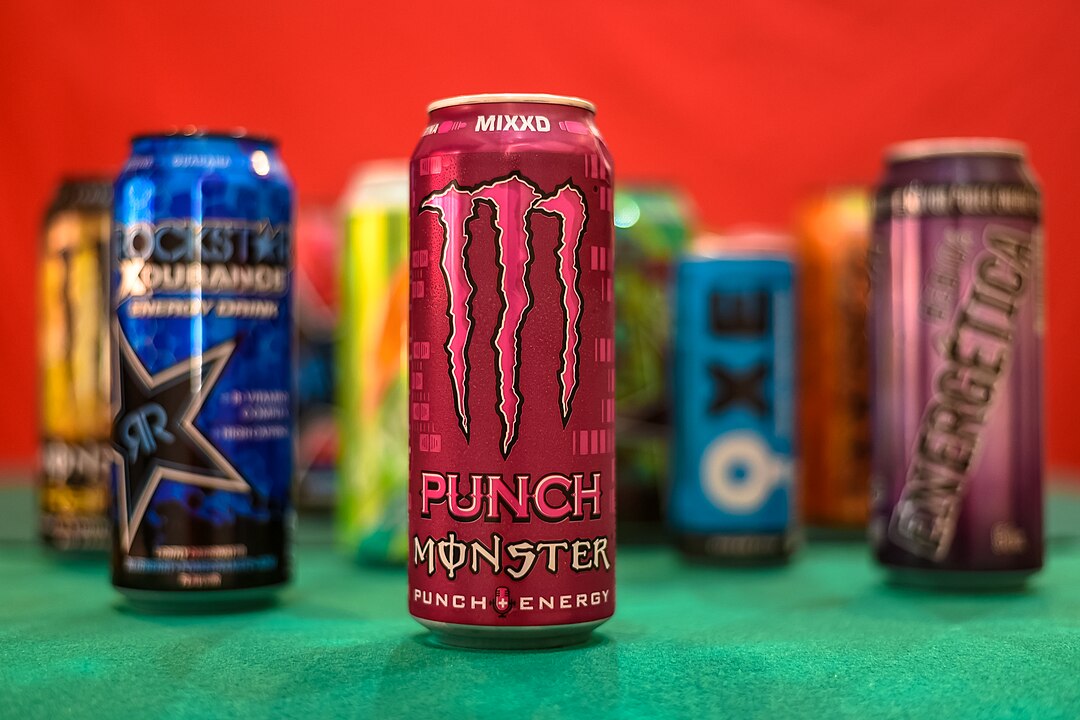
A product can look perfect right up until the reviews tell a very different story. The problem is, some of the biggest warning signs are easy to miss when you’re scrolling fast. This gallery breaks down the review patterns that should make any shopper pause, so you can spot the red flags before they cost you money.
1. A flood of five-star reviews appears overnight

When a product has been sitting quietly for months and suddenly collects dozens of glowing reviews in a day or two, that deserves a second look. Real customer feedback usually builds at a more natural pace, especially for niche or mid-priced items.
A sudden spike can mean a seller launched an aggressive incentive campaign or, worse, padded the listing with fake praise. It does not automatically prove anything shady is happening, but it should push you to read more carefully.
Check the dates before you trust the average score. A review timeline that looks unnaturally compressed often tells you more than the star rating itself.
2. The wording sounds strangely similar

If several reviewers use the same phrases, repeat the same selling points, or describe the item in nearly identical language, your radar should go up. Real people usually sound a little messy, personal, and inconsistent, even when they all like the same thing.
Fake or prompted reviews often read like they came from a shared script. You will notice the same buzzwords, the same sentence structure, and the same oddly polished enthusiasm from account to account.
Scroll through a handful in a row and listen for repetition. If the chorus sounds too coordinated, the feedback may be less independent than it looks.
3. The reviews praise shipping more than the product

Fast delivery is great, but it should not be the main story in a product review section. When most comments focus on arrival time, packaging, or the driver instead of how the item actually performs, you are not learning much about what you are buying.
This often happens when shoppers post quick reactions before they have used the product long enough to judge it. In some cases, it can also inflate ratings for items that do not hold up once the box is open.
Look for reviews that discuss comfort, fit, durability, taste, battery life, or whatever matters most for that category. The best reviews talk about living with the product, not just receiving it.
4. There are almost no middle-of-the-road opinions
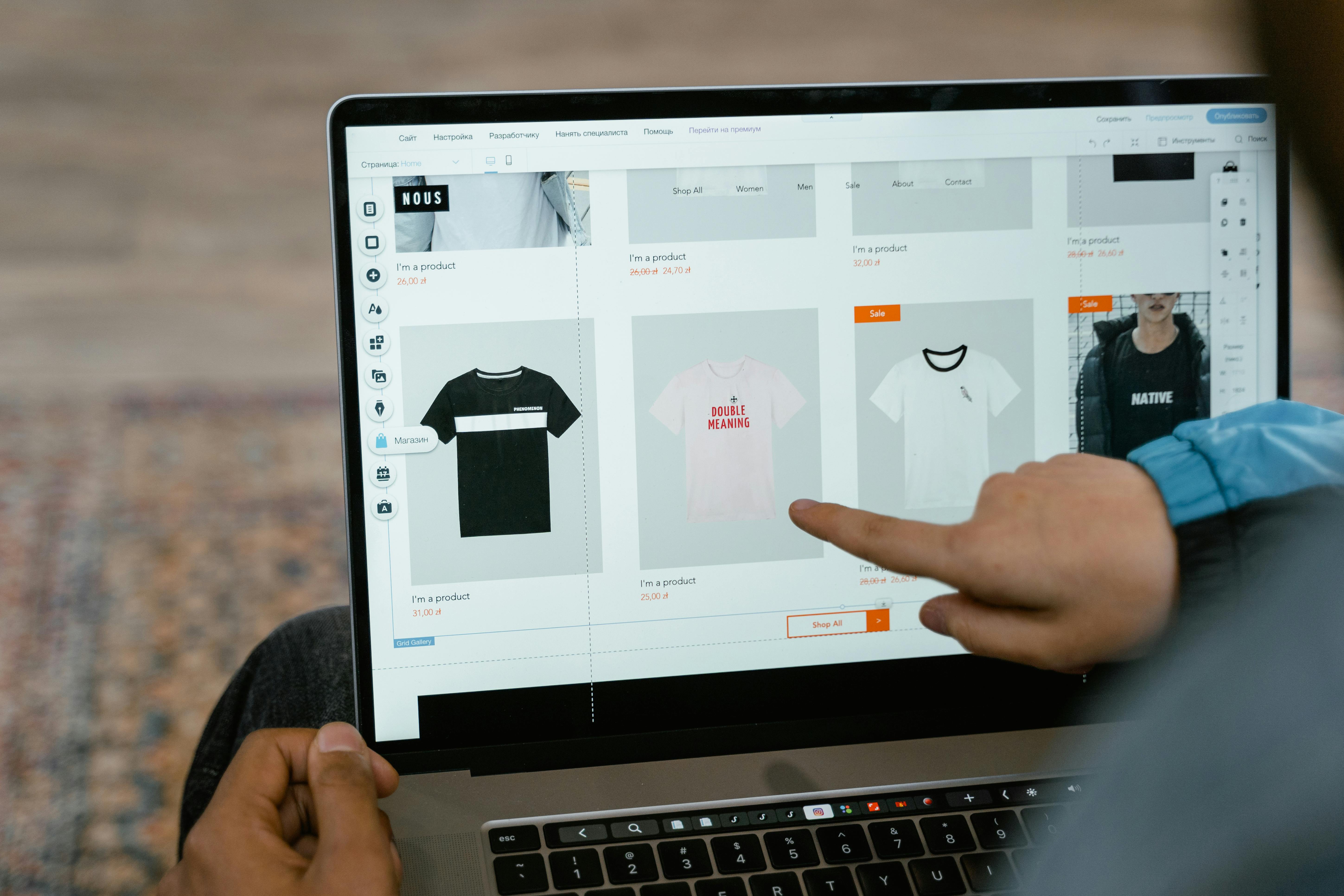
A healthy review section usually has some nuance. Even popular products tend to collect a mix of rave reviews, decent-but-not-perfect comments, and a few disappointments because real customers have different expectations and experiences.
When nearly everything is either five stars or one star, the listing may be distorted. Sometimes that means fake positives are colliding with angry legitimate complaints, creating a score that looks dramatic but not especially trustworthy.
Pay attention to the missing middle. Those three- and four-star reviews often contain the most useful details because they sound less emotional and more like honest trade-offs.
5. The top reviews feel outdated

A product may still wear an impressive average score while the most visible feedback is from two or three years ago. That matters more than many shoppers realize, especially on marketplaces where sellers change suppliers, materials, or manufacturing without changing the listing.
An item that was excellent last year may be completely different now. The brand name stays the same, the photos look familiar, and the old praise remains in place, but the current product can quietly decline.
Sort by most recent before you decide. Fresh reviews often reveal quality drops, design changes, or customer service issues that the headline rating hides.
6. Reviewers mention a different product than the one listed

One of the easiest red flags to overlook is a review section that seems oddly mismatched. If people are talking about headphones on a listing for a blender, or a different size, scent, or model than the one you are viewing, something is off.
This can happen when sellers merge listings to borrow good ratings from another item. The result is a flattering score that may have little to do with the actual product you are about to buy.
Take those mismatched comments seriously. A messy review history suggests the seller may be more focused on gaming the listing than delivering a consistent item.
7. The negatives all mention the same flaw

A few bad reviews are not necessarily a dealbreaker, but patterns matter. If multiple unhappy buyers complain about the same issue, like poor stitching, weak battery life, leaking seals, or misleading sizing, that is probably not random bad luck.
Shoppers sometimes dismiss low ratings as isolated gripes while focusing on the average score. But repeated criticism is often the clearest signal that a product has a real design or quality problem.
Do not just count stars. Read the one-, two-, and three-star reviews closely, because recurring complaints can reveal the exact issue most likely to affect your own experience.
8. The reviewer profiles look suspiciously empty

Clicking into reviewer profiles is not something most shoppers bother to do, but it can be revealing. If many glowing reviews come from accounts with no photo, no history, and no variety in what they review, that should lower your confidence.
A profile filled with dozens of generic five-star reviews across unrelated categories can feel more like a promotional tool than a real shopper. Authentic customers usually leave a more uneven and human-looking trail over time.
You do not need to investigate every reviewer like a detective. Just sample a few. When too many accounts look thin or oddly uniform, the praise may not be as organic as it seems.
9. Photos in reviews look overly polished
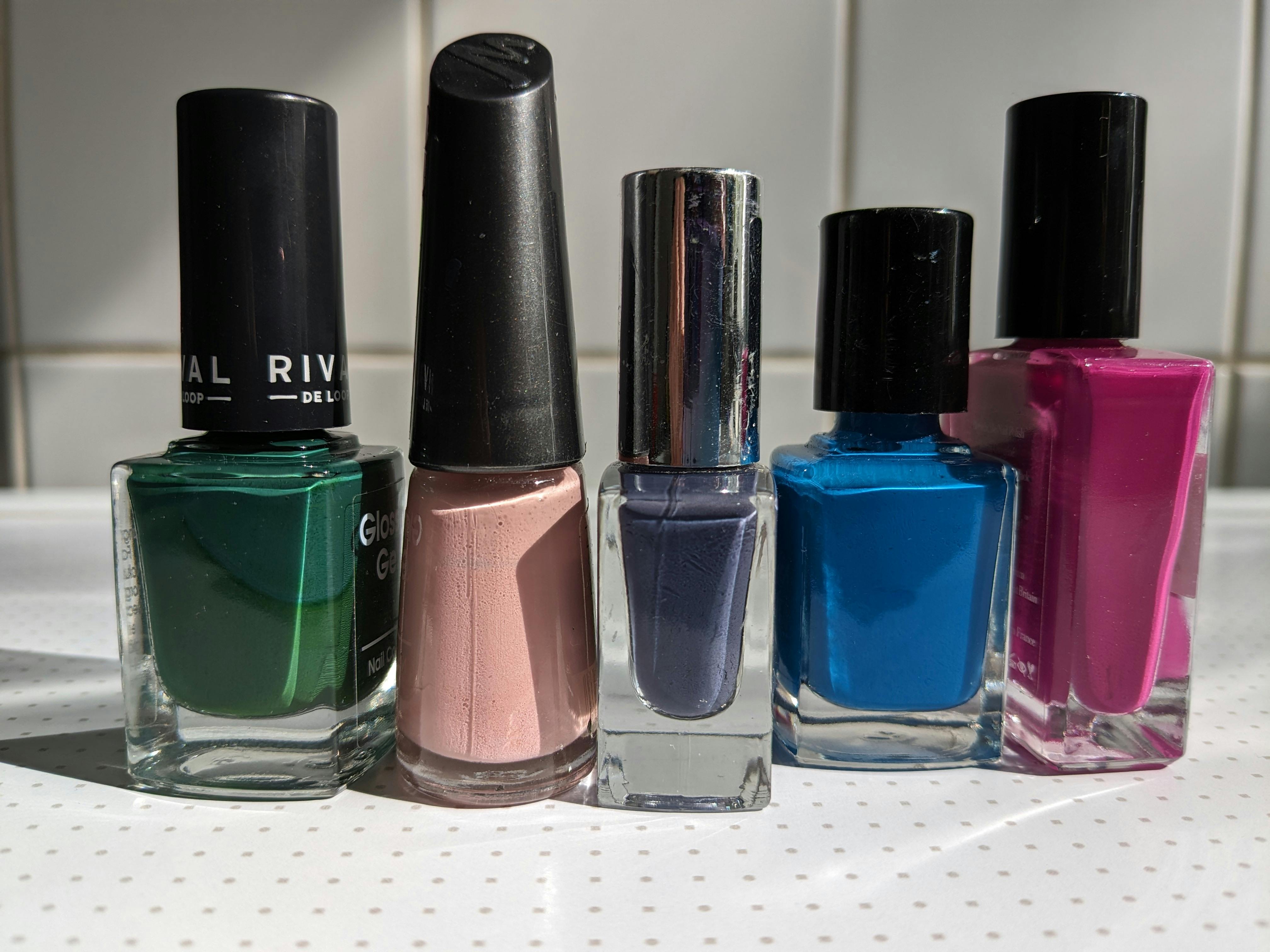
Customer photos are usually helpful because they show what a product looks like in real life. But if the review images look like mini ad campaigns, with studio lighting, perfect styling, and suspiciously clean branding, pause for a moment.
Some sellers seed reviews with professional-looking content to make listings feel more trustworthy. The images can be beautiful while still telling you very little about how the item appears in an ordinary home or everyday use.
Look for photos that feel casual and practical. Honest review images often show scale, wear, clutter, and imperfect lighting, which is exactly why they can be more valuable than polished shots.
10. The seller responds defensively instead of helpfully

Seller responses can reveal a lot about what happens after the purchase. When brands reply with calm, specific help, it suggests they take problems seriously. When they get combative, copy and paste the same excuse, or blame the customer, that tells a different story.
A defensive tone often points to bigger service issues waiting in the wings. If something goes wrong with your order, return, or warranty claim, the review section may already be showing you exactly how that conversation will go.
Read a few seller replies before you buy. Customer service character is easy to ignore in the moment, but it matters just as much as the product itself once money changes hands.