As technology, industry, and society evolve, so does the job market. Many occupations that were once essential to daily life have completely disappeared—either replaced by machines, made obsolete by new inventions, or phased out by changing lifestyles. These lost professions remind us how much the world of work has changed in just a few generations. Here are 10 once-common jobs that no longer exist, but once played vital roles in everyday life.
1. Switchboard Operator
In the early days of telephones, switchboard operators were essential for connecting calls manually. They sat at large panels, plugging and unplugging wires to link callers. It was one of the most common jobs for women in the early 20th century. With the rise of automated dialing systems, their services became unnecessary. Today, digital networks handle all connections instantly, with no human help.
2. Lamplighter

Before electric streetlights, cities relied on lamplighters to illuminate the night. These workers would walk from post to post at dusk, lighting gas lamps using a long pole. They returned at dawn to extinguish them. Lamplighters were vital for public safety and visibility after dark. Once electricity became widespread, lamplighters were no longer needed.
3. Milkman

The milkman was once a familiar sight in neighborhoods, delivering fresh milk daily to doorsteps. Before refrigeration became common, milk had to be delivered quickly and often. Customers left empty bottles outside, and the milkman replaced them with full ones. As supermarkets, home fridges, and bulk shopping took over, milk delivery faded. Today, only a few niche services offer this nostalgic experience.
4. Knocker-Upper
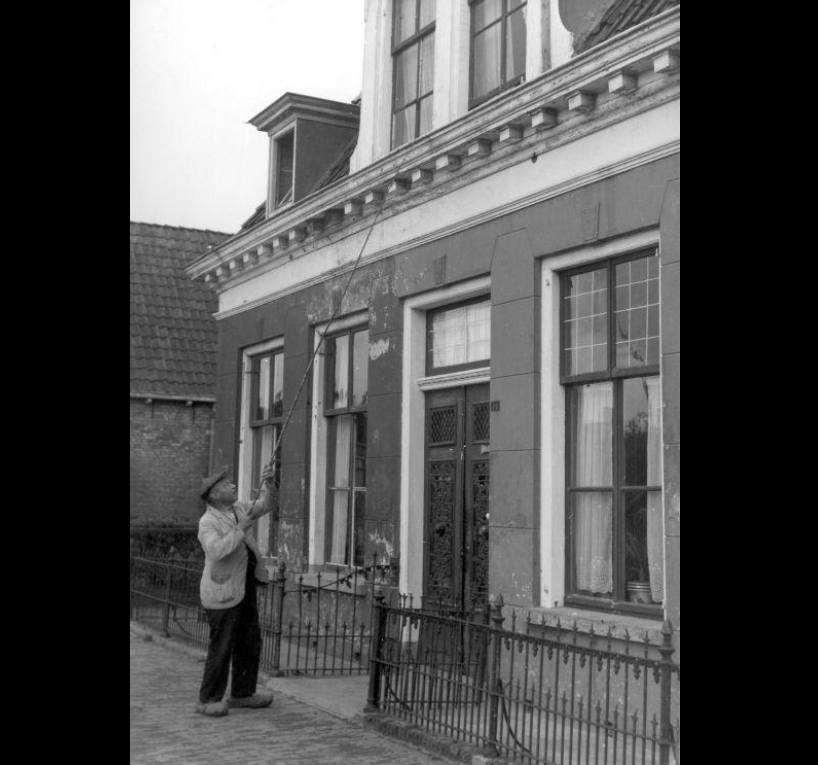
Before alarm clocks were affordable or reliable, people hired knocker-uppers to wake them up. These human alarm clocks would tap on bedroom windows with sticks or pea-shooters at the requested time. It was especially common in industrial cities during the early 1900s. The job disappeared as alarm clocks became cheap and widely available. It’s a quirky reminder of how people adapted before tech took over.
5. Ice Cutter
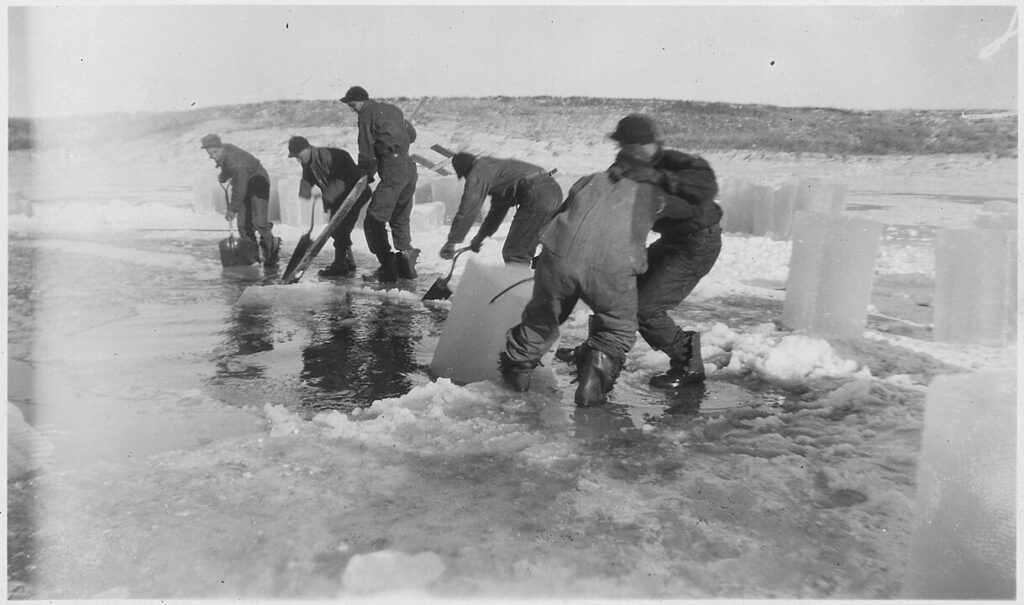
Before electric refrigeration, ice cutters harvested large blocks of ice from frozen lakes in the winter. These blocks were stored in insulated warehouses and used throughout the year to keep food cold. It was hard, dangerous, and seasonal work requiring strength and precision. Refrigerators eventually replaced the need for natural ice storage. The once-crucial ice cutter is now a relic of the past.
6. Elevator Operator

In the mid-20th century, elevator operators managed the controls and assisted passengers in department stores, hotels, and office buildings. It was considered a courteous and helpful service, especially in complex multi-floor buildings. However, as elevators became automated and more user-friendly, the need for operators vanished. Now, the idea of someone operating an elevator feels almost foreign. They were once a symbol of both formality and convenience.
7. Typist Pool
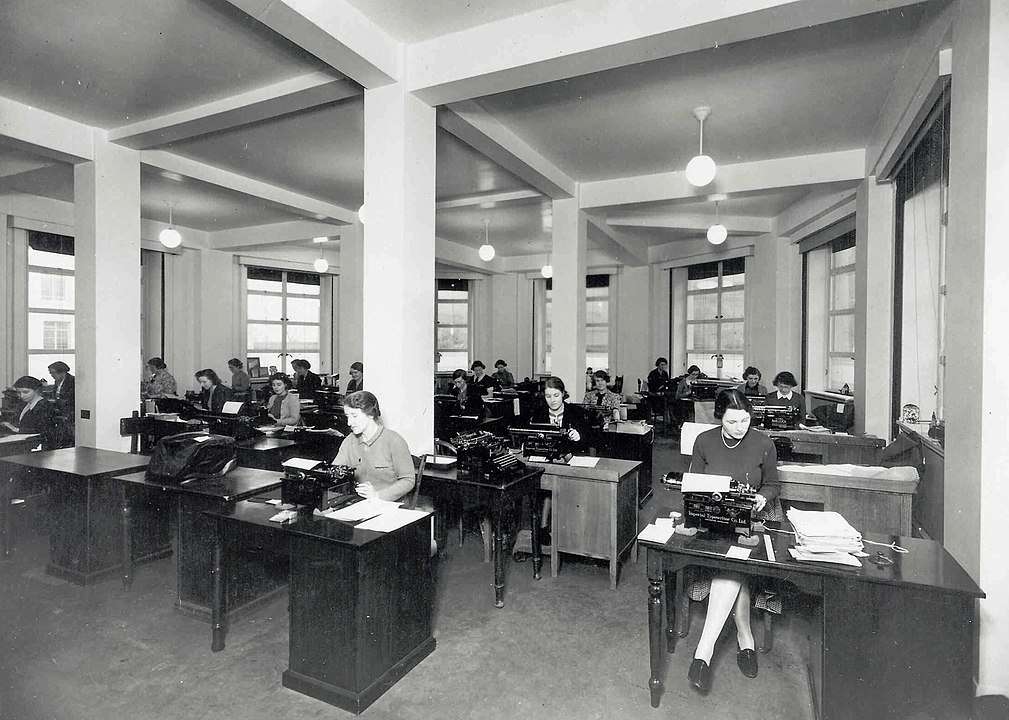
Before personal computers, large offices had entire rooms of professional typists. They typed letters, memos, and reports dictated by bosses or handwritten drafts. Most typists were women and worked at a fast pace with manual or electric typewriters. With the advent of word processors and personal computers, employees began handling their own typing. The once-bustling typist pool became a thing of the past.
8. Telegraph Operator
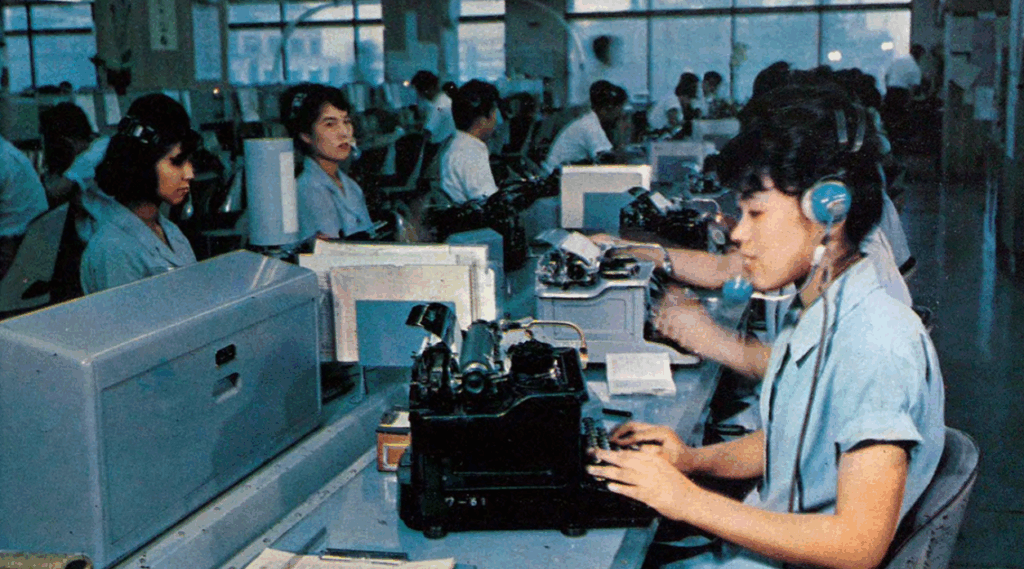
Telegraph operators transmitted messages across long distances using Morse code. This job required sharp listening skills and fast, accurate tapping on telegraph machines. It was the backbone of communication before the telephone and email. Once more advanced technology arrived, the demand for telegraphy declined. Today, it’s a nearly forgotten art, studied more for history than practical use.
9. Human Computer
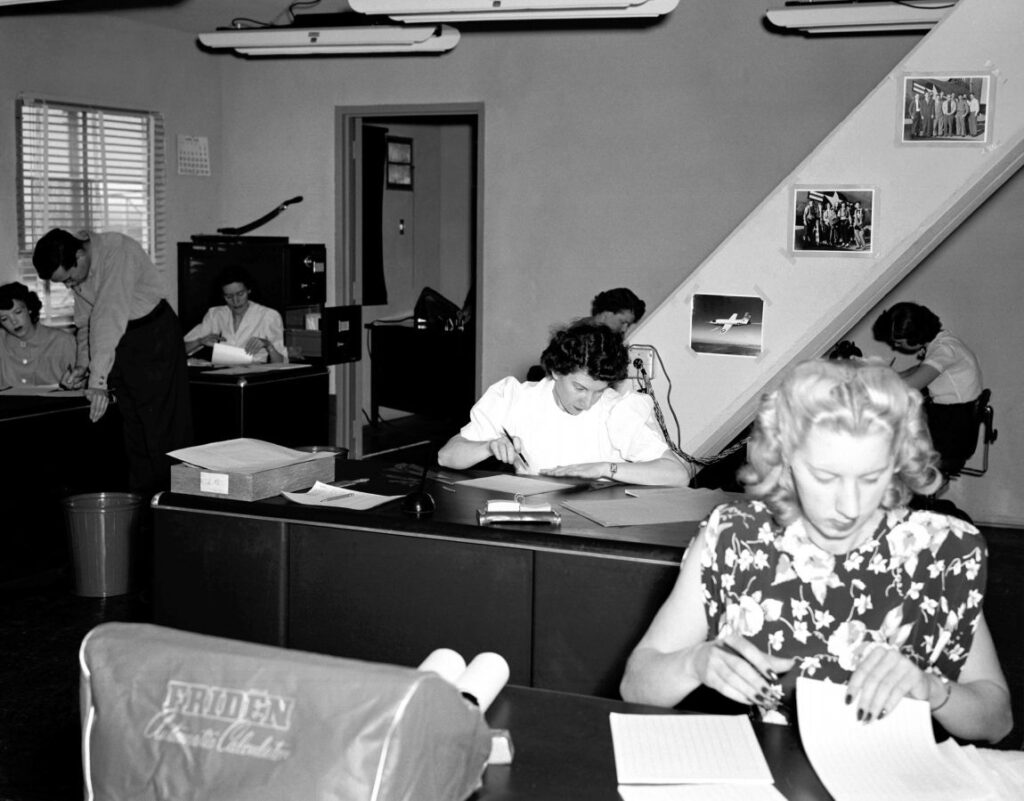
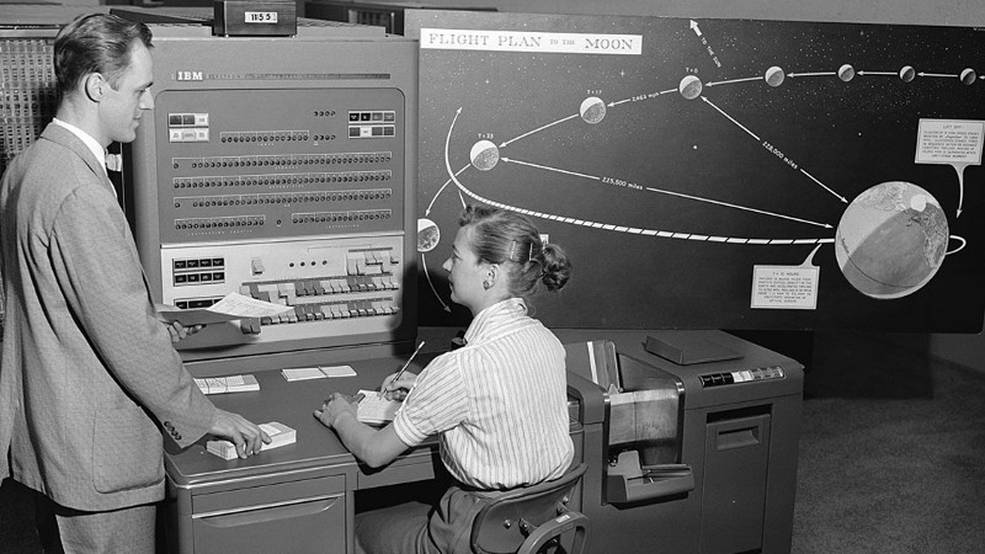
Long before modern computers, teams of people—often women—were hired to perform complex calculations. They worked in fields like astronomy, engineering, and early space programs. These “human computers” used slide rules, charts, and mental math to solve scientific problems. Their work paved the way for modern computing. But as machines became faster and more capable, this job disappeared entirely.
10. Rat Catcher
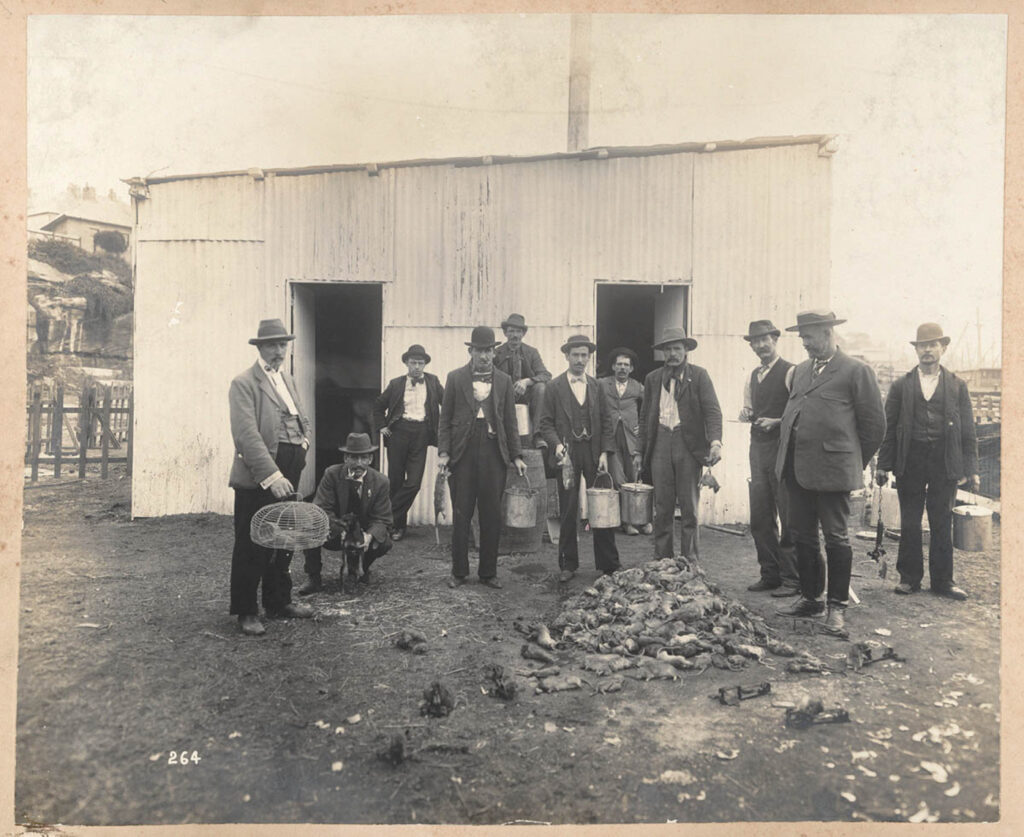
In old cities, professional rat catchers were hired to control the rodent population. They used traps, dogs, and sometimes even ferrets to locate and kill rats. The job was dangerous and unhygienic, but crucial to public health before sanitation improved. With modern pest control methods and better urban infrastructure, the rat catcher faded into history. Still, they once played a surprisingly important role in city life.