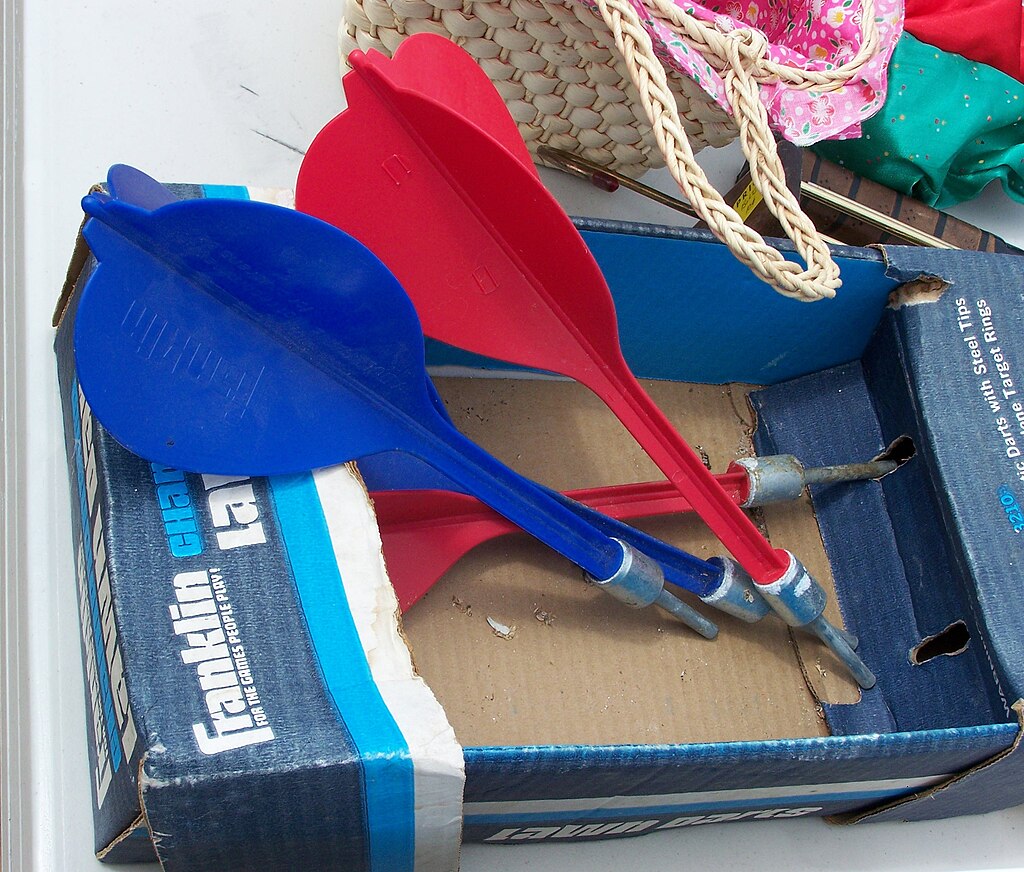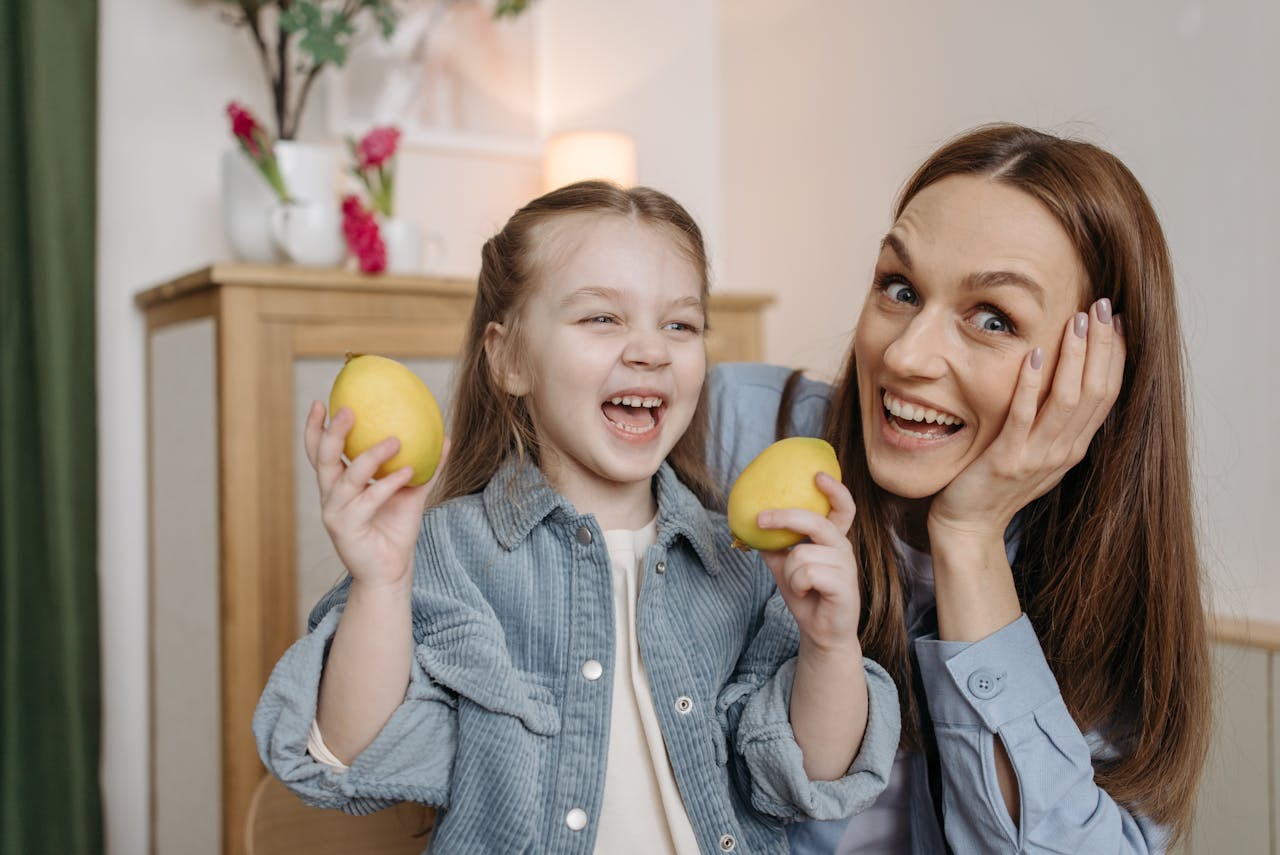
Parenting trends come and go, but some classic tricks have stood the test of time. Long before apps, gadgets, and social media advice, parents found simple, practical ways to guide kids, build routines, and keep households running smoothly. Many of these old-school methods are still surprisingly effective today. Here are 10 timeless parenting tricks that continue to help children thrive while keeping parents sane.
1. Routine is Your Superpower

Establishing consistent daily routines helps children know what to expect, reducing anxiety and improving behavior. Morning schedules, bedtime rituals, and predictable meal times create a sense of stability. Kids learn self-discipline naturally, and parents enjoy smoother days with fewer meltdowns. This old-school trick continues to be a cornerstone of effective parenting because structure helps everyone in the household feel more organized and secure, making life more manageable and calm.
2. Family Meals: More Than Just Food

Sharing regular family meals encourages conversation, strengthens bonds, and helps children develop social skills. Eating together also allows parents to model healthy habits and notice early signs of behavioral or emotional issues. Even in our busy modern lives, setting aside time for meals fosters connection and creates memories that last. This simple, old-school approach builds family unity, encourages communication, and teaches kids the value of spending time together.
3. Clear Rules, Happy Kids
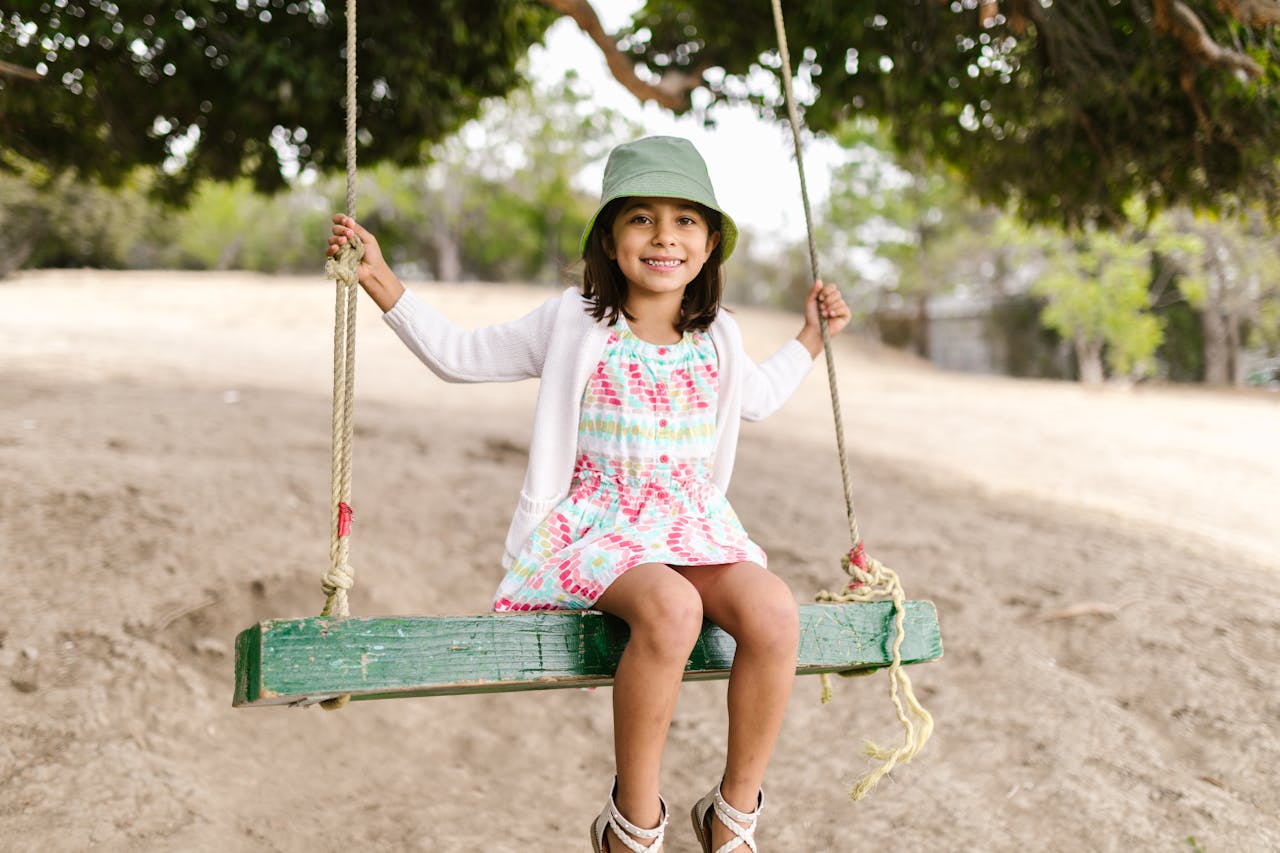
Children thrive when they understand limits. Clear rules about behavior, chores, and responsibilities reduce confusion and prevent conflicts. Enforcing boundaries consistently helps kids feel safe and understand expectations. This old-school trick teaches accountability and self-control, preparing children for real-world situations while keeping home life predictable and manageable. Clear boundaries help parents maintain authority without constant arguments, creating a smoother household dynamic.
4. Play Outside Like It’s the ’70s
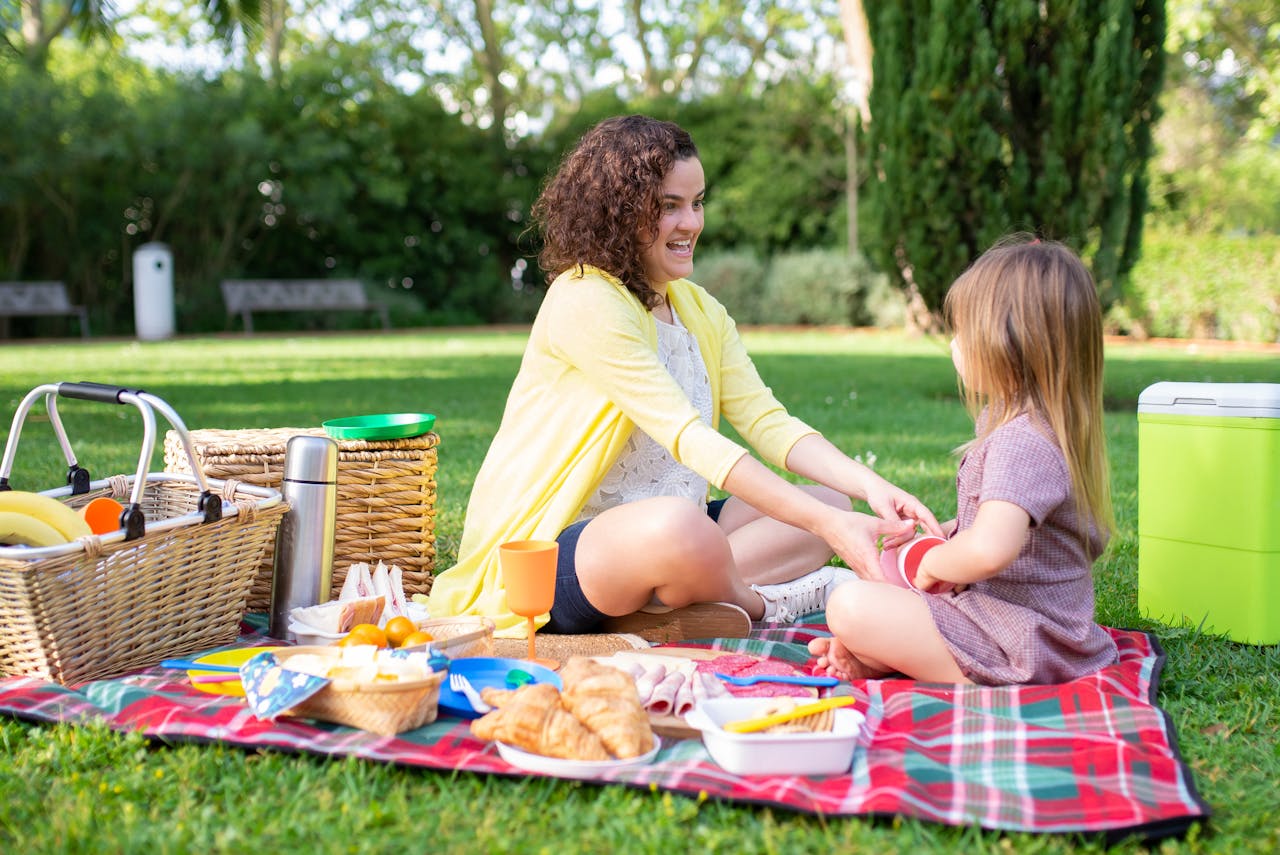
Old-school parents knew the value of fresh air and imaginative play outside. Parks, gardens, or backyards offer physical health, creativity, and social interaction. Limiting screen time and encouraging outdoor activities helps children develop independence and problem-solving skills. Even today, getting kids outside remains one of the simplest and most effective ways to burn energy, stimulate imagination, and promote healthy development while giving parents a brief break from indoor chaos.
5. Hands-On Fun = Learning
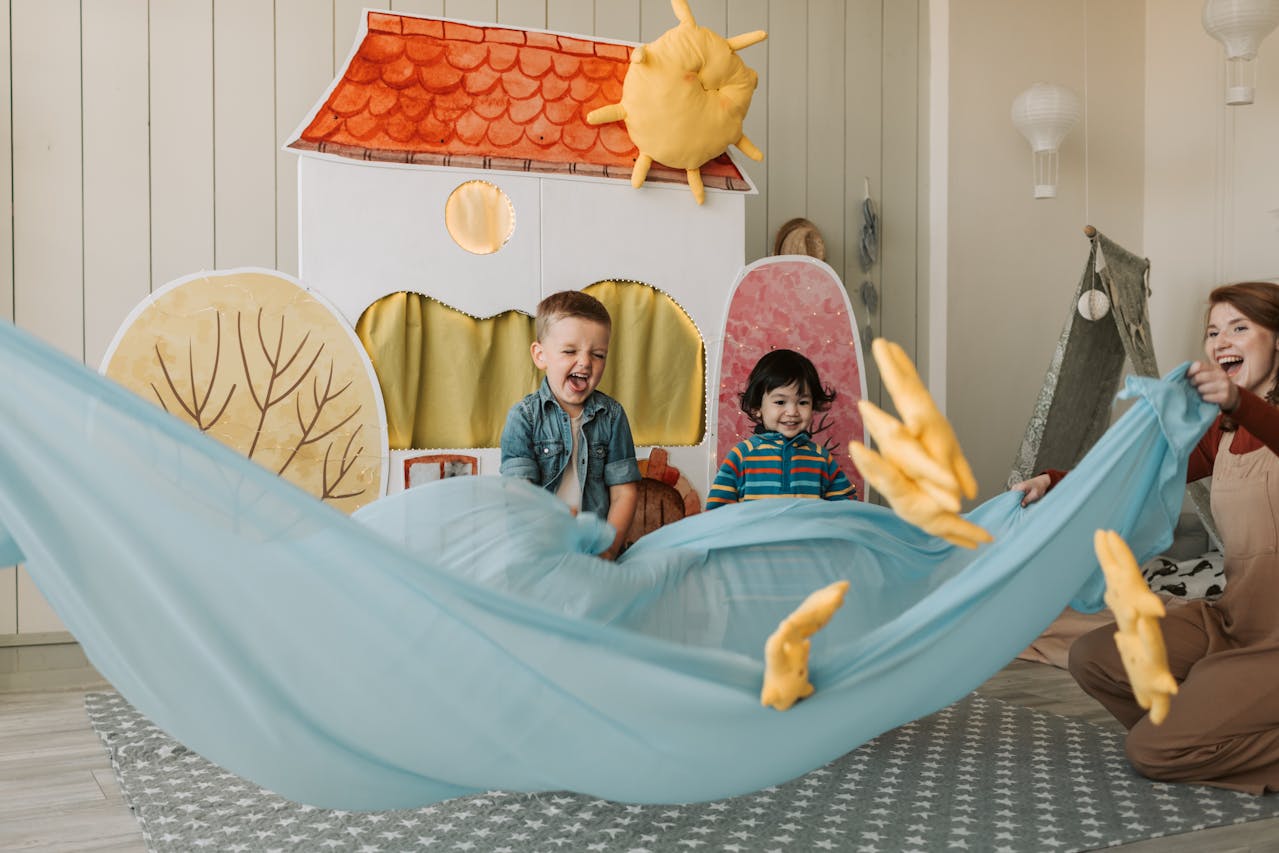
Learning by doing: through cooking, gardening, or DIY projects, teaches practical skills and responsibility. Old-school parents encouraged children to help with household tasks, giving them confidence and competence. Today, hands-on learning fosters independence, critical thinking, and pride in accomplishments. Engaging kids in meaningful activities provides educational value while strengthening parent-child collaboration, making it a timeless strategy.
6. Praise Like You Mean It
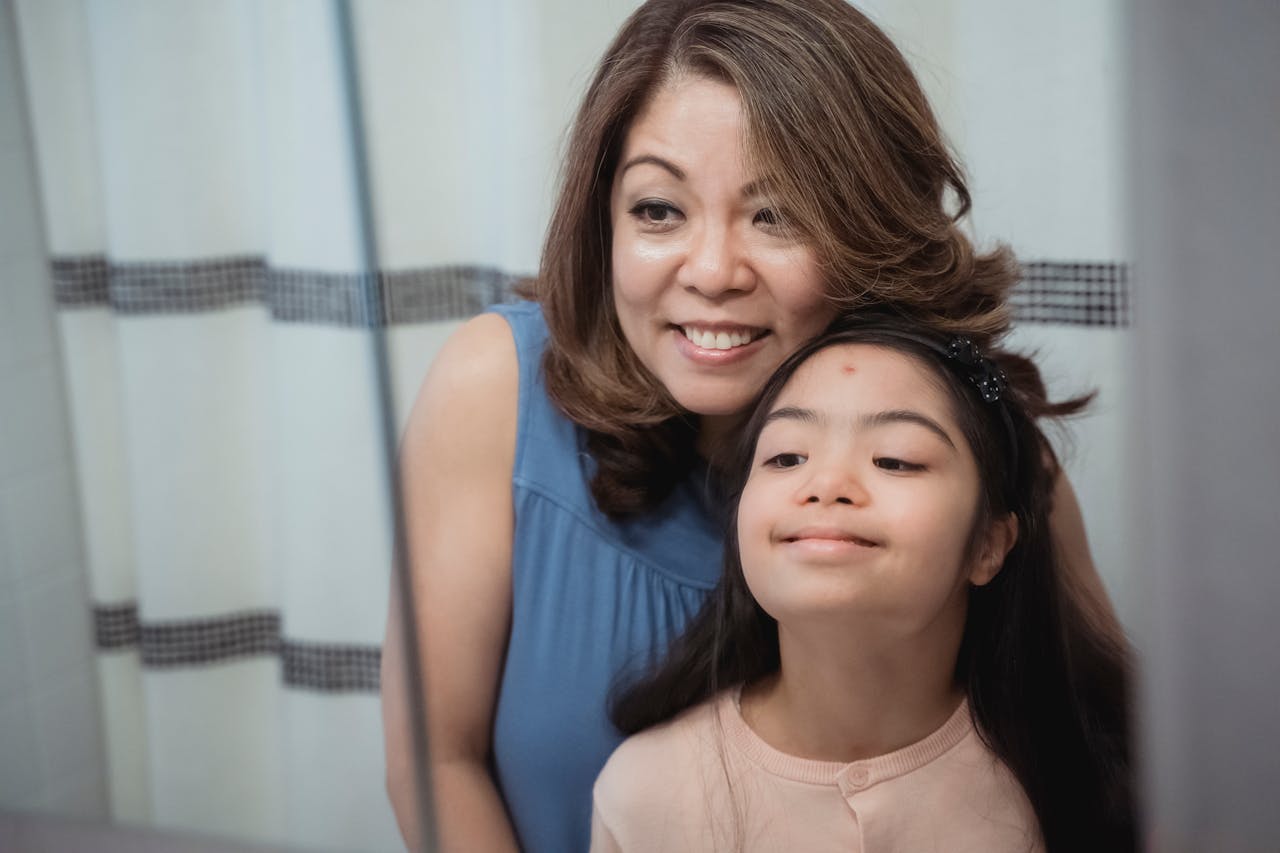
Praising children for effort, not just results, boosts confidence and motivation. Old-school parenting emphasized acknowledgment of progress, resilience, and hard work. Positive reinforcement continues to shape behavior effectively without relying on material rewards. Encouragement helps children feel valued, nurtures self-esteem, and teaches them that persistence matters. Simple words of recognition remain a powerful tool for nurturing emotionally healthy children.
7. Explain, Don’t Just Say No

Instead of arbitrary “no” commands, old-school parents often explained the reason behind rules. Children who understand why limits exist are more likely to follow them. Providing context helps kids internalize values and make better choices independently. This approach fosters reasoning, reduces power struggles, and encourages cooperation. Even in modern parenting, explanation paired with clear rules is a strategy that builds understanding, respect, and thoughtful behavior in children.
8. Storytime Magic
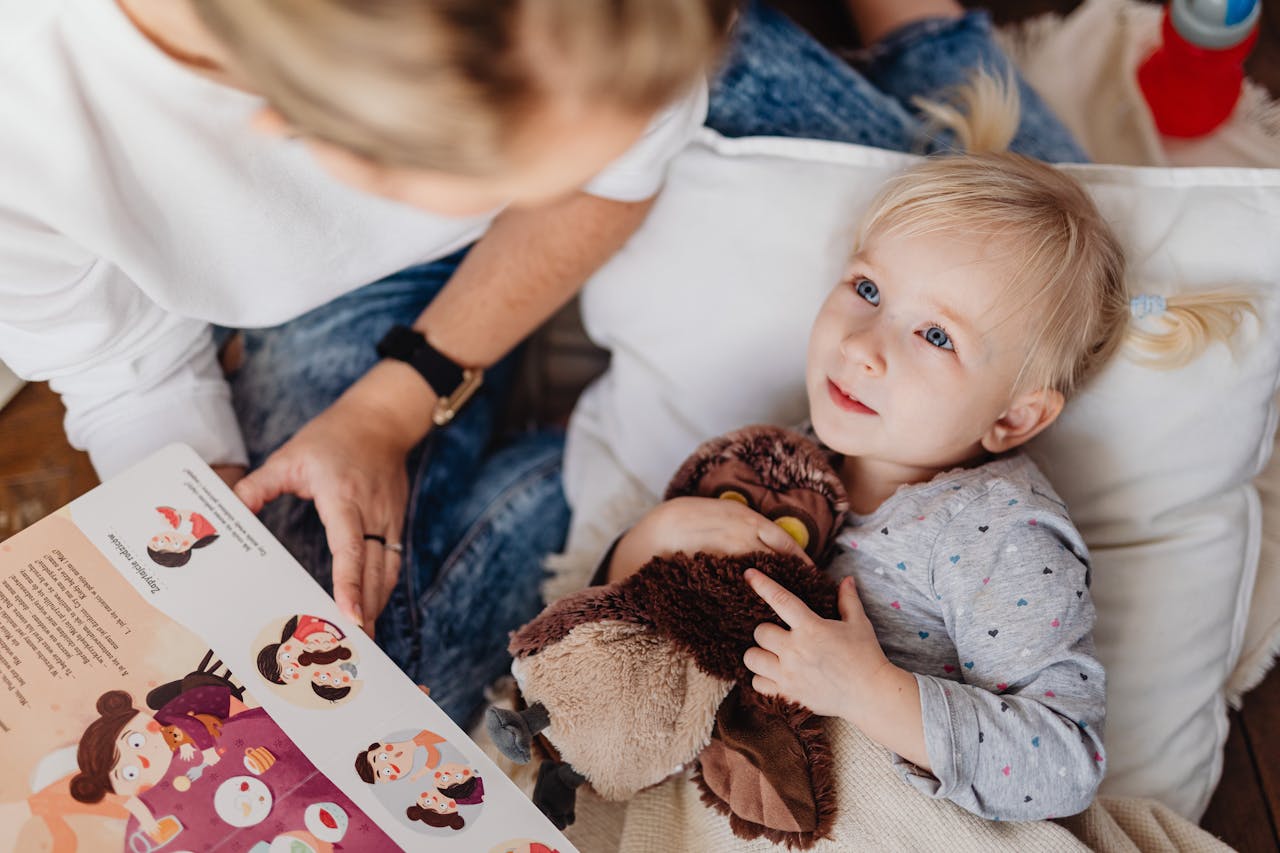
Reading stories, bedtime books, or quiet reading time strengthens literacy, imagination, and parent-child bonds. Old-school parents valued reading not only for education but also for connection. Today, reading together boosts vocabulary, comprehension, and empathy while providing calm, focused time. This timeless trick nurtures a love of learning, encourages discussion, and helps children develop emotionally and intellectually in a fun, engaging way.
9. Chores Build Character
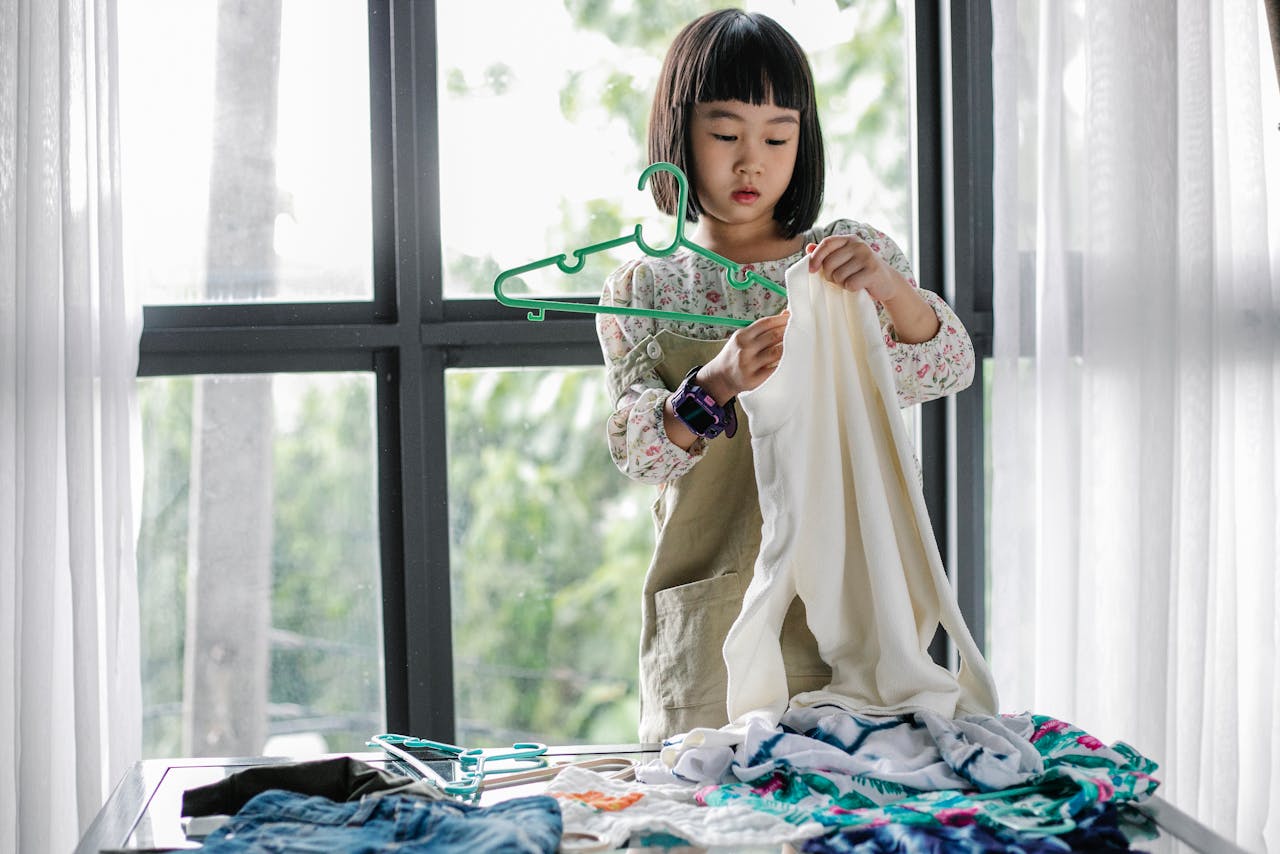
Chores and small responsibilities teach children accountability and independence. Old-school parents assigned tasks like making beds, setting the table, or helping with laundry. These early lessons instill work ethic, self-reliance, and confidence. Modern parenting still benefits from giving children meaningful responsibilities, helping them develop life skills while understanding the value of contributing to the household in practical ways.
10. Kids Watch What You Do
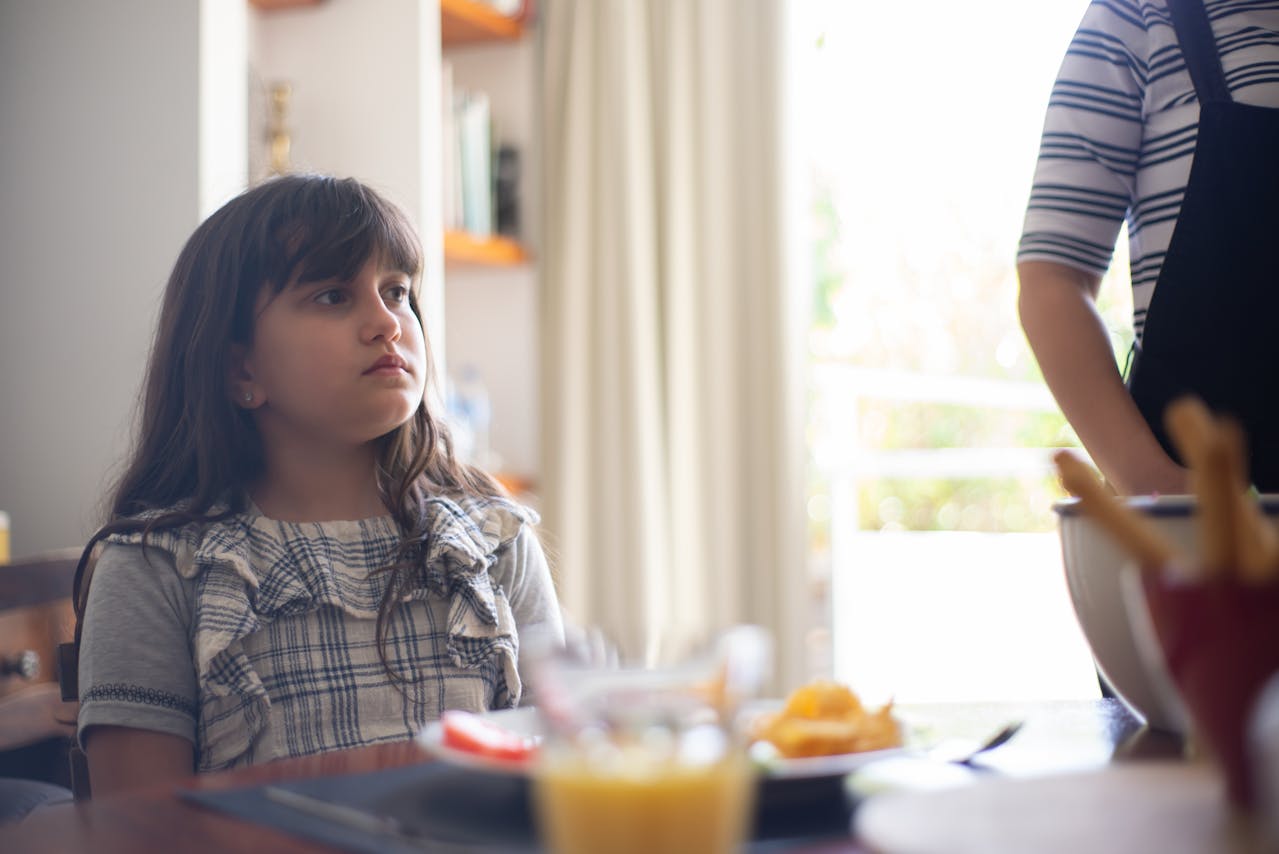
Children imitate what they see. Old-school parents knew that modeling patience, honesty, respect, and problem-solving was more effective than lecturing. Demonstrating the behaviors parents want children to adopt encourages consistent learning. This timeless trick teaches values organically, strengthens relationships, and ensures lessons stick. Leading by example remains one of the simplest, most powerful ways to guide children toward becoming thoughtful, capable adults.
These old-school parenting tricks prove that some methods never go out of style. By combining consistency, empathy, and practical guidance, parents can help their children thrive while keeping households calm, connected, and organized.