
There’s a comfort in traditions that span generations, rituals that ground families, connect ages, and provide meaning beyond daily routines. Many practices that were once common in the 1970s have faded, but they’re ripe for revival today for their simplicity and soul. Here are ten old-school family traditions from the ’70s worth bringing back.
Sunday night family dinners

In the ’70s, many families gathered for Sunday night meals as a ritual, roasts, casseroles, or stews served with conversation at the table. No phones, no screens, just laughter, stories, planning, and real connection. Reviving this gives everyone something consistent to look forward to in a busy week. It nurtures familial bonds and makes meals more than fuel. Kids recall these dinners as emotional anchors in adulthood.
Homemade ice cream socials
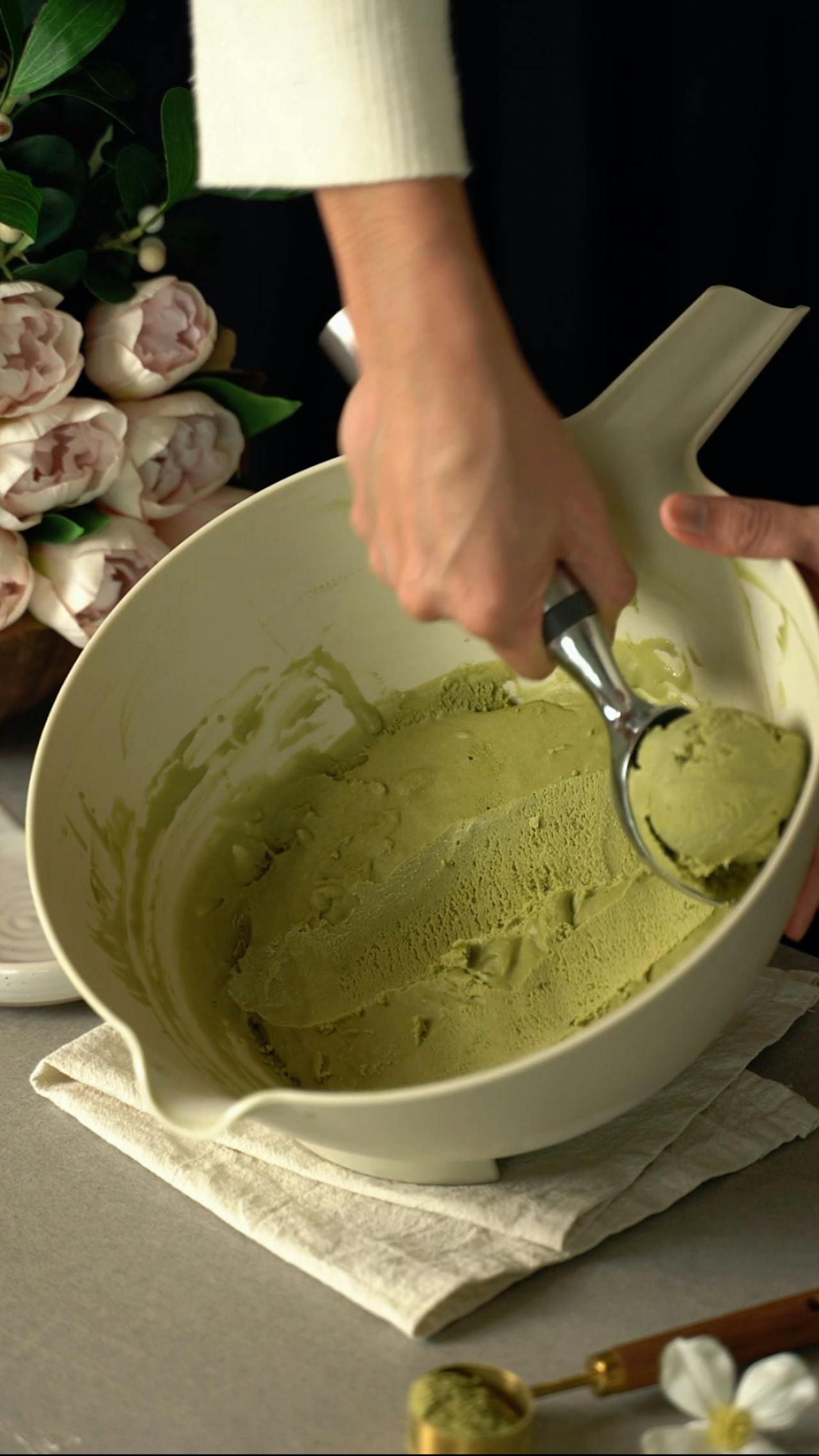
In warmer months, neighbors and families often gathered for banana splits, sundae bars, or hand-crank ice cream sessions. This tradition fostered community, sharing, and simple fun. Host a backyard or balcony ice cream evening with toppings and homemade flavors. It becomes a ritual of togetherness and sensory delight. Today, when families compete for screen time, an ice cream social is a sweet reminder of shared joy.
Letter-writing nights
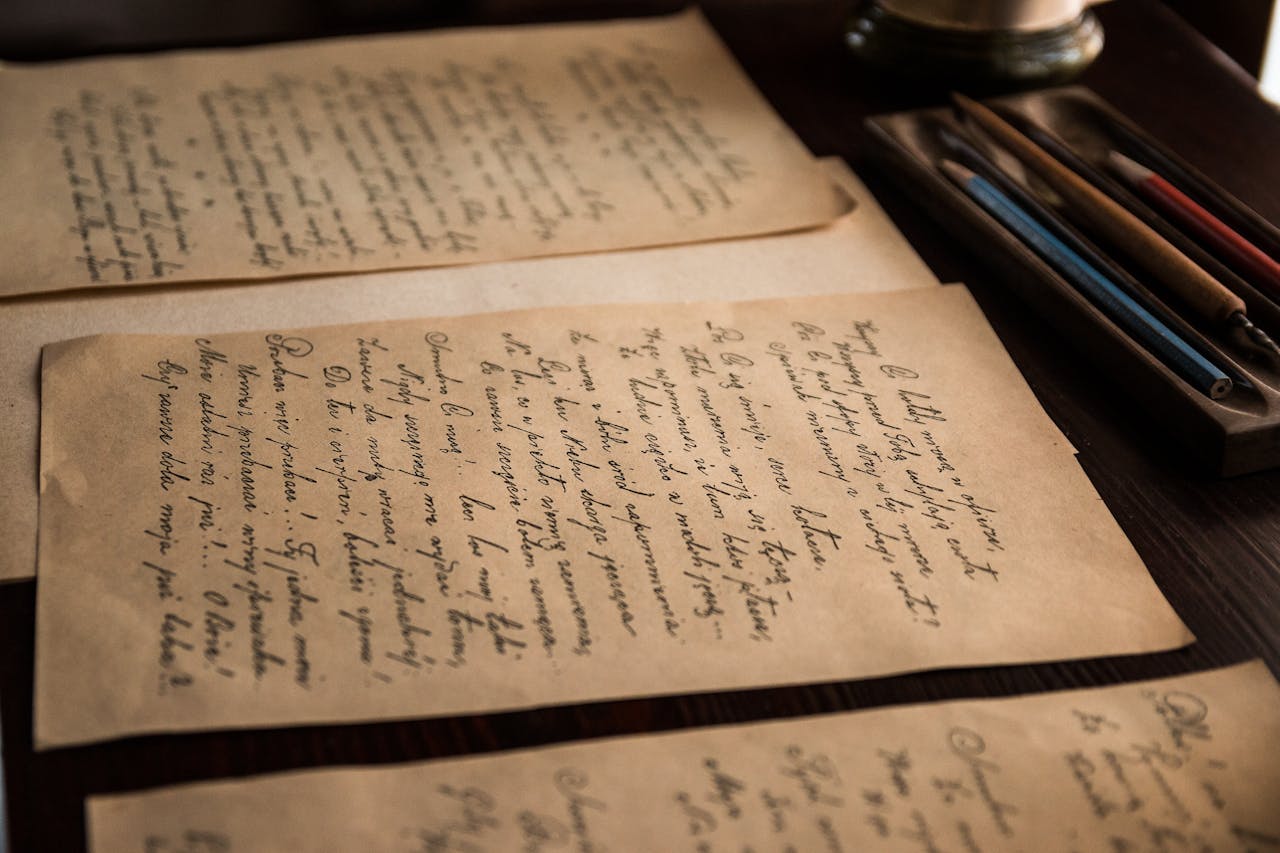
Before texting, families sometimes spent evenings writing letters to distant relatives or friends, handwriting, stamps, envelopes, and anticipation of replies. Reviving a monthly or biweekly letter-writing night encourages gratitude, reflection, and connection. Children learn patience and thoughtfulness, and you bridge generations with tangible handwritten notes. It slows the pace and creates keepsakes instead of ephemeral messages.
Movie nights with printed tickets
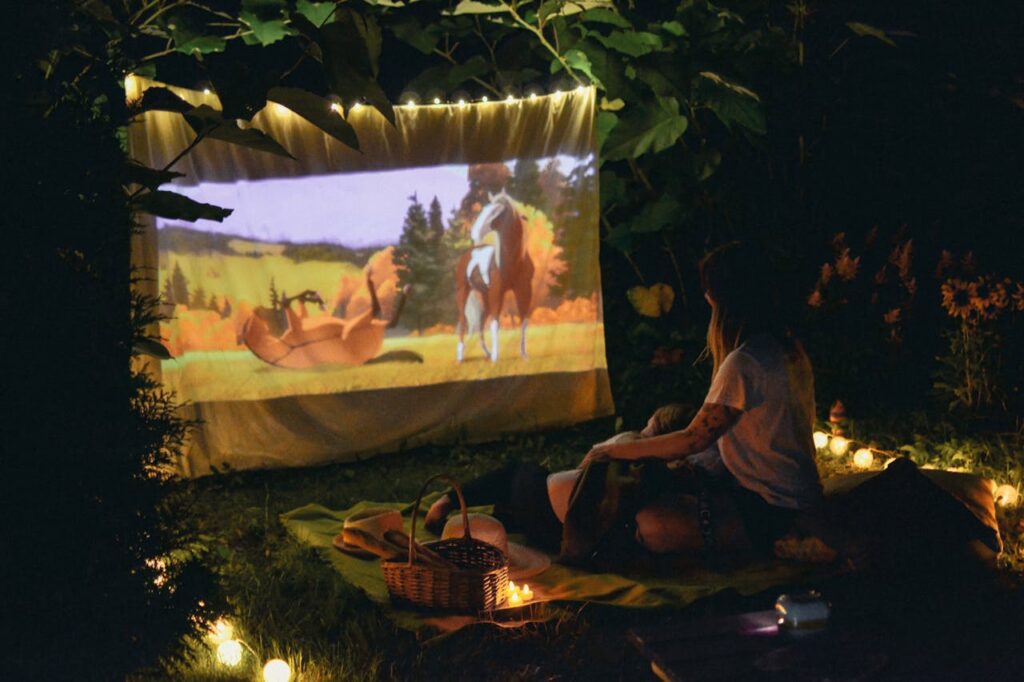
Families used to schedule a “movie night” with a printed or hand-drawn ticket, popcorn, homemade treats, and no interruptions. Bring this back by creating themed tickets, dimming lights, and enforcing “no phones” during the show. Each family member takes turns picking the film. This ritual makes watching a movie feel like an event, not just passive screen time. It strengthens shared memory-making.
Annual family photo day

Once a year, families would dress up and take a formal photo, on the porch, in the living room, or outdoors. This practice chronicled growth and change over time. Reintroduce an annual photo day and print the pictures to hang or store in a family album. It fosters reflection and visual narrative of your lives. These snapshots become heirlooms, not just digital files lost in cloud storage.
Campout in the living room
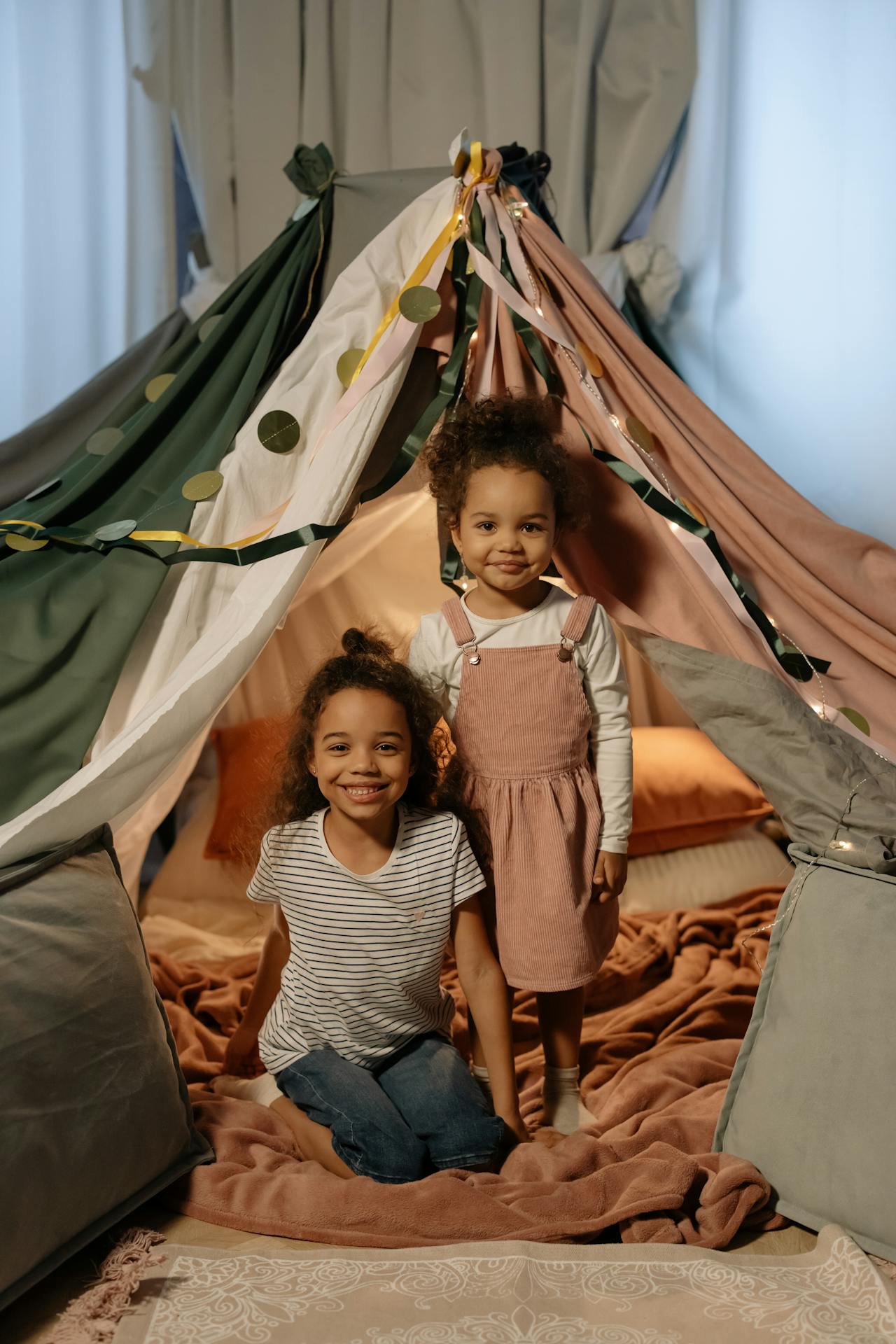
Whether or not you had a yard, families often pitched tents or spread sleeping bags in a living room, telling stories or roasting marshmallows (over the stove or candles). Indoor campouts became adventures on rainy nights. Bring it back during seasons when camping outdoors isn’t possible. Use pillows, flashlights, storytelling, and s’mores kits. It transforms ordinary space into magical memory.
Seasonal crafts and decorations

Families in the ’70s often created homemade seasonal crafts for holidays, handmade ornaments, seasonal wreaths, nature collages, or papier-mâché figures. Reviving this encourages creativity, personal expression, and sustainable decor. Each season or holiday, plan at least one craft night. Kids learn that holidays are about making, not buying. The handmade items carry emotional value beyond store-bought ones.
Game night rotations

Rather than video consoles, families used to rotate board games, card decks, or puzzles on designated game nights. Everyone would gather at the table for Scrabble, Parcheesi, Monopoly, or card games. Reinstating a weekly or biweekly game night brings back conversation, strategy, and fun. The reveal of who won or lost becomes story fodder. It deepens connection in screen-light silence.
Sunday afternoon walks or drives
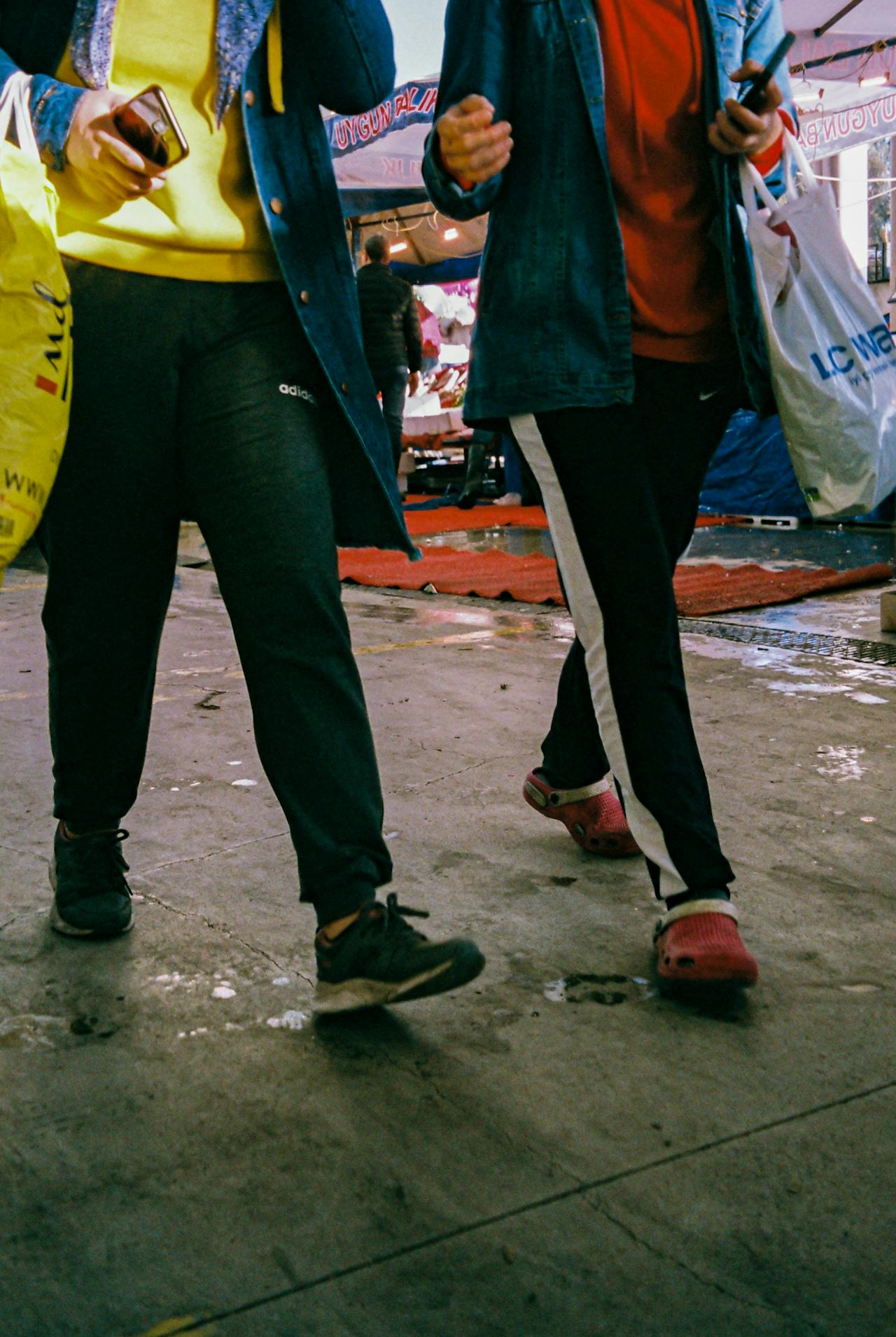
Many families in the ’70s reserved Sunday afternoons for walks, drives, or exploration, hiking, park visits, or scenic drives. Today’s traffic and busyness sometimes squeeze this out. Revive it by committing to low-tech afternoons: neighborhood walks, discovery drives, nature strolls, or exploring new neighborhoods. It slows your pace. It gives breathing space and casual intimacy away from screens.
Memory jar or gratitude jar

Some households kept jars of notes, things people were grateful for, small wins, funny lines, or family memories. At the end of the year, the family read them together. This tradition builds mindfulness, reflection, and positivity. Revive it by keeping a jar or box out year-round, letting every family member drop notes in. On New Year’s Eve or another ritual night, open and reflect. It becomes emotional ballast, reminding you of joy even through hard times.
These traditions aren’t relics but timeless anchors to present family life. They offer slow, intentional pause in frenetic schedules, deepening connection across generations. Reviving one or two at a time lets them sink roots. Over years, your family culture becomes richer, more grounded, and emotionally resonant, less about tech, more about ritual, memory, and shared life.