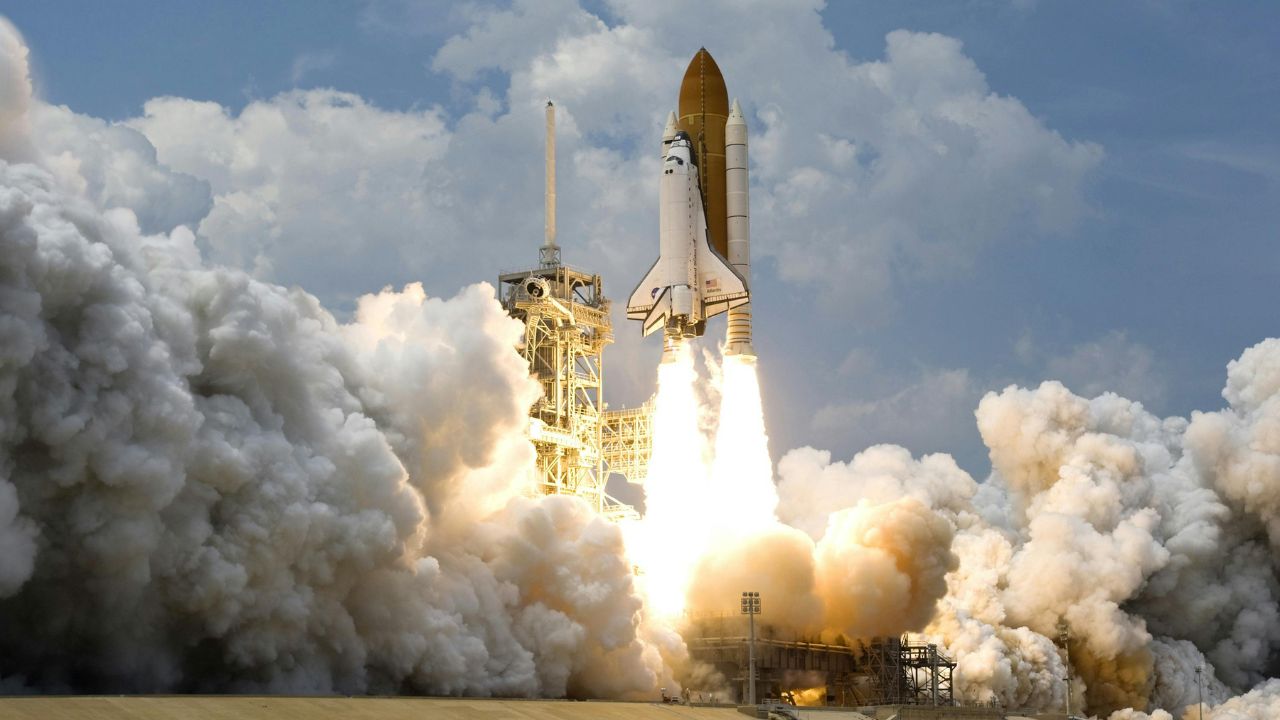
Space exploration has given us some of humanity’s boldest, strangest, and most unforgettable moments. From the first satellite to deep-space voyagers still calling home, these missions didn’t just make headlines, they changed how we see Earth, the Moon, the planets, and our place in the cosmos. Here’s a tour through 10 of the most famous space missions ever launched.
1. Sputnik 1
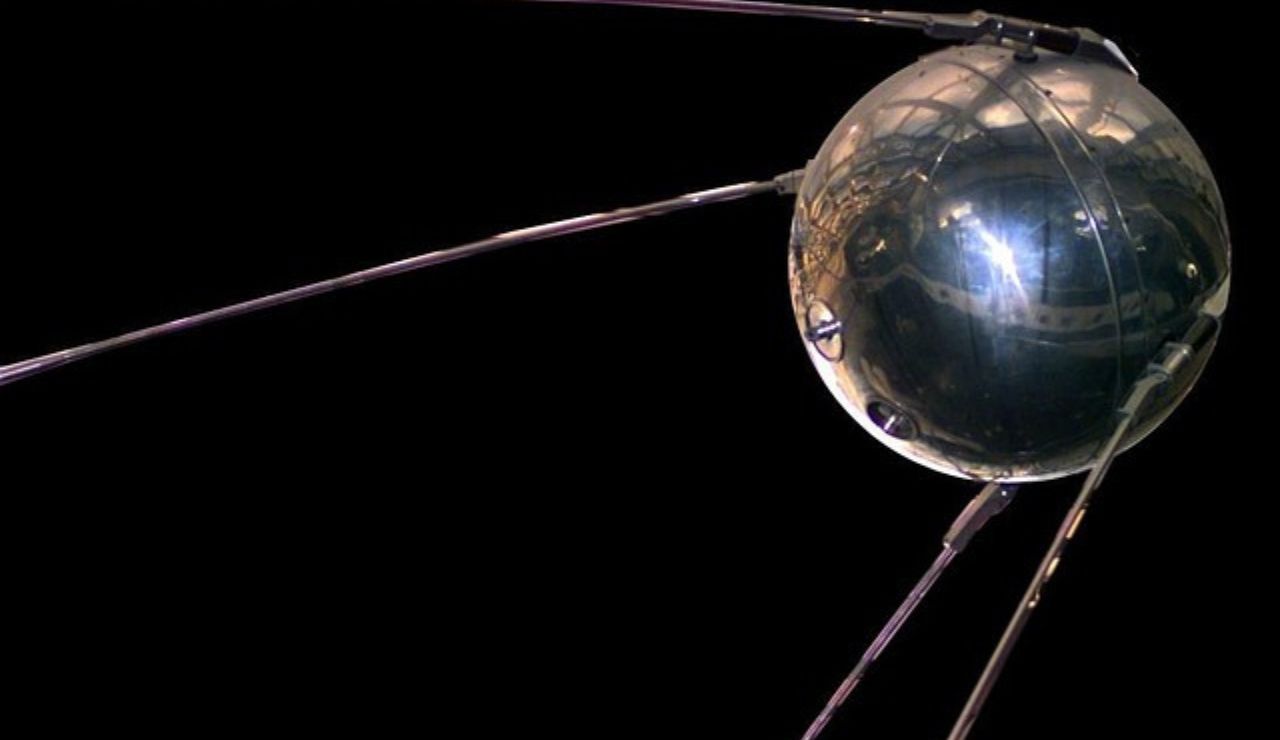
When the Soviet Union launched Sputnik 1 in 1957, the world suddenly realized the space age had truly begun. The tiny metal sphere was simple by modern standards, but its steady radio beeps sent a shockwave across politics, science, and everyday life.
It orbited Earth for just a few months, yet its impact lasted far longer. Sputnik turned space into a global priority almost overnight and helped ignite the space race between the Soviet Union and the United States.
For many people, this was the mission that changed spaceflight from science fiction into reality. One small satellite made the whole planet look up.
2. Vostok 1

In 1961, Vostok 1 carried Yuri Gagarin into history as the first human to travel into space. His single orbit around Earth lasted less than two hours, but it instantly made him one of the most famous people on the planet.
The flight was short, risky, and groundbreaking all at once. At a time when no one knew exactly how the human body would react to spaceflight, Gagarin’s calm presence became as important as the engineering itself.
His journey proved that humans could leave Earth and survive the experience. It was the kind of mission that opened a door the world could never close again.
3. Apollo 11
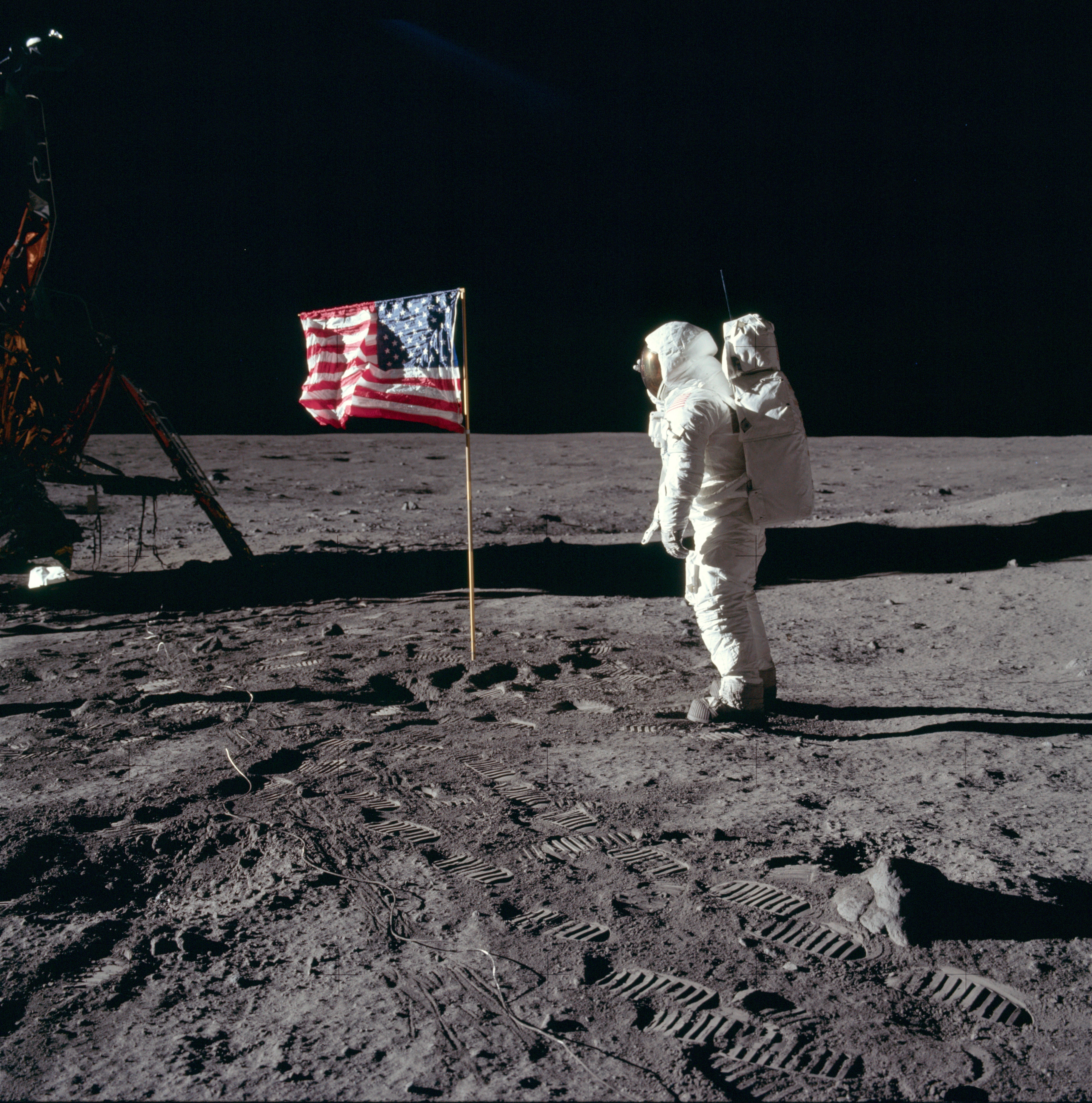
Apollo 11 remains the gold standard of iconic space missions. In July 1969, NASA landed Neil Armstrong and Buzz Aldrin on the Moon while Michael Collins orbited above, turning an audacious national goal into one of history’s most watched achievements.
Armstrong’s first steps on the lunar surface became a defining television moment for millions around the globe. The mission blended enormous technical precision with something more emotional: the feeling that humanity had reached beyond its home world.
Even decades later, Apollo 11 still feels almost mythic. It wasn’t just a moon landing—it was proof that imagination, money, science, and nerve could do something astonishing together.
4. Apollo 13

Apollo 13 was supposed to be another Moon mission, but an onboard explosion transformed it into one of NASA’s greatest survival stories. Instead of landing, the crew fought to stay alive while engineers on the ground scrambled to bring them home.
What followed was a masterclass in improvisation under pressure. Oxygen was limited, power was scarce, and almost every decision mattered. The mission became famous not for where it went, but for how close it came to disaster.
Its safe return made Apollo 13 legendary. Sometimes the most celebrated mission isn’t the one that goes perfectly—it’s the one that proves human ingenuity under the worst possible conditions.
5. Voyager 1
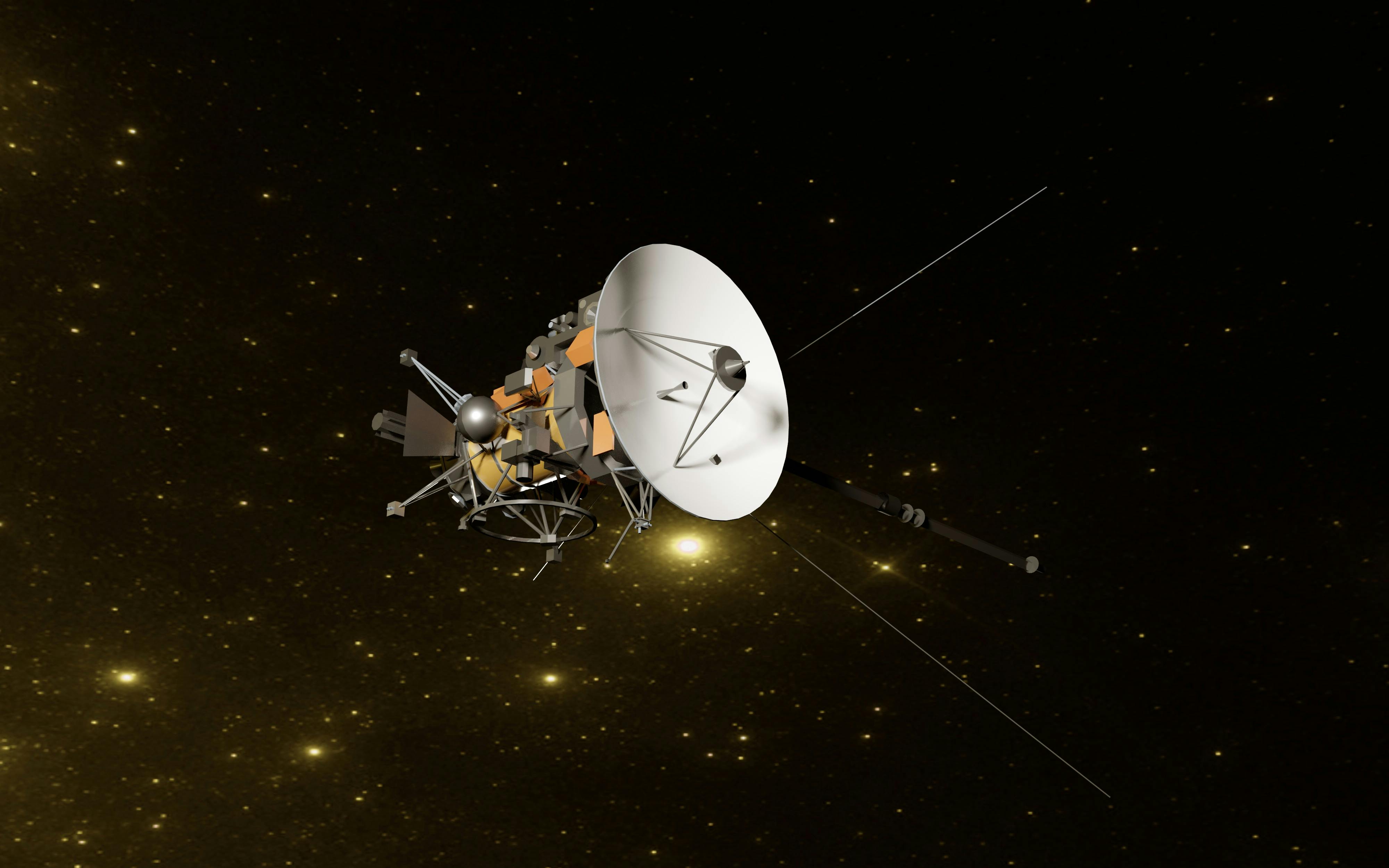
Launched in 1977, Voyager 1 began as a mission to study the outer planets, but it became something much bigger. After stunning encounters with Jupiter and Saturn, it kept going, farther and farther, until it entered interstellar space.
That alone would make it historic, but Voyager 1 also carries the famous Golden Record, a kind of time capsule of sounds and images from Earth. It’s one of the most poetic objects humans have ever sent into the dark.
Even now, Voyager 1 continues to send back data from an almost unimaginable distance. It feels less like a spacecraft and more like a tiny, stubborn ambassador for our species.
6. Space Shuttle Columbia STS-1

The first space shuttle mission, STS-1, launched Columbia in 1981 and introduced a new era in American spaceflight. Unlike earlier capsules, the shuttle was designed to be reusable, making space travel look a little more like the future people had imagined.
This first flight was a test, but a breathtakingly ambitious one. NASA sent astronauts John Young and Robert Crippen aboard an unproven orbital vehicle on its maiden launch, then brought it back for a runway landing.
STS-1 changed expectations about what spacecraft could be. It was a technical gamble, a media spectacle, and the beginning of a program that would define decades of orbital missions.
7. Hubble Space Telescope

When Hubble launched in 1990, it promised a clearer view of the universe than any ground-based telescope could offer. Then came an embarrassing twist: a flaw in its main mirror blurred the images, turning a triumph into a very public problem.
NASA’s repair mission changed everything. Once fixed, Hubble delivered breathtaking views of nebulae, galaxies, and deep-field images that reshaped astronomy and gave the public a new visual language for wonder.
Few missions have done as much to blend science and beauty. Hubble didn’t just help researchers answer big questions—it gave everyone else a reason to care about the scale and mystery of the cosmos.
8. Mars Pathfinder

Mars Pathfinder arrived at the Red Planet in 1997 and made exploration feel fun again. Its little rover, Sojourner, was small enough to seem almost charming, but it carried enormous significance as the first rover to operate on another planet.
The mission proved that a lower-cost approach could still deliver major scientific and public excitement. Images from the Martian surface spread quickly, giving people a vivid, ground-level look at a world once seen mostly from afar.
Pathfinder helped turn Mars into a destination instead of an abstraction. It set the stage for the bigger and more sophisticated rovers that followed, and it reminded everyone that small machines can make a huge impression.
9. International Space Station

The International Space Station is less one mission than an ongoing human project in orbit, but its assembly and continuous occupation make it one of the most famous achievements in space history. Since the late 1990s, astronauts and cosmonauts have lived and worked there in a rare display of international cooperation.
It serves as a laboratory, a test bed, and a symbol all at once. Research on the station has touched everything from human health to materials science, while also teaching space agencies how to manage long-duration missions.
The ISS made space feel less like a brief visit and more like a place where humans could build a working outpost. That shift matters more than it first appears.
10. James Webb Space Telescope
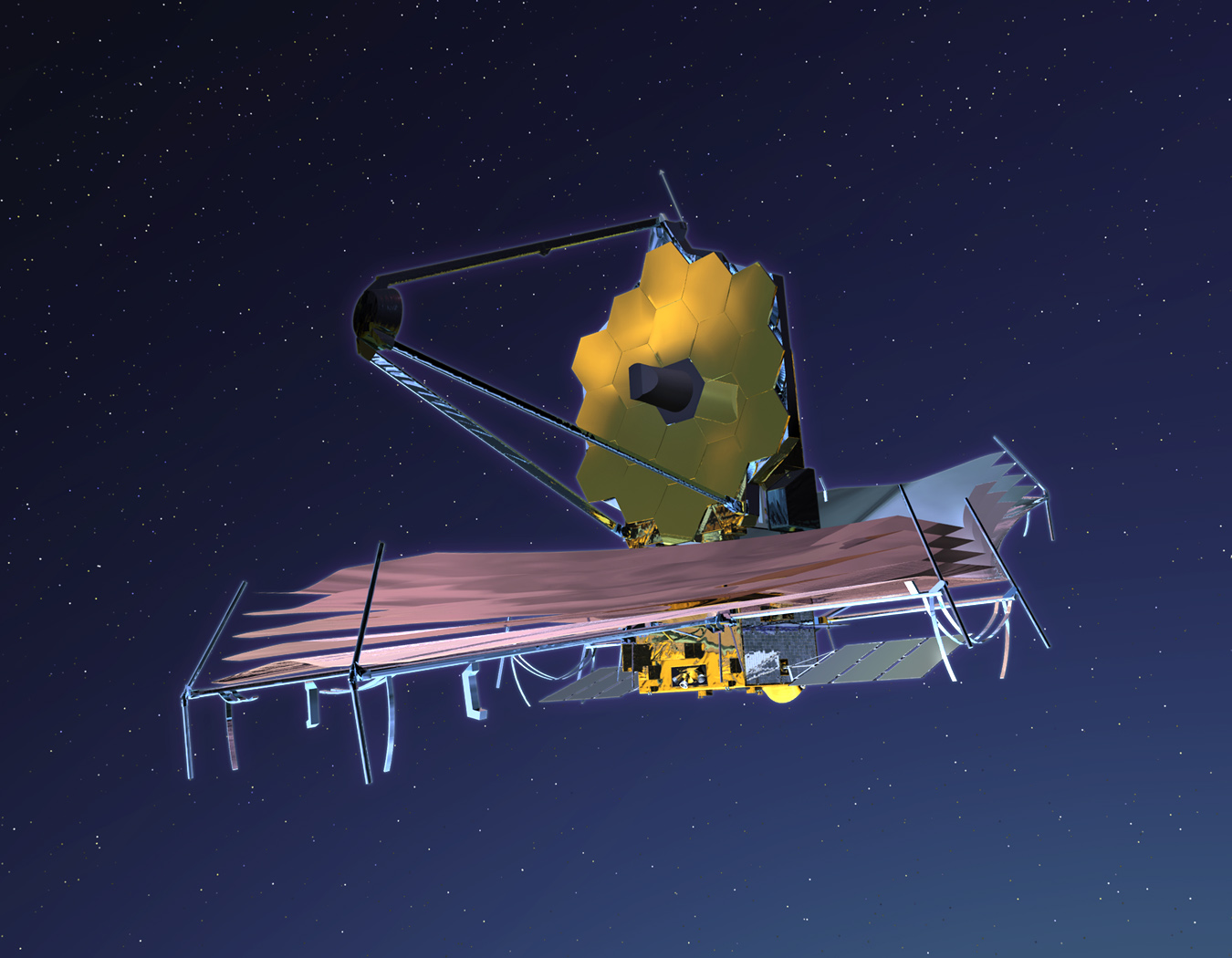
The James Webb Space Telescope launched in 2021 after years of delays, budget overruns, and sky-high expectations. Because it unfolded in space like a giant, delicate origami machine, the mission carried an unusual amount of suspense right from the start.
Once operational, Webb began delivering spectacular infrared images that pushed our view deeper into cosmic history. It has examined early galaxies, exoplanet atmospheres, and star-forming regions with a level of detail scientists had been dreaming about for years.
Webb feels like a mission built for both researchers and the public imagination. It’s a reminder that even now, after decades of spaceflight, the universe still has plenty of ways to surprise us.