The United States has faced some of the world’s most destructive storms, each leaving a trail of devastation and reshaping communities. From hurricanes to tornadoes, these natural disasters serve as reminders of both nature’s power and human resilience. Studying them reveals lessons in preparedness, recovery, and respect for the forces beyond our control. Here are ten of the most catastrophic storms in U.S. history.
The Galveston Hurricane of 1900
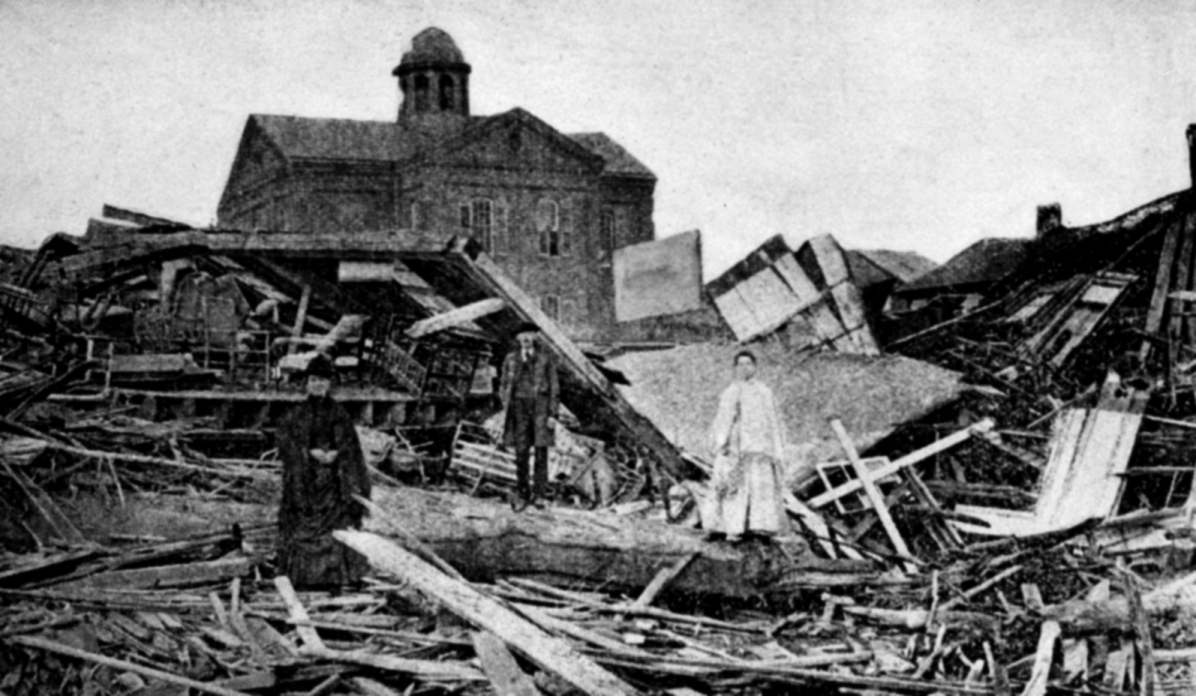
Regarded as the deadliest natural disaster in U.S. history, the Galveston hurricane killed an estimated 8,000 people. The storm surge overwhelmed the Texas city, flattening neighborhoods and destroying infrastructure. With limited forecasting technology, residents had little warning. The devastation led to major advancements in weather prediction and disaster planning.
The Great Miami Hurricane of 1926
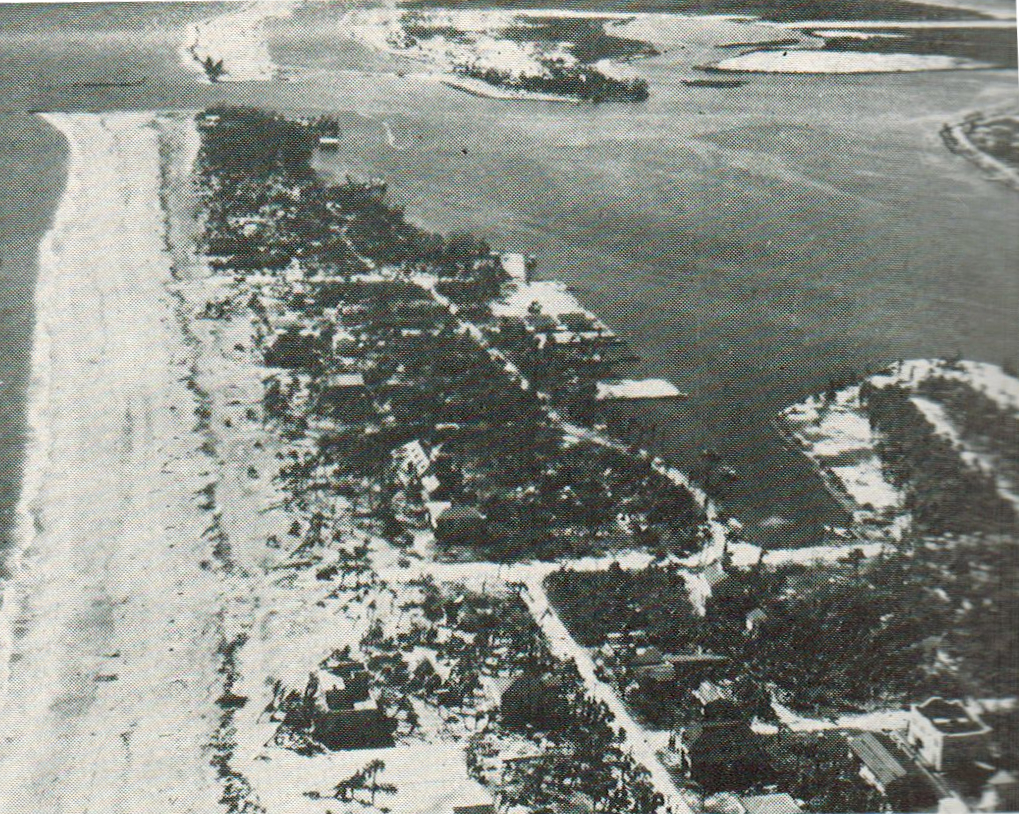
This storm struck South Florida with winds exceeding 125 miles per hour, leaving widespread destruction in Miami. Thousands were left homeless, and economic damage crippled the region’s growth for years. The hurricane marked one of the earliest examples of how rapid urban development could intensify disaster impacts. Its lessons still resonate in modern storm preparedness.
The Labor Day Hurricane of 1935
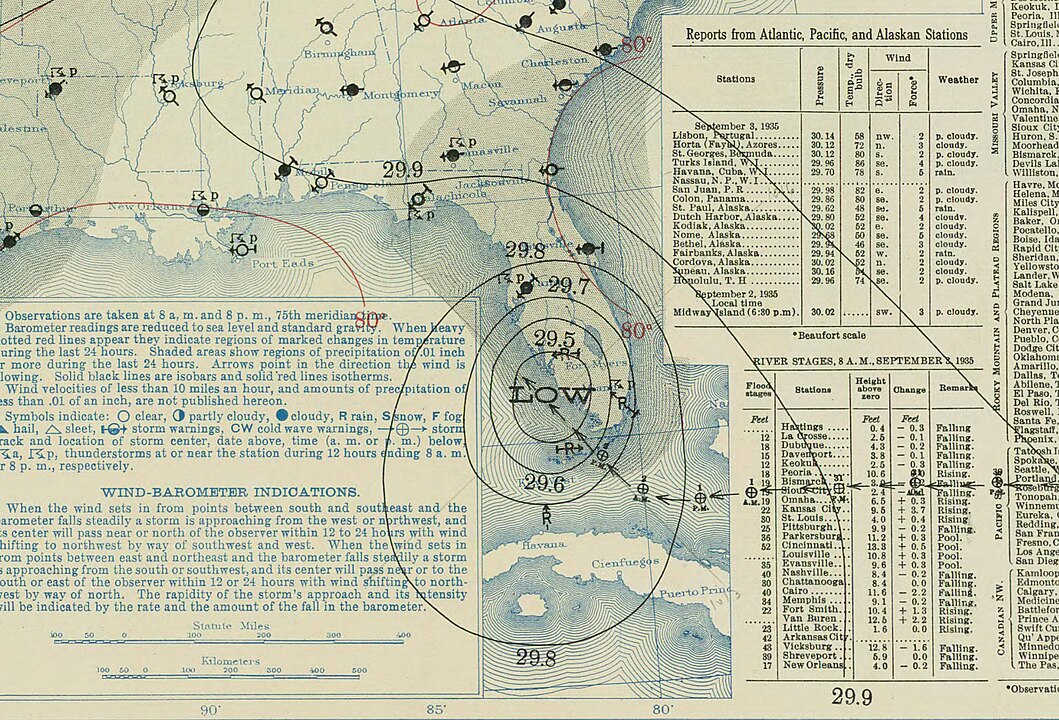
As one of the strongest hurricanes to make U.S. landfall, this storm ravaged the Florida Keys with Category 5 intensity. Winds surpassed 185 miles per hour, and the surge swept entire communities away. The destruction claimed over 400 lives, many of them World War I veterans working on government projects. It remains a benchmark for the destructive potential of compact but powerful storms.
Hurricane Hazel in 1954
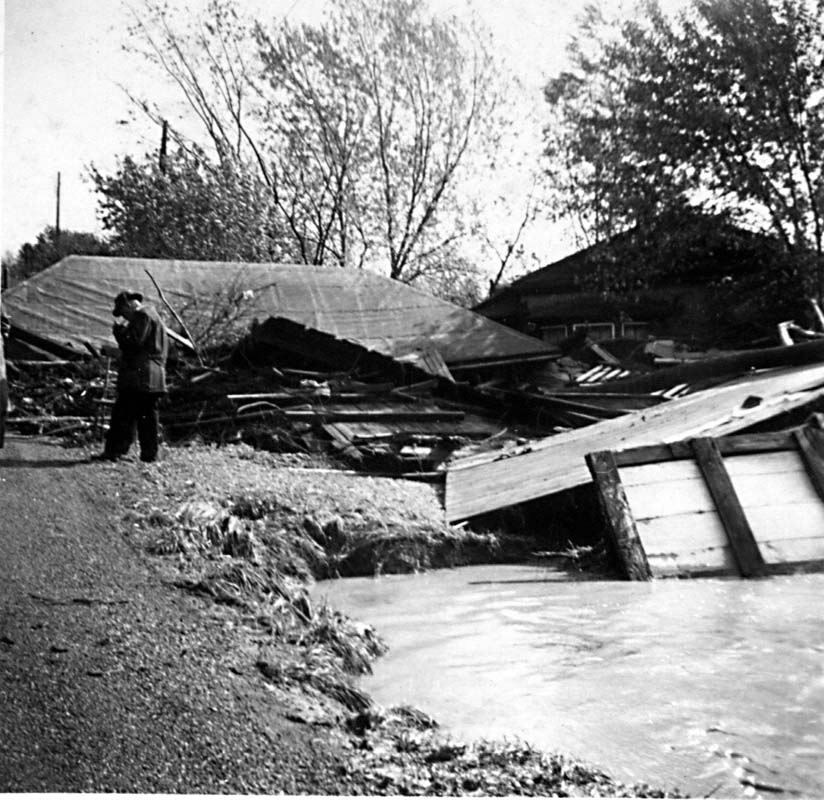
Hurricane Hazel tore through the Carolinas before pushing into the Northeast, combining heavy rains with fierce winds. The storm caused extensive flooding and claimed more than 1,000 lives across its path, including international impacts in Canada. In the U.S., it highlighted the vulnerability of coastal and inland communities alike. Hazel’s legacy lies in the improvements it inspired in flood management.
Hurricane Camille in 1969
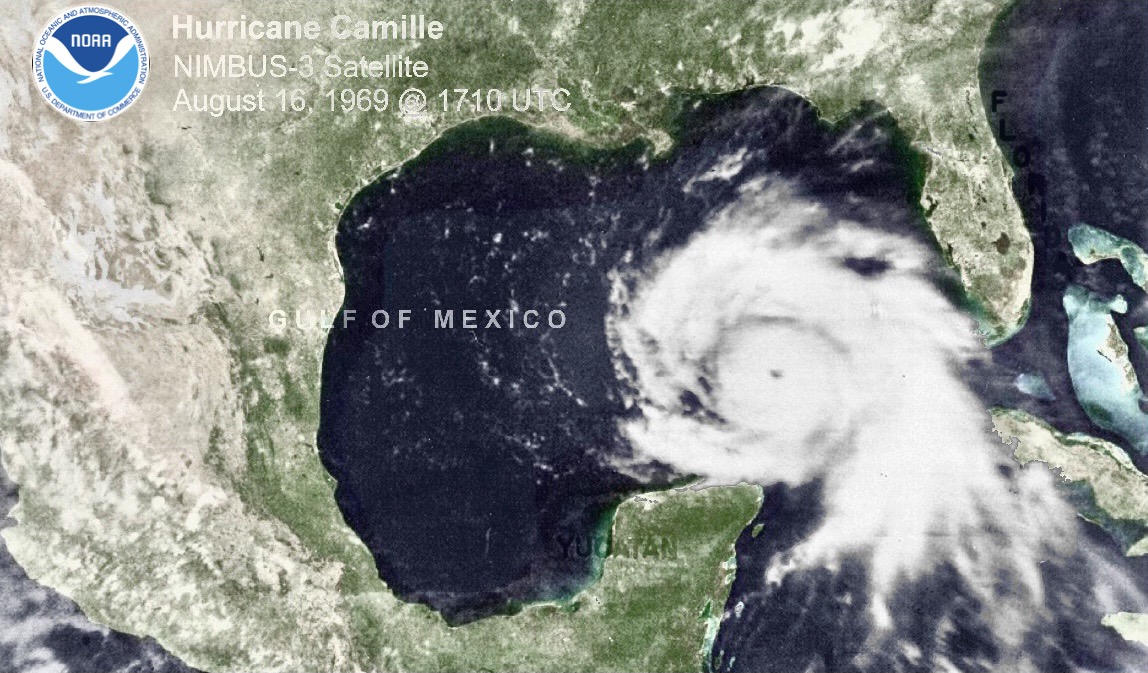
Camille hit the Gulf Coast as a Category 5 hurricane with winds estimated at 175 miles per hour. Entire communities in Mississippi were obliterated, and inland flooding claimed additional lives in Virginia. Over 250 people died, and billions in damage were recorded. Camille’s unmatched ferocity placed it among the most destructive storms of the 20th century.
Hurricane Andrew in 1992
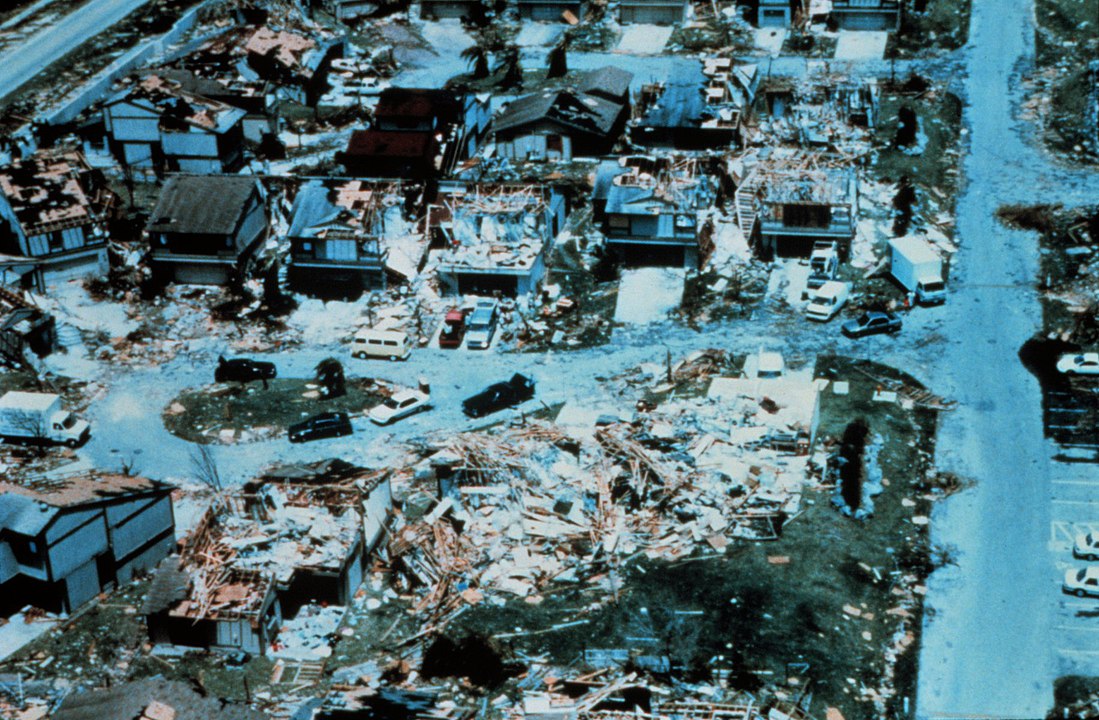
Andrew struck South Florida with winds exceeding 165 miles per hour, leveling entire neighborhoods and leaving 65 people dead. The damage surpassed $25 billion, making it one of the costliest storms of its time. Andrew exposed flaws in building codes and disaster response, leading to sweeping reforms. The storm’s impact reshaped Florida’s preparedness for future hurricanes.
Hurricane Katrina in 2005
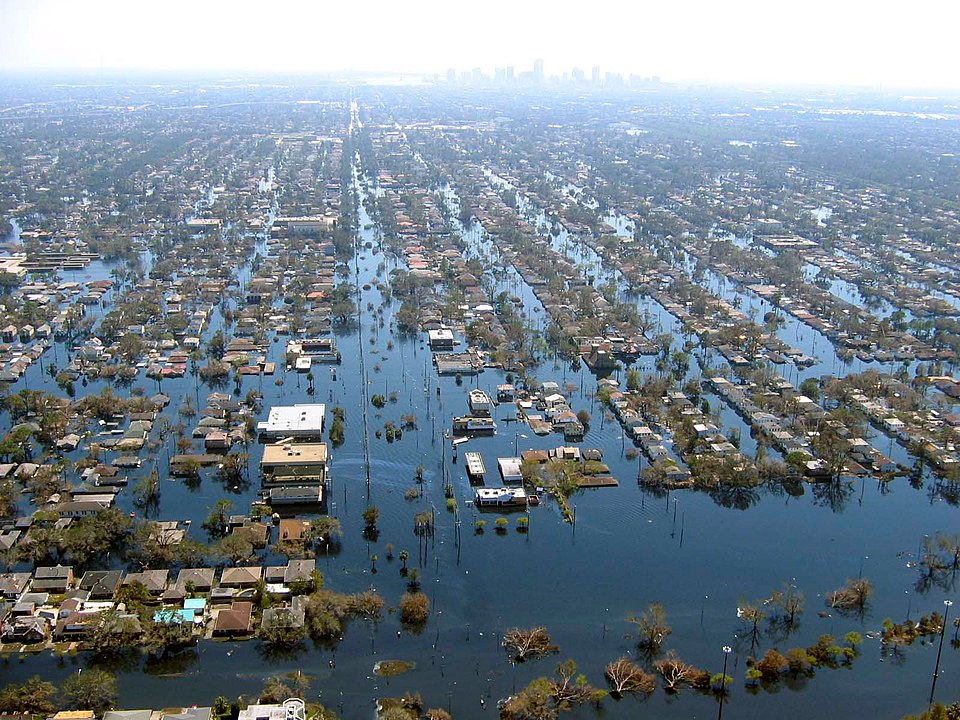
Katrina devastated the Gulf Coast, particularly New Orleans, where levee failures flooded vast neighborhoods. More than 1,800 lives were lost, and damage exceeded $100 billion. The storm highlighted systemic weaknesses in infrastructure, emergency management, and social support systems. Katrina remains a defining event in the history of American disasters.
Hurricane Sandy in 2012
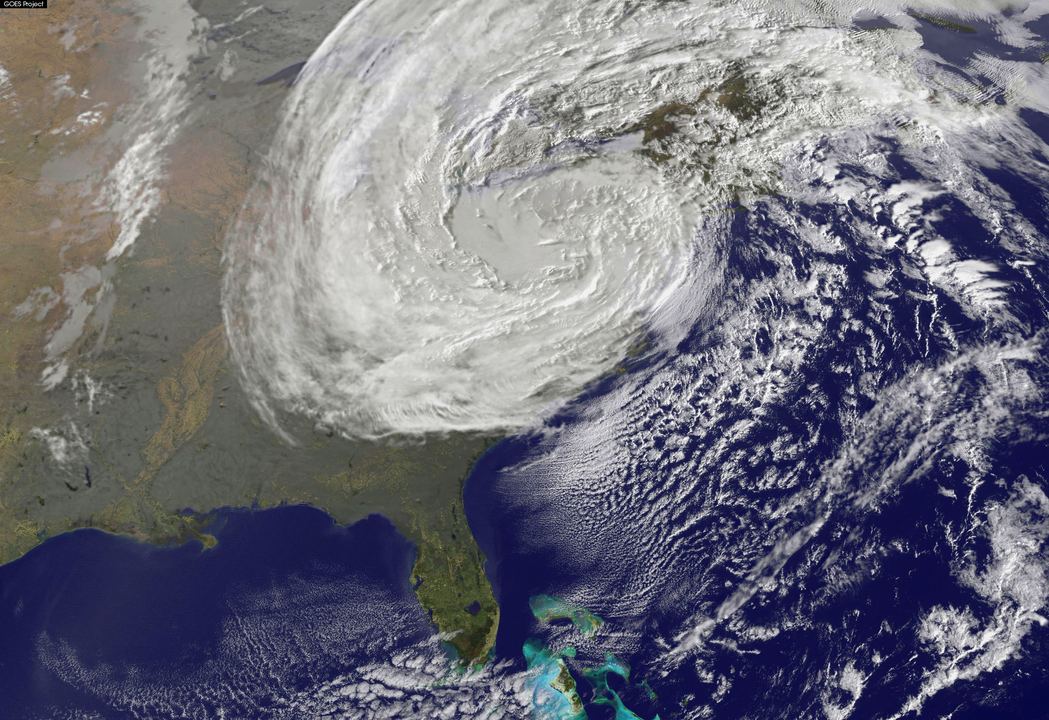
Often called “Superstorm Sandy,” this massive system struck the Northeast with storm surges that flooded New York City’s subways and coastal neighborhoods. With damages topping $70 billion, it was among the costliest storms in U.S. history. Sandy emphasized the growing risks of climate change and rising seas. Its impact reshaped urban planning and resilience strategies.
Hurricane Harvey in 2017
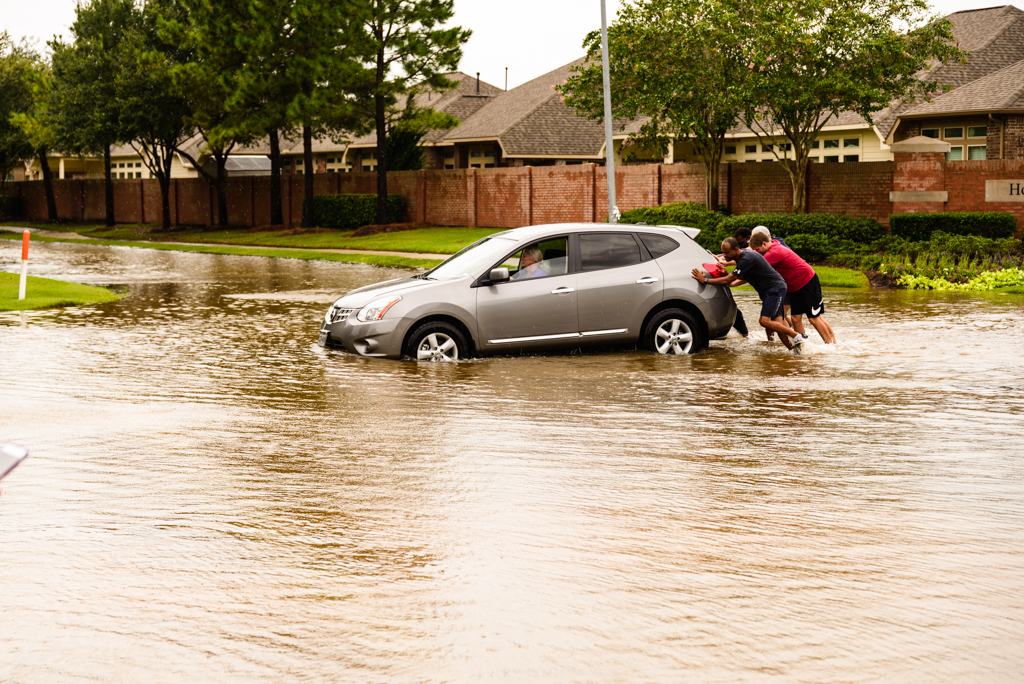
Harvey made landfall in Texas but became infamous for the record-breaking rainfall it unleashed. Entire communities in Houston were submerged as the storm stalled, dropping more than 50 inches of rain in some areas. The damage was estimated at $125 billion, with long-lasting effects on housing and infrastructure. Harvey underscored the danger of slow-moving storms in densely populated areas.
Hurricane Maria in 2017
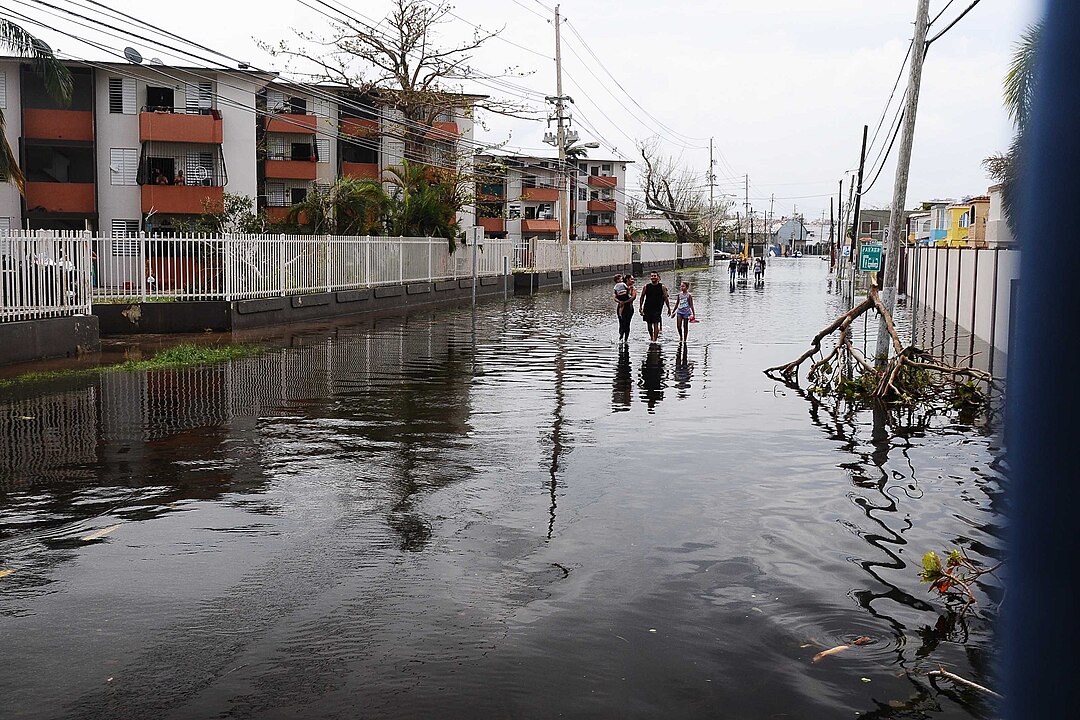
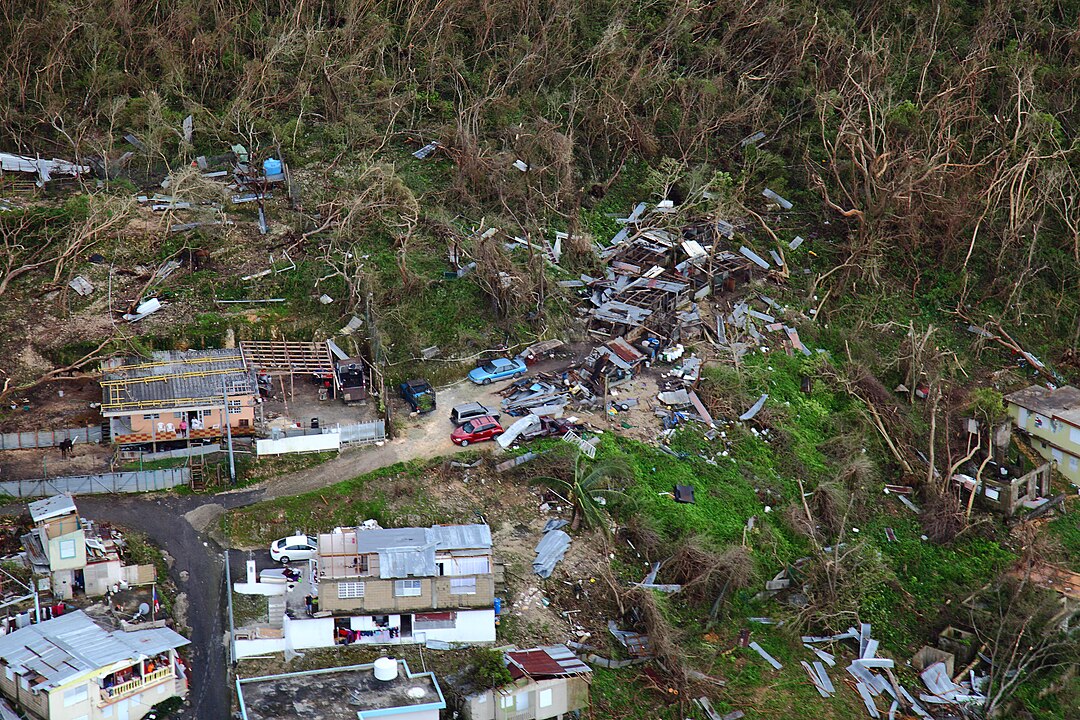
Striking Puerto Rico with catastrophic force, Maria caused widespread destruction of infrastructure, homes, and power grids. Thousands of lives were lost directly and indirectly due to prolonged recovery challenges. The island struggled with shortages of clean water, electricity, and medical care. Maria’s devastation revealed deep vulnerabilities in disaster readiness for U.S. territories.