
Native American ingenuity has shaped daily life in ways most people never realize. Long before European contact, tribes developed practical tools, foods, and systems that continue to benefit modern society. From simple conveniences to essential survival items, their innovations reflect deep knowledge of the land and creativity in problem-solving. Many of these inventions are so woven into everyday life that their origins are often overlooked. Here are ten Native American contributions that remain in common use today.
1. Canoes

Light, maneuverable, and perfectly designed for rivers and lakes, canoes were developed by tribes such as the Algonquin and Ojibwe. Crafted from birch bark or dug out from logs, they allowed for efficient travel, trade, and hunting. Today, canoes are widely used for recreation, sport, and exploration, with modern fiberglass or aluminum replacing traditional materials. Still, their design owes everything to Native innovation. The canoe stands as both a practical tool and a cultural icon that continues to connect people to waterways around the world.
2. Snow Goggles

Long before modern ski masks, Inuit peoples crafted snow goggles from bone, wood, or antler to prevent snow blindness. Narrow slits cut into the goggles reduced glare from sun reflecting off snow and ice. This simple yet effective design protected eyes in extreme Arctic conditions. Today, ski goggles and sunglasses use the same principle of limiting light to protect vision. The ingenuity of these early designs shows how necessity and environment shaped practical solutions that continue to influence modern outdoor gear and safety equipment.
3. Kayaks

The Inuit also developed the kayak, a sleek, enclosed watercraft perfect for cold seas. Built with frames of driftwood or whale bone and covered with animal skins, kayaks allowed hunters to move swiftly and quietly. Today, kayaks are mass-produced in plastic and fiberglass, enjoyed by millions for sport, fishing, and leisure. Their design has changed little because of its efficiency and stability. What began as a survival tool in icy waters is now a worldwide recreational activity, showing the timeless brilliance of Native invention.
4. Rubber

Mesoamerican civilizations like the Olmec, Maya, and Aztec discovered ways to process latex from rubber trees by mixing it with plant juices, making it more durable. They used rubber for balls, waterproof clothing, and containers. Today, rubber is everywhere, in tires, shoes, gloves, and countless products. The modern world would look very different without this natural material. This invention reflects the resourcefulness of Native peoples in transforming raw materials into items that met daily needs while paving the way for modern industry.
5. Corn
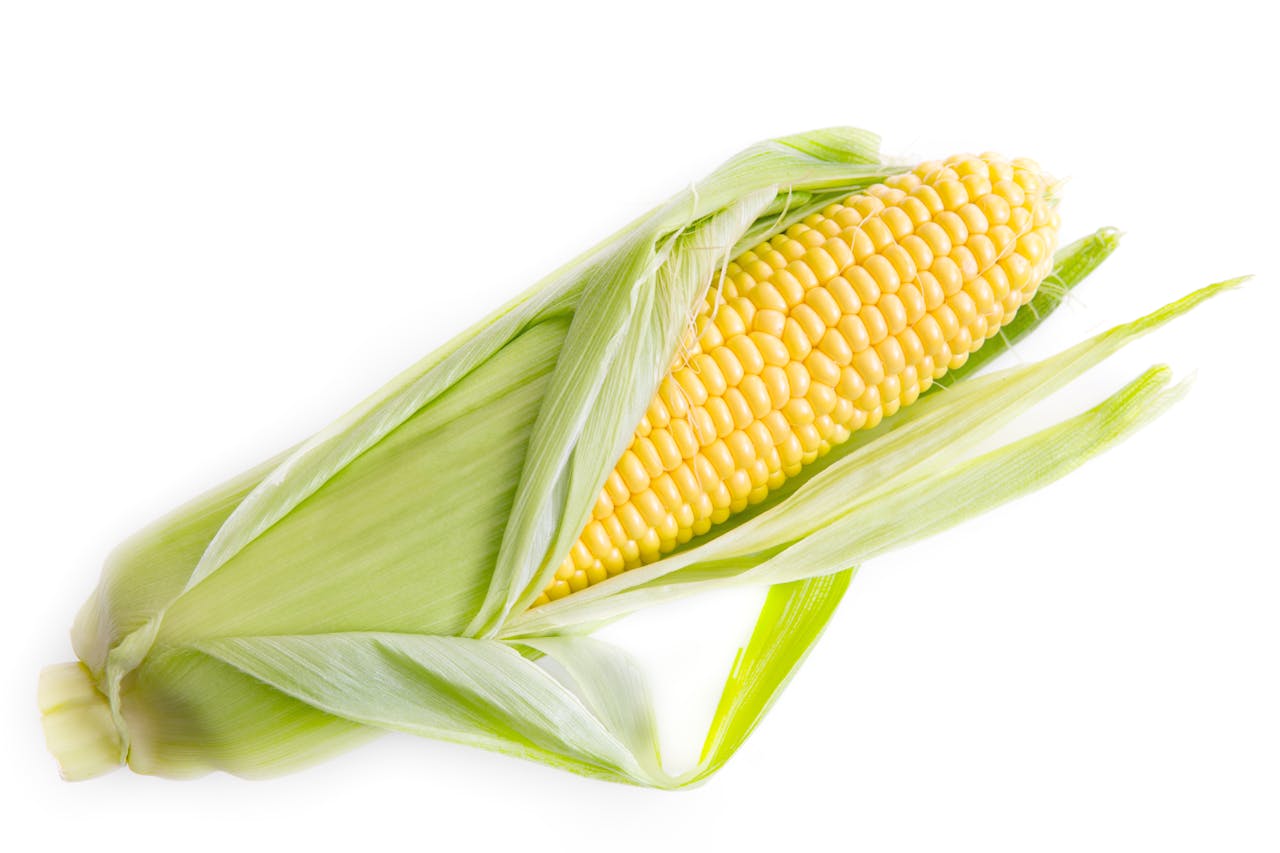
Maize, or corn, was cultivated by Native Americans thousands of years ago, becoming one of the world’s most important crops. It was selectively bred from wild grass into the versatile grain we know today. Corn is now a global staple, used in food, animal feed, fuel, and countless products. Every cornfield across the globe traces back to Native agricultural genius. Without their innovation, modern diets and industries would look completely different, making corn one of the greatest gifts from Native civilizations to the world.
6. Lacrosse

Played originally by tribes such as the Haudenosaunee, lacrosse was much more than a game, it was a spiritual and community-building activity. Matches could involve hundreds of players, stretching across miles. Today, lacrosse has become a popular competitive sport in schools and professional leagues. Modern sticks and gear reflect technological updates, but the game’s spirit remains rooted in its Native origins. Known as “the Creator’s game,” it continues to serve as both a recreational sport and a cultural tradition, blending ancient heritage with modern play.
7. Syringes

Native Americans in pre-Columbian times created early forms of syringes using hollow bird bones and animal bladders. These devices were used to inject medicine or irrigate wounds, reflecting advanced medical practices. Modern medical syringes operate on the same principle of delivering fluids with precision. Today, syringes are indispensable in healthcare, from vaccinations to IV treatments. This invention highlights the deep medical knowledge of Native peoples and shows how their innovations contributed to life-saving practices that remain central to medicine today.
8. Hammocks

Developed in the Caribbean by the Taíno people, hammocks were woven from plant fibers for cool, comfortable sleeping off the ground. They provided protection from insects and damp soil while improving rest in tropical climates. Today, hammocks are beloved worldwide for camping, lounging, and backyard relaxation. Modern versions use nylon or cotton, but the basic design remains unchanged. This invention not only solved practical problems in its time but also brought a sense of comfort that continues to appeal to people centuries later.
9. Popcorn

Native Americans discovered that certain types of maize kernels would burst into fluffy, edible snacks when heated. Popcorn was eaten long before theaters and microwaves made it a global favorite. Today, it remains one of the most popular snack foods, enjoyed in homes, stadiums, and cinemas. Its simplicity and fun have kept it beloved across generations. From ceremonial uses in early Native cultures to butter-drenched tubs at the movies, popcorn is a delicious reminder of the creativity and resourcefulness of Native food traditions.
10. Chewing Gum

Long before modern candy companies, Native Americans chewed natural resins and tree saps for enjoyment and fresh breath. The Mayans used chicle from sapodilla trees, while tribes in North America used spruce resin. This practice directly inspired the development of modern chewing gum, now a multibillion-dollar industry. Today’s flavored gums may be filled with sweeteners and packaging, but their roots remain firmly in Native tradition. Chewing gum continues to connect people across centuries with one of humanity’s oldest simple pleasures.
Native American contributions to daily life extend far beyond the stories most history books tell. Their creativity and deep understanding of nature gave rise to inventions that shaped food, medicine, recreation, and technology. From hammocks to kayaks, these innovations show how Native peoples influenced the modern world in lasting and surprising ways. Remembering these contributions honors not just the objects we still use, but also the cultures and communities whose wisdom made them possible.