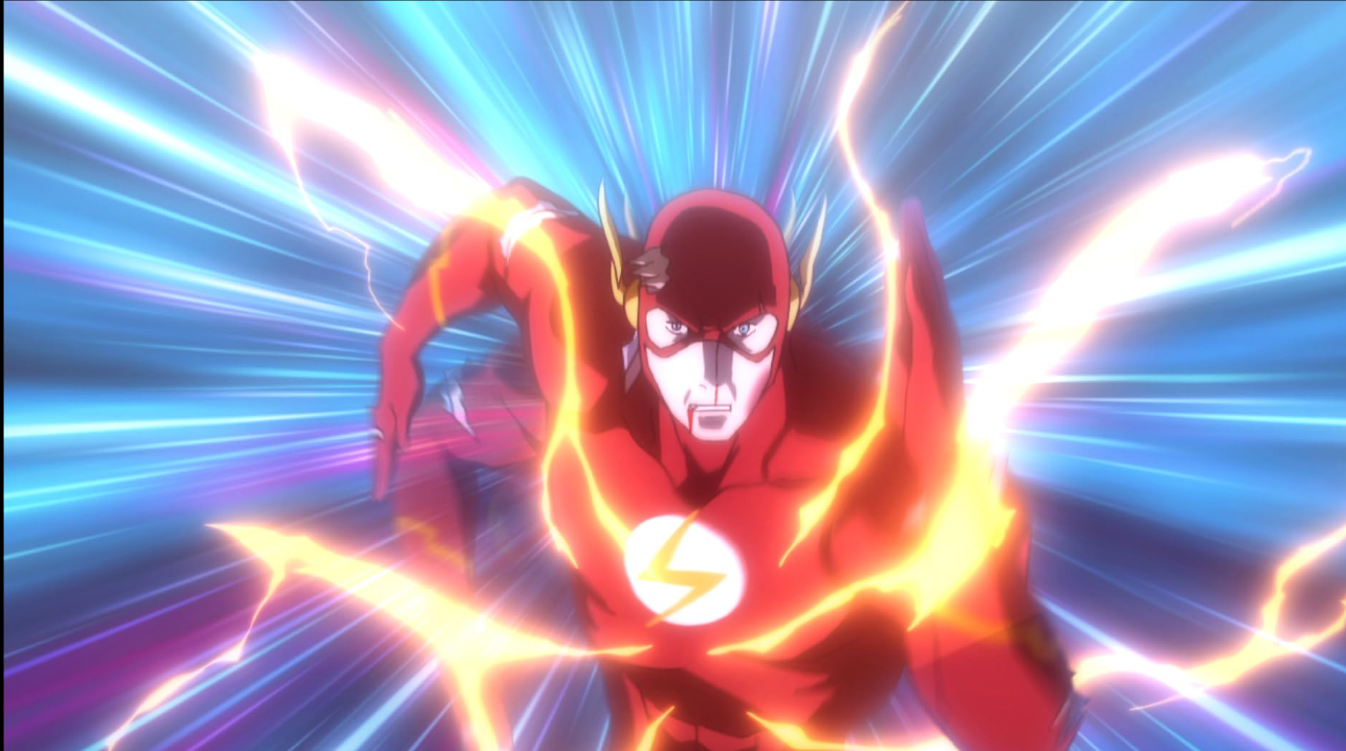
DC Comics has played a pivotal role in shaping American storytelling, heroism, and cultural identity. Through decades of iconic characters and groundbreaking narratives, DC has influenced film, television, fashion, and everyday language. Some comics stand out for their lasting impact on national culture, redefining what it means to be a hero—or a villain. Understanding these key works reveals how deeply they have influenced American imagination.
Action Comics No. 10

Action Comics No. 10 introduced Superman, establishing the foundation for the modern superhero genre. His moral clarity, superhuman strength, and iconic costume set the template for countless heroes that followed. Superman represented hope during difficult national times, giving Americans a symbol of resilience. The comic remains one of the most important cultural artifacts in U.S. history.
Detective Comics No. 27
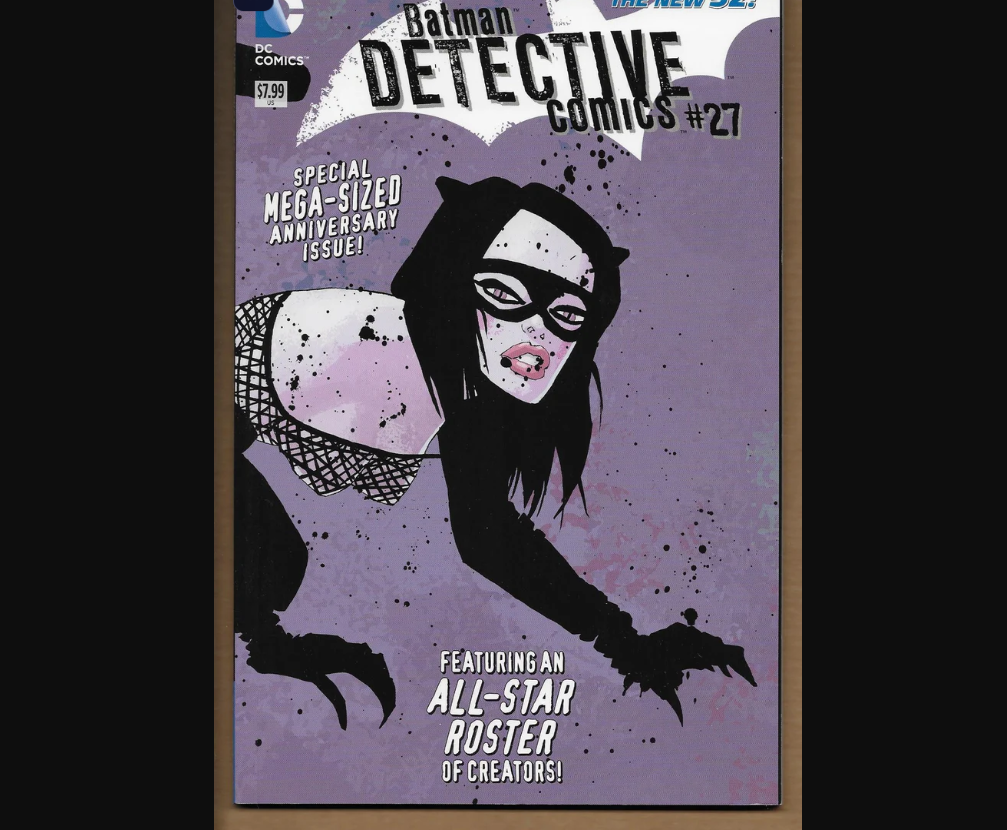
Batman made his debut in this 1939 issue, introducing a darker, more grounded approach to heroism. His reliance on intellect, detective skills, and personal discipline offered a stark contrast to Superman’s powers. Batman’s enduring appeal lies in his humanity and complex motivations. The character has become a central figure in American pop culture for generations.
Wonder Woman No. 1

Wonder Woman’s 1942 solo issue established her as a powerful symbol of strength, justice, and female empowerment. She broke gender barriers in comics at a time when female heroes were rare. Her themes of compassion and equality resonated with American readers during significant cultural shifts. Wonder Woman remains an enduring cultural icon.
Crisis on Infinite Earths
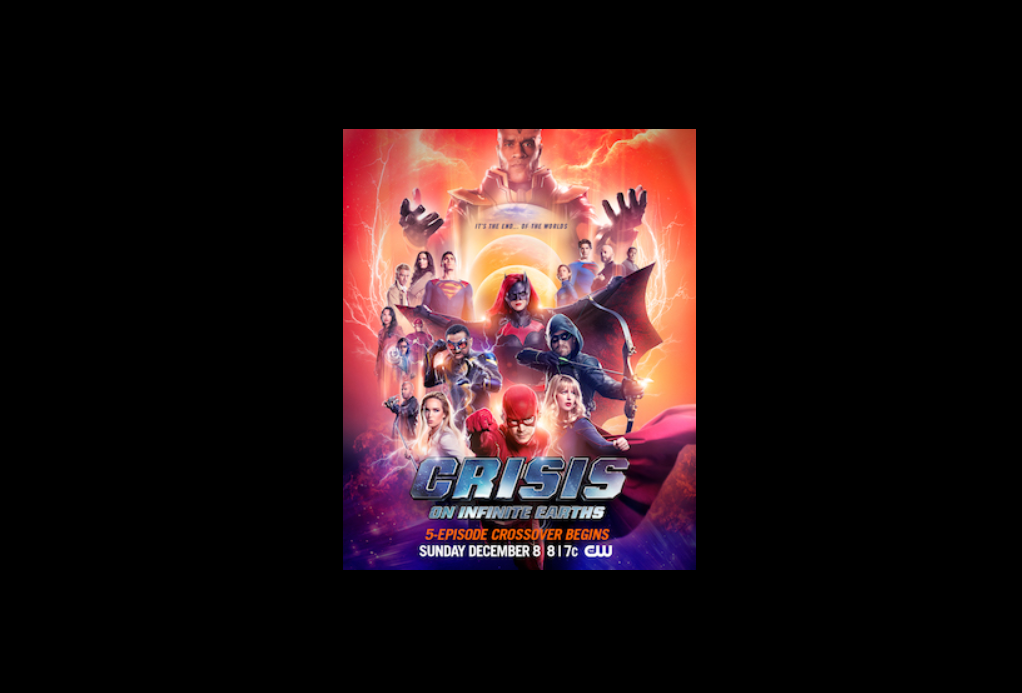
This 1985–1986 event reshaped DC’s entire multiverse, streamlining characters and timelines. It revolutionized how comic book universes could be reorganized while maintaining continuity. The storyline set the standard for future crossover events across the industry. Its influence extends into film and television adaptations today.
The Killing Joke
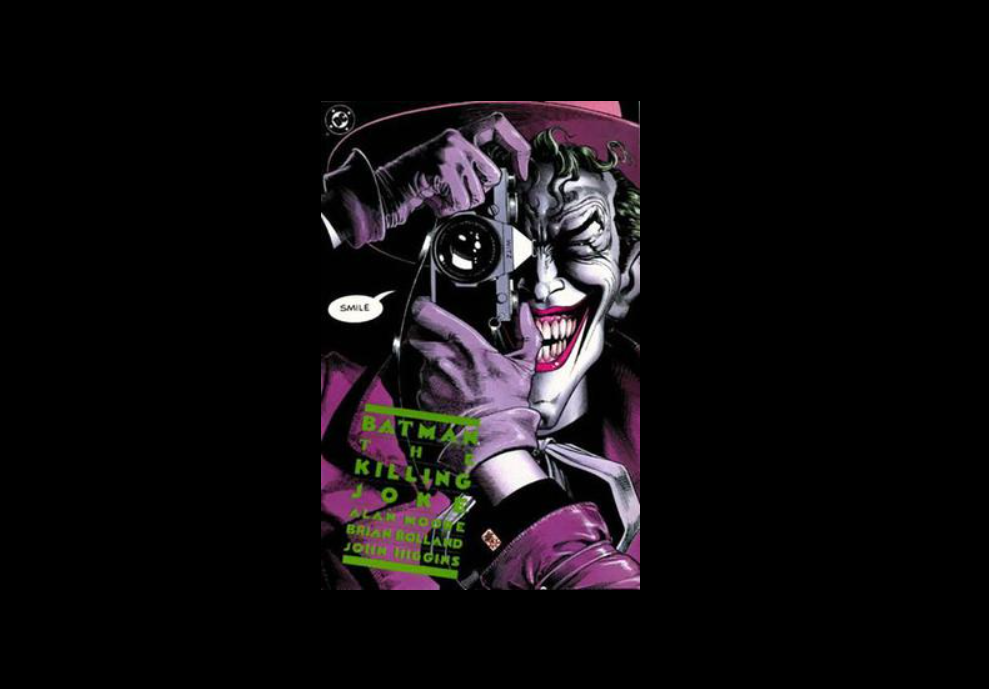
Alan Moore’s 1988 graphic novel explored the psychological relationship between Batman and the Joker. Its dark themes and character-driven storytelling pushed comics toward mature audiences. The book influenced modern interpretations of both characters in film and television. Its portrayal of villainy and trauma remains widely discussed.
Watchmen
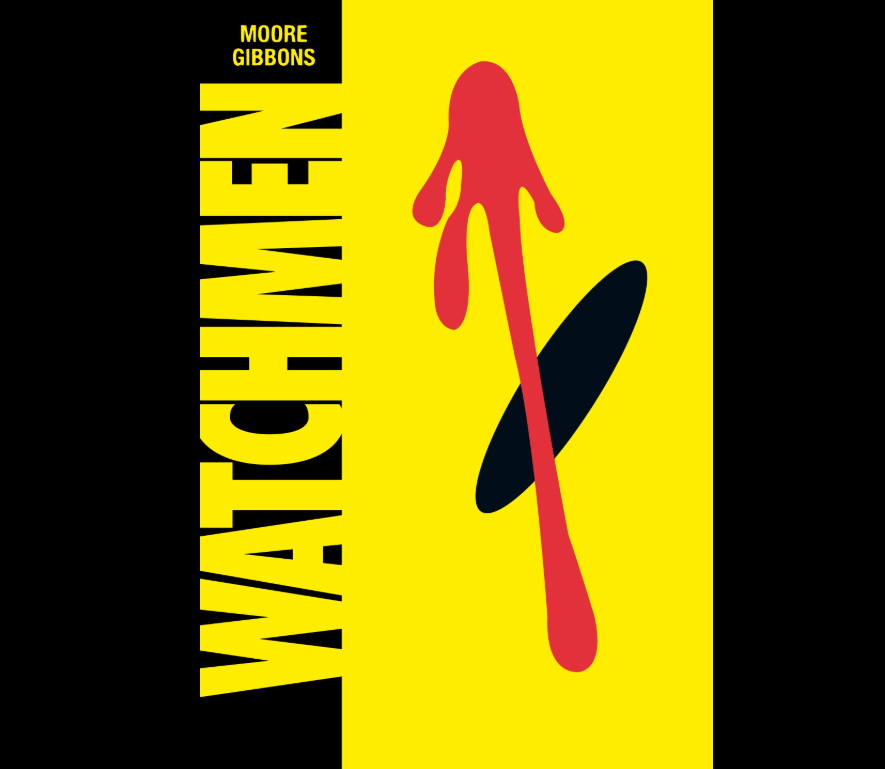
Watchmen challenged traditional superhero tropes with its morally complex characters and realistic tone. Published in 1986, it redefined comic book storytelling and proved the medium could explore heavy themes like nuclear anxiety and political corruption. Its cultural impact reaches beyond comics into literature and pop culture discourse. Watchmen is often considered one of the greatest graphic novels ever created.
The Dark Knight Returns
Frank Miller’s 1986 story featured an older, battle-scarred Batman returning to action. Its gritty realism and cynical tone shaped modern superhero storytelling across film and television. The comic reintroduced Batman as a darker, more intense figure. Its legacy continues to influence the portrayal of superheroes today.
The Flashpoint Paradox
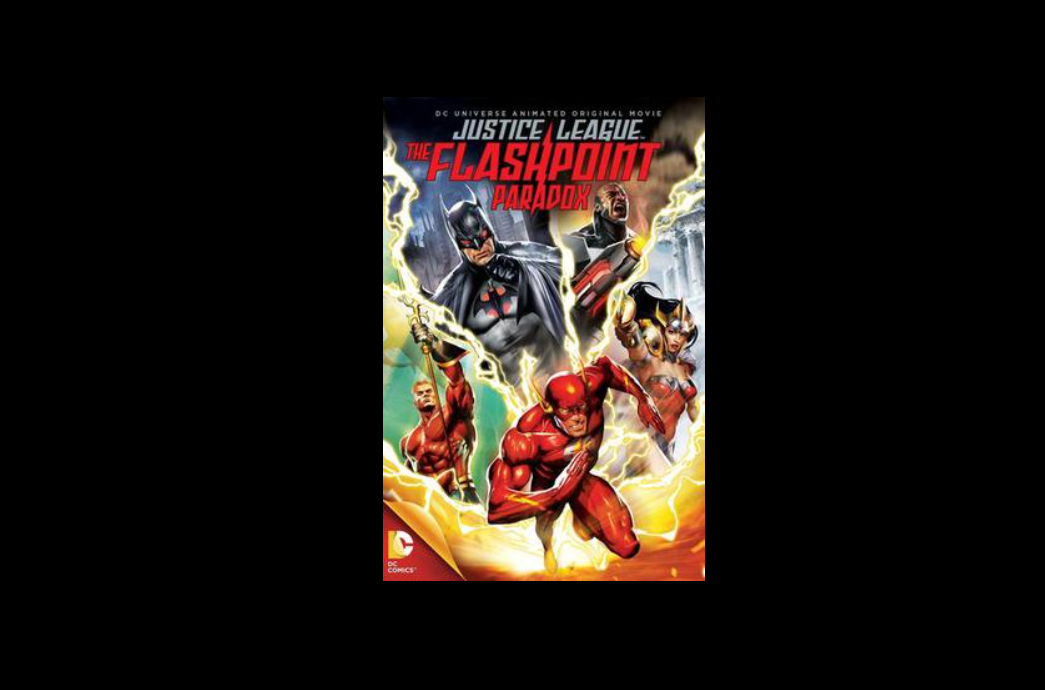
Flashpoint reshaped the DC Universe in 2011, leading to the New 52 reboot. The storyline’s alternate realities and character changes demonstrated how time-travel narratives could redefine entire franchises. Flashpoint influenced animated films and live-action adaptations. It remains one of DC’s most impactful modern stories.
Kingdom Come
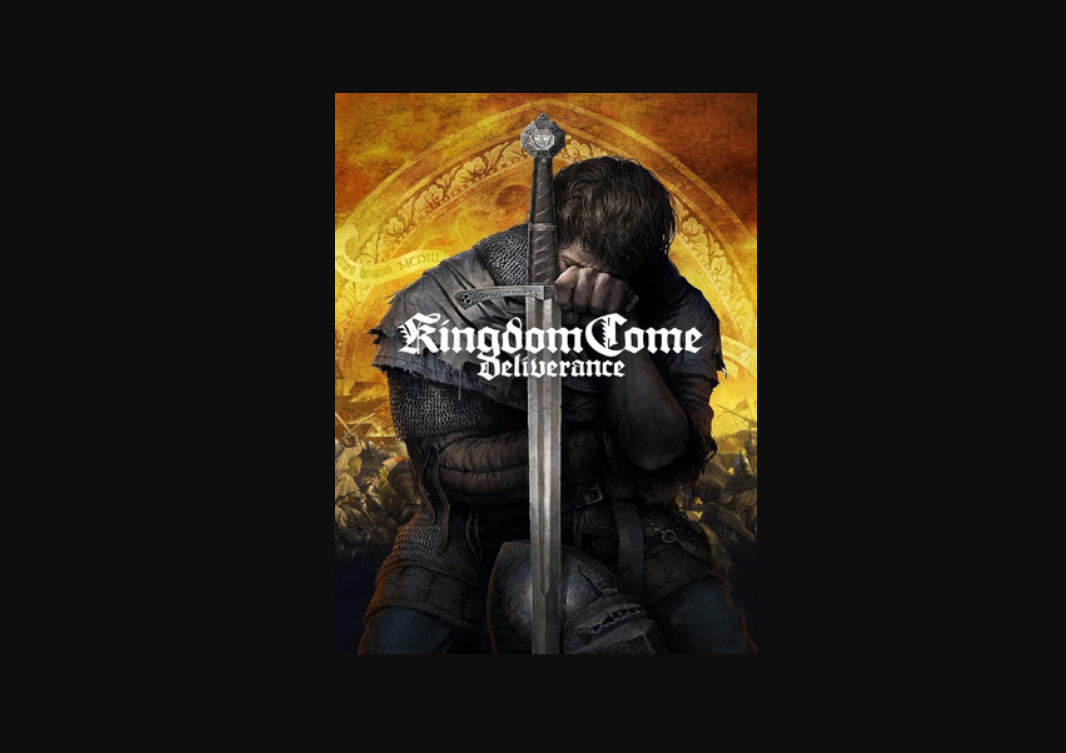
Published in 1996, Kingdom Come presented an aging Justice League confronting a new generation of reckless heroes. The story explored themes of morality, legacy, and responsibility in a rapidly changing world. Its painted artwork and epic tone set it apart from typical superhero comics. The comic left a lasting impression on how heroism is interpreted.
Sandman
Neil Gaiman’s Sandman blended mythology, horror, and fantasy in a way no comic had before. Its literary style and mature themes elevated the medium to new artistic heights. Sandman expanded the cultural view of comics beyond superheroes. The series remains influential in storytelling, art, and modern fantasy.