Warner Bros television shaped American storytelling with shows that mixed innovation and broad appeal. Across decades the studio produced series that reflected social change experimented with genre and created cultural touchstones. These programs influenced how viewers understood family politics crime and humor while training generations of writers directors and actors. They pioneered serial drama procedural formats and character driven comedies that other networks later emulated. Reruns and modern streaming have kept many titles alive for new audiences proving that strong stories endure beyond their original run.
Friends
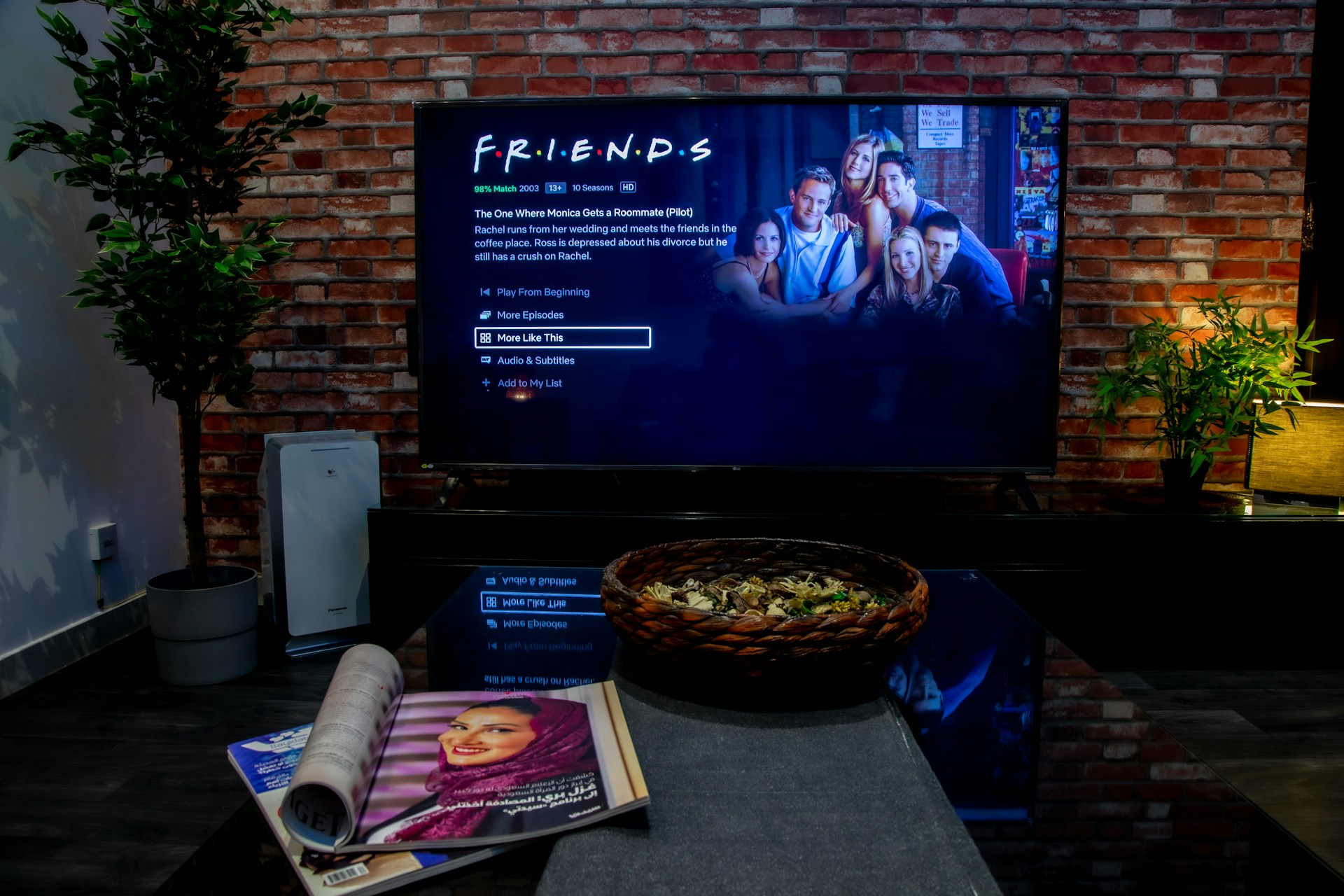
Friends redefined how a sitcom could center chosen family intimacy and small daily dramas while reaching global audiences. Warner Bros guided the show to become a cultural reference point where apartment politics and timing felt universal. The series blended sharp comedic craft with serialized character growth and trained writers and performers in long form sitcom storytelling. Its reruns and streaming life show that ensemble chemistry and clear emotional stakes create durable comfort viewing for new generations. The show taught networks and platforms how to package comedy as a communal ritual rather than a single night event. Its cultural footprint still shapes comedy and comfort viewing today.
The Big Bang Theory
The Big Bang Theory turned nerd culture into mainstream sitcom currency while refining character driven humor across many seasons. It presented intellect as both a comedic device and a path to emotional growth and showed how a long running show rewards slow development. Under Warner Bros the series balanced live audience energy with serialized arcs so jokes and feeling landed in equal measure. Syndication and international licensing turned it into a lasting revenue and cultural phenomenon that reshaped TV economics. The program also illustrated how television can normalize formerly niche identities through repetition and warmth. It showed how sitcoms can build lasting franchises and global audiences.
Game of Thrones
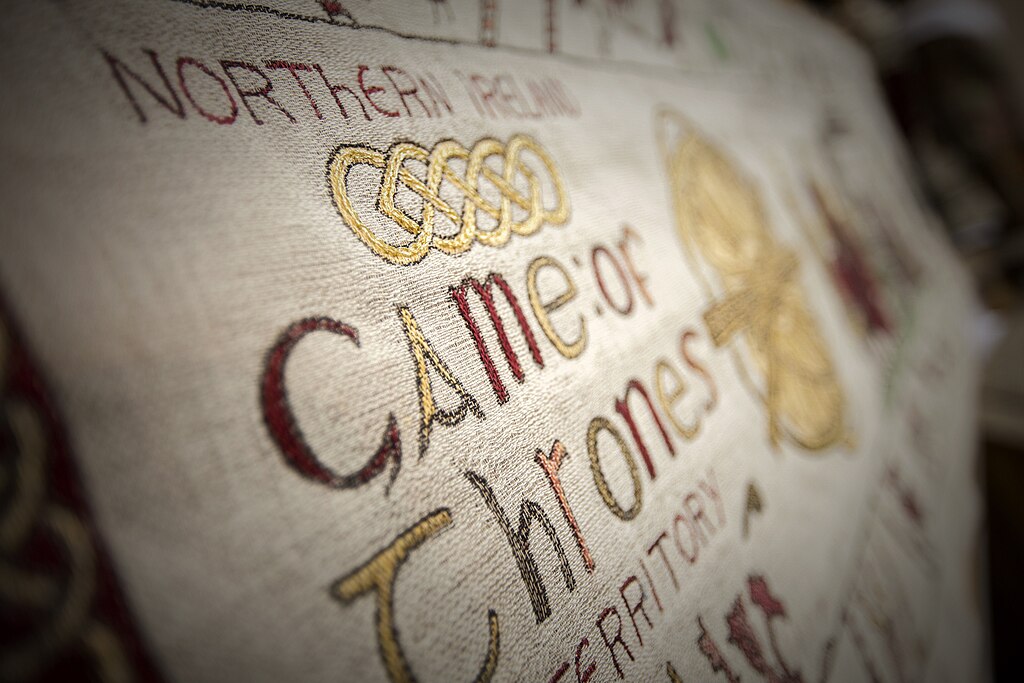
Game of Thrones reoriented prestige television by proving serialized fantasy could carry moral complexity and mass cultural obsession. HBO treated the series as event television where plot turns triggered global debate and appointment viewing. The show raised TV production values with vast sets detailed costumes and political plotting that rewarded attention. It reshaped how platforms plan releases and how creators negotiate scale while making television a central cultural forum. Its global fandom demonstrated how serialized storytelling can build markets across regions and generations and drive long term franchise thinking. It proved serialized world building can create new kinds of modern myth.
The Sopranos
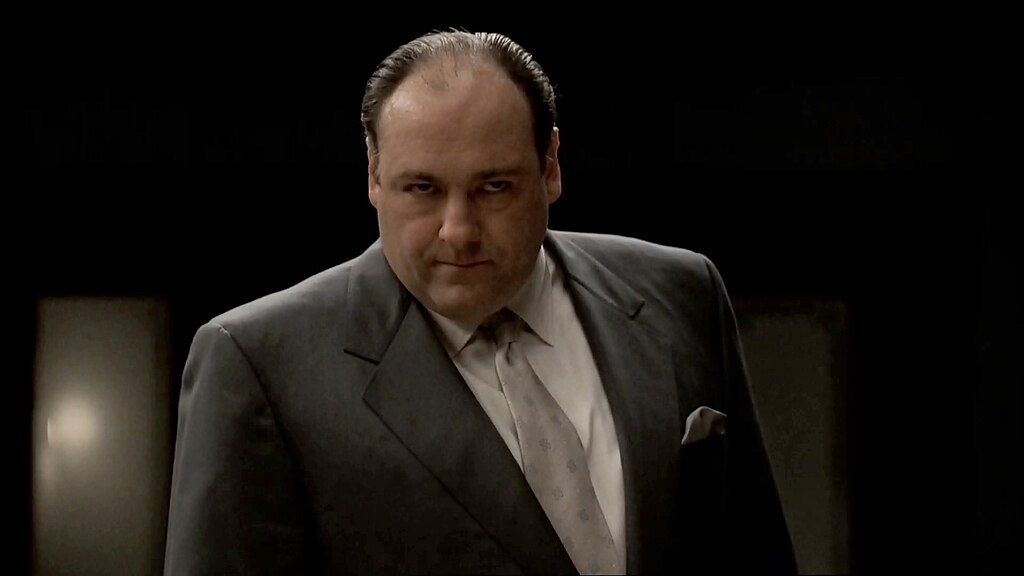
The Sopranos redefined American drama by centering an antihero whose private therapy sessions made psychological terrain central to plot. HBO and Warner supported a series that merged literary depth with serialized television pacing and moral ambiguity. The show taught writers how to sustain character complexity across seasons while denying tidy moral closure. It also expanded what television could discuss openly from family violence to existential anxiety without losing mainstream appeal. Its influence persists in how modern dramas prioritize interior life over plot mechanics and in how prestige TV markets psychological realism as quality. Its focus on psychology reshaped how dramas approach flawed protagonists.
Looney Tunes and Animaniacs

Warner Bros animation through Looney Tunes and Animaniacs created a comedic language that shaped American humor across generations. The studio balanced slapstick timing wordplay and musical comedy to entertain children while slipping jokes for adults. Those short form cartoons proved concise storytelling sharp timing and layered jokes could travel into film television and advertising. They remain cultural touchstones in reruns theme parks and streaming services and continue to teach comedy craft. Their cadence and character driven satire still inform writers and comedians who borrow the economy of the gags and the musical timing. The cartoons taught generations how humor can operate on multiple levels.
Batman: The Animated Series

Batman The Animated Series proved animation could tell adult noir stories while keeping comic book fidelity. Warner Bros Animation used moody art direction strong voice work and serialized character focus to elevate the genre. The series balanced mythic heroics with intimate character studies and explored ethics trauma and consequence in ways few animated shows attempted. It set a template for adapting complex material with respect for tone while opening animation to adult audiences. Its influence appears in later films series and the wider acceptance of animation as a medium for serious storytelling. It set a precedent for animation to be treated as adult storytelling.
The West Wing

The West Wing reshaped political drama by offering rapid dialogue dense policy scenes and a moral seriousness rarely seen on network TV. Aaron Sorkin and Warner Bros turned the machinery of government into compelling human theater with layered characters. The show taught audiences to enjoy idea driven plots and fast paced banter while humanizing public service through difficult ethical dilemmas. It set a standard for treating policy as narrative rather than mere backdrop. Its legacy lives in modern political dramas that try to balance character intimacy with the sweep of public affairs while keeping the dialogue sharp. It helped make civic life feel dramatic and watchable for a wide audience.
ER

ER reshaped medical drama by bringing cinematic urgency to hospital stories and cultivating long running character arcs. The series used handheld camera work rapid cutting and ensemble focus to make the emergency room into a compelling dramatic arena. Warner Bros helped scale production and placement so that technical realism and emotional stakes reached mass audiences. ER proved that procedural premises can also support deep character work and sustained cultural conversation. Its influence appears in later medical series that prioritize authenticity and moral complexity while keeping viewers glued to clinical intensity and humane outcomes. It proved that a procedural setting can carry deep character driven drama.
Gilmore Girls
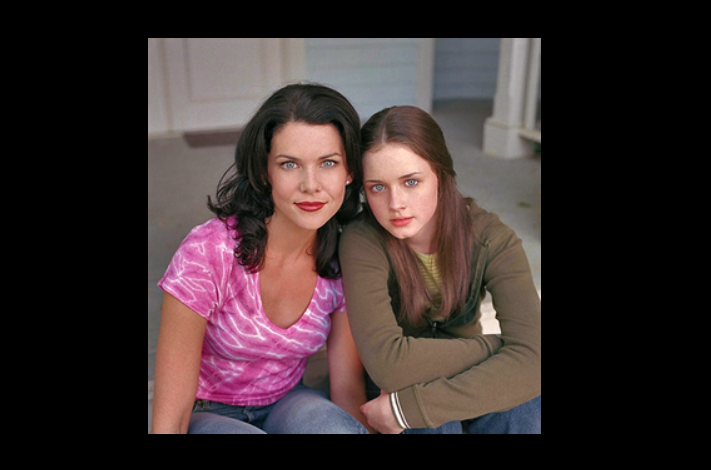
Gilmore Girls captured a voice driven small town life where rapid dialogue and cultural references became narrative tools. Warner Bros supported a series that made conversation itself feel like plot by using wit cadence and recurring beats to reveal character. The show blended family dynamics with generational tension and used setting to explore aspiration education and social texture with light humor. It taught creators how to turn talk into drama and how small rituals build viewer loyalty over seasons. Its streaming afterlife proved voice driven shows can find new audiences who savor intimacy and steady character development. It showed how voice and rhythm can carry narrative weight across seasons.
Supernatural
Supernatural ran for fifteen seasons and built a devoted fan culture by mixing urban legend myth and brotherhood. The show used a road trip structure to explore American folklore while balancing standalone monster episodes with serialized family drama. Warner Bros Television helped sustain production and long term arcs that rewarded patient viewers and community rituals. Supernatural proved that genre television can become mainstream through character focused storytelling and active fan engagement. Its conventions cosplay and fan fiction made viewing a social event and extended the show’s cultural life well beyond broadcast. Its fandom turned viewing into a participatory cultural practice.
These ten Warner Bros affiliated series offer a concise lesson in how TV can blend artistry reach and cultural timing to shape national stories. They introduced techniques from tight comic timing to cinematic production values and deep serialized arcs that other creators adopted. Their presence in reruns streaming and critical memory shows that good storytelling adapts to new platforms without losing impact. Writers producers and viewers will find in these programs a useful guide to lasting craft and cultural resonance. Returning to them teaches how television invents habits and shapes commonsense about family work and public life.