America’s conversation about race has never shifted only through loud speeches or historic laws. Just as often, it changed quietly through moments that slipped into daily life, media, classrooms, and living rooms without much announcement. Some of these turning points were nationally visible but emotionally understated. Others were subtle enough that many people did not realize their impact until years later. Together, they reshaped language, awareness, and expectations in ways that still influence how race is discussed today. These moments did not always solve problems or create agreement. What they did was alter the tone, vocabulary, and willingness to acknowledge realities that had long been avoided.
Jackie Robinson Taking the Field in 1947

When Jackie Robinson joined Major League Baseball in 1947, the moment was historic, yet much of its impact unfolded quietly over time. Robinson was not only breaking a color barrier but doing so under intense scrutiny, hostility, and pressure to remain composed. His presence forced Americans to confront integration not as a theory but as a daily reality played out on radio broadcasts and in stadiums. Over time, the conversation about race shifted from whether integration should happen to how people reacted when it did. Robinson’s restraint, talent, and visibility changed expectations of Black excellence in public life. The moment did not instantly end segregation, but it permanently altered how fairness and opportunity were discussed in sports and beyond.
A Court Decision That Changed Everyday Classrooms
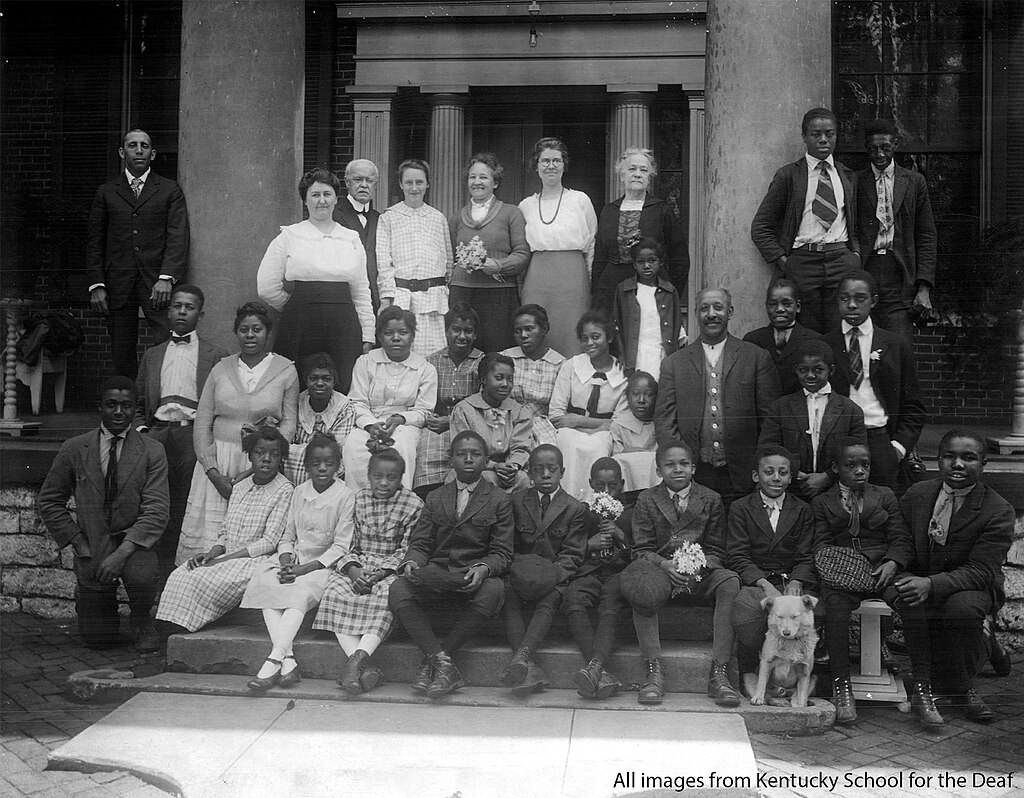
In 1954, the Supreme Court’s Brown v. Board of Education ruling, triggered by decades of legal challenges and the lived reality of unequal Black schools, declared segregated public education unconstitutional and permanently shifted how America talked about equality. The Supreme Court ruling is often taught today as a clear victory, but its deeper impact came slowly. The decision introduced a new way of talking about equality, framing segregation as psychological harm rather than just separation. This language filtered into classrooms, parenting, and public policy debates over time. Resistance to the ruling revealed how deeply race shaped daily life, even outside the courtroom. The ruling did not immediately desegregate schools, but it changed how Americans argued about fairness and childhood opportunity. It forced the country to confront race as a structural issue, not just a social preference.
The Televised Images of Birmingham in 1963
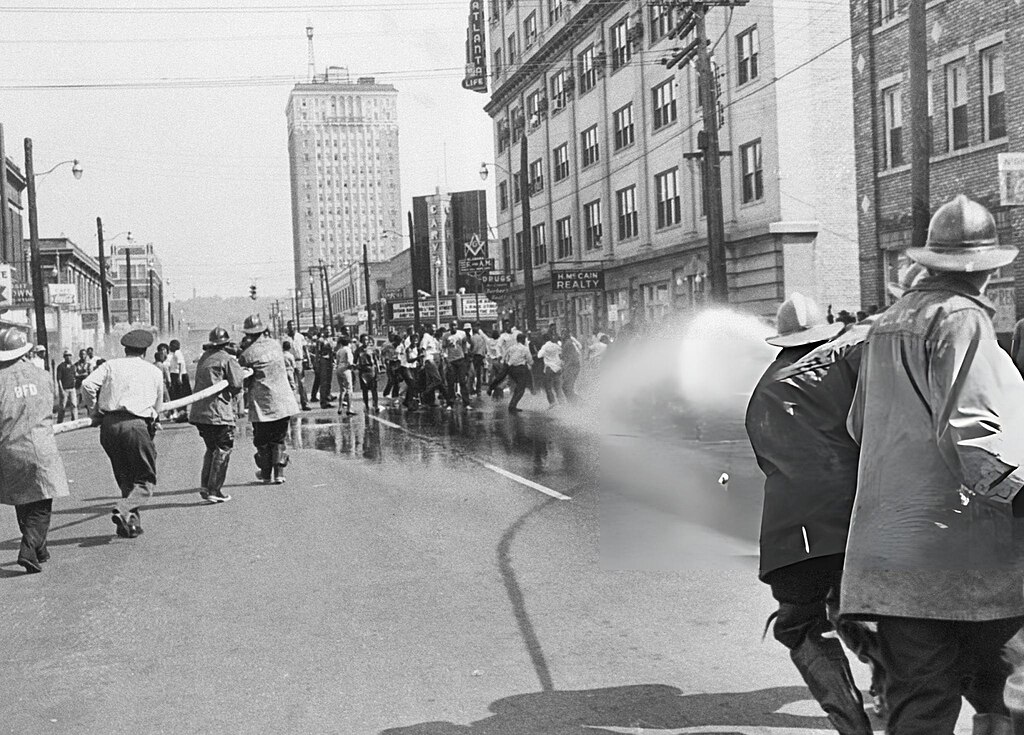
In 1963, televised images from Birmingham showing peaceful Black protesters attacked with police dogs and fire hoses, triggered by the city’s violent response to the Children’s Crusade, forced millions of Americans to confront racial injustice not as rumor or rhetoric but as undeniable reality. For many white Americans, this was the first time racial violence felt unavoidable rather than distant. The footage did not rely on speeches or explanations; it spoke through visual shock and emotional discomfort. These images made it harder to dismiss civil rights activism as exaggerated or disruptive. Over time, they shifted how media portrayed racial injustice, setting a precedent for visual accountability.
The Fair Housing Act of 1968
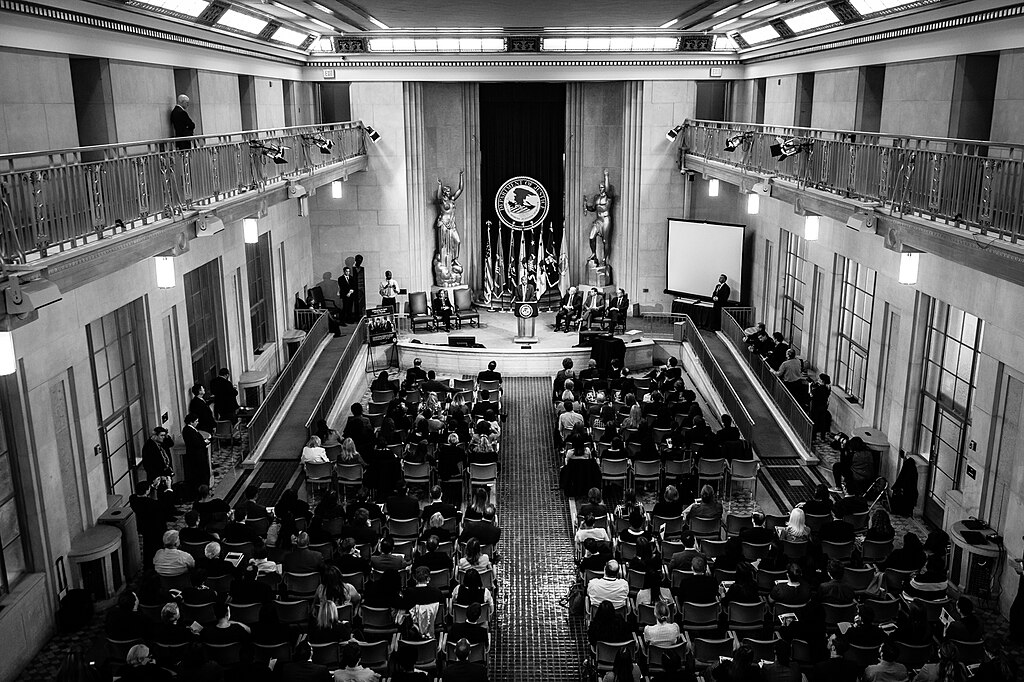
Passed in 1968 after years of housing discrimination and the national reckoning that followed Martin Luther King Jr.’s assassination, the Fair Housing Act made racial exclusion in housing illegal, quietly shifting how Americans talked about neighborhoods, opportunity, and inequality. Unlike other civil rights laws, the Fair Housing Act addressed discrimination that happened behind closed doors, and its impact on public conversation was subtle but significant. Housing discrimination was no longer discussed as personal choice but as a systemic barrier. While enforcement remained uneven, the language around housing became more explicit and less coded. The act forced race into conversations about mortgages, zoning, and property values. These discussions continue today, shaped by a law many people rarely think about.
The Introduction of Affirmative Action Policies
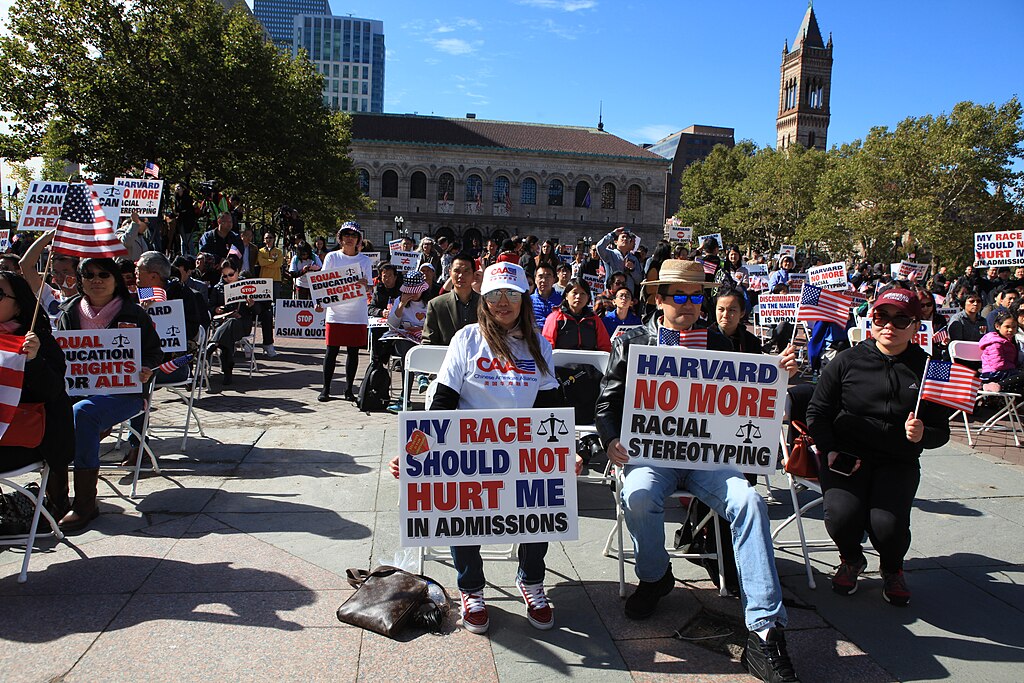
Beginning in the mid-1960s through executive orders and federal policy, affirmative action emerged as a response to entrenched racial exclusion, quietly shifting the national conversation from equal treatment to equal access. This introduced the idea that equal treatment was not always enough to produce equal outcomes, challenging a long held belief in purely individual merit. Debates around these policies forced Americans to talk openly about historical disadvantage, access, and fairness. The controversy itself became a catalyst for deeper discussion about race and opportunity. Over time, the language surrounding college admissions and hiring grew more explicit about structural inequality. Whether supported or opposed, affirmative action made race a central topic in conversations that once avoided it.
The Los Angeles Uprisings of 1992

In 1992, the Los Angeles uprisings, triggered by the acquittal of police officers filmed beating Rodney King quietly reshaped how America talked about race. The unrest exposed a gap between lived experience and public perception, and many Americans were forced to confront how differently race shaped trust in the justice system. Media coverage brought attention to police brutality, economic inequality, and community frustration. The conversation about race expanded beyond individual prejudice to include institutional power. These events made it harder to dismiss racial anger as isolated or irrational. Over time, they influenced how protests, policing, and accountability were discussed nationwide.
Barack Obama’s 2008 Presidential Campaign
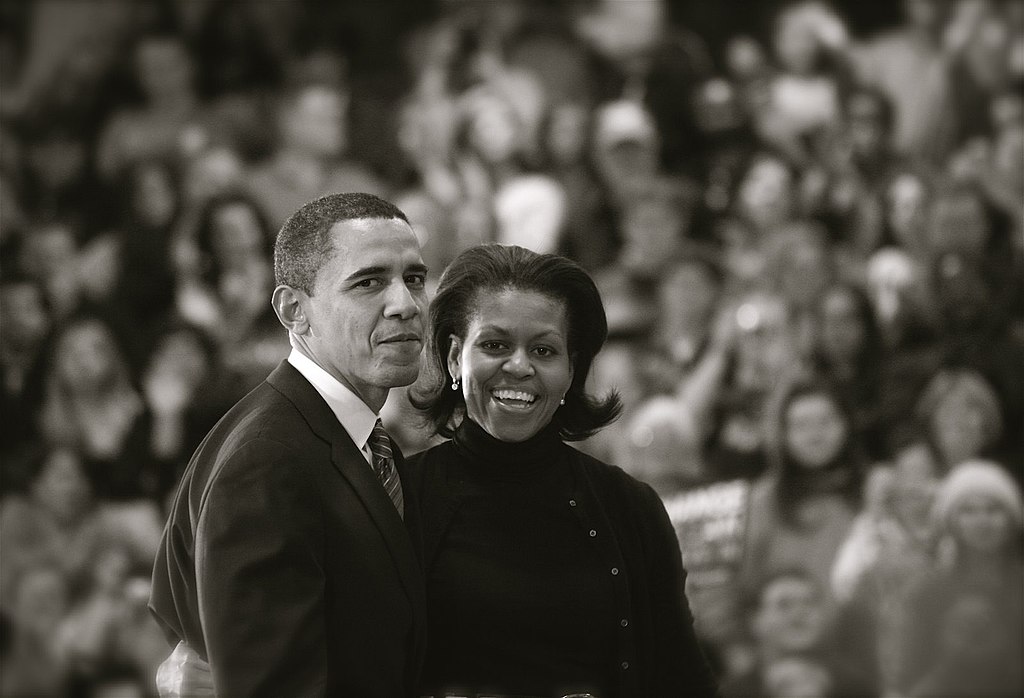
In 2008, Barack Obama’s presidential campaign, shaped by his multiracial identity and careful public language, shifted how America talked about race. Obama’s campaign did not just make history by winning the presidency, it quietly changed how Americans talked about race in professional and political spaces. His presence challenged assumptions about leadership, electability, and national identity. Conversations shifted from whether a Black candidate could win to what representation meant for the country. At the same time, backlash revealed unresolved tensions beneath the surface. Obama’s speeches often addressed race indirectly, modeling a measured tone that influenced public dialogue.
The Rise of Social Media Video Evidence
Smartphones and social media transformed how racial incidents entered public conversation. Video evidence removed ambiguity, allowing people to witness events directly rather than through official statements. This shifted discussions from abstract debate to immediate moral response. Incidents that once might have been ignored or disputed became national conversations overnight. The visibility forced institutions and individuals to respond more quickly and publicly. Over time, the language around race, accountability, and credibility evolved. Technology quietly rewired how truth and trust were negotiated.
The Black Lives Matter Movement
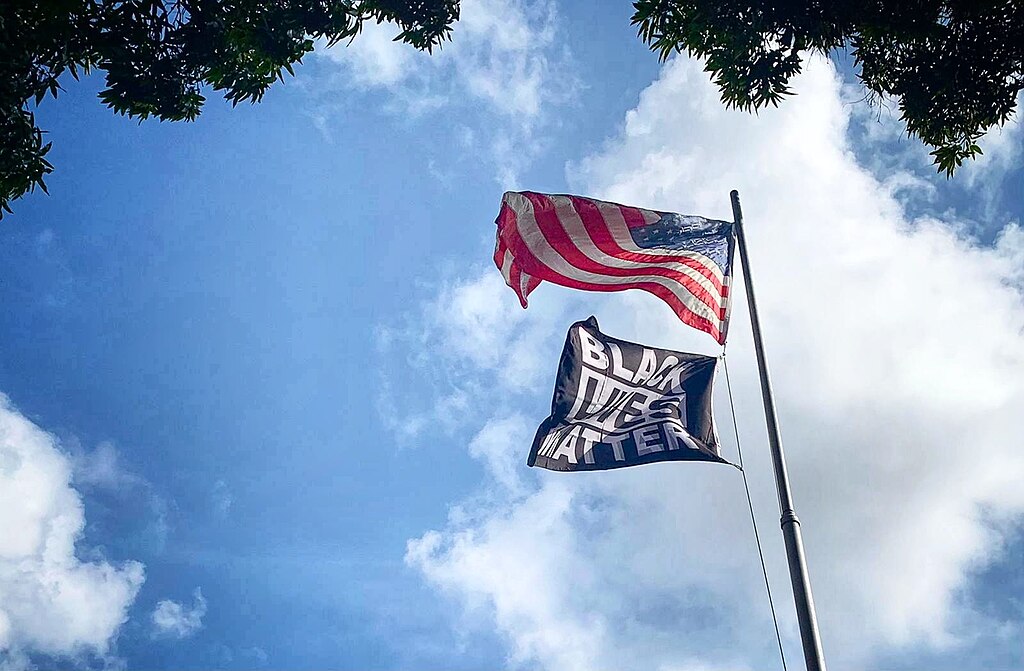
Emerging in 2013 after the killing of Trayvon Martin, and later intensified by high profile cases such as Michael Brown in 2014 and George Floyd in 2020, the Black Lives Matter movement pushed the language of systemic racism into everyday conversation and forced race into spaces that had long avoided it. What began as a hashtag gradually became a phrase embedded in everyday conversation. The movement reframed discussions about systemic racism and pushed race into corporate statements, school curricula, and family discussions. Even criticism of the movement contributed to wider engagement with racial issues. The phrase itself became a cultural reference point, and this shift demonstrated how grassroots language can reshape national dialogue without formal leadership.
Corporate America Acknowledging Systemic Racism

In recent years, major corporations began publicly using the language of systemic racism, a concept that had long remained largely within academic and policy circles. The change was less about consensus and more about visibility, as race entered formal conversations that had traditionally avoided it. Diversity statements, internal training programs, and updated policies made these discussions routine rather than exceptional. While motivations varied widely, the shift in language itself mattered. Race was no longer addressed indirectly or cautiously, but named openly within organizational frameworks. Taken together, these 10 moments did not settle America’s conversations about race, but permanently shifted how race is recognized across institutions, media, and everyday life.