American life is full of casual rituals that feel natural today but began in strange, practical or deeply symbolic origins that most people never think about. These habits survive because they fit modern rhythms even after their original purpose faded. Some were born from old world superstition, some from marketing, some from wartime necessity and others from community customs that gradually spread nationwide. Looking at these rituals reveals how culture evolves quietly while the gestures stay in place. The familiar becomes more interesting when you know where it started.
Blowing Out Birthday Candles
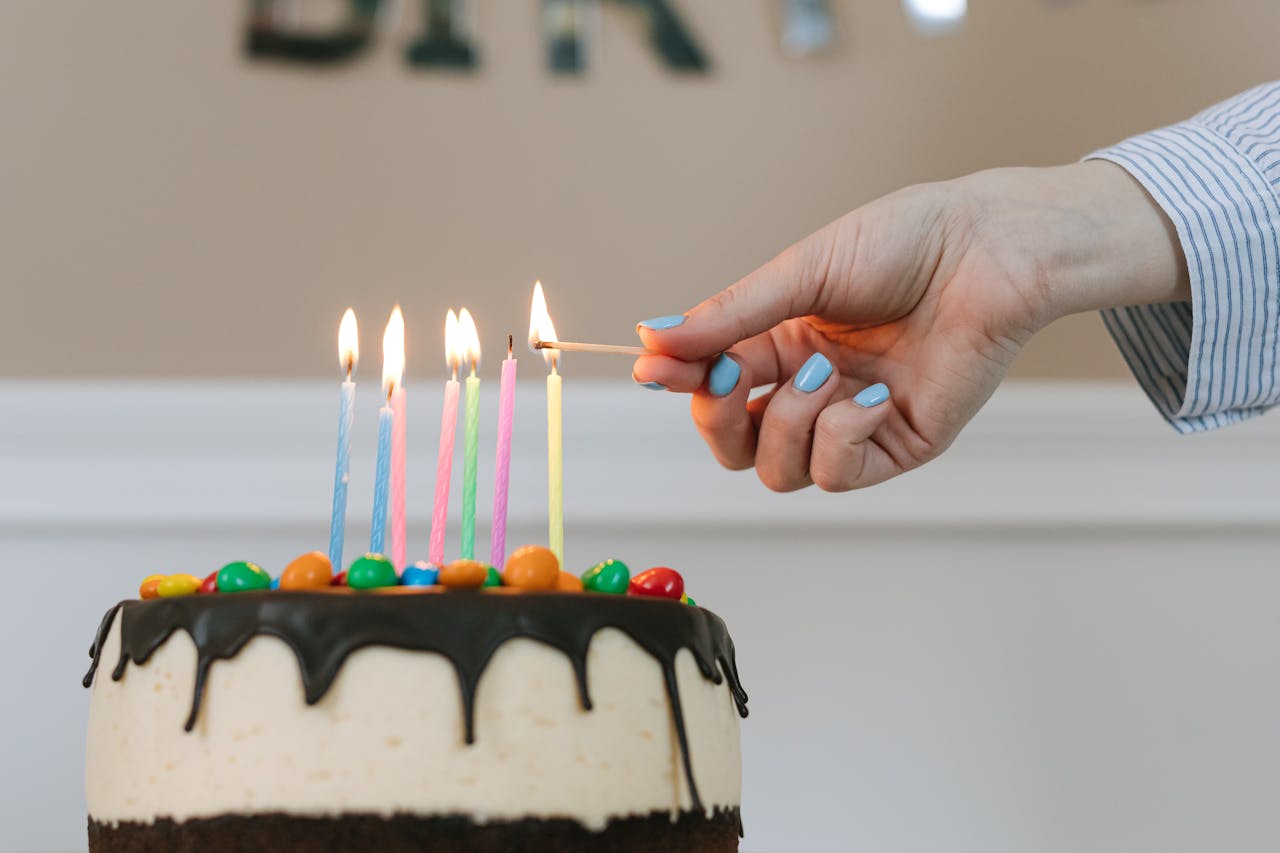
Americans treat birthday candles as a simple celebration, yet the ritual began in ancient traditions that linked smoke with prayers rising to the heavens. Early European customs placed candles on cakes to honor protective spirits watching over a person’s life. When immigrants brought these beliefs to America, bakeries popularized the custom as part of commercial birthday culture. Today the symbolic meaning rarely crosses anyone’s mind, but the gesture of making a wish and blowing the flames continues unchanged. The ritual persists because it blends spectacle, hope and a moment of personal attention.
Clinking Glasses Before Drinking

The American toast feels cheerful, yet its origins lie in superstition and safety. Medieval Europeans clinked glasses hard enough to spill liquid between cups to show no one had poisoned the other, and the sound symbolized unity. When the tradition traveled to the United States, the meaning softened into a social gesture of connection rather than protection. Today the clink signals gratitude, companionship and shared celebration even though the defensive purpose vanished. The act survives because people enjoy the small ritual of acknowledging each other before indulging.
Throwing Rice at Weddings
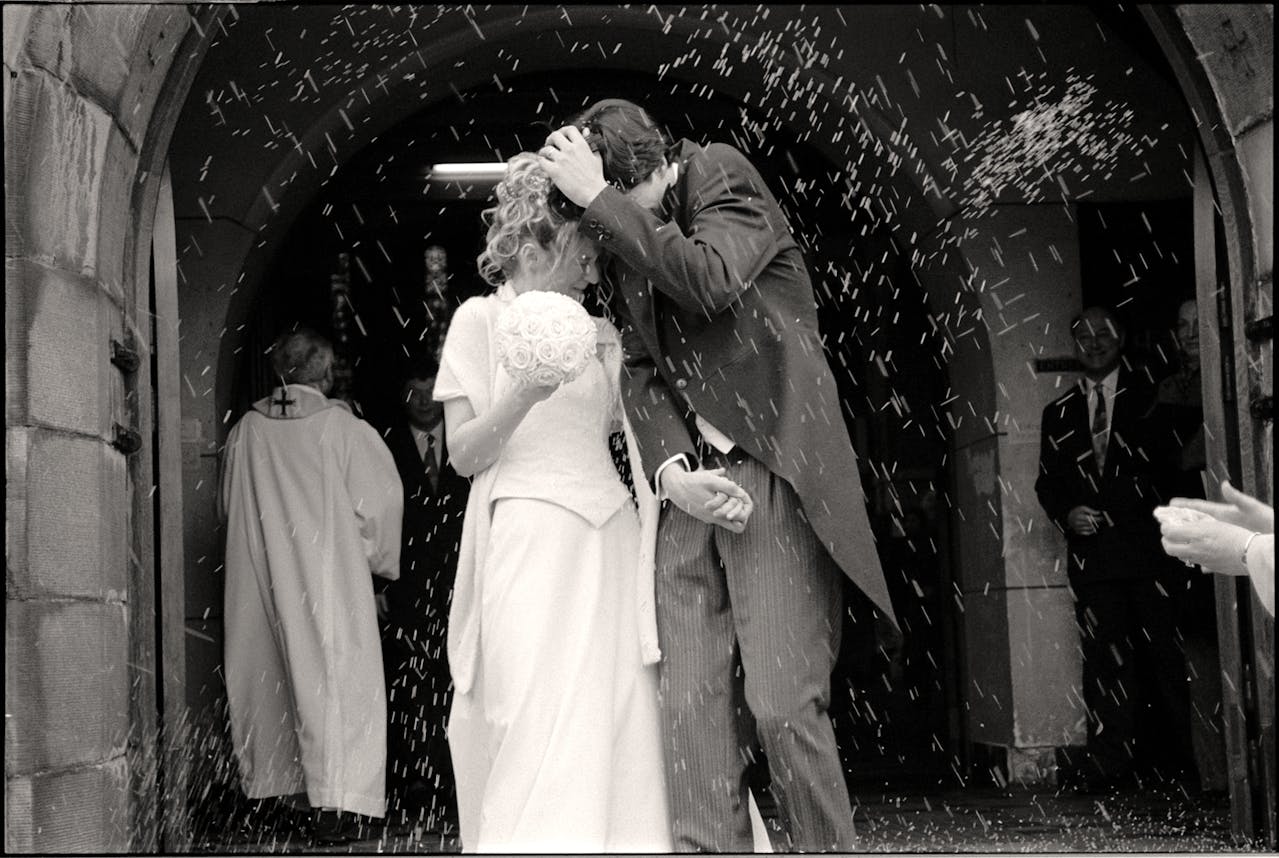
Many Americans still scatter rice or confetti at weddings without knowing it began as a fertility blessing in ancient cultures. Grain symbolized prosperity, long life and community support for a new household. The tradition crossed continents and eventually rooted itself in American ceremonies, where rice became shorthand for good wishes. Modern concerns about cleanup led to alternatives like bubbles or petals, yet the symbolic release remains. People keep doing it because throwing something joyful into the air feels like a physical expression of hope.
Covering the Mouth When Yawning

Covering the mouth seems like polite behavior, but its earliest purpose was spiritual rather than hygienic. Many cultures believed yawning released part of the soul and that covering the mouth prevented evil spirits from entering. As germ theory emerged, etiquette absorbed the gesture into a rule about courtesy and cleanliness. Americans inherited the habit without the superstition, turning it into a simple sign of respect for others. The movement remains automatic even though the old fear dissolved centuries ago.
Hanging Stockings at Christmas
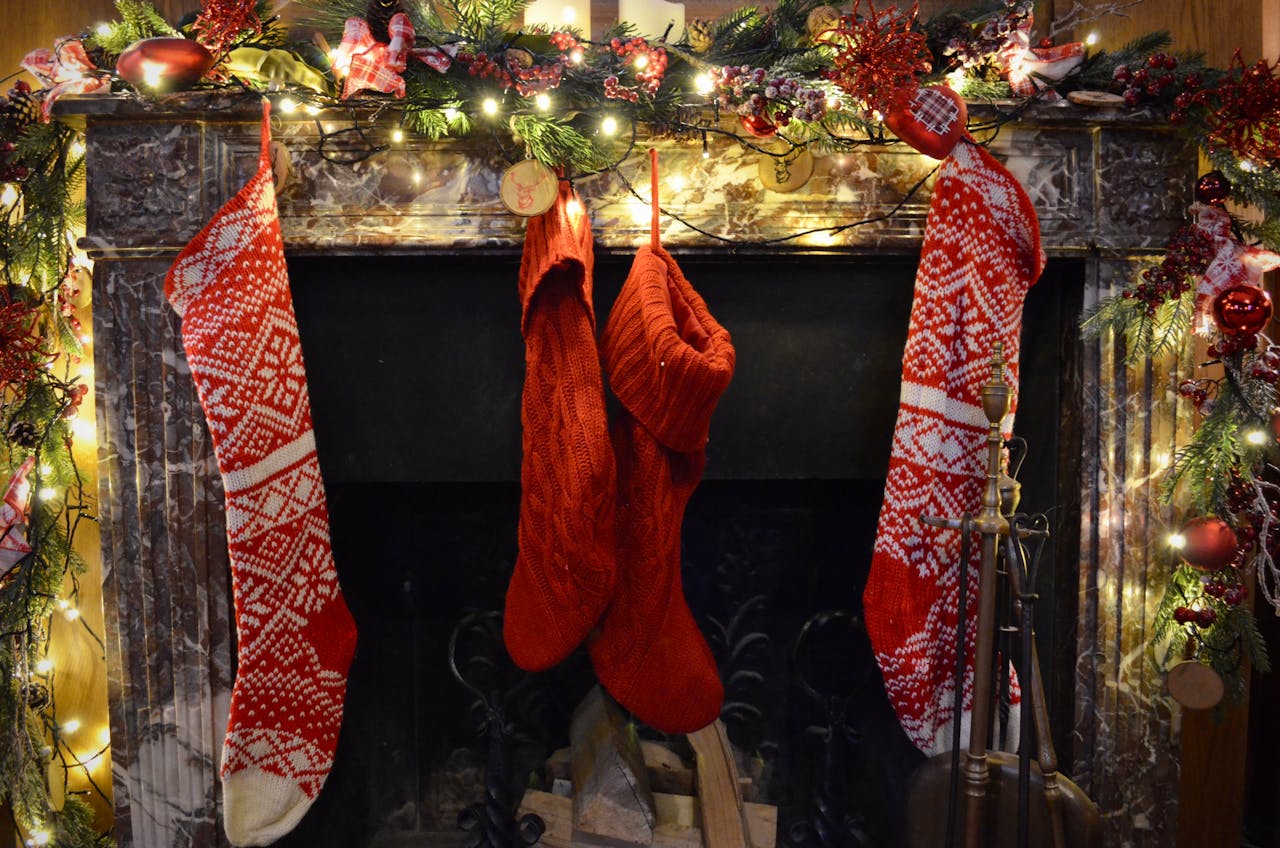
Stockings hung by fireplaces came to America through European tales of Saint Nicholas dropping coins into drying socks. The legend blended with Victorian Christmas culture and eventually merged into American holiday tradition through stories, illustrations and department store marketing. Families adopted the ritual because it added charm and anticipation to the season. Today few think about the original tale, yet the stocking remains a symbolic space for small surprises. The custom endures because it creates a moment of wonder for children and nostalgia for adults.
Saving the Top Layer of the Wedding Cake
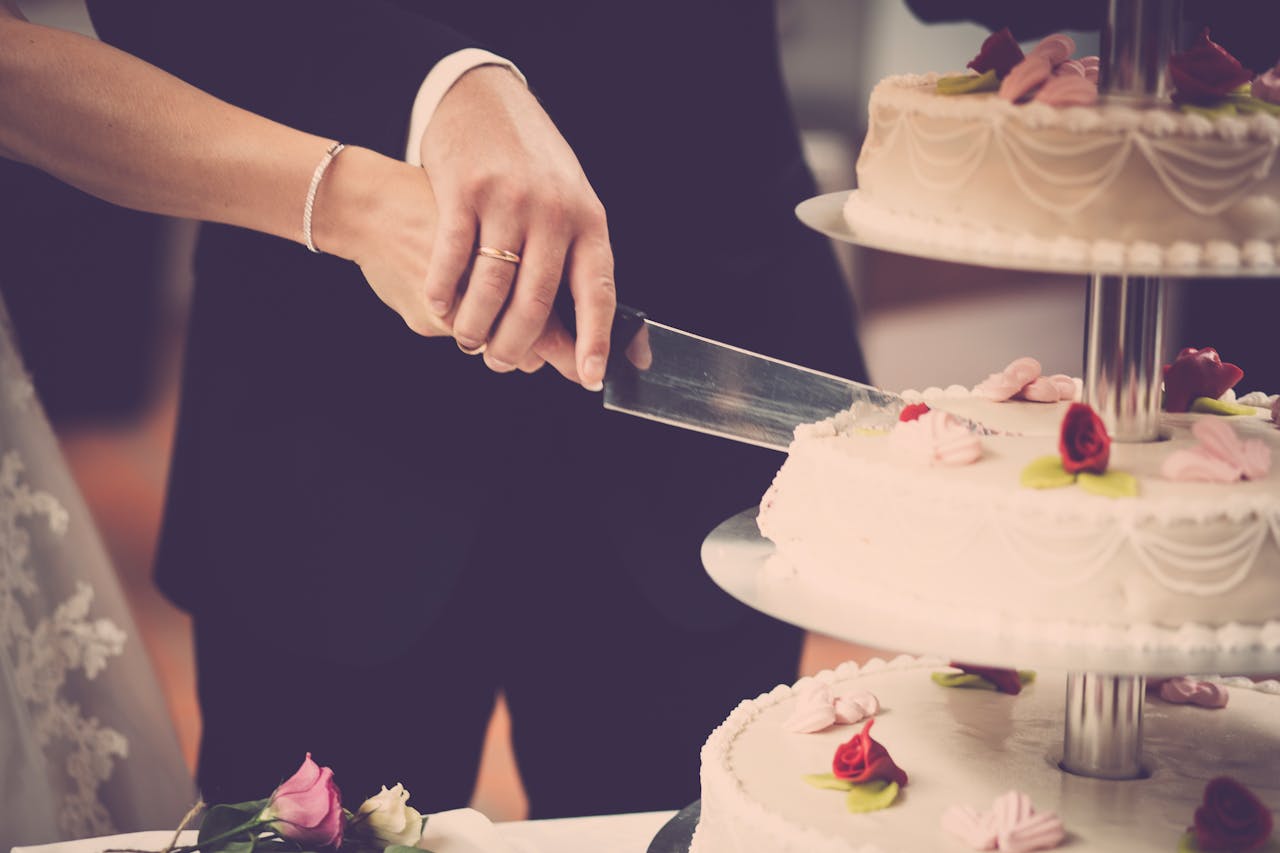
Many American couples freeze the top layer of their wedding cake to eat on their first anniversary, but the ritual originally connected to christenings. In earlier centuries families saved a rich fruit cake layer to serve at the couple’s first child’s baptism, assuming the two events would follow closely. As timelines changed and cakes evolved, Americans repurposed the custom into an anniversary moment instead. The meaning shifted from fertility prediction to sentimental tradition. The ritual survives because it ties one celebration to another across time.
Black as the Color of Mourning
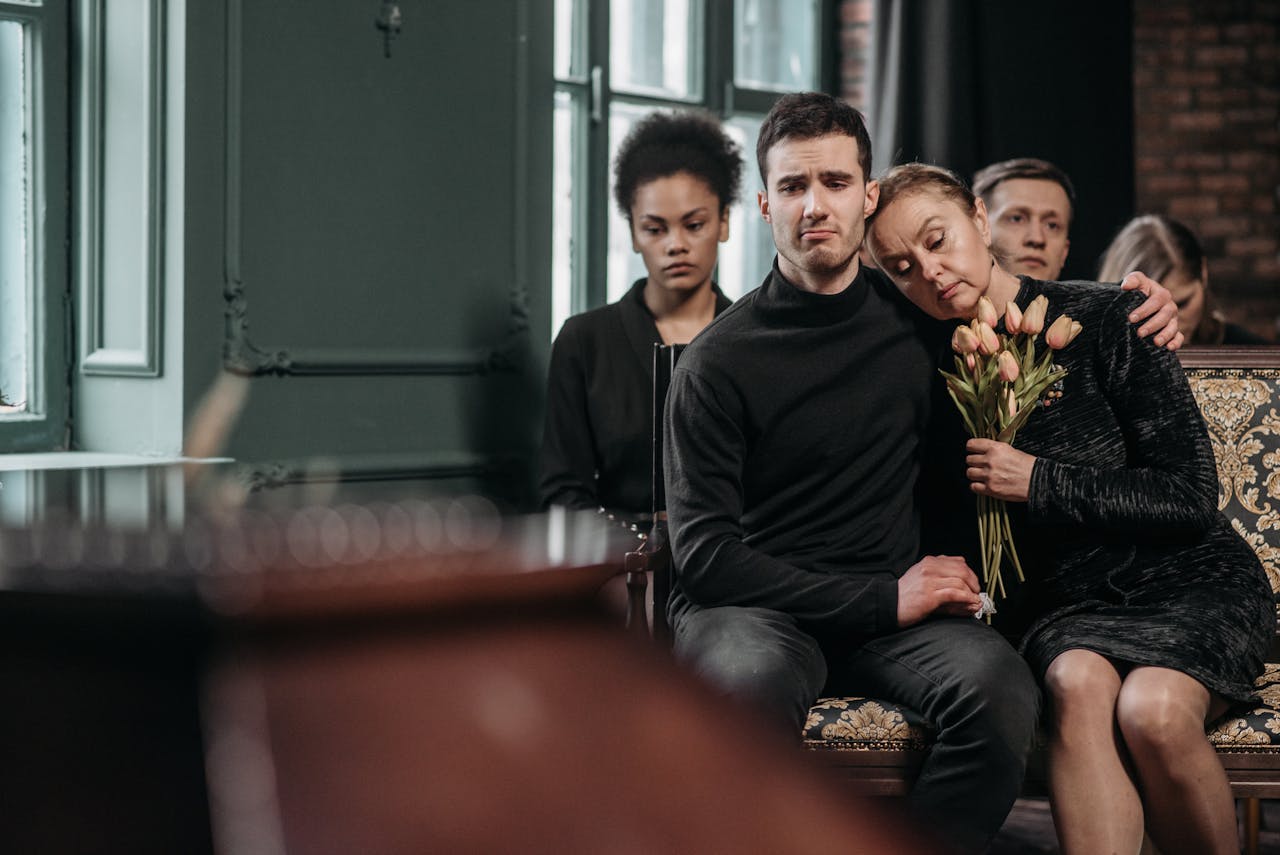
Americans wear black at funerals without thinking about the Victorian mourning codes that shaped the practice. In the nineteenth century clothing color signaled emotional status, duration of grief and social respect, rules that could last months or years. When those strict codes dissolved, the color remained as a culturally accepted sign of solemnity. Americans keep the tradition because black feels formal, respectful and understated. The original system of etiquette vanished, but the visual language endured.
April Fools’ Day Pranks
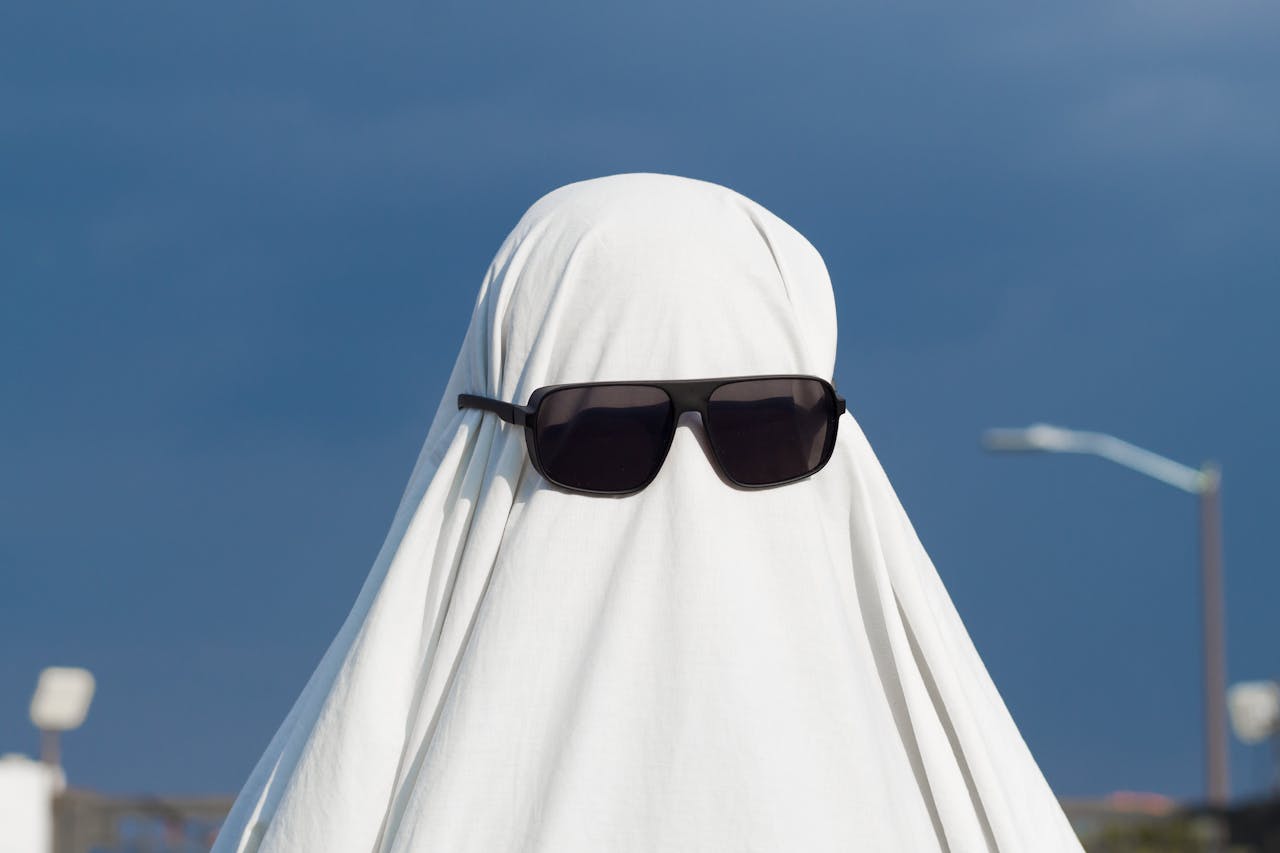
April Fools’ Day feels like harmless mischief, yet its origins stretch through medieval festivals that blurred roles, mocked authority and celebrated seasonal shifts. When these celebrations crossed into American culture, the deeper symbolism disappeared, leaving only the playful inversion. Today the ritual continues because humor provides a safe break from routine and because social media amplifies the spectacle. Americans practice the custom without knowing it once served as a symbolic reset between seasons and social rules.
Breaking a Wishbone
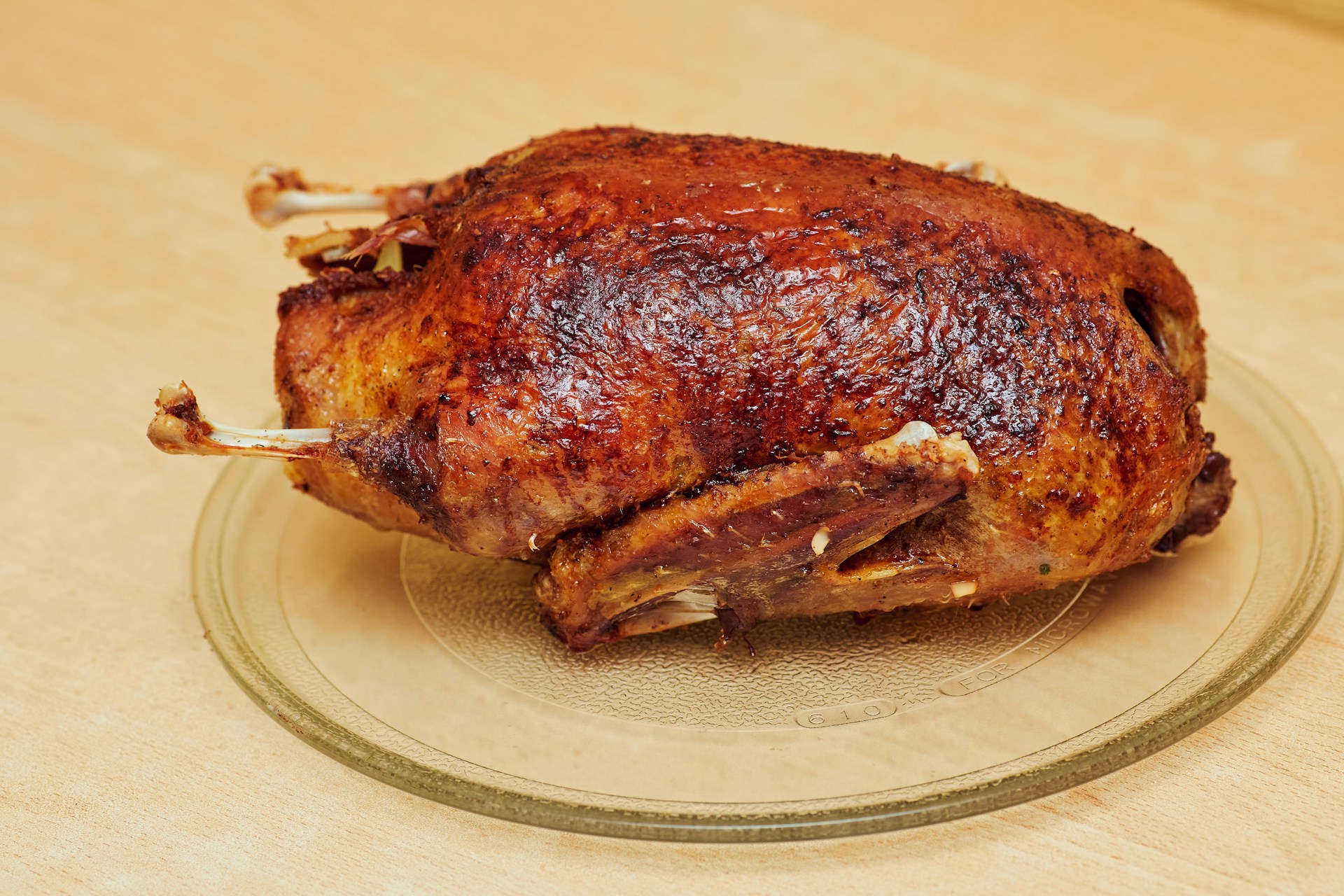
Pulling a turkey wishbone at Thanksgiving seems like a small family game, but it originated in ancient bird divination. Early cultures believed certain bones carried luck and insight, and pulling them could release fortune to the winner. The tradition traveled through Europe into American households, losing its mystical association while keeping the gesture. Families still enjoy the short moment of suspense before the bone snaps. The ritual remains because competition adds fun to a communal meal.
Knocking on Wood for Luck
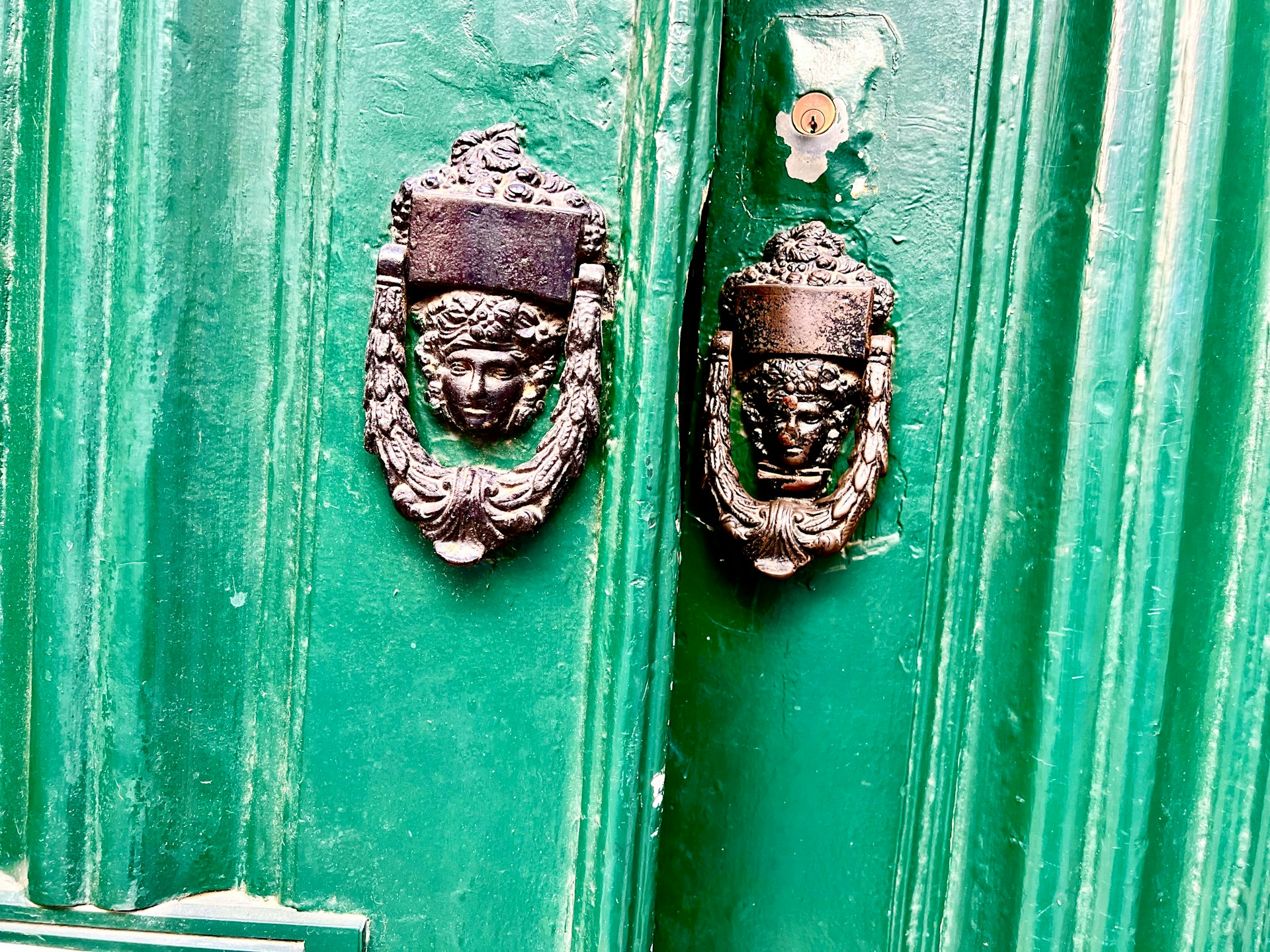
Americans often knock on wood to avoid jinxing themselves, yet the act began as a belief that spirits lived within trees. Touching wood invoked protection or acknowledged a force greater than oneself. Over time the spiritual meaning evaporated, and the gesture became a quick superstition absorbed into casual speech. People continue doing it because the act feels like a small insurance policy against disappointment. The ritual endures even when no one recalls the ancient world that created it.
Modern American rituals may look simple, but they carry centuries of migration, imagination and adaptation within them. When these traditions separated from their origins, they became lighter, friendlier and easier to sustain, which is why they remain so durable today. Understanding their histories adds depth to habits we normally perform without thinking, reminding us that culture is a continuous thread rather than a collection of isolated actions. A ritual becomes meaningful not only through its beginning but through how people keep reshaping it with each generation.