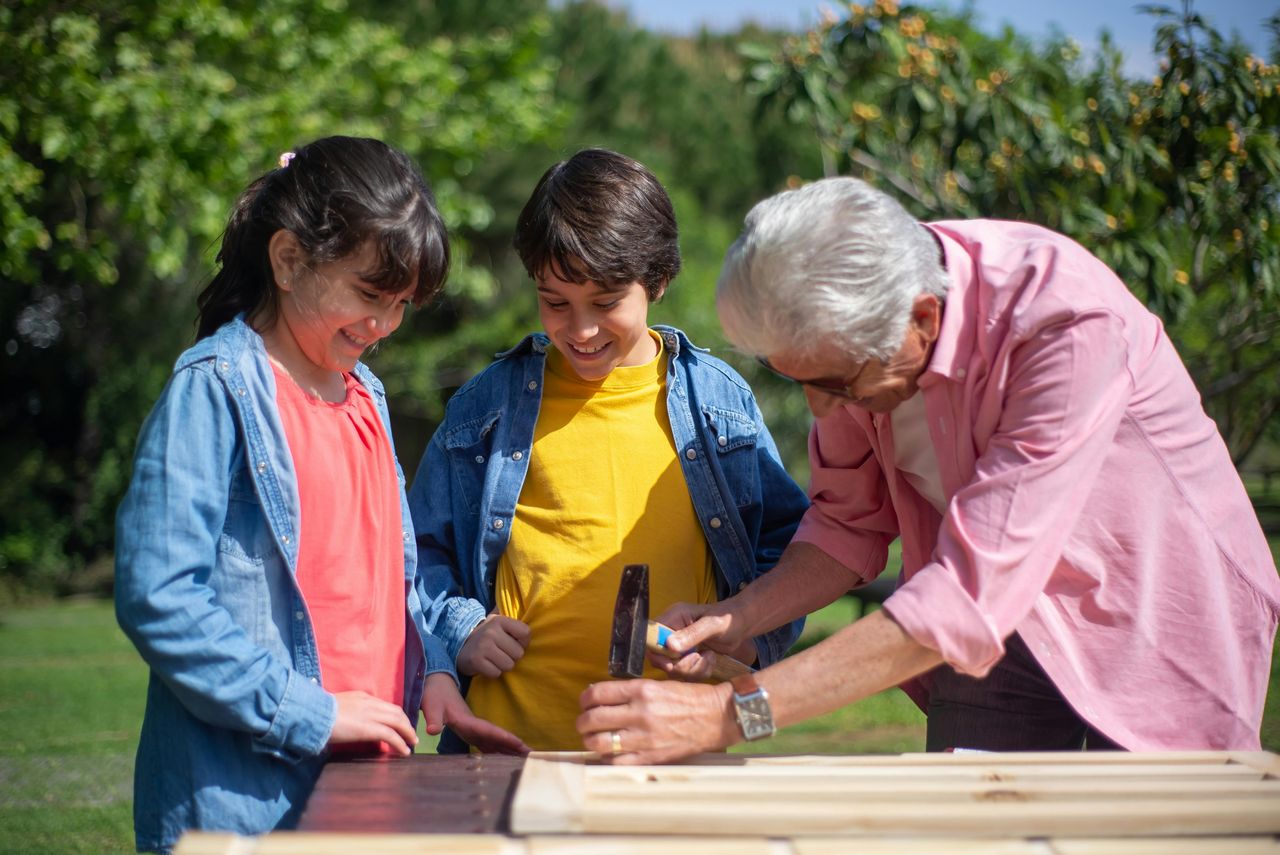
Parenting today looks very different from how previous generations approached discipline. Instead of relying on punishment to correct behavior, modern moms use intentional house rules to guide children through real life challenges. These rules emphasize communication, self awareness, and responsibility. Kids learn how their actions affect others and what solutions look like in practice. Parents focus on teaching skills rather than demanding compliance. Homes become calmer, conversations become clearer, and children gain the confidence to make thoughtful choices as they navigate their world.
1. Every voice counts in family decisions
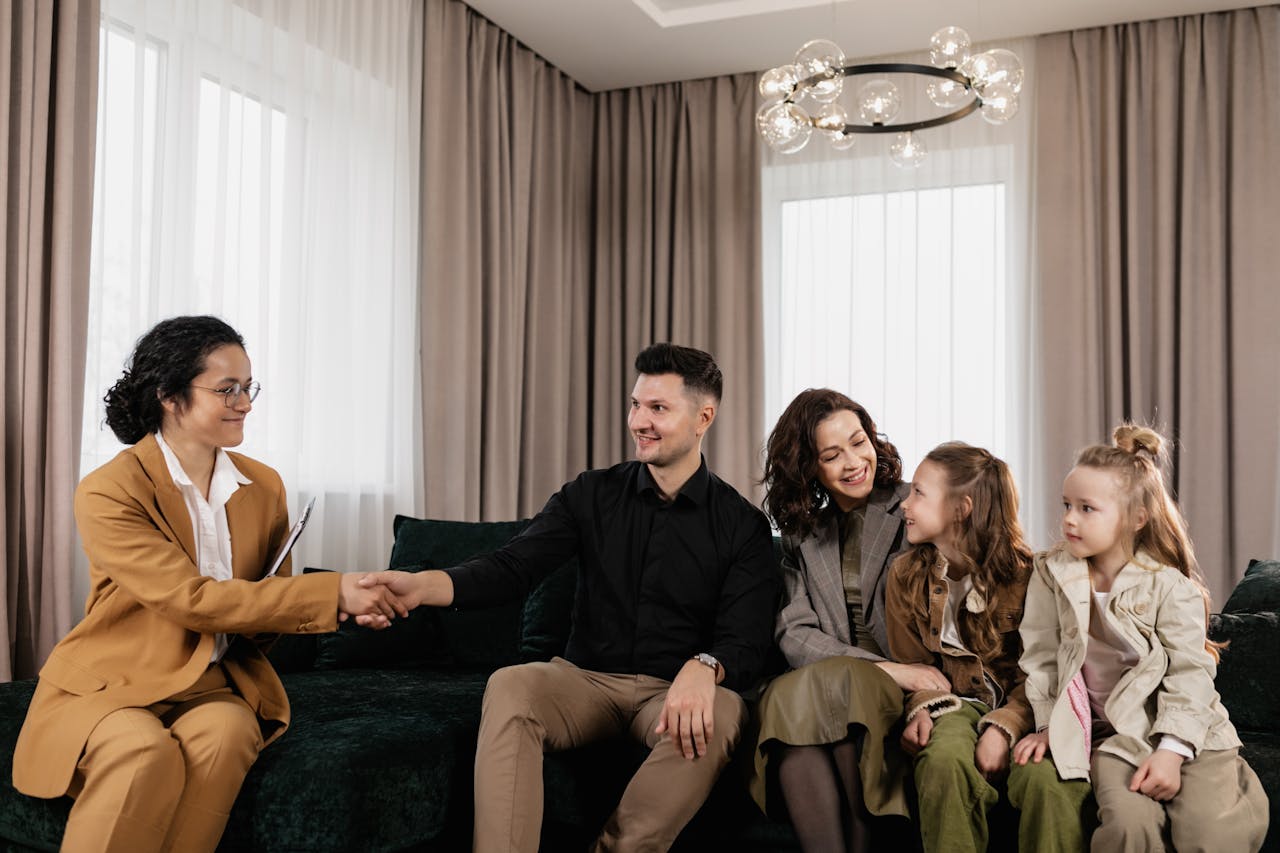
Children are no longer passive observers in family planning. Moms invite them into conversations about routines, outings, and responsibilities. By contributing ideas, kids learn that decisions involve perspectives beyond their own. This participation reduces resistance because rules feel shared instead of imposed. Children practice listening, debating, and compromising, skills that help them outside the home as well. The rule transforms decision making into a collective process that respects everyone’s input, creating trust and reducing the power struggles that older parenting styles often produced.
2. Sibling conflicts get solved through agreements, not blame
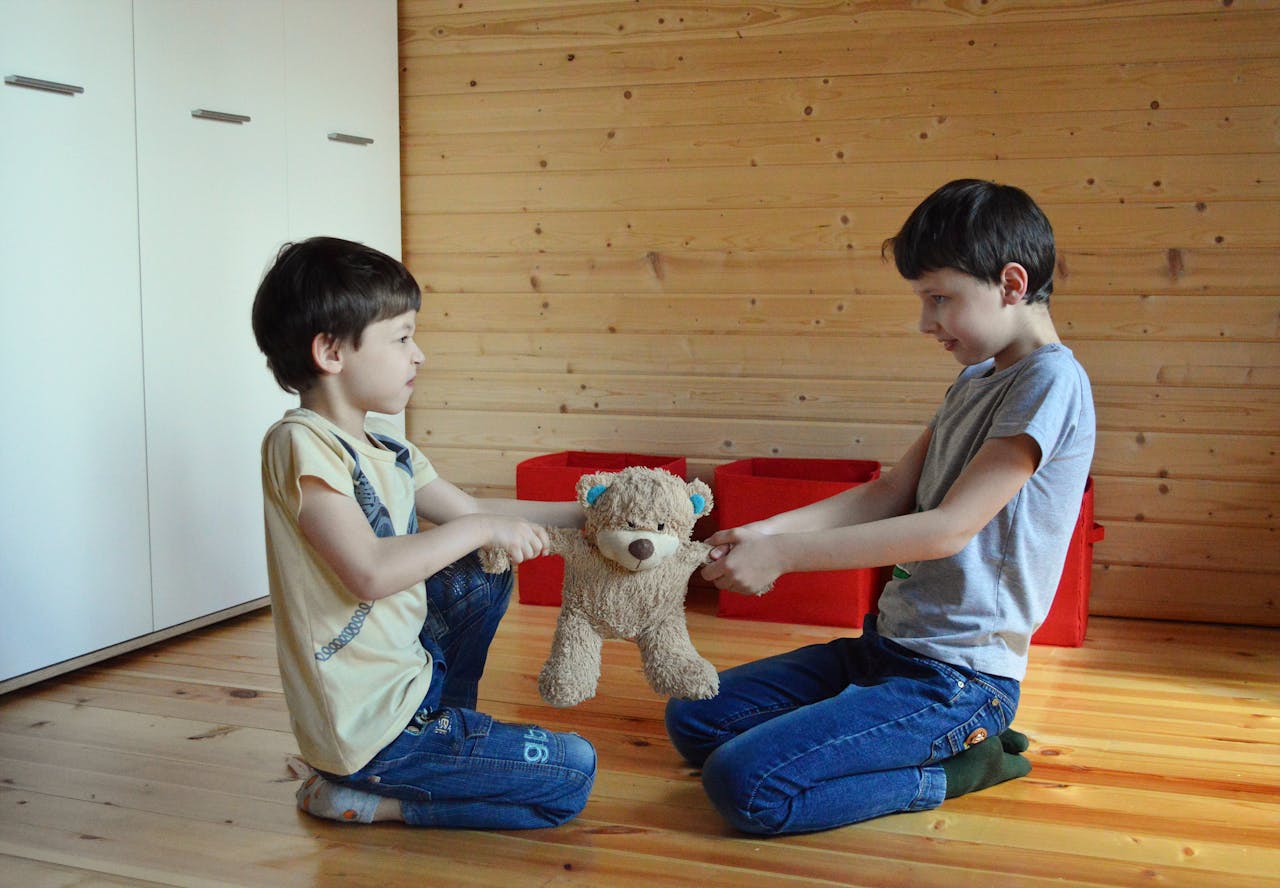
Instead of identifying who caused the problem, parents guide siblings to explain their feelings and agree on solutions. This removes the focus from fault and shifts it to understanding consequences and repairing harm. Siblings learn to express needs respectfully, listen without interrupting, and compromise without resentment. Parents act as facilitators, not referees. The rule encourages viewing conflict as a normal part of relationships, not something to fear or avoid. Over time, children build emotional intelligence and learn that resolution requires effort, empathy, and cooperation from both sides.
3. Family decisions are discussed, not declared

Modern moms take time to explain expectations rather than announcing rules without context. Discussions help children understand why certain choices matter and how decisions affect everyone. Kids who feel informed are more willing to cooperate because they see purpose instead of control. This process reduces confusion, builds accountability, and encourages thoughtful participation. Parents model reasoning, and children learn that rules are not arbitrary barriers. The home becomes a shared environment where responsibility is learned through conversation instead of unquestioned obedience that leaves kids confused and frustrated.
4. No rule stands without a clear purpose
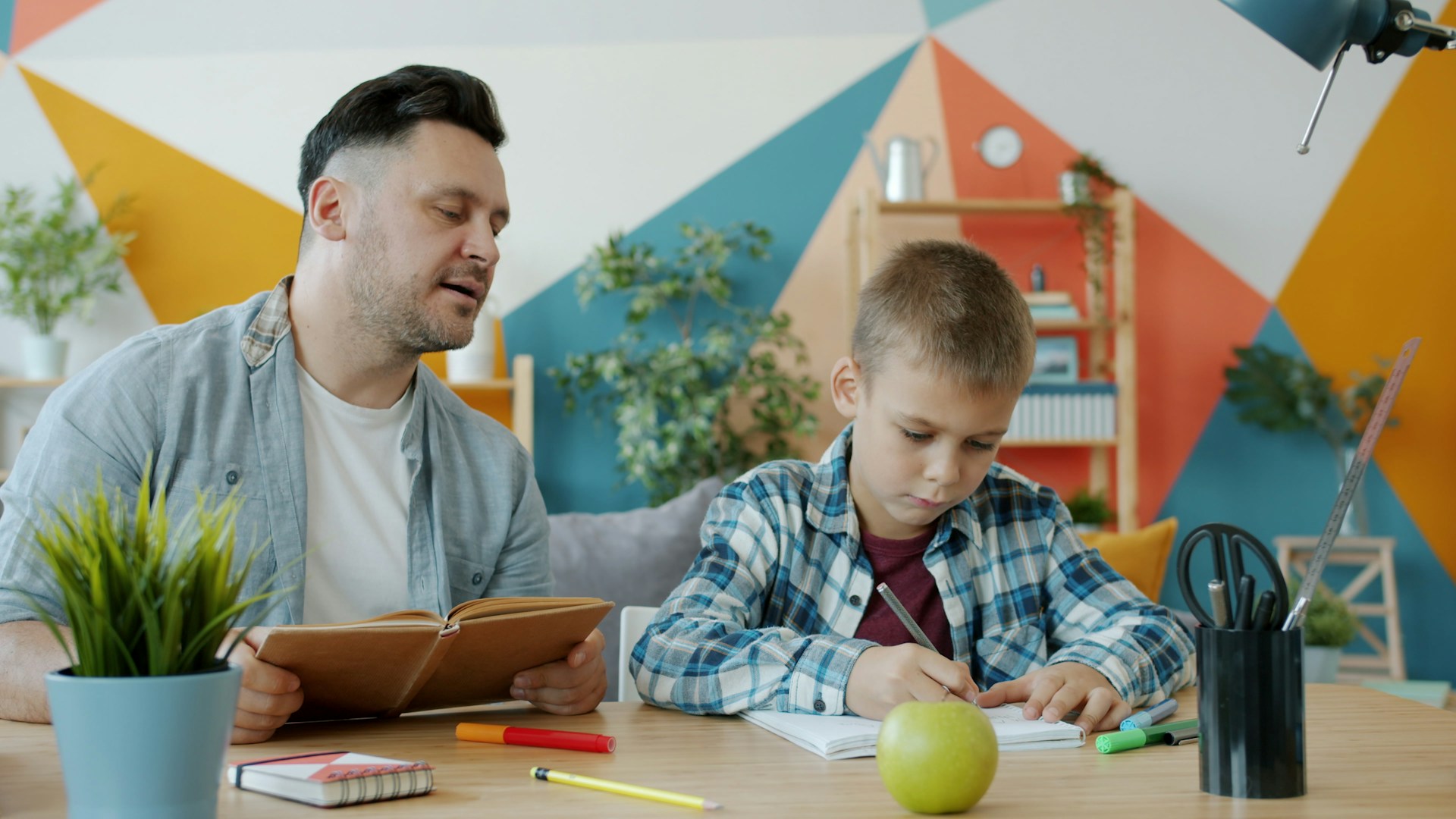
Parents now avoid rules that exist simply because that is how things were done before. Each guideline is explained and connected to safety, respect, or mutual benefit. When children understand the logic behind a rule, they internalize it rather than obeying out of fear. This practice reduces arguments because parents can point to reasons, not authority. Kids gain the ability to evaluate their own actions through cause and effect. A home that relies on purposeful rules teaches responsible independence and helps children develop judgment instead of blind compliance.
5. Privacy is respected until safety is at risk
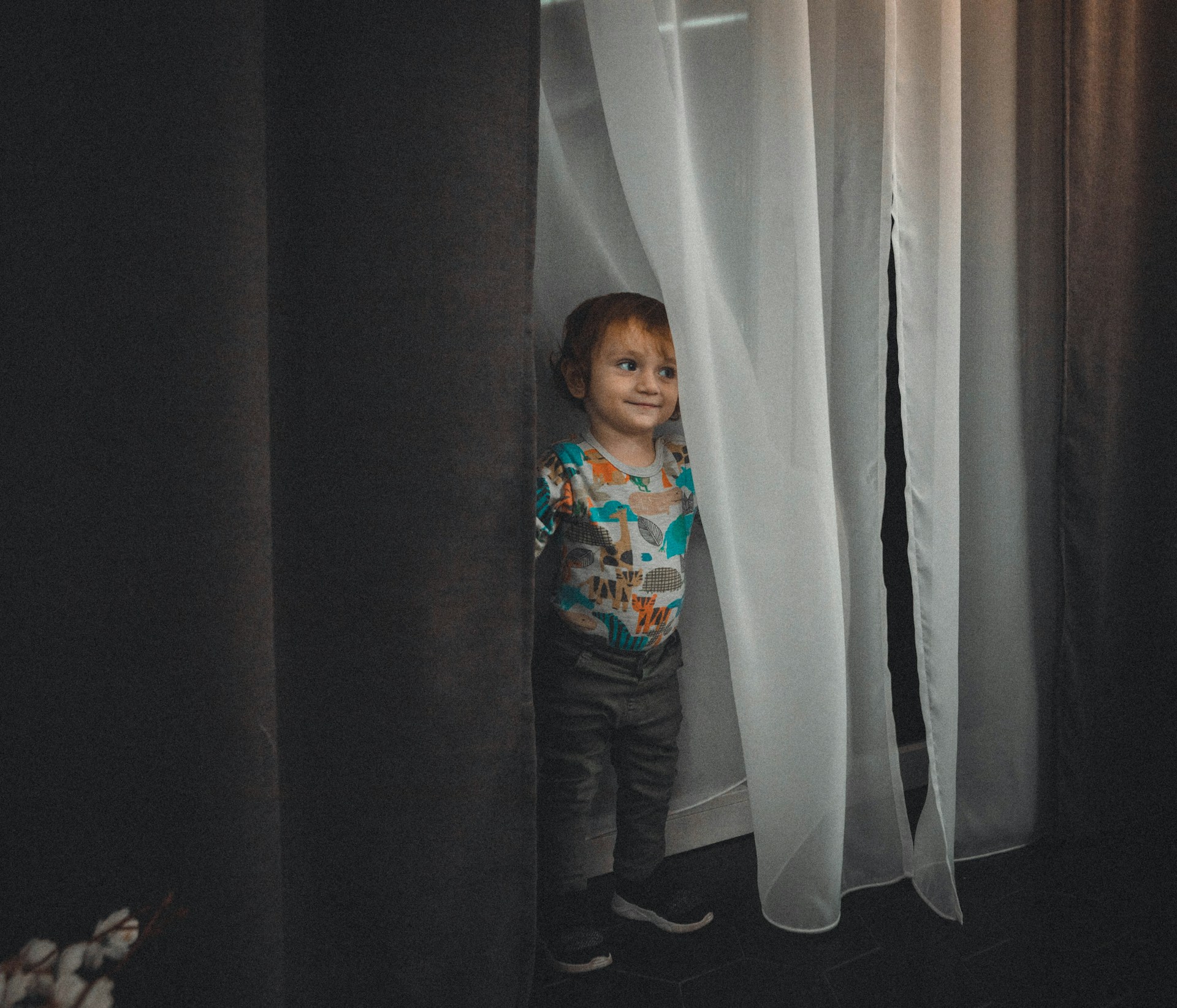
Today’s moms understand that children need space to grow. They avoid unnecessary intrusion into journals, bedrooms, and conversations. Privacy becomes a tool for building trust, not a sign of rebellion. However, safety remains the line that cannot be crossed. Parents step in only when behavior signals danger or emotional distress. Kids learn boundaries, responsibility, and honesty, while parents remain protectors instead of monitors. This approach ensures that independence does not become neglect. Children learn that autonomy and security can coexist without secrecy or constant supervision controlling their choices.
6. Consequences are natural, not invented

Instead of punishments that have nothing to do with behavior, parents allow real outcomes to do the teaching. If a child forgets homework, grades reflect that choice. If a toy breaks, it stays broken. Natural consequences make lessons memorable and logical. Children understand how choices shape results without lectures or threats. This approach removes power struggles and teaches responsibility in a way that feels fair. Kids develop awareness and learn accountability, understanding that actions create outcomes and that parents are guides, not enforcers punishing for compliance.
7. Parents must model the rules they expect kids to follow
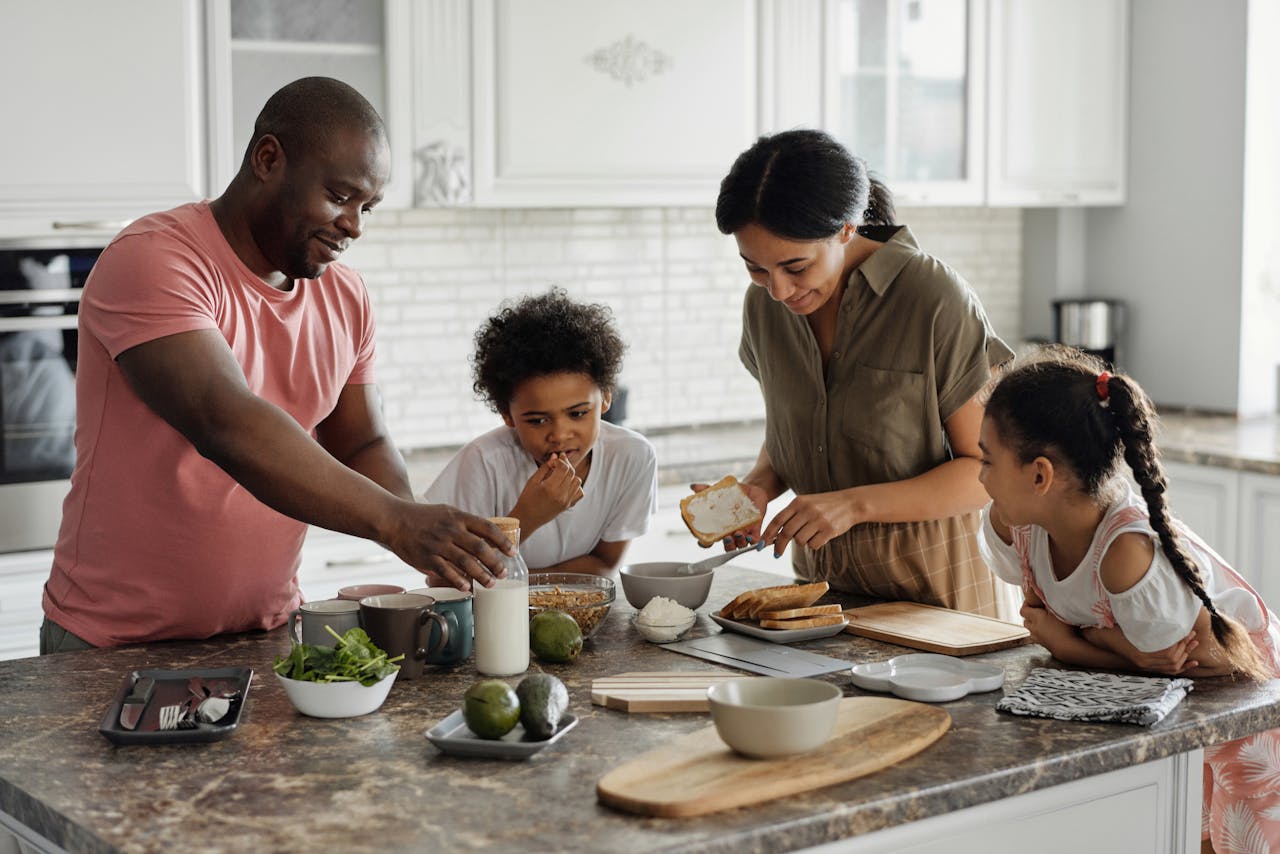
Modern moms recognize that children imitate behavior more than they listen to instructions. If parents speak respectfully, manage emotions calmly, and fulfill responsibilities, kids follow those patterns. This removes hypocrisy and builds trust. Rules gain meaning because they are visible in action, not just spoken. Children learn that values are lived every day, not saved for punishment or praise. The rule creates consistency between what families say and do, reinforcing integrity. Kids develop respect naturally because it is demonstrated to them rather than demanded by authority.
8. Feelings can be expressed anytime without disrespect

Instead of silencing emotions, parents allow kids to express fear, anger, excitement, or frustration. The expectation is not obedience but respectful expression. Children learn that feelings are information, not burdens, and that communicating emotions helps solve problems. Parents guide tone and timing while validating emotional experiences. This openness prevents emotional bottling and reactive outbursts. Kids gain vocabulary, self regulation, and trust. The home becomes a place where emotions are processed, not hidden, which leads to healthier relationships and stronger mental resilience later in life.
9. Arguments pause until everyone can speak calmly

Parents teach that arguments are normal but require emotional control. When voices rise, the discussion stops, giving everyone time to cool down. The break is not punishment but preparation. Kids learn that clarity comes from calm thinking, not intensity. Returning to the topic helps families find solutions without hurtful words. This rule builds emotional intelligence and shows children that disagreements do not need winners, only understanding. It creates homes where communication strengthens relationships instead of damaging them through uncontrolled reactions and unkind language.
10. Tone of voice matters as much as the words used
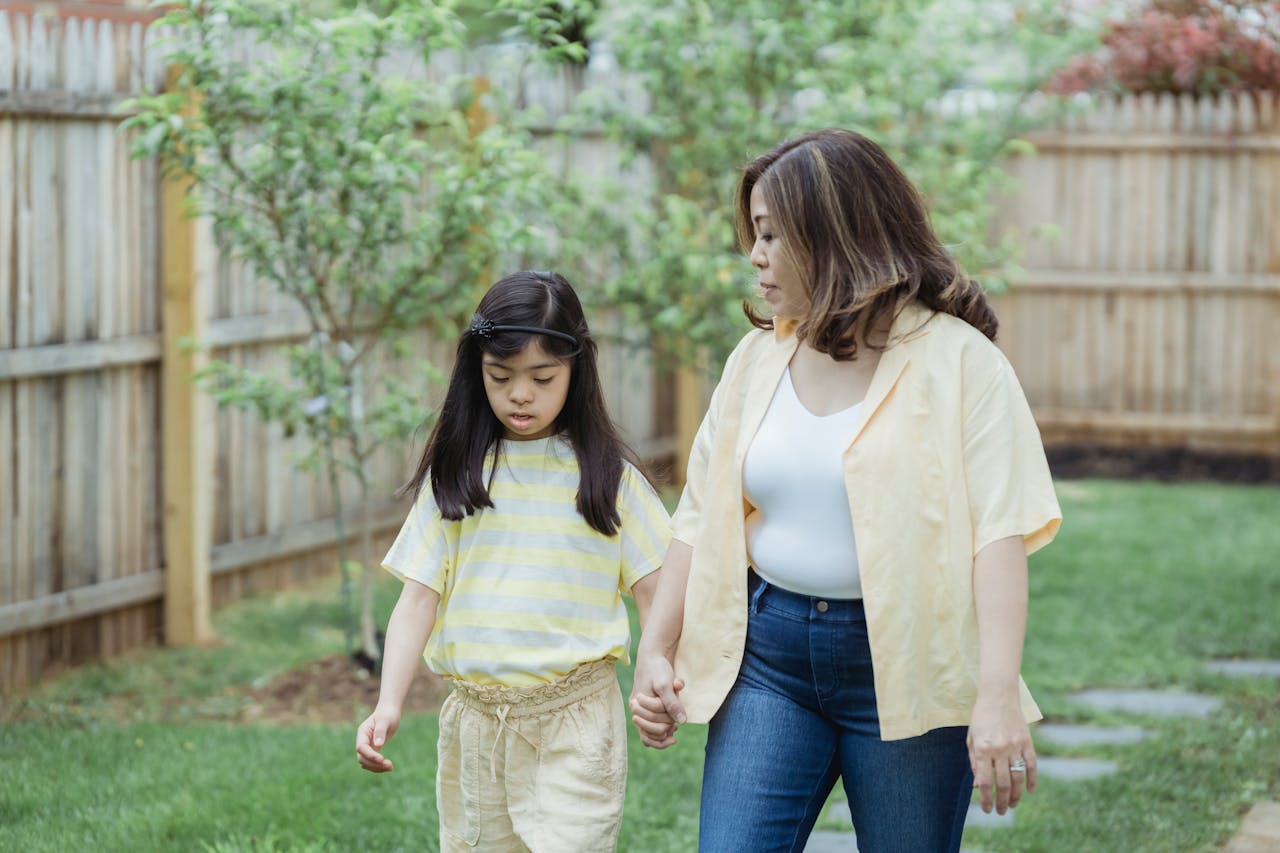
Parents help children understand that how something is said carries meaning equal to the words spoken. Tone signals respect, frustration, excitement, or anger. Teaching kids to monitor tone builds empathy and communication skills. A polite sentence delivered harshly still hurts, while a correction offered gently encourages cooperation. Children become aware of how they influence others with their voice. This rule prepares them for friendships, school interactions, and future relationships. Communication becomes more thoughtful, reducing misunderstandings and teaching that kindness requires deliberate expression.
These rules illustrate how modern parenting has shifted from punishment to partnership. Instead of demanding obedience, moms nurture awareness, responsibility, and empathy. Children learn how to manage emotions, communicate needs, and understand consequences in a supportive environment. The focus is not on avoiding mistakes but learning from them. Homes become places where growth replaces fear and where discipline teaches life skills rather than compliance. The result is a generation prepared not just to follow rules but to understand why they matter in the first place.