Throughout history, various pivotal military events have profoundly impacted not only the course of wars but also the lives of families worldwide. From groundbreaking technologies to social shifts, these moments have left an indelible mark on how we live, communicate, and perceive our world. Below are ten such moments that significantly altered family dynamics, often in ways people may not immediately recognize.
The Establishment of the GI Bill: Education for Veterans and Their Families

The GI Bill, formally known as the Servicemen’s Readjustment Act of 1944, was signed into law by President Franklin D. Roosevelt on June 22, 1944. This groundbreaking legislation aimed to provide returning World War II veterans with benefits that would help them reintegrate into civilian life, with a primary focus on education and vocational training. The GI Bill offered veterans access to tuition-free education, housing allowances, and low-interest loans, enabling millions of veterans to pursue higher education and homeownership. The bill significantly transformed American society, expanding the middle class and leading to a surge in college enrollment. It also provided crucial support for military families, ensuring veterans and their dependents could build a better future.
Introduction of Women into Combat Roles
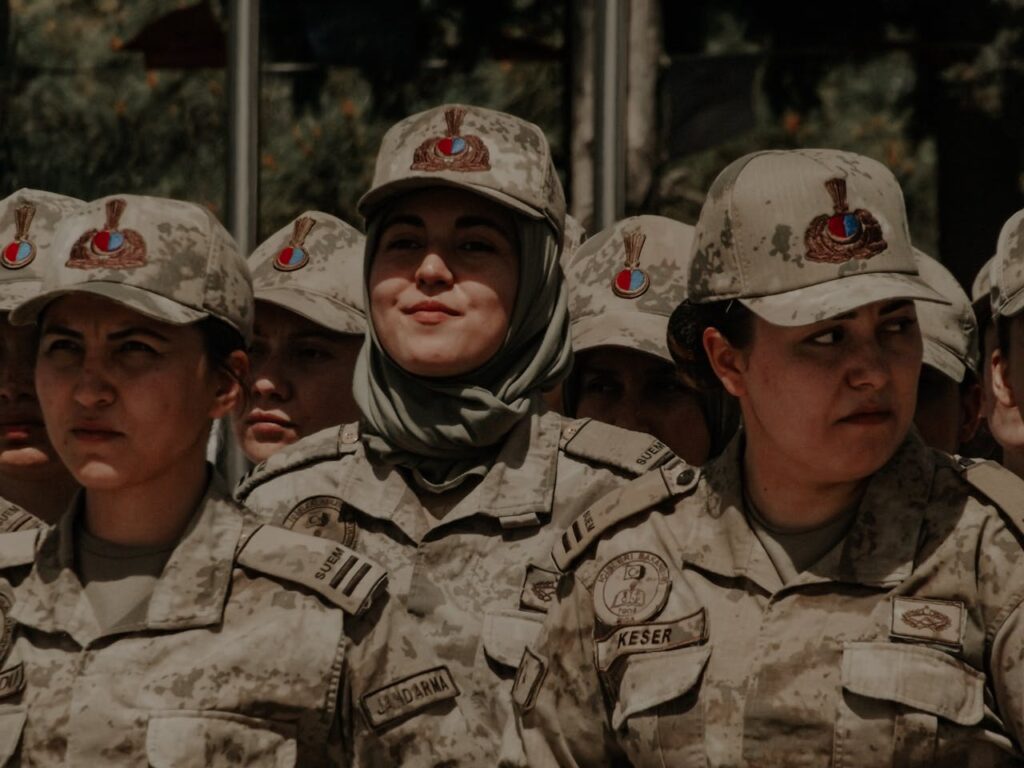
While women had been excluded from direct combat positions for much of U.S. history, they were gradually allowed to take on more active roles. In 1994, the Department of Defense defined direct ground combat positions, limiting women’s participation, but this began to change with the lifting of the ban on women in combat in 2013. The policy change allowed women to serve in combat units like infantry and special operations, and in 2016, the U.S. military officially opened all combat roles to women, eliminating gender-based restrictions entirely. This shift marked a historic move towards equality, ensuring that women, provided they met the same physical standards, could serve in any military position.
The Creation of Military Spouse Scholarships and Employment Opportunities
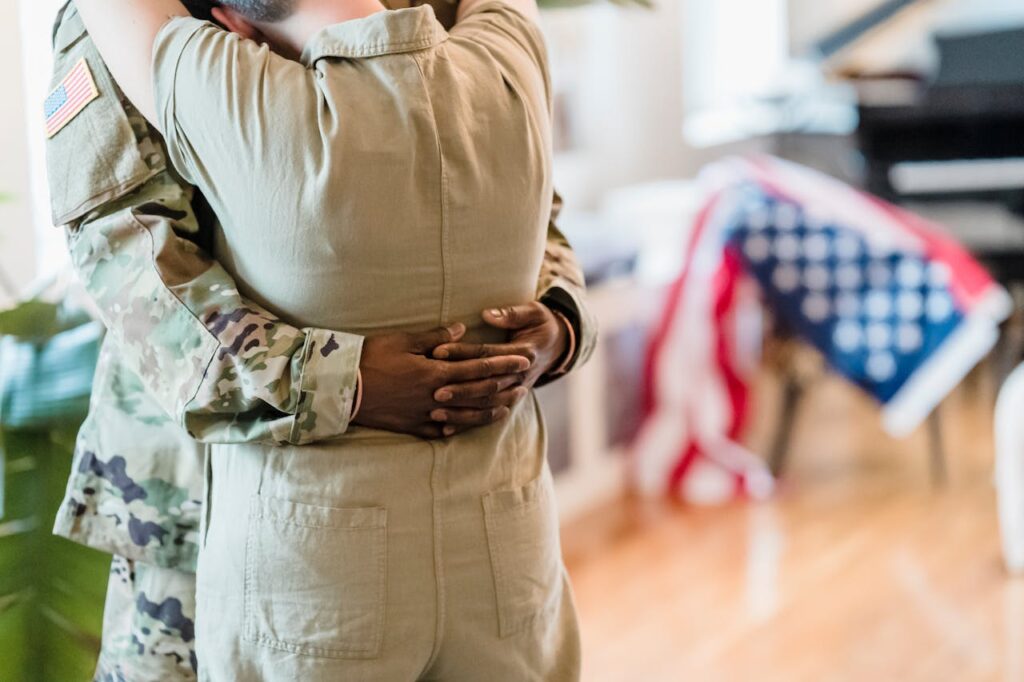
The creation of military spouse scholarships and employment opportunities gained significant momentum in the 2000s to support military families facing frequent relocations and career disruptions. In 2004, the Military Spouse Career Advancement Accounts (MyCAA) program was introduced, providing up to $4,000 in financial assistance for spouses to pursue education and certification. In 2018, the Spouse Education and Career Opportunities (SECO) program was launched to offer resources and career development. These initiatives, along with various scholarships from organizations like the National Military Family Association, helped military spouses overcome challenges to education and employment, improving their career stability and earning potential.
Yellow Ribbon Reintegration Program (YRRP)

The Yellow Ribbon Reintegration Program (YRRP), established in 2008, is a Department of Defense initiative designed to support service members and their families during the pre-deployment, deployment, and post-deployment phases. It provides crucial resources, including career counseling, healthcare, mental health support, and financial guidance, to ensure a smooth transition from military to civilian life. The program emphasizes family involvement and helps service members reintegrate successfully by offering educational workshops, community connections, and mental health services, ultimately fostering long-term well-being and stability for military families.
Military Honors for Veterans

Military burial and memorial ceremonies have been a part of U.S. military traditions since the Revolutionary War (1775–1783). However, the specific rituals we associate with modern military honors, such as the folding of the American flag and the 21-gun salute, became more standardized in the early 20th century. The National Defense Authorization Act of 2000 further formalized funeral benefits, including the provision of military honors for veterans, ensuring that such ceremonies were more widely available to families of deceased service members. These rituals have continuously evolved, but their core elements have remained a powerful means of honoring military service and helping families cope with their loss.
The Veterans Choice Program: Changing Health Care Access for Families
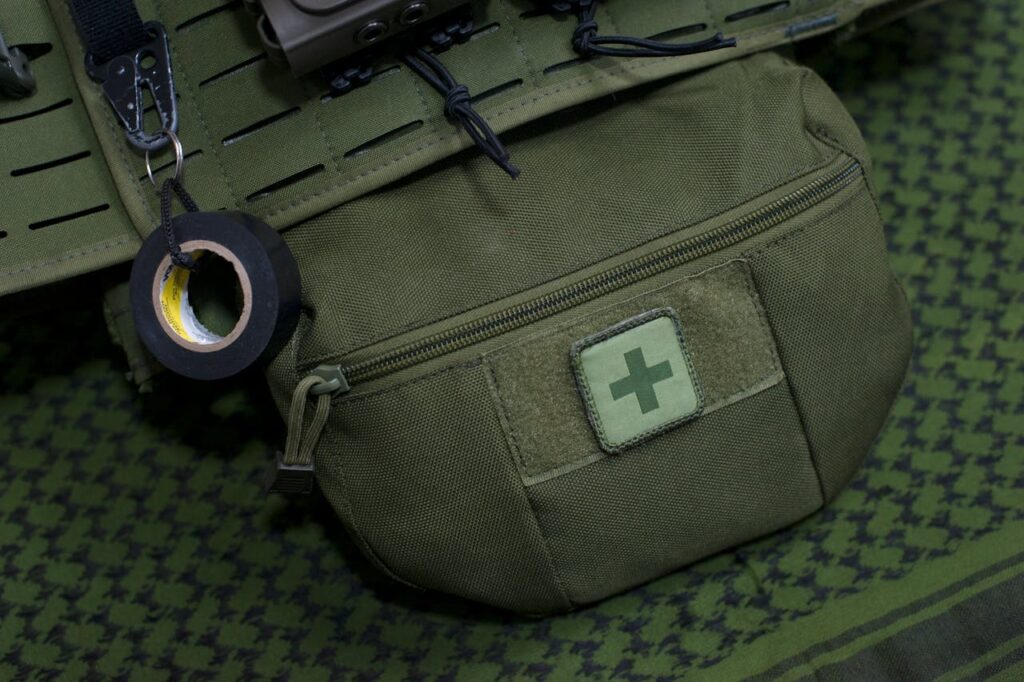
The Veterans Choice Program, established in 2014 through the Veterans Access, Choice, and Accountability Act, was designed to improve healthcare access for veterans who faced long wait times or had to travel long distances to VA facilities. It allowed eligible veterans to seek care from private doctors or medical centers if they were unable to receive timely care through the VA or if the nearest VA facility was too far away. The program aimed to provide greater flexibility, reduce healthcare delays, and improve overall care for veterans, ultimately benefiting families by easing the burden of long wait times and travel. However, the program faced implementation challenges, including difficulties in processing claims and coordinating care, leading to its replacement by the Mission Act in 2019, which further expanded and streamlined access to private care.
Establishment of Military Support Networks in the Post-World War II Era (1945)
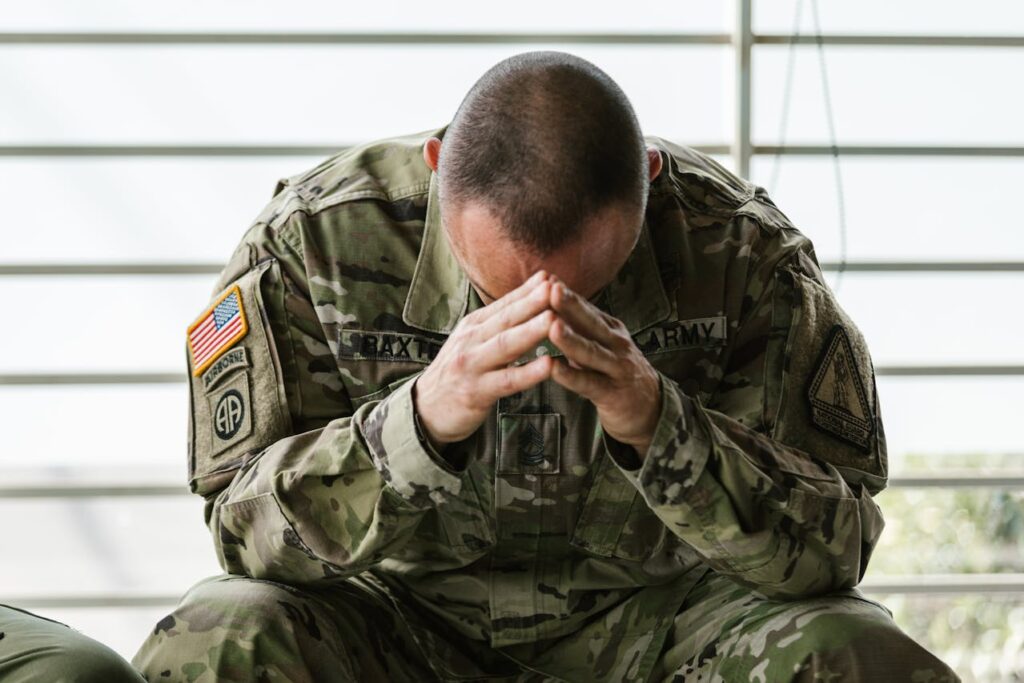
After World War II, there was a collective recognition that military families had endured enormous stress and loss during the war. Soldiers were returning home after years of separation, and many of them were dealing with physical injuries or psychological trauma, such as what would later be known as Post-Traumatic Stress Disorder (PTSD). During this time, veteran’s organizations such as the Veterans of Foreign Wars (VFW) and the American Legion became central to providing support, not only for veterans but also for their families. These organizations helped families navigate the complexities of reintegrating soldiers back into civilian life and often provided direct financial, legal, and emotional assistance.
The Gulf War (1990-1991) and the Use of Technology in Military Families’ Communication

The Gulf War was a defining moment not just for military history but also for military families, as it marked the beginning of the modern age of military communication. During this conflict, soldiers in the desert were able to stay connected with their families in ways that had never been possible before. The use of satellites, phone calls, and, eventually, email allowed for real-time communication, allowing military families to share their anxieties, experiences, and support in a way that was never before possible during wartime. This moment forever changed how families experience deployment, as they were able to maintain a connection to their loved ones overseas. While technology didn’t completely eliminate the stress of separation, it did make it more manageable and allowed families to feel more engaged and connected.
The Impact of 9/11 and the War on Terror
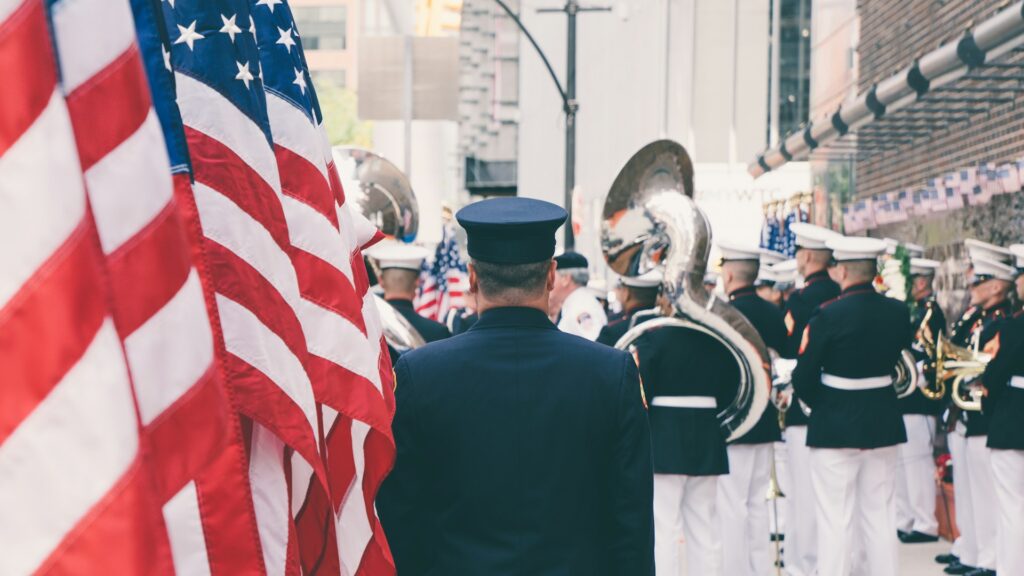
The terrorist attacks of September 11, 2001, marked a seismic shift in global security and military engagement. The aftermath of 9/11 led to the War on Terror, with deployments to Afghanistan and Iraq becoming more frequent and prolonged. The rise of counterterrorism operations, the heightened threat of domestic attacks, and the constant state of alert that followed 9/11 fundamentally altered how families lived. More military personnel were deployed overseas, sometimes in dangerous and high-risk environments, which led to more anxiety and uncertainty for their families back home. The psychological toll of combat caused the rise of Post-Traumatic Stress Disorder (PTSD) and both physical and mental strain on service members.
COVID-19 and Military Family Life: A New Era of Challenges
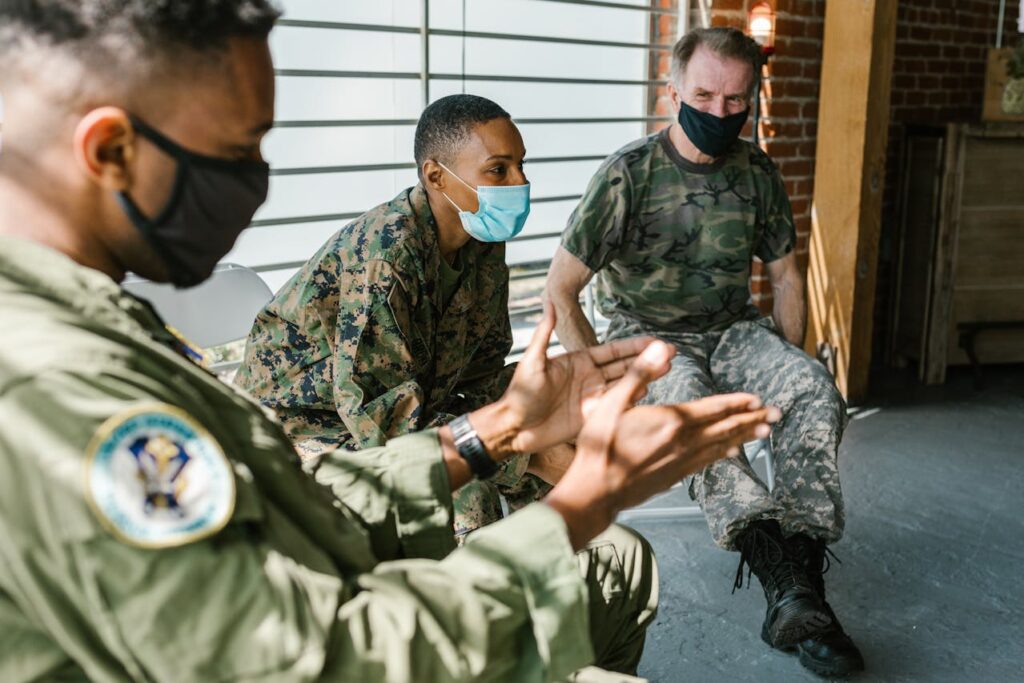
The COVID-19 pandemic (2020-2021) had a profound impact on military families, disrupting deployments, reintegration, and daily life. Service members faced delays and changes to their deployment schedules, leaving families in uncertainty. Schools and daycare closures forced military spouses to take on additional responsibilities, such as homeschooling and childcare. Family reunions and homecoming ceremonies were replaced with quarantine protocols, further complicating reintegration after deployments. The job market’s instability impacted military spouses’ careers, as many were furloughed or had to juggle work from home with new family obligations. The pandemic also intensified mental health challenges for both service members and their families, especially those already coping with PTSD or stress-related issues.
To conclude, military moments throughout history have shaped the way families live, often in profound and lasting ways. From the technological advances that helped families stay connected during wartime to the evolution of gender roles and the economic shifts driven by military engagement, these moments have forced families to adapt, innovate, and redefine what it means to support one another. Whether through the introduction of the telephone, the impact of women entering the workforce, or the challenges brought on by conflicts like 9/11, each of these moments has left a legacy that continues to influence military families today. As the world evolves, so too will the way military families experience and navigate their lives, but the resilience and unity that have characterized their experiences will undoubtedly remain a core part of their identity.