Military history and culture are full of fascinating stories, but not all of them are entirely true. Plenty of so-called “facts” have been passed around for generations, sometimes shared with kids as fun trivia or bedtime tales. While these stories sound cool, many are simply myths or misunderstandings. Let’s set the record straight with ten military “facts” you might have told your kids—that actually aren’t true at all.
Napoleon Was Extremely Short
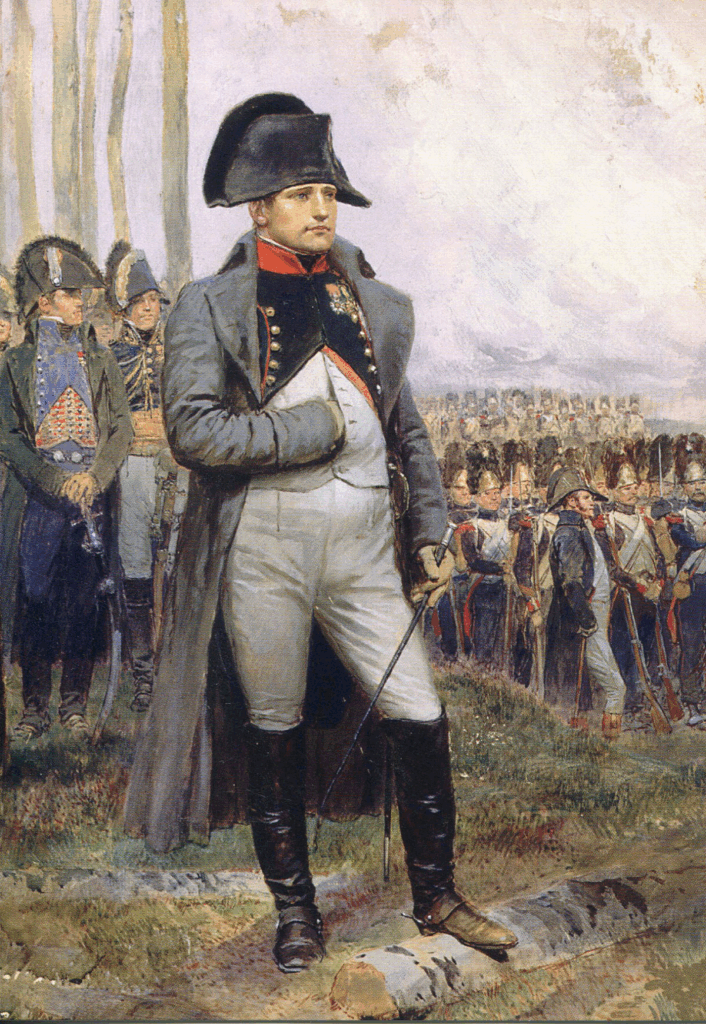
It’s a common belief that Napoleon Bonaparte was a tiny man, leading to the term “Napoleon complex.” However, historical records show he was about 5’6” or 5’7”, which was average height for a Frenchman of his time. The confusion comes from a mix-up between French and British measurement systems. British newspapers loved portraying him as smaller than life to belittle his reputation. So, while he might not have been tall, Napoleon definitely wasn’t a dwarf.
Vikings Wore Horned Helmets
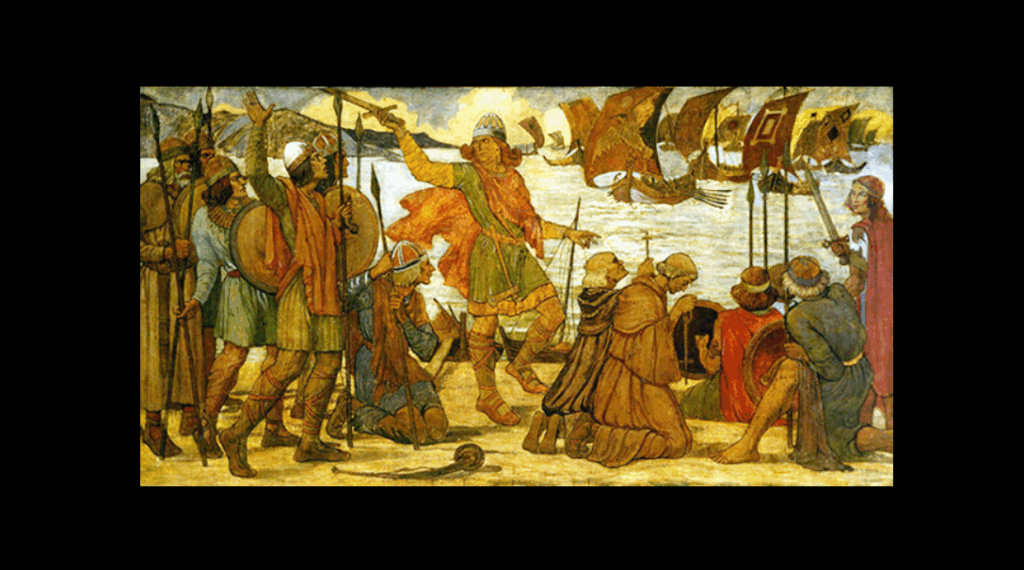
Telling kids that Vikings wore helmets with horns makes for a great mental image—but it’s pure myth. No archaeological evidence has ever uncovered horned helmets used in battle. The horned look became popular in 19th-century operas and romantic art, not in real Viking warfare. Horns on a helmet would have been impractical and dangerous in combat. Vikings preferred practical, rounded helmets that protected their heads without getting in the way.
The Great Wall of China Is Visible From Space

Many parents proudly tell their kids that the Great Wall of China is the only man-made structure visible from space. But astronauts have confirmed that it’s not that simple. The wall is long but very narrow, blending into the natural landscape from orbit. Other man-made structures like highways and cities are actually easier to spot. So while the Great Wall is an incredible feat, it’s not as visible from space as legend claims.
Medieval Knights Couldn’t Move in Their Armor
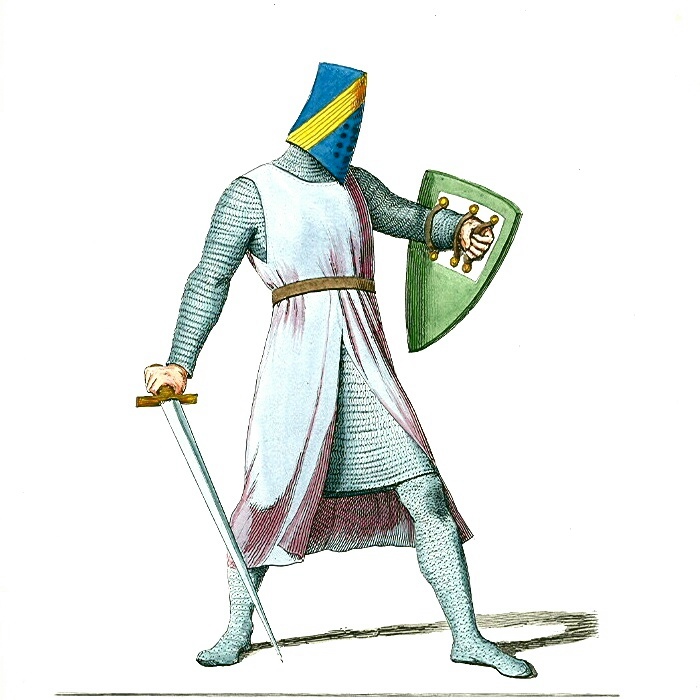
We often imagine knights clanking around like stiff robots, unable to stand up if they fell. But medieval armor was ingeniously designed to allow flexibility and movement. Knights could run, fight, and even mount horses in full plate armor. The misconception comes from modern replicas and Hollywood movies exaggerating how heavy armor was. In truth, skilled knights trained extensively to fight effectively while wearing it.
Camouflage Makes Soldiers Completely Invisible
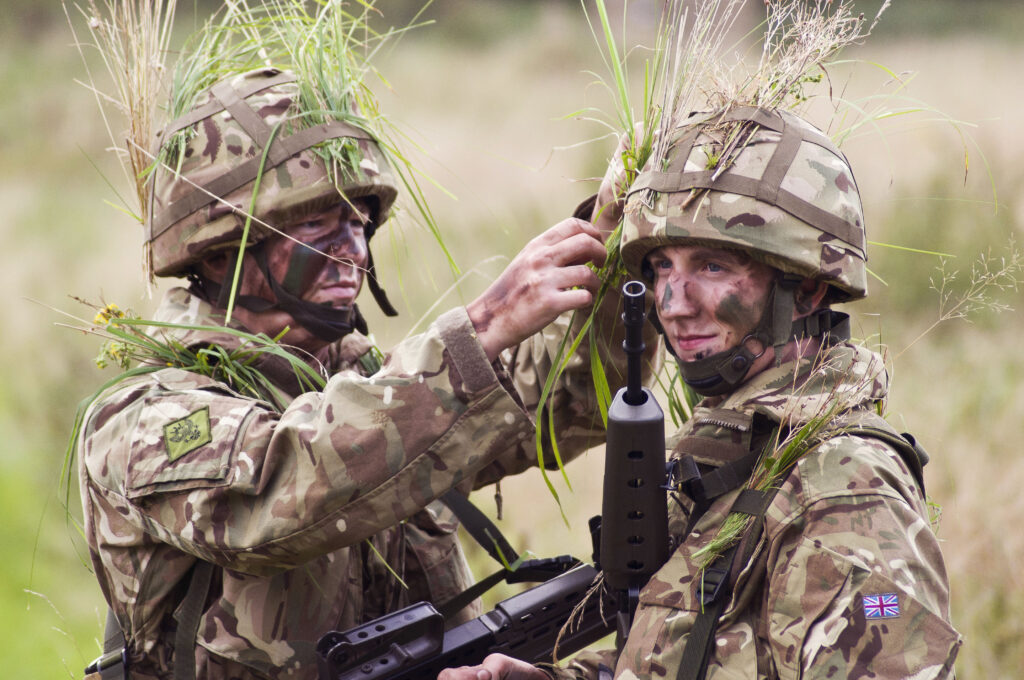
Kids love the idea that camouflage uniforms make soldiers totally invisible, like magic cloaks. While camouflage helps soldiers blend in, it doesn’t render them unseen. It breaks up outlines and makes it harder to spot someone at a distance or in certain terrain. Soldiers still need to use cover, shadows, and stealth to stay hidden. Camouflage is helpful—but it’s no invisibility cloak.
George Washington Had Wooden Teeth
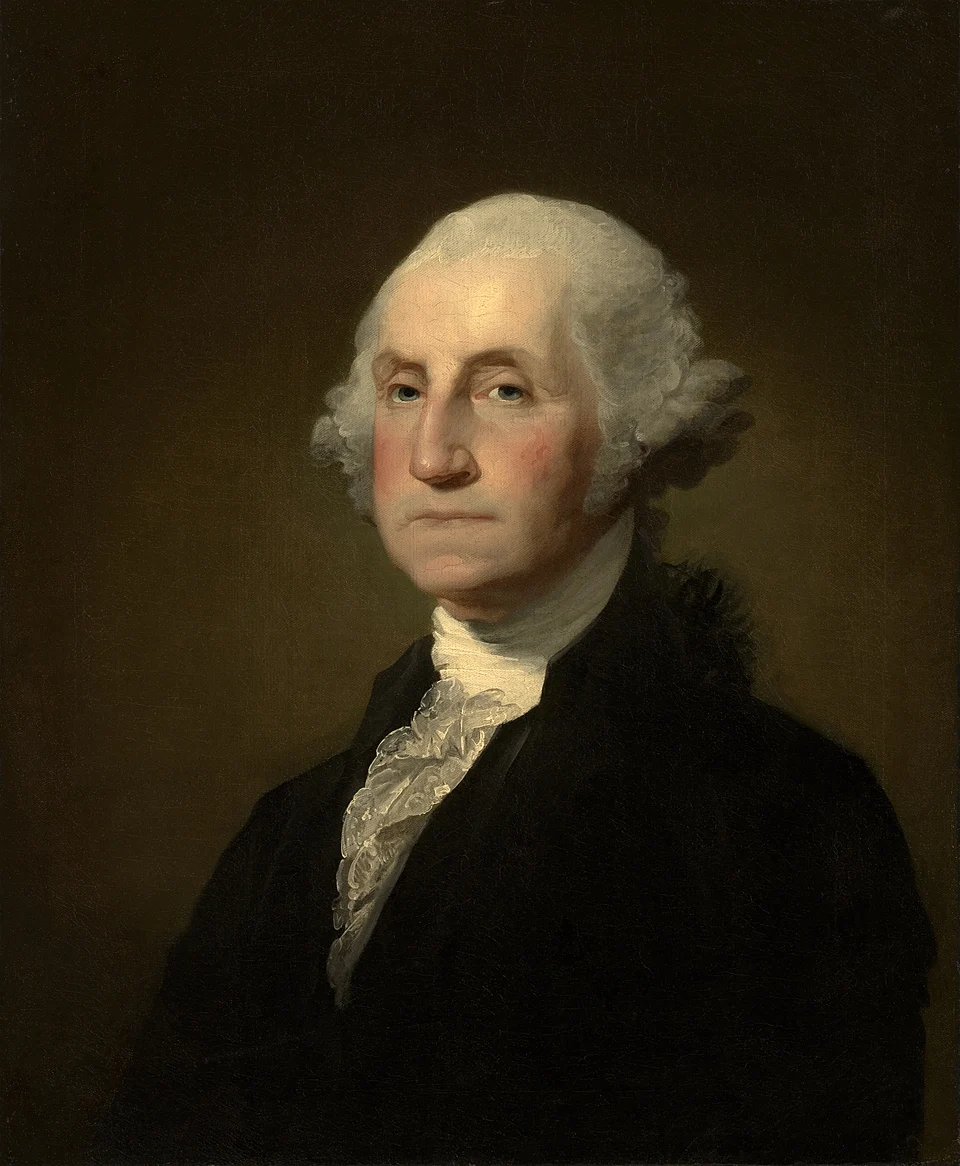
It’s a popular piece of trivia that America’s first president wore wooden dentures. In reality, George Washington’s false teeth were made from ivory, gold, lead, and even human and animal teeth—but never wood. The wooden myth probably arose because the dentures often stained and looked dark. Poor dental hygiene in those days meant tooth loss was common, especially for someone like Washington who suffered frequent dental pain. So, his teeth were false—but not wooden.
Soldiers Used Flaming Arrows to Burn Down Castles
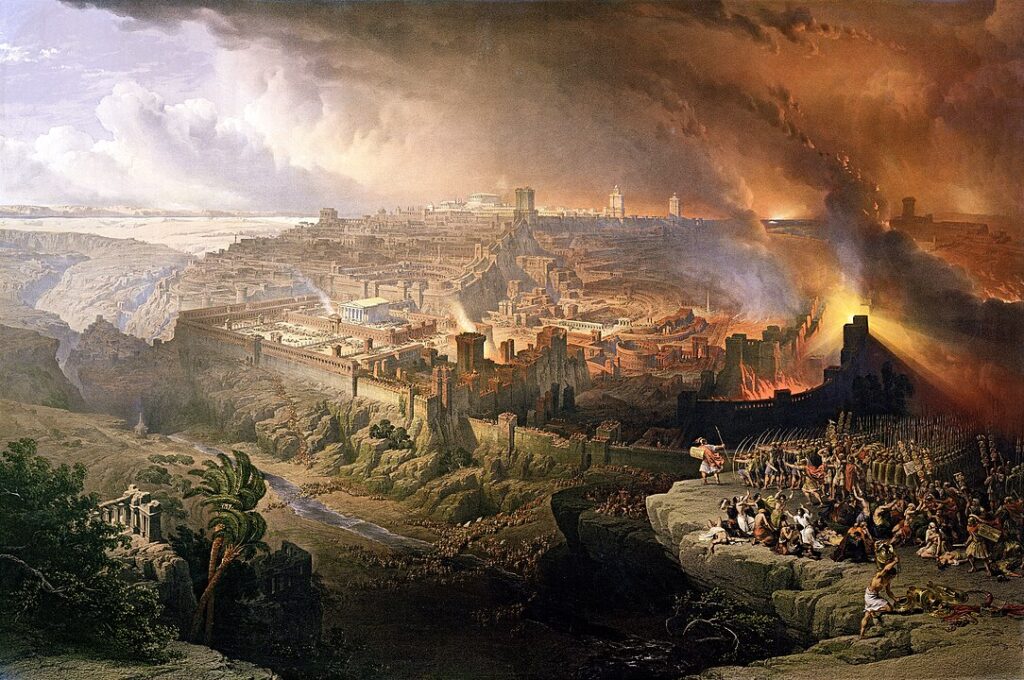
Kids love the drama of flaming arrows lighting castles on fire during medieval battles. However, flaming arrows were far less practical than movies suggest. Lighting an arrow on fire reduced its flight range and made it unstable. While they were sometimes used to ignite thatched roofs or siege engines, stone castles were hard to burn with a few flaming arrows. Most medieval fires were started by more direct methods like torches or fire pots.
Ancient Spartans Never Retreated
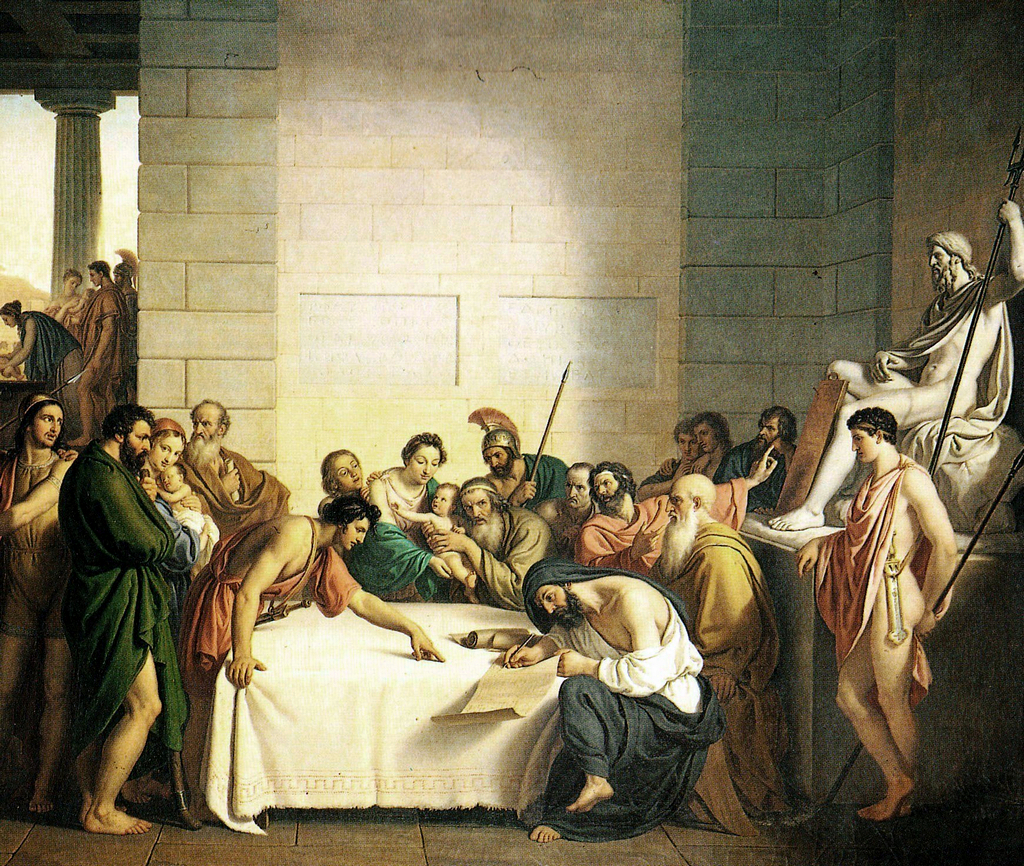
The legendary Spartans are often portrayed as warriors who never, ever retreated. While they were famously brave, Spartan generals knew that strategic withdrawals could save lives and win wars. Spartans occasionally pulled back or regrouped if the situation demanded it. The myth of never retreating comes largely from heroic stories like the Battle of Thermopylae. In reality, Spartans were fierce fighters—but also skilled tacticians.
The M1 Abrams Tank Is Invincible
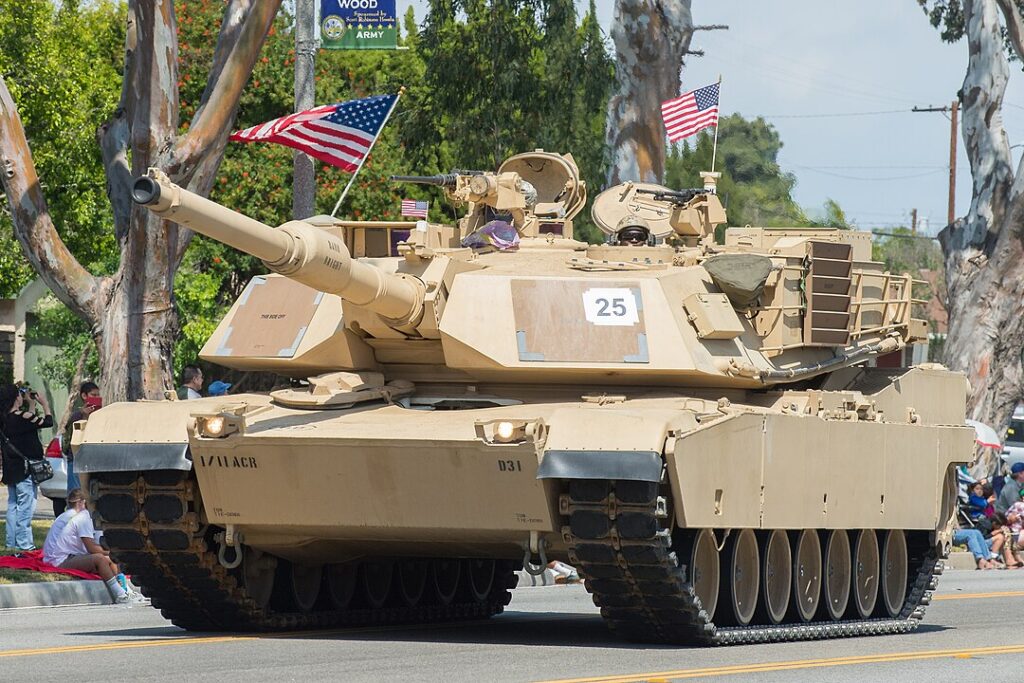
Some kids (and adults) think the M1 Abrams tank is completely indestructible on the battlefield. Although it’s one of the world’s most advanced tanks, no tank is truly invincible. The Abrams is heavily armored and highly capable, but it’s vulnerable to modern anti-tank weapons, IEDs, and maintenance issues. In conflicts, tanks can and do get damaged or destroyed. Technology helps, but warfare is never without risk.
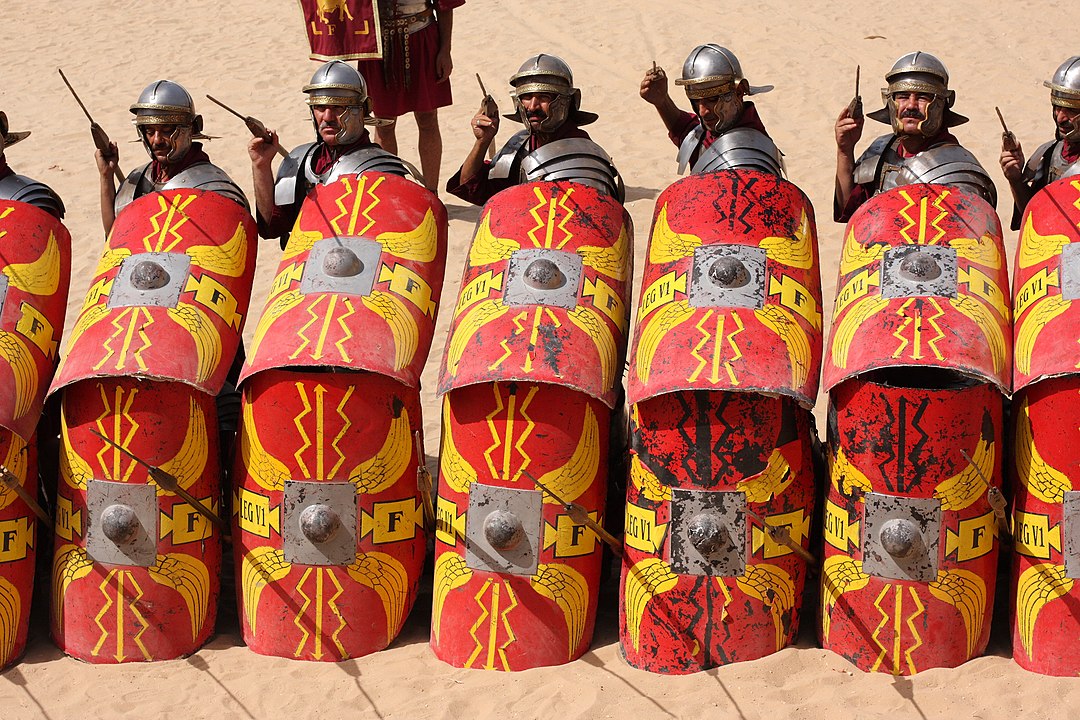
The Roman Army Always Won Their Battles
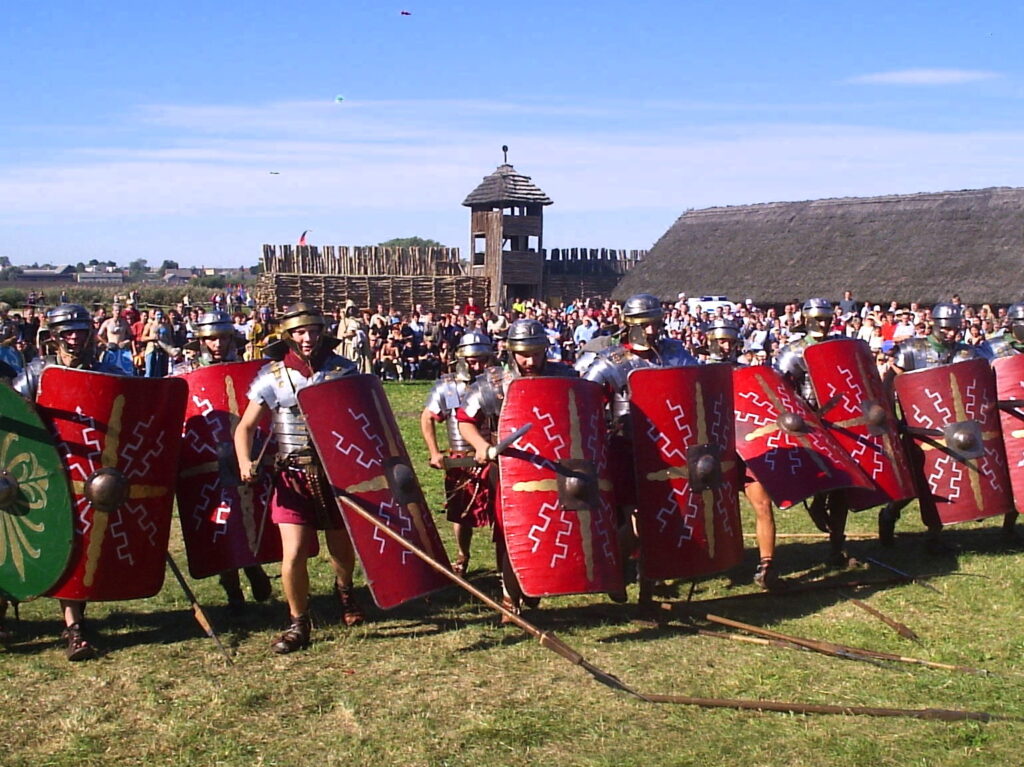
Roman soldiers were highly trained and disciplined, leading to stories that they were unbeatable. Yet even the mighty Roman legions suffered defeats, sometimes catastrophic ones. Famous losses like the Battle of Teutoburg Forest saw entire legions wiped out. The idea that Rome’s army was invincible is a myth that overlooks the ups and downs of real history. Even the best armies sometimes lose—and learn from those losses.