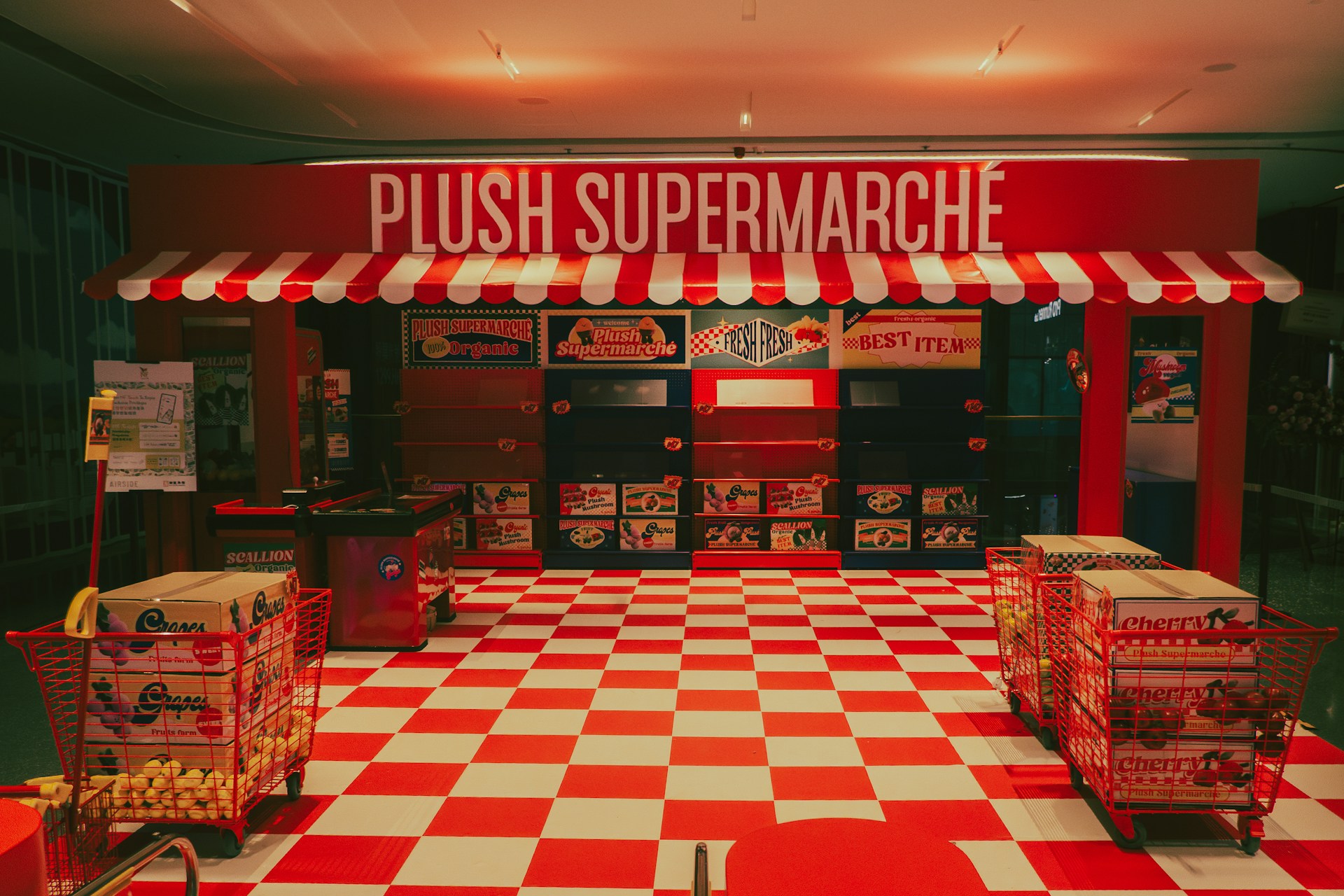
Malls shaped a generation by creating repeatable rituals that stitched weekends together into memory. For many Americans the mall meant a predictable parade of small pleasures: a buzzy arcade corner, the comforting churn of a pretzel stand, a crush of shoppers hunting the latest CD or toy release. These ten mall classics are the sensory anchors that still pull at memory like magnets. Each entry here explains why the moment mattered who it brought together and how the memory keeps feeling like a warm loop of simple happiness decades later.
1. Orange Julius Counters And Sticky Floors
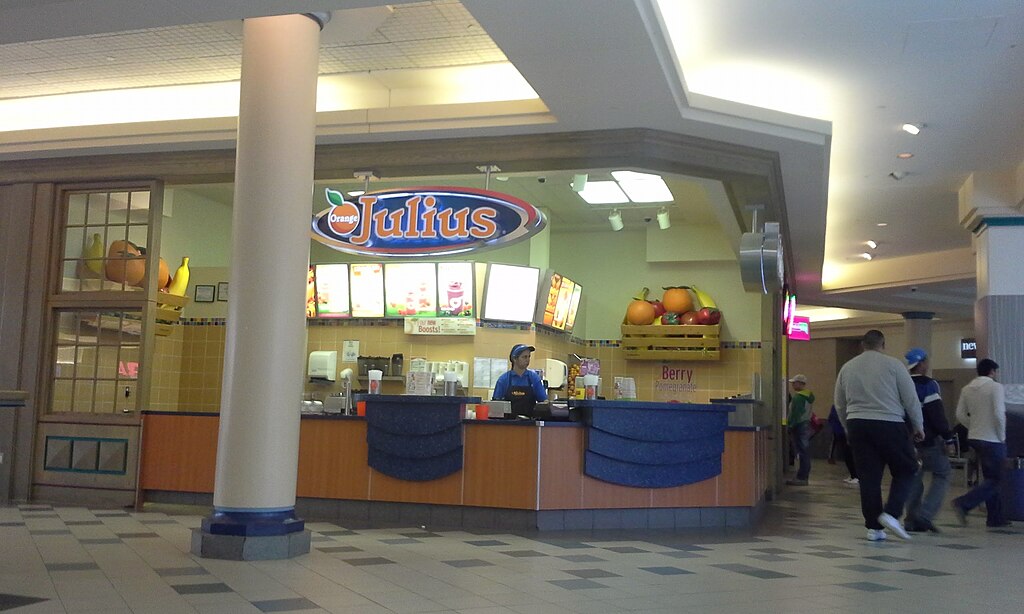
Orange Julius stands were a sugary portal between shopping and lingering with a cool foamy drink in hand. The counters were places to meet friends while sticky floors tracked a day of tastes and small purchases. For many kids the cup signaled a treat that made the mall feel celebratory and indulgent in an inexpensive way. Boomers and parents remember bringing children to see their eyes widen at the froth while teens loved the excuse to linger and plan the rest of the afternoon. That fizzy scent and the telltale stick underfoot still send a nostalgic tug to anyone who spent Saturdays inside the mall circuits.
2. Claire’s Piercing Booths With Glitter Everywhere
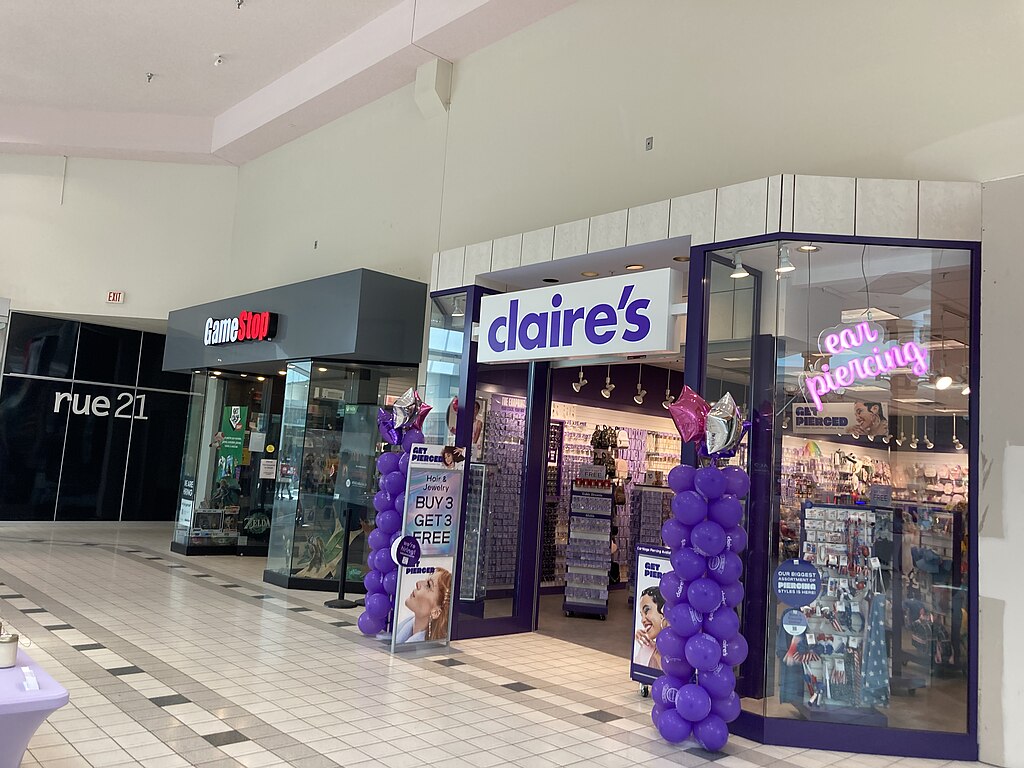
Claire’s introduced sparkly fashion to young shoppers with accessible trends and the tiny thrill of a first piercing. The kiosks shimmered with hair clips necklaces and a carnival of cheap charm that made accessorizing feel theatrical. Teenagers and preteens remember waiting for pierced ears or choosing stickers while friends circled to offer opinions and applause. The glitter was not only on the accessories but on the mood of experiment and identity that comes with growing up. For many boomers who later strolled those same malls with their own kids the store symbolized small rites of passage repeated across generations.
3. Spencer Gifts’ Glow In The Dark Aisles
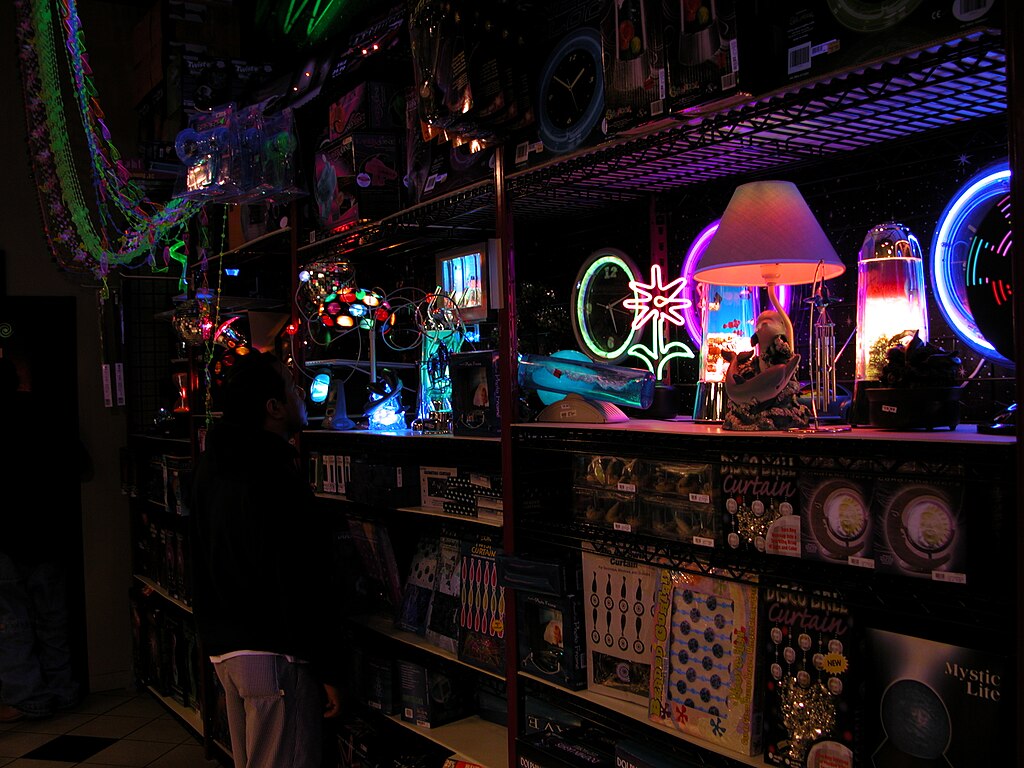
Spencer Gifts held a special place for kids who loved mildly outrageous curios and pop culture oddities sold under bright fluorescent lights. Its glow items gag gifts novelty tees and oddball trinkets let teens and kids perform a playful rebellion without crossing serious lines. The store’s personality helped younger shoppers try on identities in small ways while older visitors smiled at fashions they remembered. The aisles full of novelty and a little shock value created shared jokes and memories that became shorthand among friends who grew up visiting the mall together.
4. Brookstone Chair Test Stations
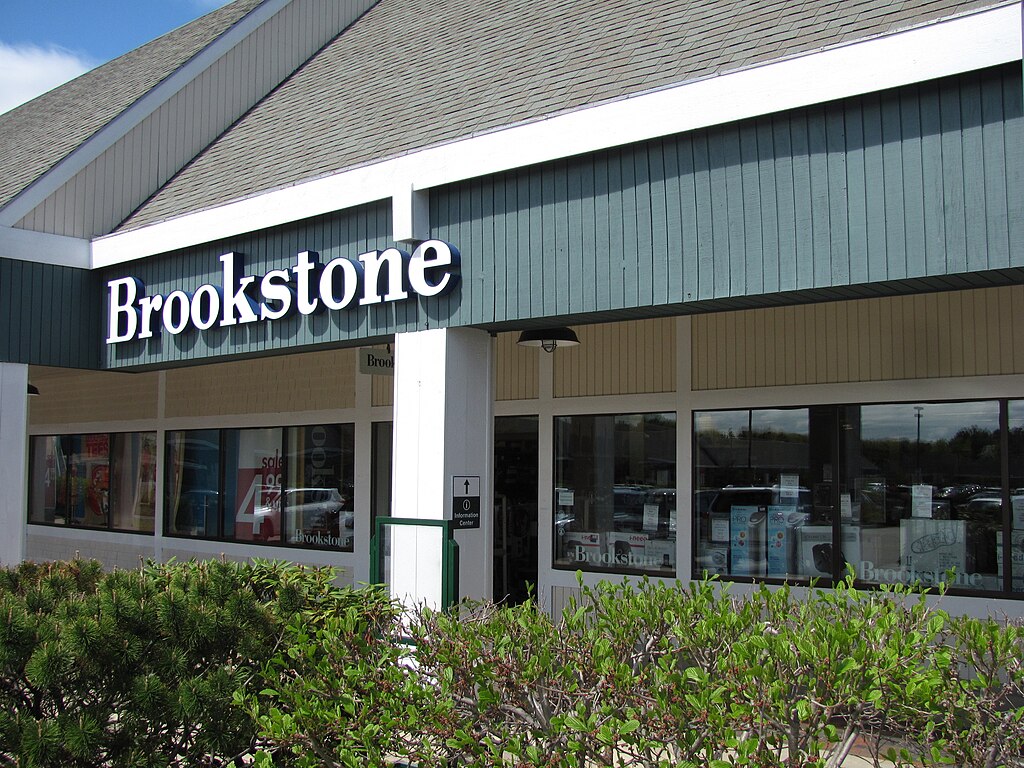
Brookstone’s bold display of gadget comfort invited consumers to sit down literally and test the future of relaxation with massaging chairs and sleek travel gear. The test stations turned passive shopping into a demonstrative experience as buyers clambered into chairs to judge the strength of a motor or the warmth of a heated blanket. Those moments feel funny now but also surprisingly intimate because people tried new comforts in a public place. Families recall laughing together over a ridiculous massage setting or debating whether comfort technology was worth the price which made the mall a testing ground for small domestic decisions.
5. Sam Goody CD Browsing Racks
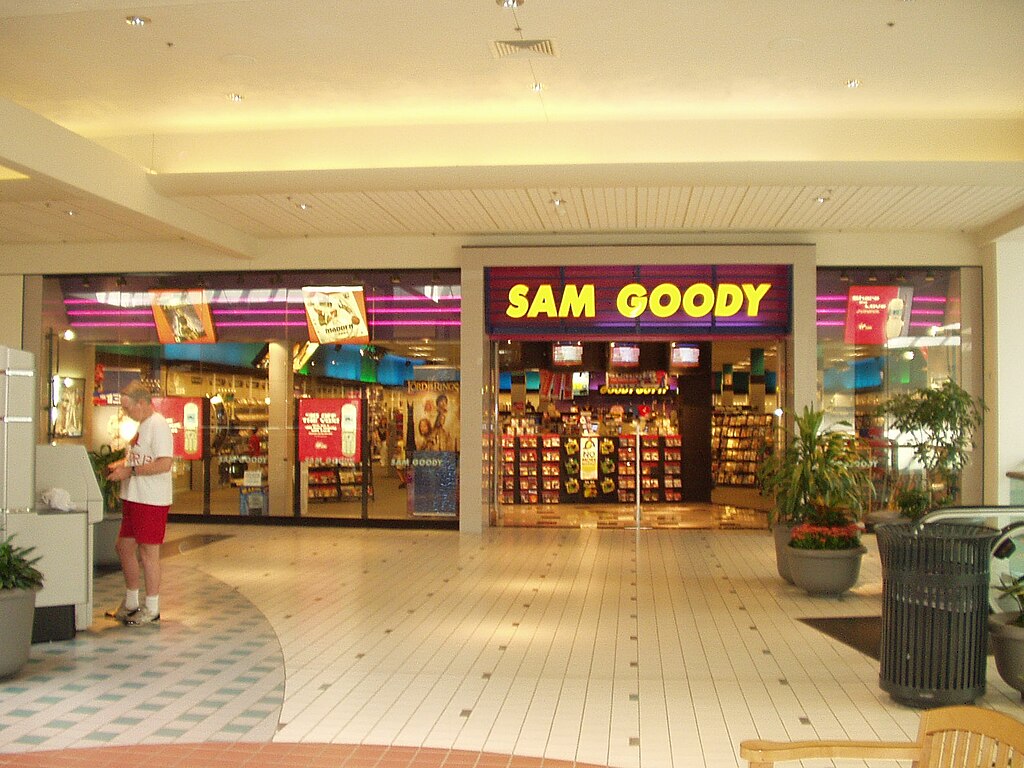
Sam Goody was a ritual for music discovery where flipping through physical racks felt like a scavenger hunt for the next favorite album. The tactile search among covers allowed friends to recommend unexpected finds and to wander for the hour that stretched the afternoon. Music launches and new releases created lines of eager listeners that thrummed with anticipatory gossip. For many this browsing ritual became a cultural education because it introduced tastes and conversations that shaped teen identity. The memory of digging for a hidden track remains a sweet symbol of how communal music used to feel.
6. KB Toys’ Demo Tables With Beeping Gadgets
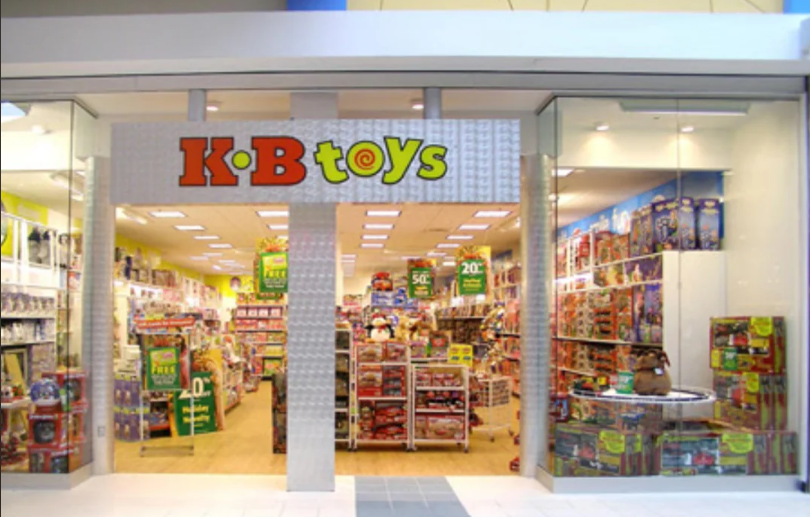
KB Toys transformed a visit into a test drive for childhood imagination with demo tables full of beeping cars dolls and electronic games begging to be handled. Kids clustered to try gadgets while parents compared prices and watched thoughtful faces light up. The hands on displays made play immediate which turned shopping into a rehearsal for birthdays and holidays. Those chaotic toy aisles created memory loops of shared delight and negotiation that families still retell. For boomers the store becomes a living record of how family gifting once worked when anticipation and tactile trying mattered most.
7. Auntie Anne’s Pretzel Smell Trails
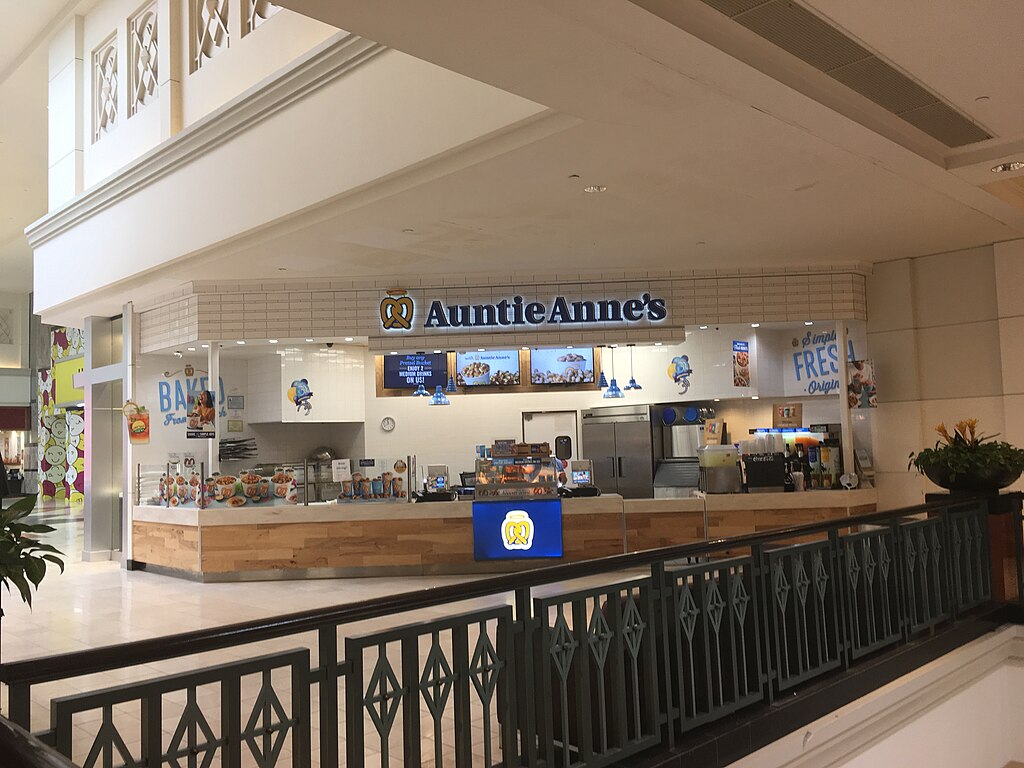
Auntie Anne’s introduced an olfactory anchor to mall wandering because the warm scent of dough and cinnamon moved through corridors like a friendly nudge. That smell alone signaled a break and an instant treat that required no planning. Kids tracked the scent down like treasure while parents appreciated a quick portable snack between errands. The combination of buttery aroma and sweet or salty options created a small ritual of reward during long shopping afternoons. For many the memory of that scent evokes a particular type of family patience and shared indulgence that only mall afternoons provided.
8. Arcade Token Buckets By The Food Court
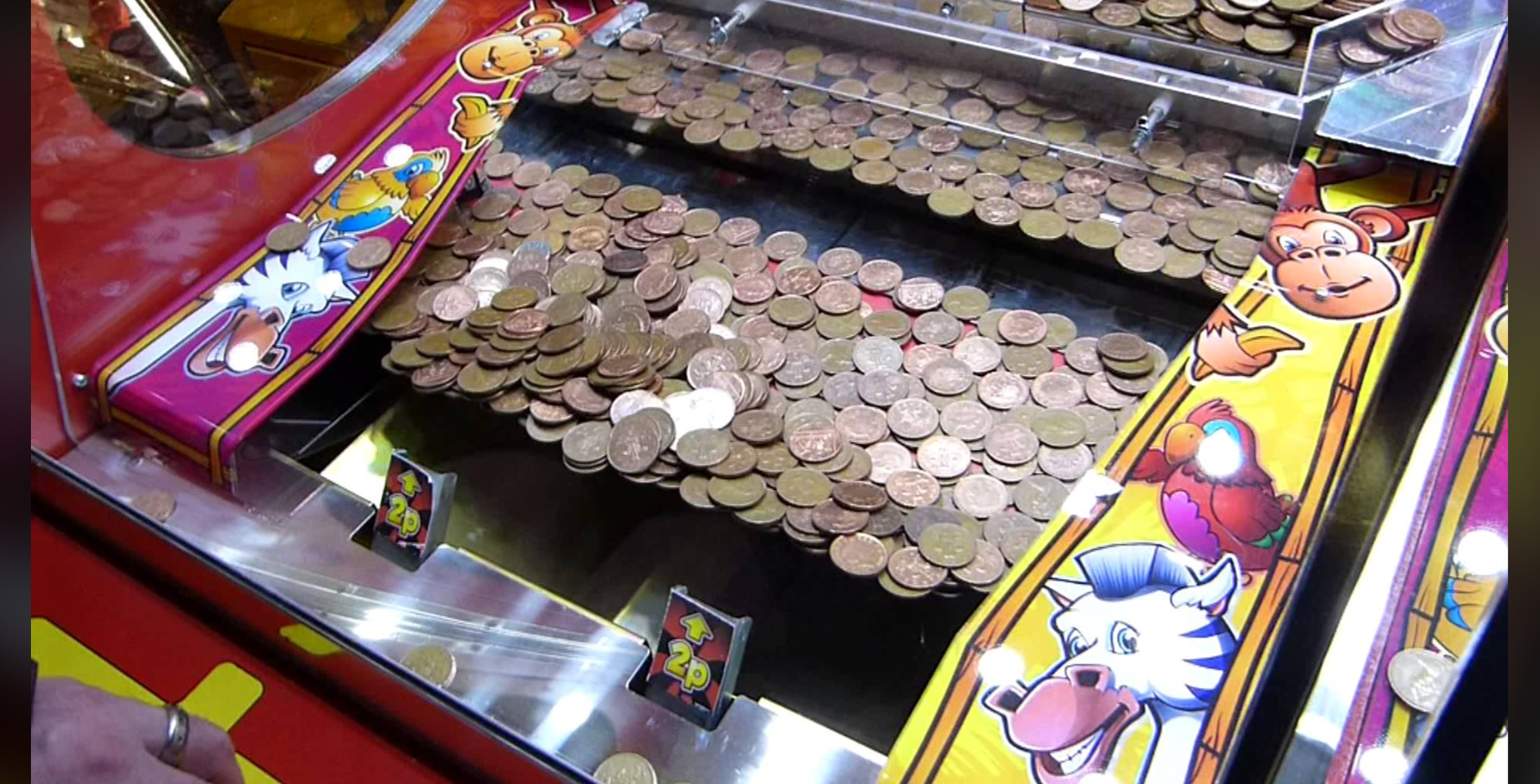
Arcades made the mall feel like a miniature amusement park with token buckets that promised noise lights and quick wins for a pocketful of quarters. Families and friend groups stepped into a different tempo where talking over a game and trading strategies created instant companionship. The beeps and flashes shaped afternoons into competitions remembered for their small victories and laughter. Arcade spaces also served as transitional hangouts where teenagers practiced coordination and social banter while parents took a rest or prepared for the next errand. Those token buckets were tiny investments in big family stories.
9. Hot Topic’s Loud Wall Of Band Tees
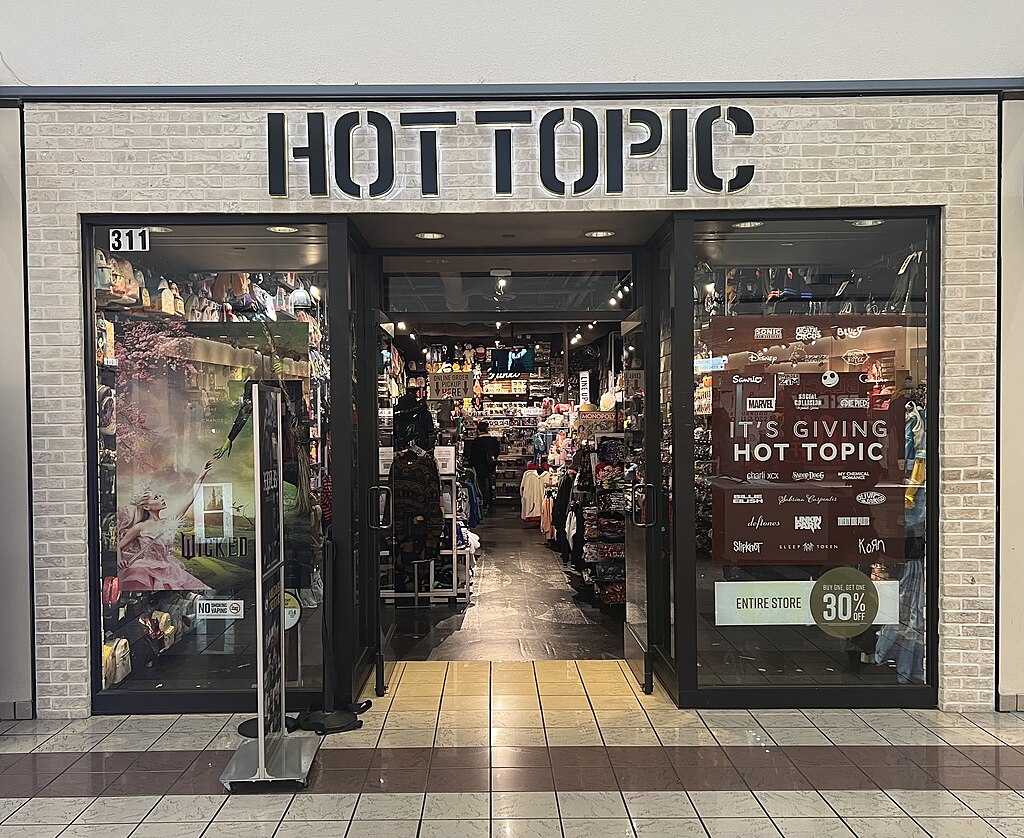
Hot Topic curated the visual language of youth identity with racks of band tees and statement fashion that read like social shorthand between friends. The store’s loud music and crowded aisles created a sense of belonging for kids who wanted to signal taste and attitude. For boomers walking those halls with teens later in life the store represented a shift in style and also continuity in how kids use fashion to find community. Browsing the wall remains an exercise in memory because each shirt often tracked a stage in a person’s cultural life that friends could instantly read together.
10. Photo Booth Strips Outside The Restrooms
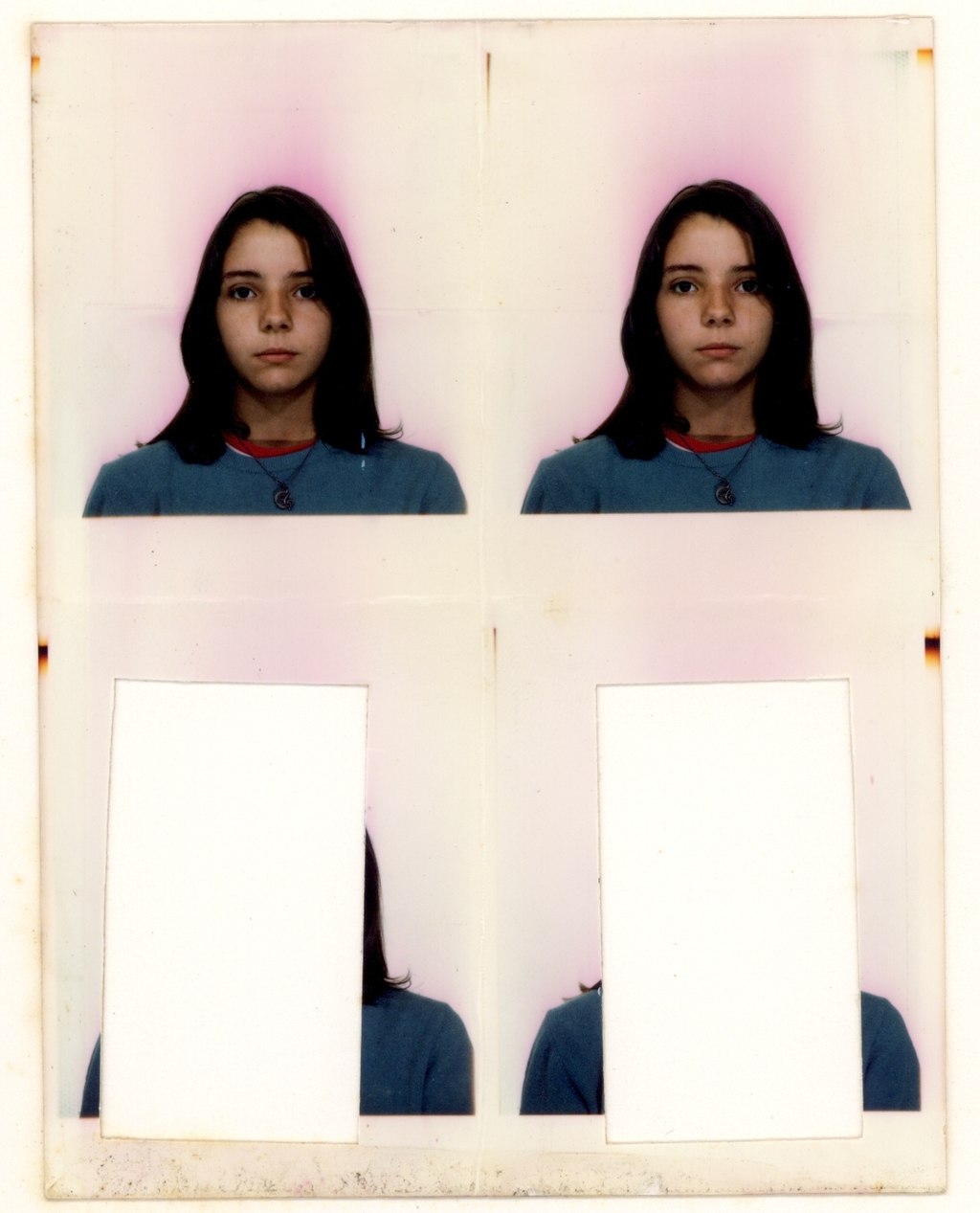
Photo booths produced instant black and white strips that served as portable evidence of friendship and mood captured in the moment. Posing in silly ways and then swapping strips became a small ritual among friends and couples who wanted a cheap souvenir of the day. The booths were a low stakes way to mark time together and created a paper archive of laughs and trends. Boomers and parents who revisited these malls later often found those strips tucked into scrapbooks which became small time capsules of adolescent identity and memorable afternoons together.
Malls created rituals that families revisited across decades and those rituals built common language and small celebrations of ordinary time. These ten classics capture sensory habits of smell sound touch and shared amusement that made mall days feel like seasonal festivals. Revisiting one memory can open a cascade of stories that people tell at gatherings and suddenly the mall era feels alive again. If you loved these, pick one memory to recreate with family and watch how quickly young visitors join the loop of small pleasures.