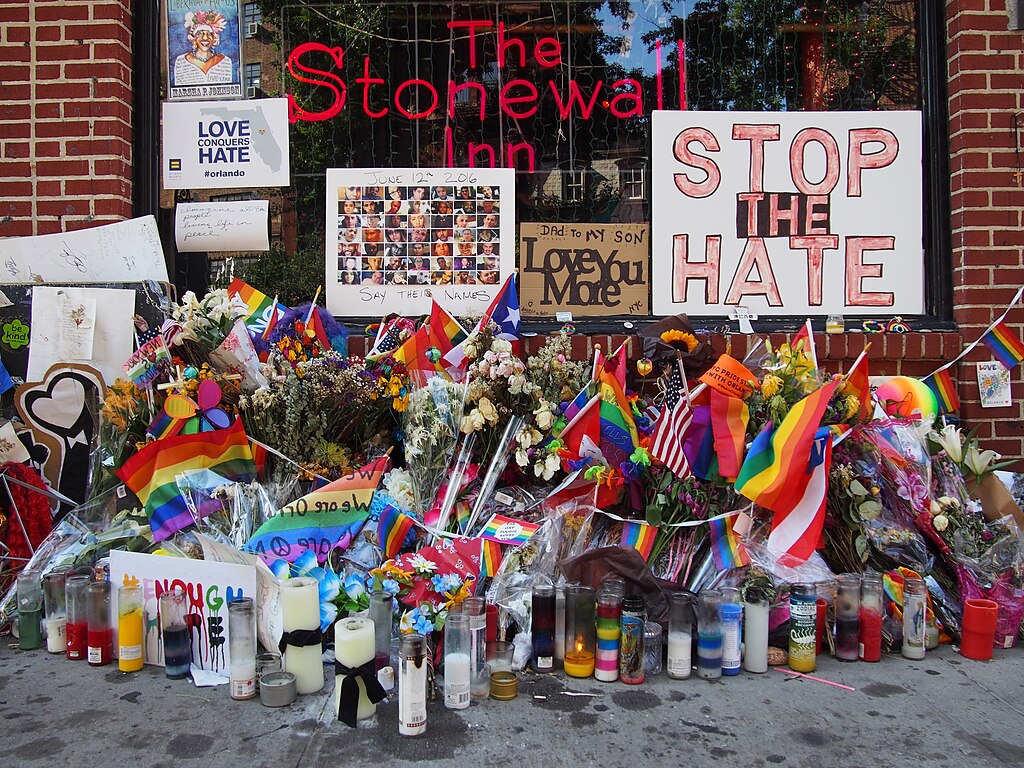
U.S. history is often presented in schools as a clean narrative of progress, democracy, and innovation. While many critical events like the American Revolution and Civil Rights Movement are covered, an array of important and complex moments are glossed over—or omitted entirely. These under-taught events reveal deeper truths about power, inequality, resistance, and the struggle to define what America truly stands for. Here are 10 major events in U.S. history that most schools barely mention, despite their lasting impact on the nation’s development and identity.
1. The Wilmington Coup of 1898
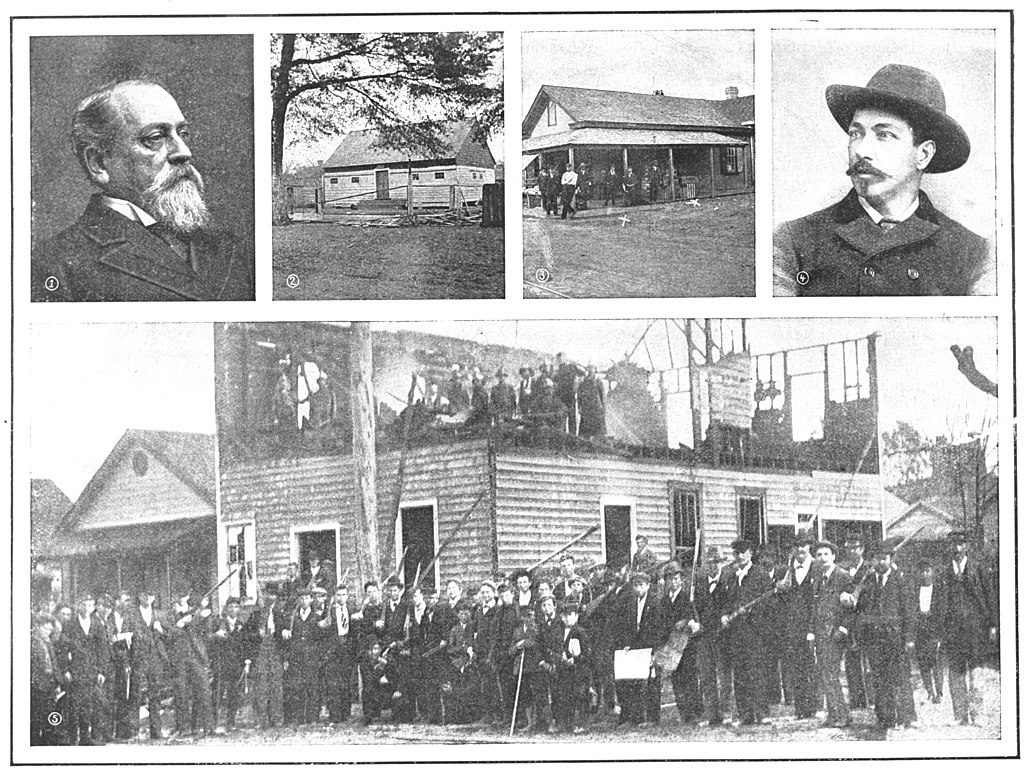
The Wilmington Coup, also known as the Wilmington Insurrection of 1898, was a violent overthrow of a legitimately elected, racially integrated government in Wilmington, North Carolina. White supremacists killed dozens of Black citizens and forced officials out of office in the only successful coup d’état on U.S. soil. What followed was a wave of Jim Crow laws and racial suppression across the South. It is rarely included in school textbooks despite its direct impact on voter suppression and systemic racism that continued for generations. This dark chapter challenges the myth that democracy in the U.S. has always been secure or inclusive.
2. The Bonus Army March of 1932
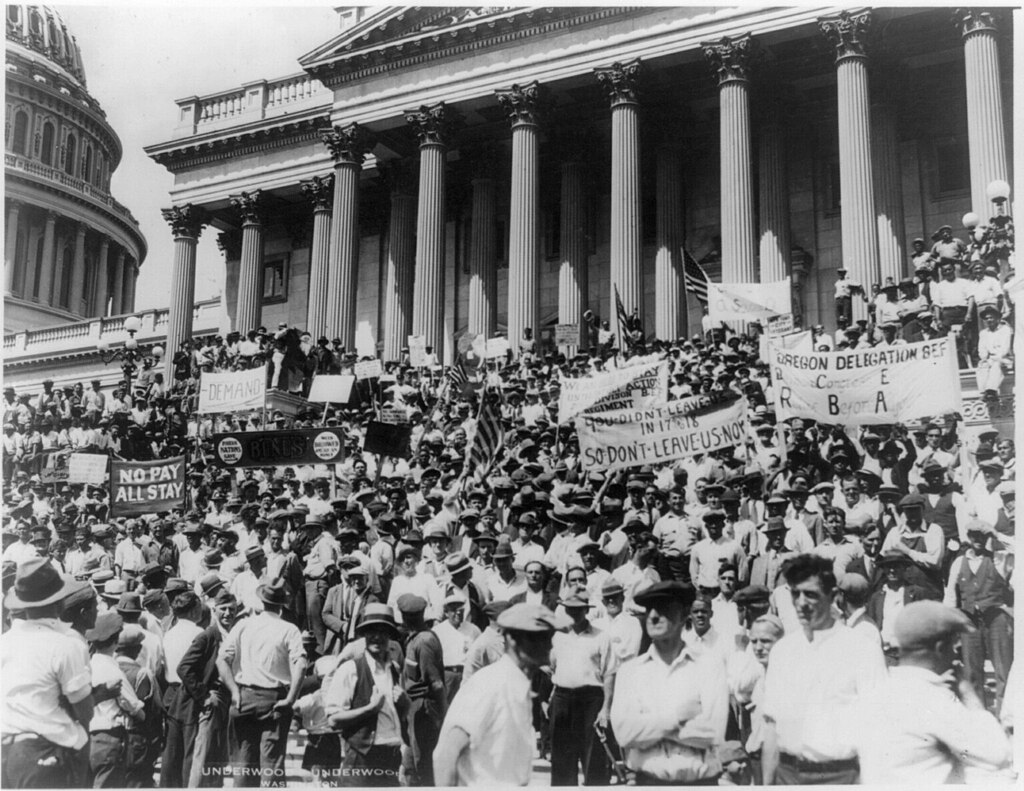
During the Great Depression, thousands of World War I veterans marched on Washington, D.C. to demand early payment of promised war bonuses. Known as the Bonus Army, these desperate veterans set up camps in the capital until they were violently removed by the U.S. military under orders from President Hoover. Tanks and tear gas were used against unarmed former soldiers and their families. This brutal episode sparked national outrage and played a role in Hoover’s downfall in the next election. Yet the story is barely discussed in classrooms, despite its relevance to veterans’ rights and protest movements.
3. The Philippine-American War (1899–1902)
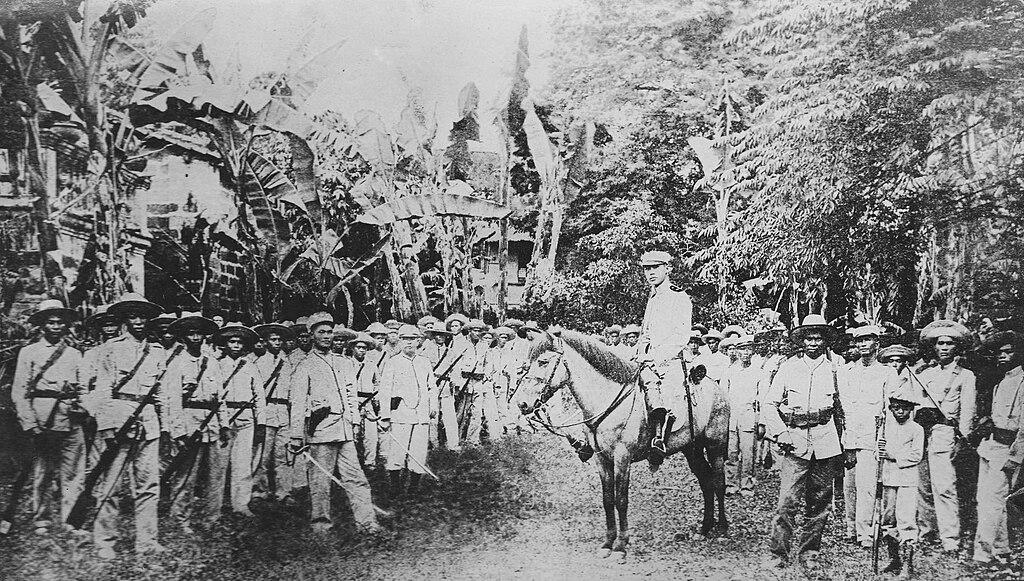
After the U.S. defeated Spain in the Spanish-American War, it acquired the Philippines—but Filipinos who had been fighting for independence resisted U.S. colonization. What followed was a brutal conflict where hundreds of thousands of Filipinos died, often in massacres and concentration camps. American soldiers used tactics that today would be considered war crimes, including torture and the burning of villages. The war sparked debate over imperialism and the role of the U.S. abroad, but these conversations are largely absent from history curricula. Teaching this war would challenge the idea that the U.S. has always stood for freedom and self-determination.
4. The Indian Boarding School System
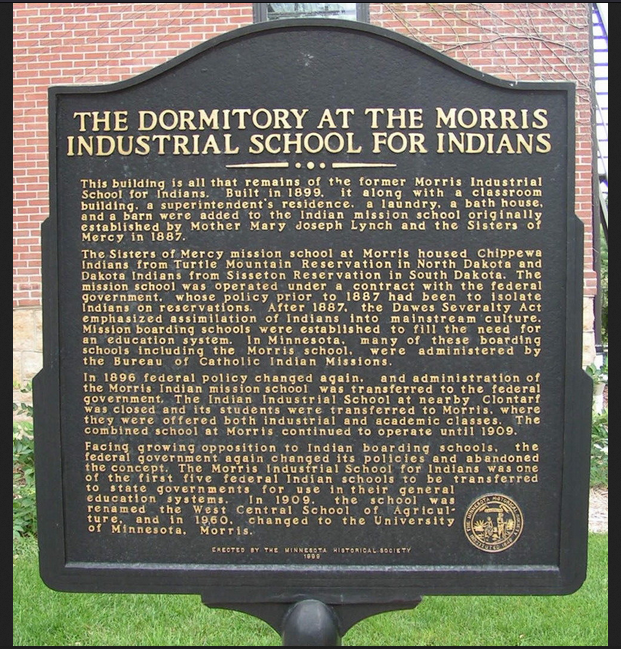
From the late 19th to the 20th century, the U.S. government operated boarding schools designed to assimilate Native American children by stripping them of their language, culture, and identity. Many children were forcibly taken from their families, suffered abuse, and died under harsh conditions. These schools were part of a larger campaign of cultural genocide and dispossession. Although the horrors of residential schools have gained attention in Canada, the U.S. system remains understudied. Addressing this history is essential to understanding the legacy of Native erasure and intergenerational trauma.
5. The Tulsa Race Massacre (1921)
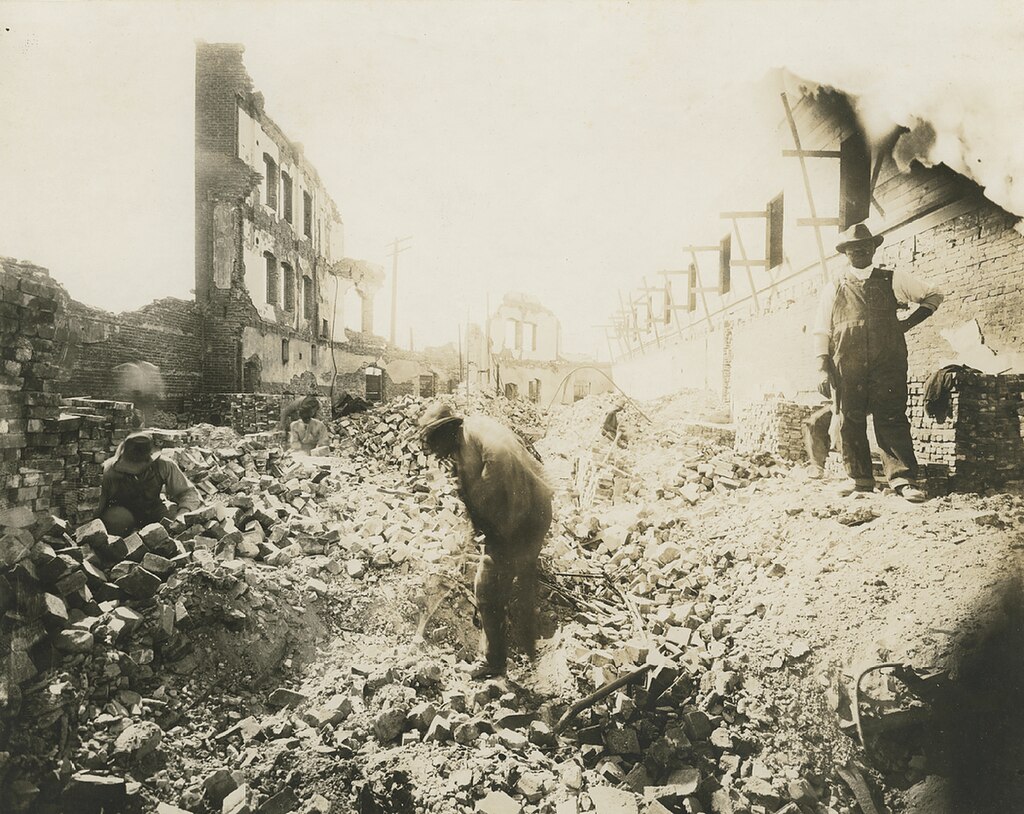
In 1921, the prosperous Black neighborhood of Greenwood in Tulsa, Oklahoma—often called “Black Wall Street”—was burned to the ground by white mobs. Over 300 people were killed, thousands were left homeless, and no reparations were ever made. For decades, this massacre was omitted from textbooks and public discourse. The event illustrates not only the extremes of racial violence but also the intentional destruction of Black wealth and success in America. Including Tulsa in education would reframe the narrative around race, economics, and justice in U.S. history.
6. The U.S. Coup in Iran (1953)
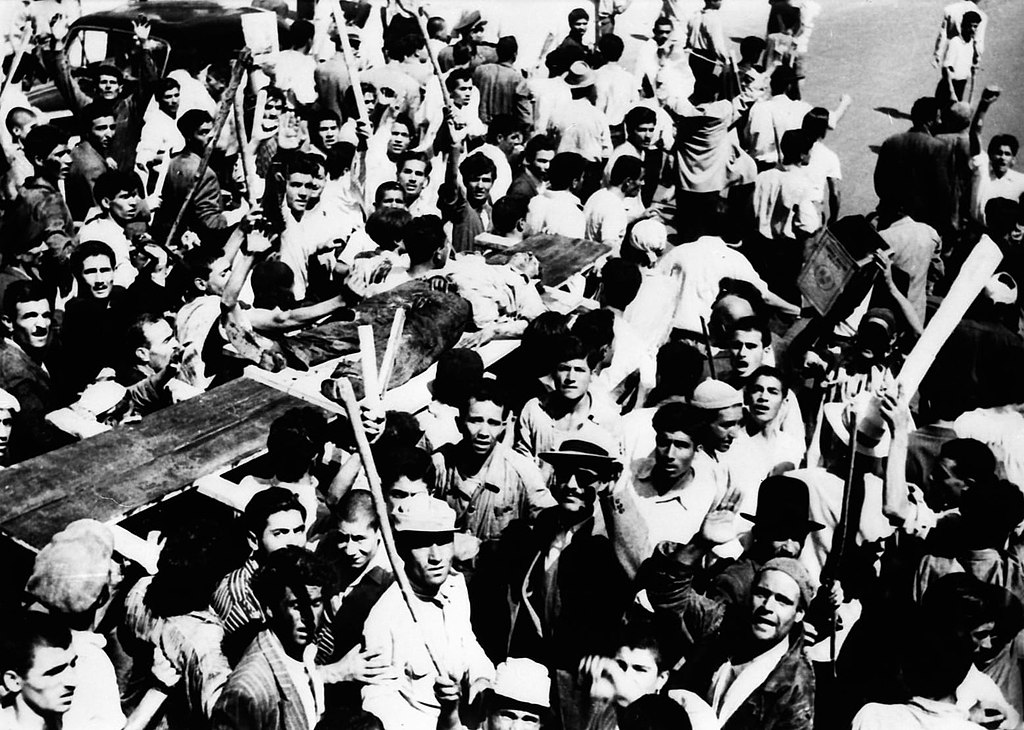
In a Cold War effort to secure oil interests and prevent perceived Soviet influence, the CIA orchestrated a coup to overthrow Iran’s democratically elected Prime Minister, Mohammad Mossadegh. The U.S. and British-backed Shah ruled Iran with increasing authoritarianism until the 1979 revolution. This event deeply shaped Middle Eastern politics and sowed long-term distrust of the U.S. in the region. Despite its significance, most American students never learn about it. Acknowledging this intervention forces a more honest look at U.S. foreign policy and its unintended consequences.
7. The Stonewall Riots
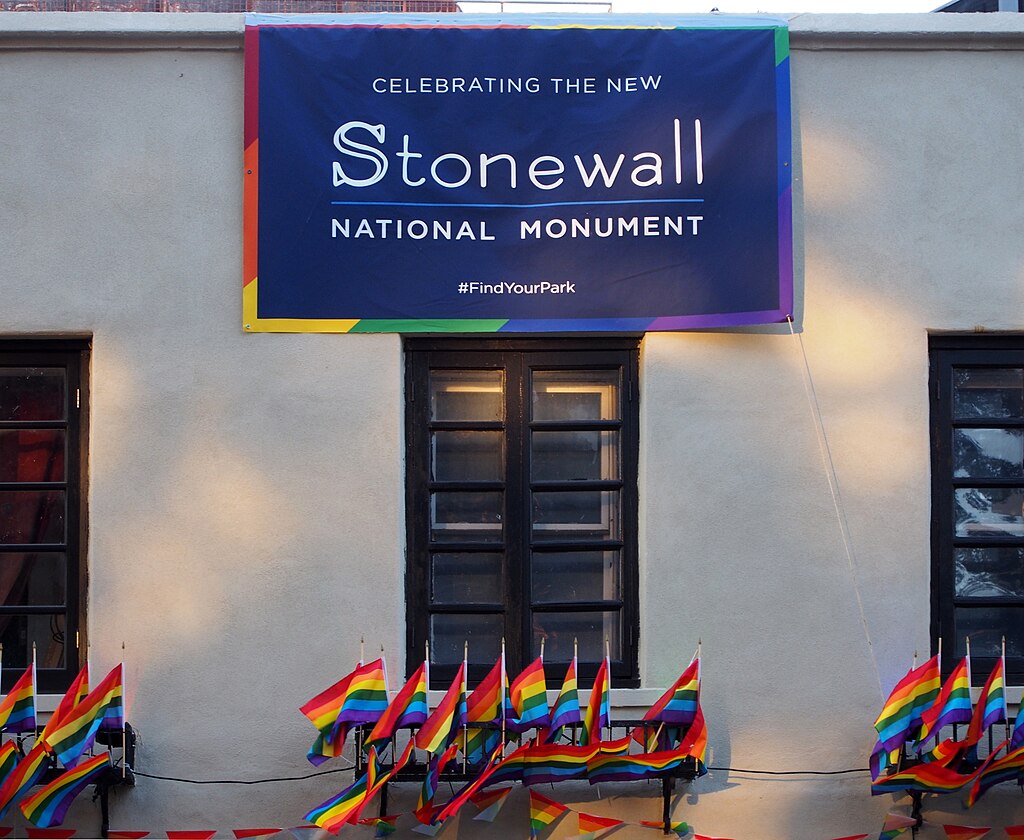
The Stonewall Riots were a series of spontaneous demonstrations by members of the LGBTQ+ community in response to a police raid at the Stonewall Inn, a gay bar in New York City’s Greenwich Village, on June 28, 1969. At the time, LGBTQ+ people faced routine police harassment, social stigma, and legal discrimination. That night, instead of dispersing, patrons and neighborhood residents fought back, leading to several days of protests and clashes. The riots are widely seen as the catalyst for the modern LGBTQ+ rights movement in the U.S., inspiring the formation of advocacy groups and the first Pride marches, which began in 1970 on the anniversary of the uprising.
8. The Water Wars and Environmental Racism in the Southwest
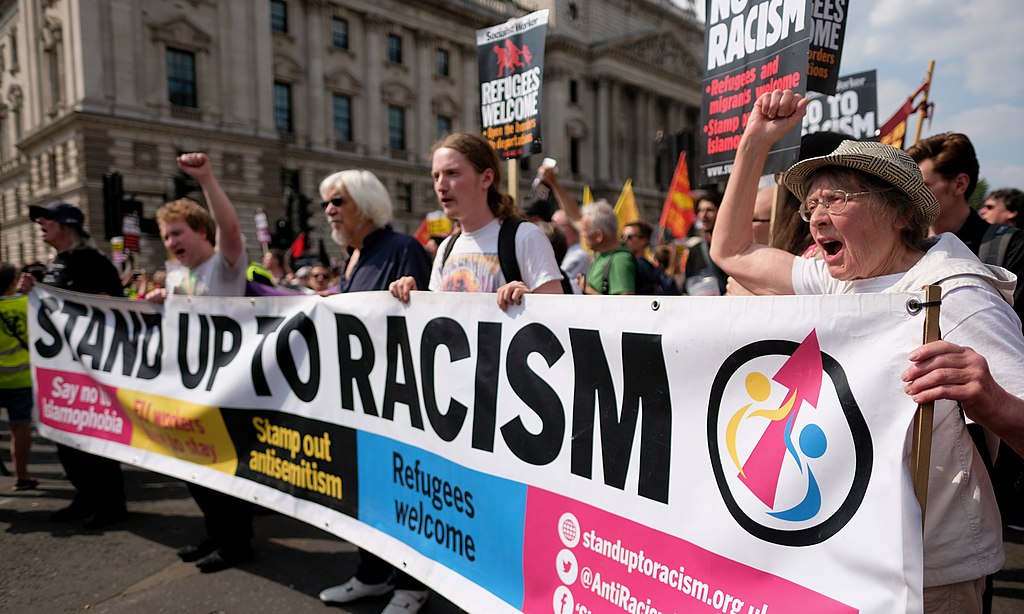
Throughout the 20th century, water rights in the American Southwest were manipulated to benefit white-owned agricultural and urban interests while Native American and Mexican communities were left without. Cities like Los Angeles diverted rivers, drained Indigenous lands, and displaced entire populations. The consequences of this environmental injustice are still visible today in reservations and border towns with limited access to clean water. Schools often focus on westward expansion or industrial growth but rarely address who paid the environmental price. These stories highlight the intersection of resource control, racism, and survival.
9. The Ludlow Massacre (1914)
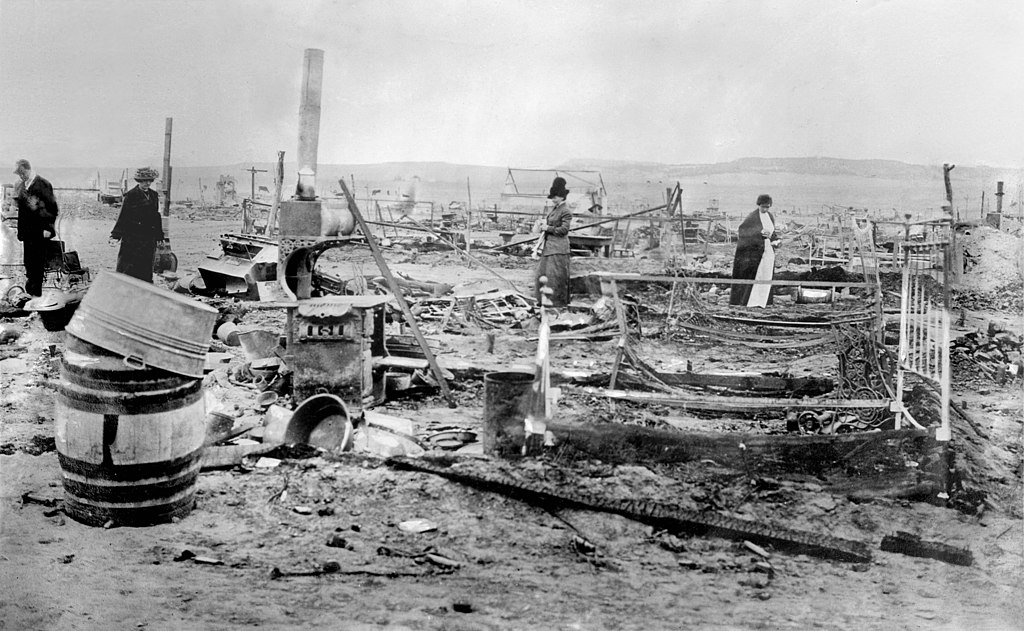
The Ludlow Massacre was a violent attack on striking coal miners and their families on April 20, 1914, in Ludlow, Colorado. The miners, mostly immigrants, were demanding better working conditions, fair pay, and union recognition from the Rockefeller-owned Colorado Fuel & Iron Company. After months of tension, the Colorado National Guard and company-hired gunmen opened fire on the miners’ tent colony and set it ablaze, killing at least 25 people, including women and children. The massacre shocked the nation and became a turning point in the American labor movement, highlighting the brutal tactics used to suppress workers’ rights.
10. The Anti-Vietnam War Movement and COINTELPRO
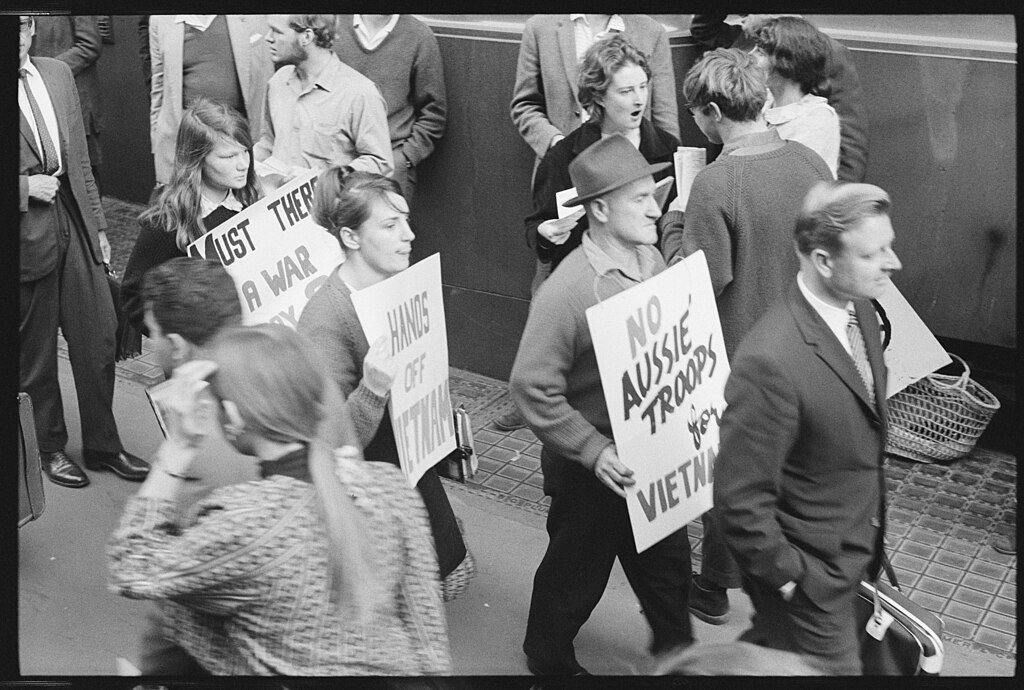
While students may learn about the Vietnam War’s military strategy or the Tet Offensive, they often miss the intense domestic opposition that reshaped American politics and culture. Protesters—including students, veterans, civil rights leaders, and artists—were surveilled, infiltrated, and undermined by the FBI through COINTELPRO. The program aimed to discredit and disrupt anti-war and civil rights movements, often violating civil liberties in the process. The public backlash changed the way Americans view government transparency and accountability. Teaching this side of history reveals the power of dissent and the dangers of unchecked surveillance.
History is not just about what happened, but about which stories we choose to tell. The events above are not fringe or irrelevant—they are central to understanding how the United States has grown, struggled, and often failed to live up to its ideals. When these histories are ignored, students miss out on essential lessons about justice, power, and civic responsibility. Including them in education makes for a richer, more truthful, and more empowering view of American history.