
Innovation often walks a tightrope between obscurity and success. Many breakthroughs we now take for granted were nearly shelved, disputed, or dismissed. Here are ten iconic American inventions that teetered on the edge of failure or rejection, often saved by one twist of fate, budget influx, or stubborn inventor.
The lightbulb
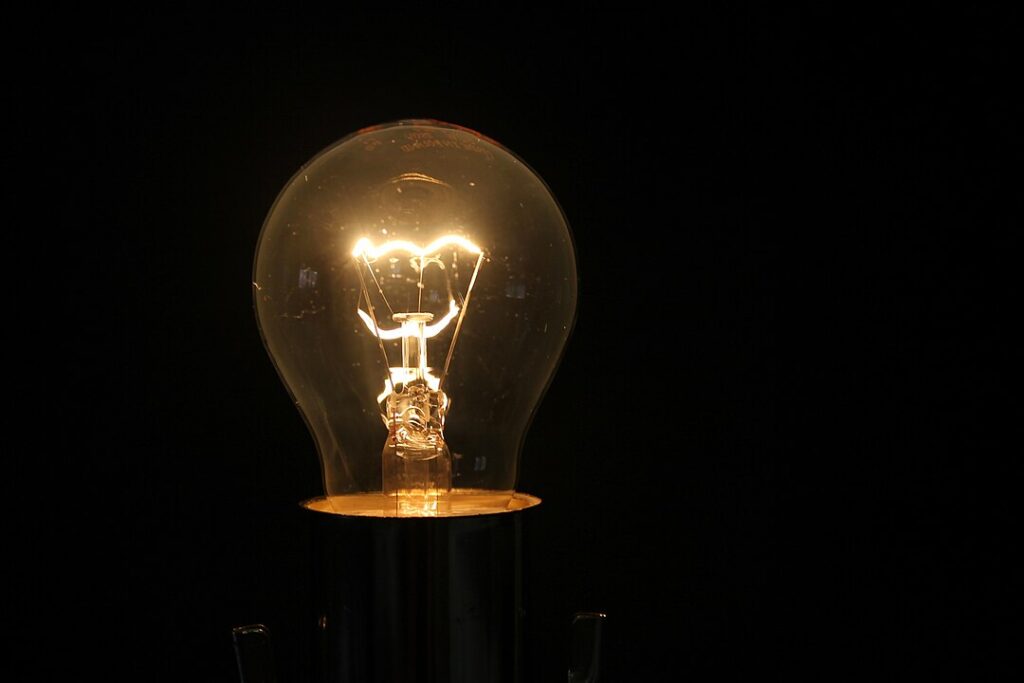
Thomas Edison’s development of a commercially viable incandescent bulb came after thousands of failed experiments. Many investors doubted the practicality or safety of electric lighting. Edison once reportedly said he didn’t fail ten thousand times, but rather found ten thousand ways it wouldn’t work. Without perseverance and funding, the incandescent bulb might never have dominated.
Penicillin mass production
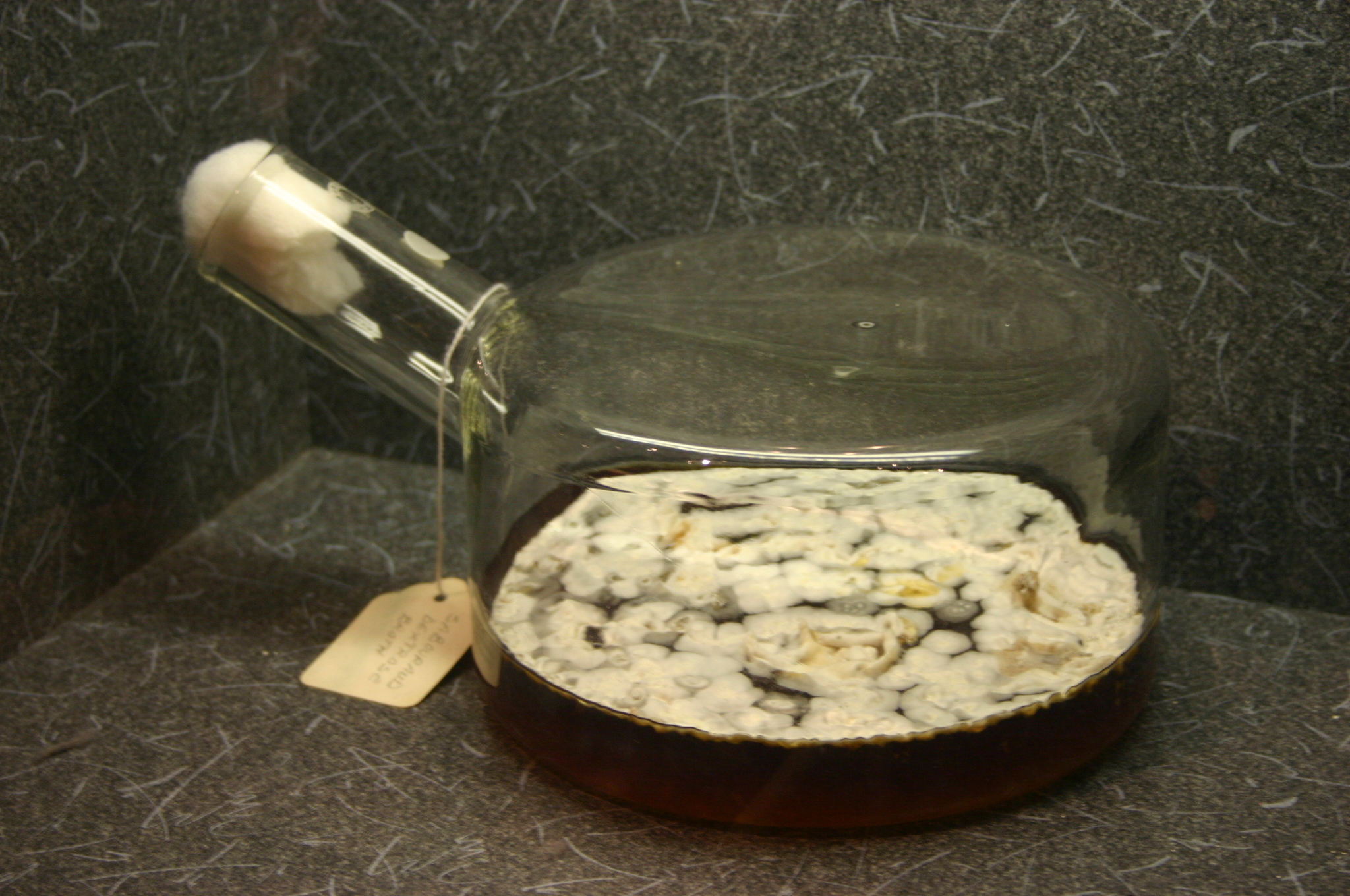
Alexander Fleming discovered penicillin in 1928, but scaling it to mass production was extremely difficult. During World War II, teams in the U.S. overcame the challenges, yet early resistance, production cost, and instability nearly stunted its development. Had pharmaceutical firms not prioritized it during wartime, the miracle drug’s widespread use might have been delayed.
The transistor
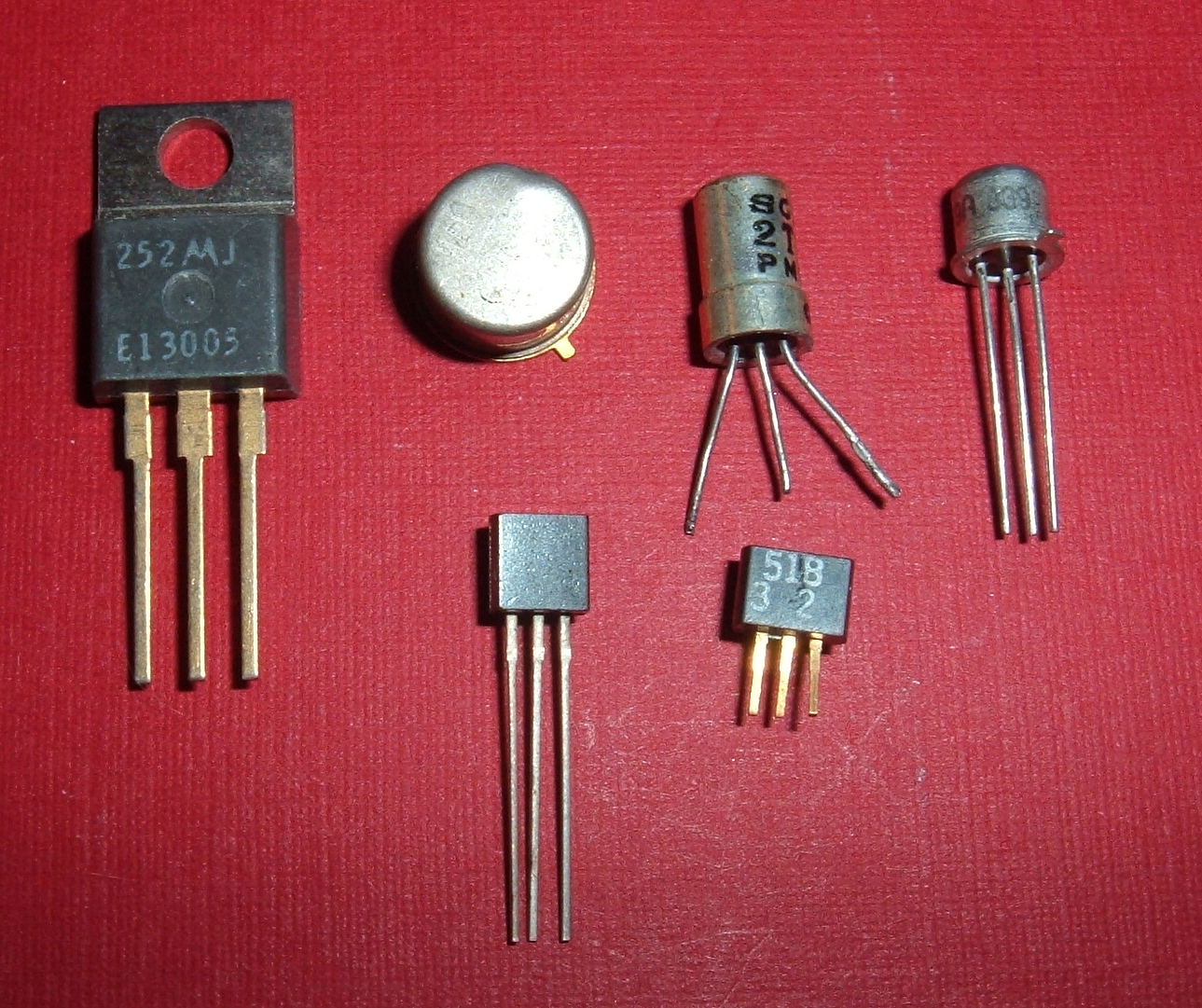
The transistor, born at Bell Labs in 1947, nearly remained academic curiosity instead of reshaping electronics. Some engineers doubted whether solid-state devices could replace bulky vacuum tubes. Only after persistent refinement, demonstration, and industrial backing did it power the digital revolution. Without that confidence, the age of microelectronics might have stalled.
The airplane
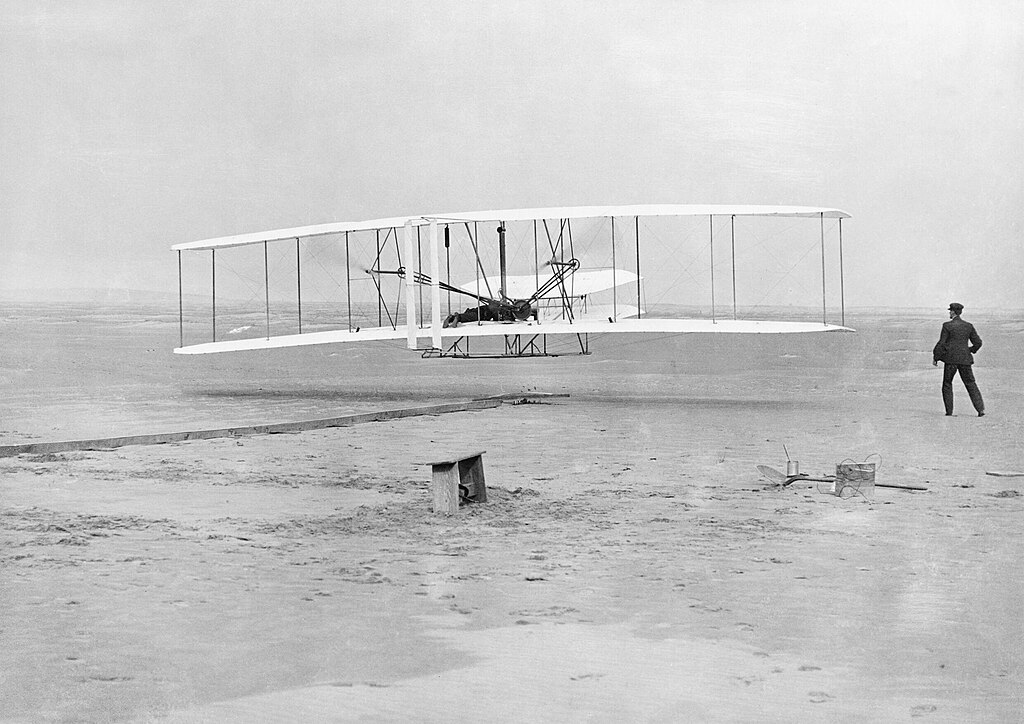
The Wright brothers are often credited with inventing the airplane, but their work was heavily contested. Some critics said their designs were unstable or impractical for sustained flight; early patent disputes threatened to stifle development. Only after proving controlled, repeatable flight did aviation gain credibility and commercial investment. The Washington Post+1
The microwave oven
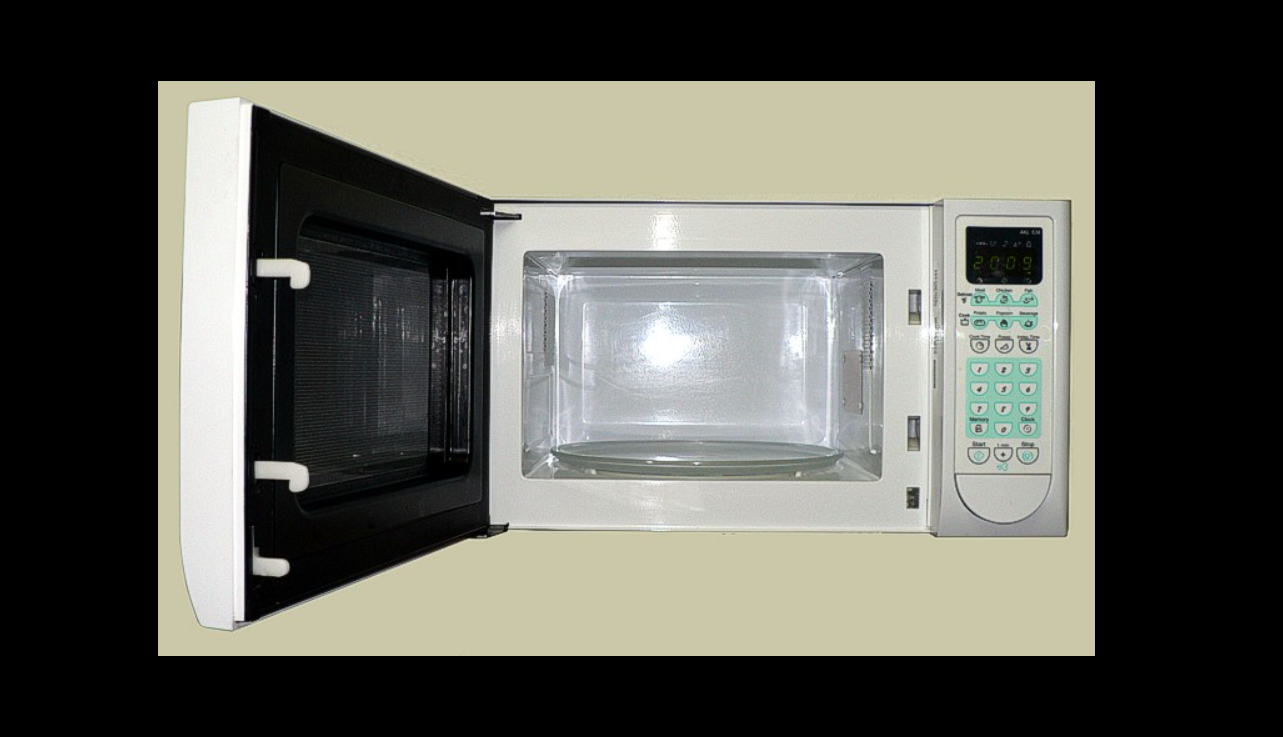
Microwave cooking began as a serendipitous discovery: Percy Spencer noticed a candy bar melted near radar technology. But route to commercialization was rocky—engineers debated safety, utility, and consumer demand. Many thought it would remain niche. Once companies embraced it, though, microwave ovens transformed kitchens globally.
The internet (ARPANET)
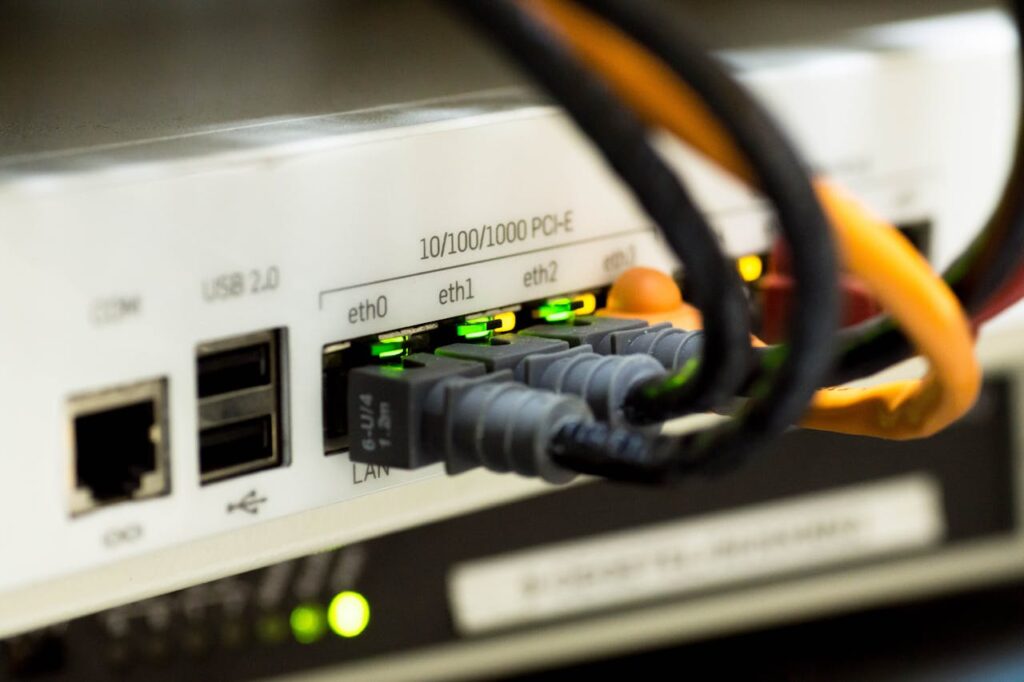
The precursor to the modern internet, ARPANET, was funded by the U.S. Defense Department. Some skeptics saw it as an expensive research project with no commercial value. If funding had dried up early or coordination failed, the transition to packet-switched networking might never have matured. Visionary leadership prevented its collapse.
The smartphone
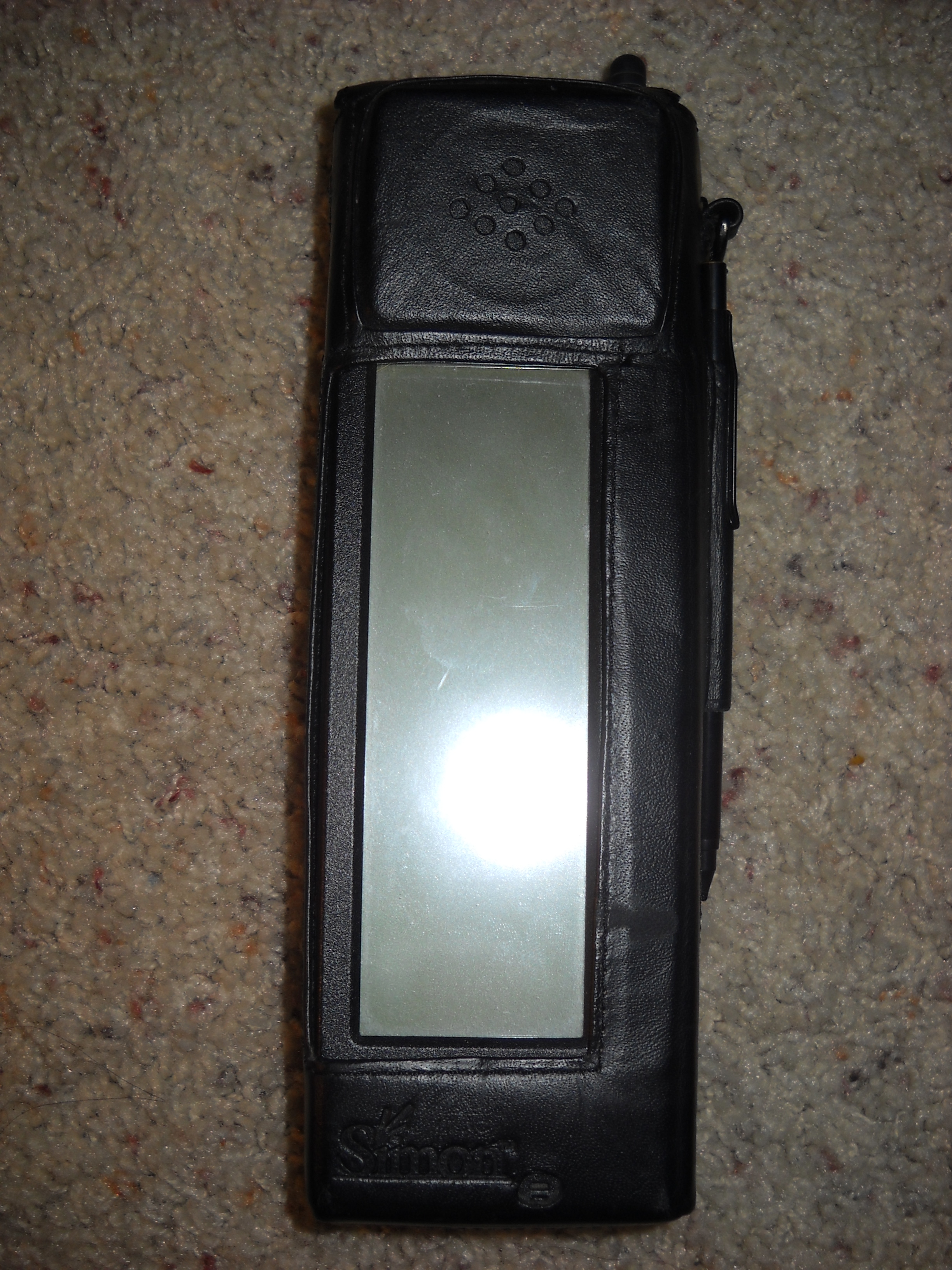
Early smartphones, like IBM’s Simon, were costly, limited, and faced skepticism over consumer appetite. Some companies canceled mobile computing projects. The convergence of touchscreen technology, wireless ubiquity, and app ecosystems saved the idea. Without that synergy, pocket supercomputers might have remained fringe tech.
The polio vaccine

Jonas Salk’s polio vaccine faced enormous safety scrutiny and logistical doubt. A disastrous trial or side-effect could have ruined public trust forever. Only rigorous testing, factory scale-up, and government support allowed it to be accepted. Without that coordination, polio elimination might never have succeeded.
GPS (Global Positioning System)
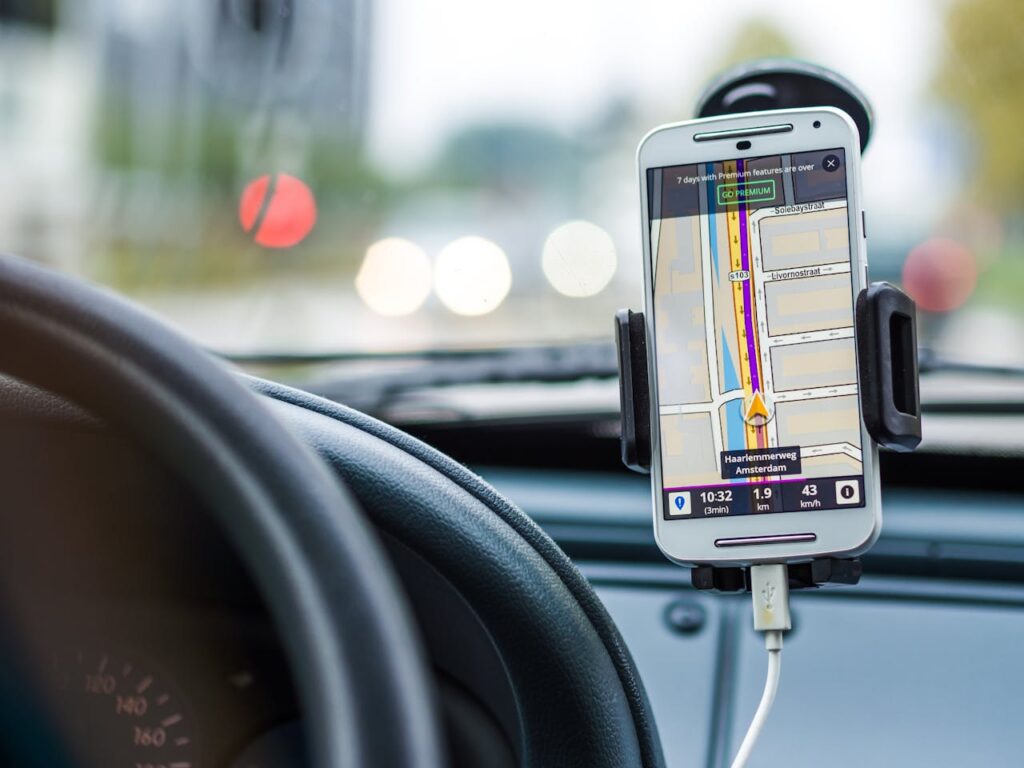
Originally a military navigation tool, GPS was almost never made public. Some officials feared security risks; others doubted civilian demand. Only after policy decisions in the 1980s opened it for civil use did the system become universal. Without that pivot, we might still rely on outdated maps and radio triangulation.
The personal computer
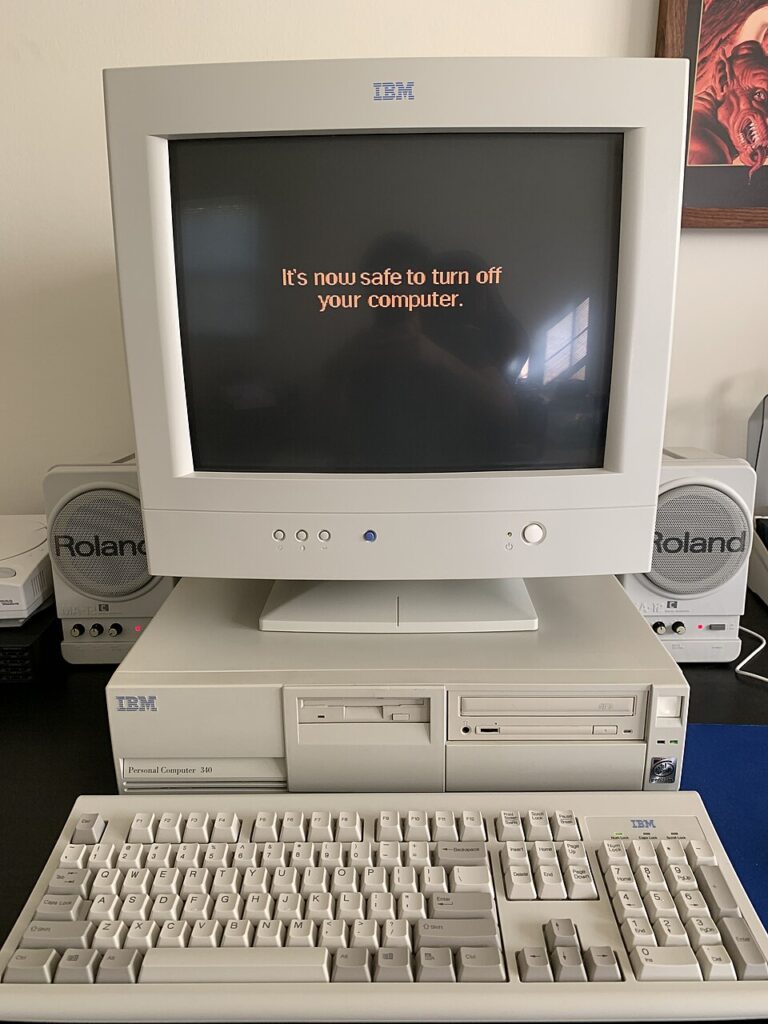
Early personal computers were expensive and clunky, and many saw them as hobbyist toys without a mass market. Some business leaders predicted they’d serve only niche users. Only when companies like Apple and IBM pushed usability, software ecosystems, and consumer appeal did PCs become household staples. Without that gamble, personal computing might have remained academic.