Growing up in the 1970s meant learning how to navigate the world with minimal adult interference. It was a decade defined by freedom, exploration, and hands-on experiences that shaped an entire generation. Without smartphones, safety apps, or helicopter parenting, kids became their own guides. They didn’t wait for instructions—they learned through doing, falling, fixing, and trying again. These were not formal lessons but real-world skills picked up naturally through everyday life. And while some of it may seem risky or outdated today, these lessons built a generation of resourceful, independent thinkers.
How to Entertain Themselves
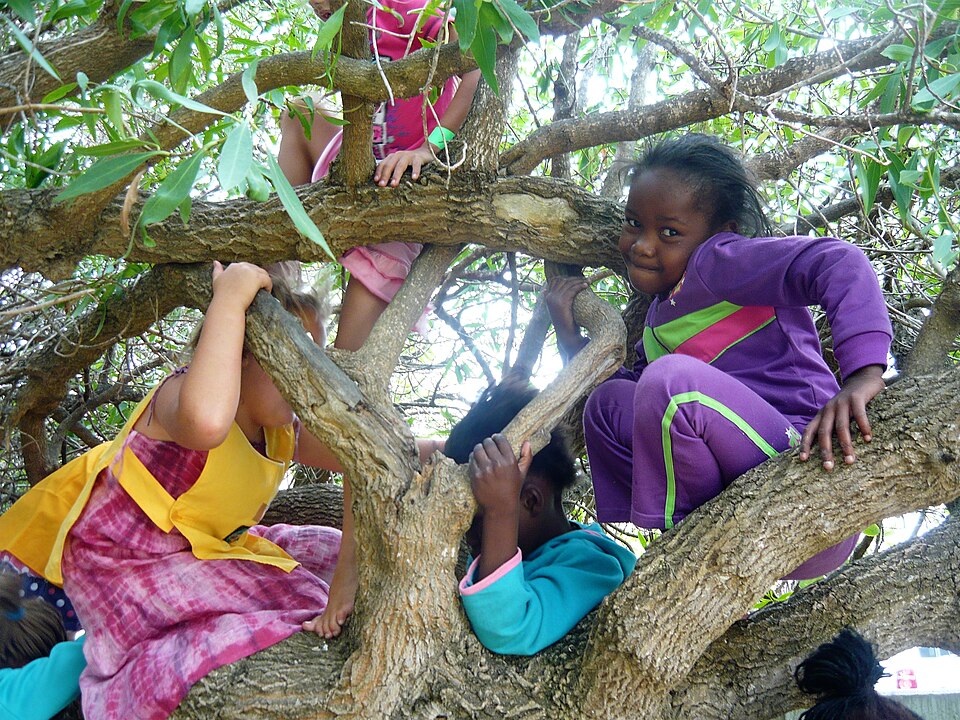
With no internet, video games in every home, or on-demand TV, boredom was a personal problem that had to be solved creatively. ’70s kids became masters of self-entertainment, building backyard forts out of scrap wood, turning cardboard boxes into rocket ships, or organizing neighborhood games of tag that lasted until dusk. They transformed sticks into swords, dirt into race tracks, and trees into castles. Screen time didn’t exist—what existed was imagination, and lots of it. This kind of open-ended play developed creativity, patience, and the ability to enjoy one’s own company.
Navigating Without GPS

There was no digital voice to guide you—only your sense of direction and maybe a folded map in the glovebox. Whether biking across town, finding a friend’s house, or running errands for their parents, kids learned to read street signs, recognize landmarks, and remember their routes. Older siblings or neighbors would often pass down verbal directions that had to be remembered on the fly. It built strong mental mapping skills and a natural sense of orientation. More than anything, it gave them the confidence to find their way—on their own.
Resolving Conflicts Face-to-Face

Disagreements happened in real life, not in comment sections or text threads. Playground fights, arguments with siblings, or clashes with friends were dealt with immediately, face-to-face. Sometimes it meant yelling, sometimes it meant walking away, but it often ended with forgiveness and moving on—without adult mediation. These raw, real interactions taught kids how to read emotions, manage tension, and repair relationships. It developed emotional intelligence in ways that can’t be taught through a screen or app.
Cooking Basic Meals
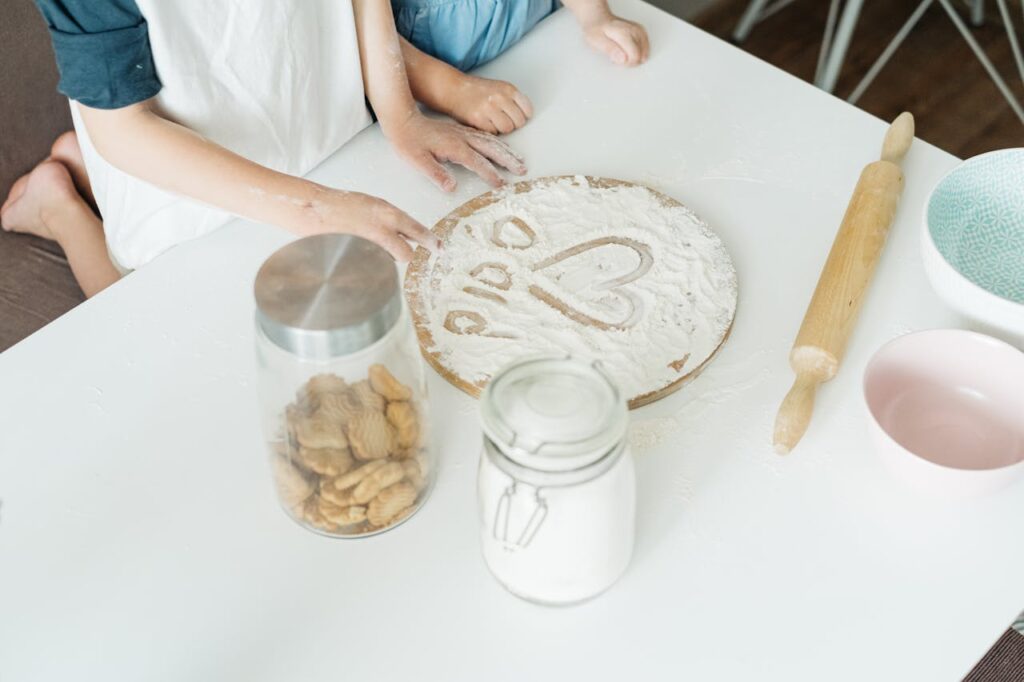
Before DoorDash and microwave dinners became daily norms, kids had to fend for themselves in the kitchen—especially after school. Making toast, scrambling eggs, or warming soup on the stovetop was common, even for younger children. Sometimes older siblings took the lead, teaching little ones how to use the oven or not burn grilled cheese. These small steps toward independence built not only kitchen confidence but also self-reliance. Kids learned to appreciate food preparation and understand that feeding yourself was part of growing up.
Repairing and Fixing Things
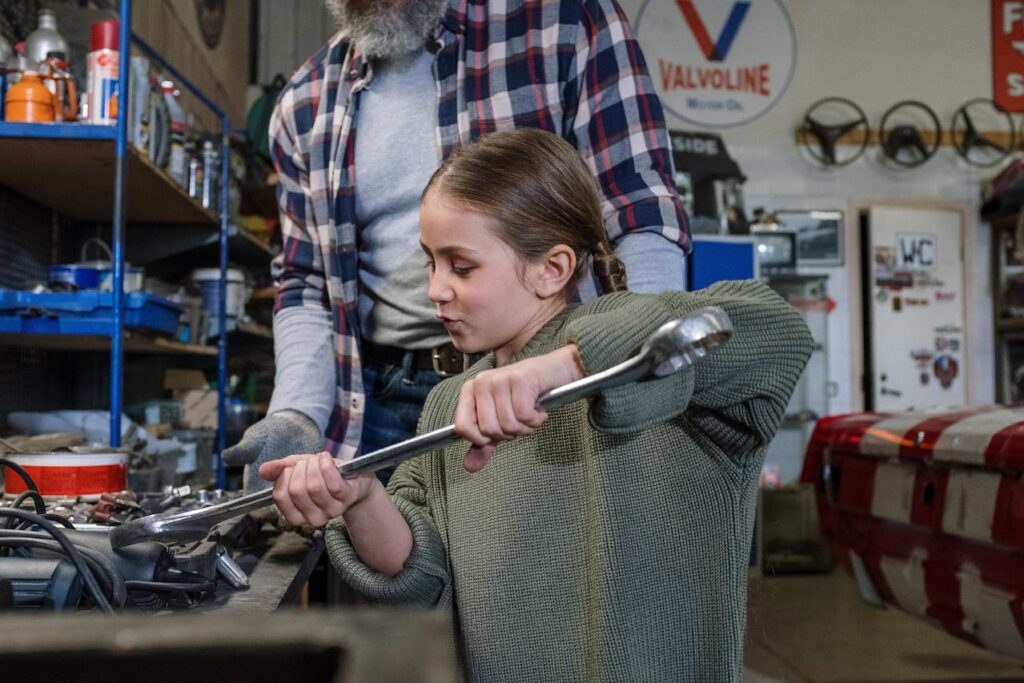
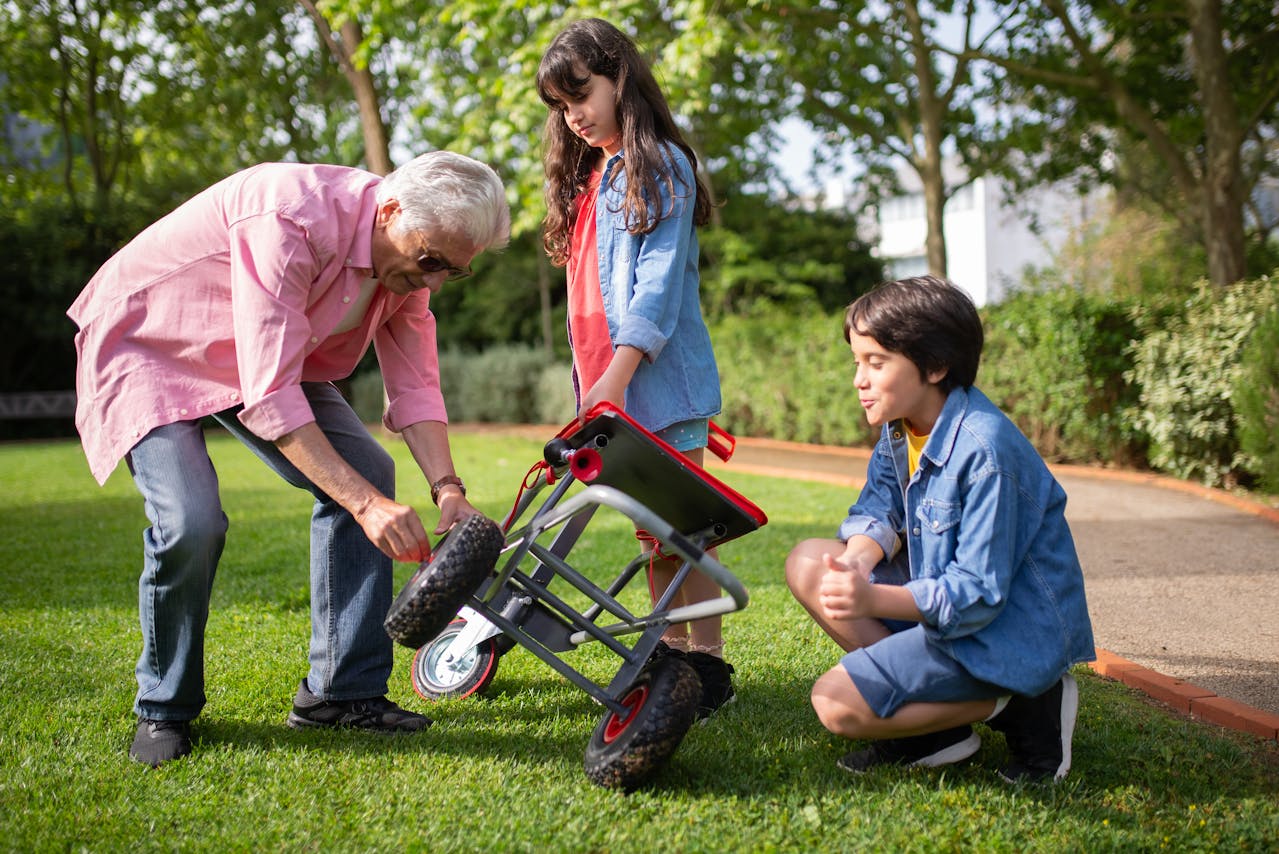
When something broke, it didn’t get tossed—it got fixed. ’70s kids were expected to patch bike tires, tape up books, and reattach buttons with needle and thread. Parents didn’t always rush to replace things, so learning how to repair was a matter of necessity. Often, kids learned by watching their fathers or figuring it out with trial and error. Tools weren’t locked away—they were shared, even if a skinned knuckle came with the lesson. This encouraged a do-it-yourself mindset that made problem-solving second nature.
Being Home Alone

The term “latchkey kid” came to life in the ’70s as children routinely returned to empty homes after school. With a house key around their necks and instructions left on the kitchen counter, they learned to be responsible for themselves early on. Locking doors, checking in by phone, starting homework without being reminded—these were everyday expectations. There was no panic about being unsupervised, just trust that kids would manage. That freedom helped build time-management skills and emotional resilience.
Handling Money Early

Money wasn’t just handed out—it came with purpose and lessons attached. Whether it was saving allowance for a toy or earning cash through lemonade stands, paper routes, or yard work, kids got an early understanding of budgeting and saving. They’d count coins, compare prices, and think twice before spending. Parents often let them learn from small financial mistakes rather than shielding them from consequences. That early exposure to money helped shape a generation that knew the value of a dollar—and the effort it took to earn it.
Getting Dirty Without Worry

Skinned knees, muddy hands, and grass stains were just part of everyday life. ’70s kids were outside constantly—climbing trees, wading through creeks, or playing barefoot in backyards. They weren’t worried about germs or injury unless something was broken or bleeding heavily. Parents rarely hovered, instead trusting kids to know their limits and bounce back from minor mishaps. This physical freedom helped build body awareness, a sense of adventure, and an appreciation for the natural world.
Solving Problems Independently
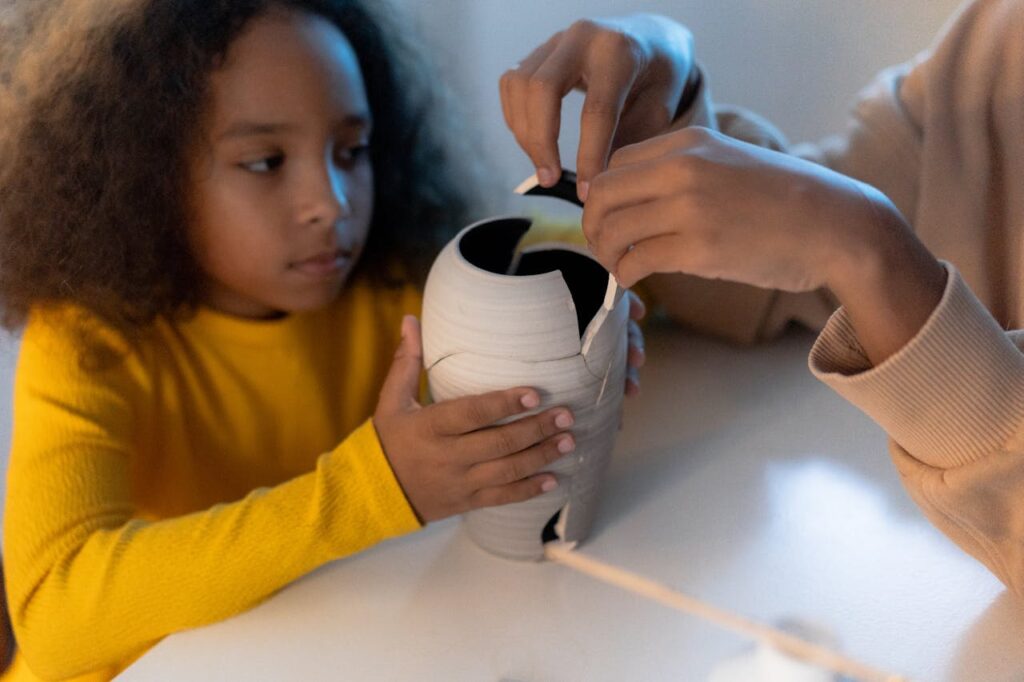
When something went wrong, kids didn’t immediately turn to adults for help. They figured things out themselves—whether that meant fixing a jammed zipper, negotiating rules in a game, or settling disputes with friends. There wasn’t always a grown-up to intervene, so critical thinking was constantly in use. Mistakes weren’t framed as failures but as opportunities to learn. This kind of independent problem-solving built a deep-seated confidence in their ability to manage challenges big and small.
Respecting Boundaries

Without smartphones or tracking apps, the only way parents kept tabs on their kids was through clear expectations. Curfews, check-in calls from payphones, and sticking to known routes were all part of daily life. Kids were trusted to be where they said they’d be—and if they weren’t, there were consequences. But this trust came with responsibility, and most kids took it seriously. It instilled an early respect for boundaries, personal responsibility, and the value of trust in relationships.