Most school textbooks cover war through dates, major battles, political alliances, and the outcomes that shaped borders and treaties. But what often gets left out are the human, moral, emotional, and long-term societal lessons that war teaches—and which profoundly impact the people who live through it. These are the complex truths that don’t always make it into neatly organized chapters. Below are ten vital lessons about war that most kids don’t learn in school, but which are essential for understanding the full cost and consequences of armed conflict.
1. War Doesn’t End When the Fighting Stops
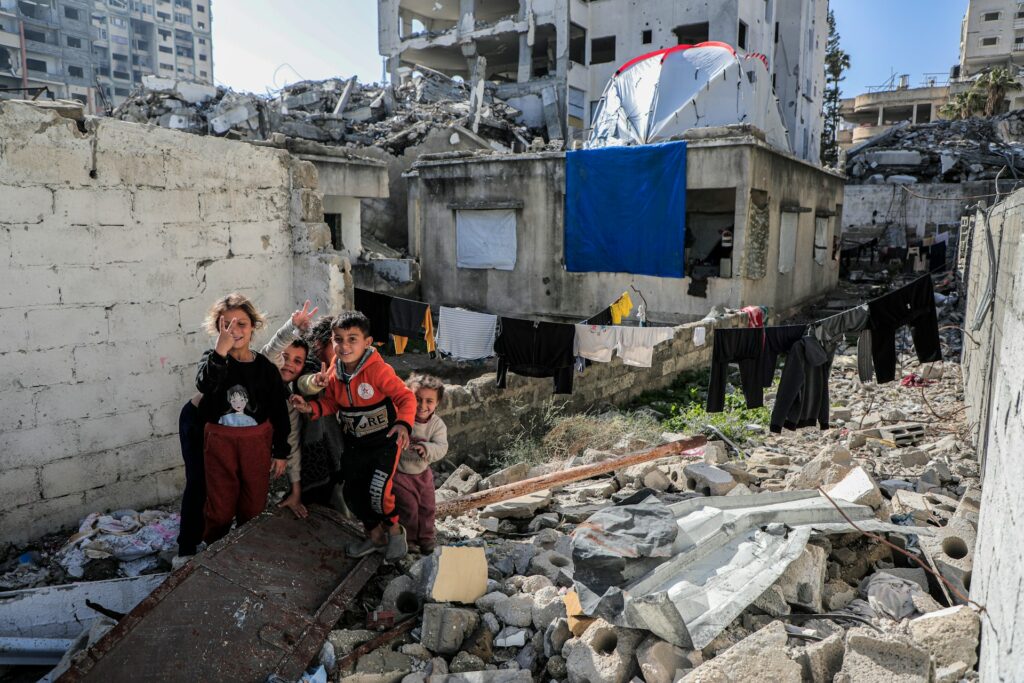
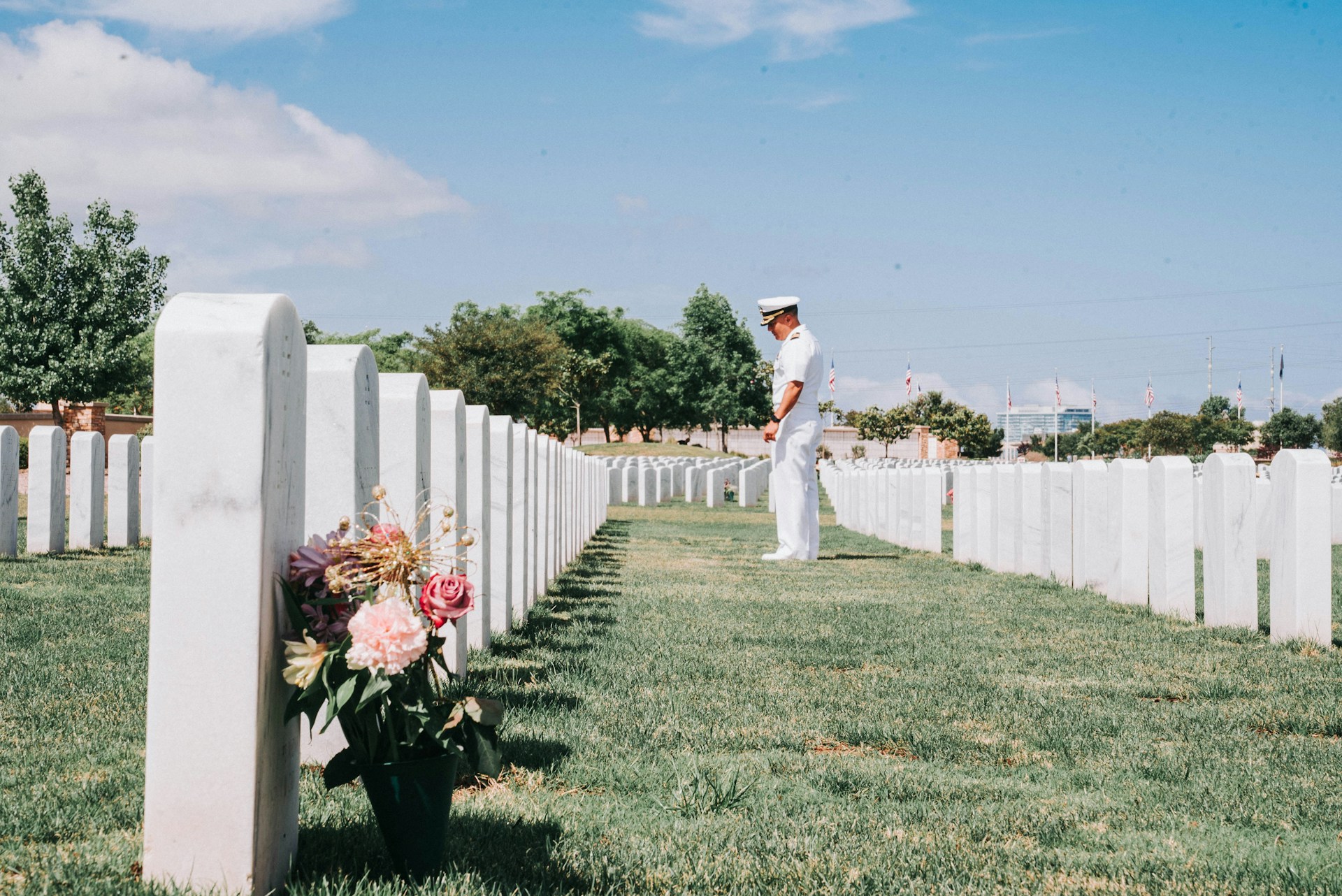
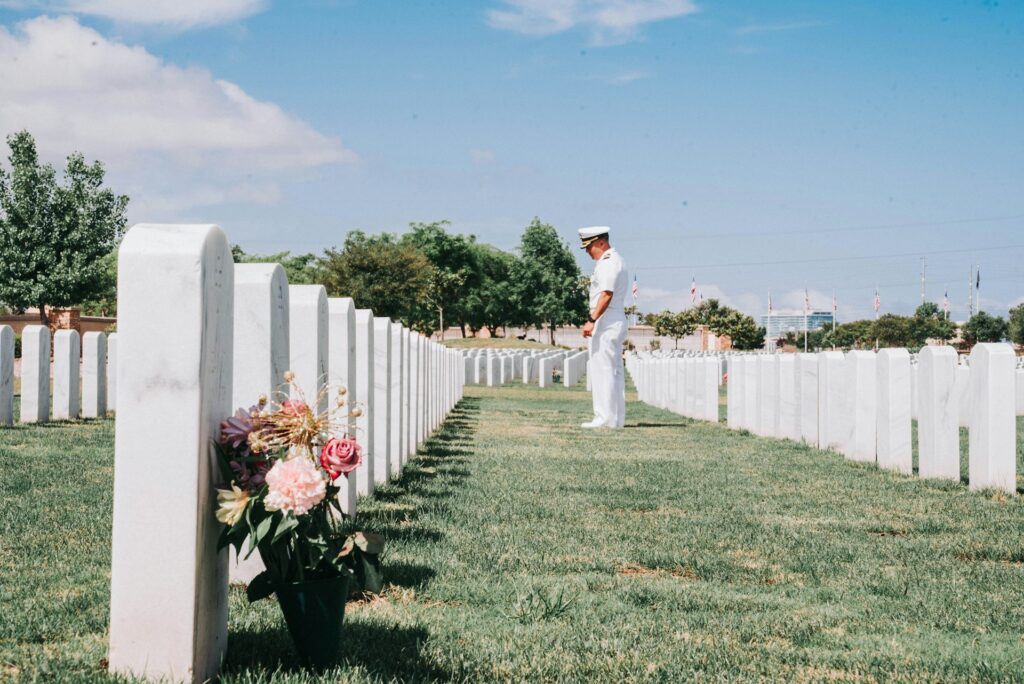
While history lessons often end wars with the signing of a treaty or the surrender of an army, the real consequences extend far beyond the battlefield. Veterans return home with physical injuries and psychological trauma that can affect them—and their families—for decades. Civilians are left to rebuild lives destroyed by bombings, displacement, and the breakdown of entire communities. In post-war societies, infrastructures like schools, hospitals, and roads take years or even generations to recover. For many, the psychological and societal scars of war never fully fade, meaning the war continues to shape lives long after the guns fall silent.
2. Civilians Suffer More Than Soldiers
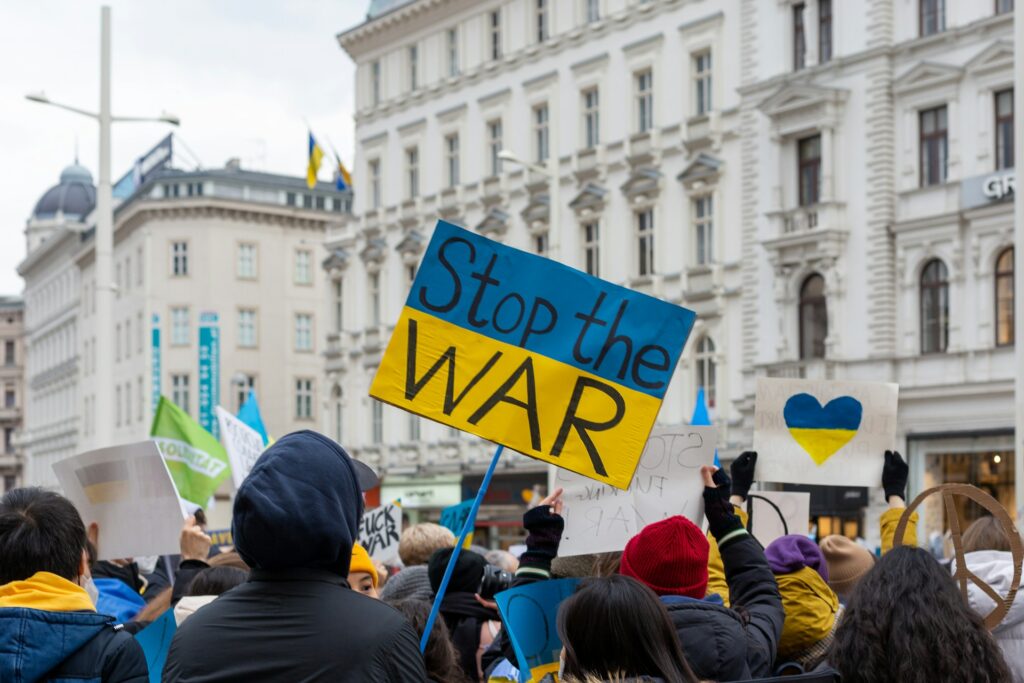
When people think of war, they often imagine soldiers in uniform, but it is civilians—women, children, and the elderly—who often bear the brunt of conflict. Entire towns are leveled, homes are destroyed, and families are torn apart by forced displacement or sudden death. In modern conflicts, civilian casualties can outnumber military deaths by far, and the loss of basic services like water, electricity, and healthcare turns survival into a daily struggle. Children are especially vulnerable, often missing out on years of education or being drawn into violence themselves. These costs rarely make it into history quizzes but define the long-term impact of war on humanity.
3. Propaganda Shapes Perception, Not Truth
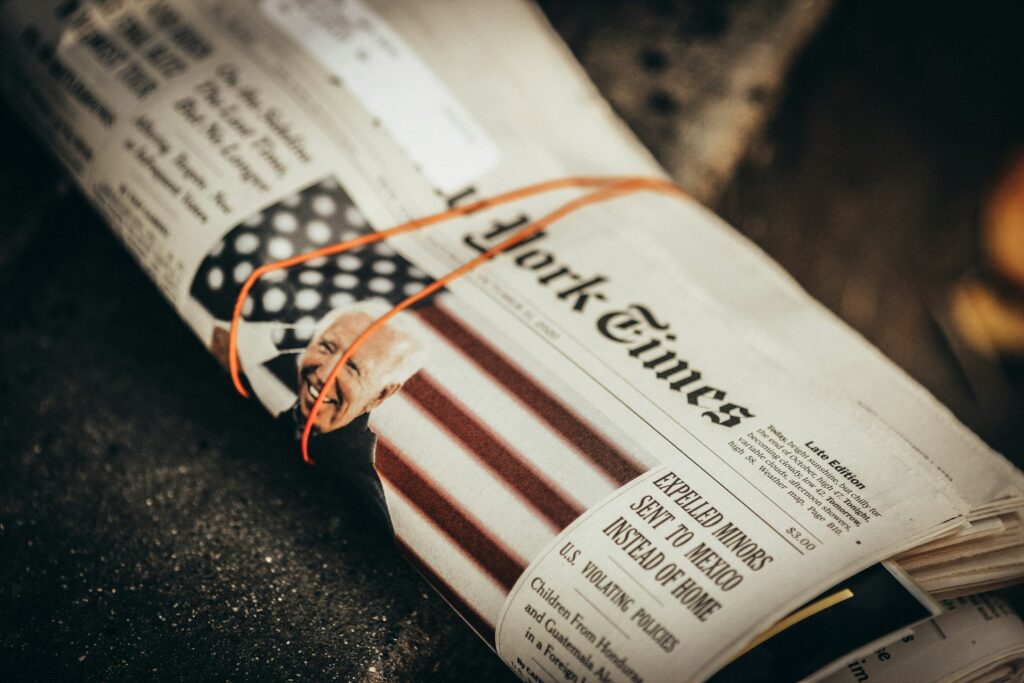
Governments and media often present war in simplified, patriotic terms—heroes versus villains, good versus evil. But in reality, war is complex and filled with moral ambiguity. Propaganda plays a major role in shaping public opinion and rallying support, sometimes by omitting uncomfortable truths or exaggerating threats. This distortion affects how wars are remembered, who is blamed, and how future generations interpret events. Learning to recognize propaganda and question official narratives is a critical skill, but one that schools rarely teach when covering historical conflicts.
4. War Is Often About Resources, Not Ideals
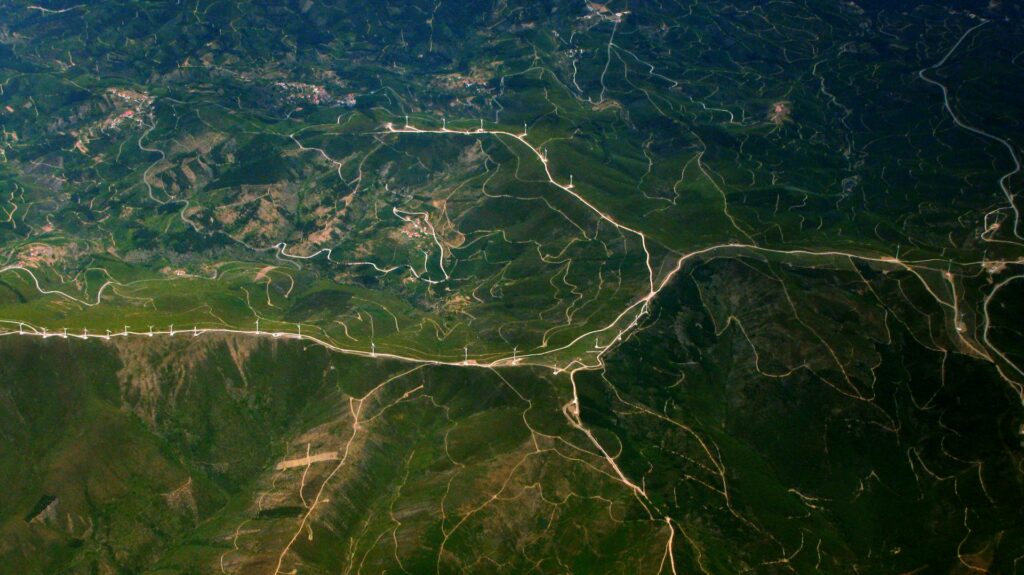
Though wars are frequently portrayed as noble struggles for freedom, justice, or democracy, many are actually driven by competition for land, oil, water, or strategic advantage. Economic interests and geopolitical strategy often outweigh the lofty ideals stated in public justifications. Even in wars labeled as ideological, resource control is usually a hidden factor. These underlying motives are seldom explored in school textbooks, which can leave students with a skewed understanding of why wars happen. Understanding the economic roots of conflict helps demystify war and encourages deeper critical thinking.
5. Children Are Used as Soldiers and Spies
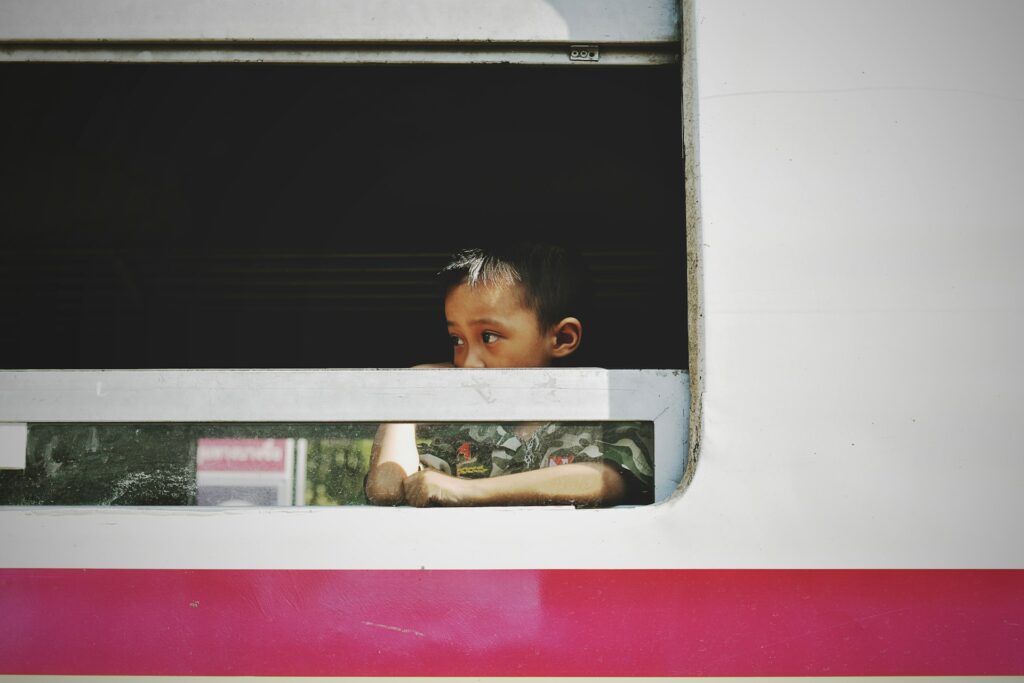
In many war-torn regions, children are not just victims—they are also used as combatants, scouts, messengers, and even human shields. This reality is horrifying but true: hundreds of thousands of children have been forcibly recruited into military groups. They are often drugged, indoctrinated, and subjected to brutal training that leaves lasting emotional scars. Their involvement in war challenges the romanticized notions of battlefield honor and reveals the most harrowing aspects of armed conflict. Yet, this deeply disturbing fact is rarely acknowledged in standard history education, leaving a huge gap in understanding the full scope of war’s cruelty.
6. War Destroys Culture and History
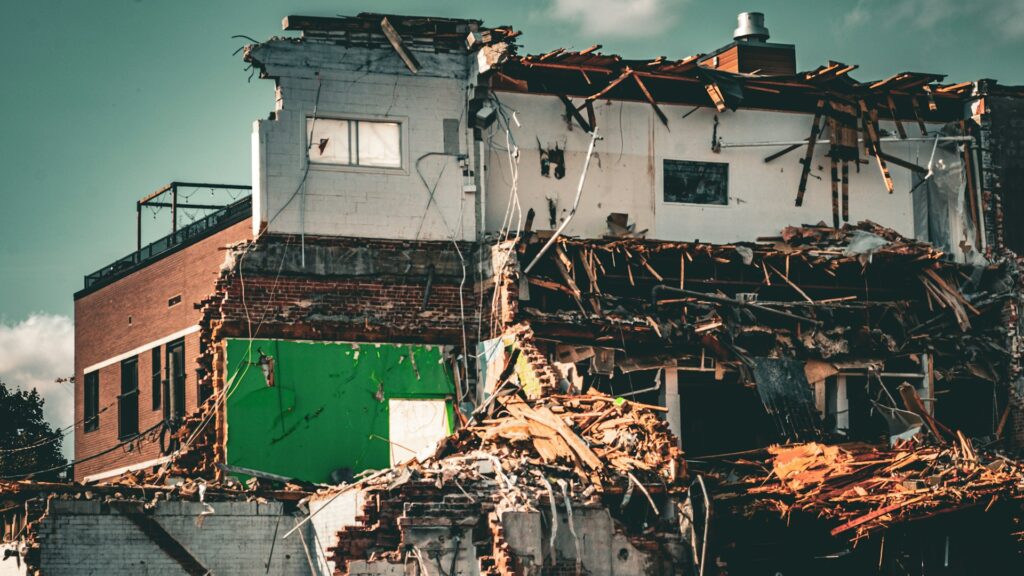
Beyond the loss of lives and buildings, war also erases centuries of cultural heritage. Libraries are burned, monuments destroyed, and priceless artifacts looted or lost forever. In some cases, entire languages and traditions vanish along with the people who carried them. This cultural genocide affects a nation’s identity and can cripple efforts to heal after the violence ends. Recognizing the destruction of art, history, and tradition as part of war’s damage helps us appreciate what’s truly lost in every conflict—not just land, but identity and memory.
7. Peace Is Harder Than War
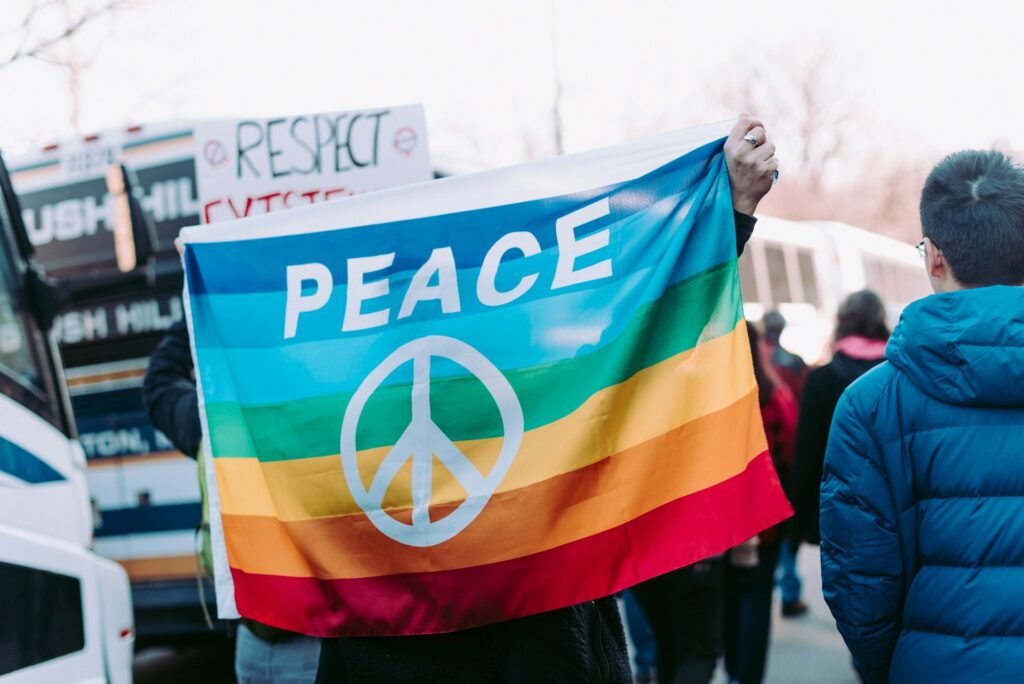
Starting a war often takes a single decision, but building lasting peace is a far more difficult and complex process. It involves rebuilding trust, institutions, economies, and social networks—all of which have likely been deeply fractured. Peace also requires compromise, something many political leaders and populations resist after years of violence and propaganda. Negotiating peace can be slow and messy, often taking decades to produce lasting results. Yet in school, peace is often treated as the simple outcome of a treaty, without exploring the exhausting work it takes to get there and stay there.
8. War Displaces Millions—and Keeps Them Displaced
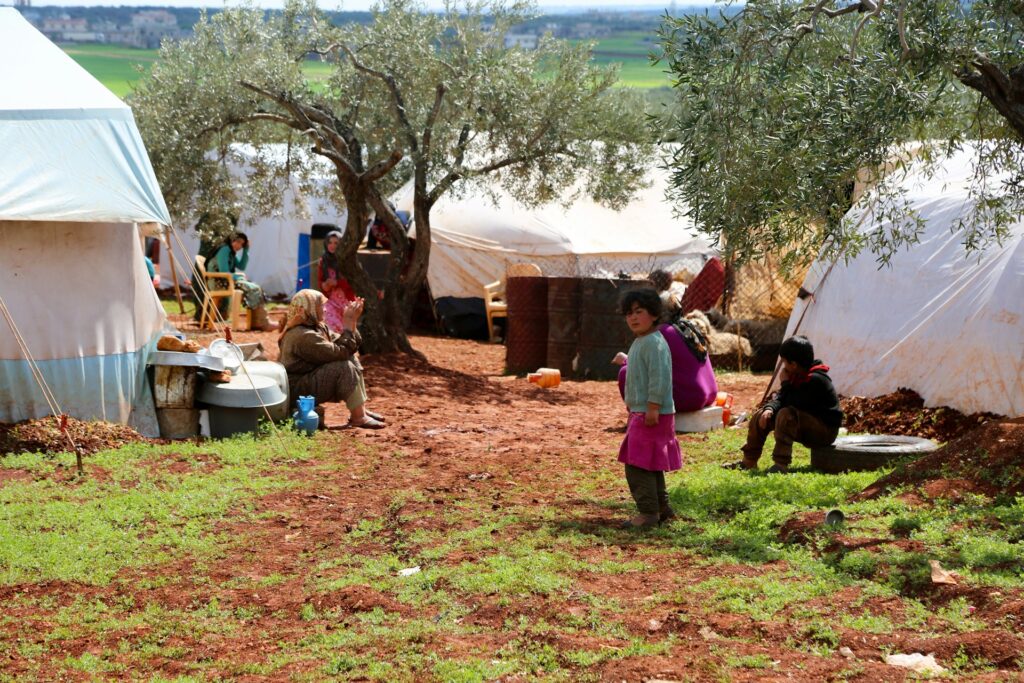
One of the most enduring consequences of war is the creation of refugees and internally displaced people. These individuals often spend years—sometimes entire lifetimes—living in temporary camps, facing poverty, discrimination, and legal uncertainty. Many children grow up without a sense of home or nationhood, their identities shaped by conflict and exile. Host countries may offer limited support, and the political limbo can make it difficult for families to rebuild their lives. School curricula rarely focus on these stories, even though they represent some of the most enduring human costs of war.
9. Veterans Don’t Always Get the Support They Deserve
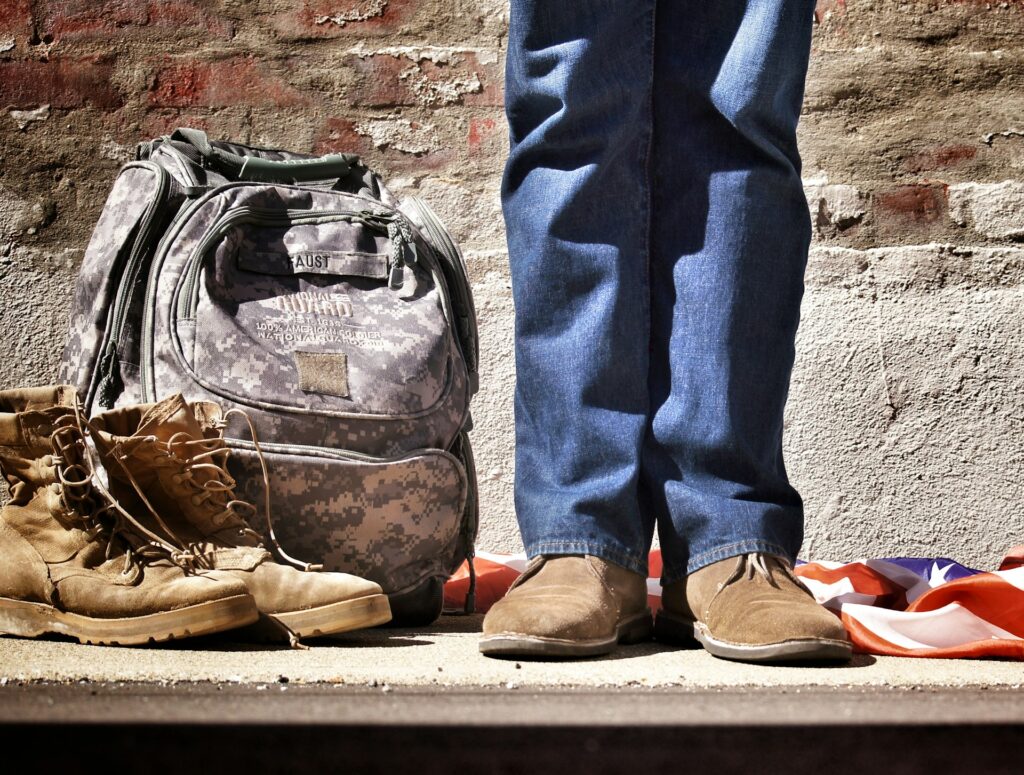
While soldiers are often honored during national holidays and ceremonies, their post-war lives are frequently filled with struggle. Many suffer from physical disabilities, mental health challenges like PTSD, and difficulty reintegrating into civilian life. Job opportunities may be limited, and support systems underfunded or poorly managed. Some veterans end up homeless or face long waits for basic medical treatment. These realities are seldom discussed in classrooms, which tend to highlight heroism more than hardship, leaving students with an incomplete picture of what it means to serve in war.
10. War Is Never as Glorious as It Sounds
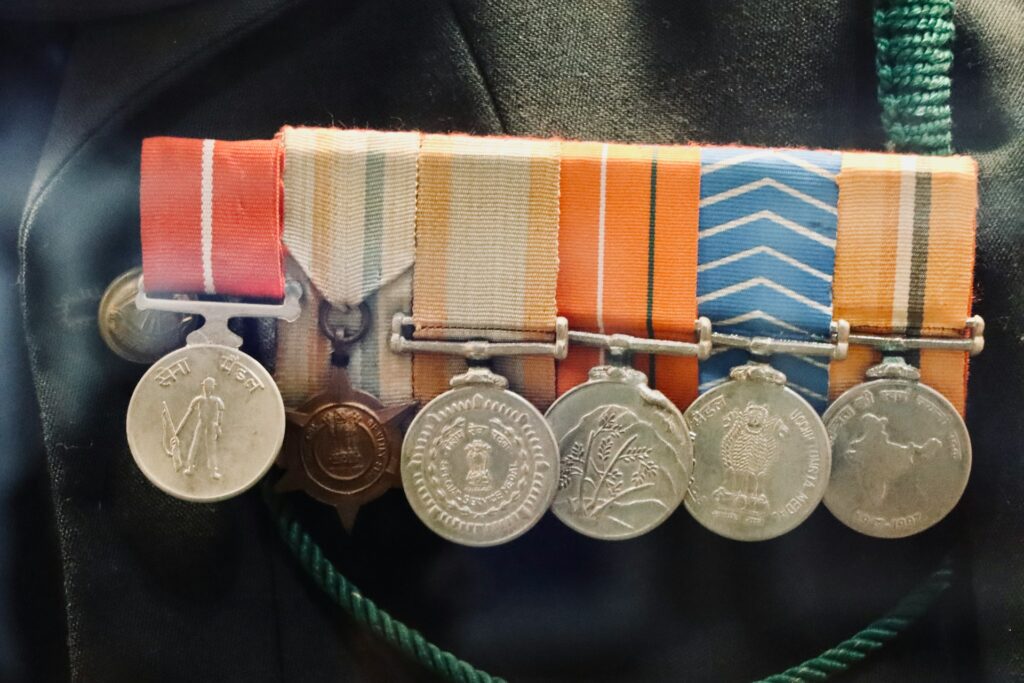
Popular culture and even some schoolbooks paint war as a stage for bravery, heroism, and noble sacrifice. While those qualities do exist, they are often surrounded by horror, fear, and immense suffering. The romanticizing of war can lead young people to see conflict as an adventure rather than a catastrophe. Real war involves disease, starvation, exhaustion, and the constant presence of death—not parades and medals. Teaching the unfiltered realities of war helps cultivate a sense of empathy and caution rather than fascination or glorification.
By going beyond the dates and battle maps, these lessons offer a more honest, human, and complete understanding of what war really is. Educators, parents, and policymakers have a responsibility to present war not just as a chapter in history, but as a cautionary tale full of enduring consequences. Only through this deeper education can the next generation be equipped to seek peace, question motives, and recognize the true costs of conflict—both seen and unseen.