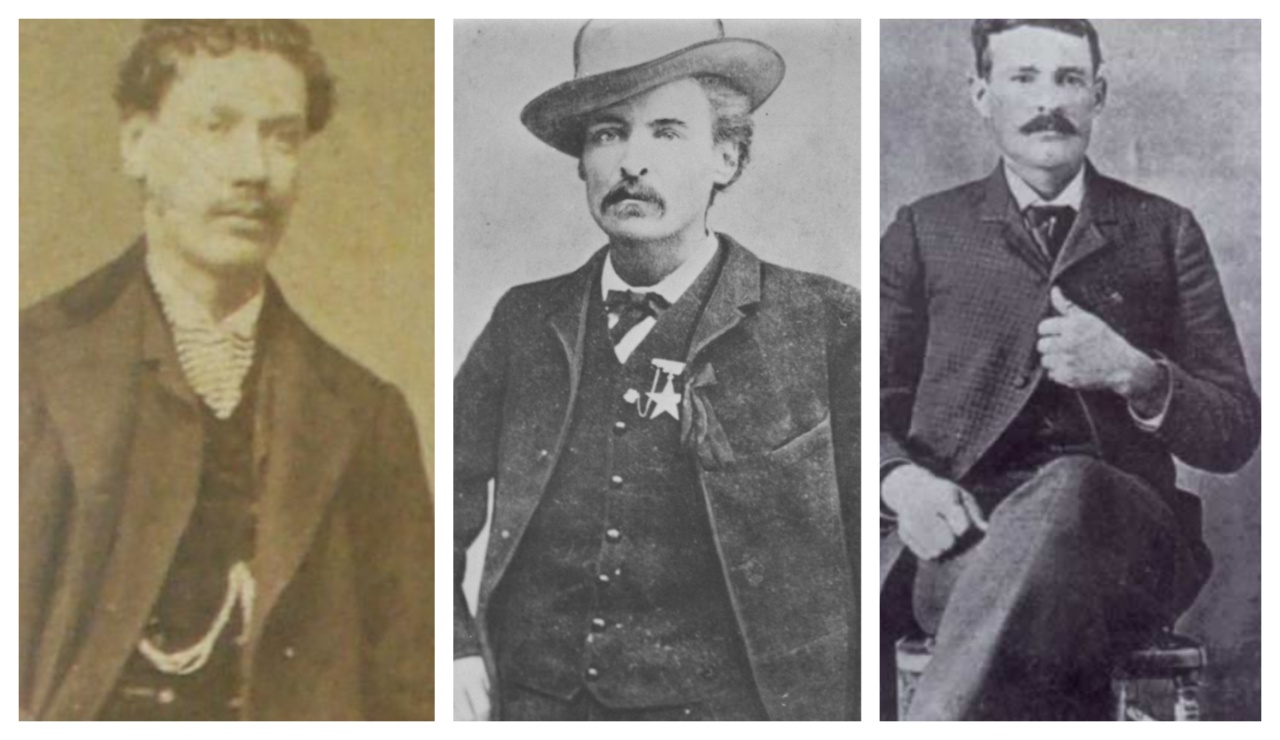
The Wild West is often remembered as a place where sheriffs and marshals brought order to lawless towns, but history tells a more complicated story. Many of the men who wore badges were not paragons of virtue but flawed individuals vulnerable to greed, violence, and the lure of easy money. Some started out as respected enforcers of the law, only to cross the line and become the very criminals they once pursued. Their stories reveal just how thin the line between lawman and outlaw could be on the frontier.
Burt Alvord
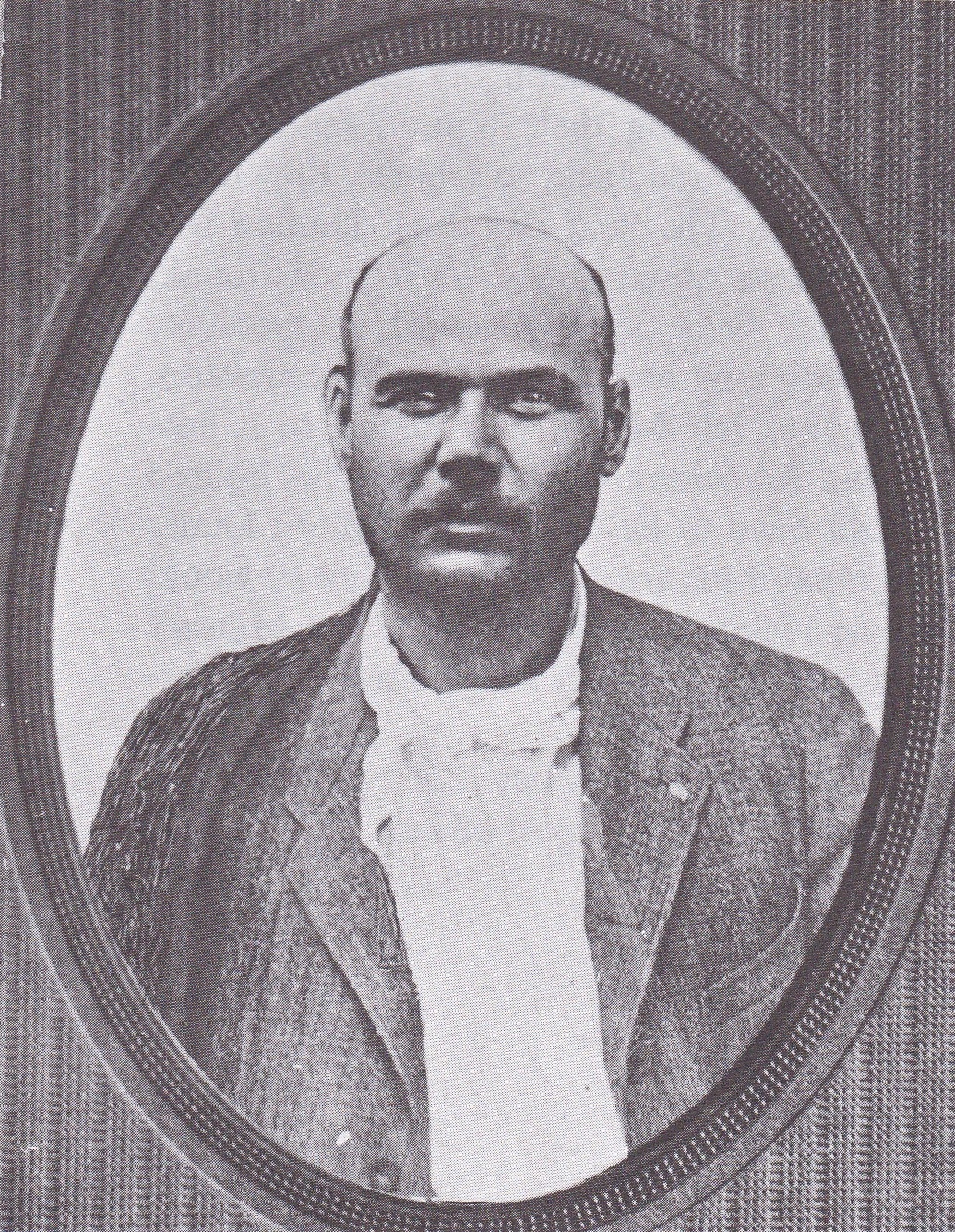
Burt Alvord was a deputy sheriff in Cochise County, Arizona, where he worked alongside the famous Sheriff John Slaughter. Initially respected for his skills as a tracker, Alvord’s reputation began to unravel due to heavy drinking and associations with gamblers. Eventually, he left law enforcement behind and formed a gang that robbed trains and banks. Despite several arrests, he managed to escape custody more than once before fading into obscurity. His downfall highlights how quickly personal vices could turn a lawman into a criminal.
John Joshua Webb
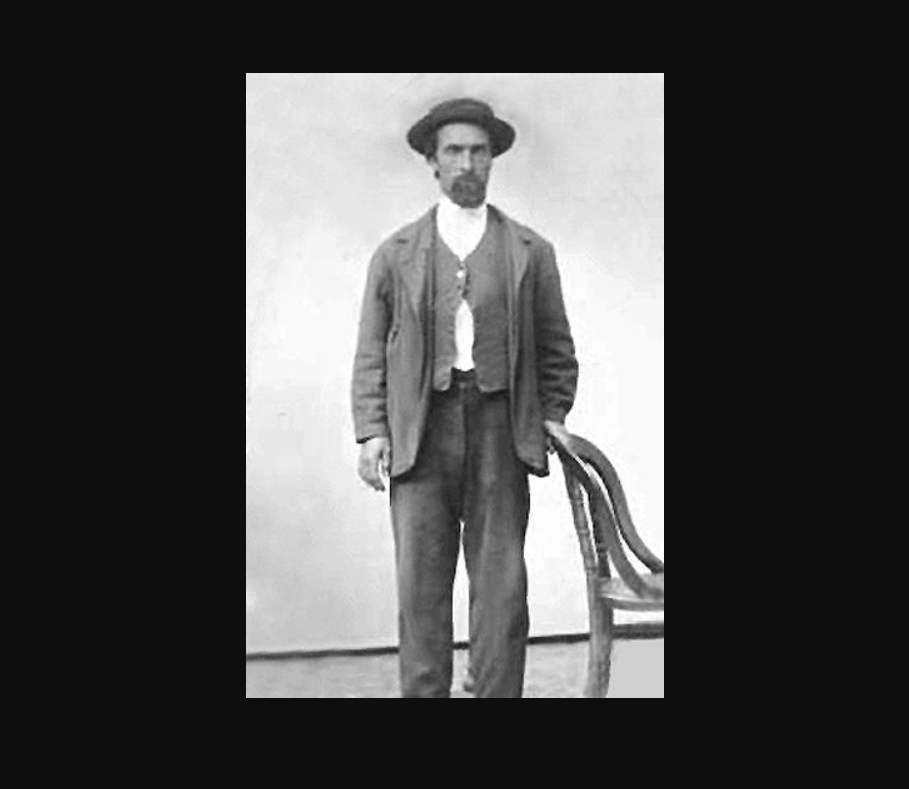
John Joshua Webb served as both a deputy and a town marshal in Kansas and New Mexico, where he earned a reputation for toughness. Yet his career took a darker turn when he became associated with the Dodge City Gang, a group notorious for organized crime. Webb participated in stagecoach robberies and even murder, using his badge as protection until his actions caught up with him. Arrested and disgraced, he stands as an example of how law enforcement authority could be twisted into criminal enterprise.
Henry Newton Brown
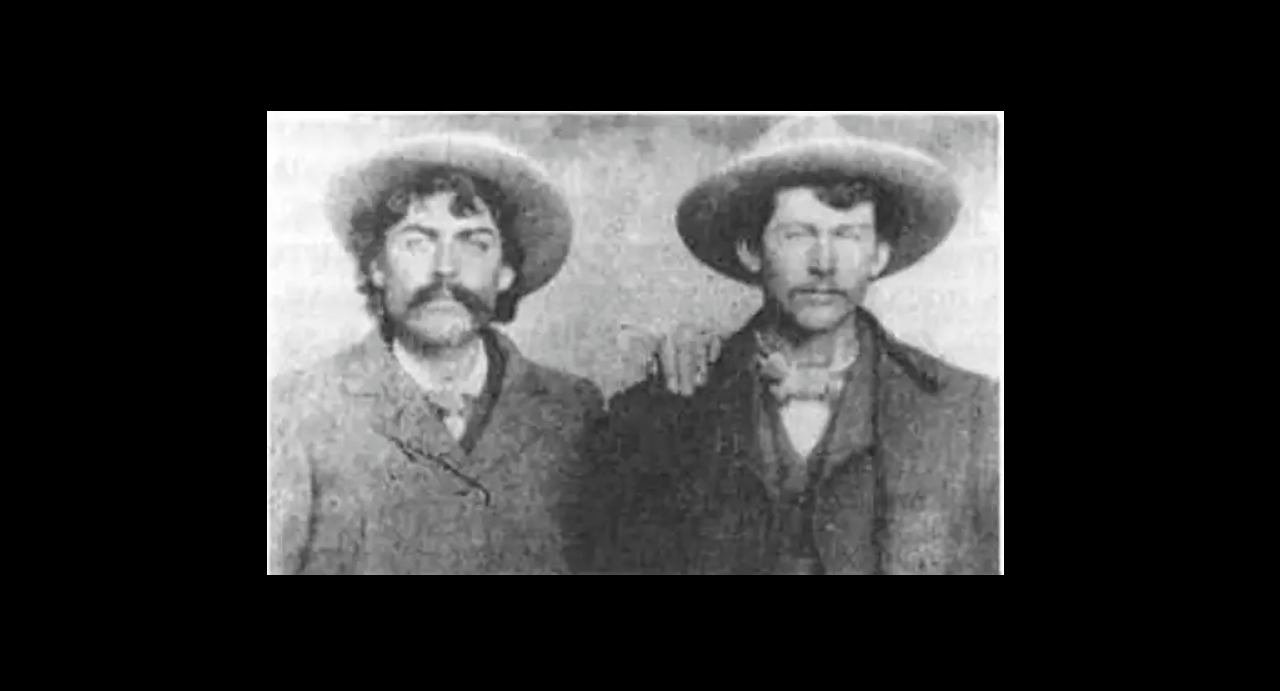
Henry Newton Brown worked as a deputy under the famed Pat Garrett and later served as marshal in Caldwell, Kansas. For a time, he was praised for his dedication to peacekeeping and even presented with a ceremonial rifle by grateful citizens. But financial troubles and frustration with his role eventually drove him to plan a bank robbery. The heist failed, and Brown was captured and executed by a mob. His story shows how desperation could undo even a respected lawman’s career.
Jim Courtright
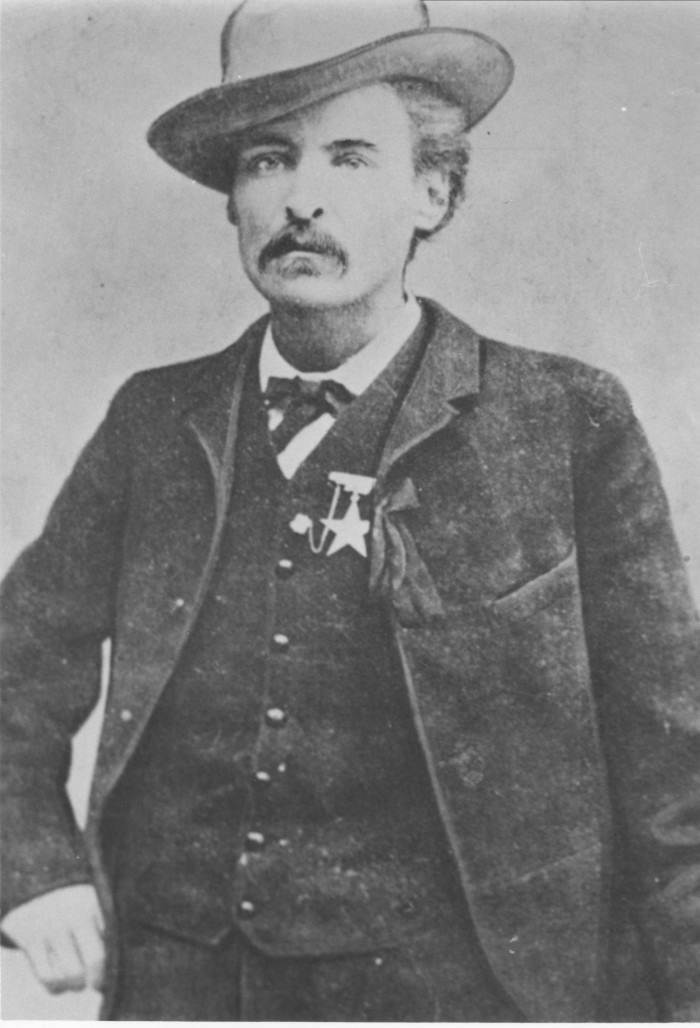
“Longhair” Jim Courtright was one of Fort Worth’s most feared lawmen. As city marshal, he built a reputation as a gunfighter who kept the peace through intimidation. However, he was also accused of running protection rackets and threatening saloon owners who refused to pay. His dual life ended in a famous duel with gambler Luke Short, who killed him in a shootout. Courtright’s fall illustrates how enforcing the law could become indistinguishable from organized extortion.
Tom “Black Jack” Ketchum
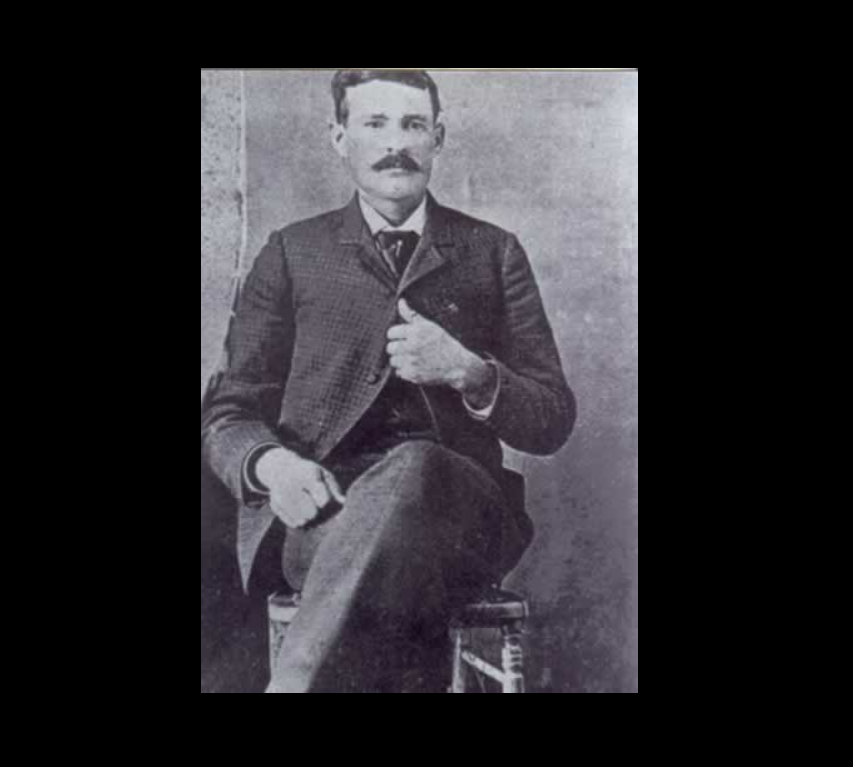
Tom Ketchum worked occasionally with law officers and was seen by some as a man who straddled the line between law and outlaw. Eventually, he became infamous as a train robber leading his own gang. His brief flirtations with law enforcement positions show how fluid roles could be in the frontier environment. Ketchum’s execution by hanging became one of the most gruesome in Western history, symbolizing the violent fate of many outlaws.
David Allison
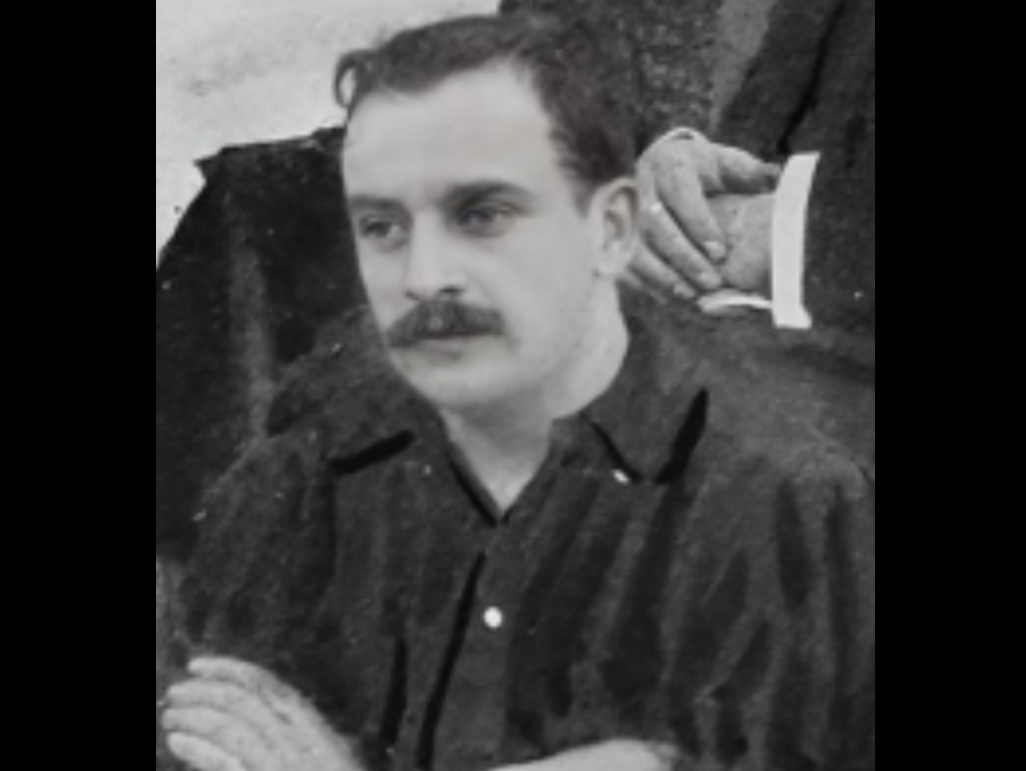
David Allison began as a respected sheriff in Midland County, Texas, where he built a strong reputation for bravery. But later in life, he was accused of working too closely with powerful cattlemen and becoming entangled in questionable dealings. Though he never became a notorious outlaw like others on this list, his career shows how corruption could taint even capable law officers. His assassination in 1923 underscored the dangerous alliances formed on the frontier.
Billy Wilson (David L. Anderson)
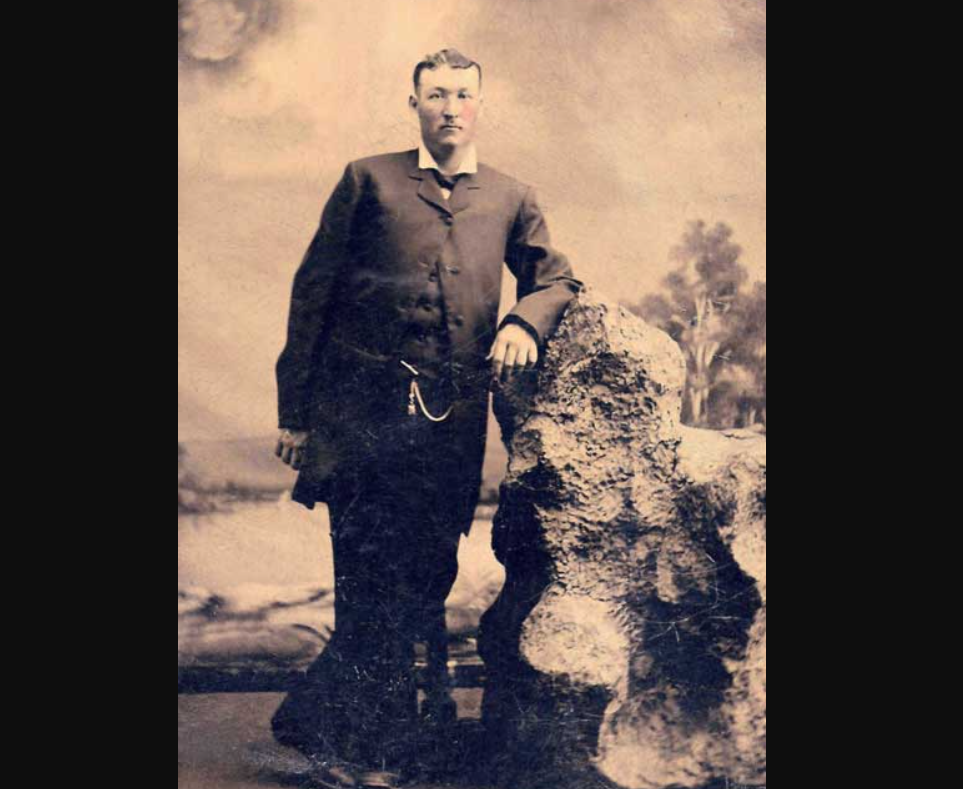
Known as Billy Wilson, David L. Anderson started as a cowboy and lawman before slipping into outlaw life with Billy the Kid’s gang. He participated in cattle rustling and robberies but was later arrested and sentenced to prison. Interestingly, Wilson was eventually pardoned and lived out his later years quietly. His life illustrates how men could move back and forth between outlaw and lawman identities depending on circumstance.
John Selman
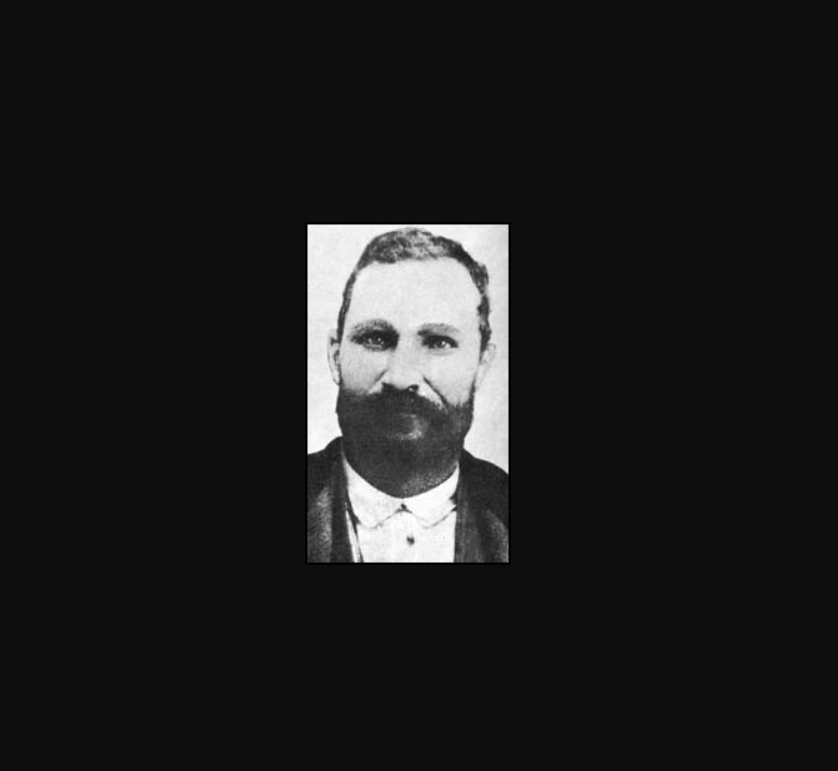
John Selman was both a lawman and an outlaw during his long career. He served as a constable and marshal but was also accused of rustling cattle and running with criminal gangs. Selman’s most famous act was killing John Wesley Hardin, another notorious gunfighter, in a saloon. While he may have eliminated a dangerous outlaw, his own record was far from clean.
Henry Plummer
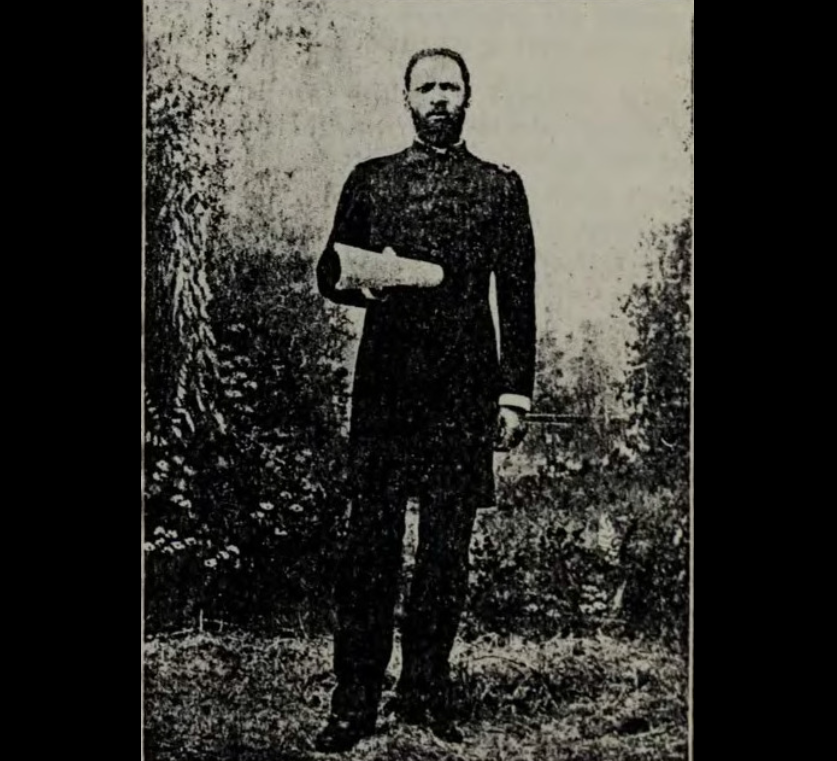
Henry Plummer was a sheriff in Bannack, Montana, who outwardly upheld the law while secretly leading a gang of road agents. He used his badge as a shield, directing criminal activity behind the scenes. When his duplicity was discovered, vigilantes captured and hanged him without trial. Plummer’s story is one of the clearest examples of a lawman turning outlaw.
Sheriff William “Curly Bill” Brocius
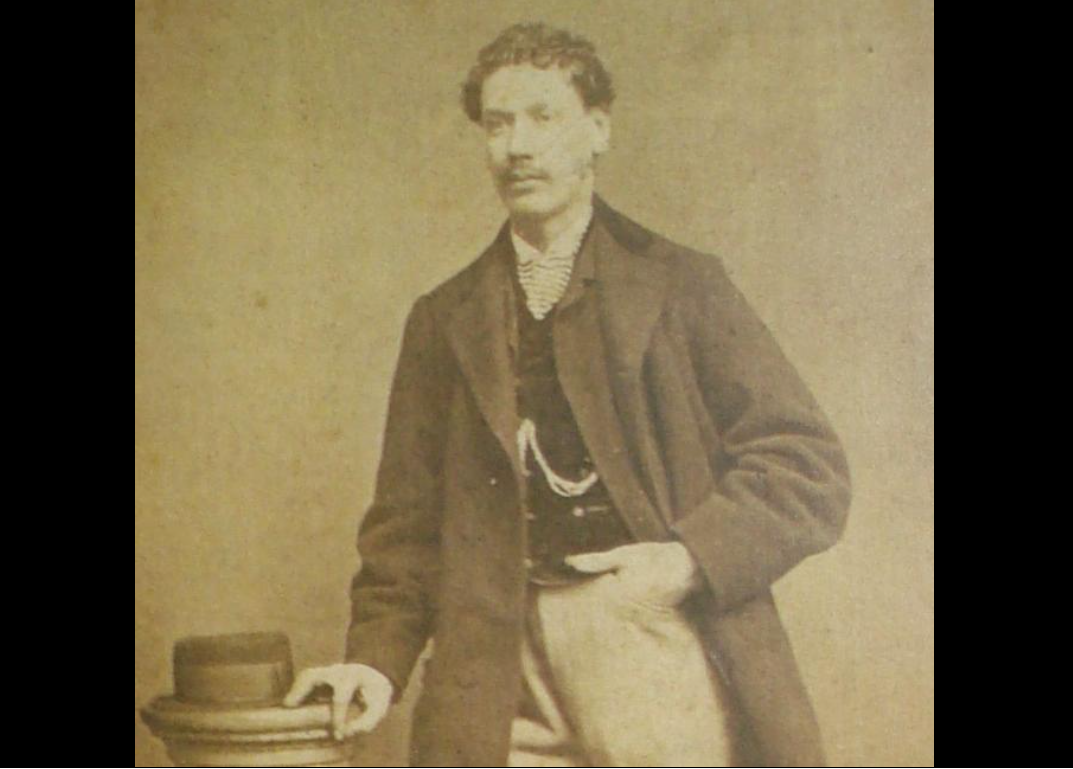
Though better known as an outlaw, Curly Bill occasionally worked with law enforcement before turning to full-time crime. His association with the Cowboys gang in Arizona made him a sworn enemy of the Earps. While he never fully embraced the role of a lawman, his brief ties to authority emphasize the blurred boundaries between law enforcement and outlawry.