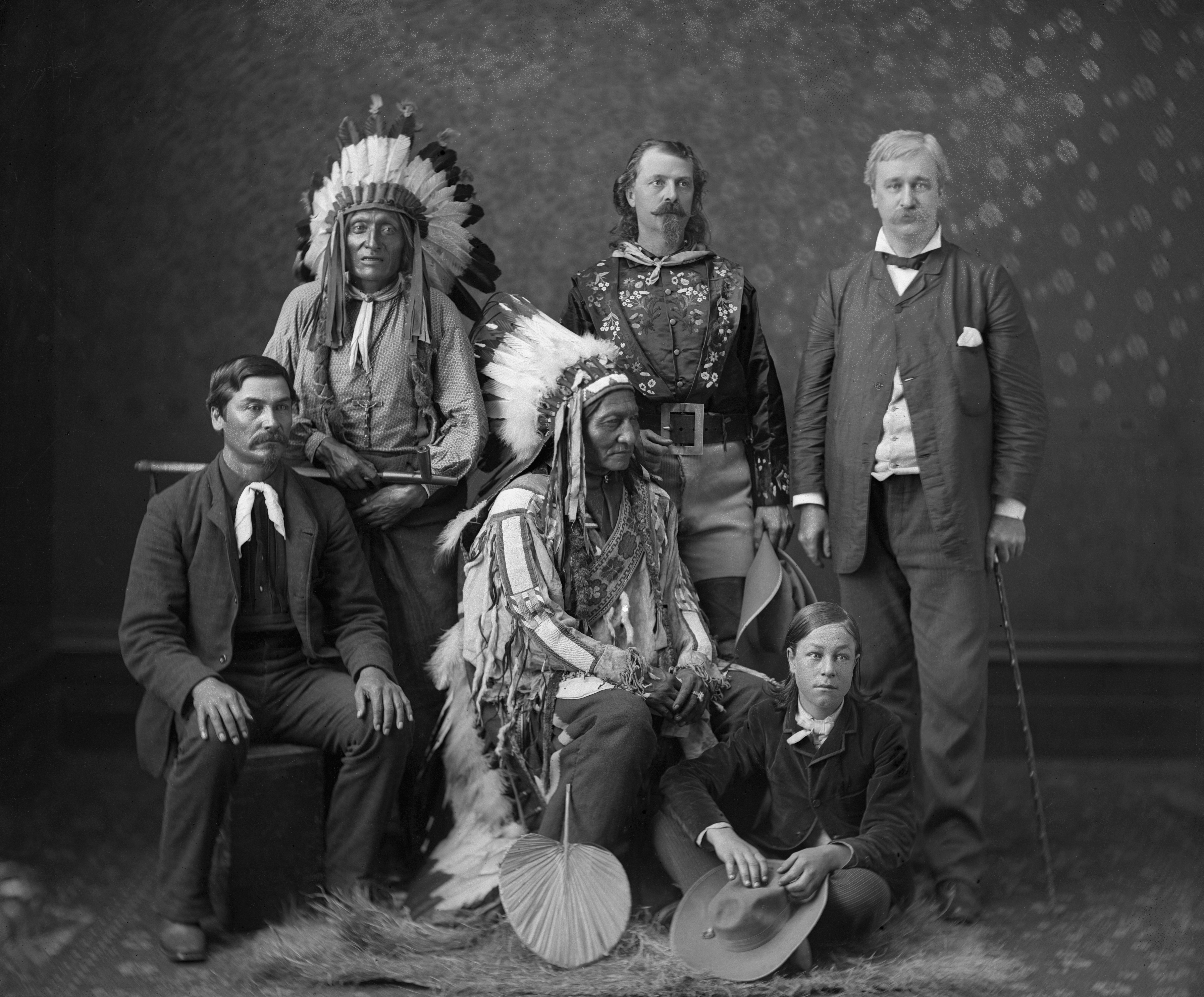
Sitting Bull remains one of the most respected Native American leaders in history. Known for his courage, wisdom, and resistance to U.S. government policies, his legacy continues to inspire. Beyond his role at the Battle of the Little Bighorn, many details of his life reveal deeper truths about his leadership and culture. Here are ten fascinating facts about Sitting Bull you may not know.
He Received His Name from a Childhood Vision
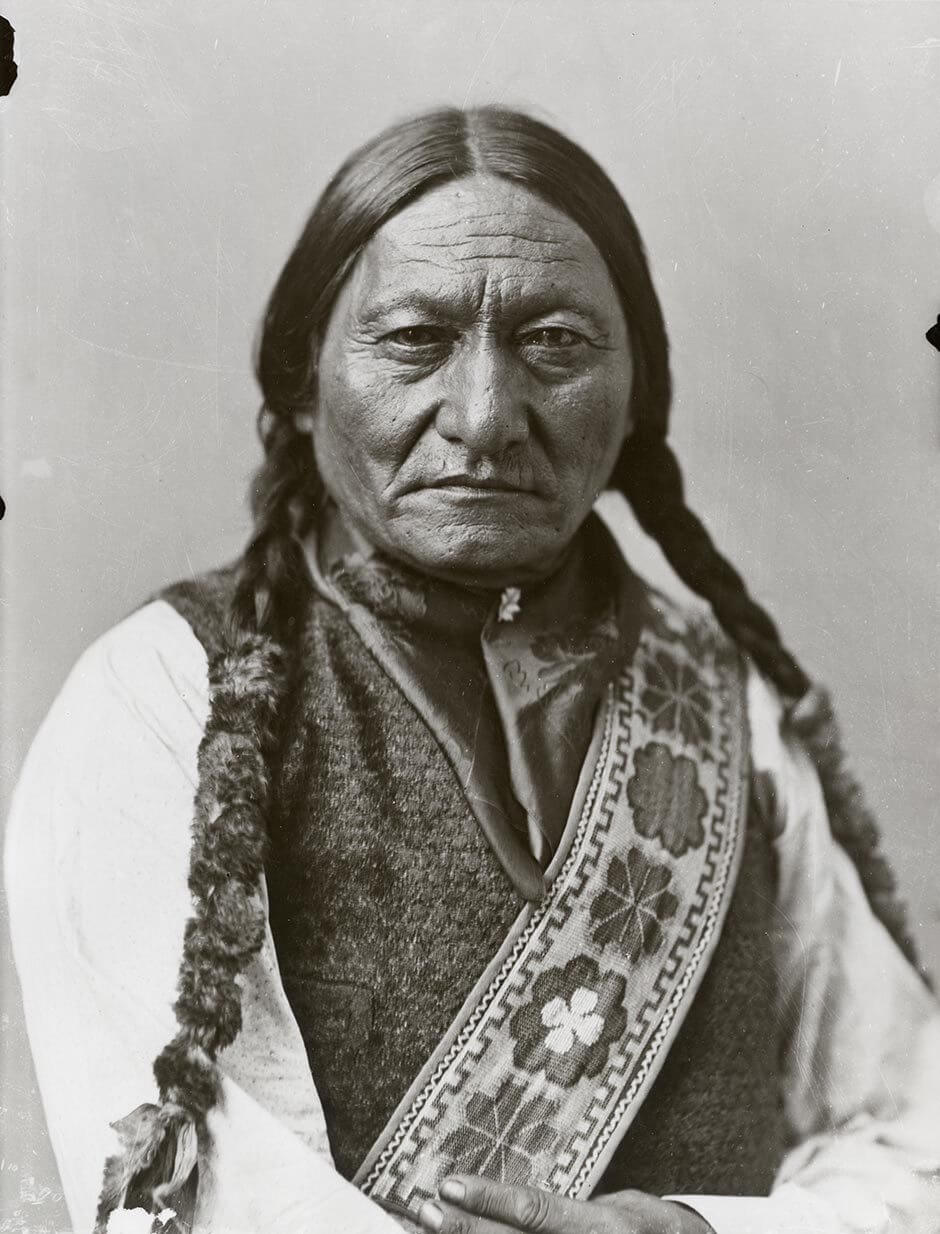
Sitting Bull was born Tatanka Iyotake, meaning “Buffalo Bull Who Sits Down.” The name came from a vision his father had, symbolizing strength and stability. As a boy, he lived up to the name by showing unusual calmness and determination. His identity was tied deeply to Lakota culture and symbolism. The name reflected his destined role as a leader.
He Was a Skilled Artist as Well as a Warrior
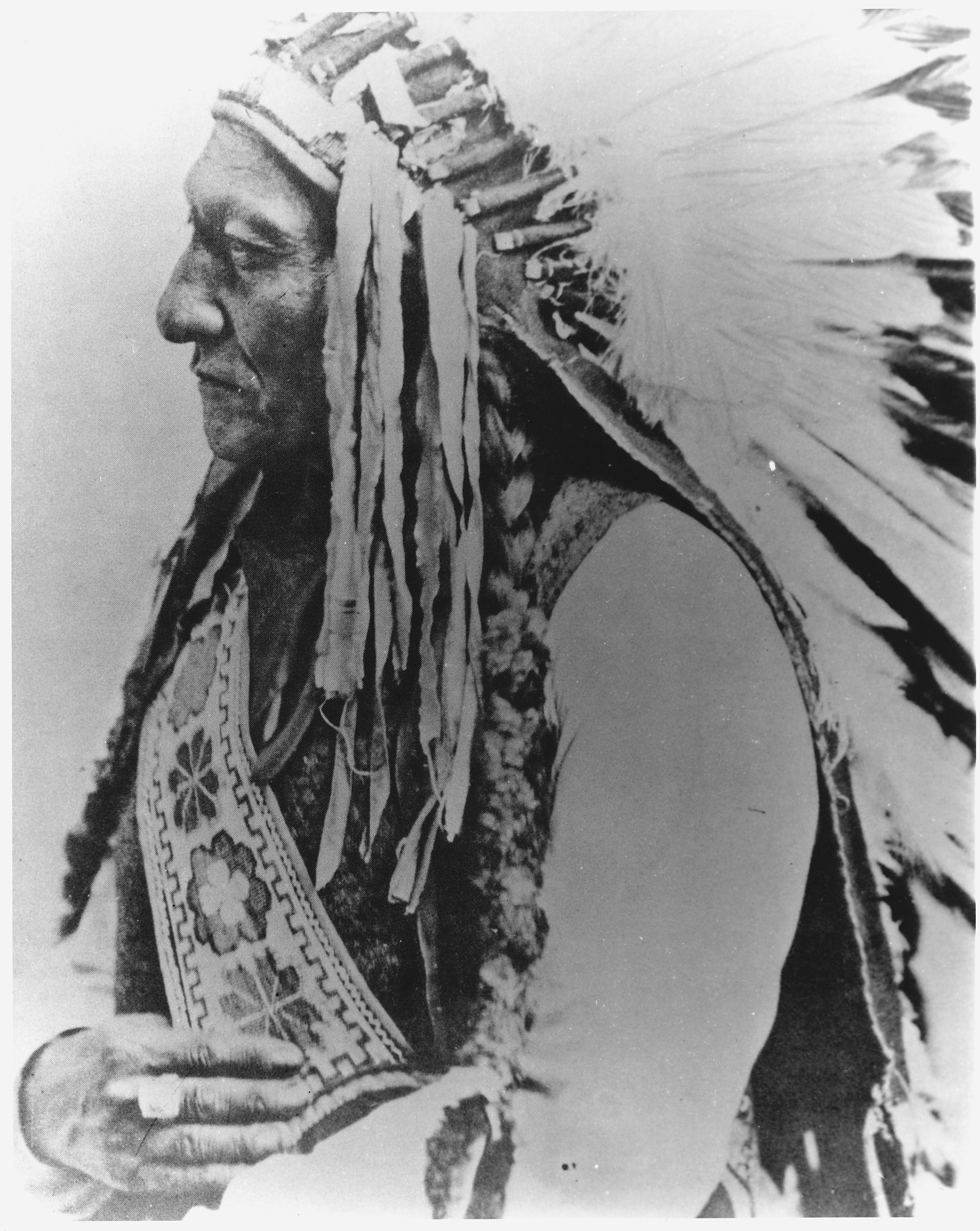
Beyond his reputation as a fighter, Sitting Bull was also a talented artist. He created drawings of battles, daily life, and cultural traditions. These works provided a unique perspective on Lakota heritage. His art helped preserve stories for future generations. It showed that leadership extended beyond warfare.
He Had a Vision Before the Battle of the Little Bighorn
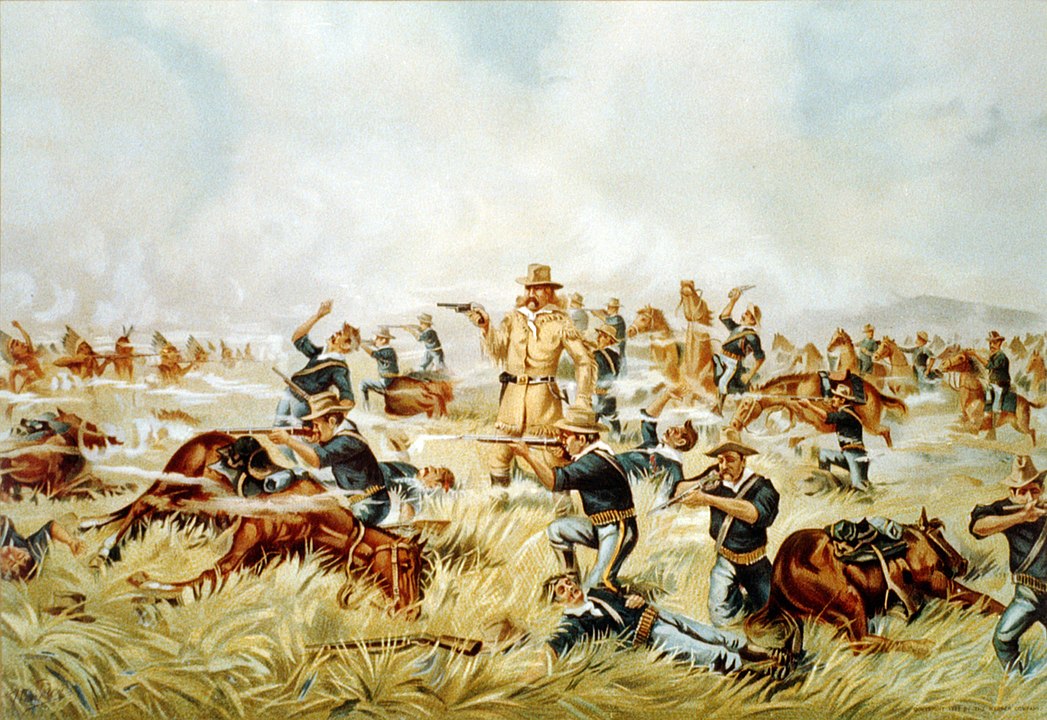
Before the famous battle in 1876, Sitting Bull experienced a vision during a Sun Dance ceremony. He saw soldiers falling upside down into the Lakota camp, which was interpreted as a prophecy of victory. The vision inspired confidence among his people. Soon after, the Lakota and their allies won the battle. The prophecy became part of his legend.
He Resisted Moving to Reservations
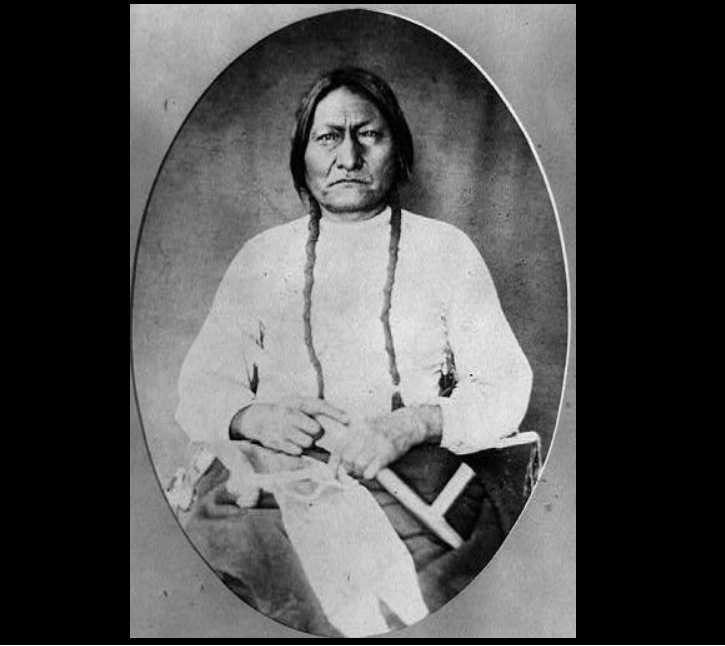
Sitting Bull opposed U.S. government attempts to confine Native Americans to reservations. He valued independence, tradition, and the freedom of the land. His resistance made him a symbol of defiance. While many leaders were pressured to surrender, he stood firm for years. His refusal inspired hope among his people.
He Spent Time in Canada After the Battle
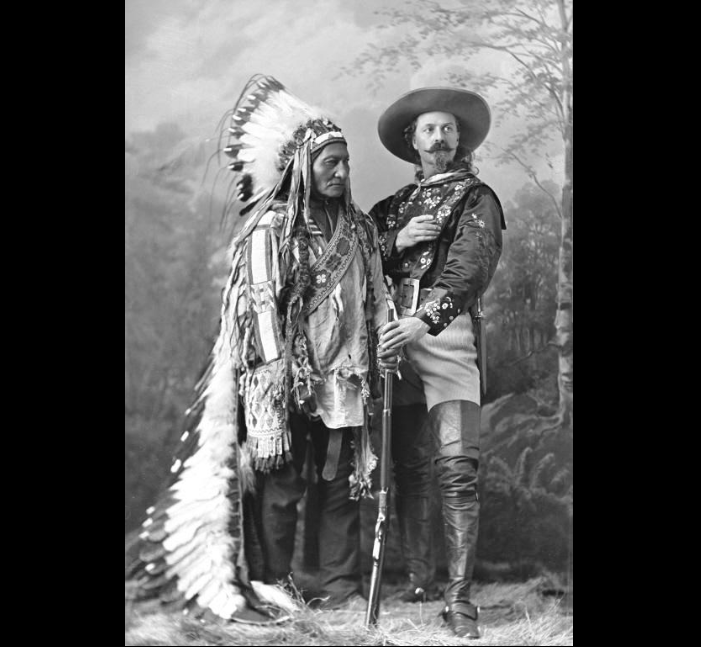
After Little Bighorn, Sitting Bull and his followers fled to Canada for refuge. They lived there for several years, struggling with harsh conditions. Despite hardships, he resisted surrender to U.S. authorities. Eventually, dwindling resources forced his return. His time in Canada showed his determination to protect his people.
He Joined Buffalo Bill’s Wild West Show
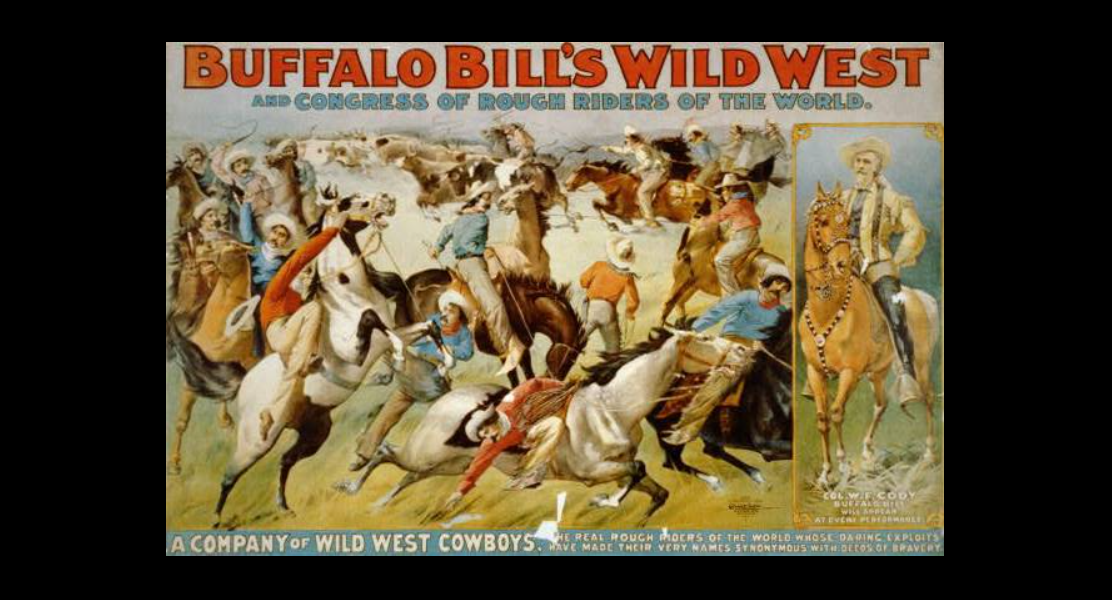
In later years, Sitting Bull briefly joined Buffalo Bill Cody’s Wild West Show. He traveled across the United States and even met audiences in the East. Though he disliked show business, he used the opportunity to advocate for Native American rights. He also earned money that he shared generously with the poor. His role in the show revealed both pragmatism and compassion.
He Adopted a Young White Girl
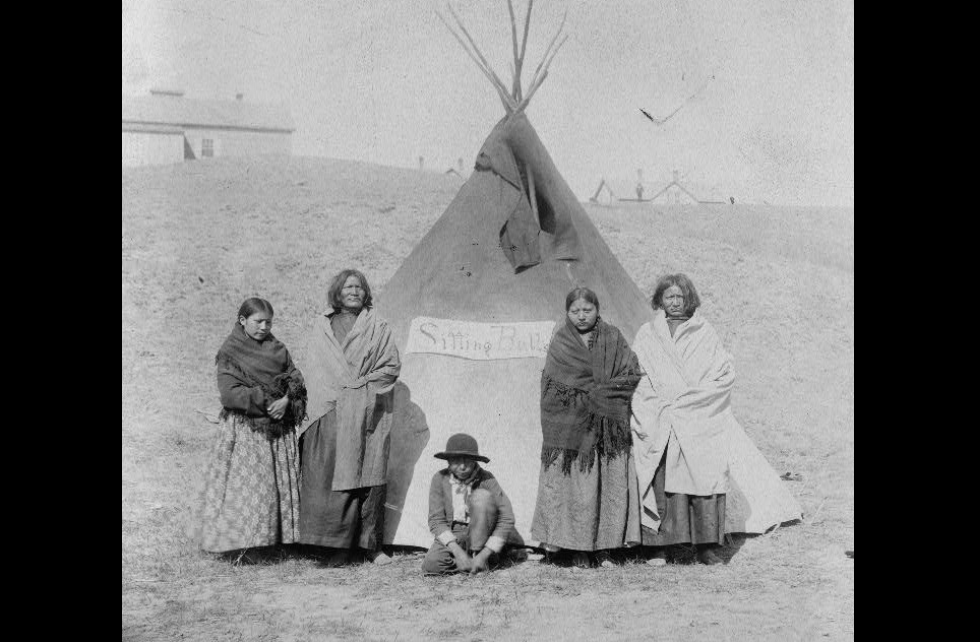
Sitting Bull adopted a young girl named Mary after her family was killed in an attack. He raised her as part of his family, reflecting Lakota traditions of compassion. The story shows his humanity beyond the battlefield. It challenged stereotypes of Native leaders as only warriors. His role as a father figure deepened his legacy.
He Maintained Influence into Old Age
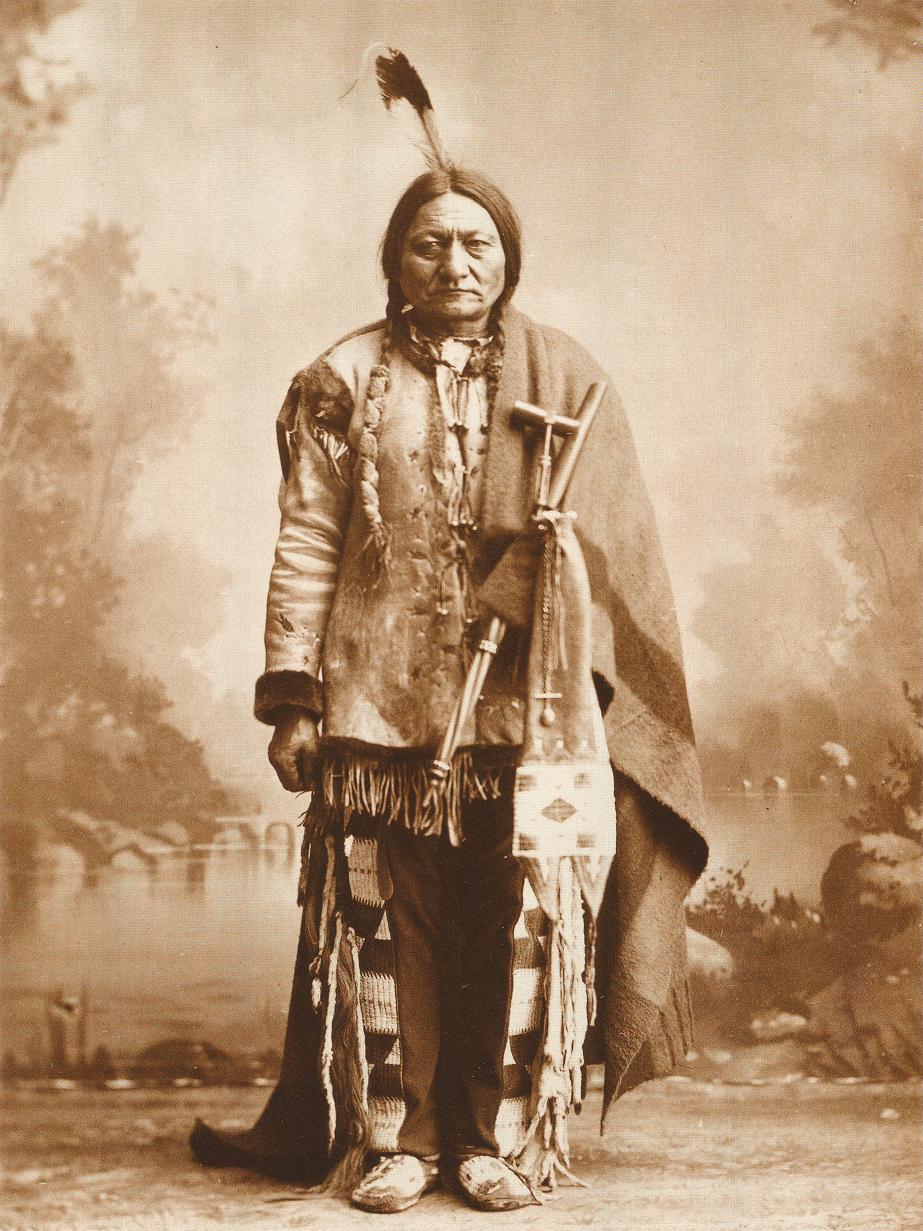
Even after military defeats, Sitting Bull remained a respected spiritual and political leader. His people looked to him for guidance in times of crisis. His wisdom carried weight even as reservation life grew difficult. Few leaders maintained such long-lasting influence. He embodied resilience in the face of cultural upheaval.
His Death Was Ordered by U.S. Authorities
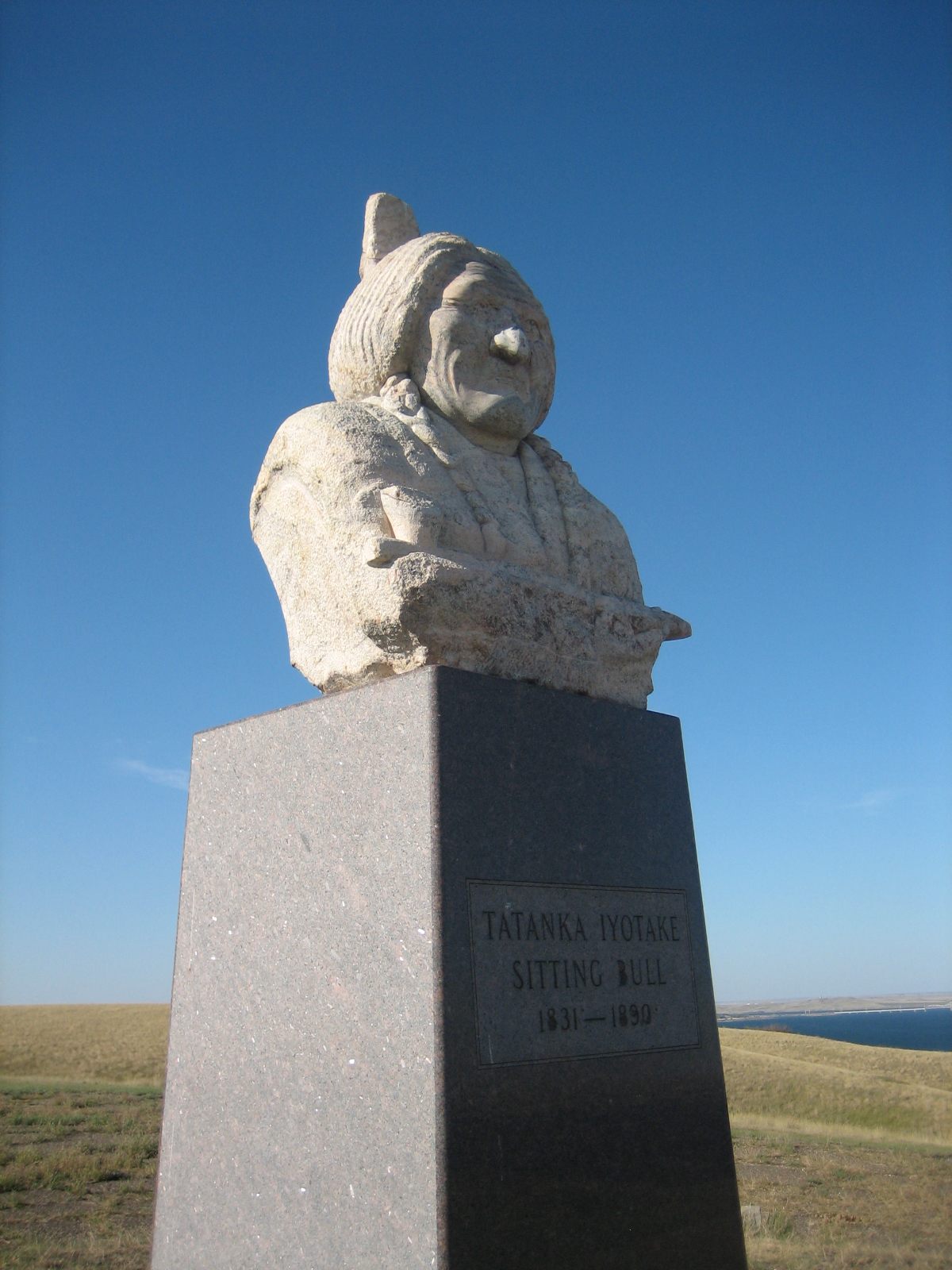
In 1890, fears that Sitting Bull would join the Ghost Dance movement led to his arrest. During the attempt, tensions escalated, and he was killed by Indian police. His death was seen as a tragic and unnecessary act. It shocked both Native and non-Native communities. His assassination ended an era of resistance.
His Legacy Lives On Today
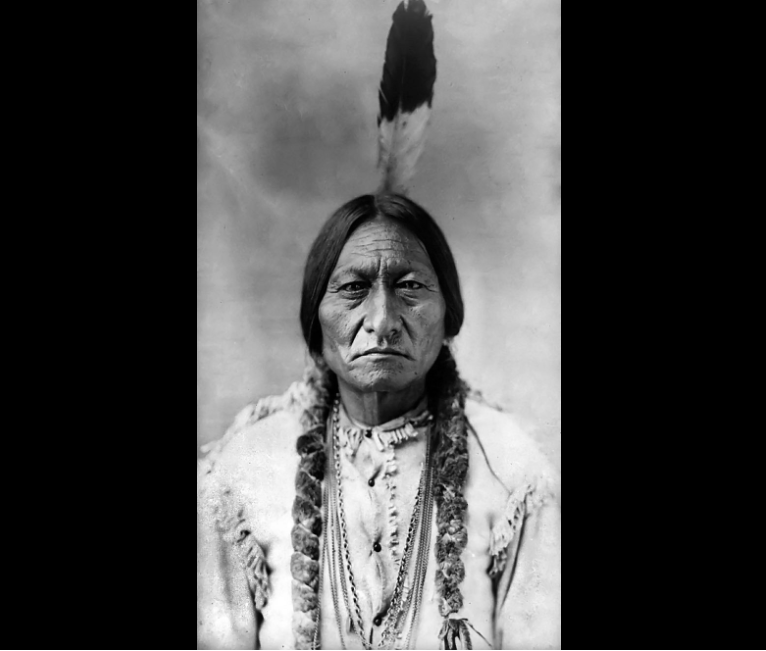
Sitting Bull’s memory remains powerful in Native and American history. Schools, monuments, and cultural programs honor his contributions. His life is remembered as a symbol of courage, wisdom, and cultural pride. He represents the struggles and dignity of the Lakota people. His legacy continues to inspire movements for justice and identity.