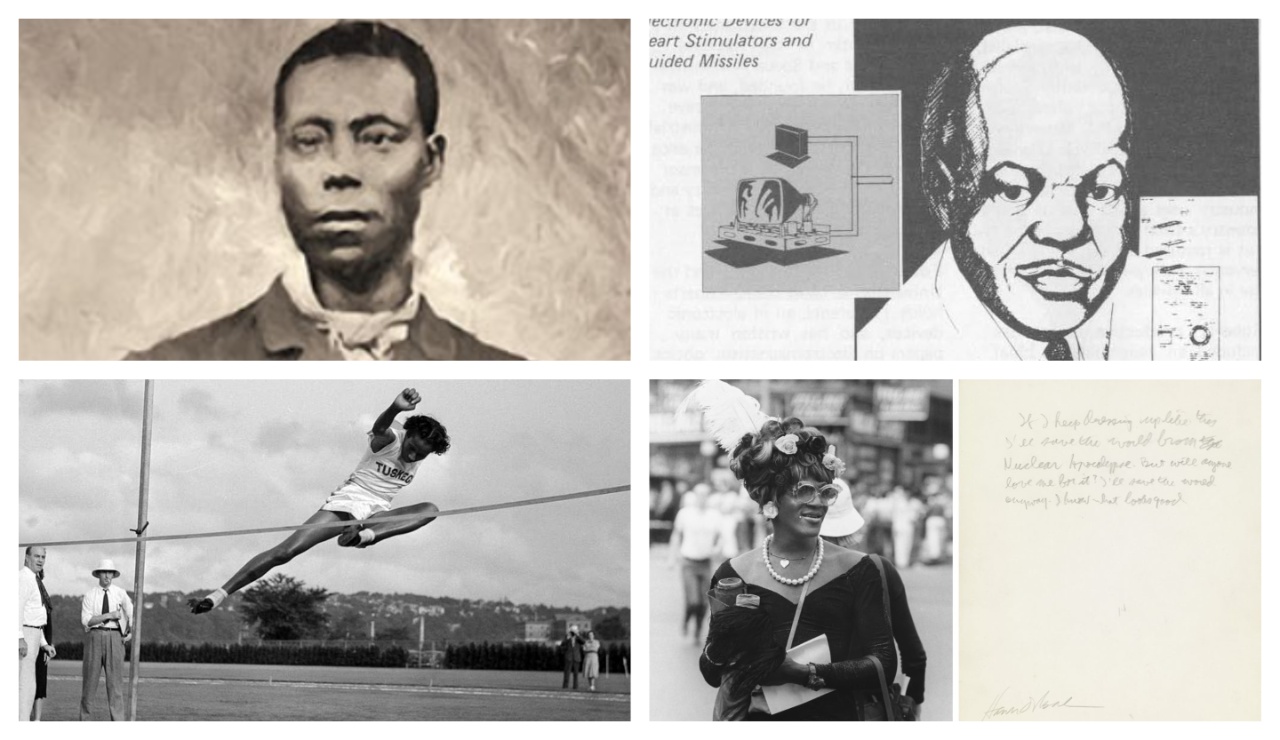
Over the centuries, Black Americans have shaped the social, technological, artistic, and scientific fabric of the United States in extraordinary ways. Yet many of these contributions remain underrepresented or entirely absent from mainstream history textbooks. Below is a survey of ten remarkable achievements by Black Americans whose stories deserve wider recognition and deeper inclusion in our collective memory.
Thomas L. Jennings and the First African American Patent
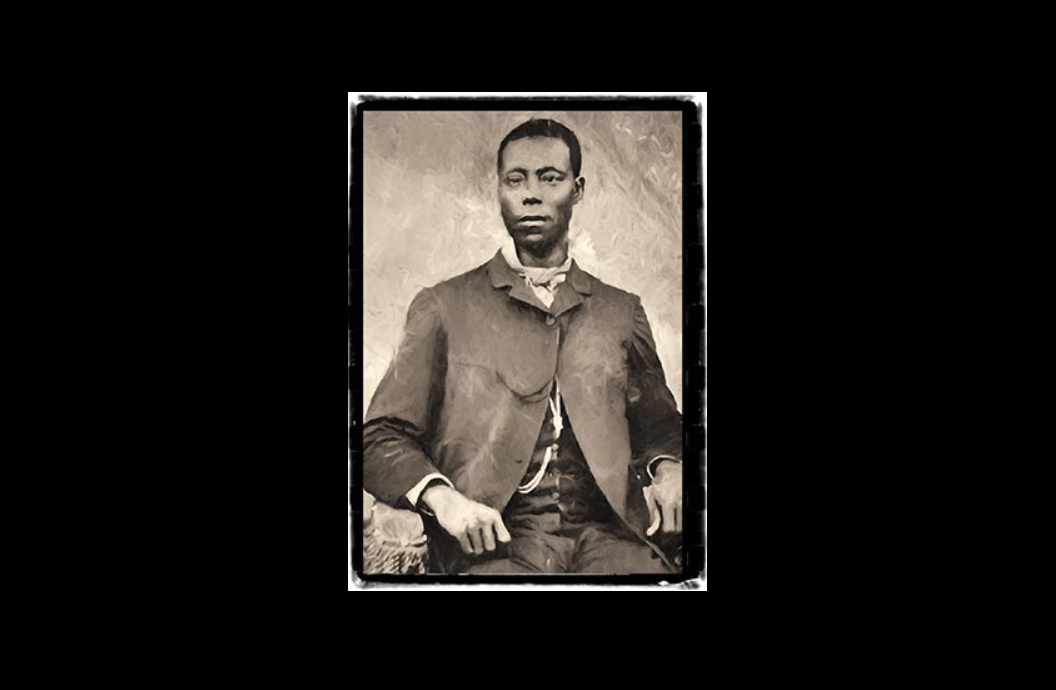
In 1821, Thomas L. Jennings became the first African American to receive a U.S. patent, for a method of dry-cleaning clothes using a “dry scouring” process. His innovation spurred a small business that served white and Black clientele alike, helping to overturn assumptions about who could be an inventor. Yet today, many students are unaware of this early technological contribution or its role in setting legal precedent for Black inventors. His story is a powerful reminder that innovation has often transcended racial barriers, even when history fails to record it.
Bessie Coleman’s Aviation Breakthrough
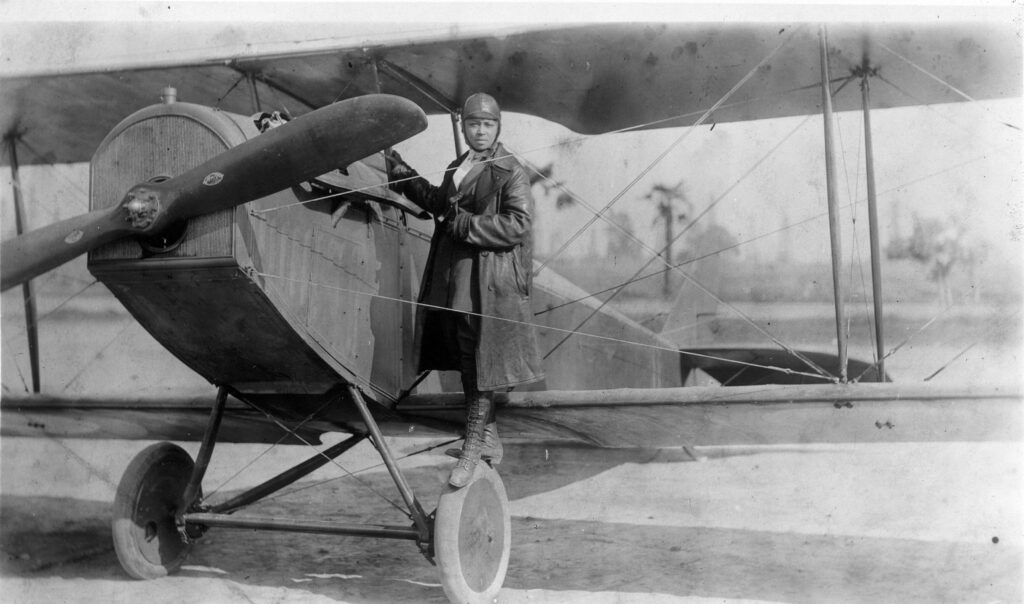
Bessie Coleman was the first Black woman in the world to earn a pilot’s license, doing so in France in 1921 because U.S. flight schools at the time barred her from enrollment due to her race and gender. She returned to the U.S. to perform barnstorming exhibitions and advocate for opportunities for other Black aviators. Her daring courage in the early days of aviation challenged social norms and inspired later generations, yet her name rarely appears in chapters on aviation history or women pioneers.
Alice Coachman’s Olympic Triumph
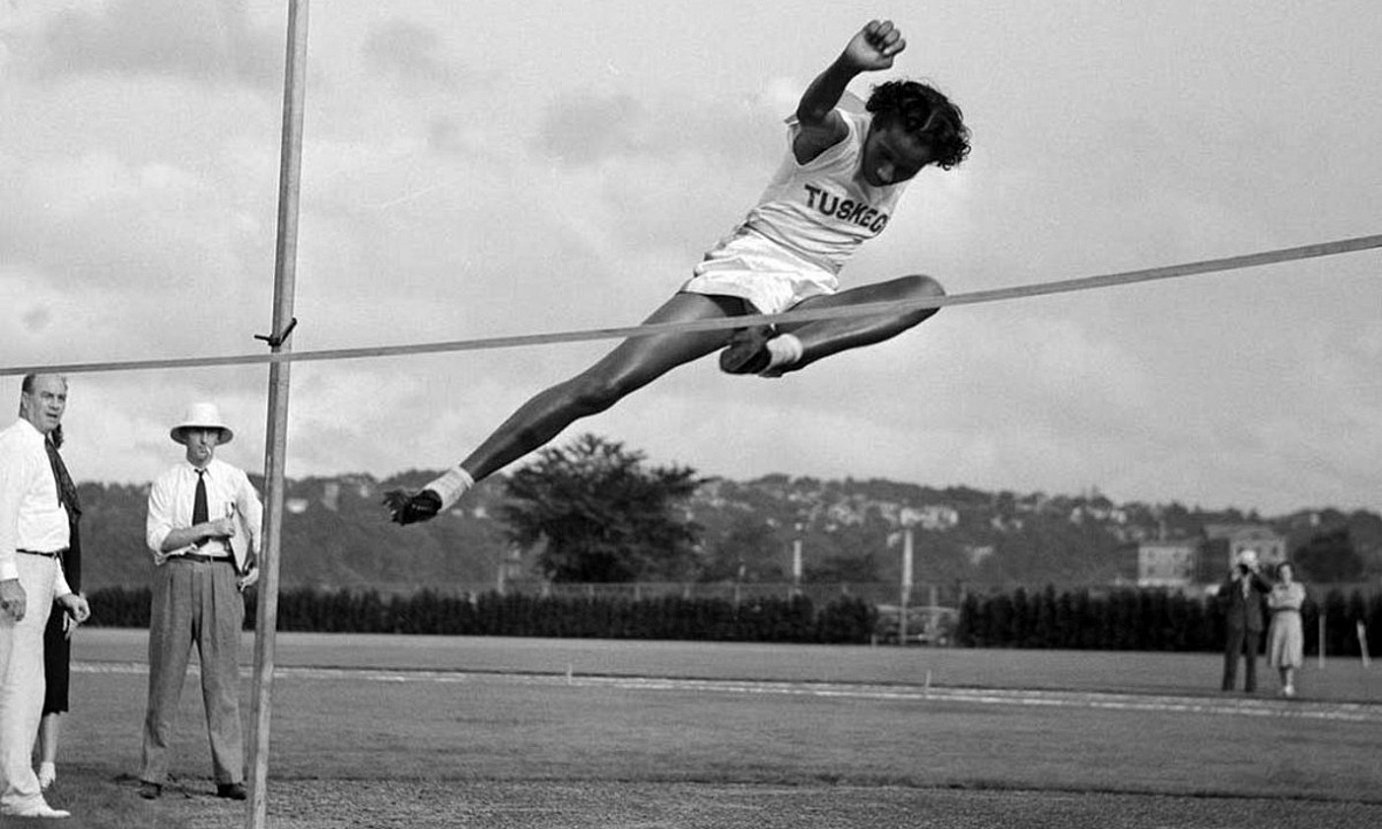
At the 1948 London Olympics, Alice Coachman became the first Black woman to win an Olympic gold medal (in the high jump). She set a precedent for Black women in international sports at a time when many athletic opportunities were still segregated. Her success paved the way for later icons like Wilma Rudolph and Jackie Joyner-Kersee, but many curricula omit her achievement in the broader narrative of Olympic history and civil rights.
Otis Boykin and the Improved Pacemaker
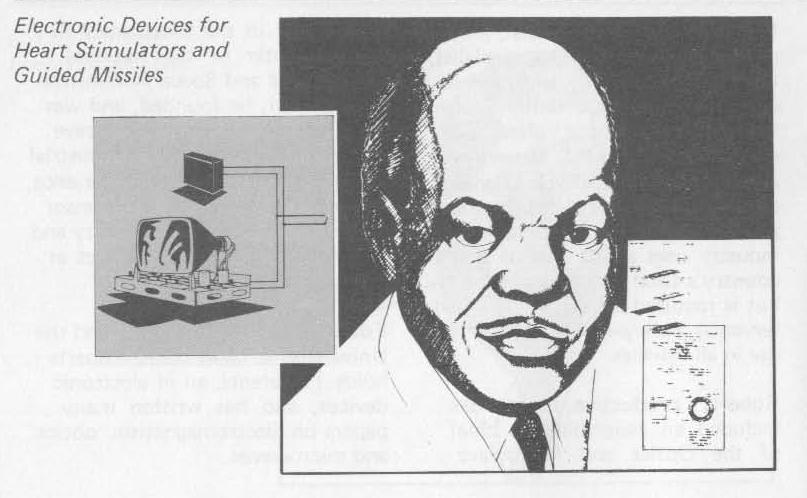
Electrical engineer Otis Boykin invented dozens of electronic devices and components, most notably a resistor used widely in pacemakers, as well as in computers and missile guidance systems. His innovations helped refine implantable cardiac devices and remote guidance electronics, yet his name is seldom associated with the stories of medical breakthroughs in mainstream narratives.
Garrett Morgan’s Safety Inventions
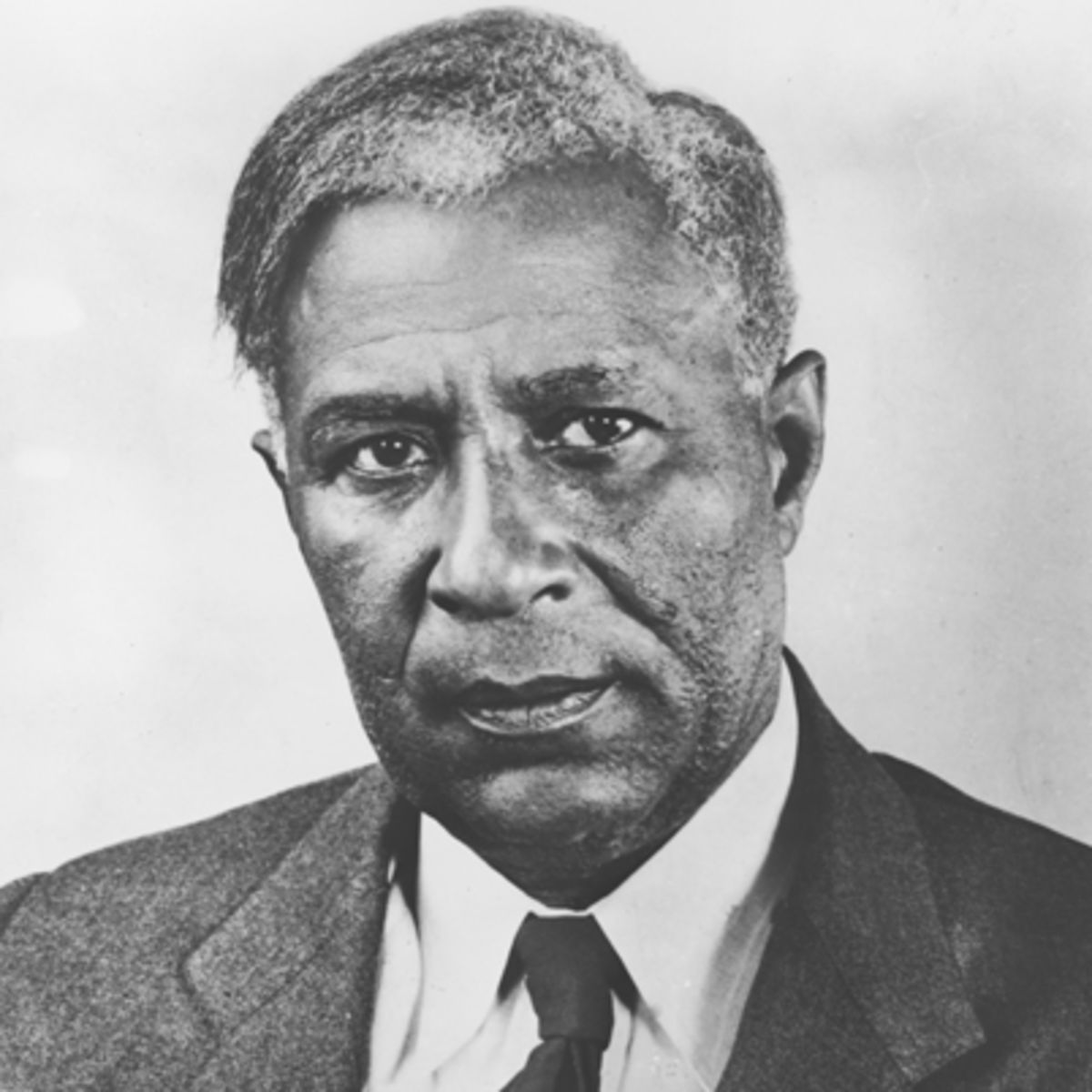
Garrett Morgan devised a gas mask and a three-position traffic signal (stop, go, and caution), both patented in the 1910s. His traffic signal design laid the foundation for the modern system of road safety signaling. Still, Morgan’s name is rarely mentioned alongside other inventors in the history of traffic systems or public safety devices.
Henrietta Lacks and HeLa Cells
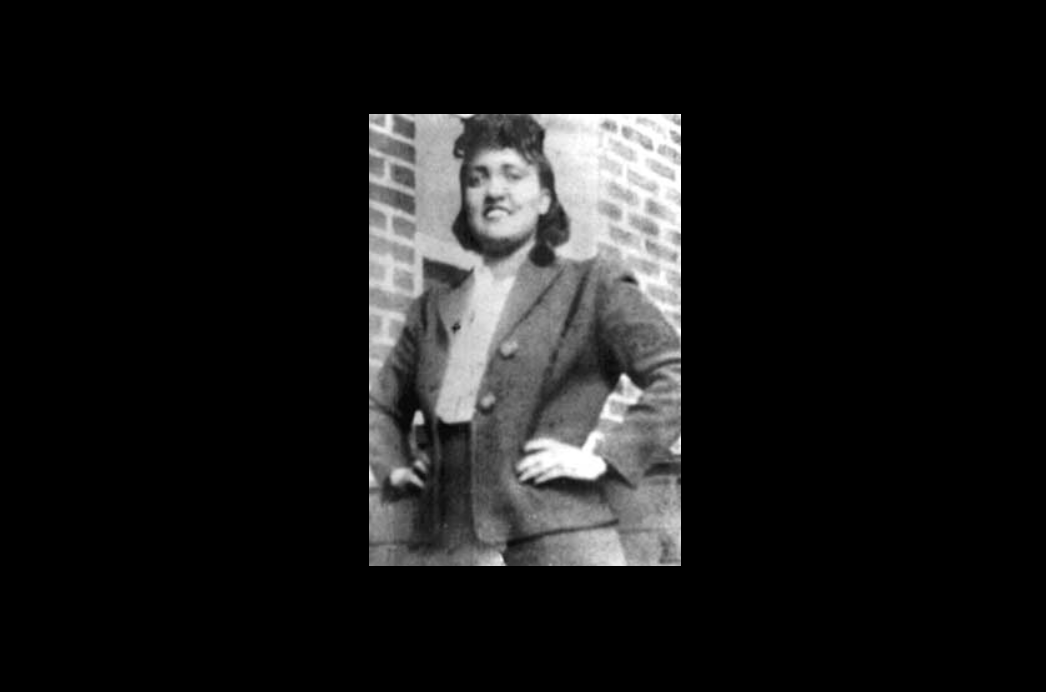
Though she did not seek public fame, Henrietta Lacks’s cancer cells, dubbed HeLa, became the first immortal human cell line, enabling countless medical discoveries, from polio vaccine development to cancer research and gene mapping. Despite the magnitude of her contribution to science, many students never learn her story or the ethical debates it sparked about consent and medical research.
John Henry Thompson and the Macromedia Flash
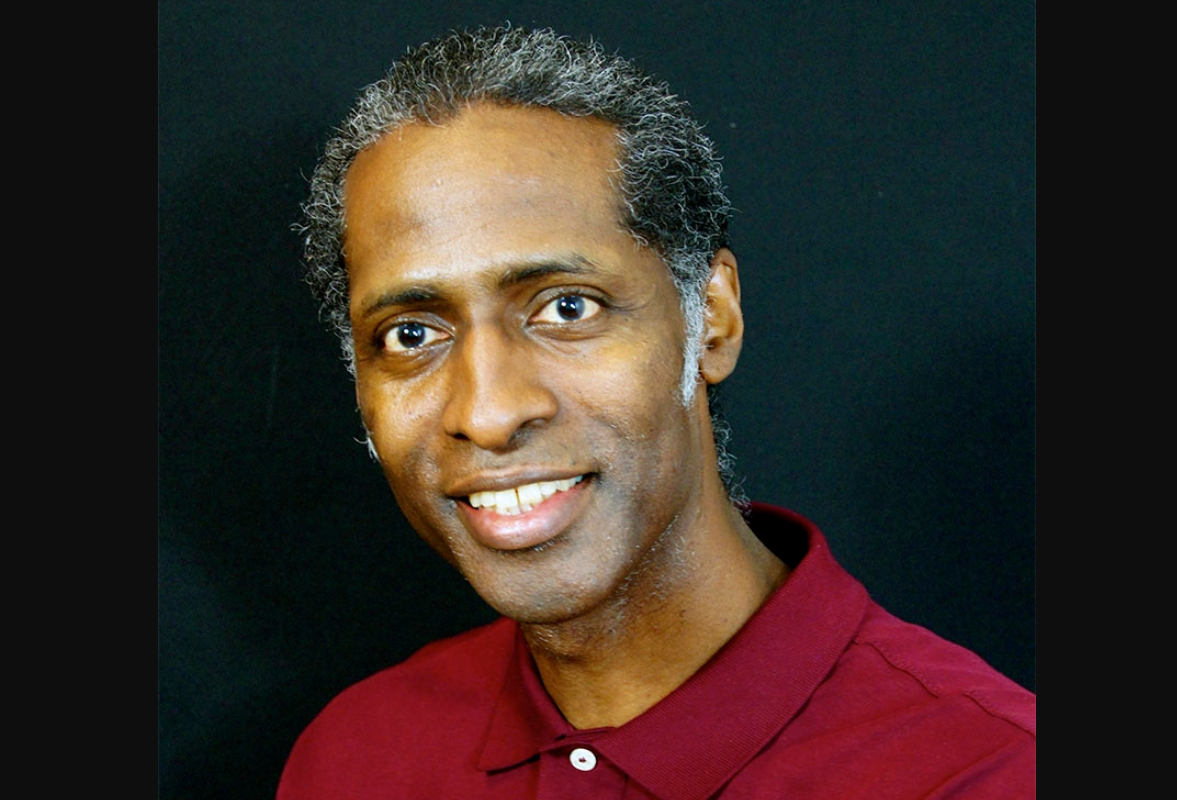
In the digital era, John Henry Thompson helped create the scripting language behind Macromedia Flash (originally ActionScript), which underpinned much of the early interactive web. His contributions influenced web animation and multimedia experiences for millions worldwide, but his recognition rarely features in standard narratives of computing history.
Marsha P. Johnson and Queer Activism
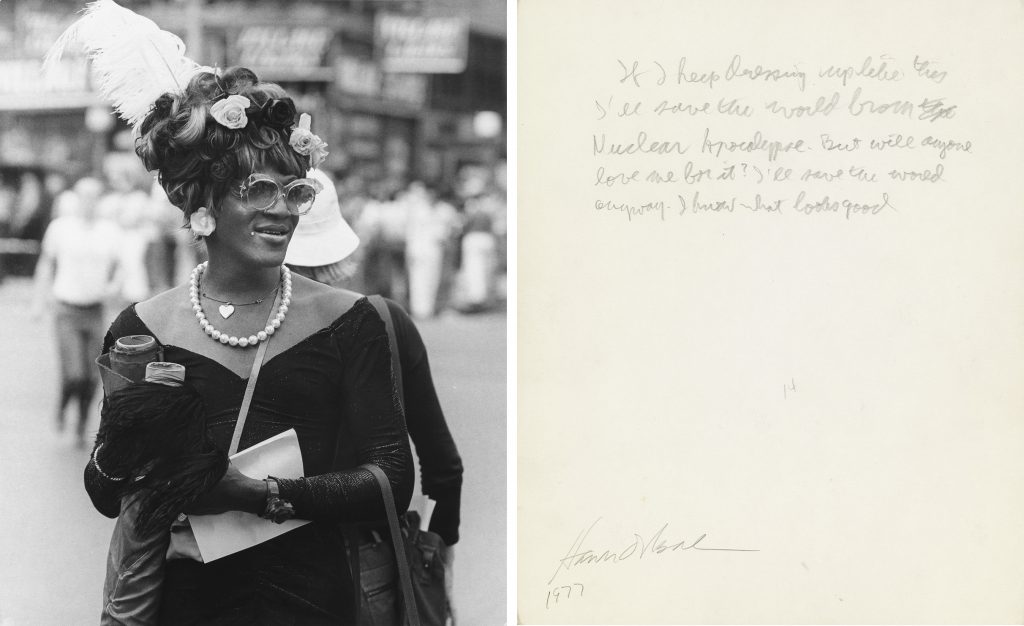
Marsha P. Johnson was a central figure in the 1960s and ’70s gay rights movement, participating in Stonewall and co-founding the Street Transvestite Action Revolutionaries (STAR). Her activism among Black queer communities is a pivotal chapter in civil rights and LGBTQ+ history, yet many school textbooks ignore her intersectional legacy.
Lewis Latimer’s Carbon Filament Light Bulb
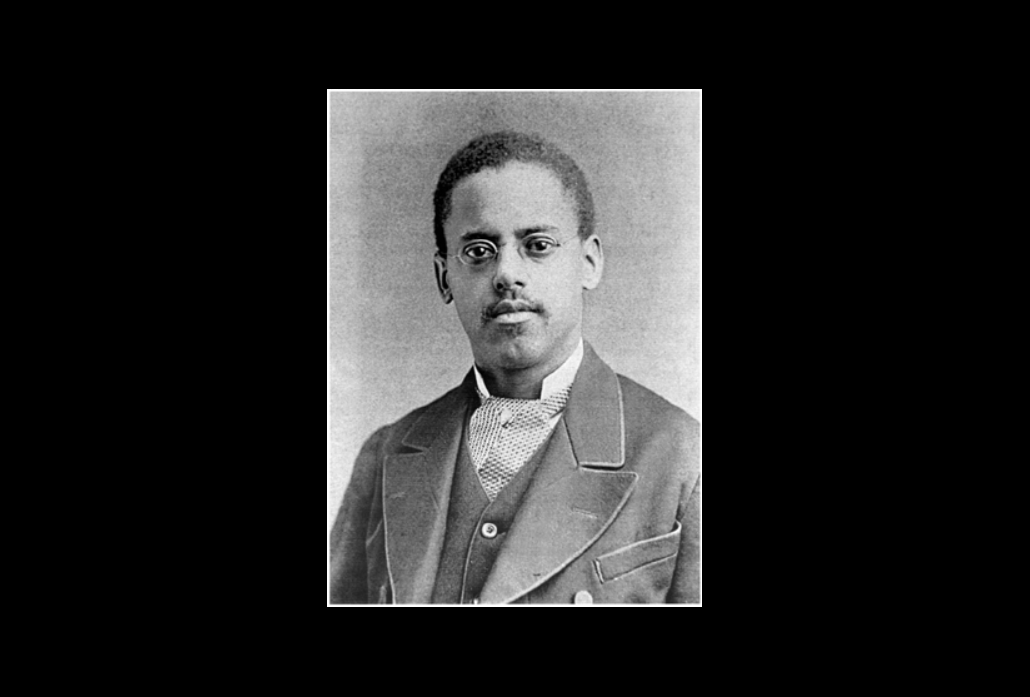
Lewis Latimer improved carbon filament manufacturing processes and designed mechanisms for electric lights, working with both Alexander Graham Bell and Thomas Edison. His refinements lowered the cost and increased the practicality of electric light bulbs, but his name is rarely credited in foundational histories of electricity or lighting innovation.
Oscar Micheaux and Independent Film
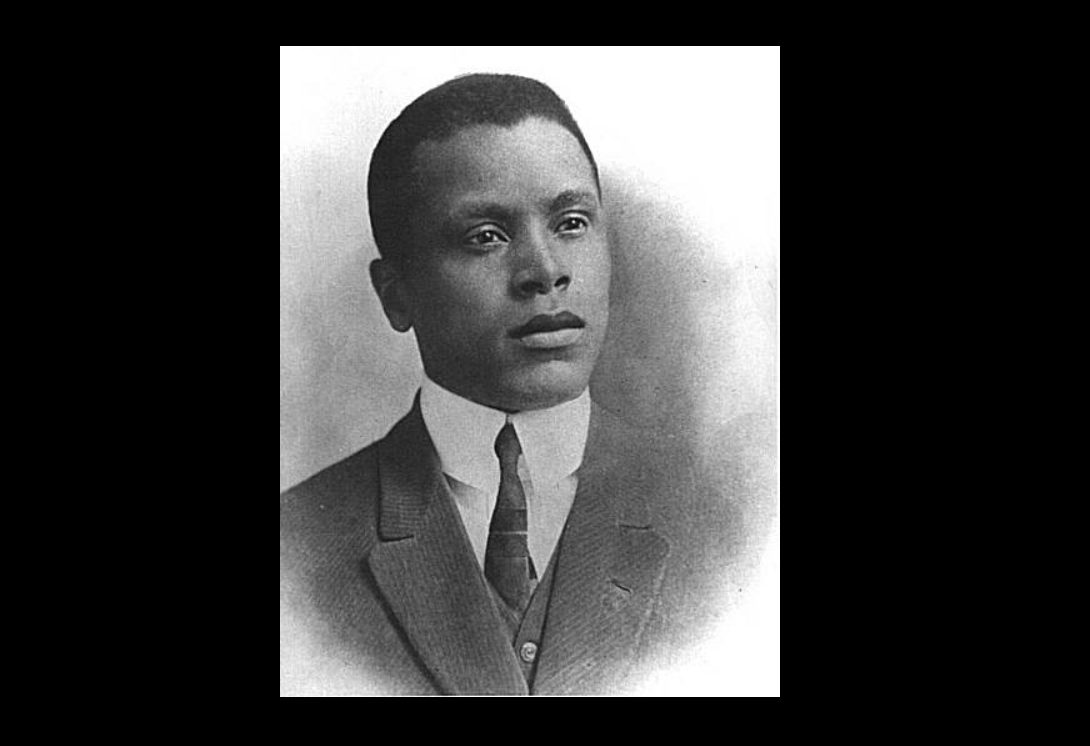
Oscar Micheaux was a pioneering Black filmmaker in the early 20th century, producing and directing over 40 films that challenged prevailing racial stereotypes. He forged a path for Black cinema and independent storytelling but is often omitted from film history textbooks, where the narrative tends to focus on Hollywood studio systems.