
Architecture often serves as a visual representation of a state’s culture, values, and historical influences. Across the United States, many buildings have become symbolic landmarks that reflect regional identity and pride. From iconic skyscrapers to centuries-old structures, these buildings capture the essence of their state through design, innovation, and historical significance. Travelers often recognize these structures instantly, even without seeing their names. Exploring what makes each one unique reveals how architecture shapes cultural memory.
Empire State Building, New York
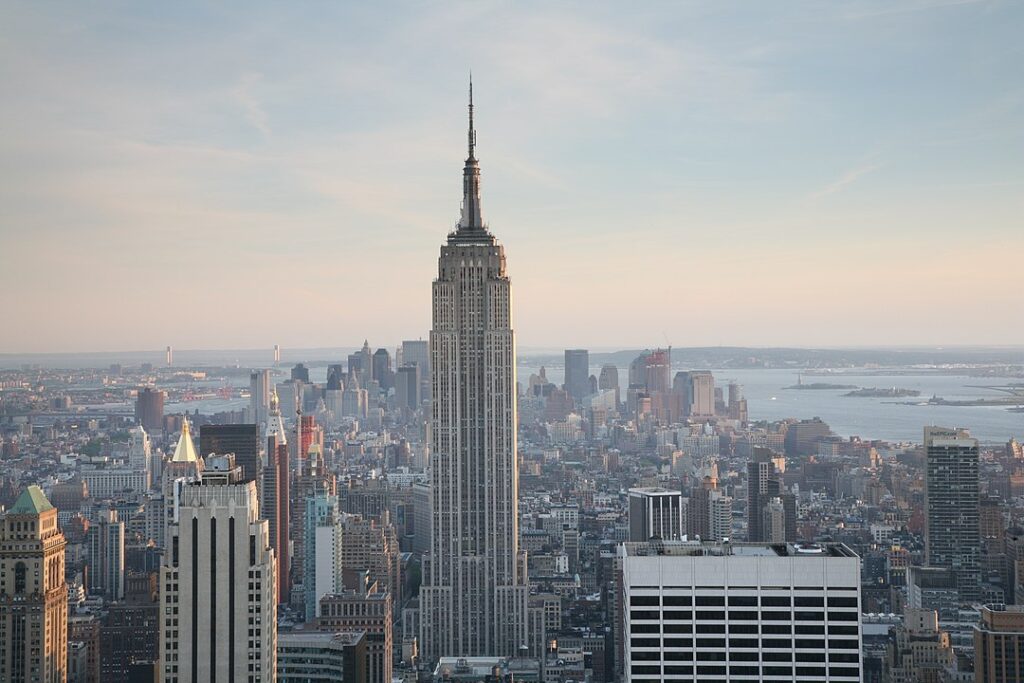
The Empire State Building has long symbolized New York’s ambition, architectural innovation, and global influence. Completed during the early 1930s, it represented hope and progress during a challenging economic era. Its Art Deco design remains one of the most recognizable styles in American architecture. Visitors from around the world travel to its observation decks to experience the vast Manhattan skyline. Today, it stands as a cultural icon representing the speed, energy, and power of New York.
Golden Gate Bridge, California
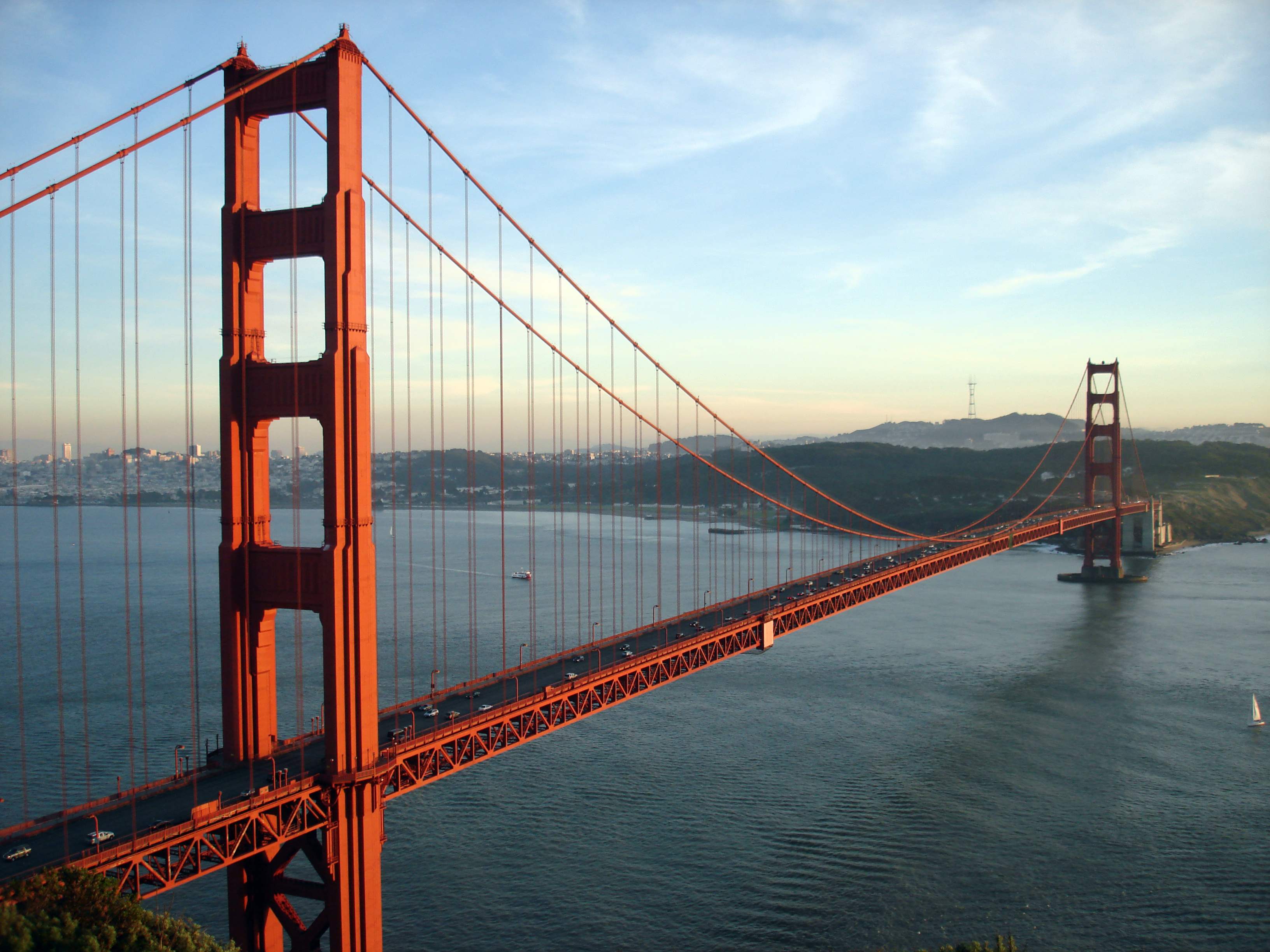
While technically a bridge, its architectural significance makes it one of California’s most iconic structures. Its striking International Orange color was chosen to enhance visibility through San Francisco’s fog, giving it a distinctive identity. Completed in 1937, the bridge reflects California’s spirit of bold engineering and scenic beauty. Its suspension design was groundbreaking for its time, transforming the region’s transportation and economy. The Golden Gate Bridge remains a highly photographed symbol of California’s coastal identity.
The Alamo, Texas
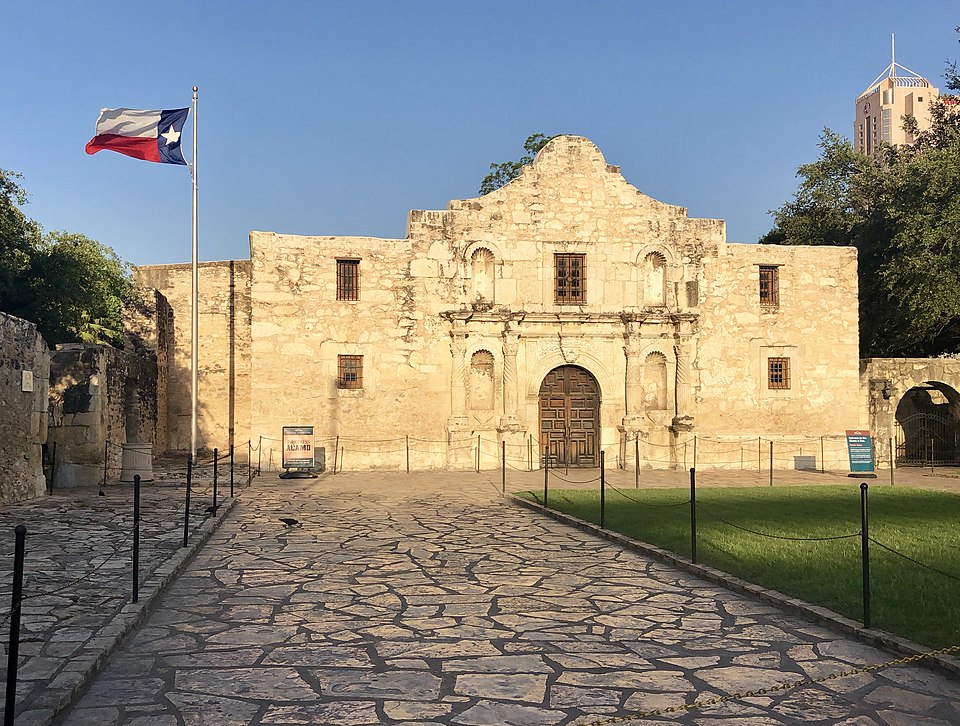
The Alamo stands as a symbol of Texas independence, courage, and resilience. Built originally as a Spanish mission, it later became the site of a pivotal battle during the Texas Revolution. Its limestone façade and mission-style architecture highlight Texas’s deep Spanish and Mexican influences. Visitors come to reflect on the history and sacrifices made during the 1836 siege. Today, the Alamo remains a cultural cornerstone of Texas heritage.
Biltmore Estate, North Carolina
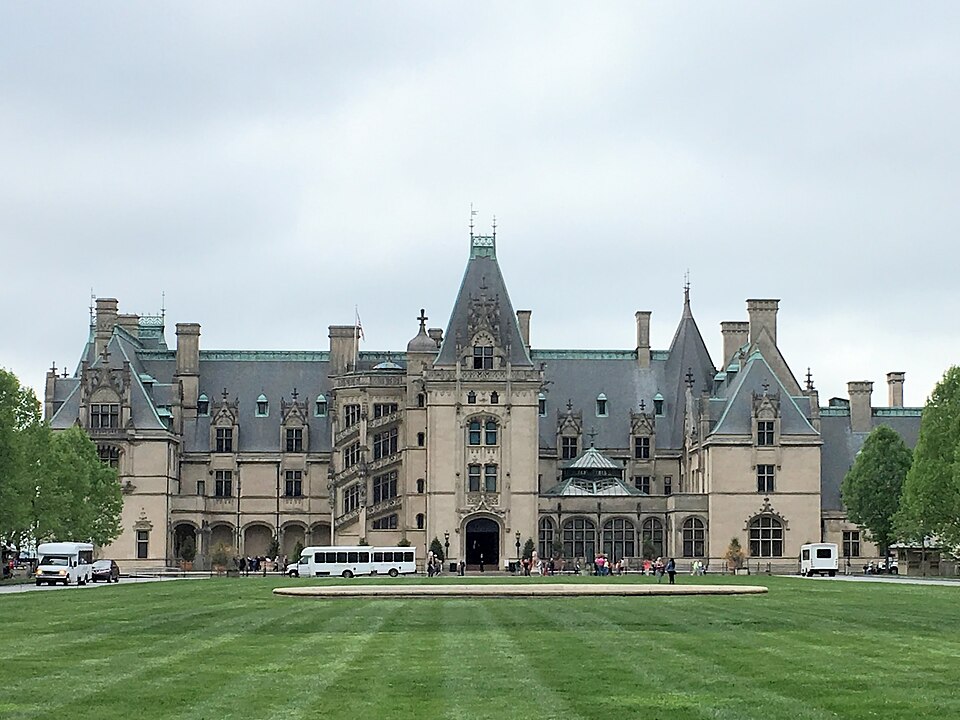
The Biltmore Estate showcases North Carolina’s rich history of craftsmanship and natural beauty. Completed in 1895 by George Vanderbilt, the home reflects French Renaissance architecture with elaborate detailing. Surrounded by gardens designed by Frederick Law Olmsted, the estate blends architectural grandeur with picturesque landscapes. Its role as America’s largest private home gives it national significance. The Biltmore represents North Carolina’s legacy of artistry and preservation.
Gateway Arch, Missouri
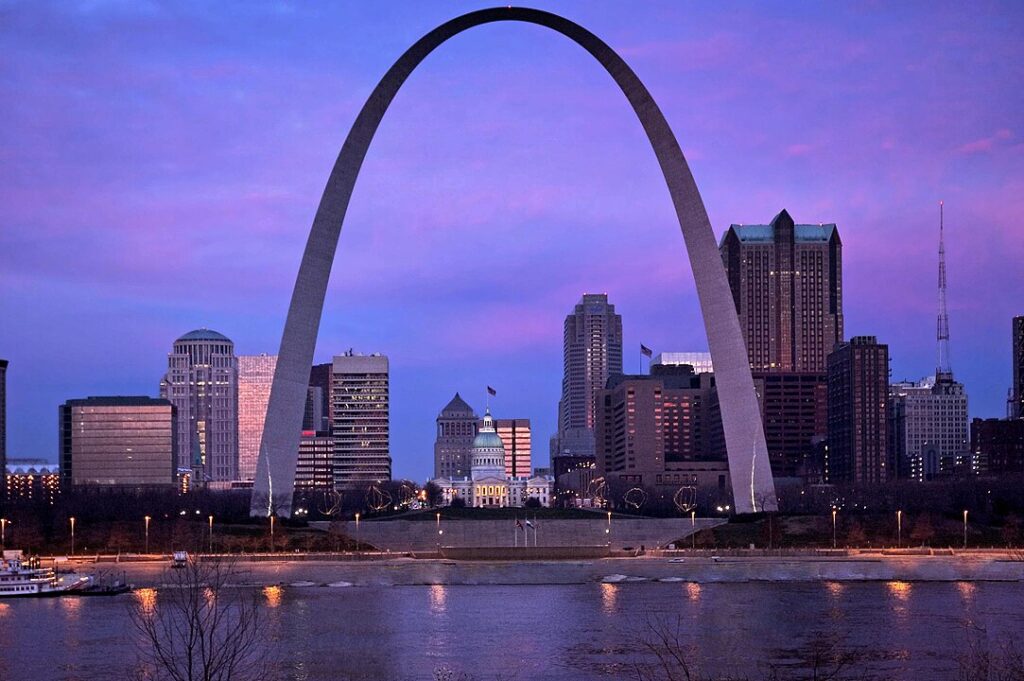
The Gateway Arch symbolizes Missouri’s role as the gateway to the American West. Completed in 1965, its stainless-steel exterior and sweeping curve create a futuristic yet timeless design. The arch commemorates westward expansion and the pioneers who traveled through St. Louis. Its engineering required innovative construction techniques that still impress architects today. As the tallest monument in the U.S., it remains a symbol of national exploration.
Independence Hall, Pennsylvania
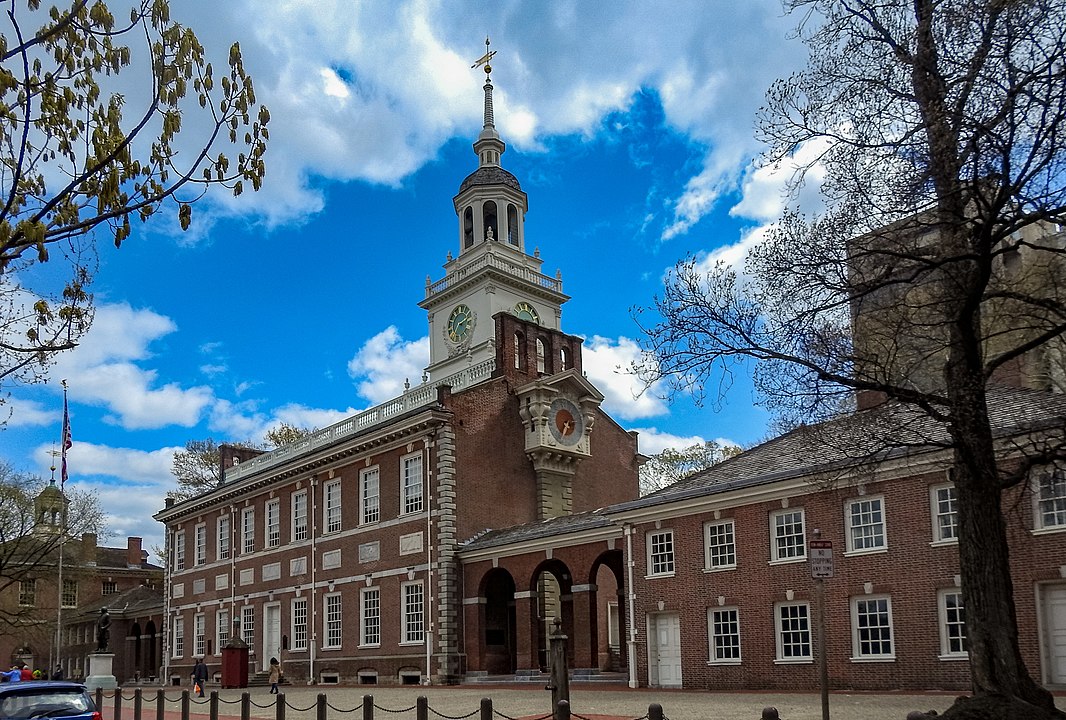
Independence Hall embodies the spirit of American democracy, as it served as the birthplace of the Declaration of Independence and the Constitution. Its Georgian architecture reflects the colonial style prevalent during the 18th century. The building’s symmetrical design and brick façade highlight traditional craftsmanship. Tourists from around the world visit to experience the foundation of American governance. Independence Hall remains a vital landmark in Pennsylvania’s political heritage.
Space Needle, Washington

The Space Needle represents Washington’s forward-thinking culture and connection to aerospace innovation. Built for the 1962 World’s Fair, its futuristic design captured the nation’s fascination with space exploration. The structure’s saucer-shaped top and slender legs give it an iconic silhouette. It offers panoramic views of Seattle’s skyline, mountains, and waterfront. The Space Needle remains a defining symbol of Washington’s creativity and technological spirit.
The Nevada State Capitol, Nevada

Nevada’s State Capitol reflects the state’s Western heritage and early frontier architecture. Completed in 1871, it features a silver-domed roof referencing Nevada’s nickname, the Silver State. The building’s Neoclassical style mirrors the government structures of its time while incorporating local character. Its historic chambers and preserved interiors give visitors a glimpse into early statehood. The Capitol remains a proud representation of Nevada’s mining roots and political history.
Art Institute of Chicago, Illinois
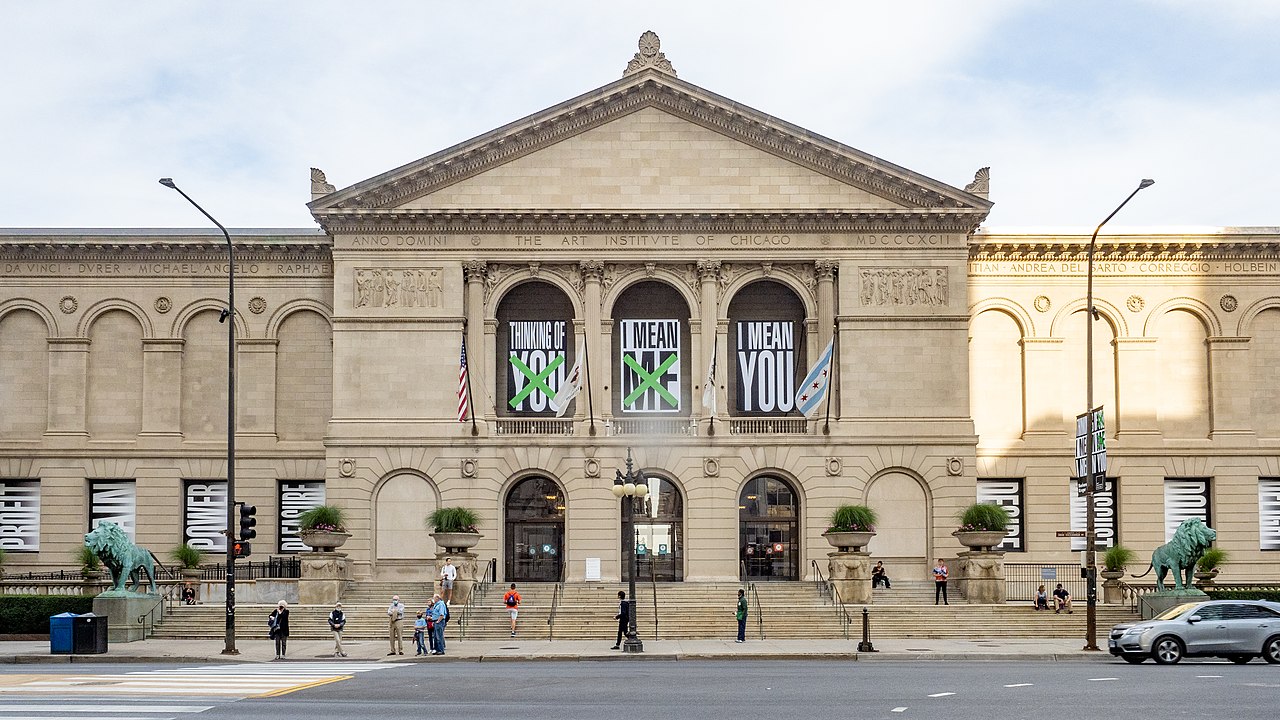
The Art Institute of Chicago represents Illinois’s commitment to culture, education, and artistic achievement. Its Beaux-Arts design features grand columns, sculptural lions, and detailed stonework. As one of the nation’s oldest museums, it houses extensive art collections that attract global visitors. The building stands near Millennium Park, blending classical architecture with the modern skyline. It symbolizes Chicago’s role as a cultural capital of the Midwest.
State Capitol Building, Colorado
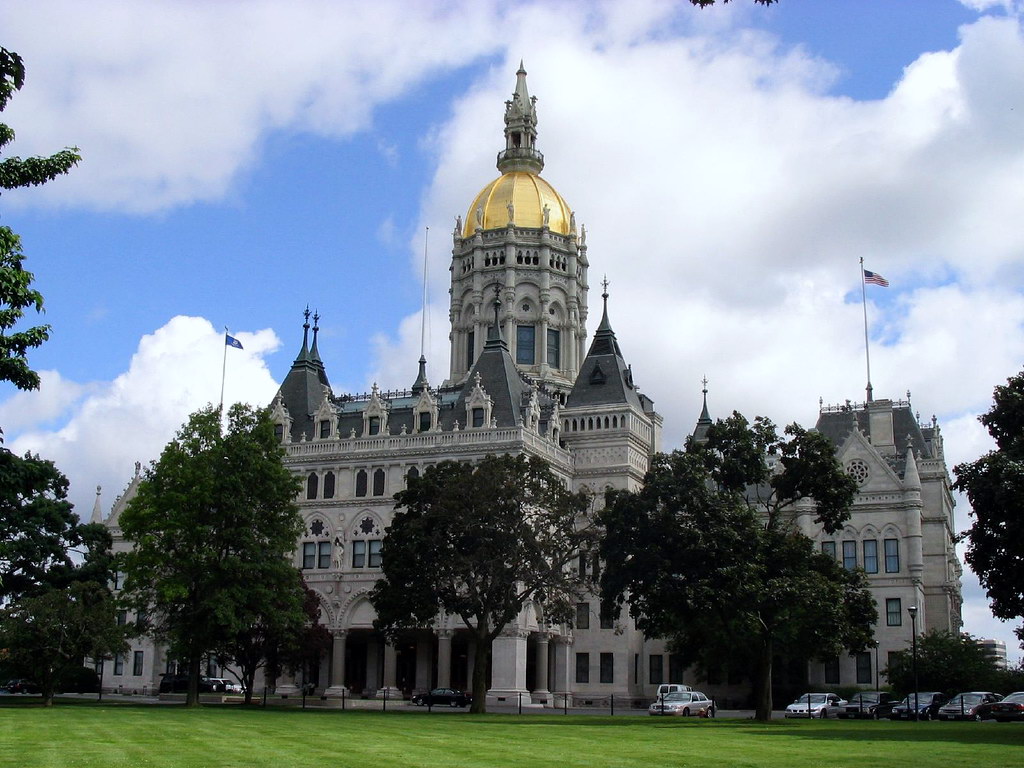
Colorado’s State Capitol showcases the state’s natural beauty and mining legacy through its design choices. Its distinctive gold-leaf dome honors the state’s Gold Rush history. Completed in the late 19th century, the building features classic Corinthian columns and granite sourced from local quarries. Visitors often climb the interior steps to reach the “Mile High” marker exactly 5,280 feet above sea level. The Capitol remains a strong representation of Colorado’s identity and natural elevation.